THE hot hatches of the 1980s and 1990s understood something that seems to have been forgotten. Lightness of touch.
Also, responsive steering and enough performance to make you smile without putting your licence at immediate risk.
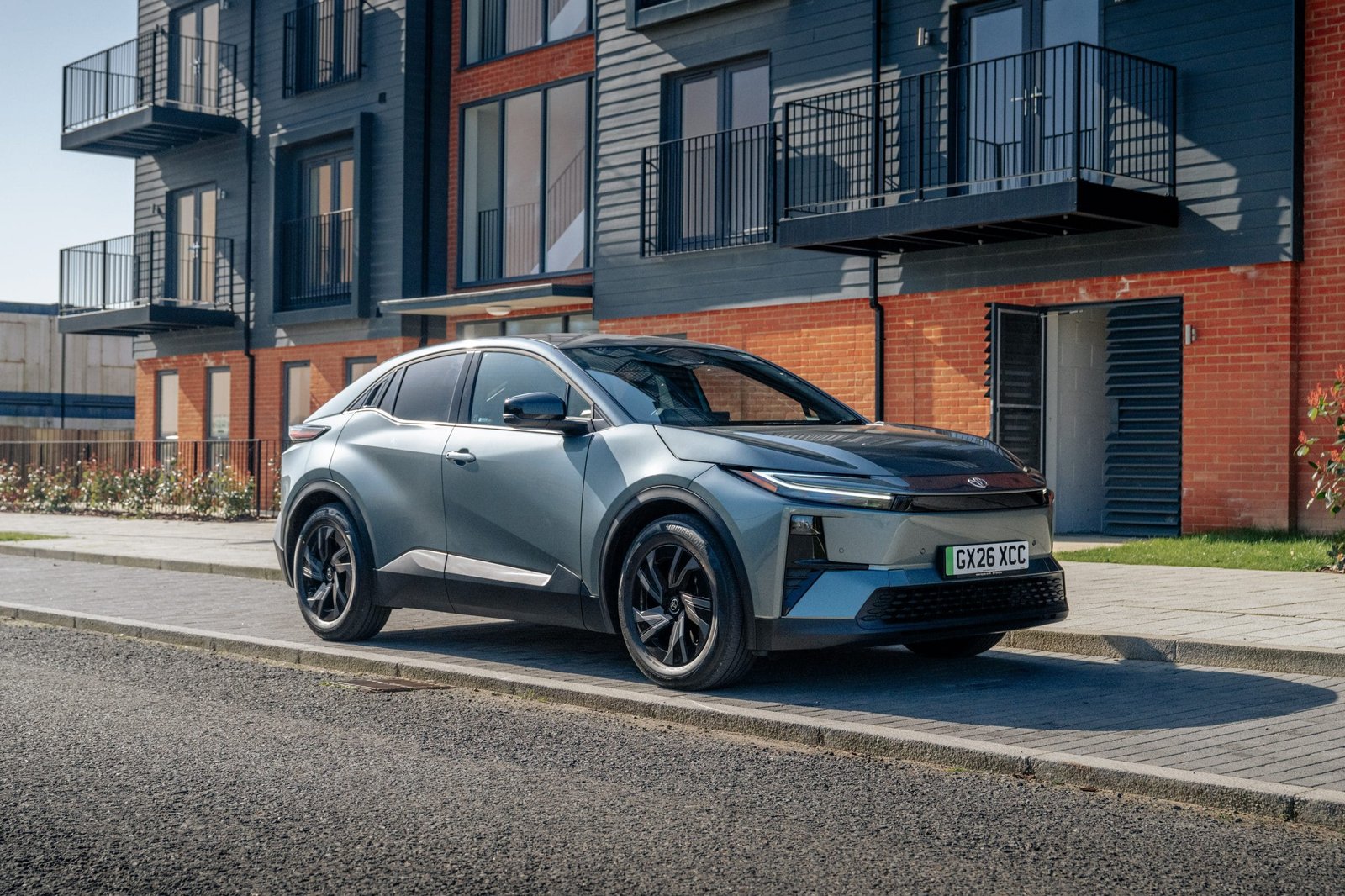
The new Toyota C-HR+ reminded me of those cars and that wasn’t something I had expected – certainly not from a Toyota electric SUV.

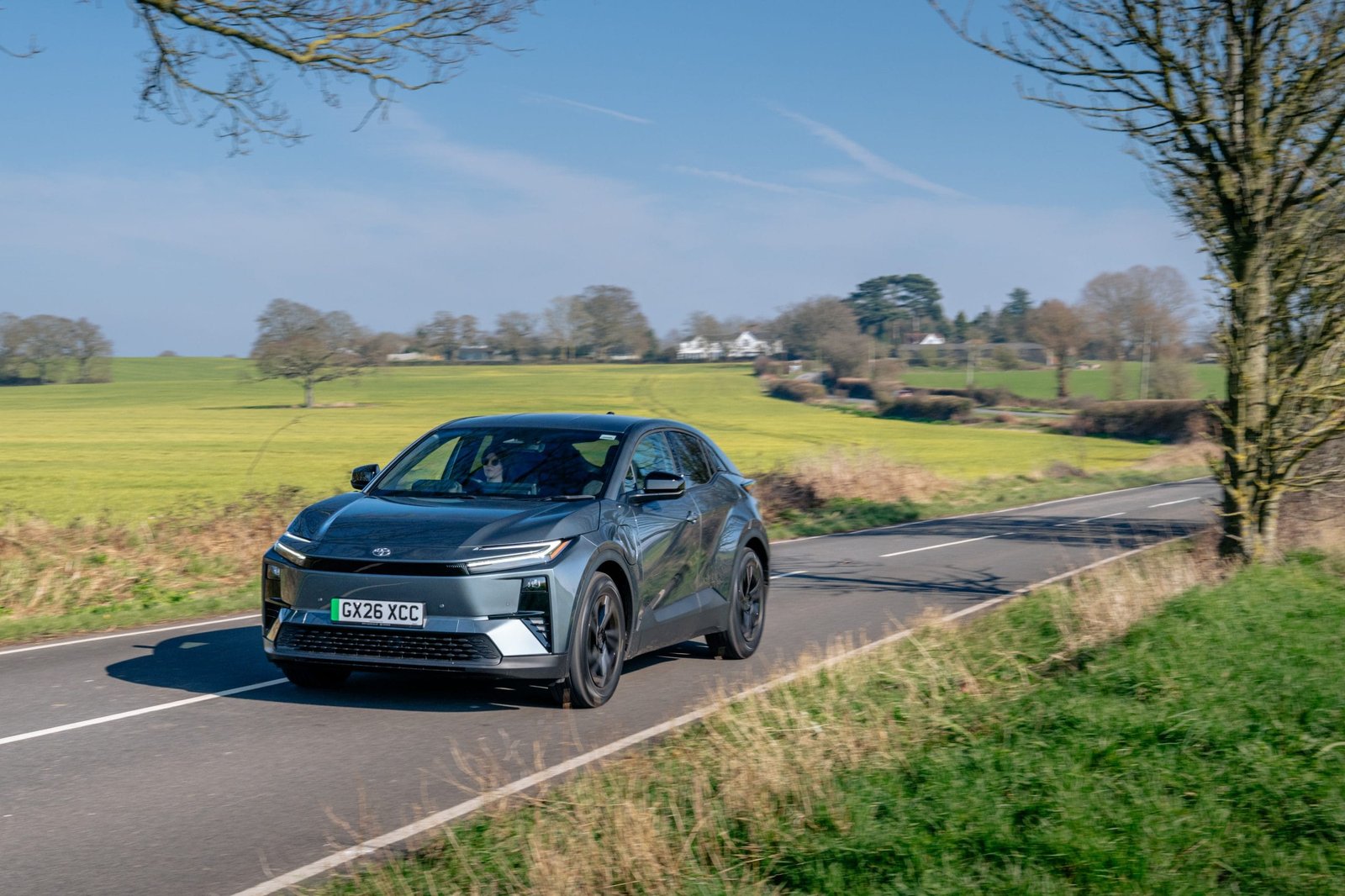
Yet after spending a week with the C-HR+ Design 77kWh, I found myself looking forward to the next twist in the road rather more than I had anticipated.
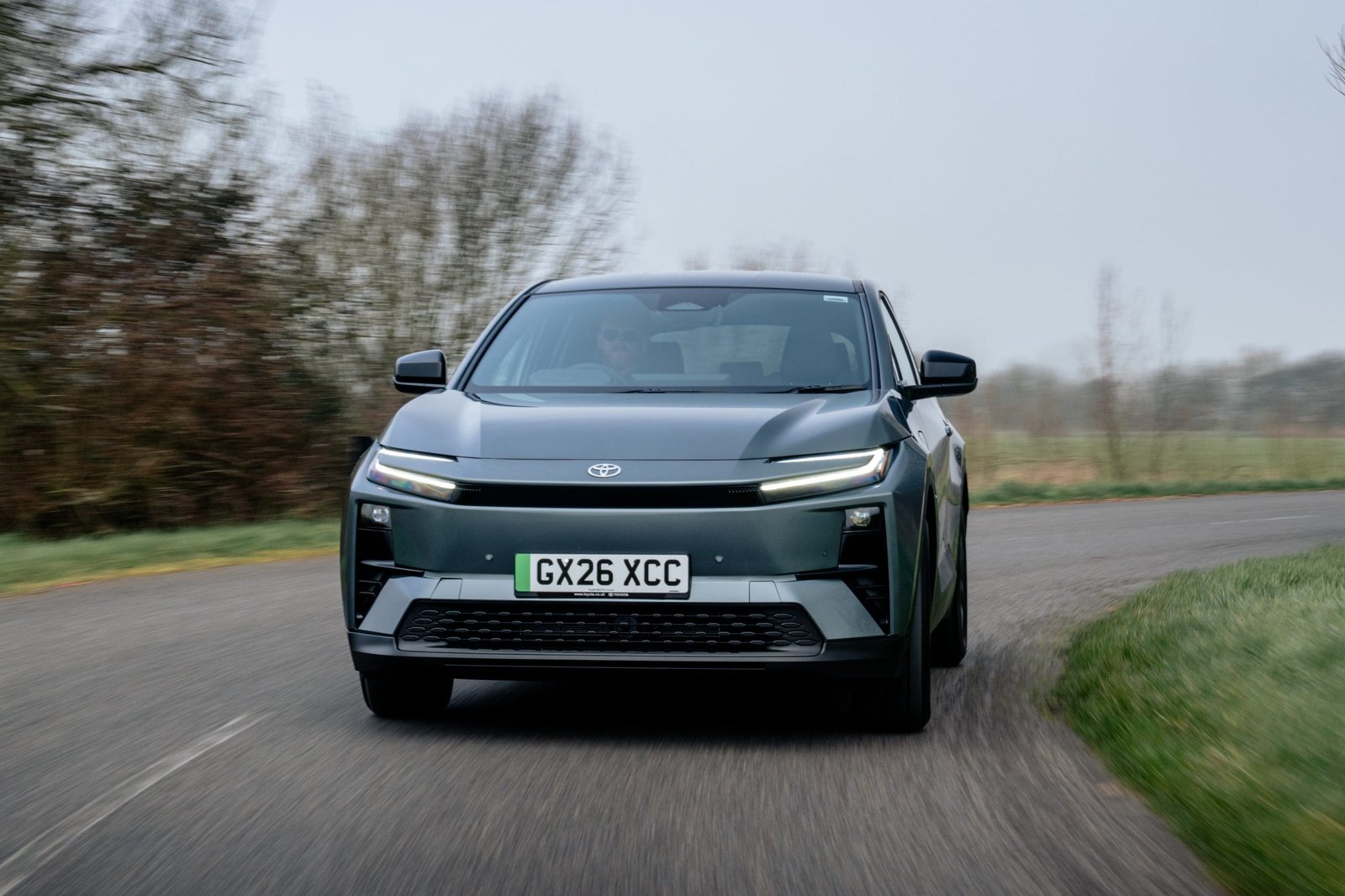
It’s quick, but not ridiculously quick. It handles with genuine enthusiasm though, and there’s something about the way you sit behind that low-set steering wheel that gives the whole car a slightly go-kart feel.
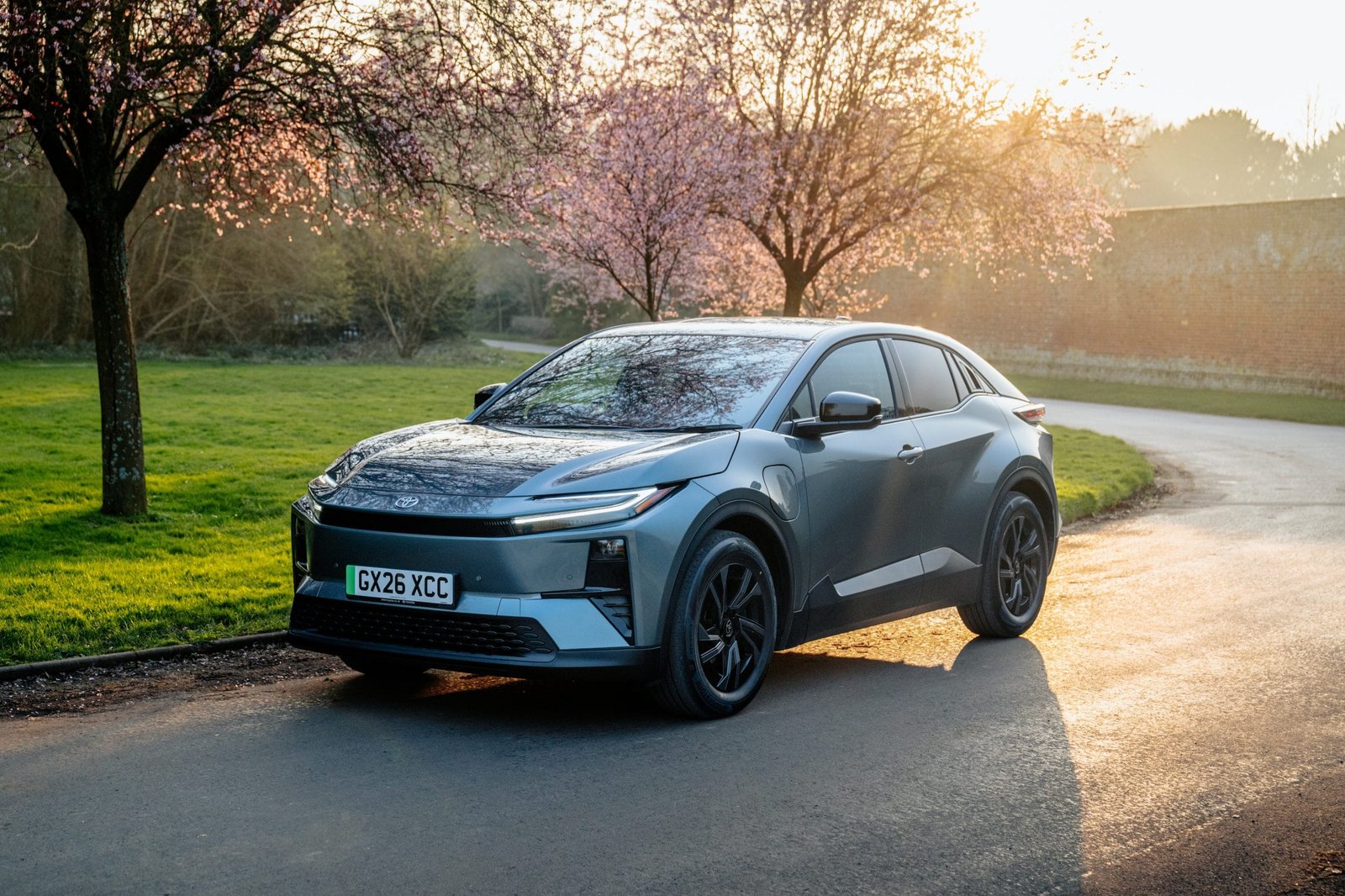
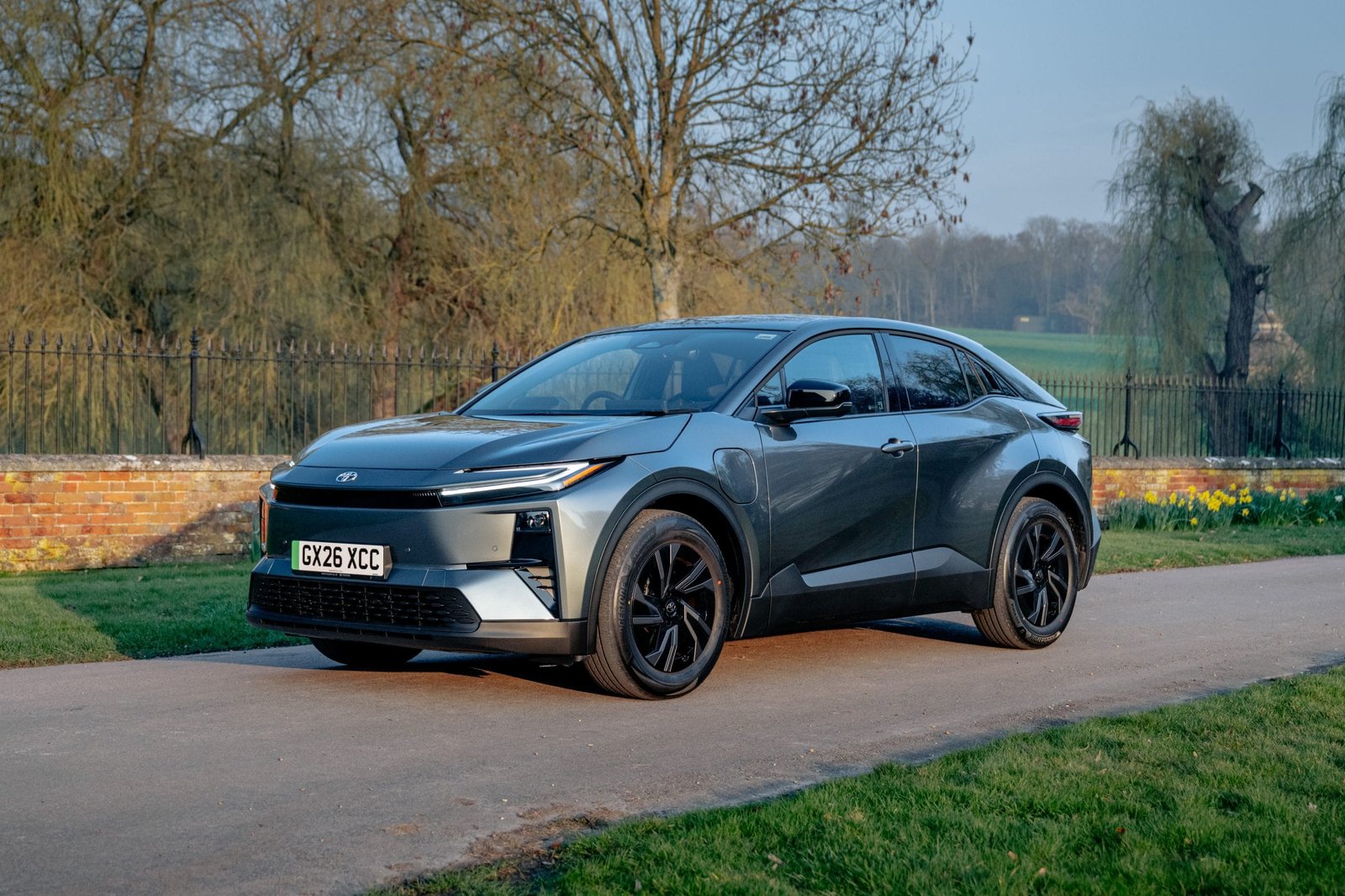
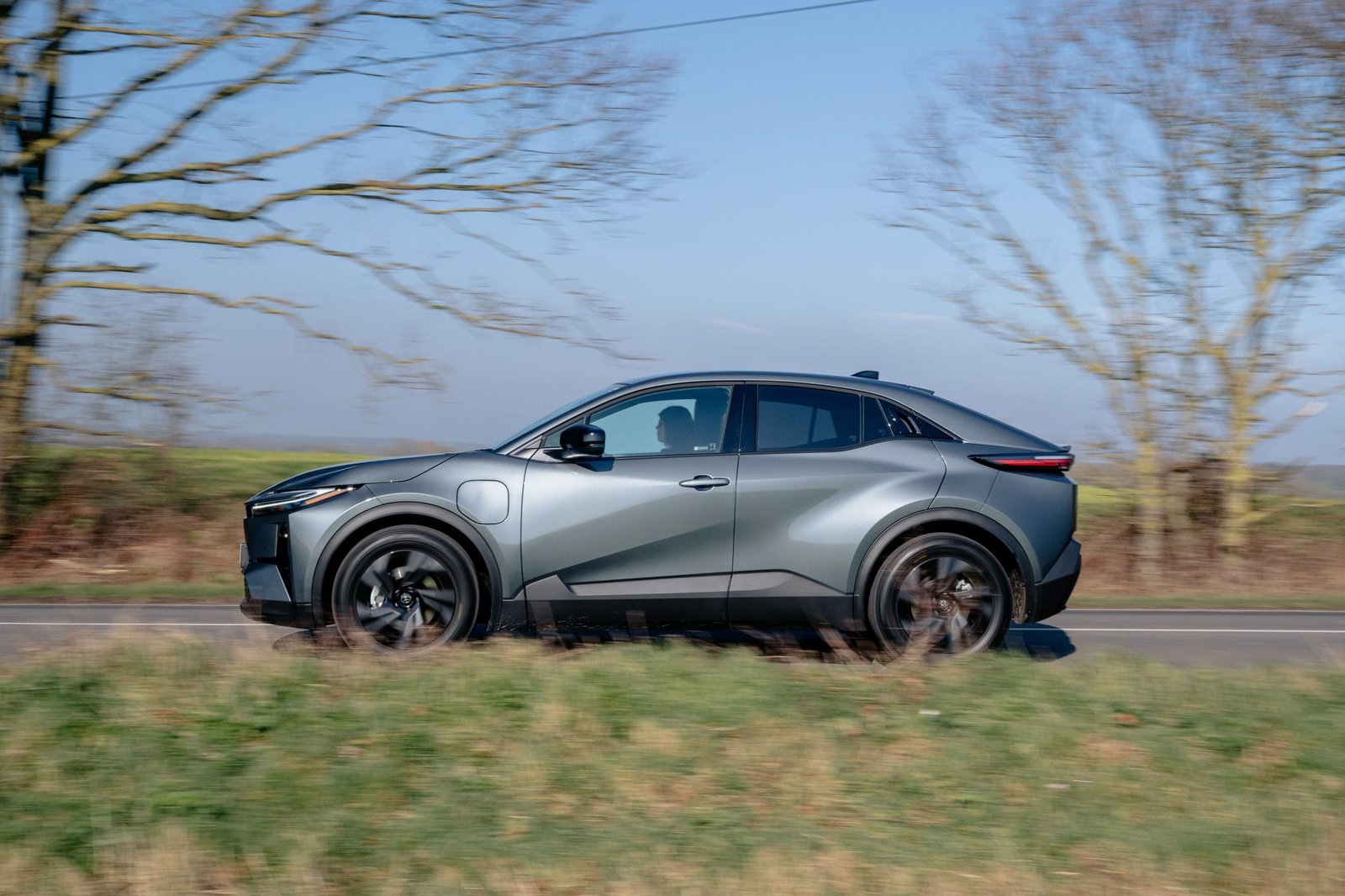
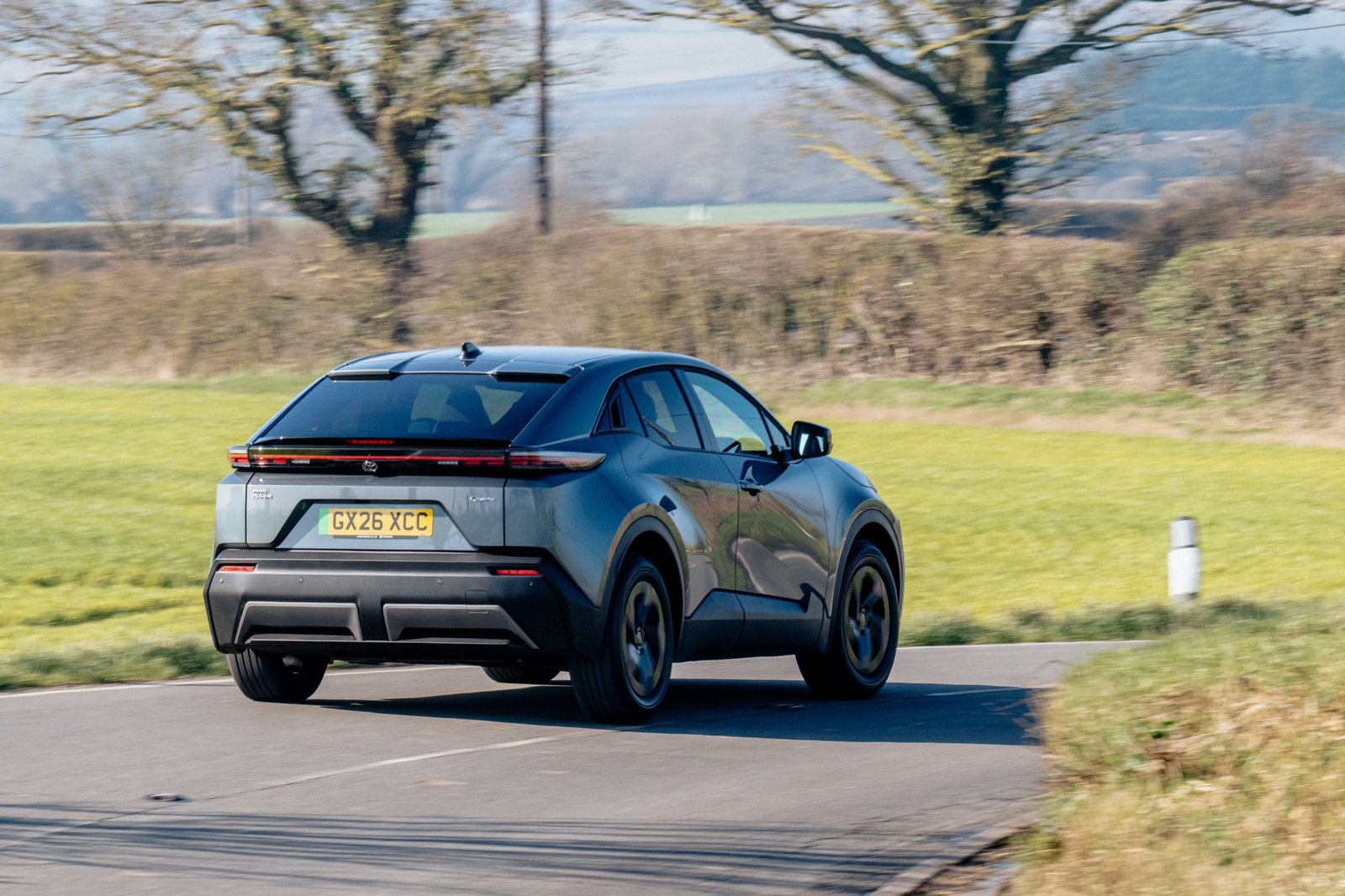
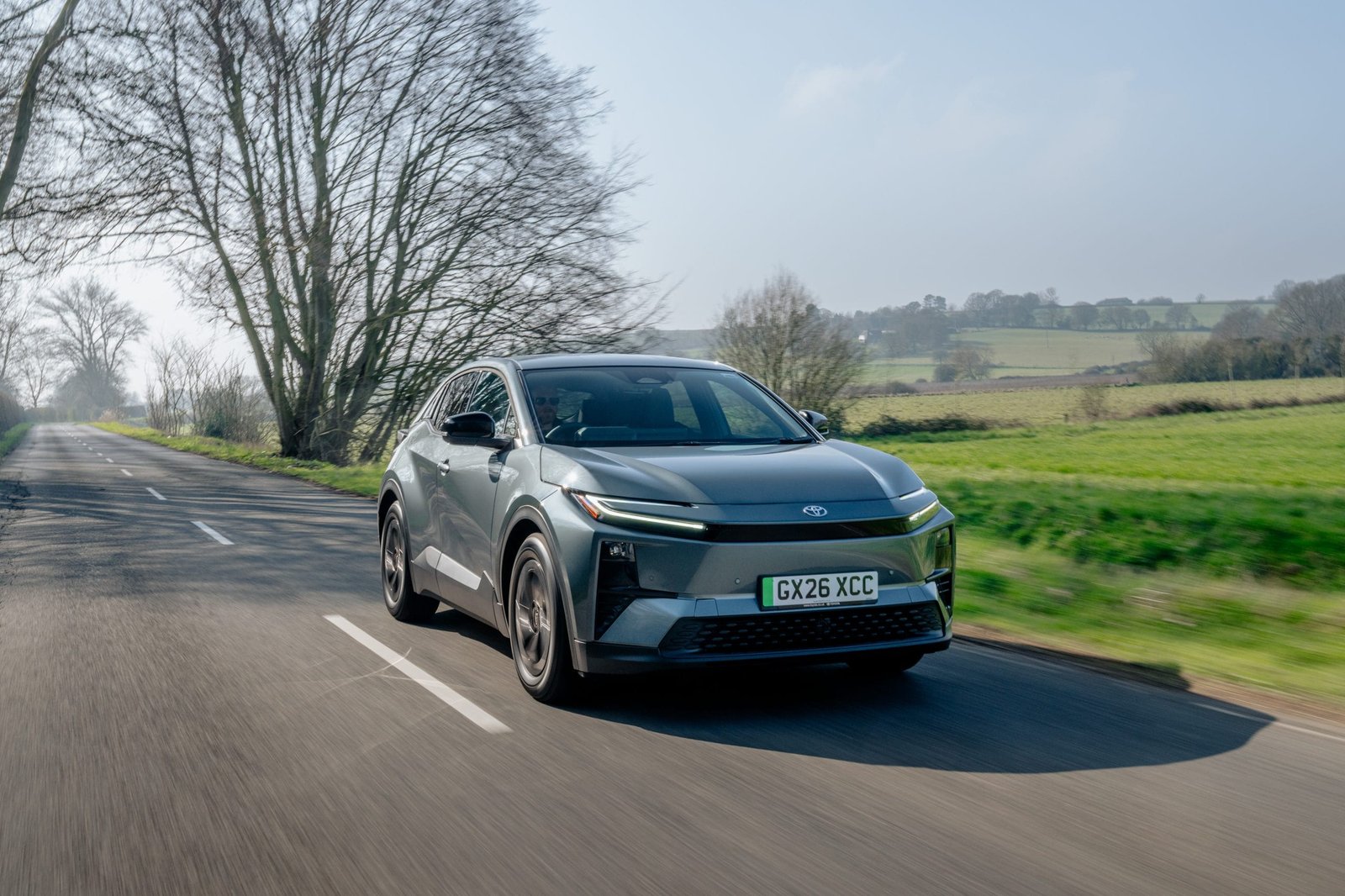
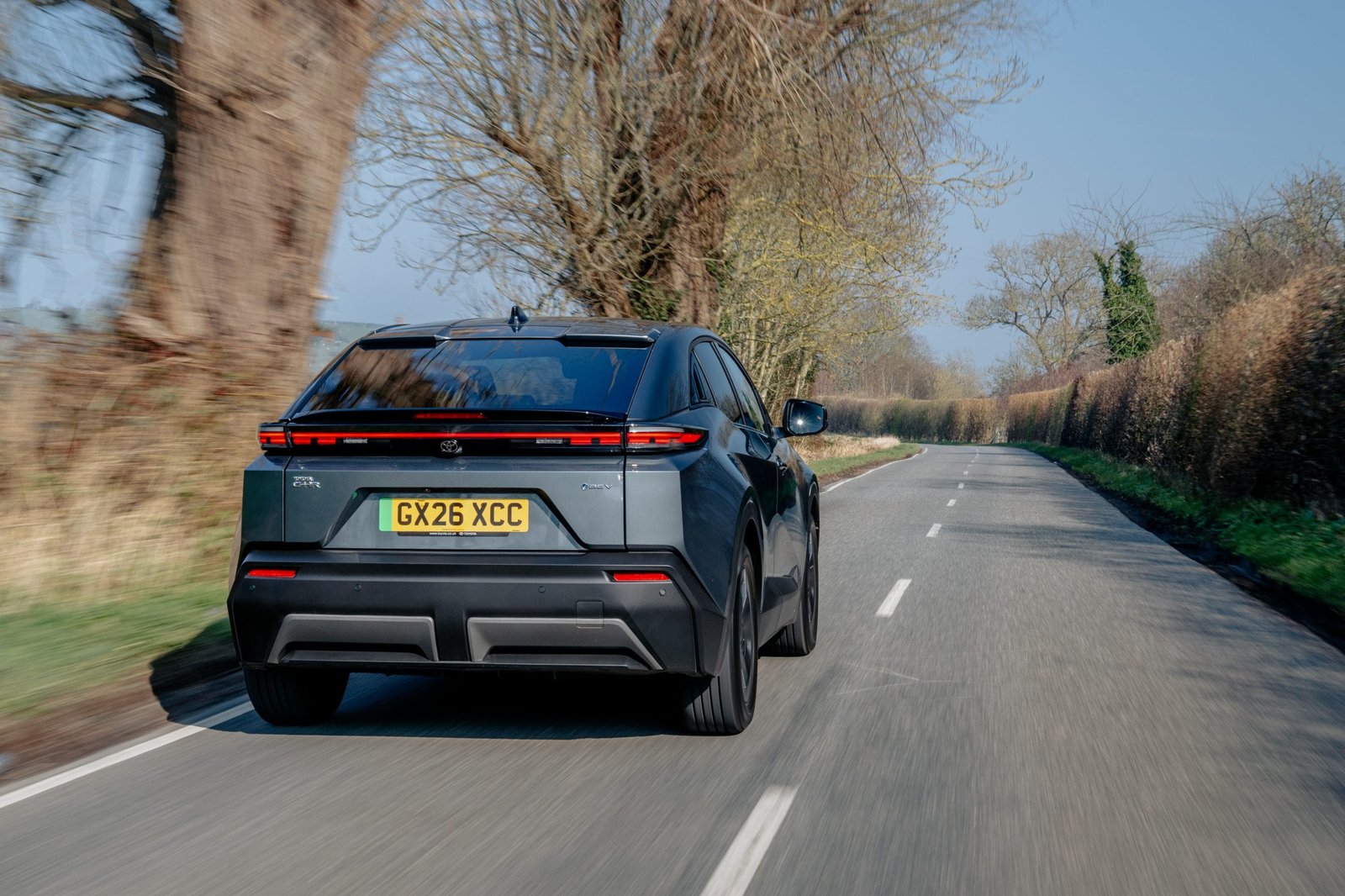
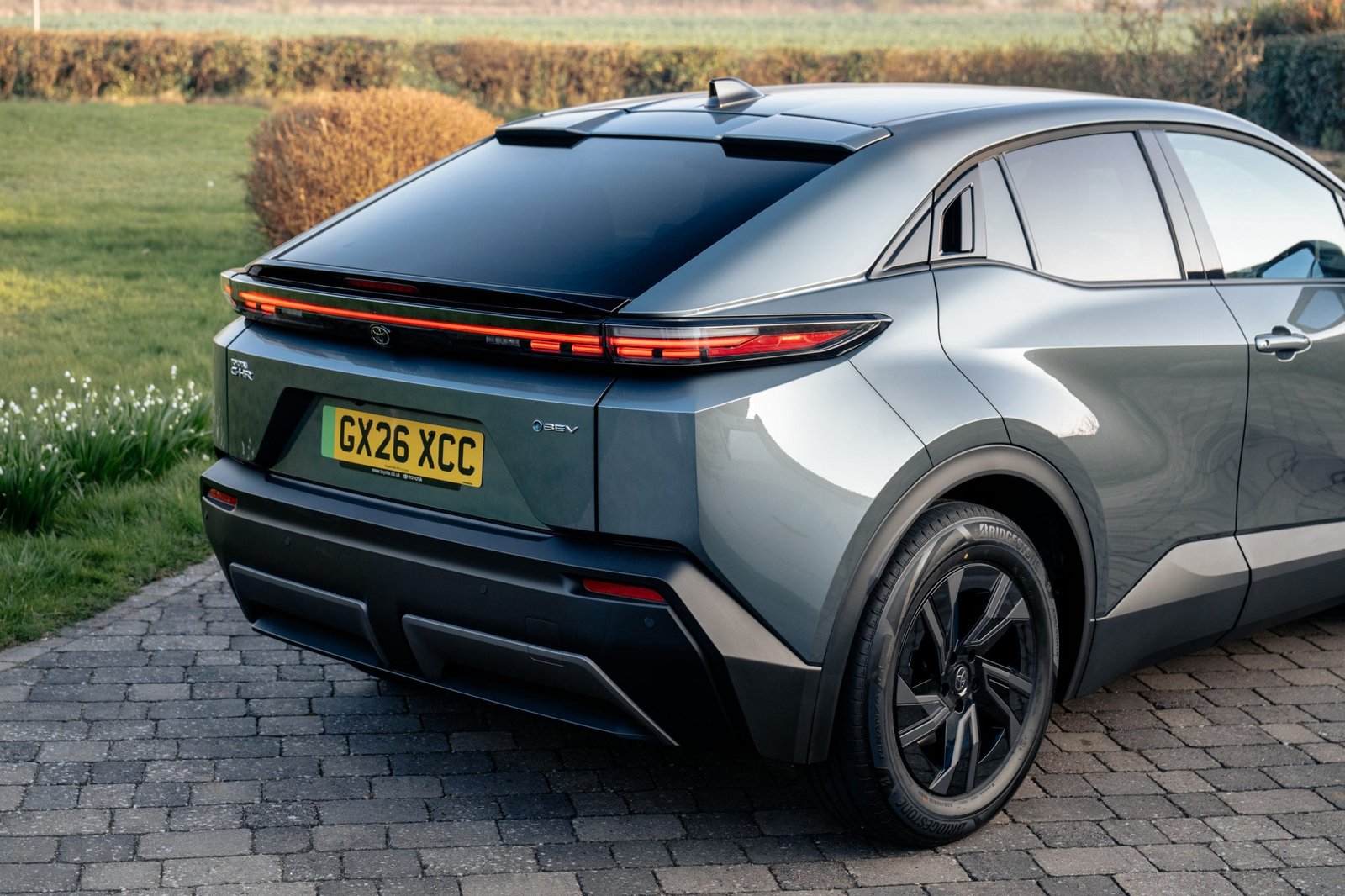
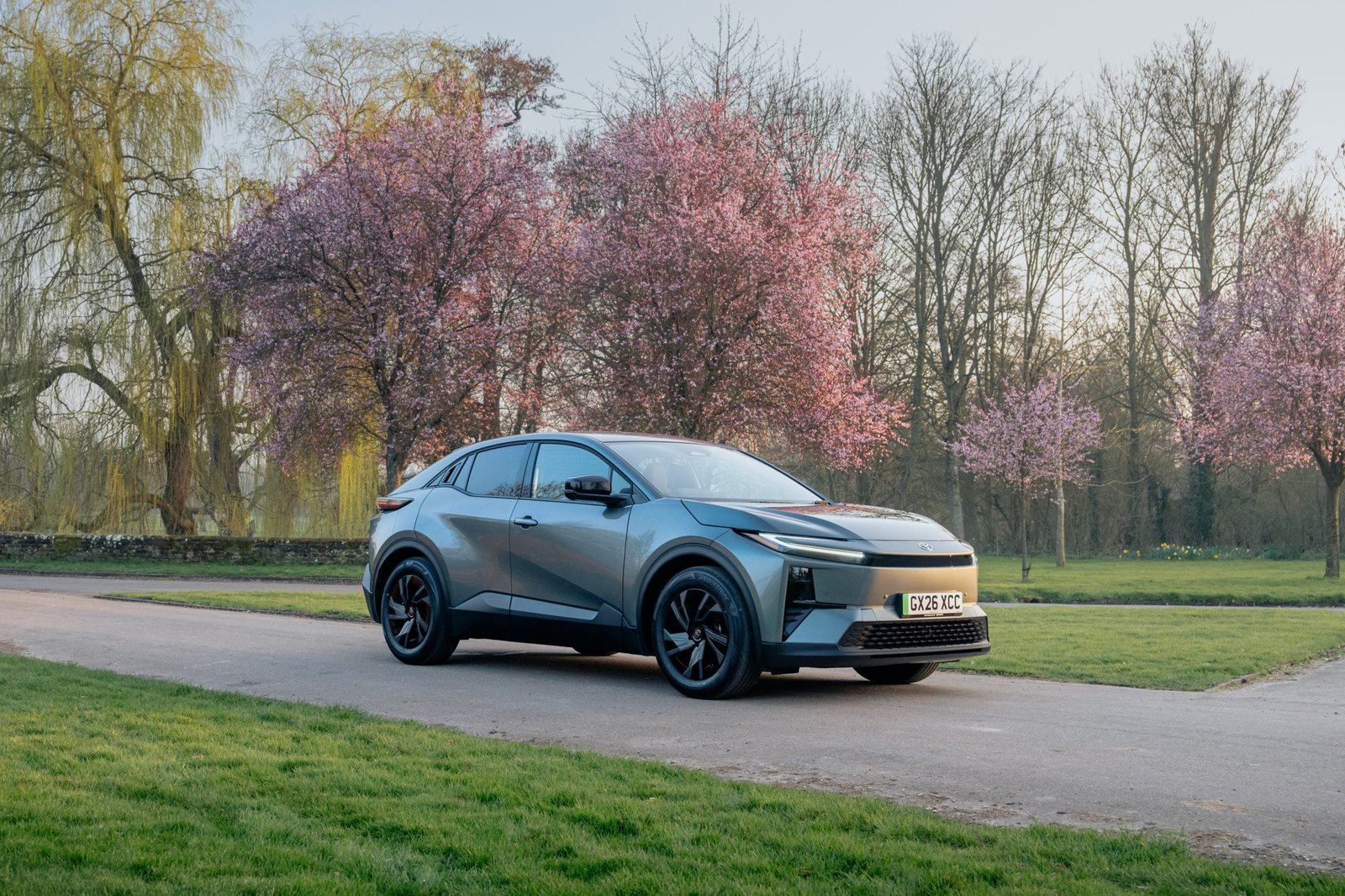
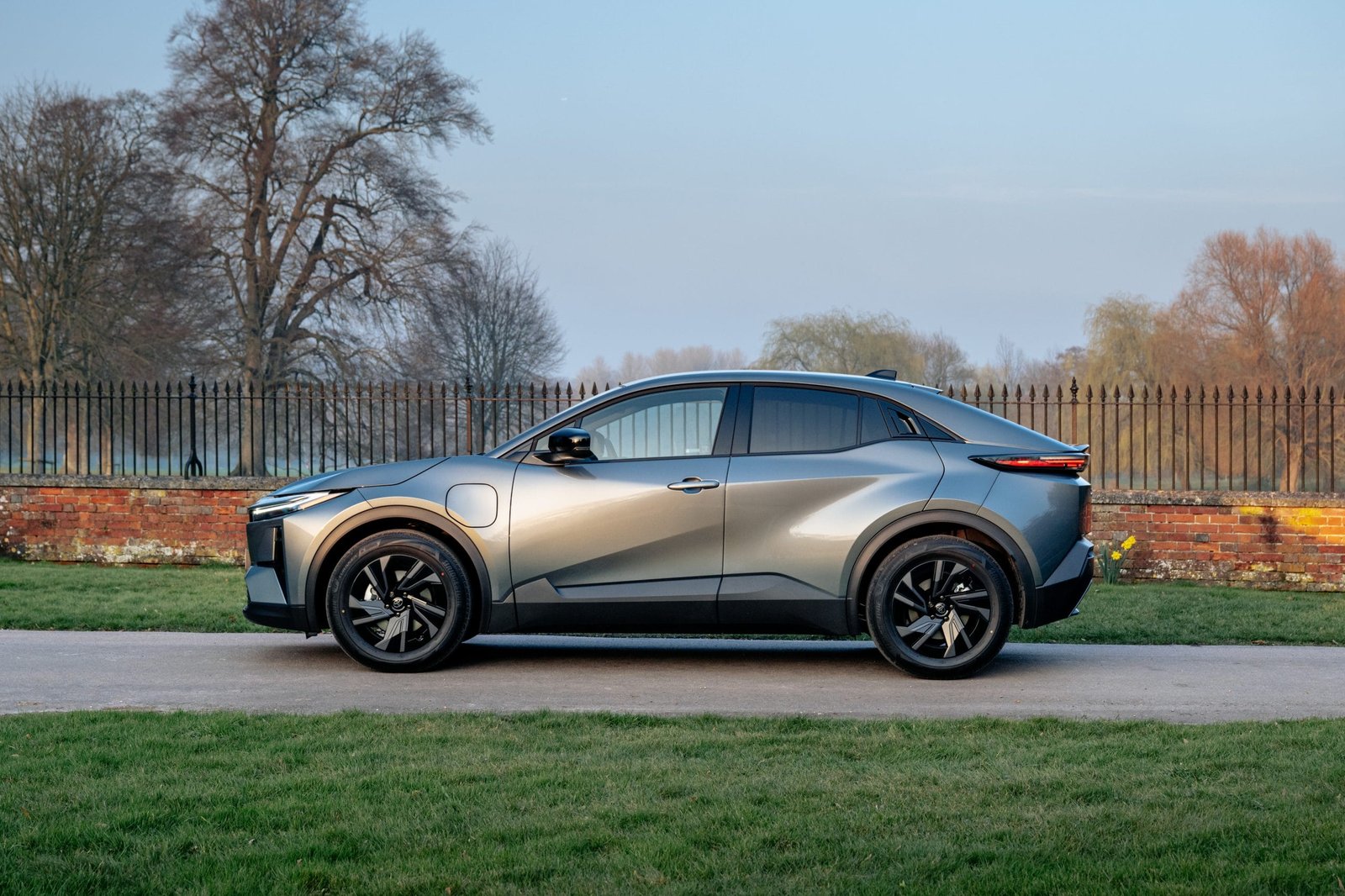
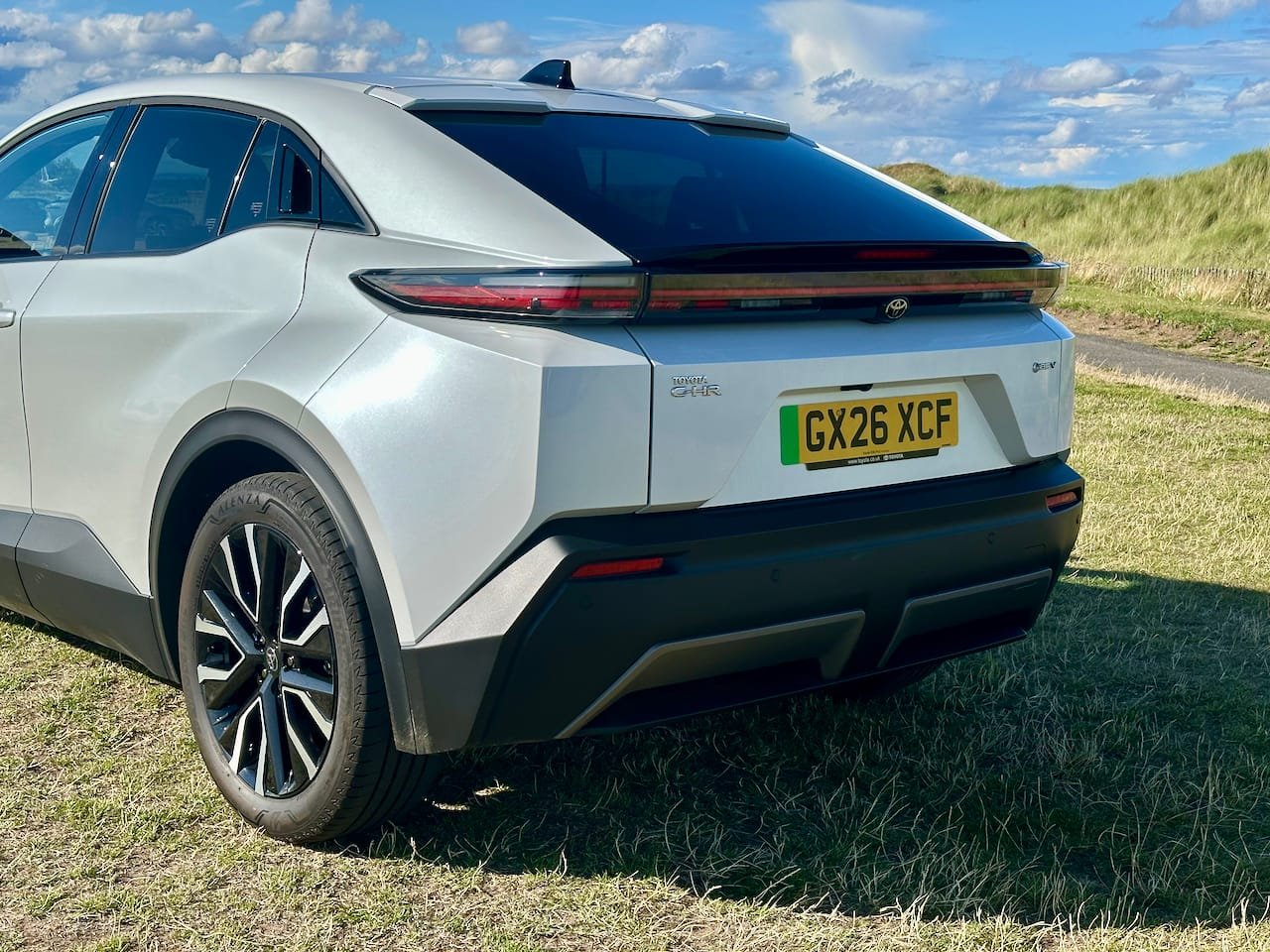
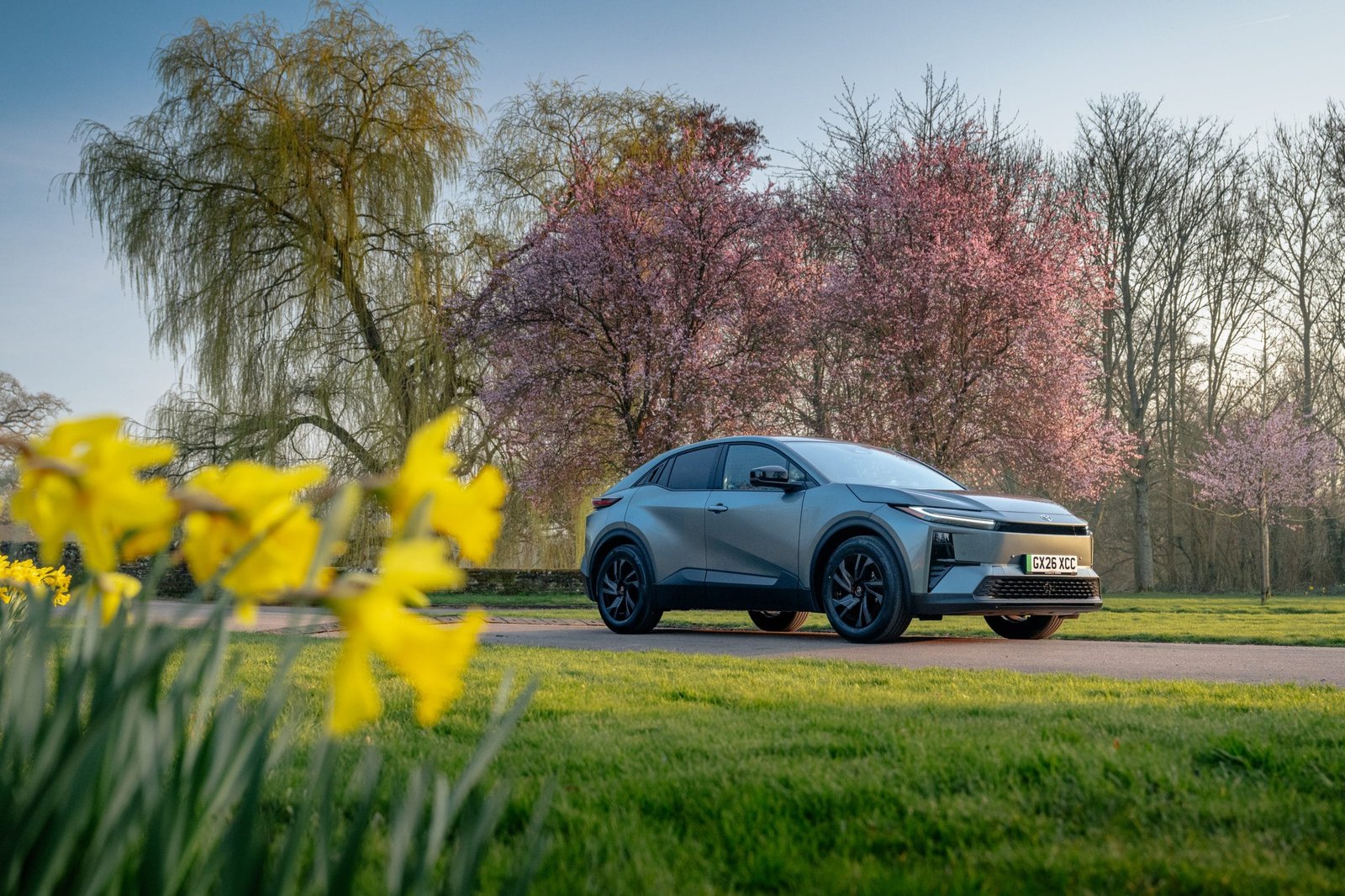
The C-HR+ also, in my opinion, happens to be the best-looking electric car Toyota has produced so far.

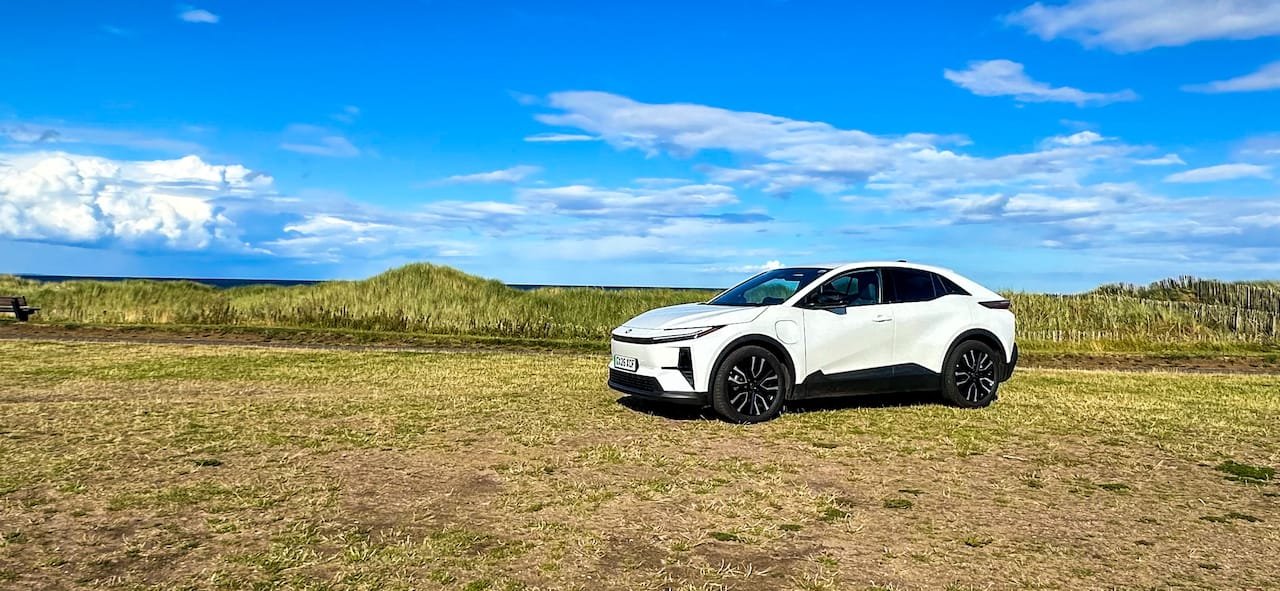
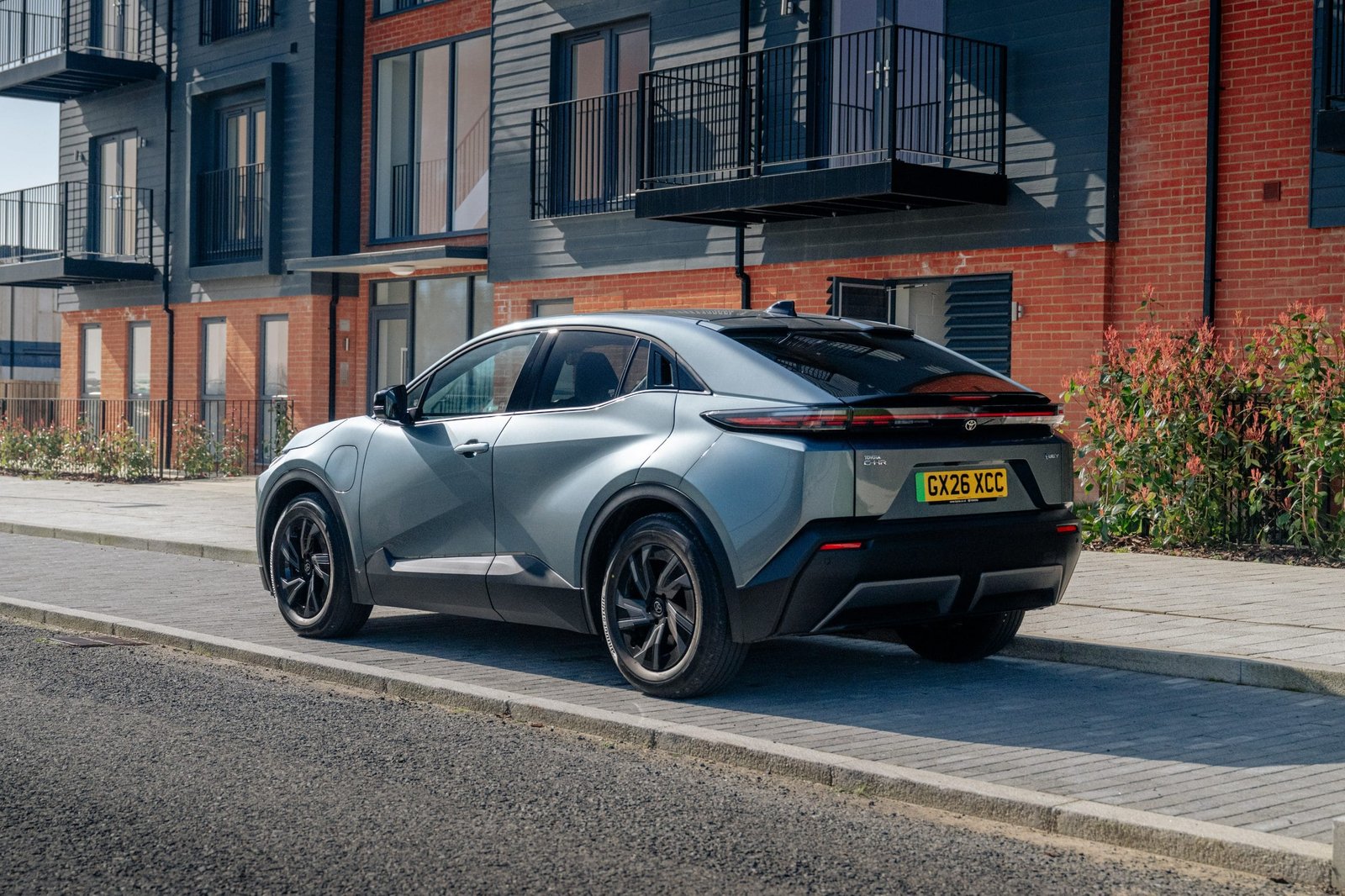
The original hybrid C-HR was certainly distinctive, but the C-HR+ takes the coupe-SUV concept and makes it look considerably more convincing. Its proportions are cleaner, the stance is more purposeful and the design feels cohesive rather than simply different for the sake of being different.
Overview
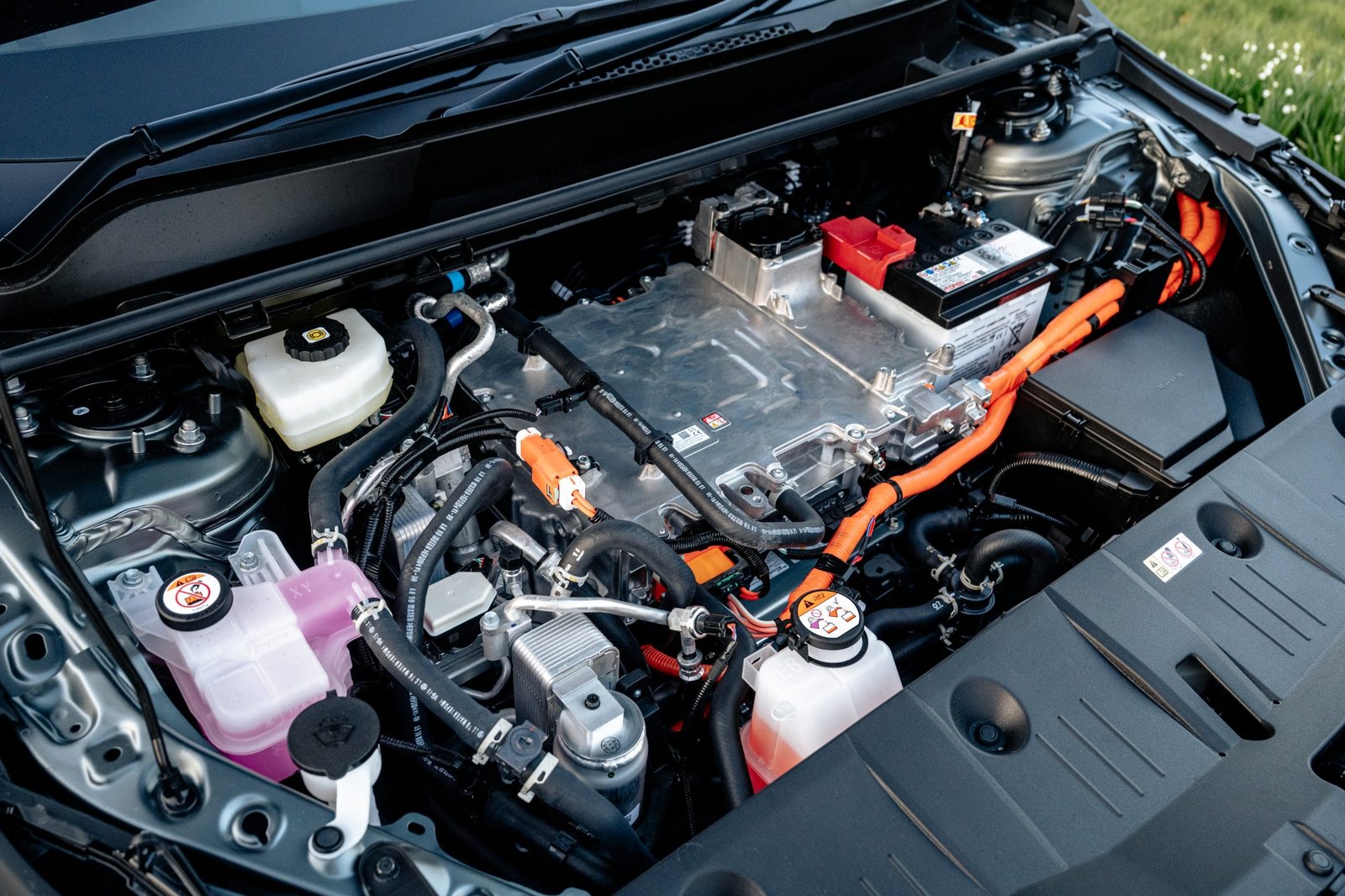
The C-HR+ is not simply an electric version of the existing C-HR. It’s built on Toyota’s dedicated eTNGA battery-electric architecture and shares some of its technology with the (ridiculously-named) bZ4X but has been developed with its own character.
The battery sits beneath the floor, lowering the centre of gravity by 65mm compared with the hybrid and plug-in hybrid C-HR, while the rigid platform and dedicated suspension tuning go some way to deliver a more engaging driving experience.
The Design model uses Toyota’s larger 77kWh battery and a single front-mounted electric motor producing 221bhp and 268.6Nm. That’s enough to deliver 0-62mph in 7.3 seconds and a top speed of 99mph.
Now, those aren’t numbers that will frighten anyone – which is precisely the point. The C-HR+ is quick enough to feel properly lively without crossing into the ludicrous.
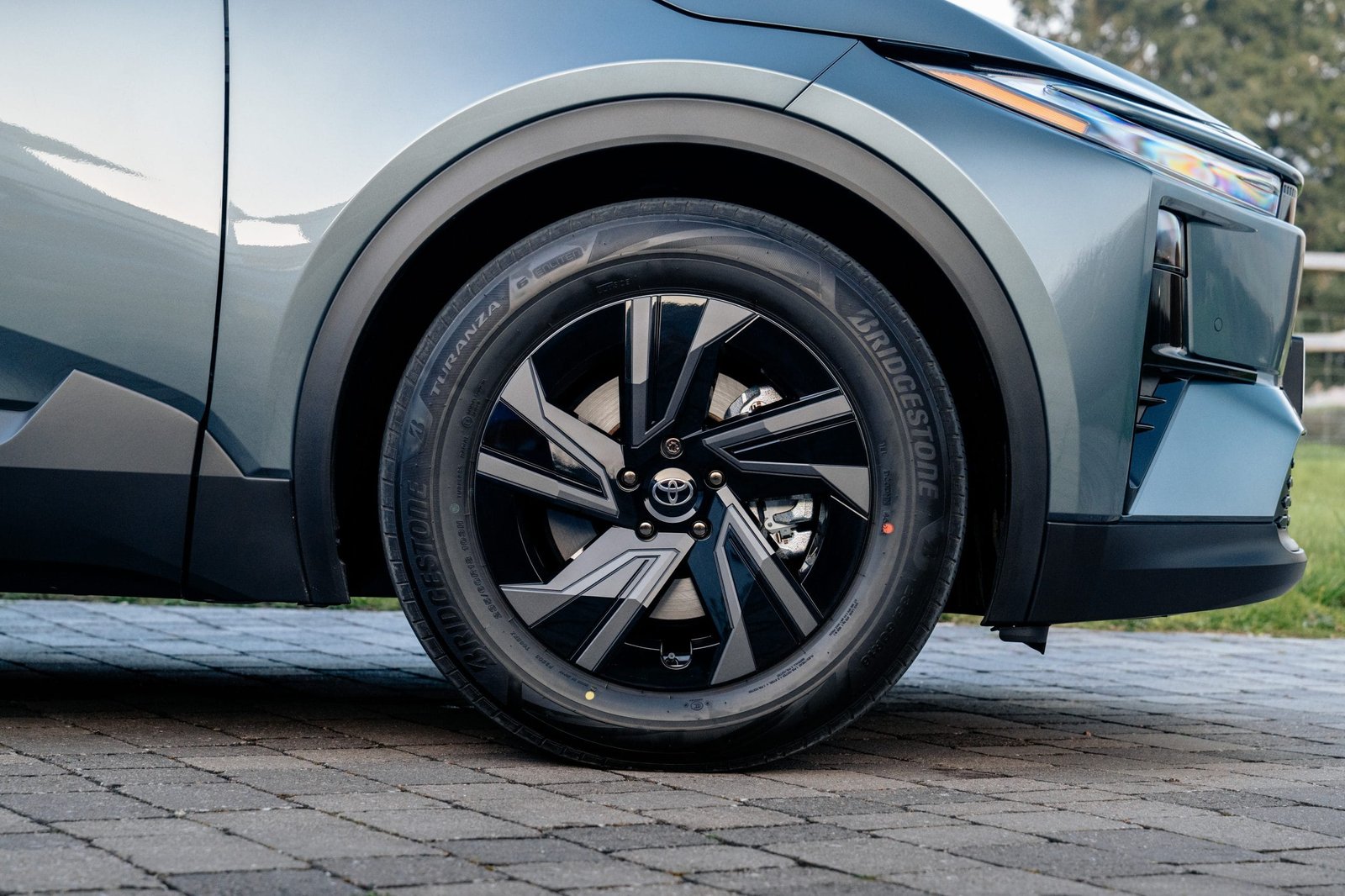
Toyota quotes a WLTP range of up to 377 miles for the Design on its standard 18-inch wheels, although the optional 20-inch wheels reduce that to 347 miles.
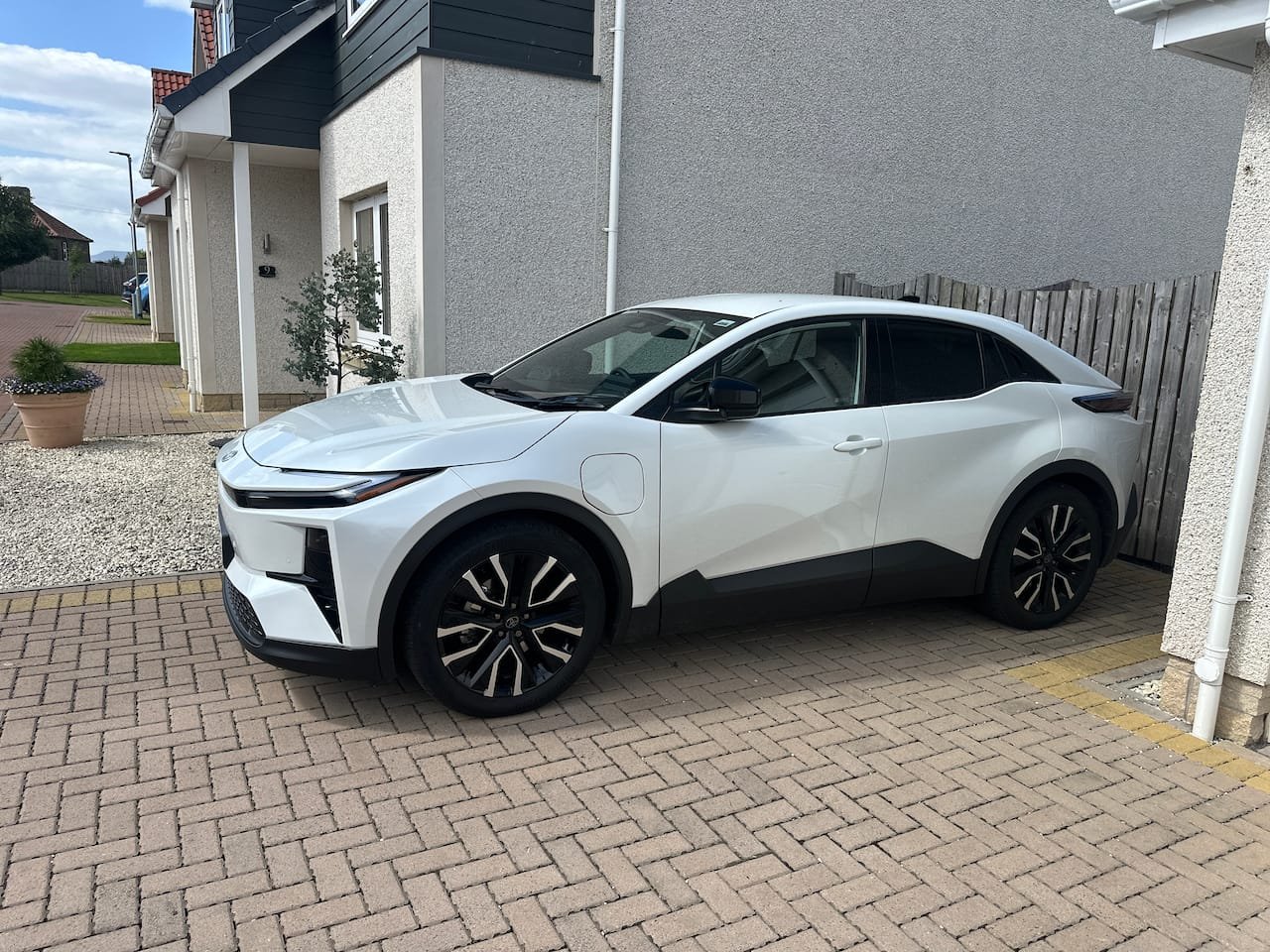
The test car’s Platinum White Pearl finish added £950 to the £36,995 Design price, giving it a strong visual presence without pushing the overall package into premium-car territory.

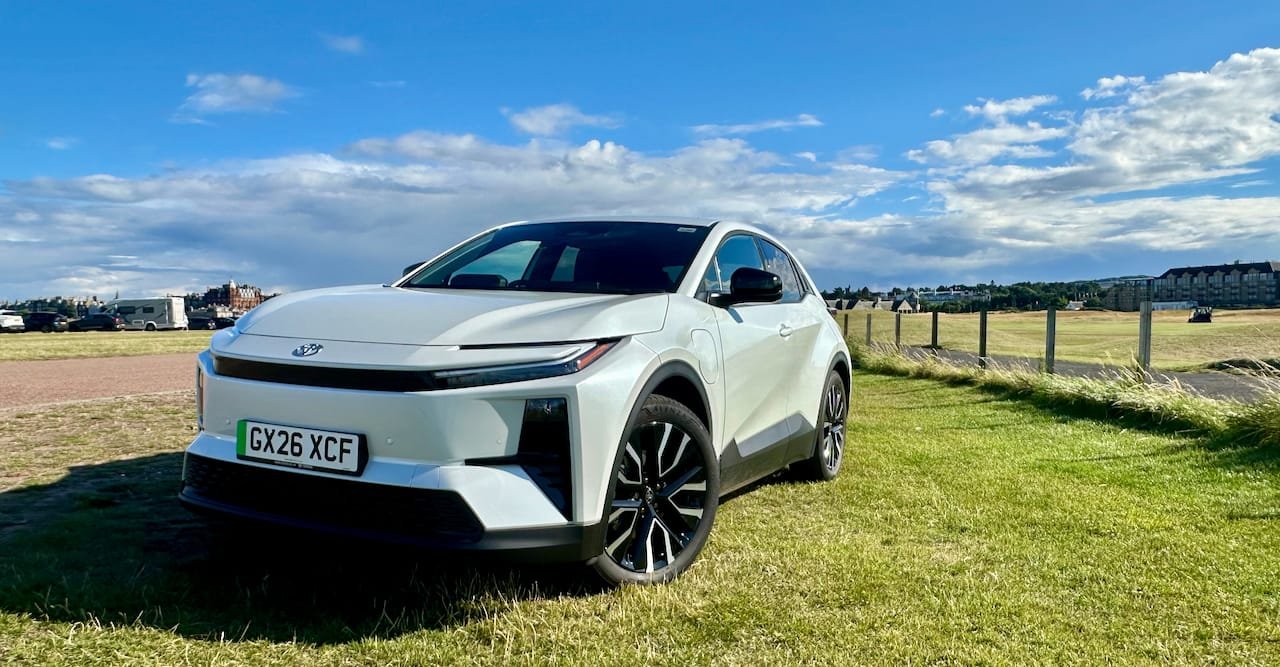
On paper, then, the C-HR+ looks like a sensible electric crossover but I’m delighted to report that from behind the wheel, it’s considerably more interesting.

Design
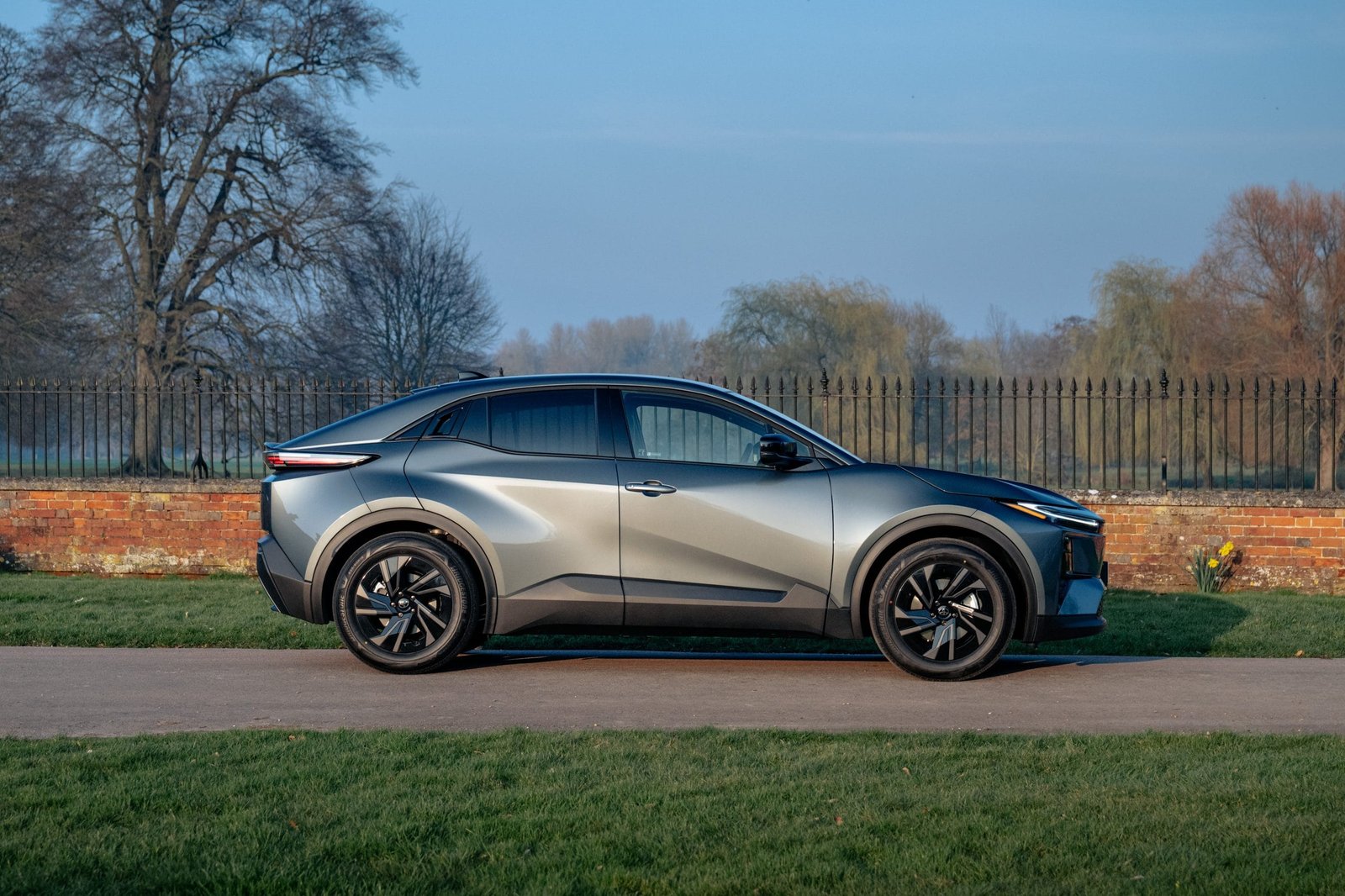
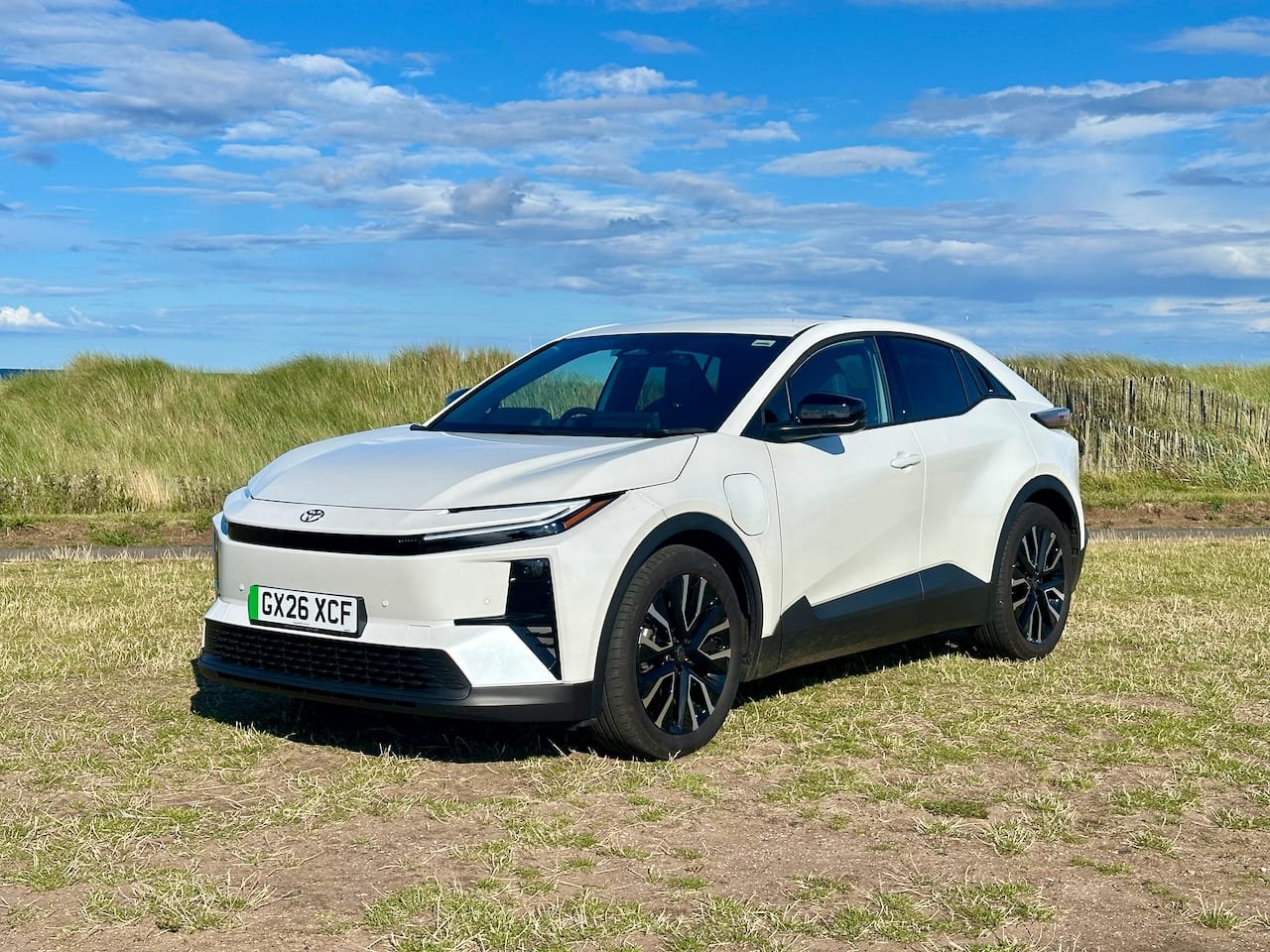
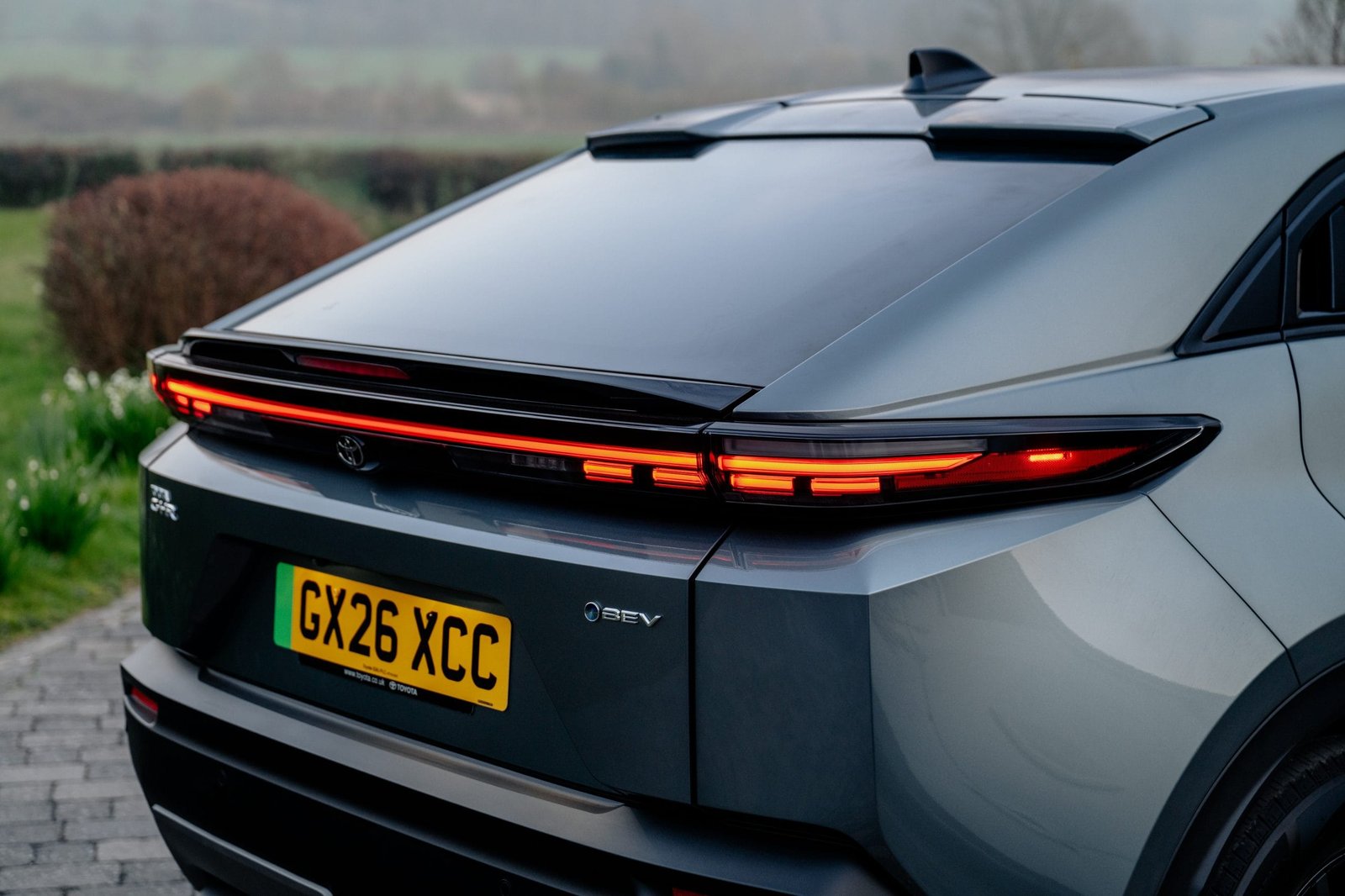
The coupe-inspired silhouette gives the Toyota C-HR+ immediate appeal. It just look right. It could be a modern hot-hatch, battery or no battery.
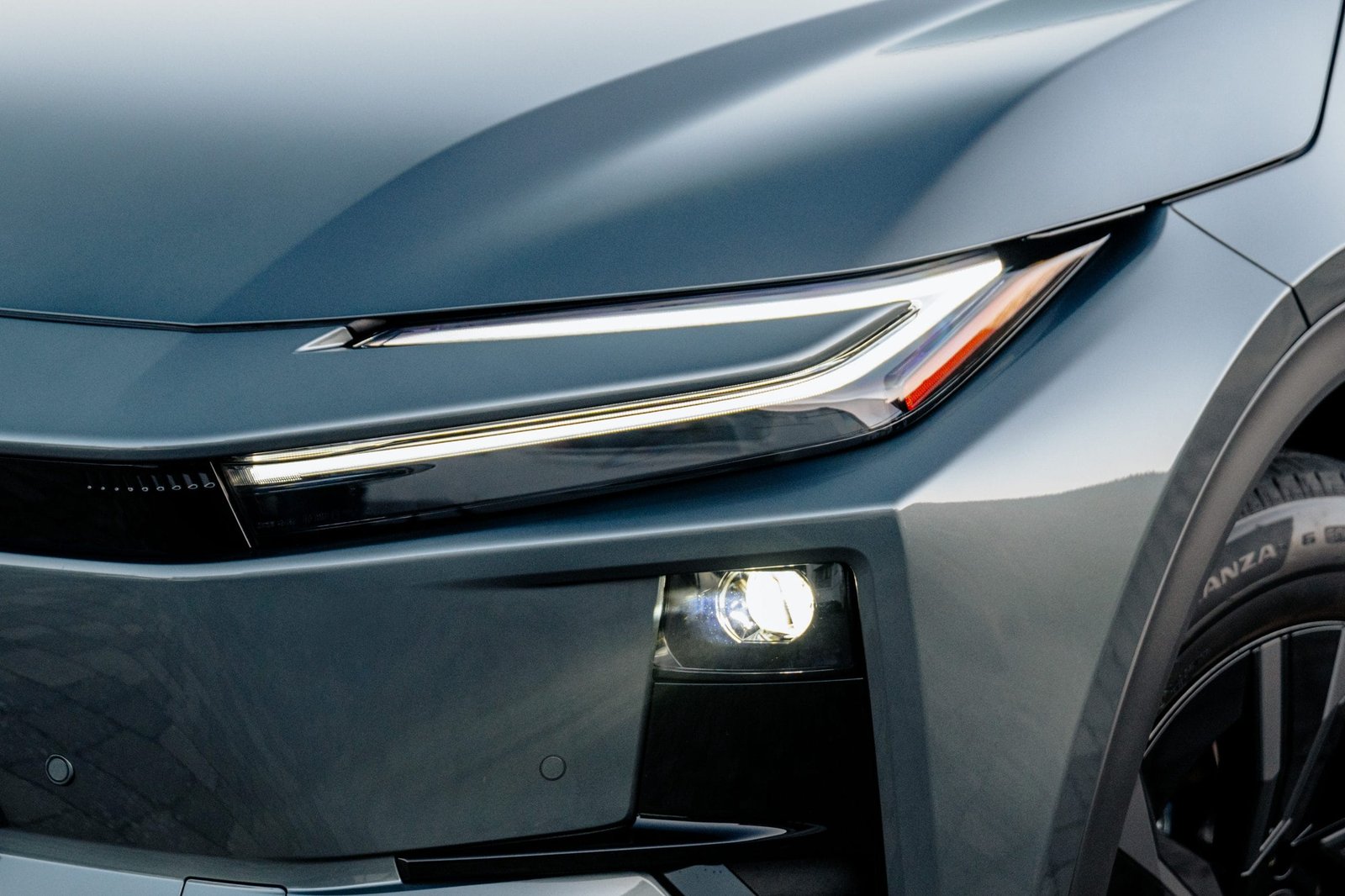
Toyota’s hammerhead front-end treatment works particularly well here, creating a clean, modern face without the visual clutter that can plague some electric cars.
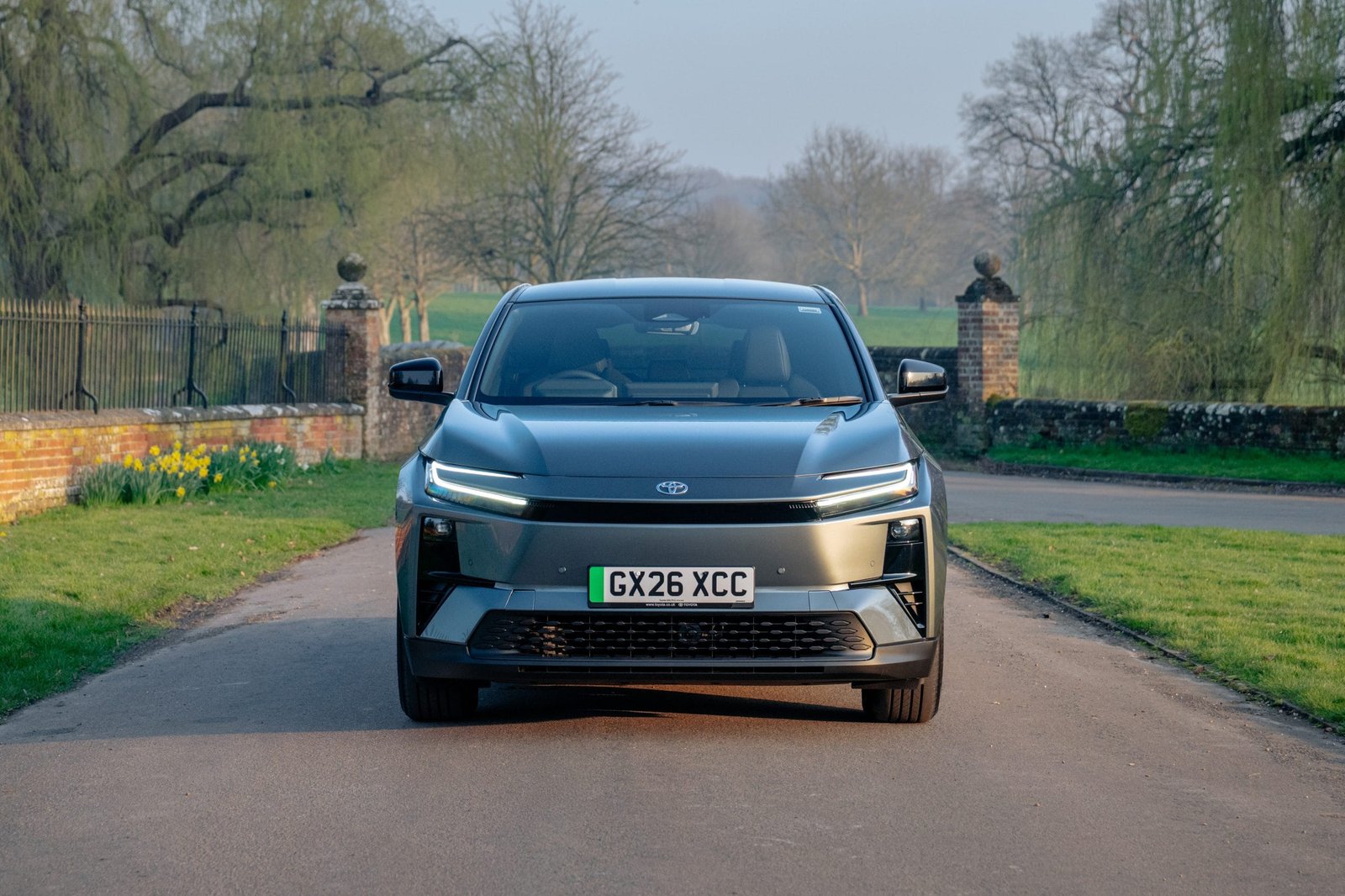
And unlike the original C-HR, which could sometimes look as though its designers had been given instructions to add as many creases as possible, the C-HR+ feels more mature, more thought-through.
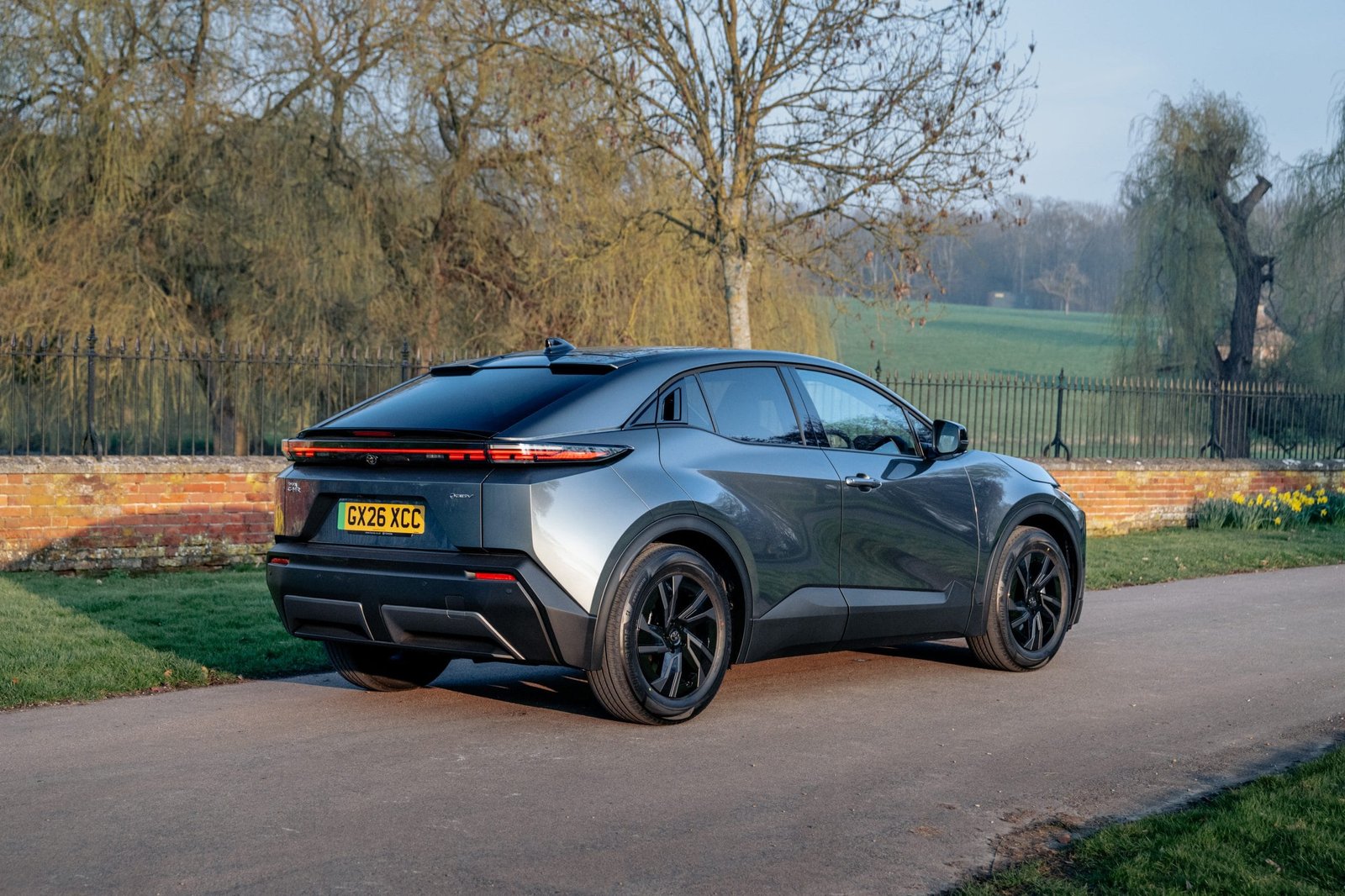
At 4,530mm, the C-HR+ is 168mm longer than the hybrid C-HR, with a 2,750mm wheelbase that provides considerably more room inside; so while it looks like a coupe, it doesn’t make the usual coupe-SUV compromises.
Interior
The interior is a little more complicated. It’s not bad; just not quite as special as the exterior.
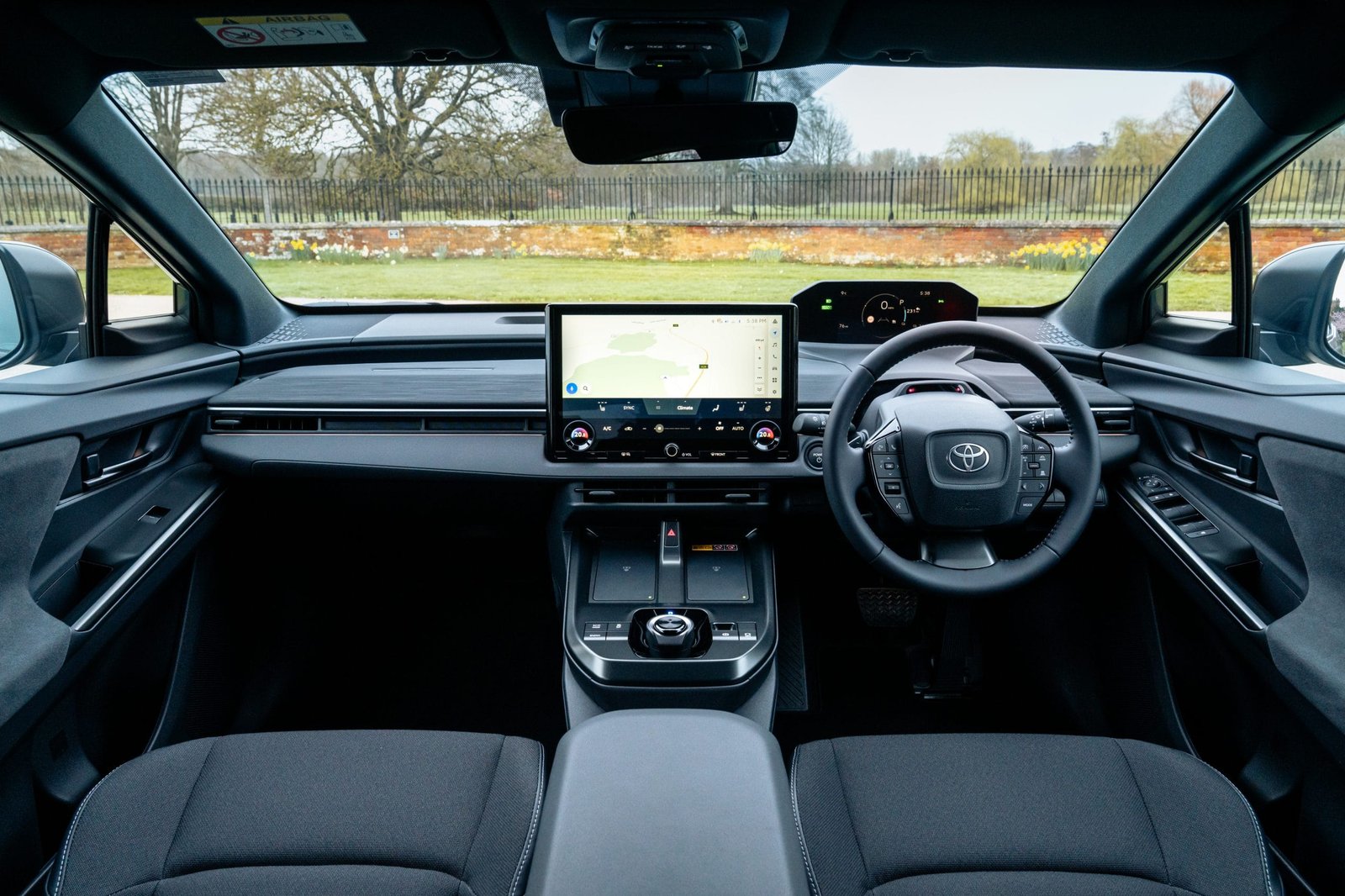
There’s an unmistakable feeling that Toyota has prioritised functionality and durability over the sort of tactile richness you’d find in a premium German or Scandinavian rival. Some of the plastics are noticeably harder than you might expect, particularly in areas where your hand occasionally lands.
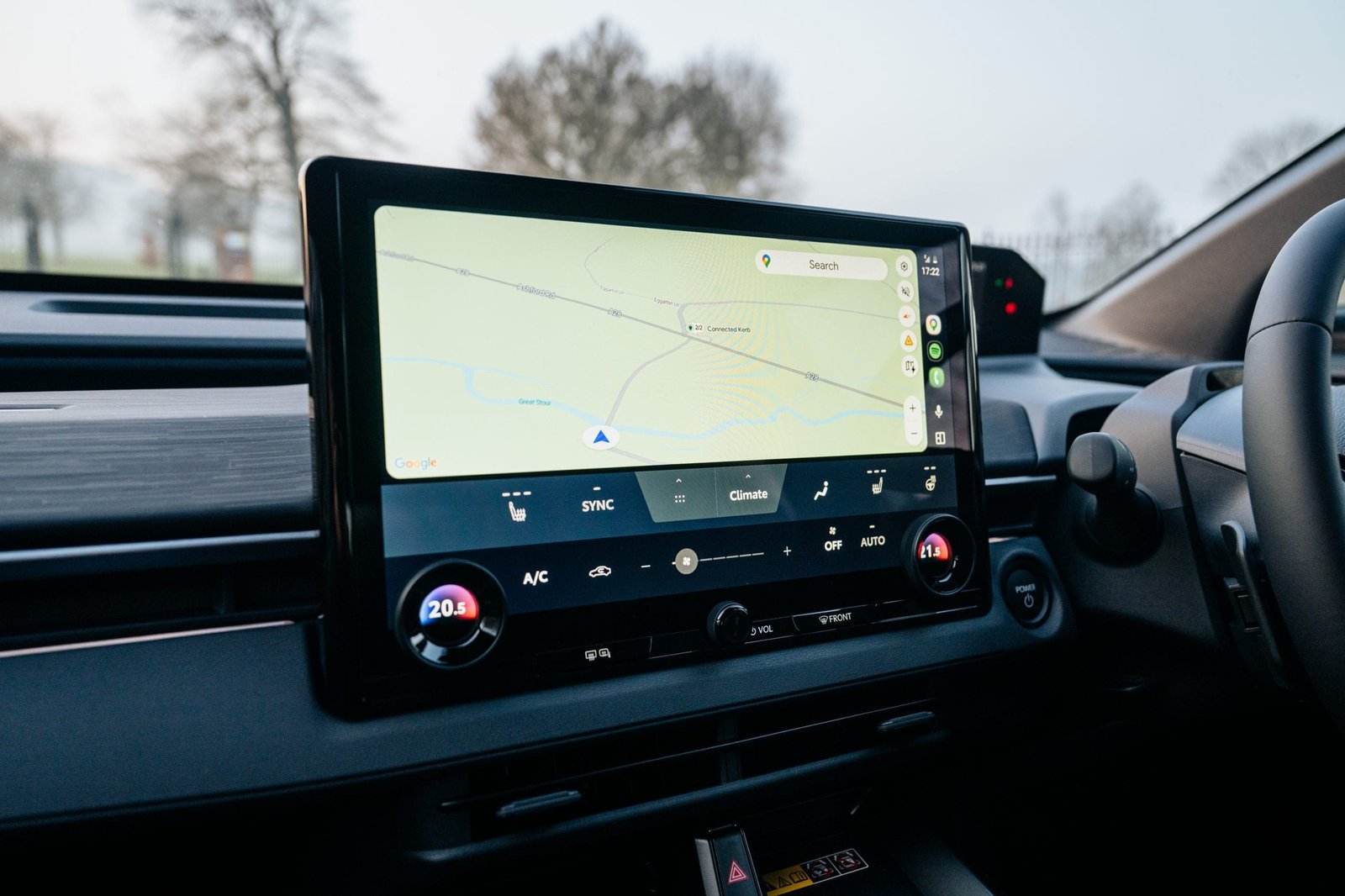
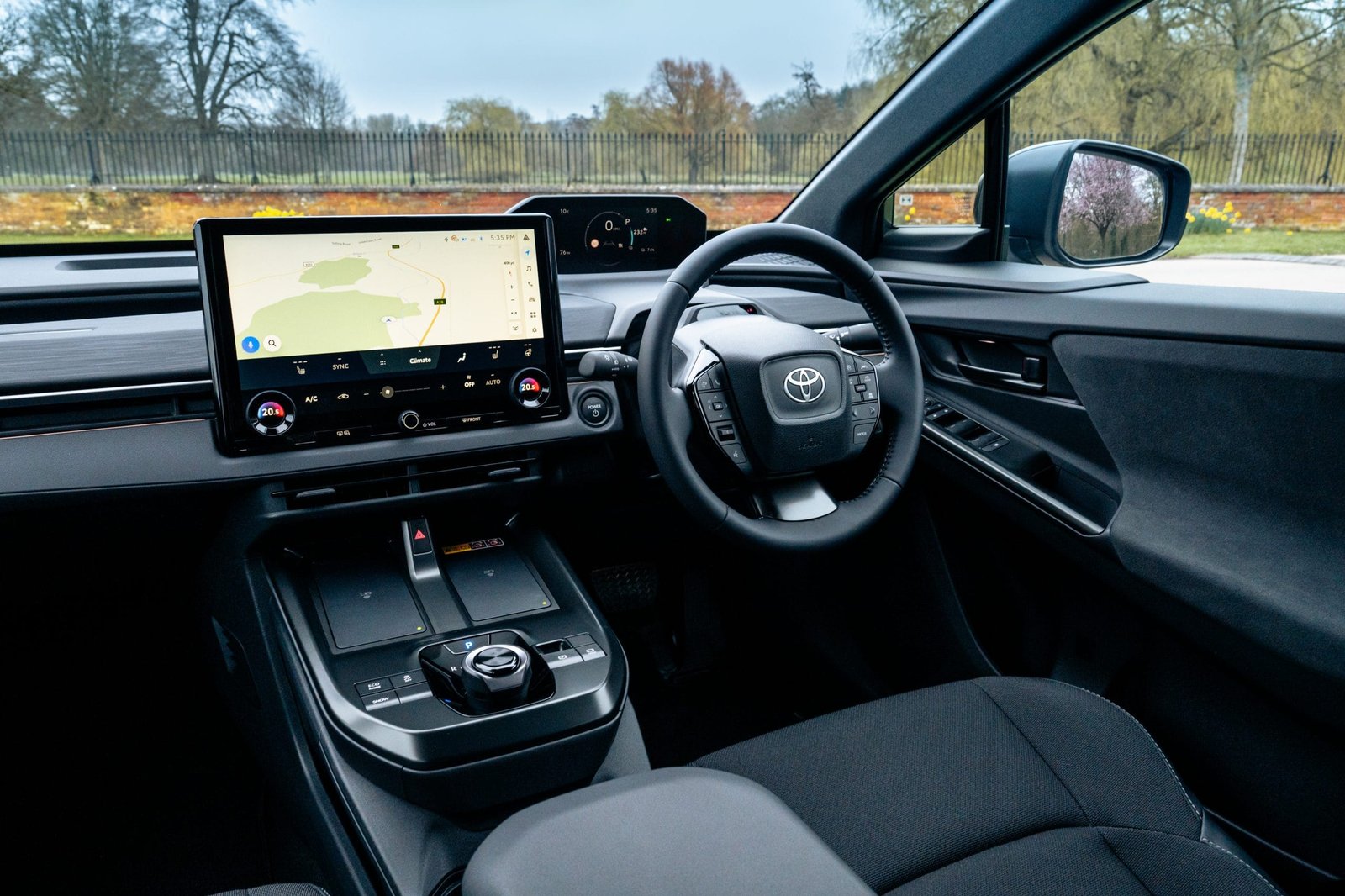
But the overall design works. The dashboard is clean and modern, the 14-inch multimedia display is well positioned and the seven-inch digital driver’s display provides the information you actually need without becoming unnecessarily complicated.
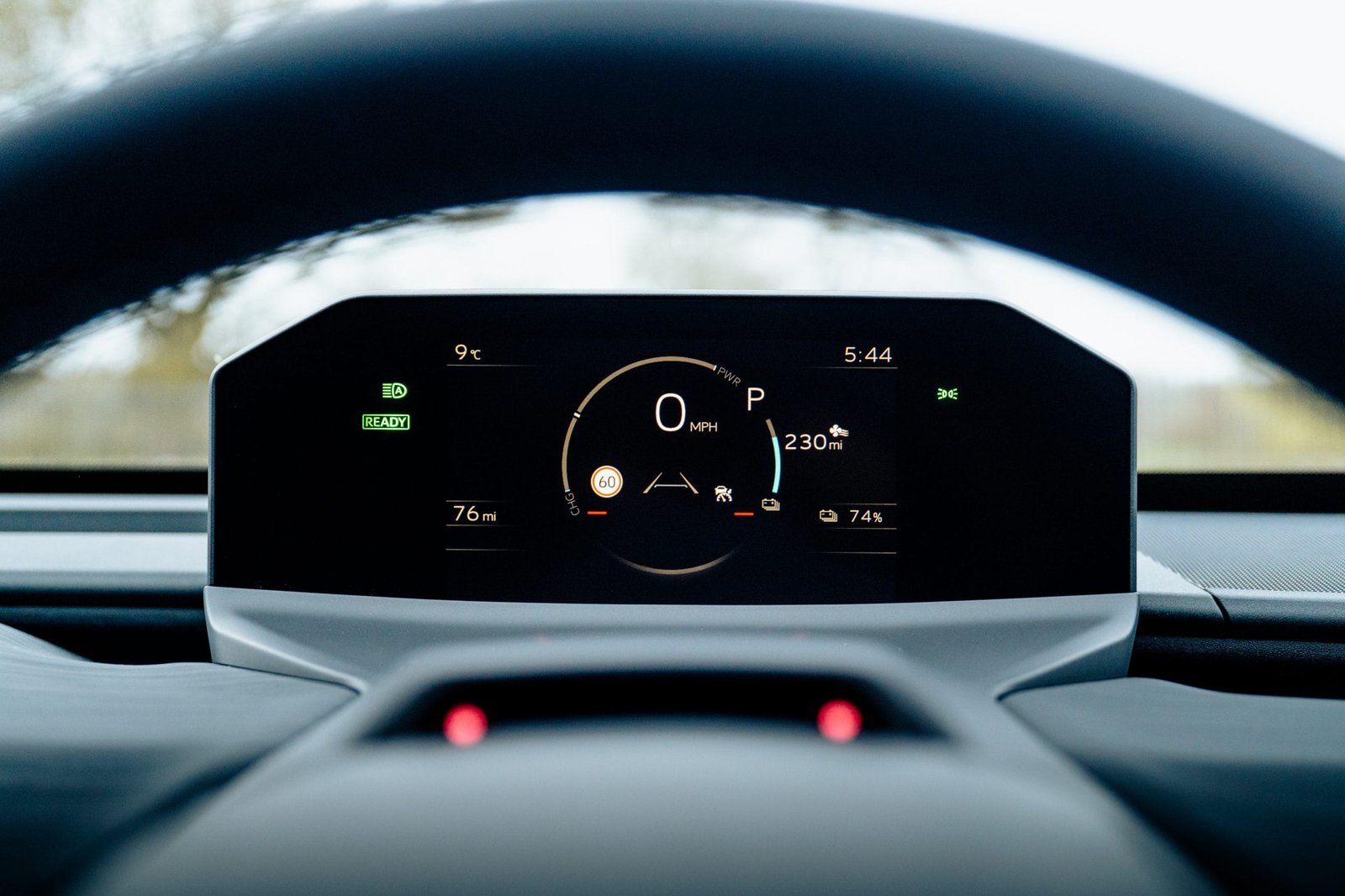
The infotainment system is straightforward to use, with wireless Apple CarPlay and Android Auto, cloud-based navigation and Toyota’s voice assistant all available. Two wireless smartphone chargers are also standard, which is a pleasant suprise from the usual one (or none).
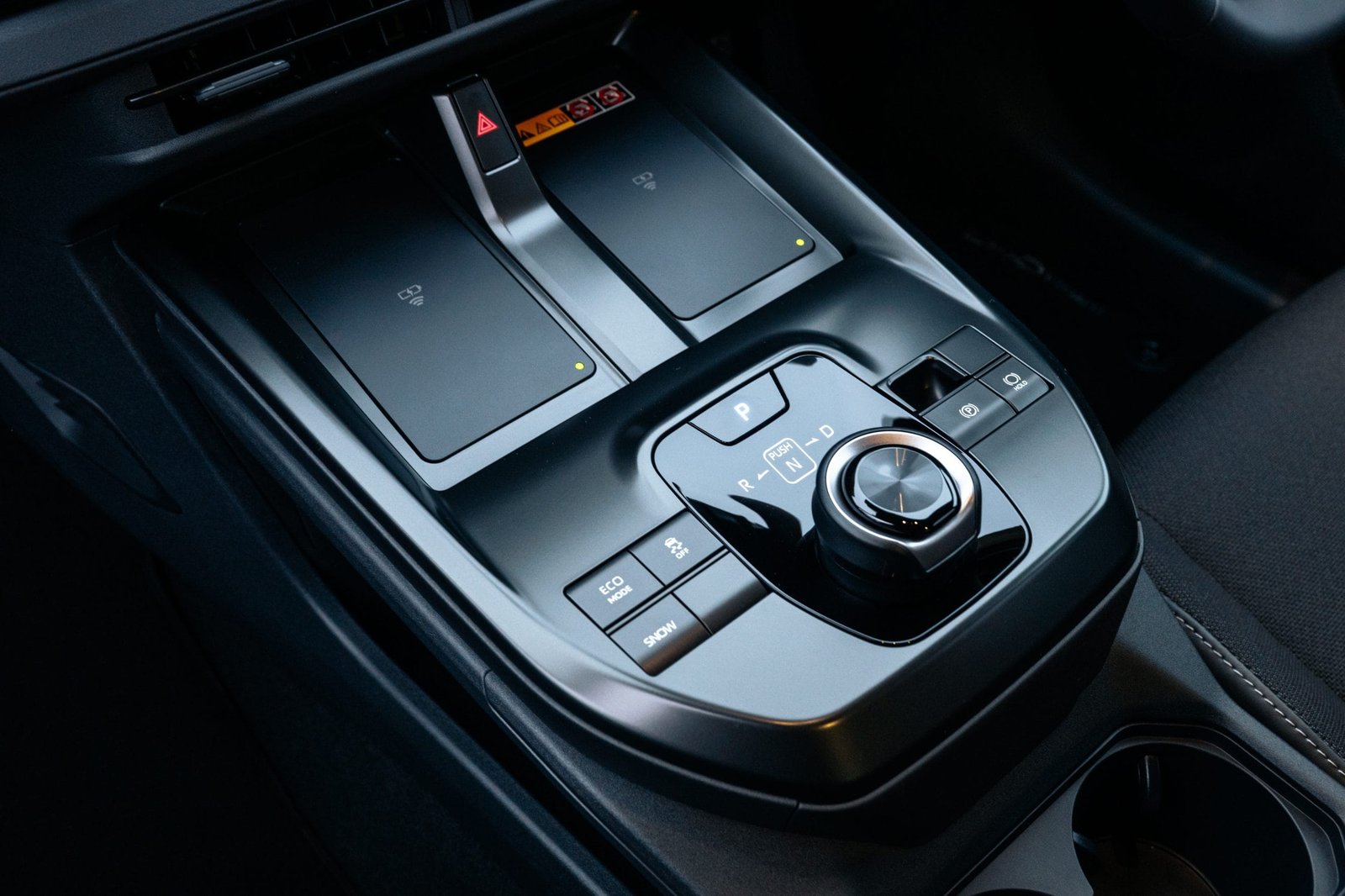
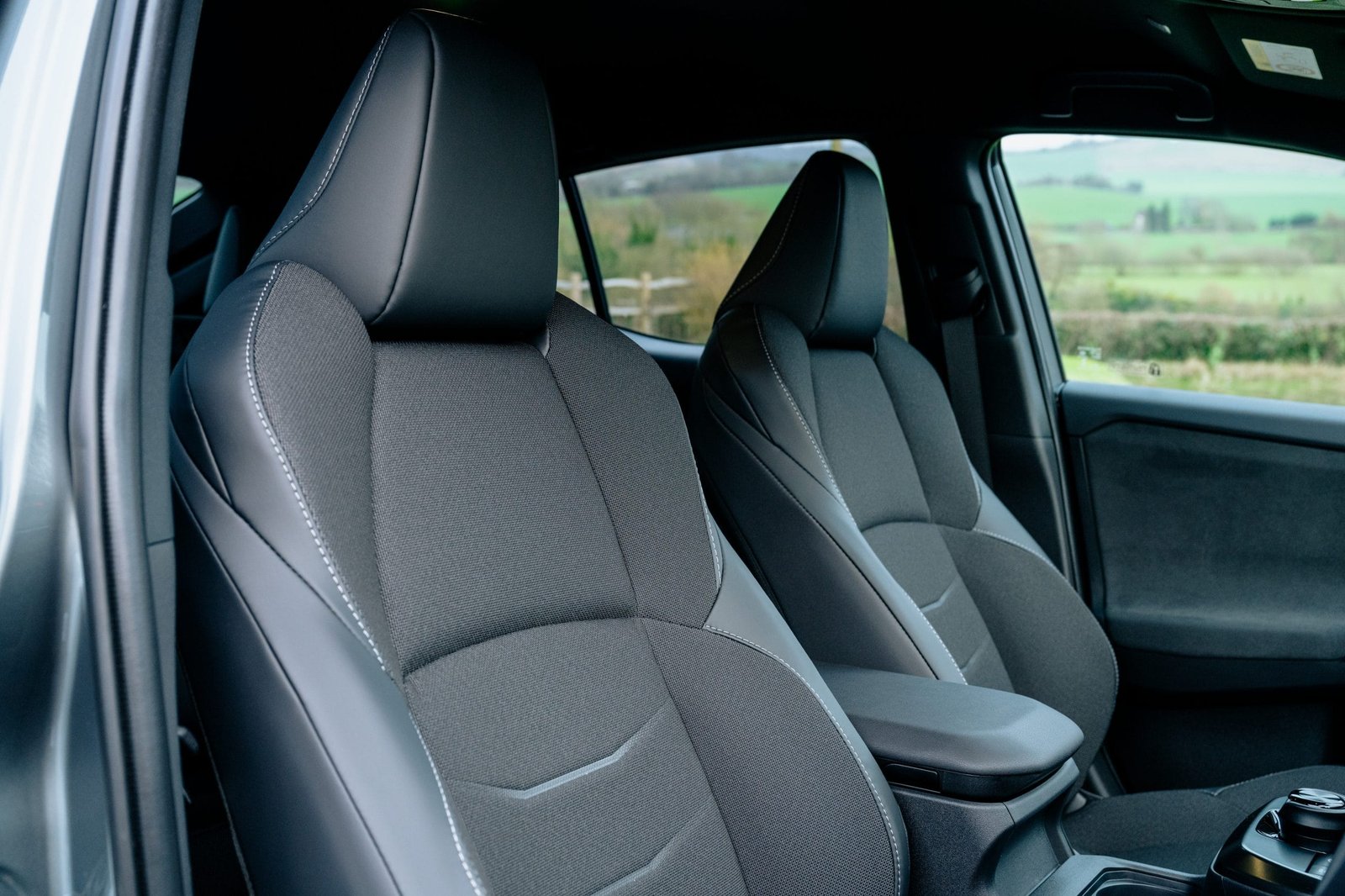
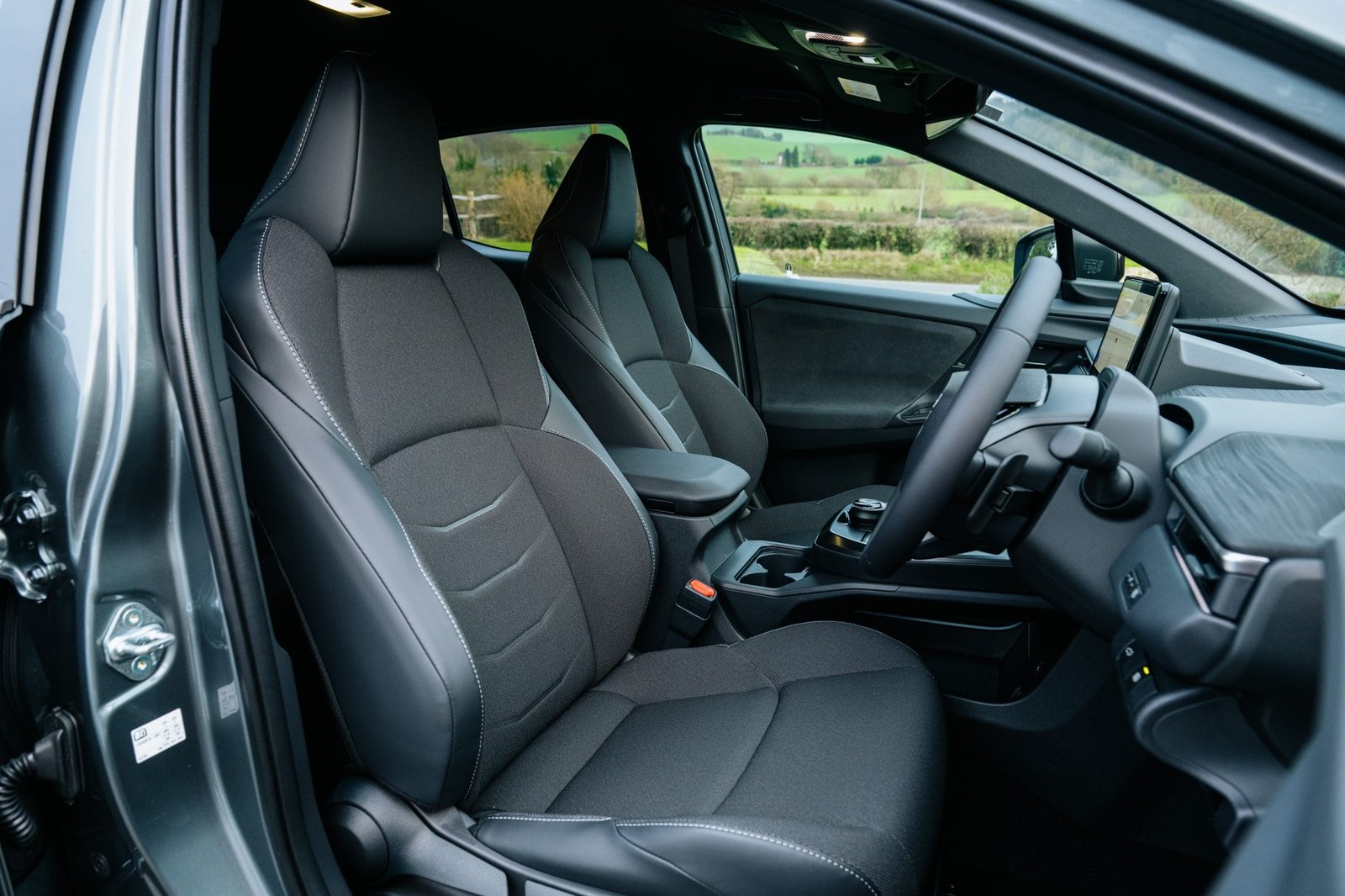
The cabin can also be personalised with 64-colour ambient lighting, while the standard heated seats and steering wheel add welcome comfort.
But it’s the driving position that will divide opinion. The driver’s instrument binnacle sits above the steering wheel, meaning you look over the wheel rather than through it.
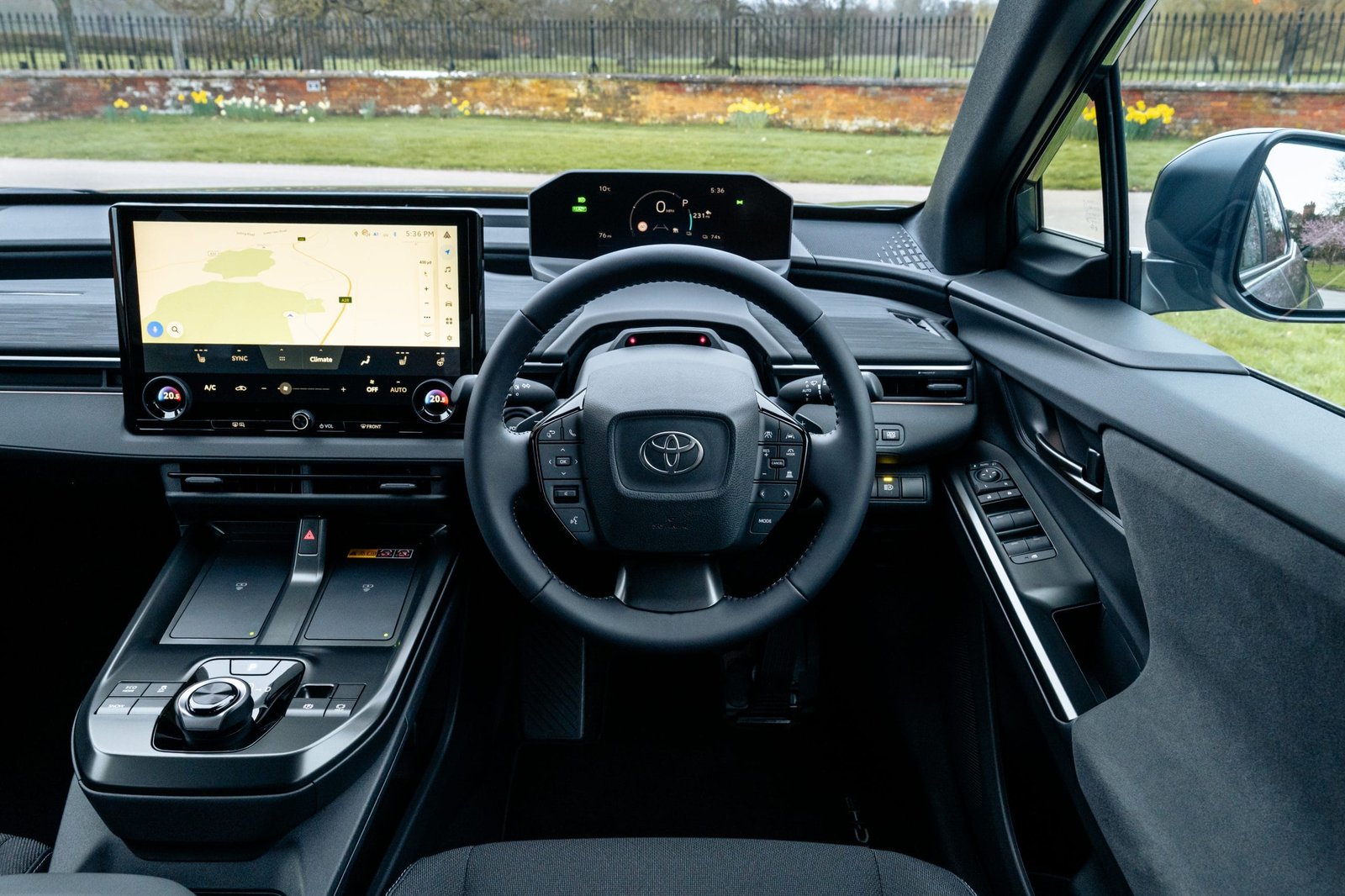
Sound familiar? Peugeot has been doing something similar for years – and like Peugeot’s approach, it’s likely to be a bit Marmite.
Personally, I don’t mind it at all. I tend to set the steering wheel relatively low anyway, so the C-HR+’s arrangement doesn’t obstruct the instruments or create any ergonomic problems for me. If anything, it contributes to the car’s character.
Rear passenger space and practicality
The longer wheelbase and additional length compared with the hybrid C-HR create a surprisingly usable rear compartment, with legroom that should be perfectly adequate for most adults. Toyota has clearly worked hard to ensure that the dramatic roofline doesn’t completely compromise the car’s family credentials.
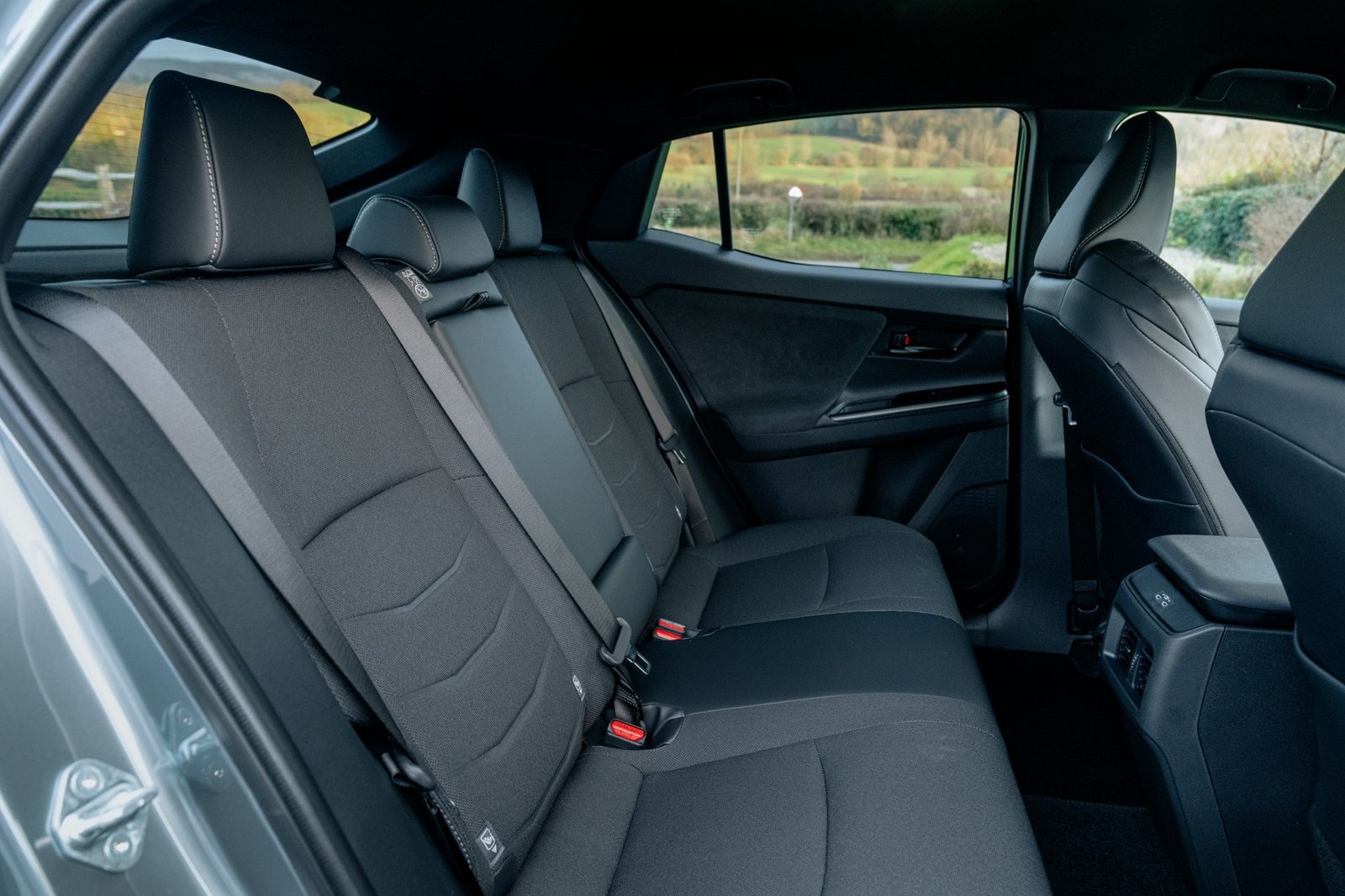
The sloping roof does have its limitations, though. Anyone approaching or exceeding six feet tall may find headroom more restrictive on longer journeys, particularly when sitting upright for a good length of time. However, for children and average-height adults the rear seats are perfectly usable.
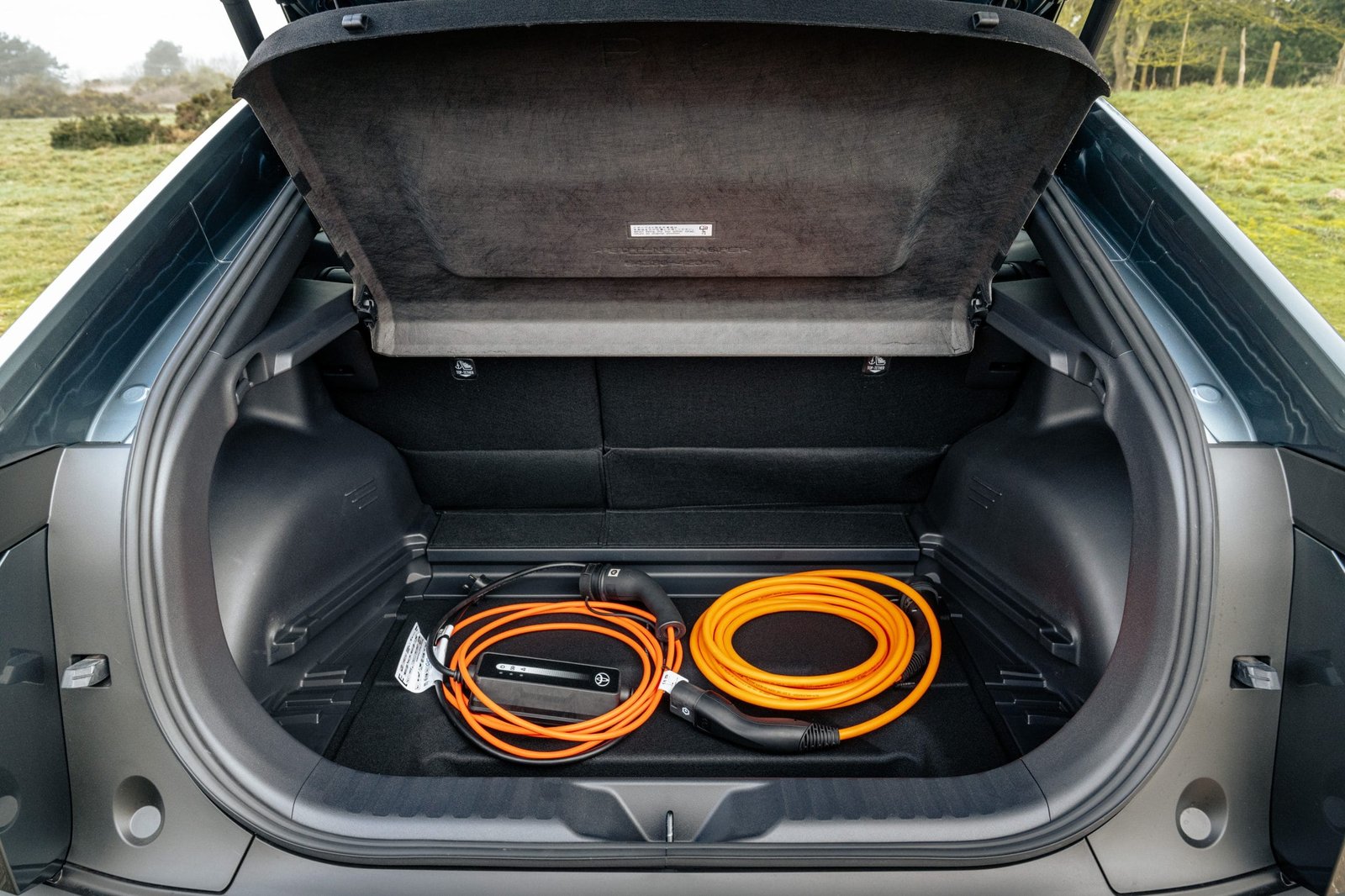
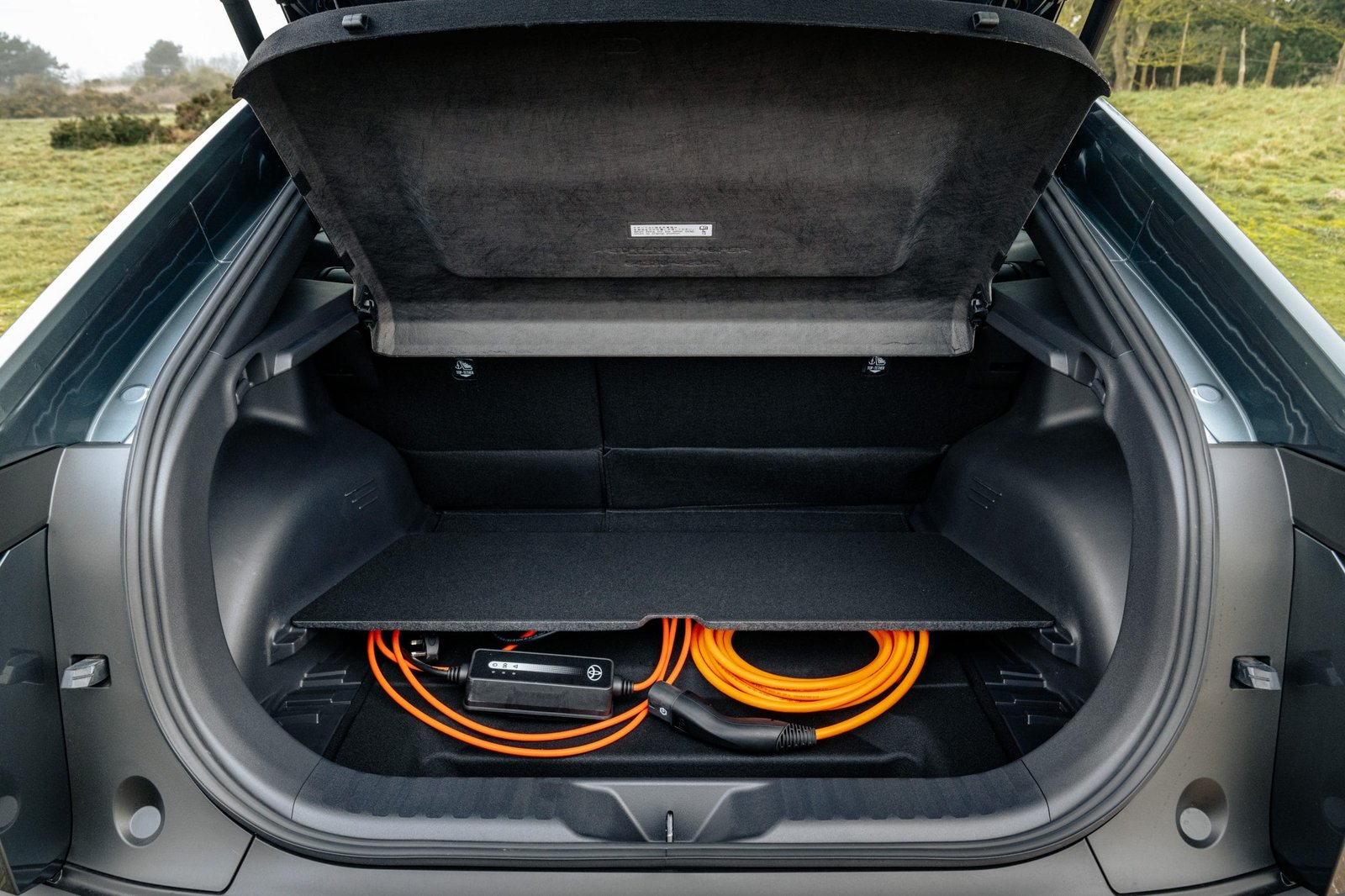
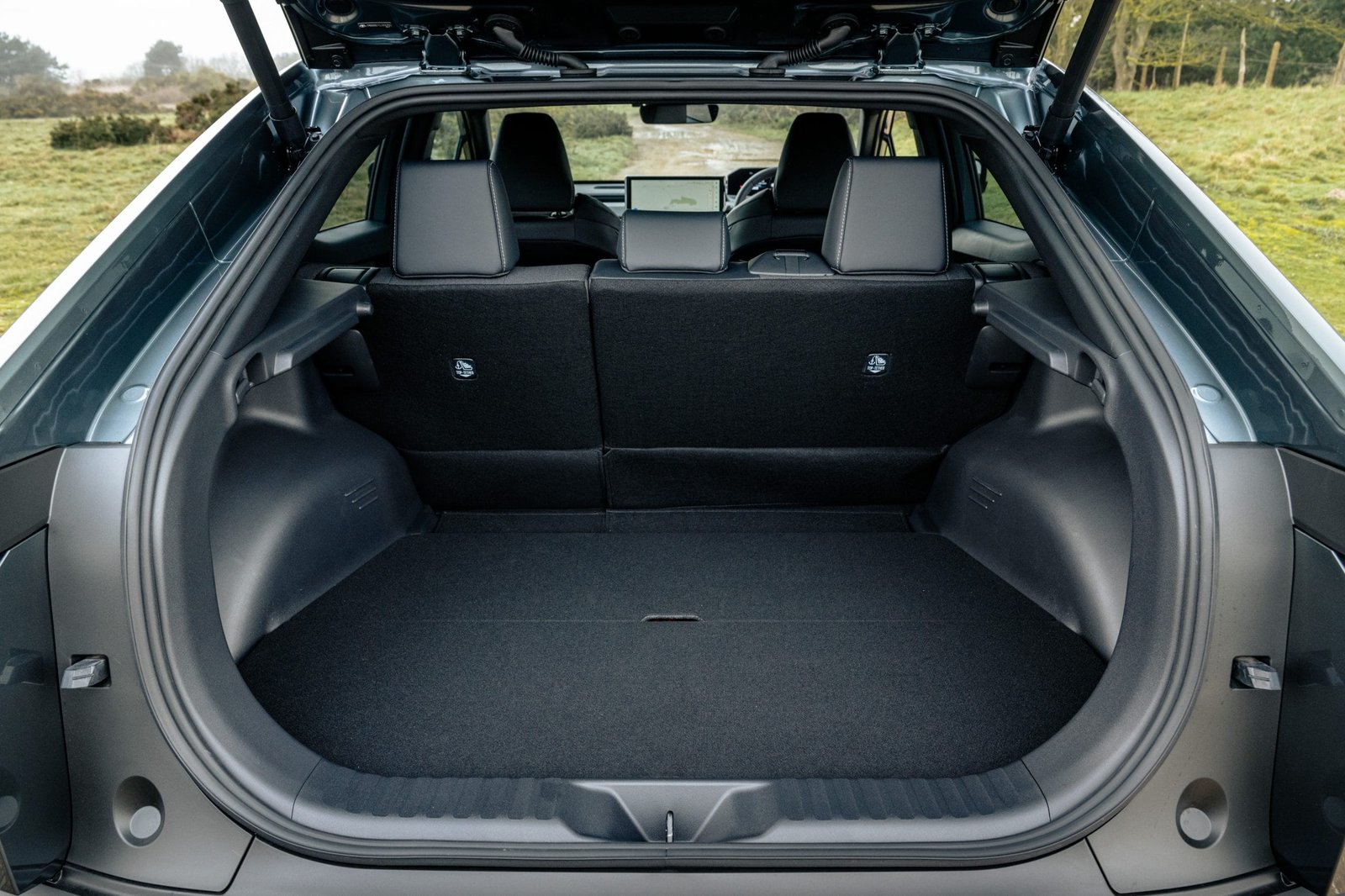
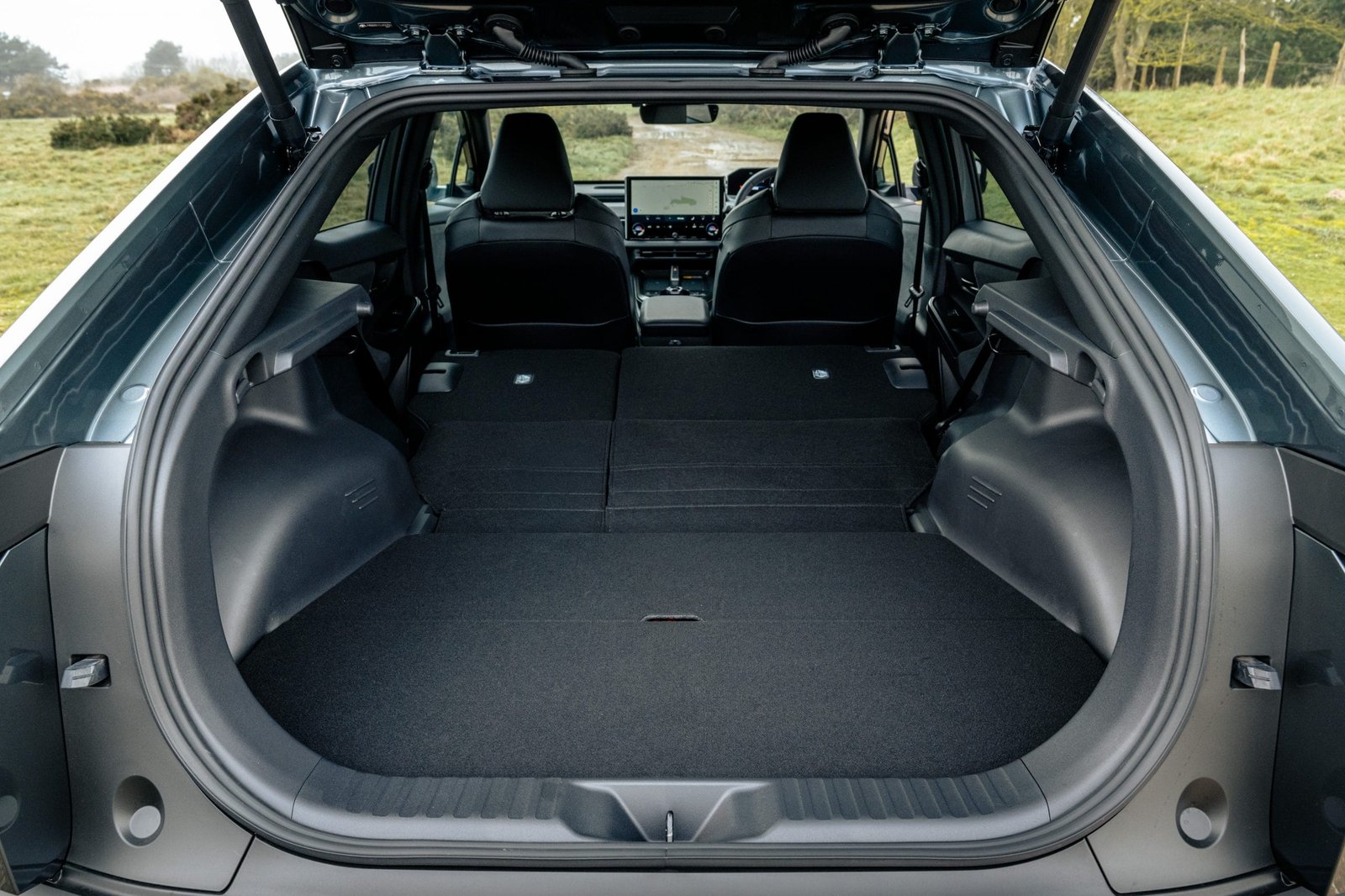
The boot is similarly practical, offering 377 litres of capacity with the rear seats in place and expanding to 1,113 litres when they’re folded.
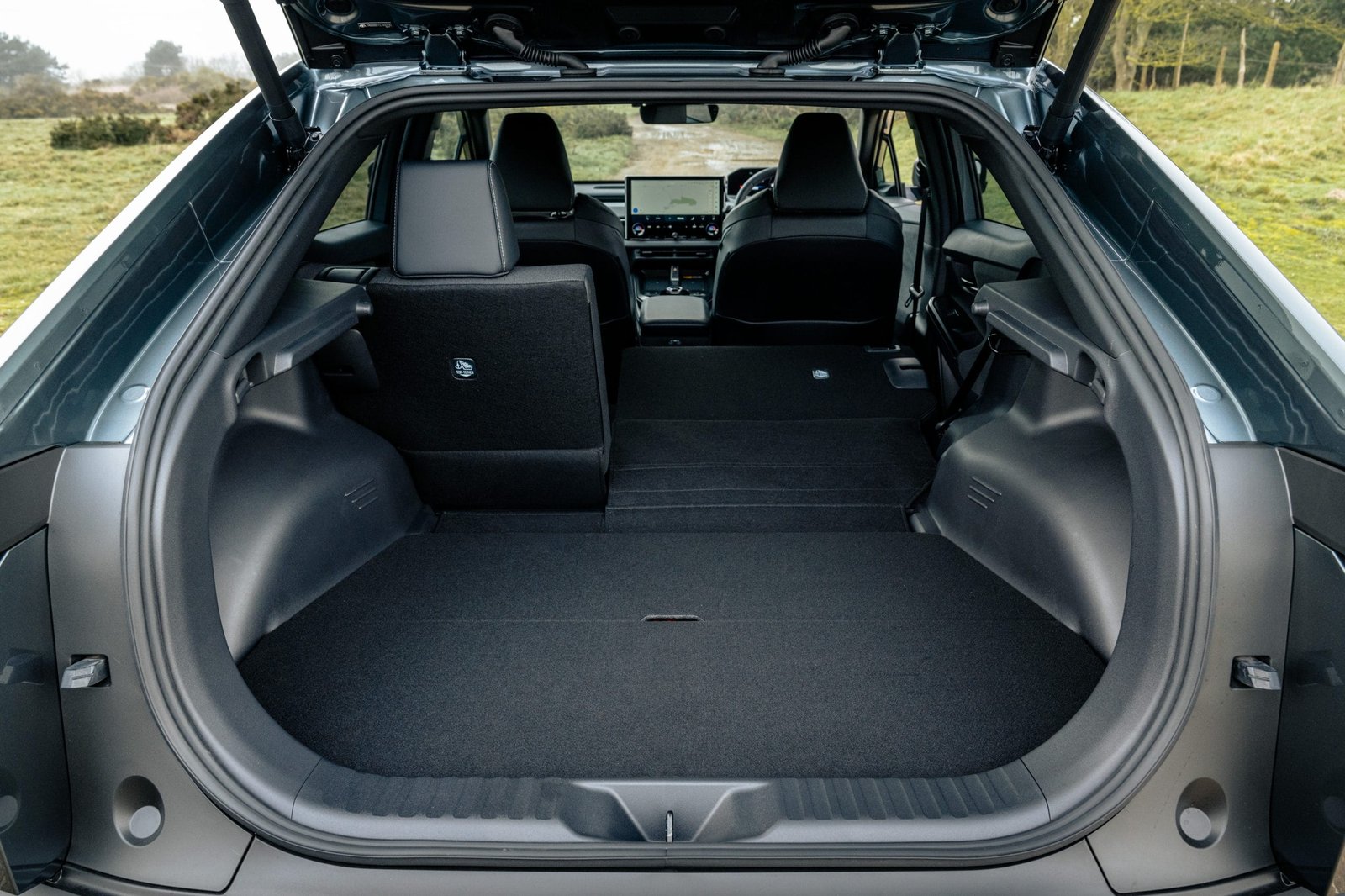
It isn’t class-leading but the C-HR+ isn’t trying to be a boxy family transporter either. It’s a car that asks you to make a small compromise in return for looking considerably more interesting than the average electric crossover.
Technology and safety
Toyota has equipped the C-HR+ generously, particularly considering the price.
The 14-inch multimedia display dominates the dashboard, while Toyota’s latest infotainment system brings wireless Apple CarPlay and Android Auto, cloud-based navigation and voice control.
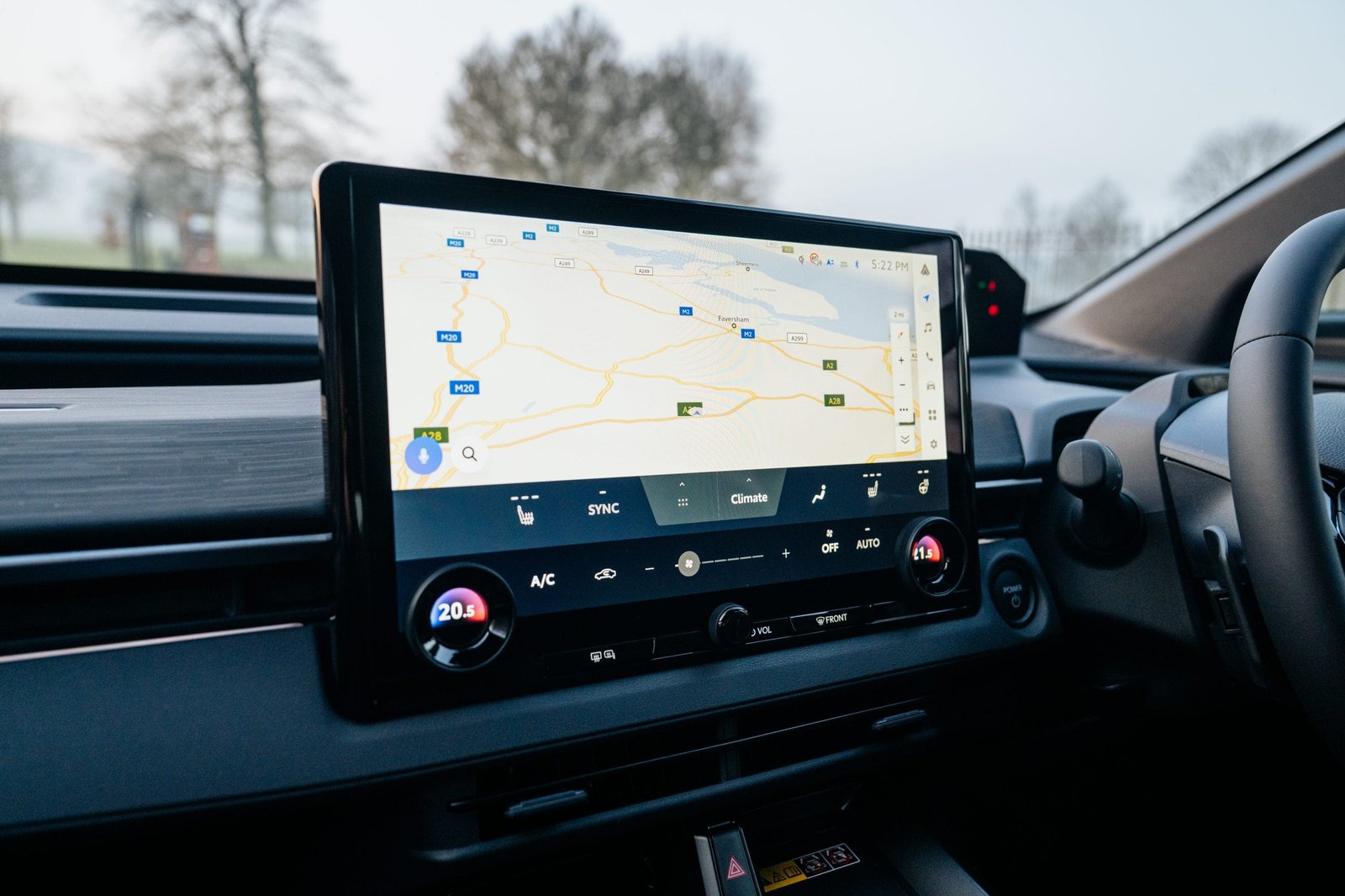
The system is straightforward rather than revolutionary. And that’s fine. After experiencing some increasingly complicated infotainment systems, there’s something reassuring about technology that simply does what you expect.
Safety is another area where Toyota continues to excel.
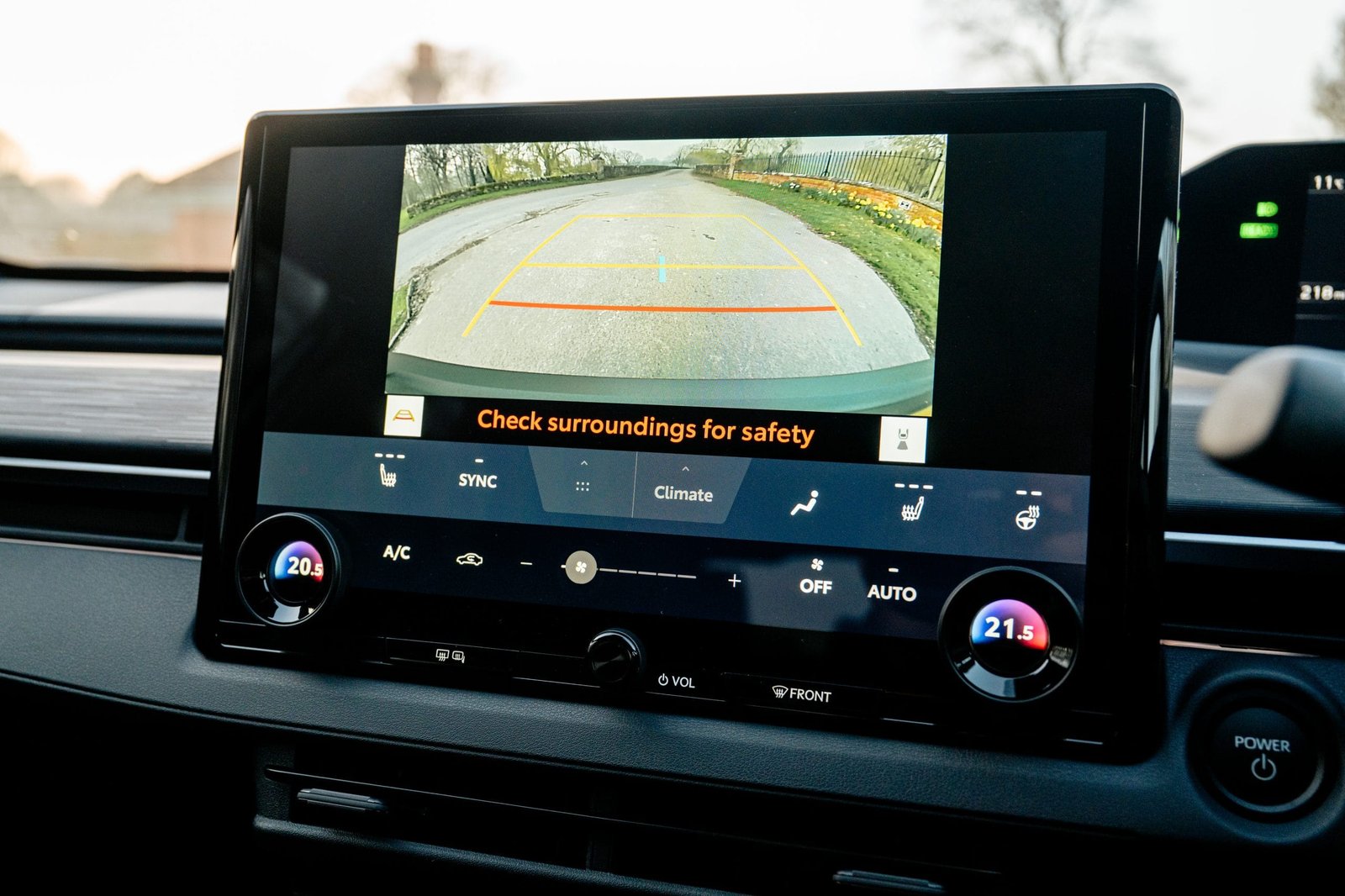
Toyota Safety Sense is standard, incorporating systems including Pre-Collision System, Lane Trace Assist, Adaptive Cruise Control, Road Sign Assist and Proactive Driving Assist. The C-HR+ also features a comprehensive range of parking sensors and cameras to make manoeuvring easier.
Driving
This is where the C-HR+ surprised me most. I expected a competent electric crossover but didn’t expect to have quite so much fun.
The single front-mounted motor in the Design 77kWh produces 221bhp and 268.6Nm of torque, with 0-62mph taking 7.3 seconds.
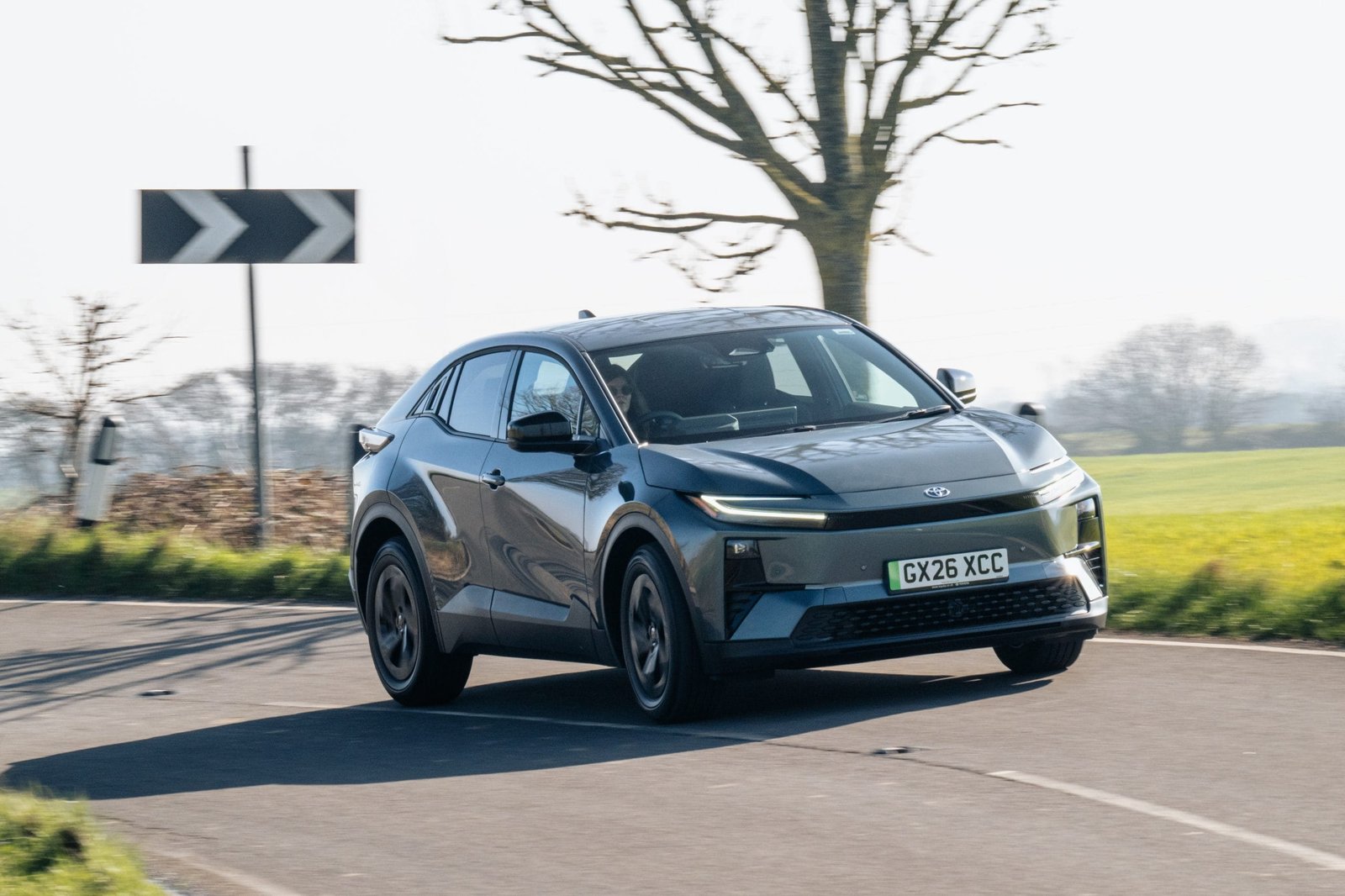
By modern EV standards, those figures aren’t outrageous but it’s not so quick that you spend every journey worrying about how much of your driving licence remains intact.
Press the accelerator and there’s an immediate shove, but the car never becomes intimidating. Instead, the acceleration feels eager and playful, particularly at urban speeds where electric torque is at its most effective.
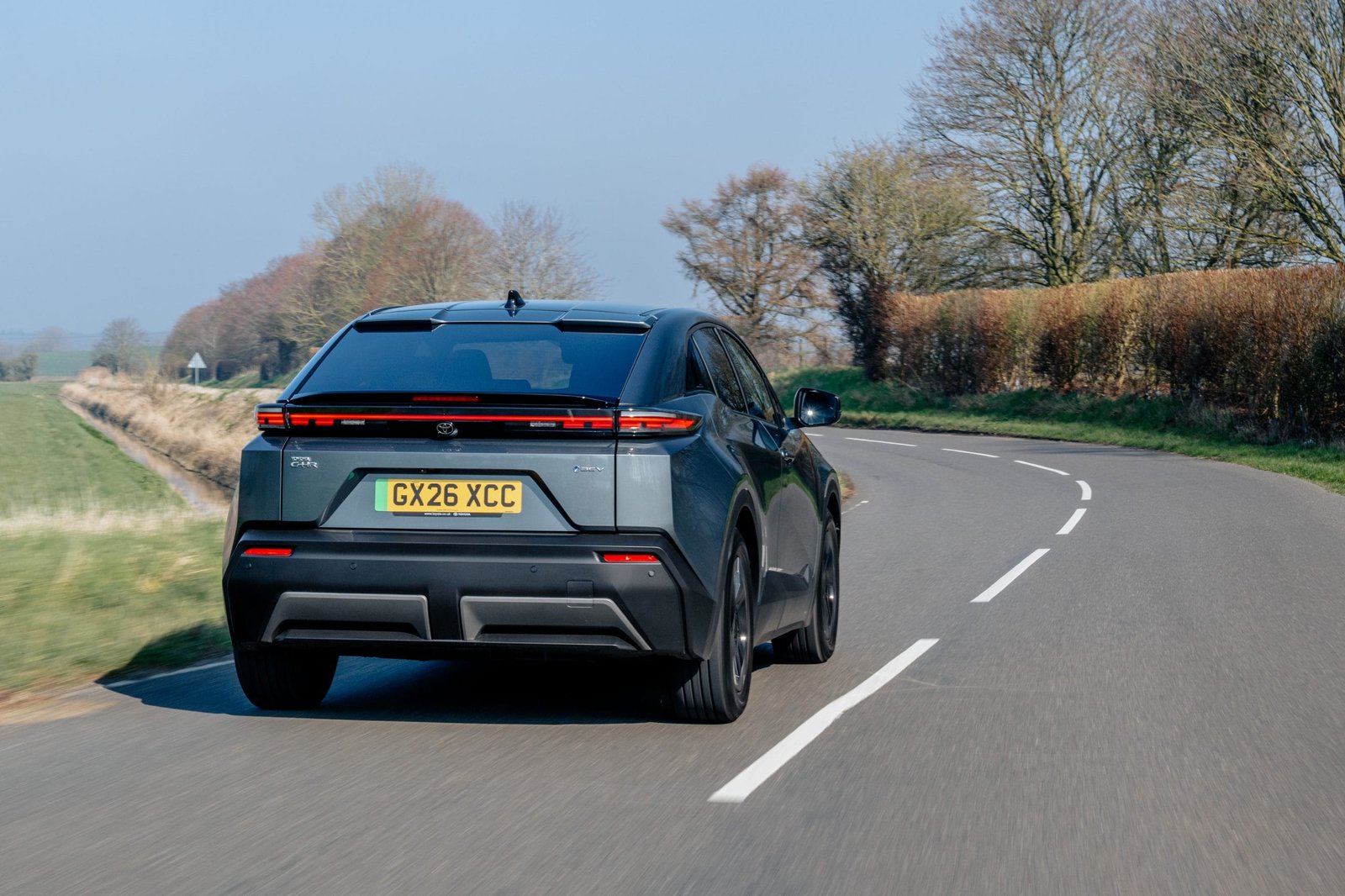
And then there’s the handling. Toyota has clearly resisted the temptation to make the C-HR+ soft and anonymous simply because it’s an electric crossover.
The steering is relatively direct, the body remains nicely controlled through corners and the lower centre of gravity gives the car a planted feel that belies its crossover proportions.
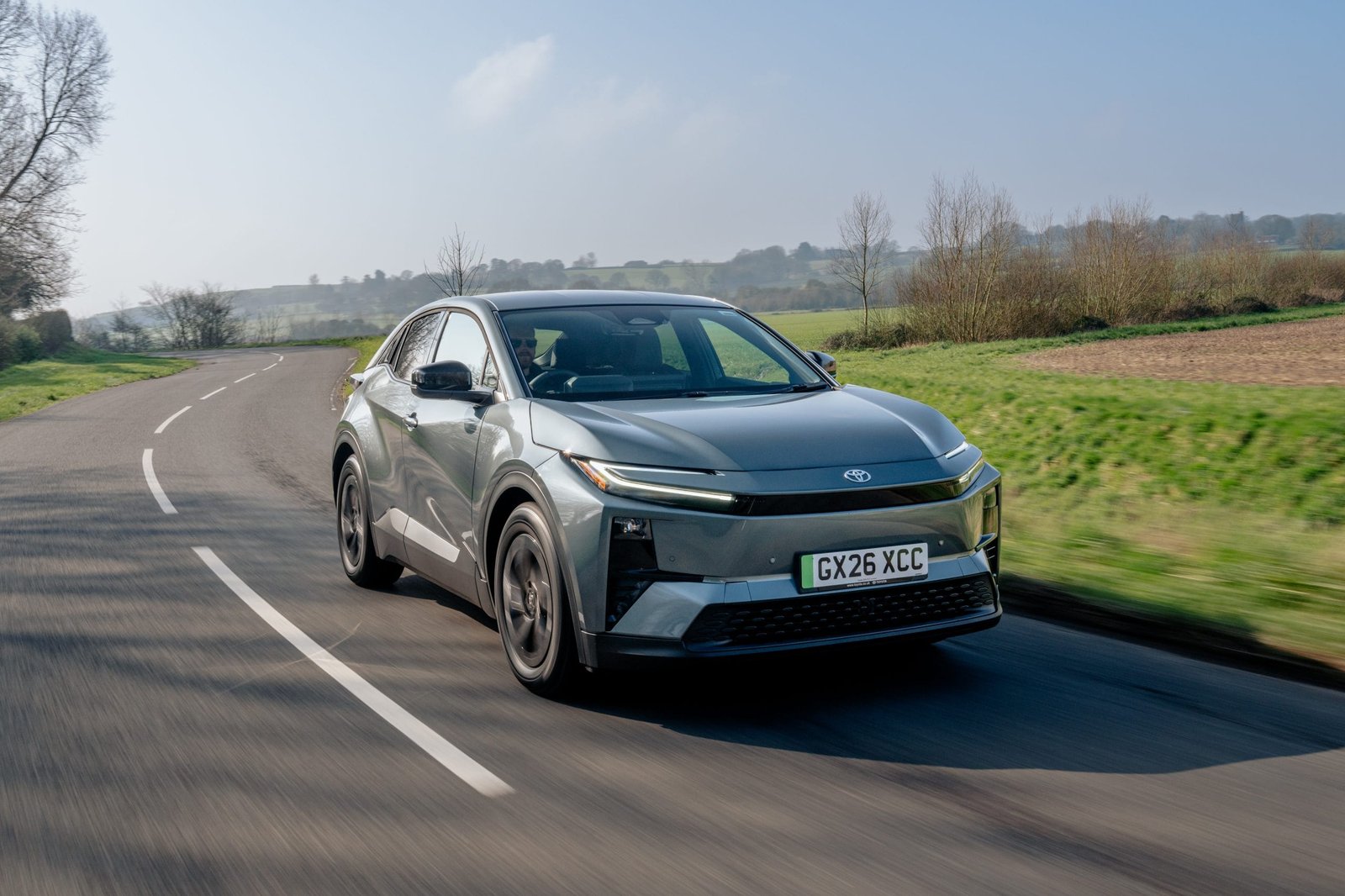
The result reminded me of something I hadn’t thought about for years. Hot hatches. Those small, relatively simple cars from the 1980s and 1990s that didn’t need 300bhp to be entertaining. Cars that were fun because you could actually explore their performance without constantly approaching ridiculous speeds.
The C-HR+ isn’t a hot hatch, obviously, but it has that same spirit and Toyota should be applauded for deliberately allowing the car to retain some personality.
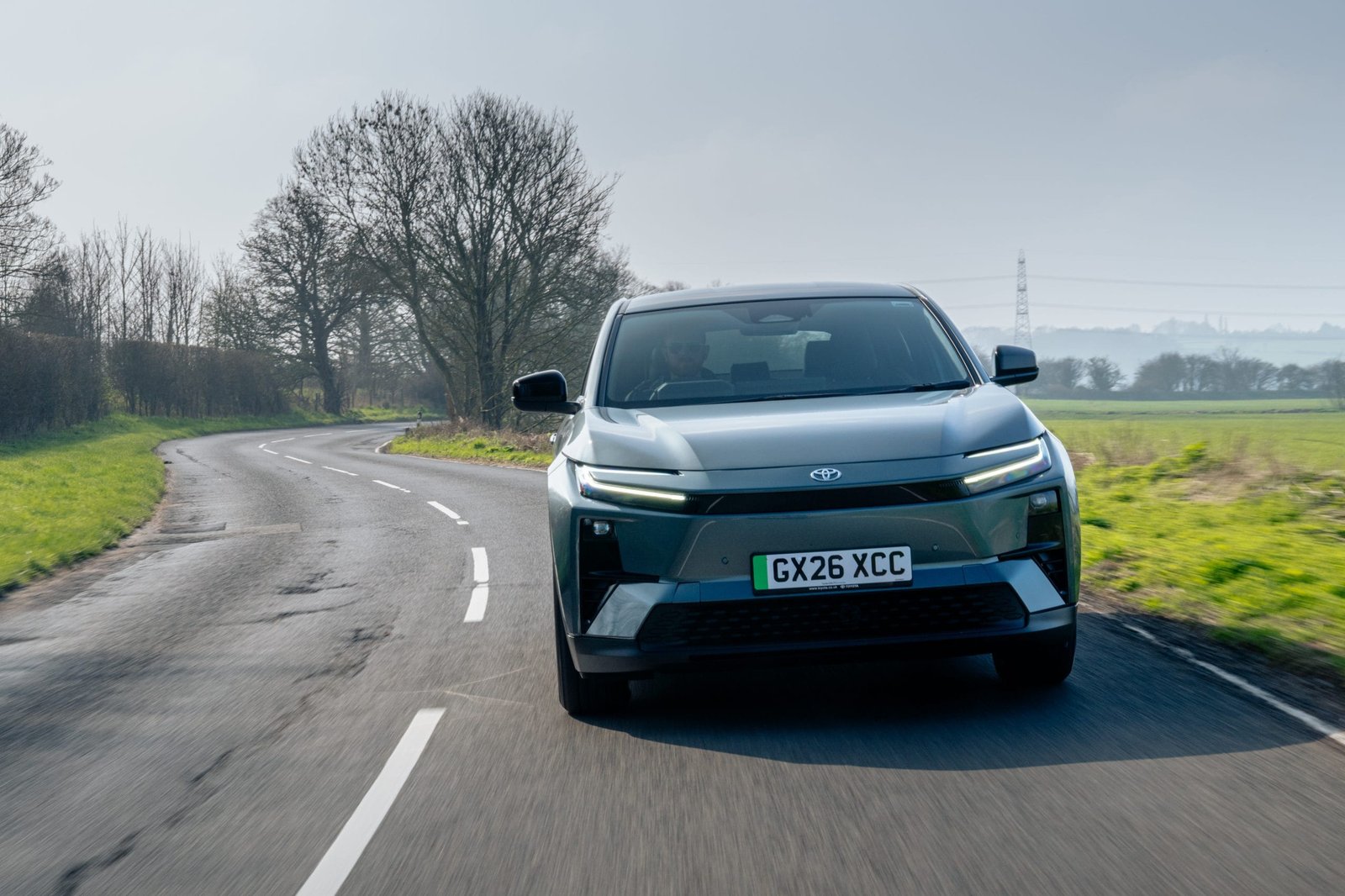
The suspension is on the sporty side, but crucially, it never becomes too firm. There are plenty of EVs that confuse sporty handling with an unnecessarily stiff ride. The C-HR+ doesn’t fall into that trap. It remains comfortable enough for everyday use while giving the driver something to enjoy when the road begins to twist.
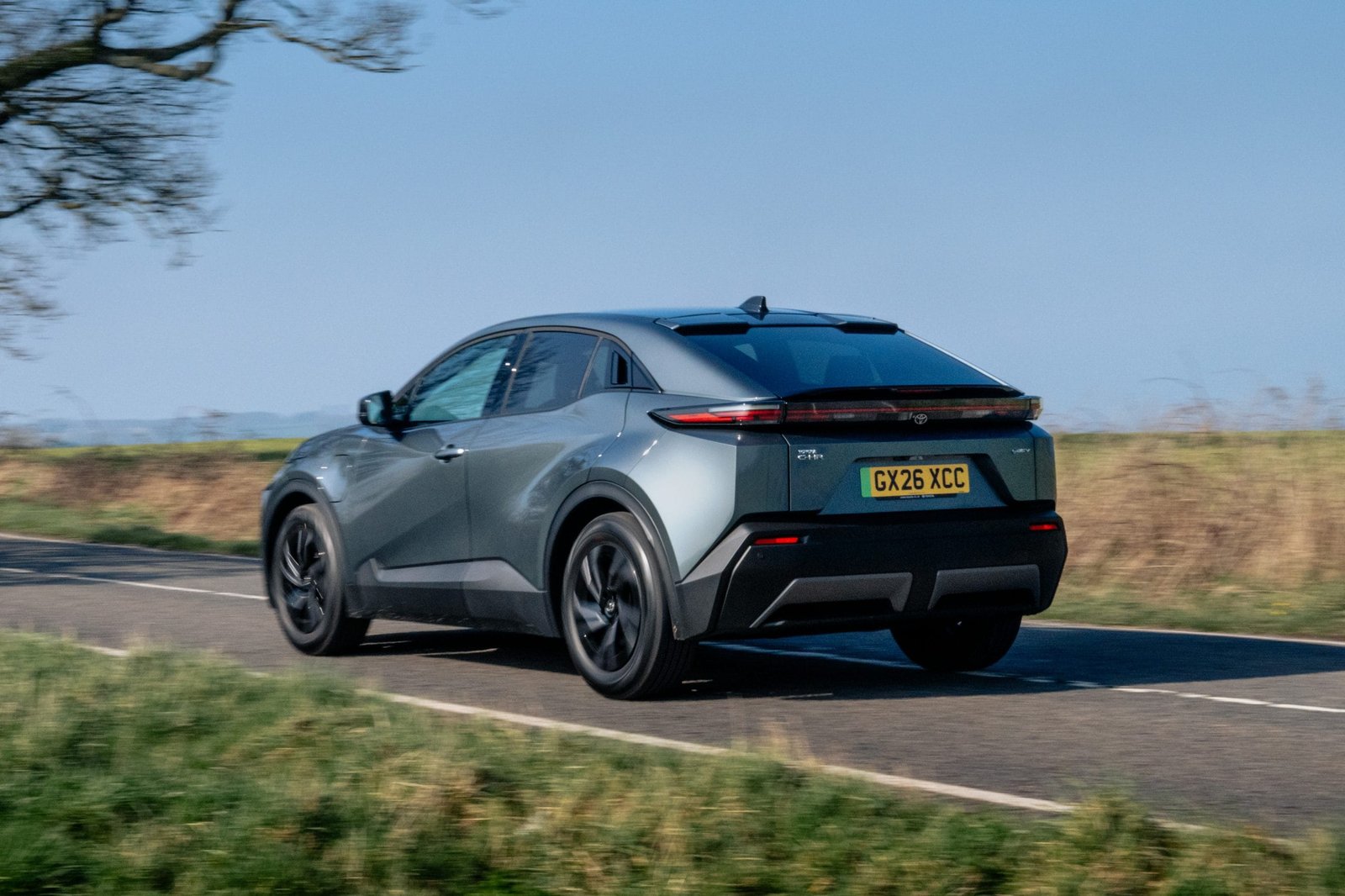
The relatively low centre of gravity certainly helps. Toyota says the battery placement lowers the centre of gravity by 65mm compared with the hybrid C-HR, while the body structure has also been stiffened to improve handling and ride quality.
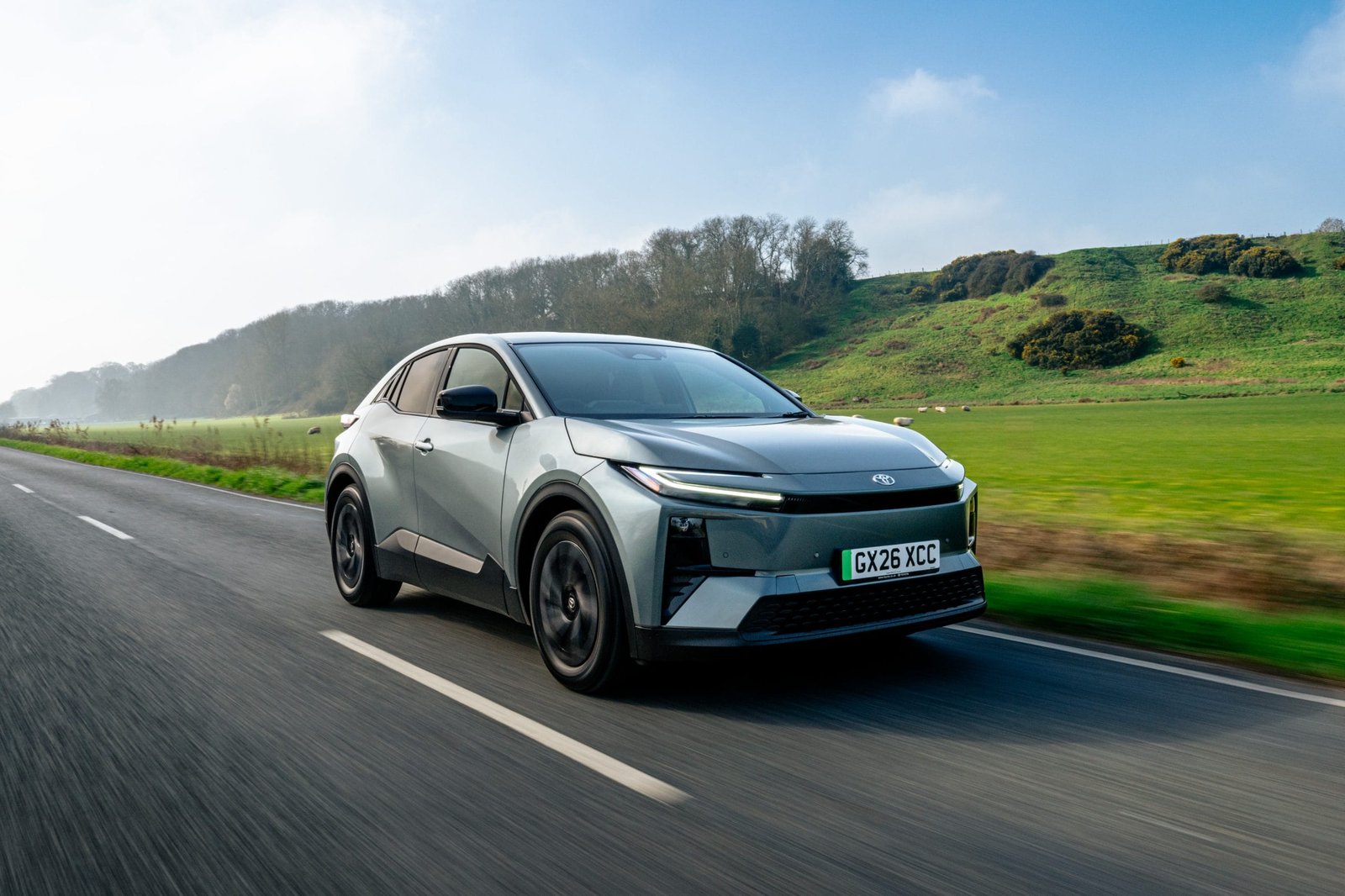
You can certainly feel the benefits. The C-HR+ changes direction neatly and doesn’t feel like it’s carrying its battery pack around as a separate component. Everything feels integrated.
It doesn’t feel like an electric car that happens to handle reasonably well. It simply feels like a well-sorted car. GR Yaris levels of fun? No, of course not – but the spirit is definitely there.
Range and Charging
The 77kWh battery is one of the reasons the C-HR+ feels like a serious long-distance EV rather than simply a fashionable urban crossover.
Toyota quotes a WLTP range of up to 377 miles for the Design 77kWh when fitted with its standard 18-inch wheels. The optional 20-inch wheels reduce that figure to 347 miles.
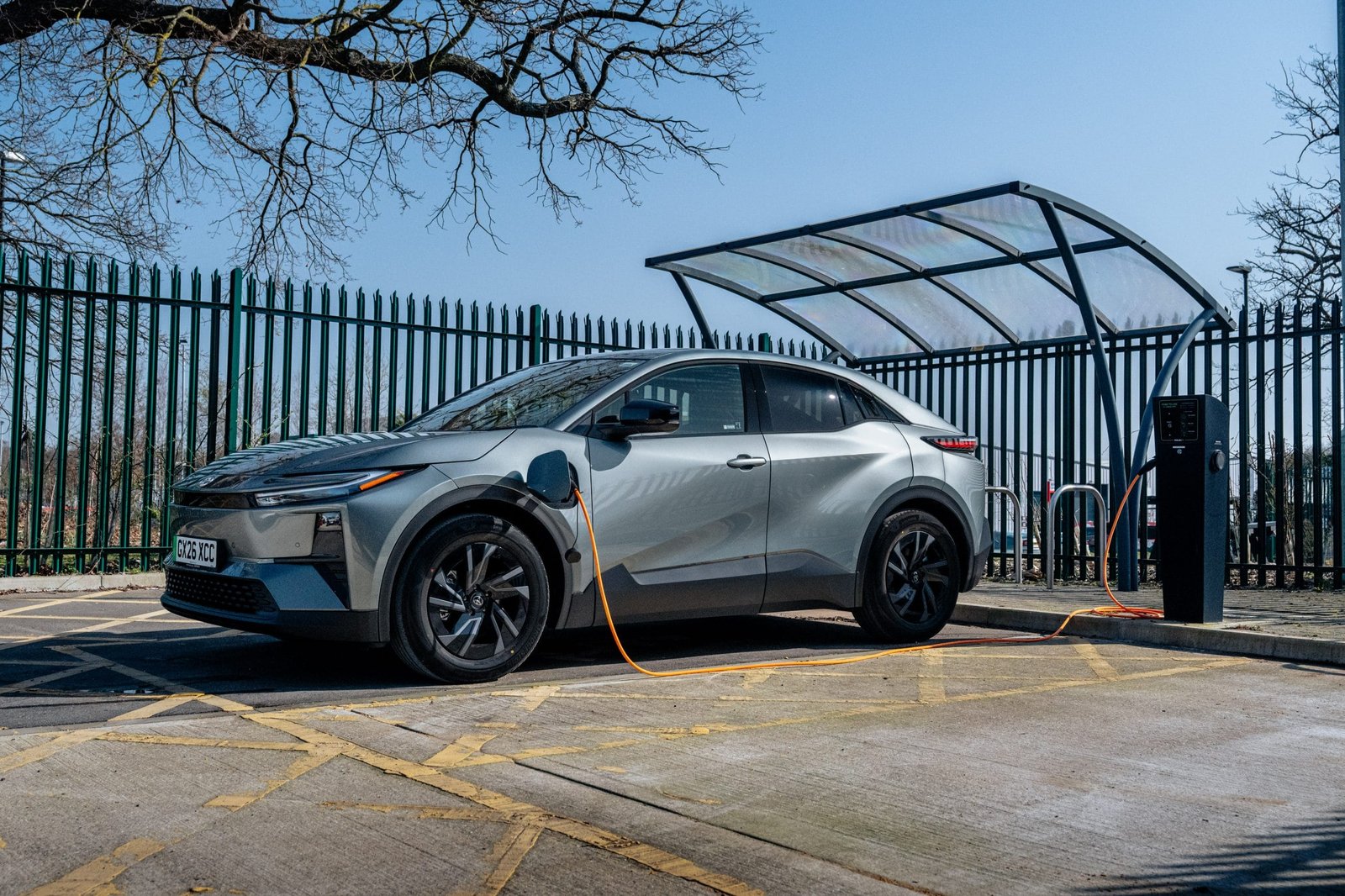
Naturally, real-world range will depend on temperature, driving style and road conditions, but the official figure should give most owners plenty of flexibility between charges.
DC rapid charging is available at up to 150kW, with Toyota quoting approximately 30 minutes to charge from 10 to 80 per cent under suitable conditions. An 11kW AC onboard charger is also available, allowing straightforward overnight charging at home or at a workplace.
Rivals
The C-HR+ enters an exceptionally competitive part of the market.
The Volkswagen ID.3 and ID.4, Kia EV3, Hyundai Kona Electric, Renault Scenic E-Tech and Peugeot E-3008 all offer compelling alternatives, while increasingly capable Chinese manufacturers continue to put pressure on established brands.
But few have the combination of distinctive coupe-inspired styling and genuinely enjoyable driving manners offered by the C-HR+.
It’s an electric family car that doesn’t feel like it was designed solely around family responsibilities.
Verdict
The Toyota C-HR+ is one of those cars that becomes more appealing the longer you spend with it.
At first, it’s the styling that grabs your attention. It’s handsome, distinctive and, in my opinion, considerably more successful visually than the hybrid C-HR.
The interior is not quite as premium as some rivals, with a few too many hard plastics for a car approaching £37,000, but the layout works, the technology is intuitive and the driving position gives it a personality all of its own.
But then you drive it – and that’s where the C-HR+ really wins you over. It’s quick without being ridiculous. It’s sporty without being uncomfortable. And it has that slightly playful character that reminded me of the best hot hatches from decades ago.
For me, that’s the biggest surprise. I wasn’t expecting nostalgia from a modern Toyota EV, but the C-HR+ brought it back.


At a glance:
Model: Toyota C-HR+ Design 77kWh
Price: From £36,995 OTR (£35,495 with Gov. EV Grant applied)
Power: 221bhp
Torque: 268.6Nm
Battery: 77kWh
Drive: Front-wheel drive
0-62mph: 7.3 seconds
Top Speed: 99mph
WLTP Range: Up to 377 miles (18-inch wheels)
Charging: 11kW AC / Up to 150kW DC (10–80% in approximately 30 minutes)