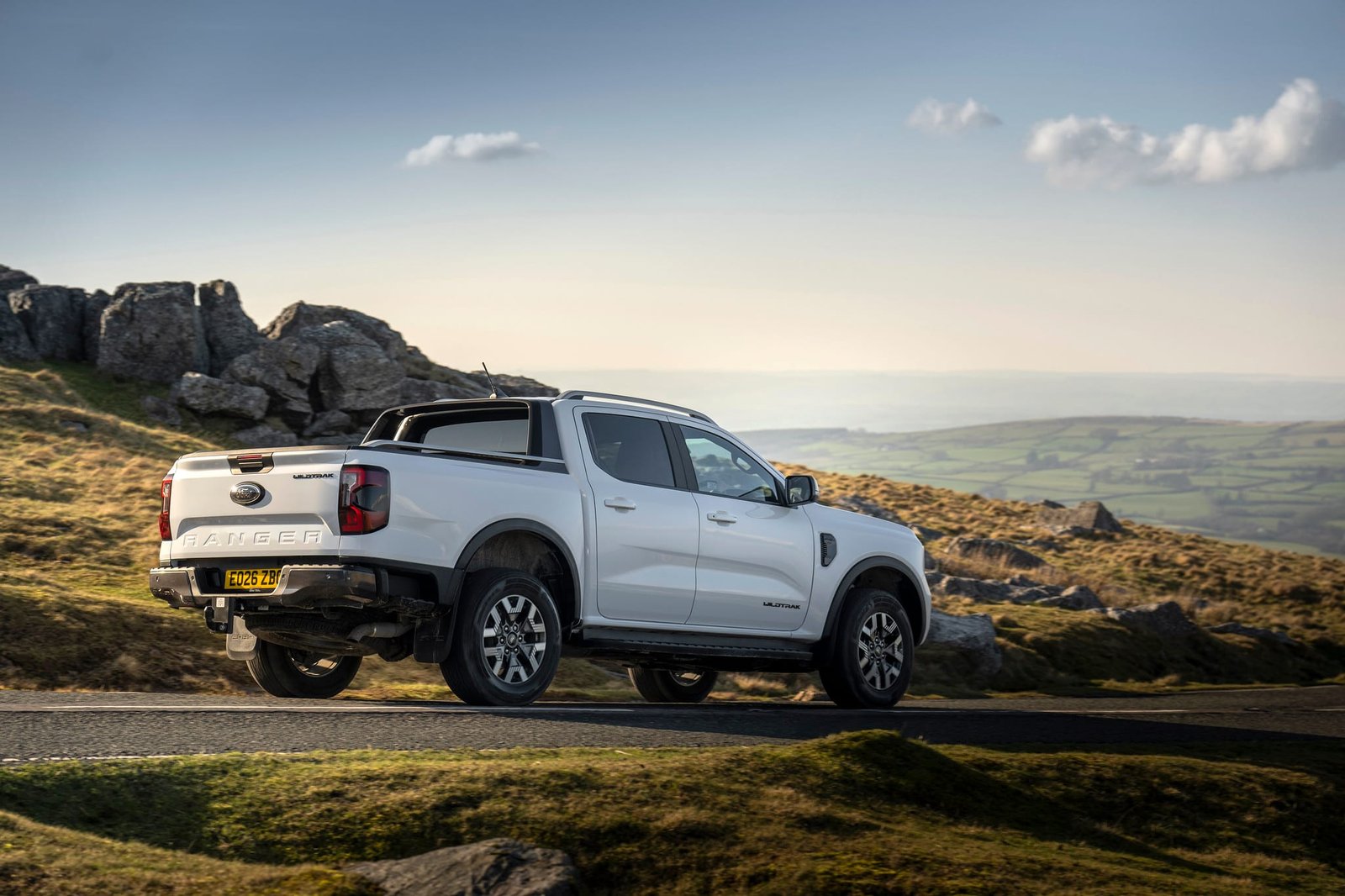
PICK-UP trucks have traditionally been creatures of compromise. They’re enormously capable, but that capability often comes at the expense of refinement. They’re designed to carry, tow and venture far beyond the end of the tarmac, rather than quietly waft their occupants across town.
The Ford Ranger has always understood that trade-off, but the latest Ranger PHEV is attempting something a bit different.
It wants to be a working truck Monday to Friday, a family SUV at the weekend and, when required, an off-road machine capable of tackling terrain that would stop most conventional cars in their tracks.

And now it wants to do all of that while spending part of its time driving on electricity alone – which on paper, it sounds almost too ambitious – yet Ford hasn’t simply bolted a battery into the Ranger and called it a day.
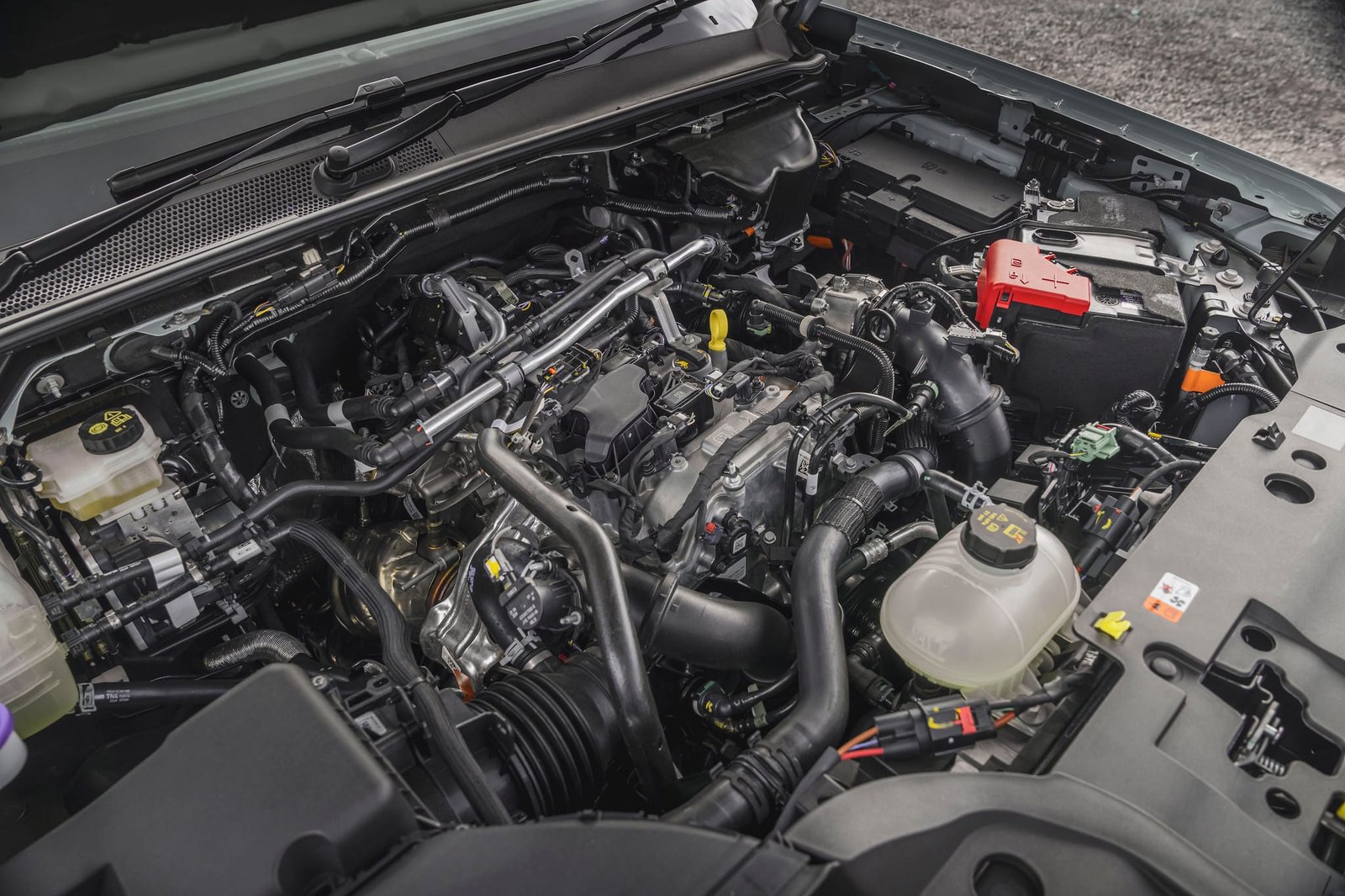
The Ranger PHEV combines a 2.3-litre EcoBoost petrol engine with a 75kW electric motor and 11.8kWh usable battery, producing 279PS and a remarkable 690Nm of torque. That’s more torque than any production Ranger before it and even more than the 3.0-litre V6 diesel.

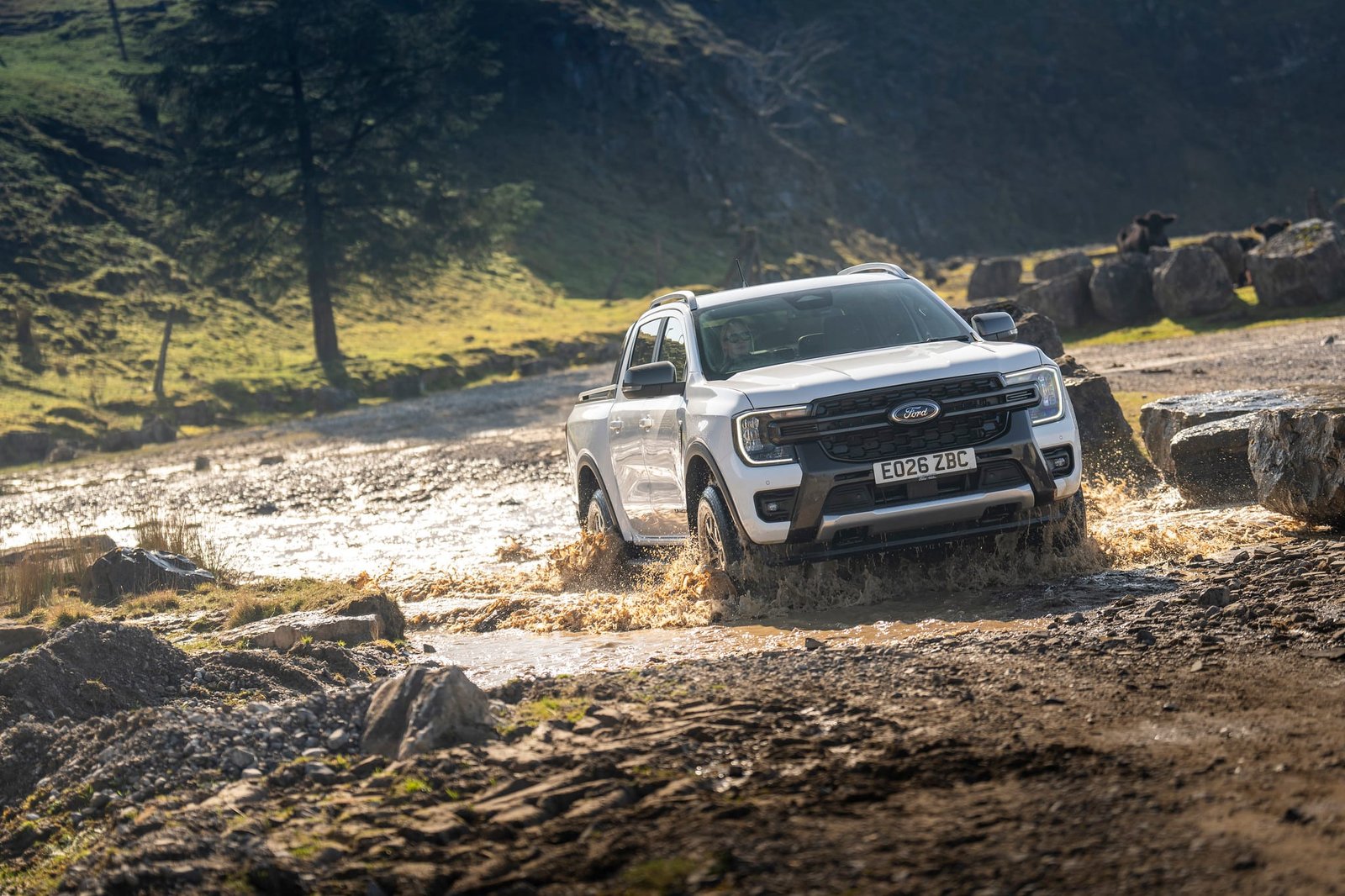
More importantly, the electrification hasn’t come at the expense of the things Ranger buyers actually need. It can still carry a payload of up to one tonne, tow up to 3,500kg and retains four-wheel drive, a dual-range transfer box and rear differential lock for serious off-road work.
Design
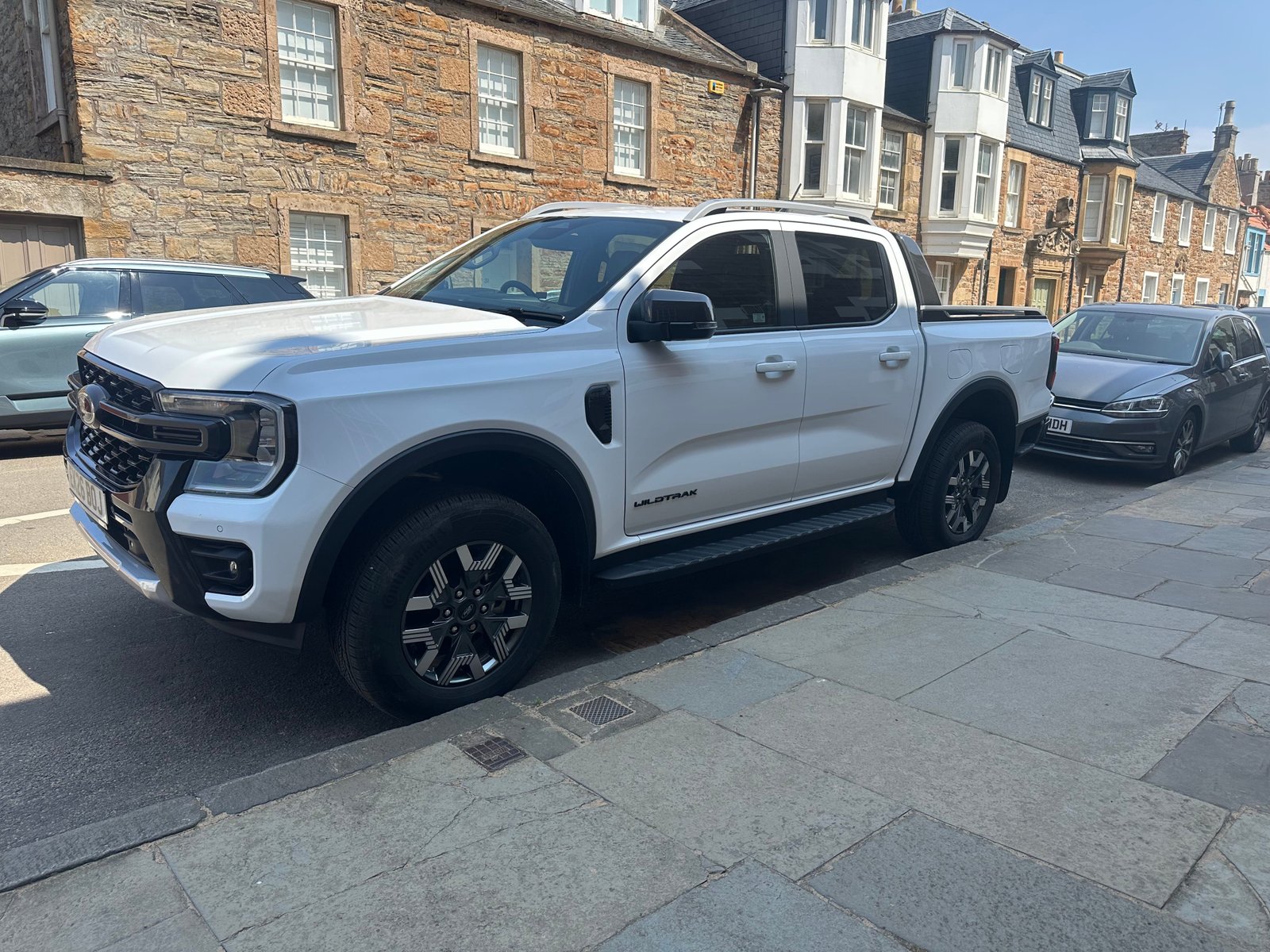
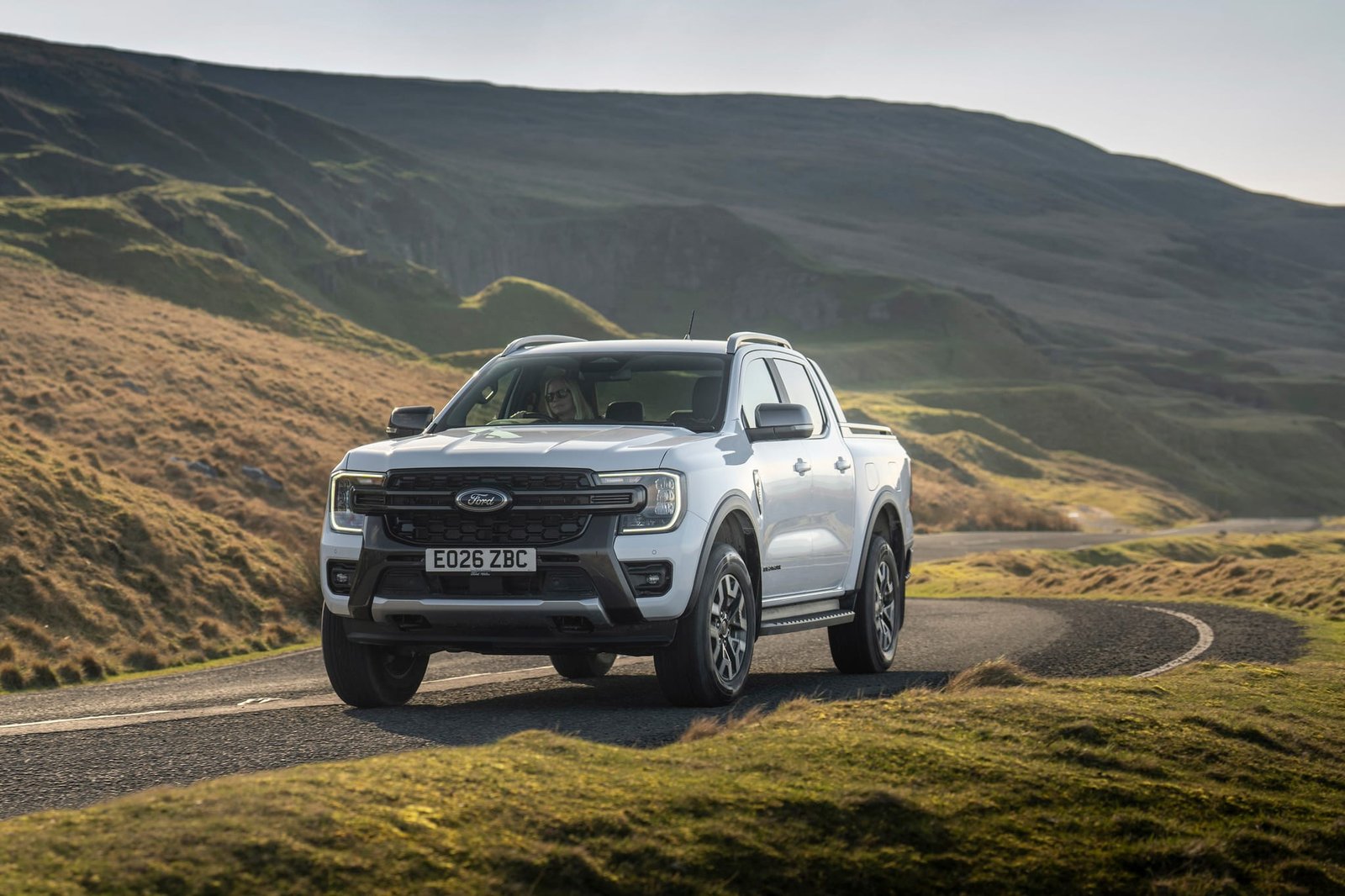
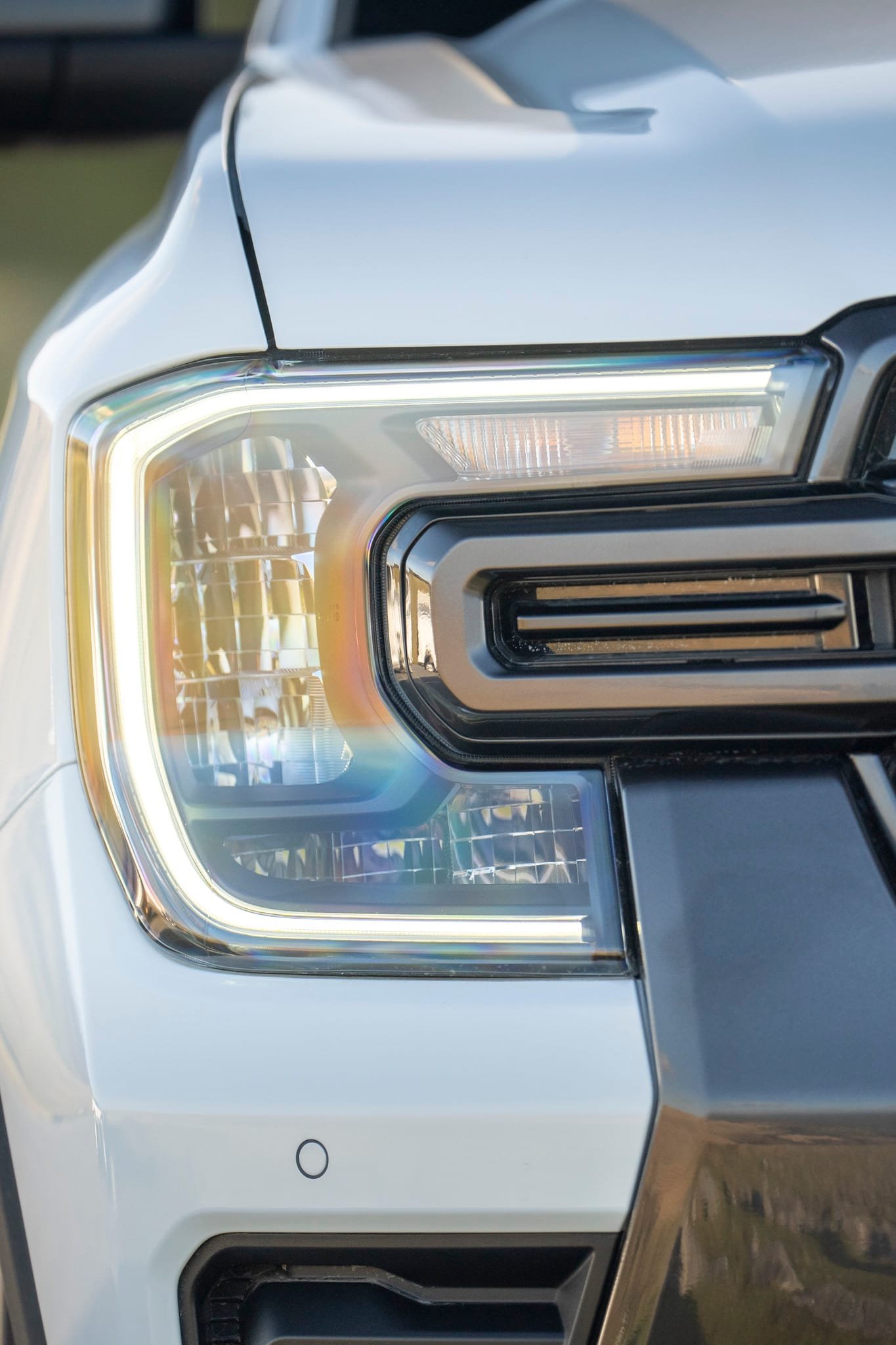
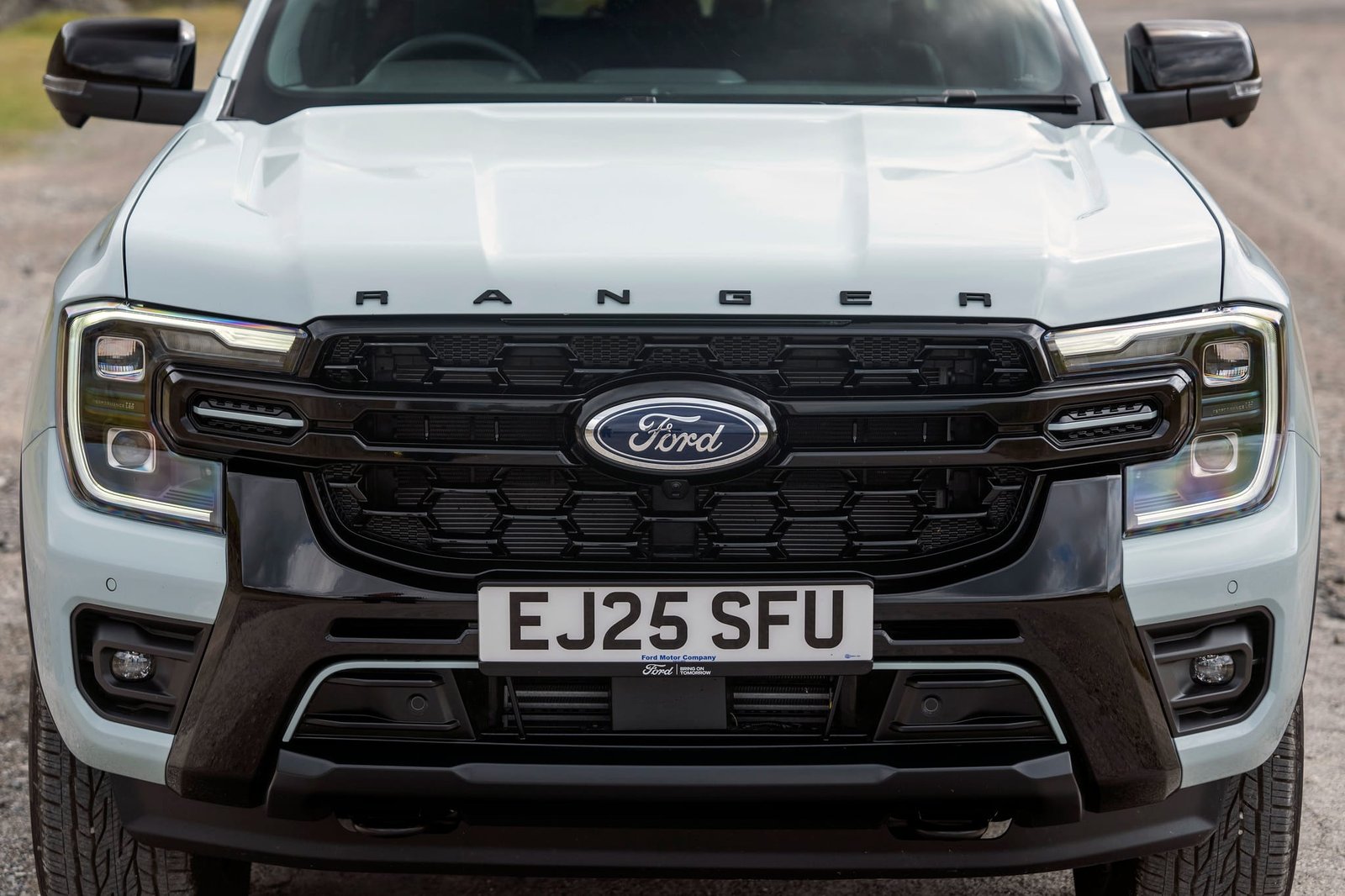
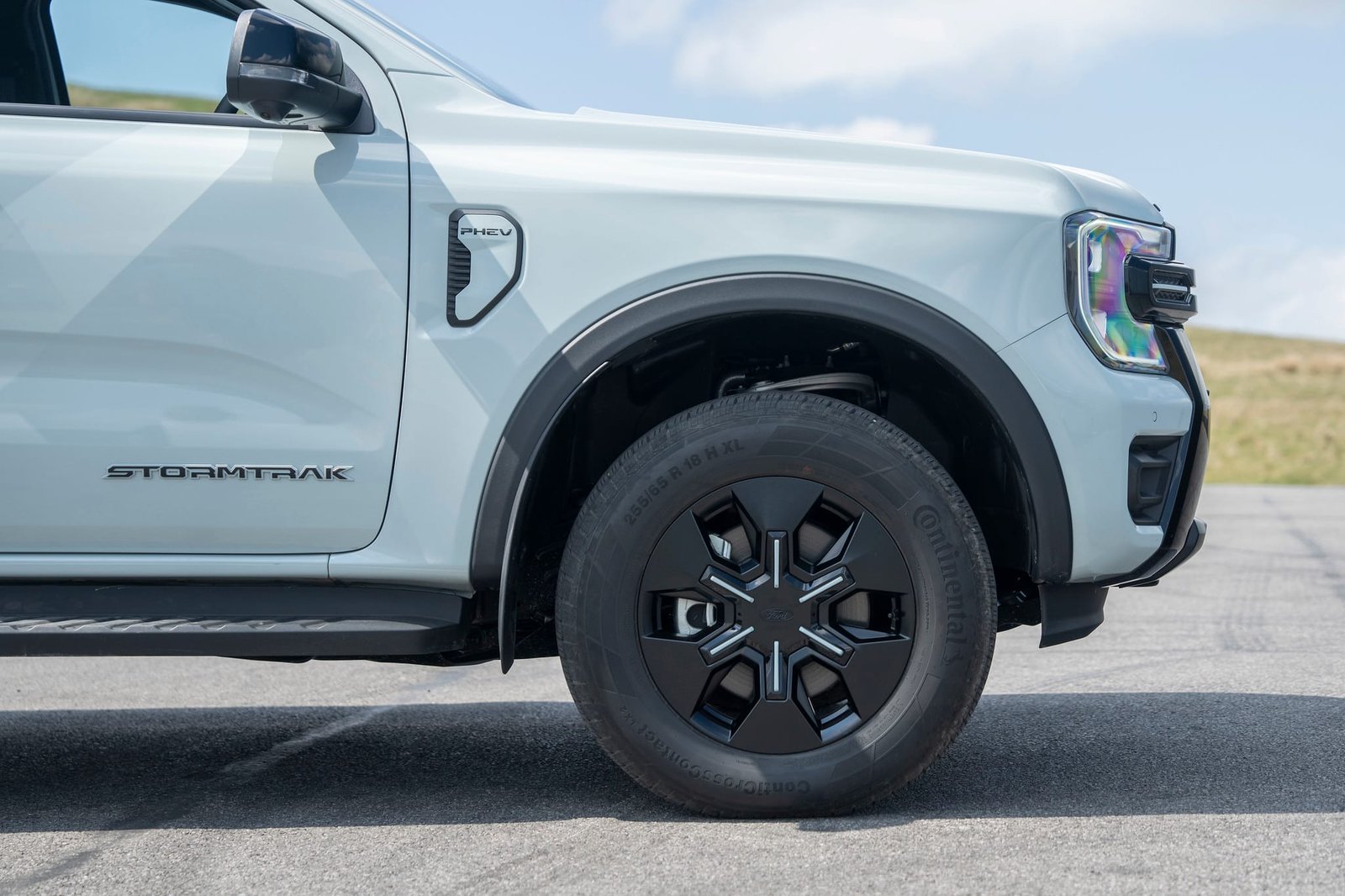
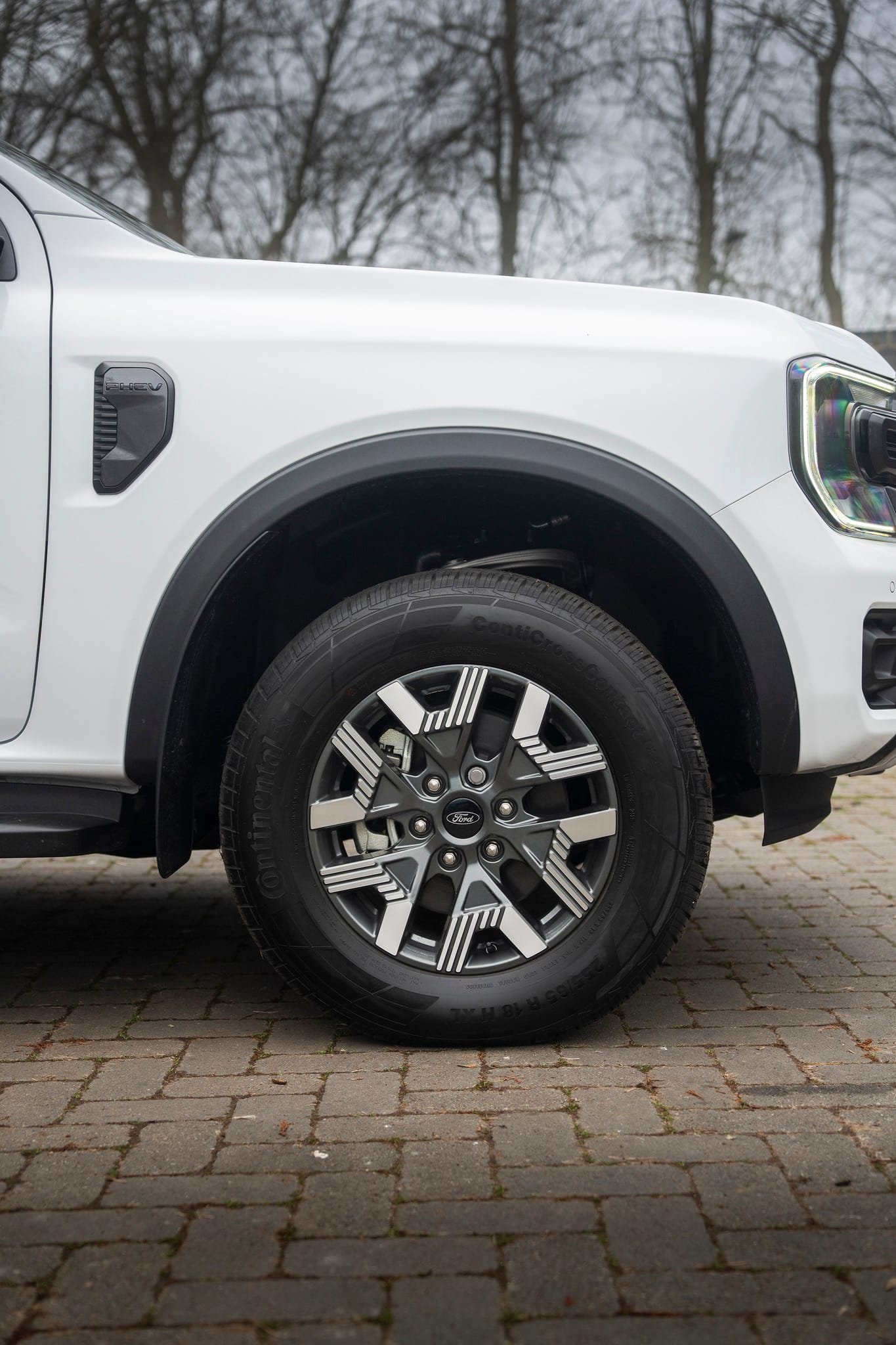
The latest Ranger has already established itself as one of the most recognisable pick-ups on British roads, and the PHEV retains the same fundamental design while adding subtle details to distinguish it.
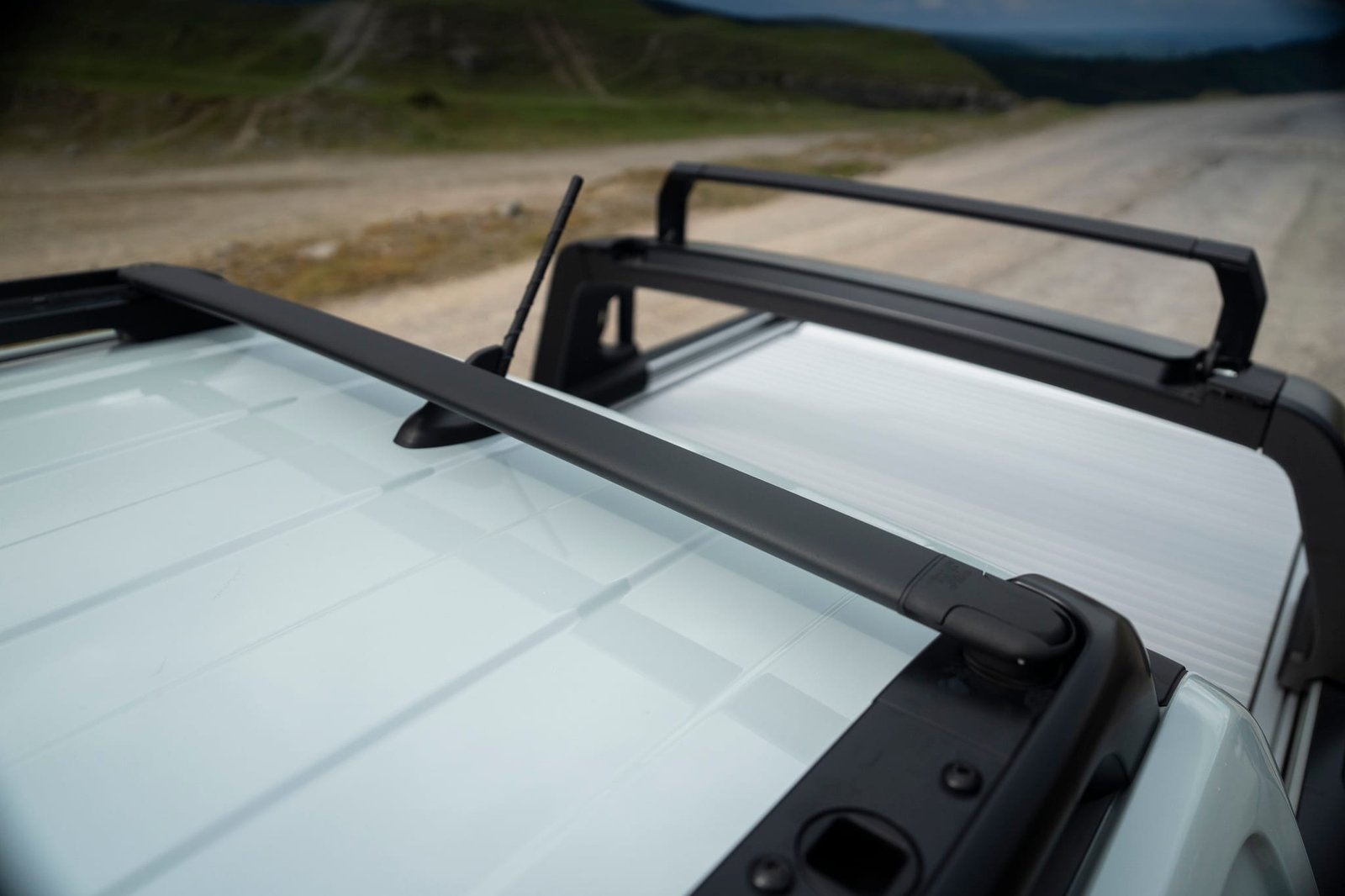
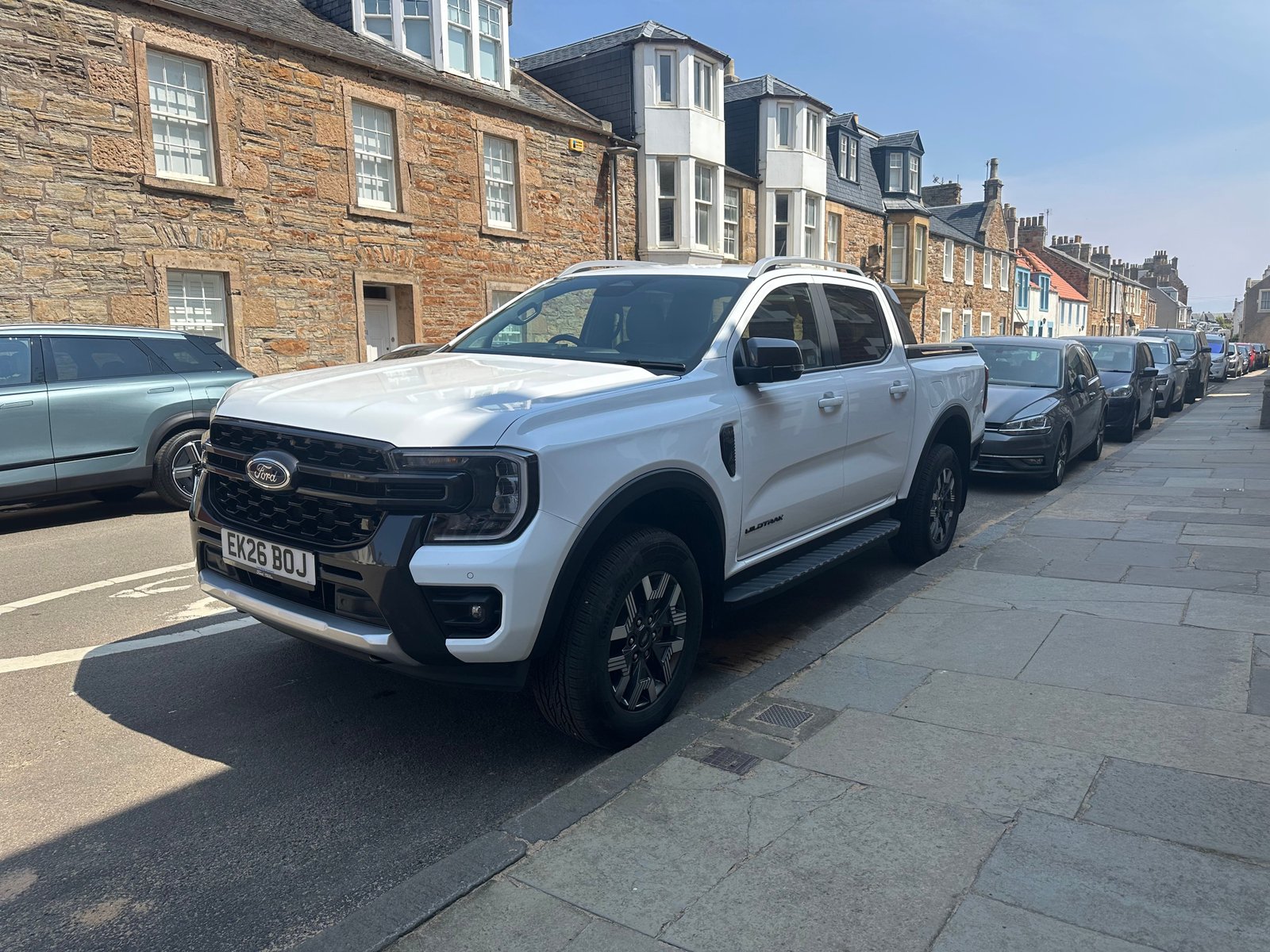
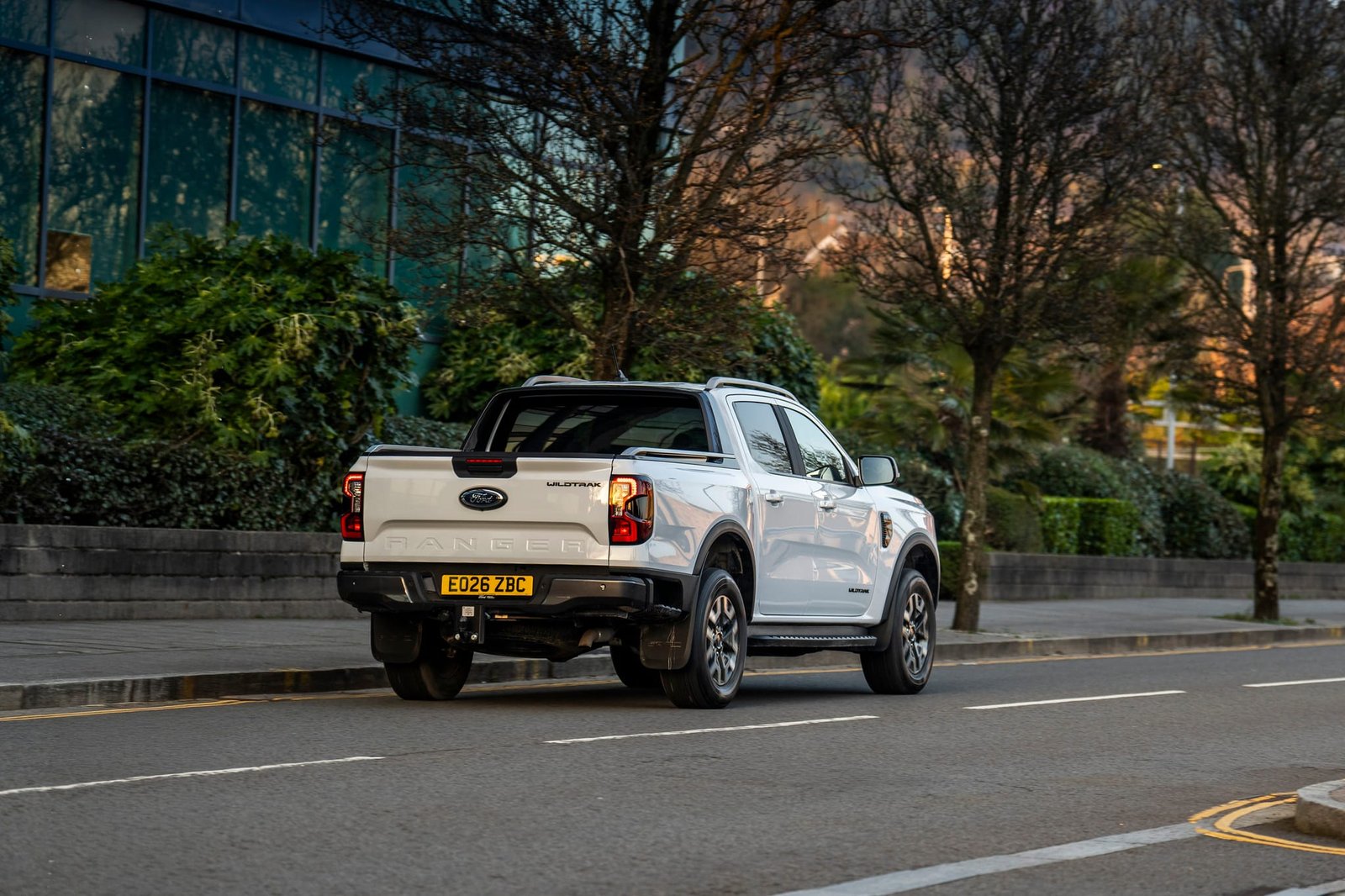
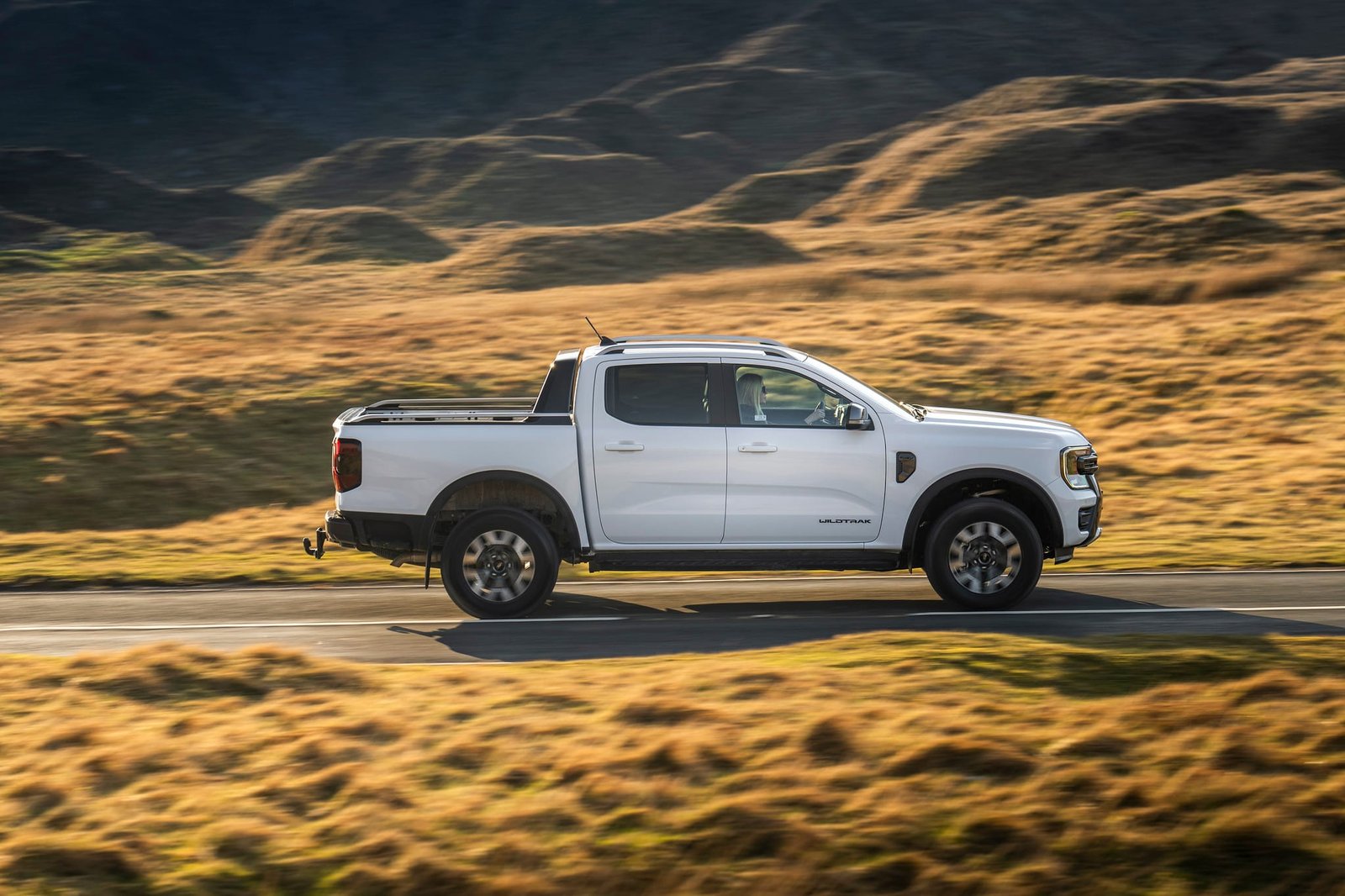
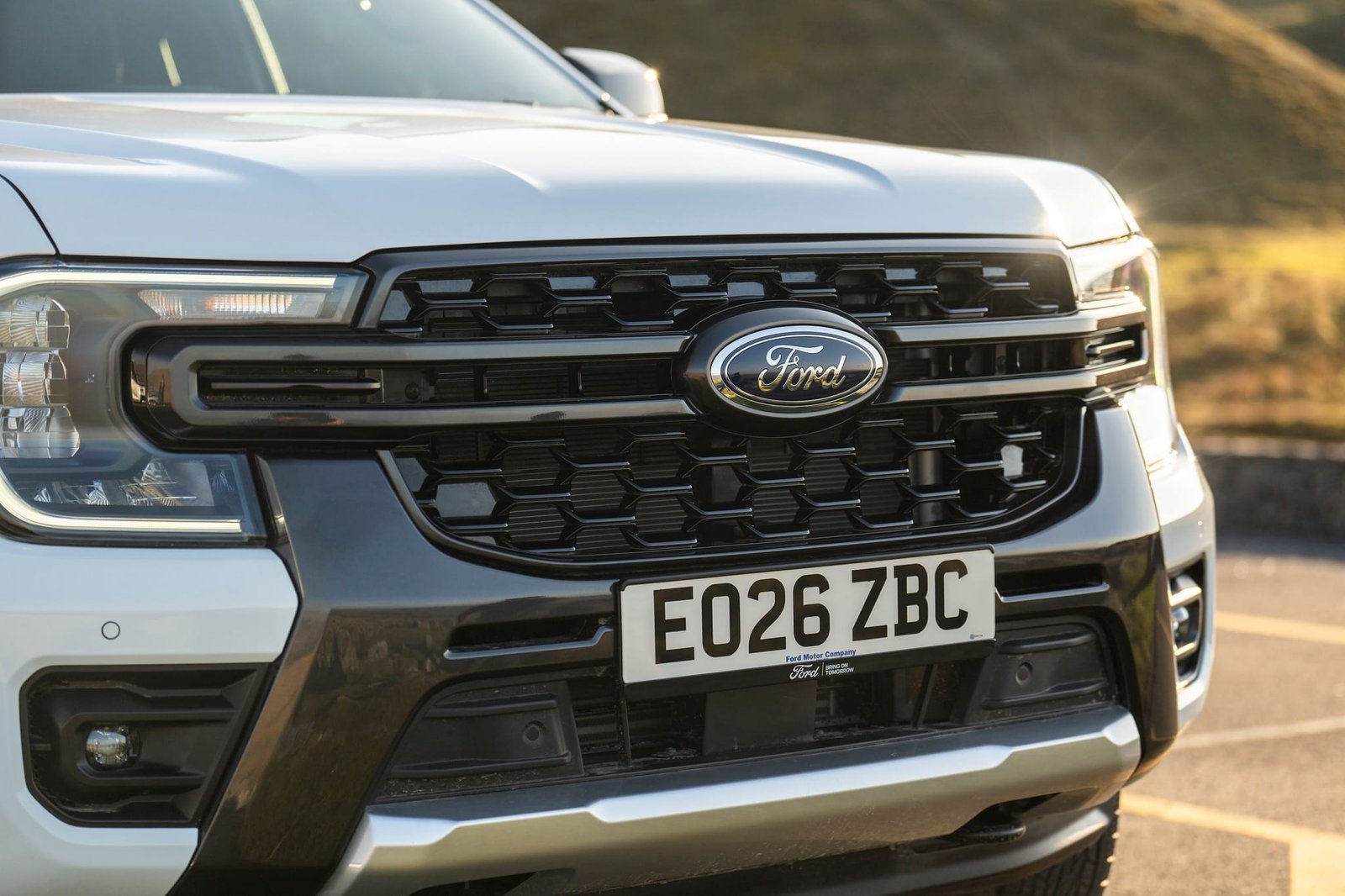
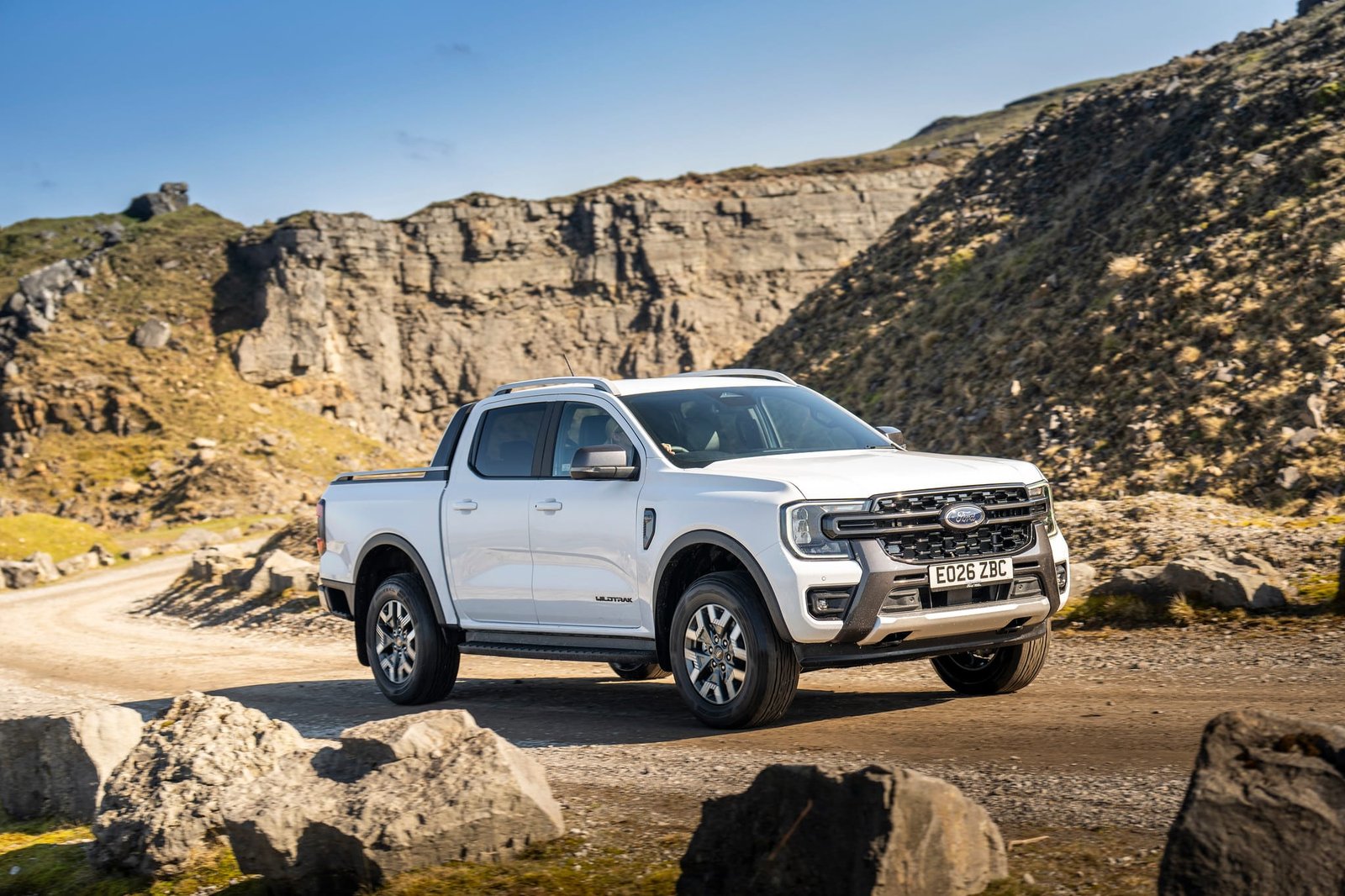
The Wildtrak specification – which I have been driving – brings a more premium interpretation of the formula. It looks tough without becoming cartoonishly aggressive, with the high bonnet, broad shoulders and substantial stance giving it the sort of road presence that most SUVs can only dream about.
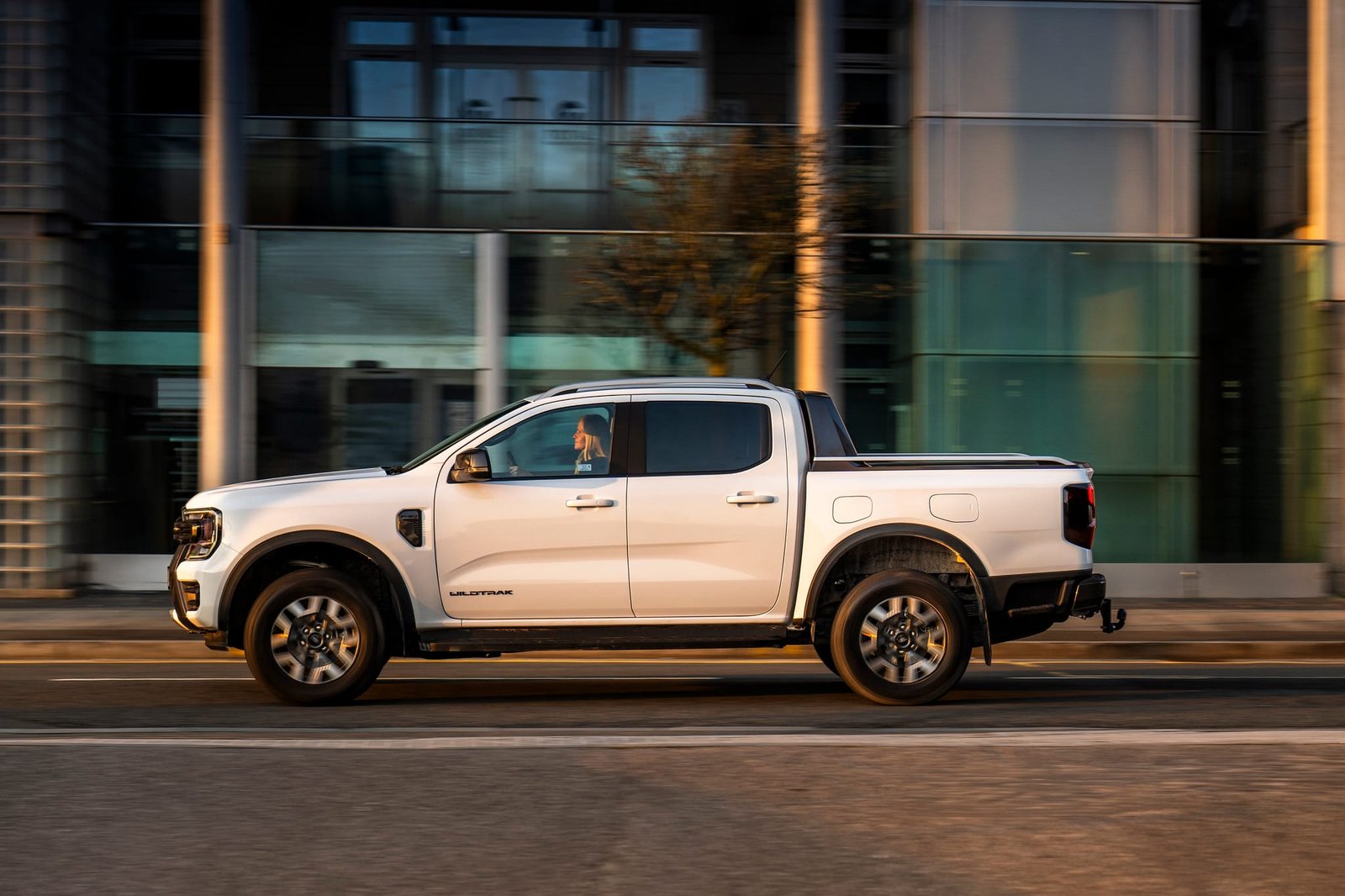
There’s a practical reason behind much of that visual bulk, of course. The Ranger needs the ground clearance, suspension travel and approach angles to cope with genuinely difficult terrain.
Ford has also packaged the PHEV battery between specially engineered frame rails, meaning the additional hardware doesn’t compromise the Ranger’s approach, breakover or departure angles.

Interior
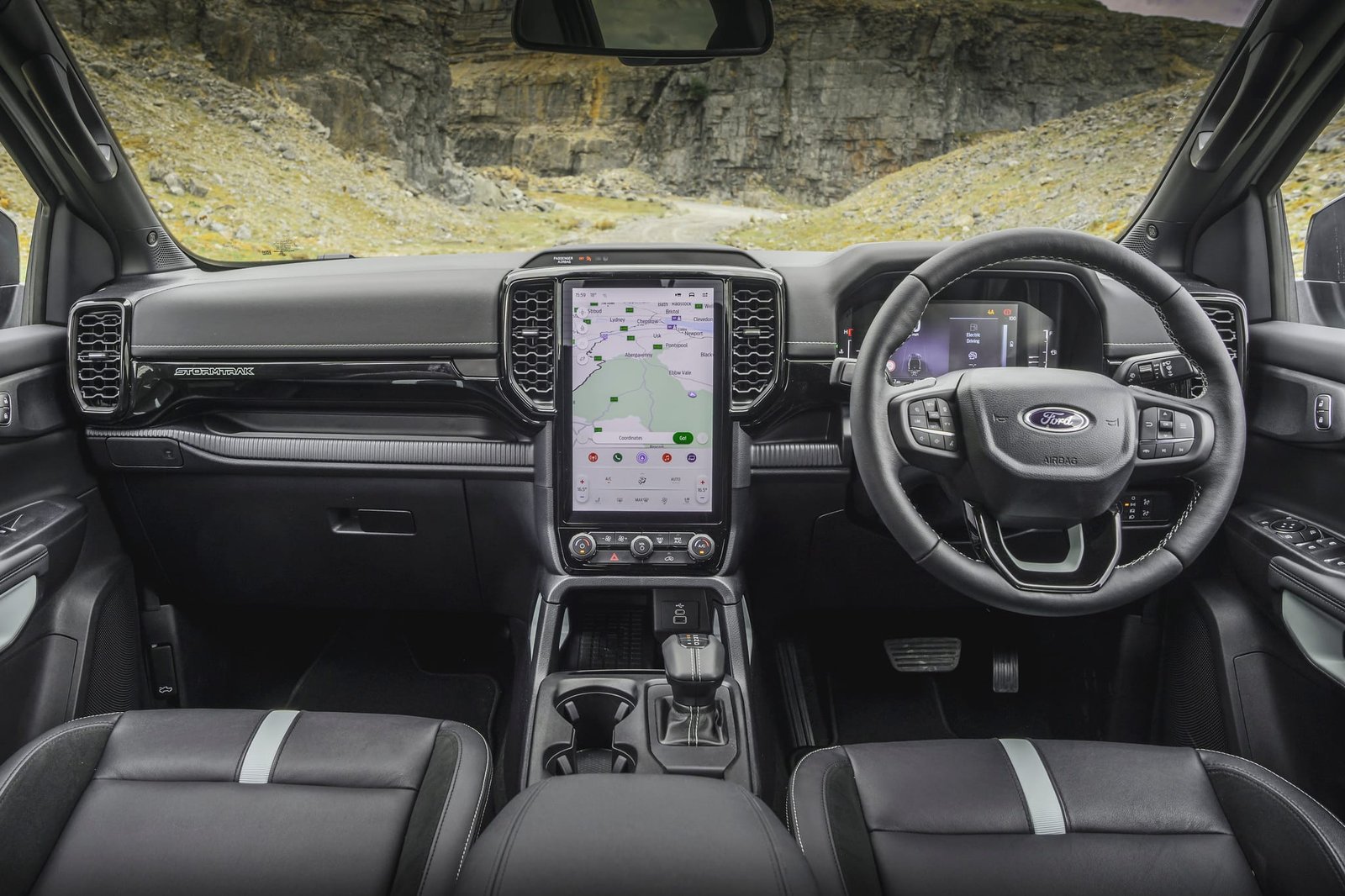
Climb into the Wildtrak and the biggest surprise is just how far the Ranger has moved from the utilitarian pick-ups of old.
The driving position is commanding, visibility is excellent and the cabin feels much closer to a modern SUV than the agricultural interiors of old.
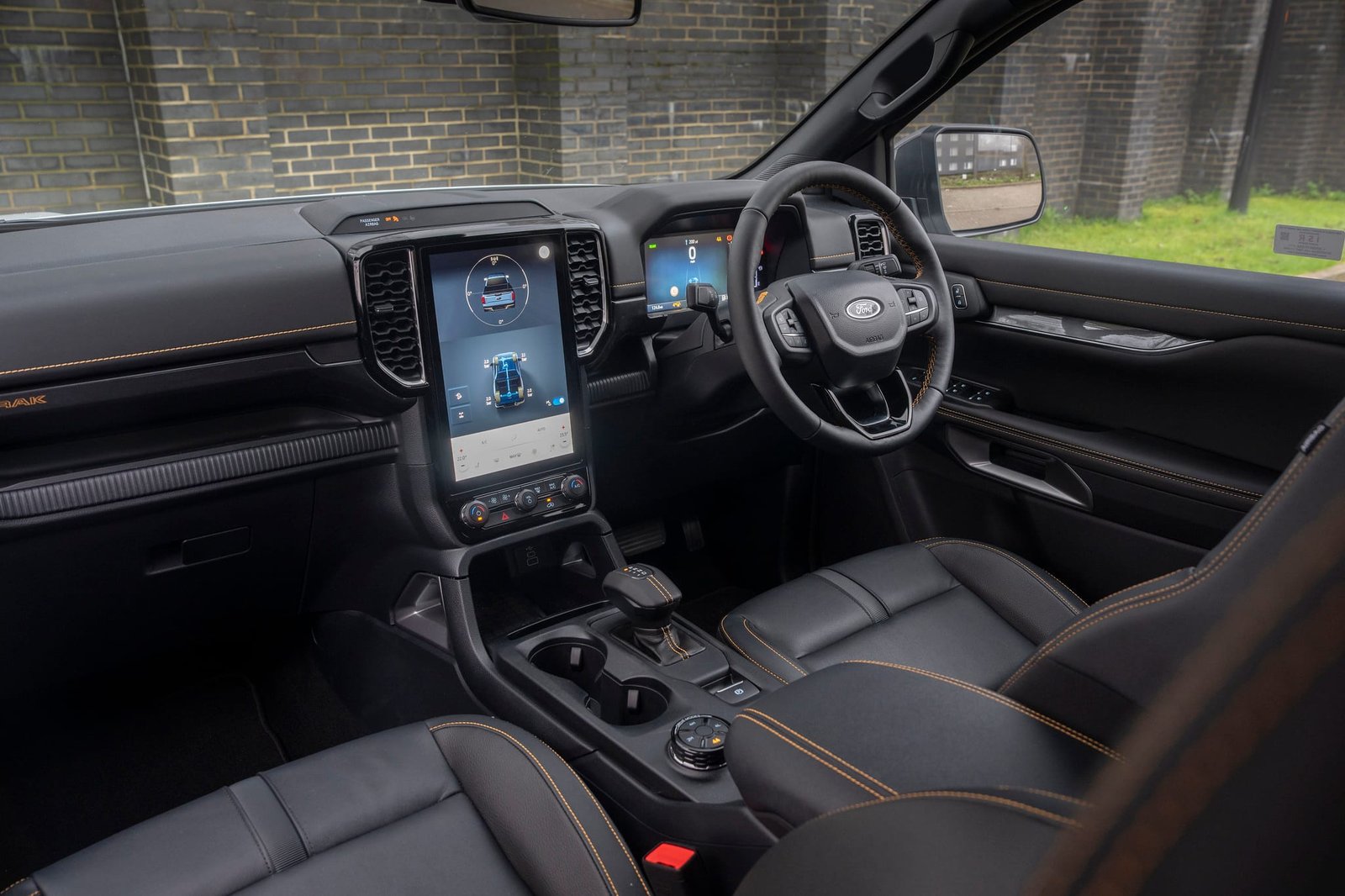
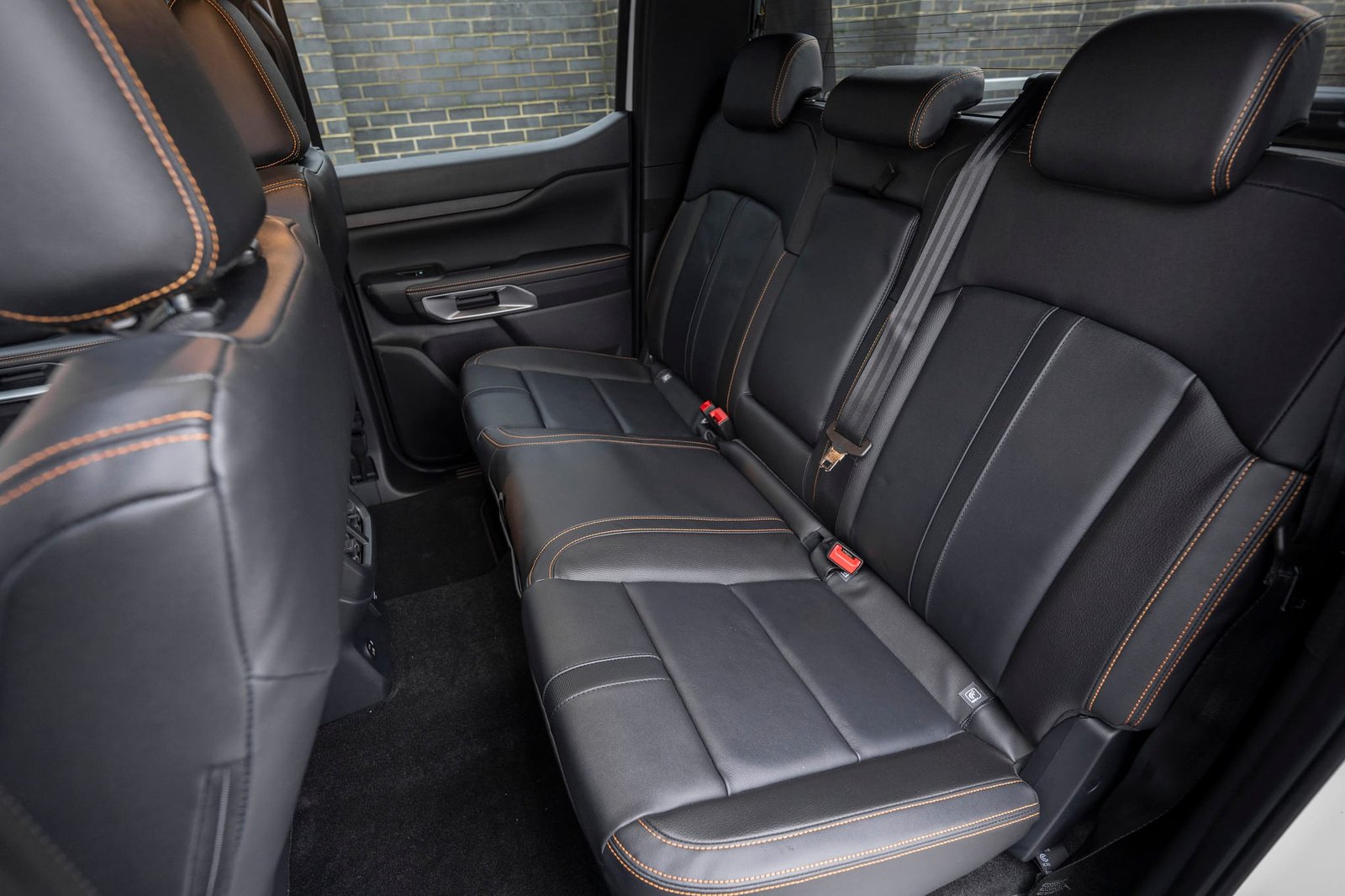
The Wildtrak’s specification adds a layer of luxury without compromising the fundamentally practical character of the truck. It’s an environment designed to cope with muddy boots and working clothes, but equally happy carrying a family on a long weekend away.
Ford knows that many Ranger buyers don’t use their pick-ups exclusively for work; they tow caravans, take mountain bikes to the countryside, load camping equipment into the back – and then, on Monday morning, they drive to work.
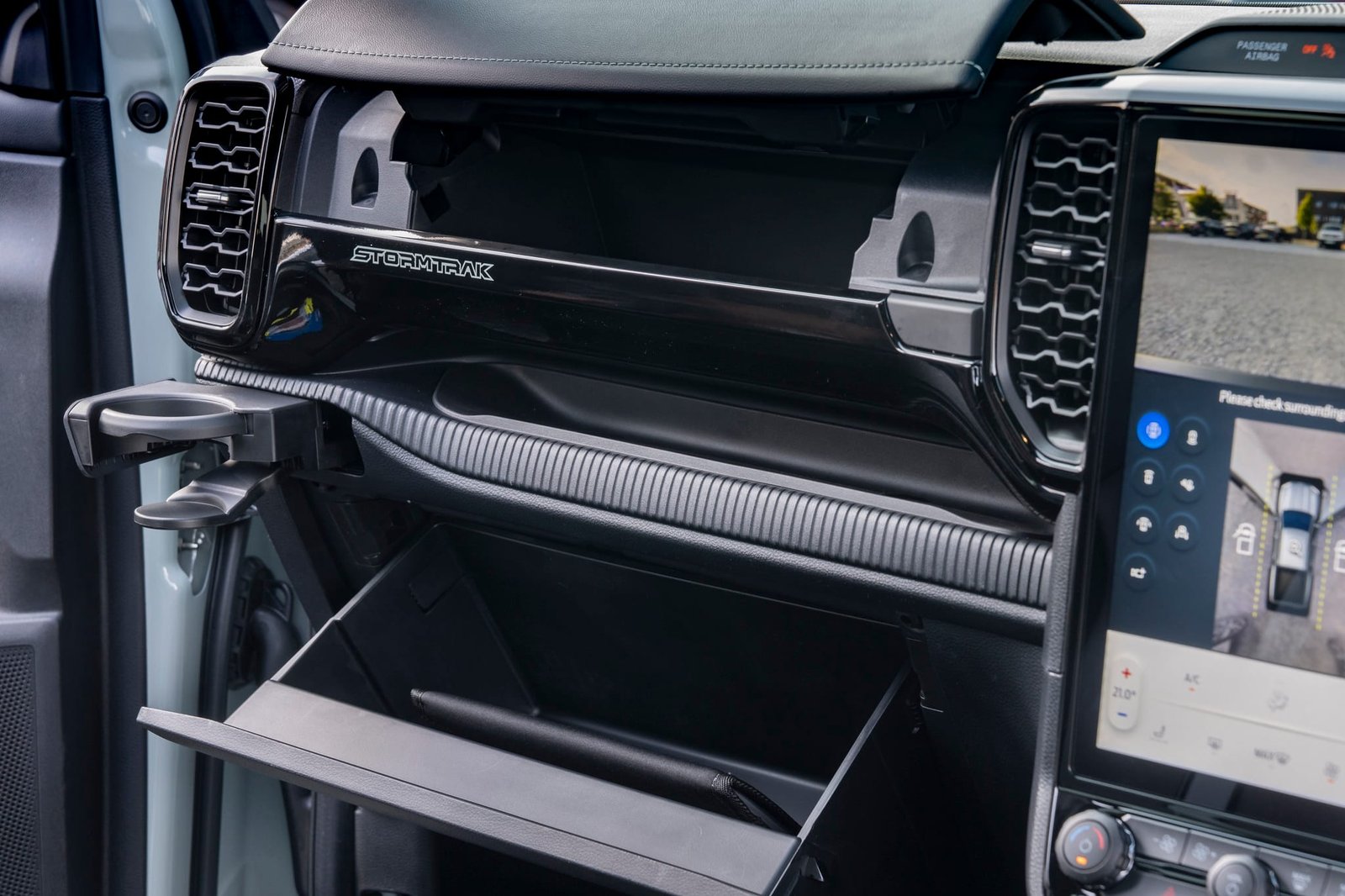
The Ranger PHEV is designed around that dual-purpose lifestyle.
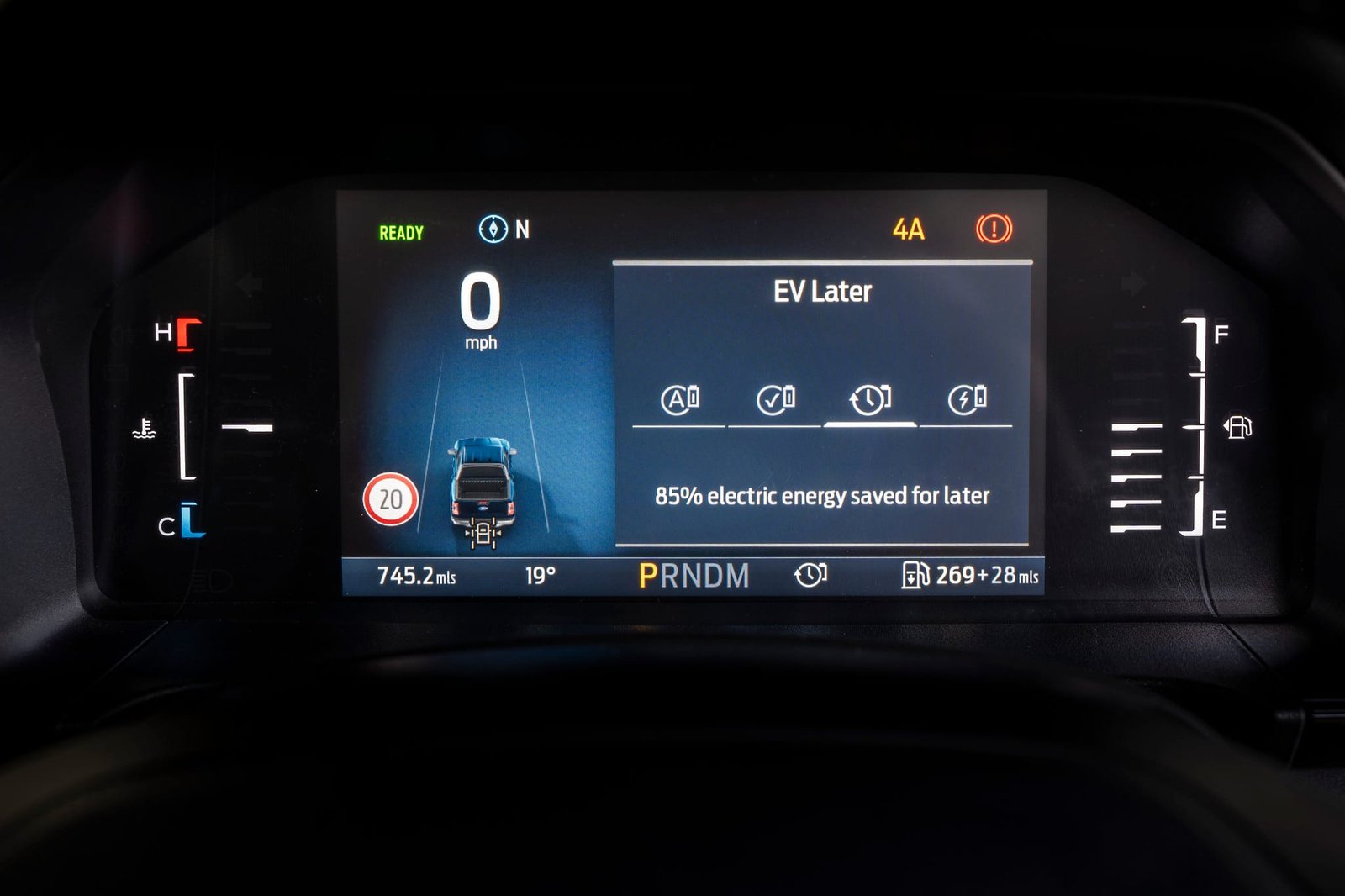
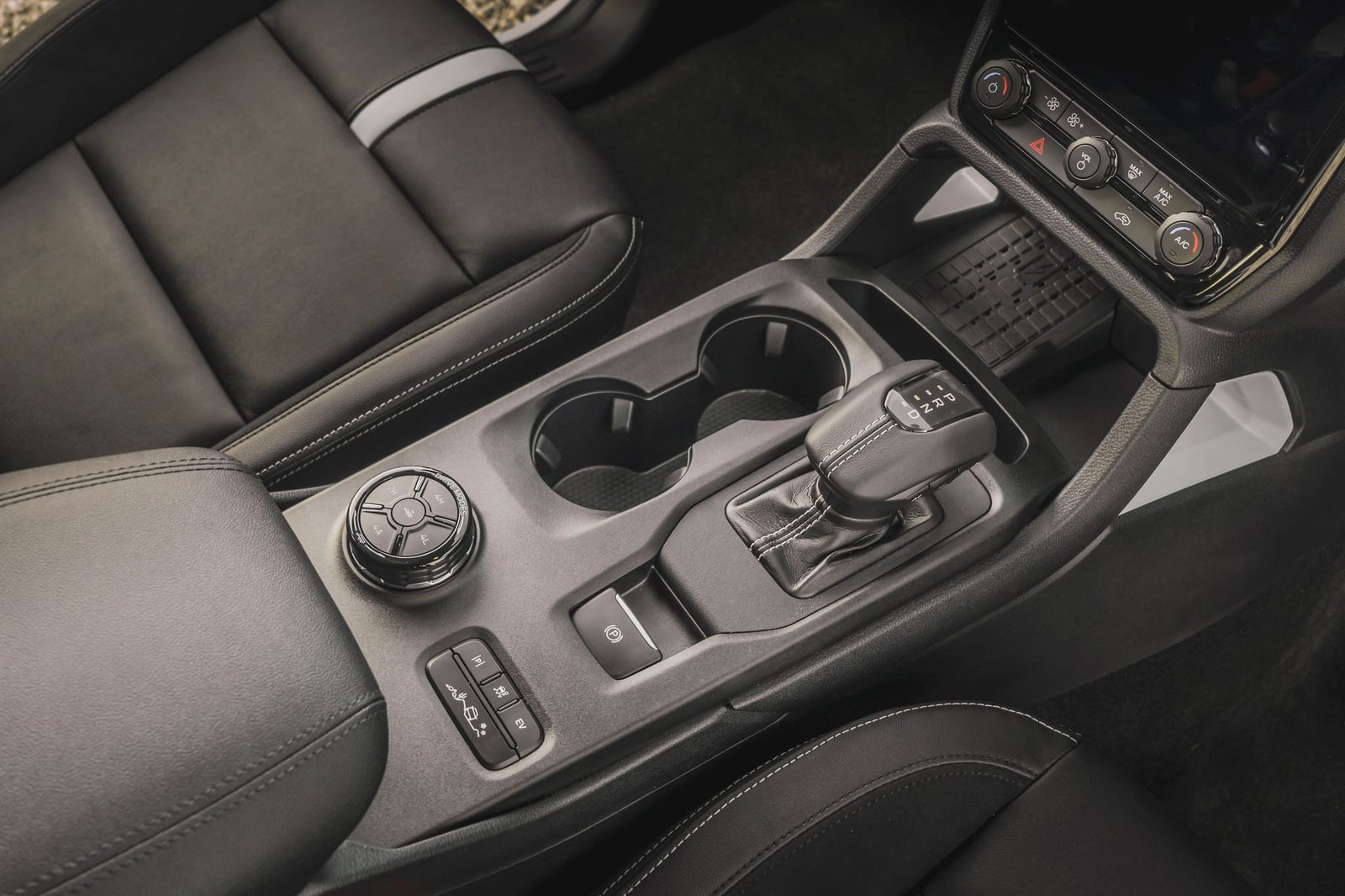
The plug-in hybrid system allows the driver to choose how the available battery energy is used, with Auto EV, EV Now, EV Later and EV Charge modes. That means electric power can be saved for urban driving, used immediately when required, or replenished while travelling.
Practicality
This is where the Ranger PHEV has to justify its existence.
A plug-in hybrid pick-up that sacrificed payload, towing ability or off-road capability would miss the point entirely. Thankfully, Ford hasn’t allowed that to happen.
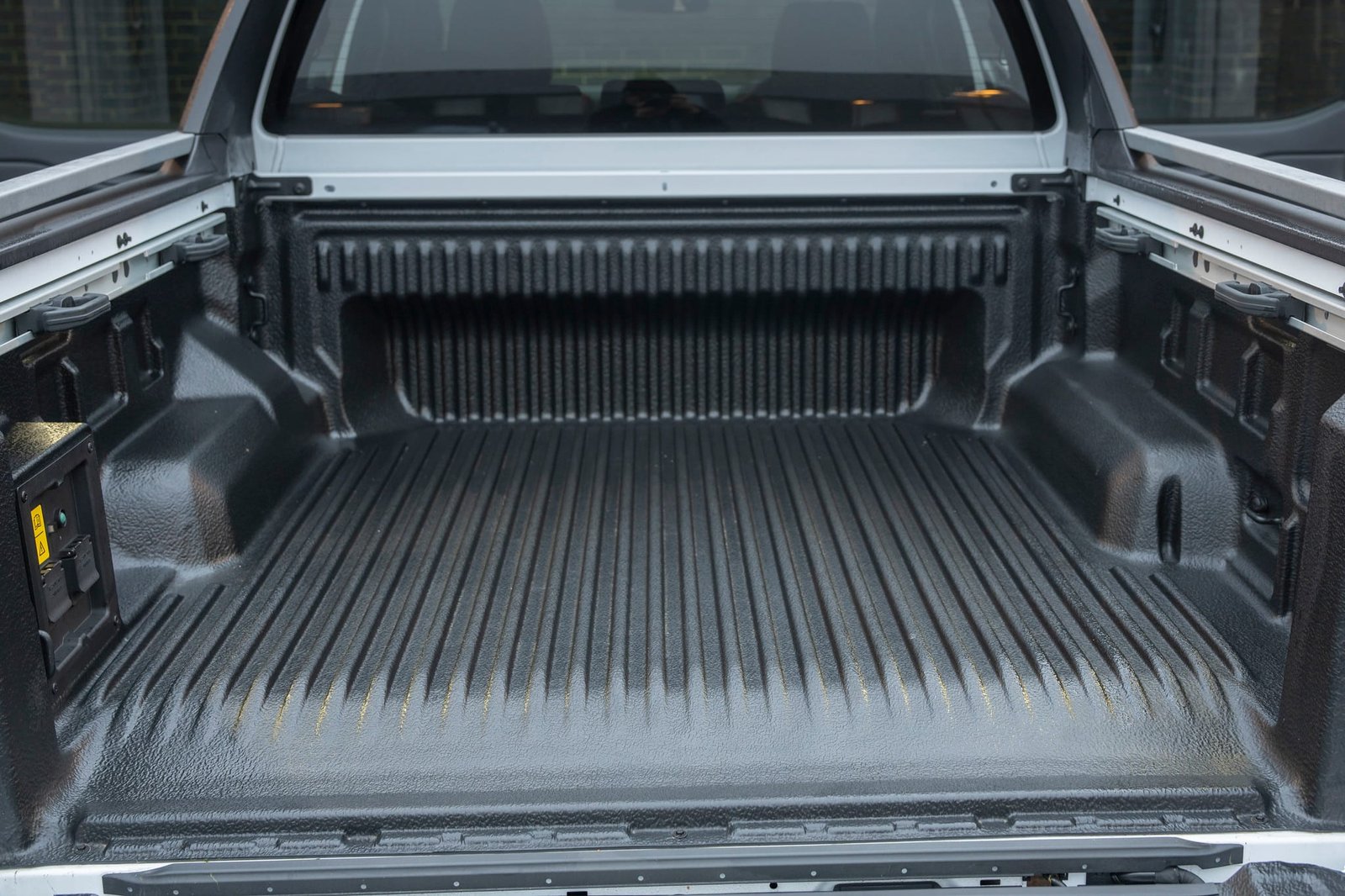
The Ranger retains its one-tonne payload, 3,500kg towing capacity and serious four-wheel-drive hardware.
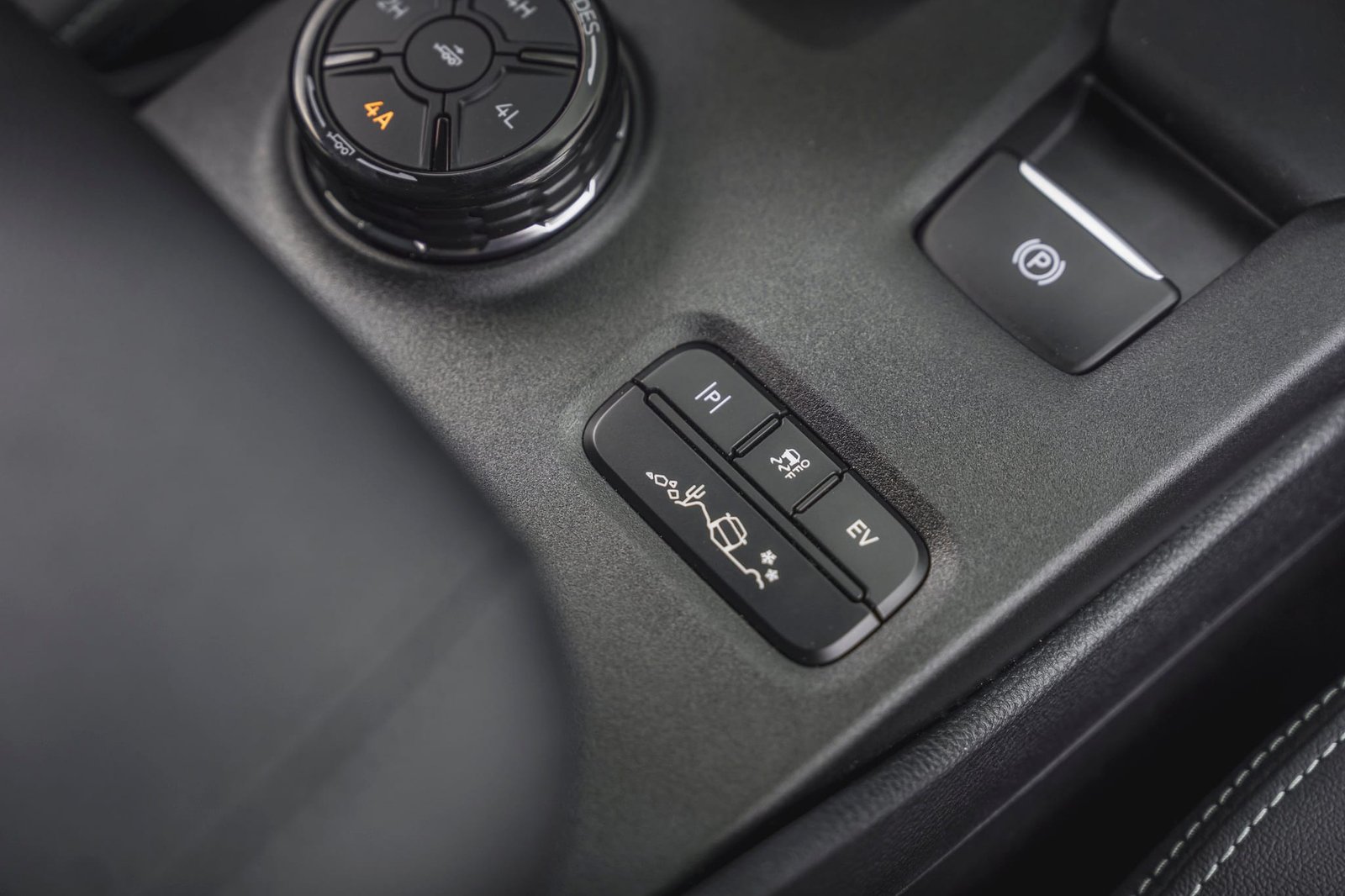
The electric motor also brings a useful advantage that isn’t immediately obvious from the headline power figures; that instant electric torque can be particularly valuable when towing, moving heavy loads or negotiating steep inclines and difficult off-road terrain.
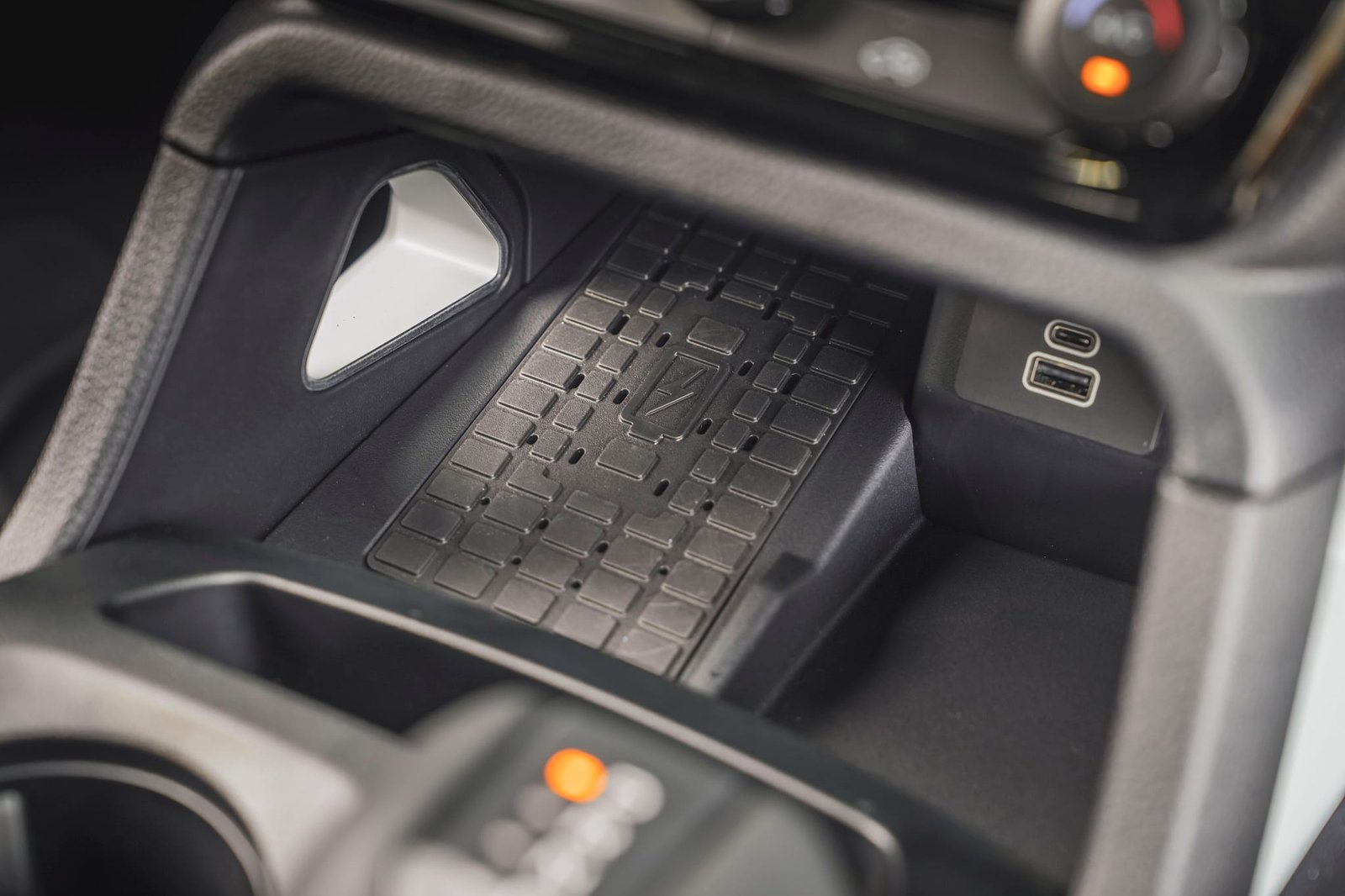
And then there’s Pro Power Onboard. Available with up to 6.9kW, it effectively turns the Ranger into a mobile power station, allowing tools and equipment to be powered directly from the vehicle rather than requiring a separate generator.
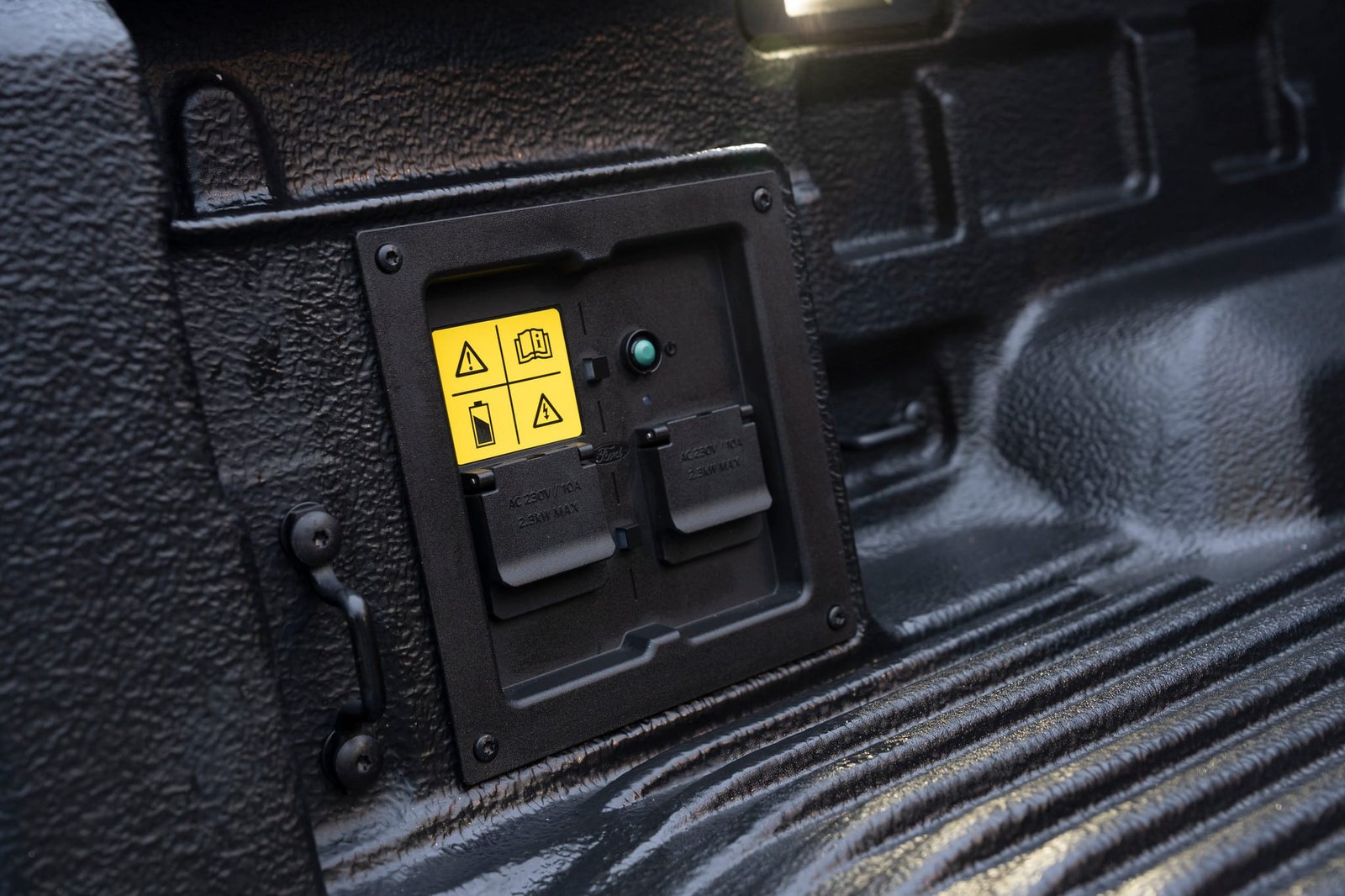
For tradespeople, that’s potentially transformative but for leisure users, it could mean running a fridge, lights or other equipment at a campsite without needing to find a conventional power source. It’s one of those features that might sound like a gimmick until you actually need it.
Technology and Safety
The Ranger PHEV may be designed to work hard, but Ford hasn’t forgotten that many owners will spend considerably more time sitting in traffic than crawling through a muddy field.
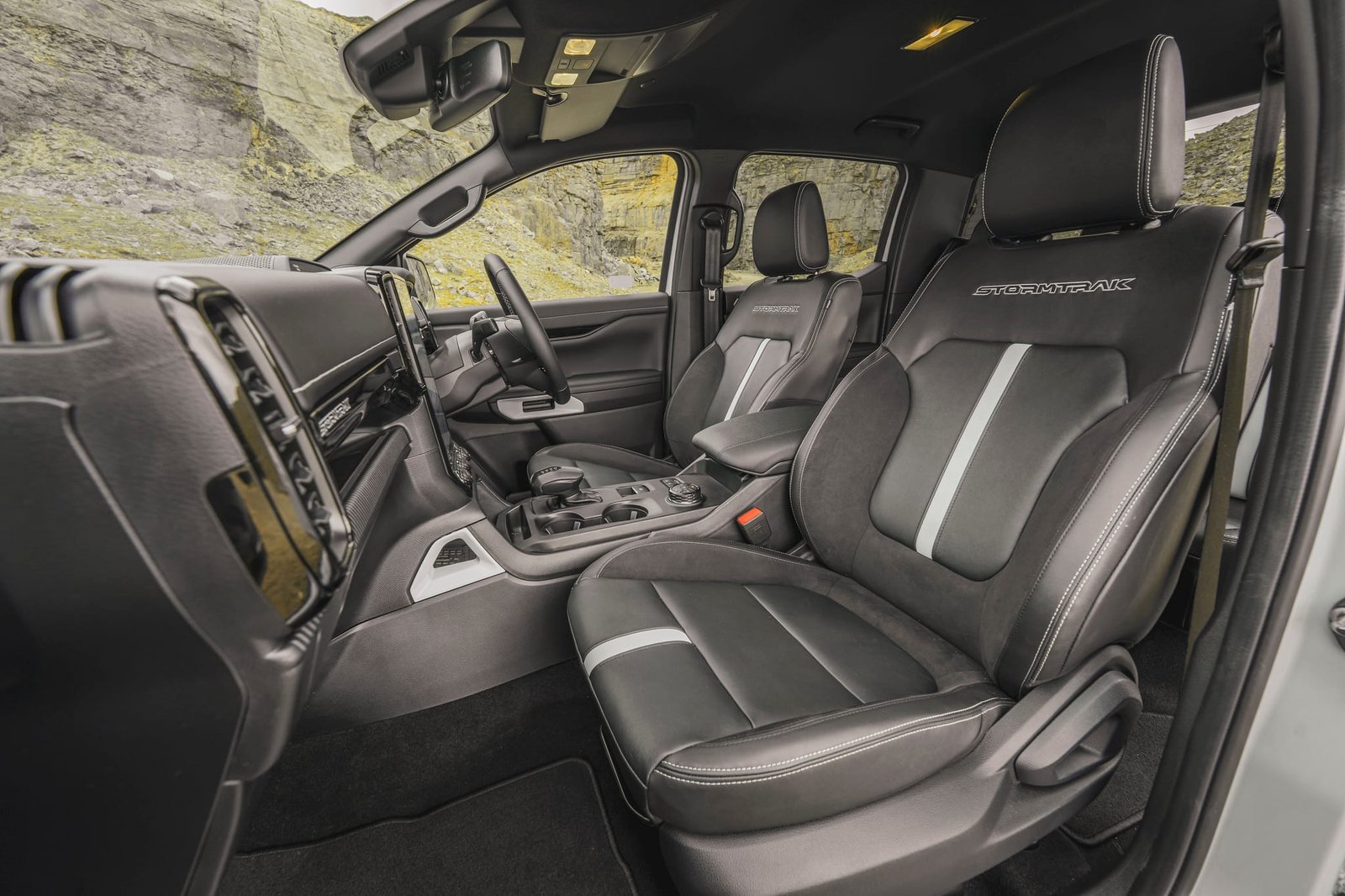
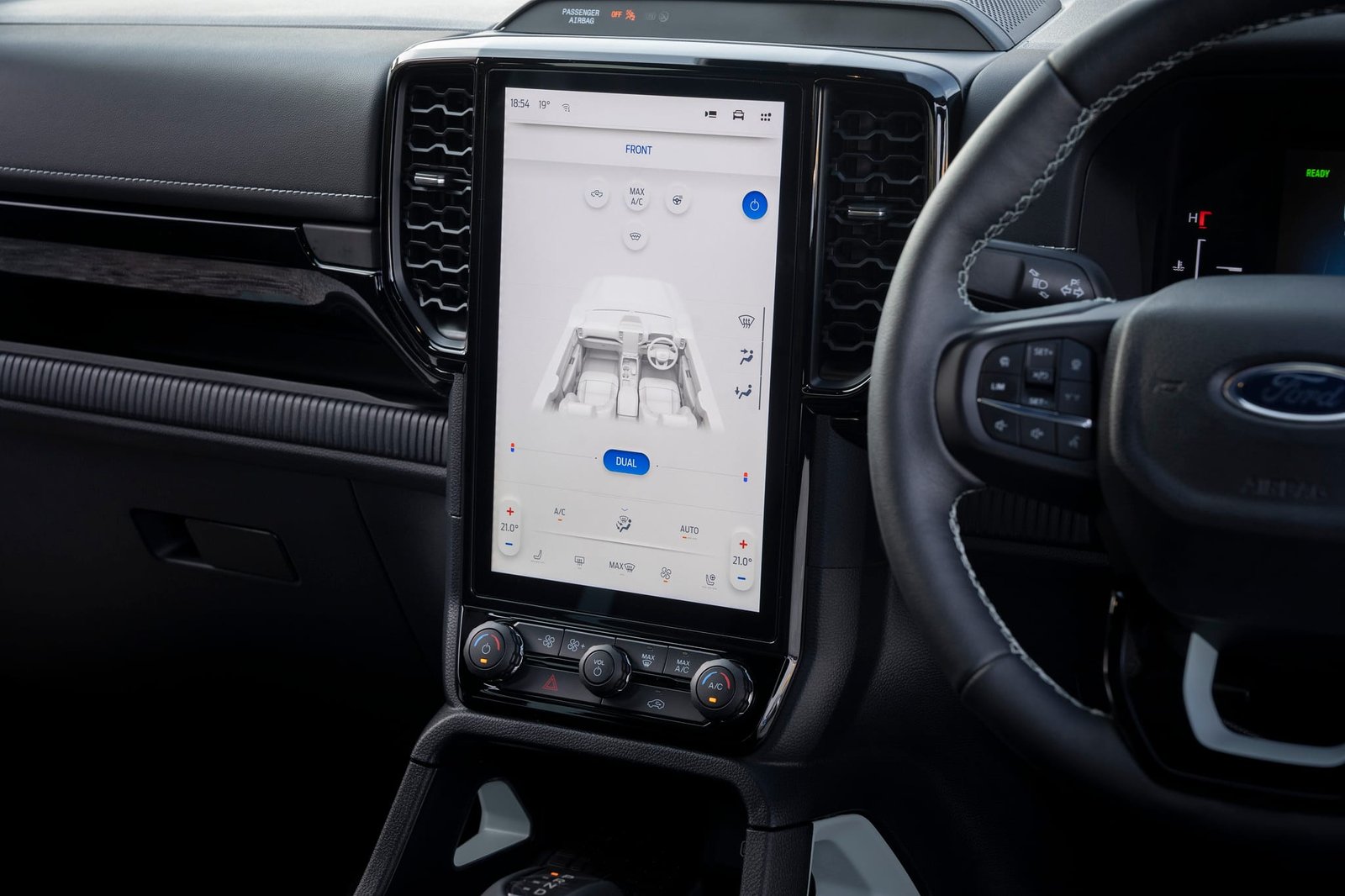
The latest Ranger already feels considerably more sophisticated inside than its predecessors, and the Wildtrak specification takes that further with a generous level of equipment.
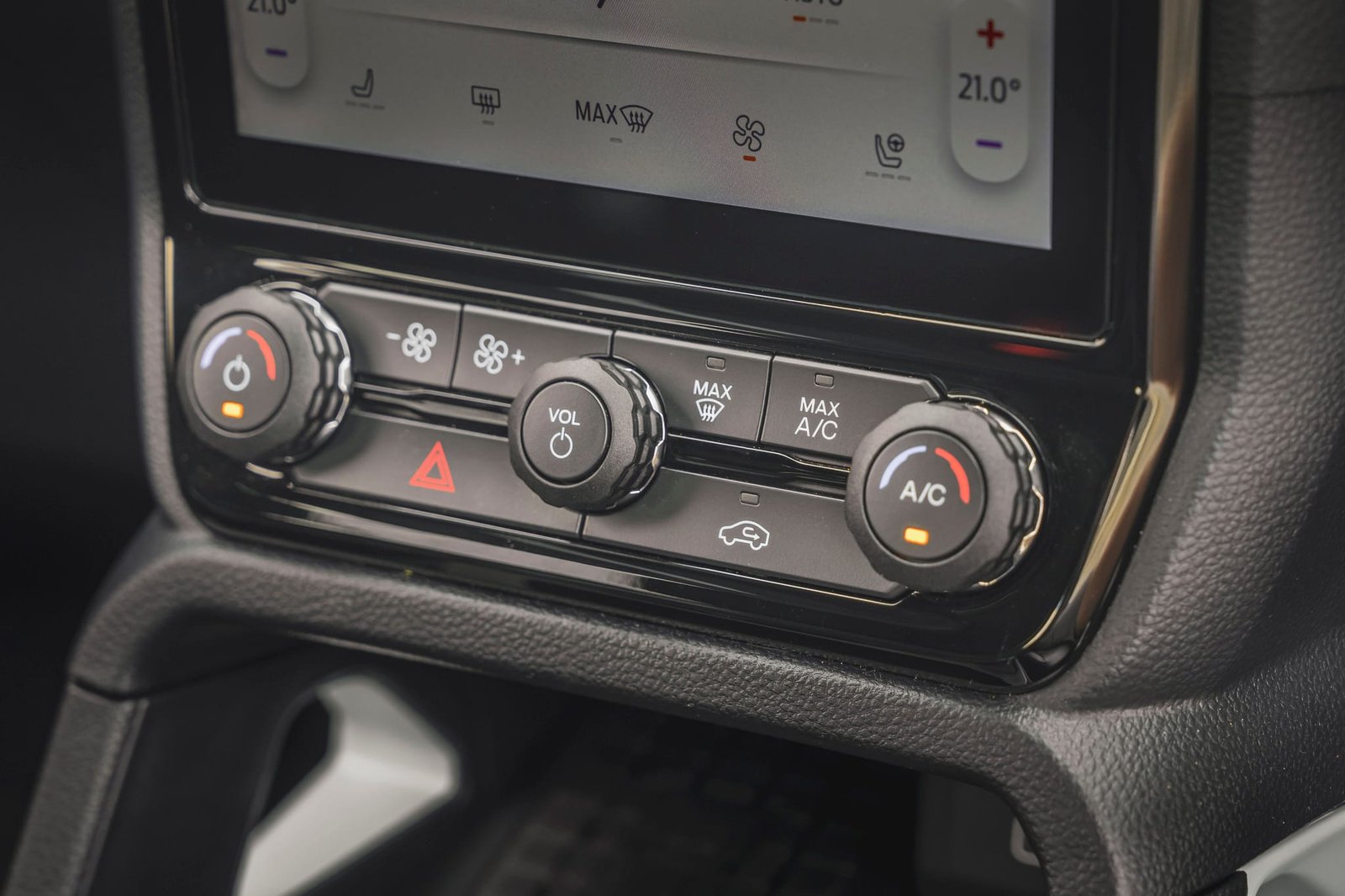
Ford’s driver assistance systems provide additional reassurance on longer journeys, while the Ranger’s cameras and sensors make manoeuvring something this large considerably less intimidating.
But the most interesting technology is undoubtedly the hybrid system itself. Unlike some plug-in hybrids where electrification feels like an afterthought, Ford has integrated the electric motor directly into the transmission. The result is a system capable of blending petrol and electric power without requiring the driver to think about what’s happening underneath.
Four selectable EV modes give you greater control: Auto EV allows the Ranger to decide how best to use the available energy, EV Now prioritises electric driving, EV Later allows the battery to be preserved for another part of the journey, while EV Charge uses the engine to replenish the battery while driving.
It’s a useful level of flexibility, particularly for owners whose daily routine might involve urban driving during the week and long-distance towing at the weekend.
Driving Impressions
There is a moment when you first drive a pick-up where you realise just how different it is from a conventional SUV. You’re sitting very high. The bonnet stretches out ahead. The rear wheels are some distance behind you – and then there’s the load bed, which makes the vehicle feel enormous compared with almost anything else you’ll encounter on a British road.
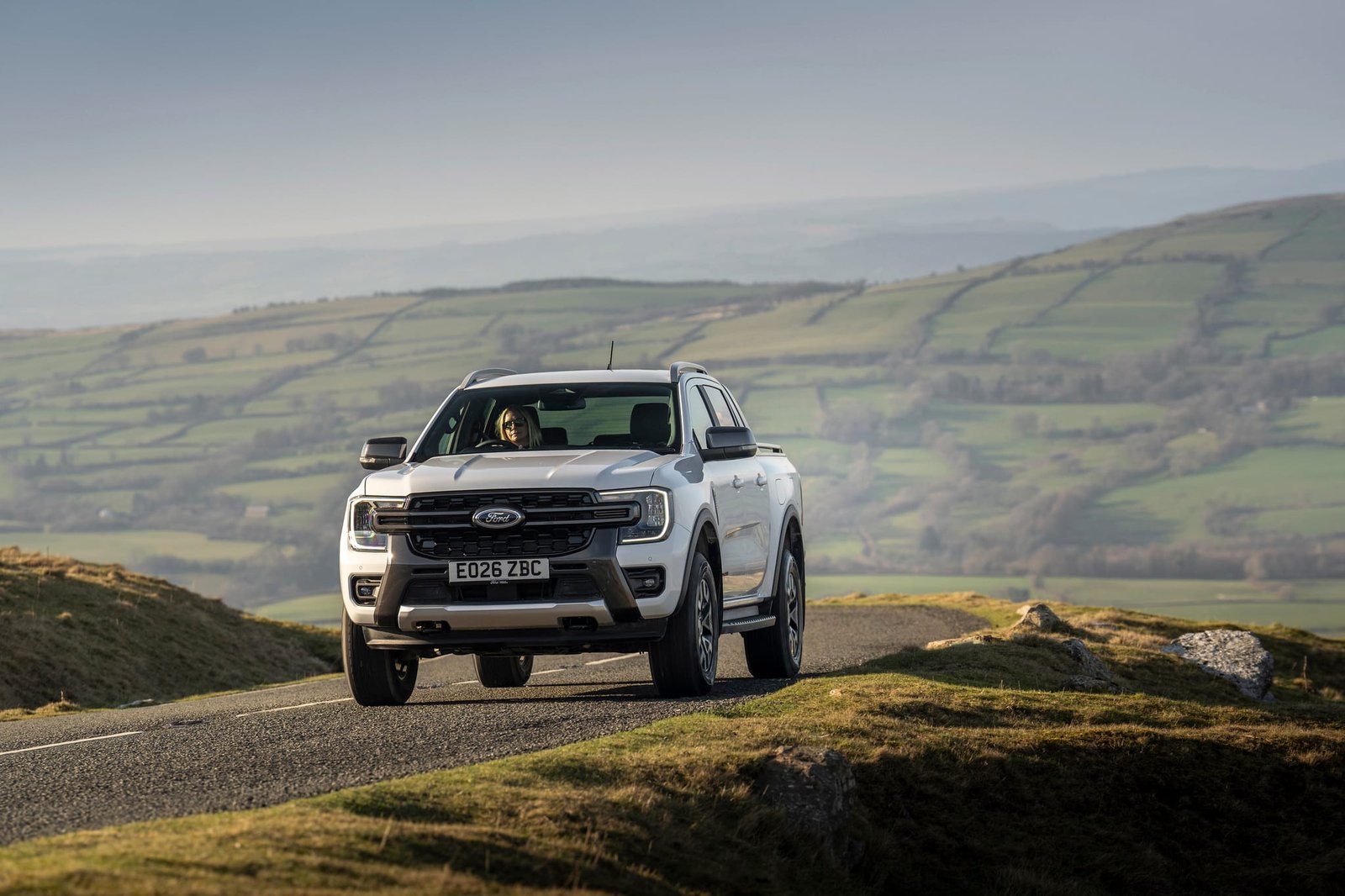
The Ranger PHEV manages to disguise much of that bulk surprisingly well, and that that became particularly apparent during a recent trip to North Yorkshire.
Myself, Mrs B and two old friends spent several days exploring the area, using a beautiful cottage in the village of Ampleforth as our base. From there, we headed over to Scarborough for a day by the coast and also spent time wandering around the picturesque market town of Helmsley.
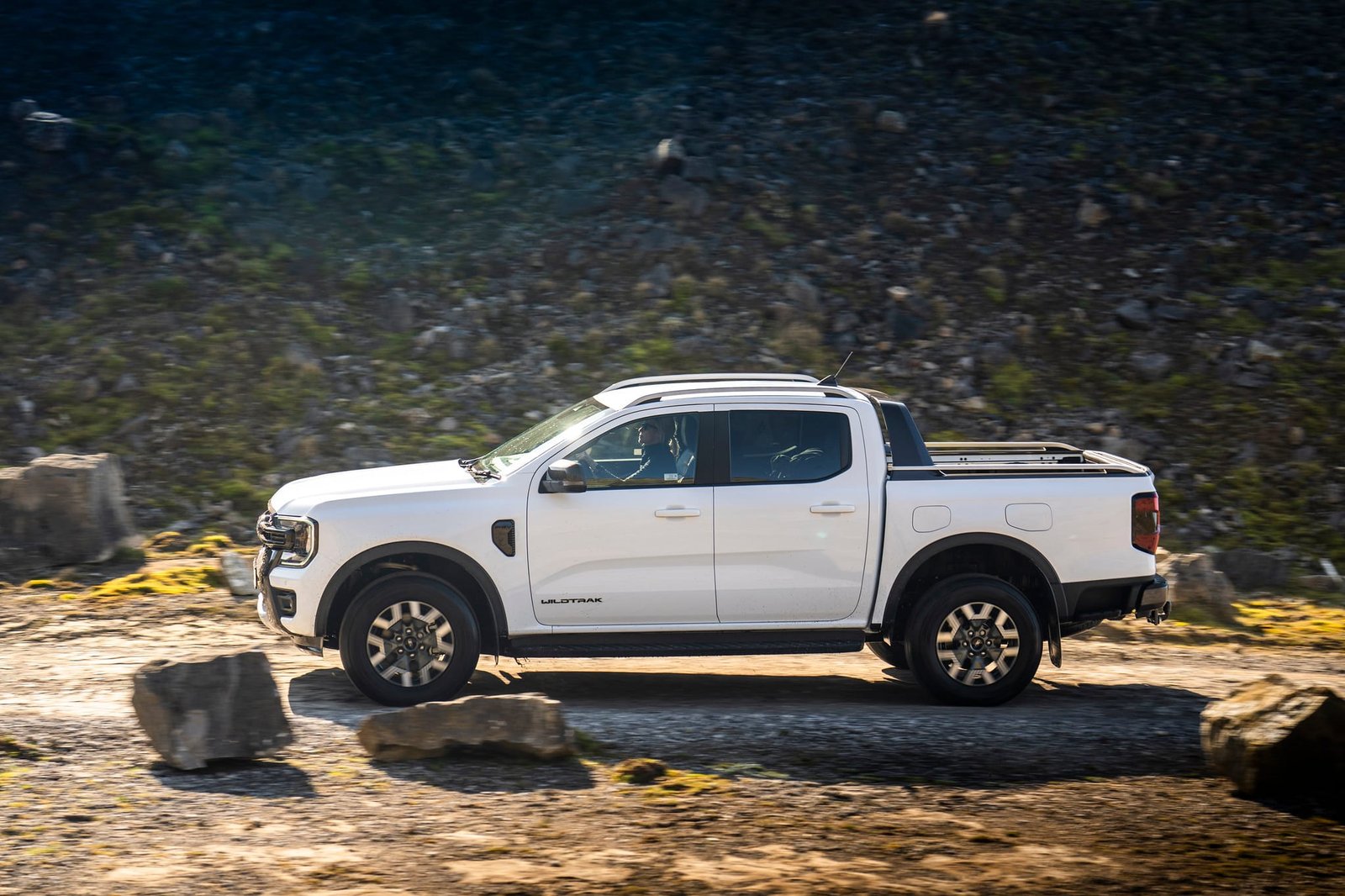
It was exactly the sort of trip that might make you question whether a large pick-up truck is really the right tool for the job.
North Yorkshire’s roads aren’t designed with vehicles of this size in mind – although, to be fair, we did see many other pick-ups during our travels. Much of Yorkshire is faming land, after all.
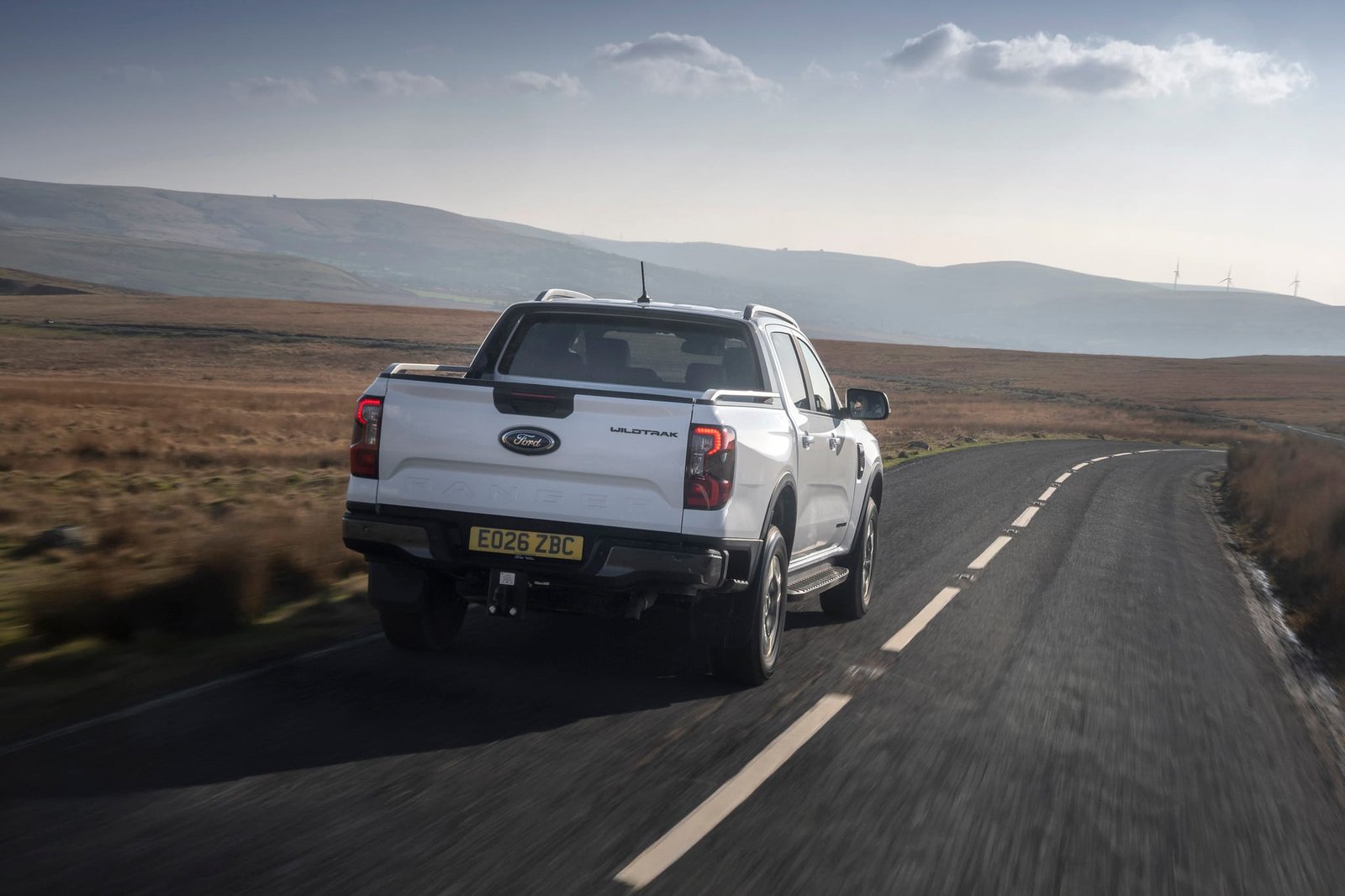
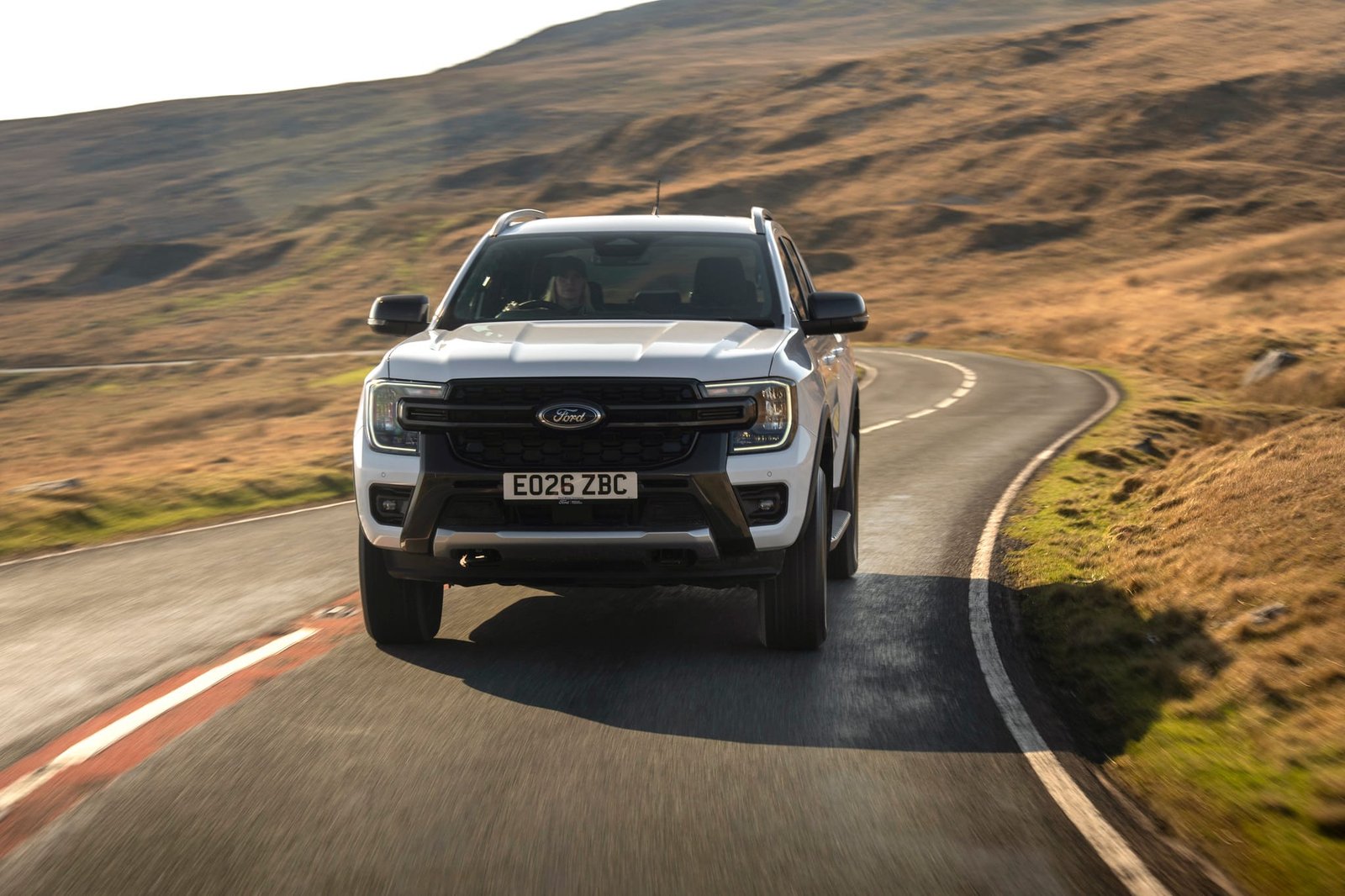
Yet the Ranger never felt cumbersome. In fact, one of the biggest surprises of the entire trip was just how quickly you adapt to its dimensions. The commanding driving position and excellent visibility inspire confidence, and despite its size, threading it along country lanes proved far less intimidating than I’d expected.
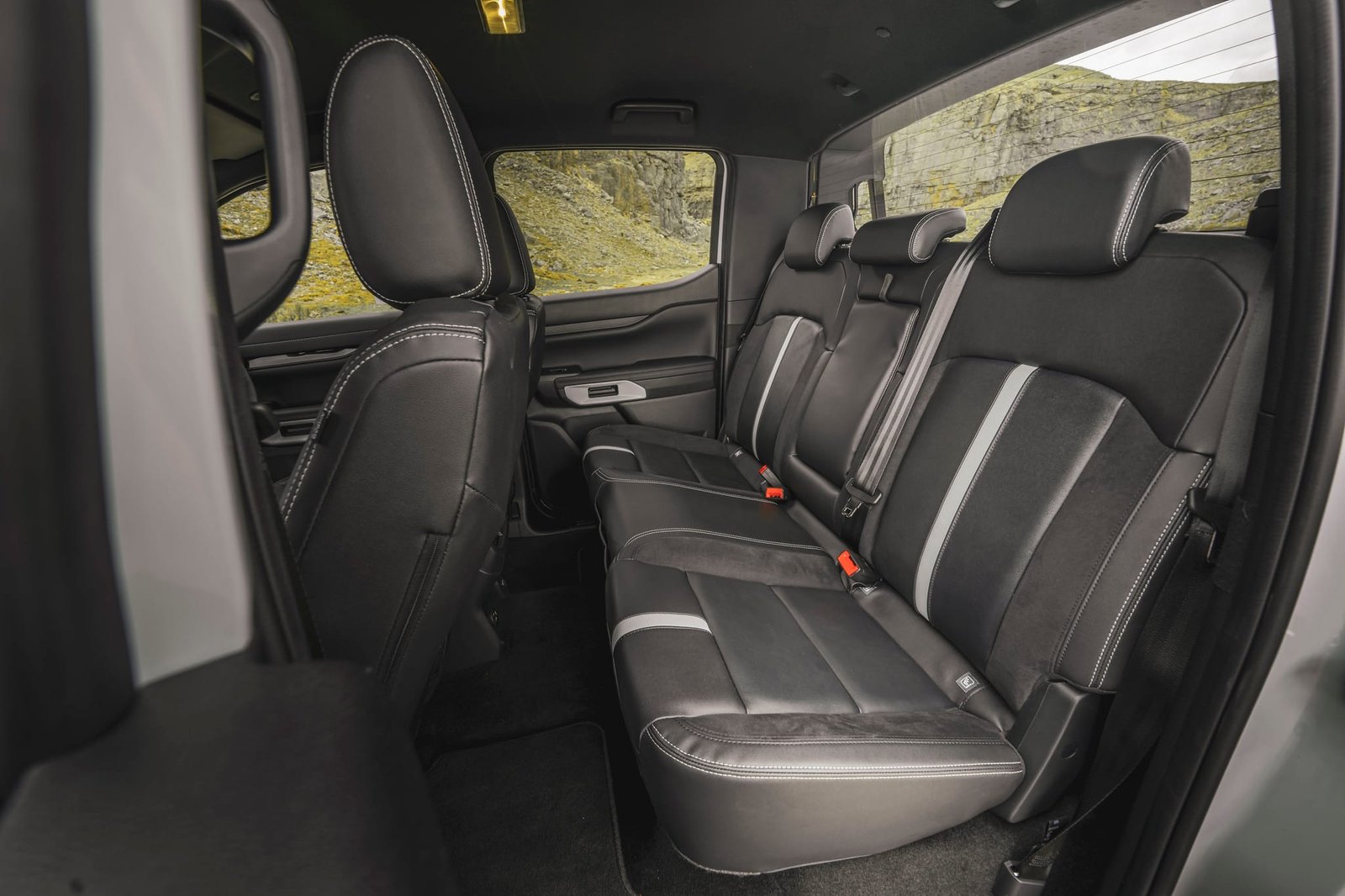
Just as importantly, nobody complained. Four adults and hundreds of miles of driving failed to generate any grumbles from the passenger seats. Even on the more twisting sections of road around the North York Moors, everybody remained comfortable.
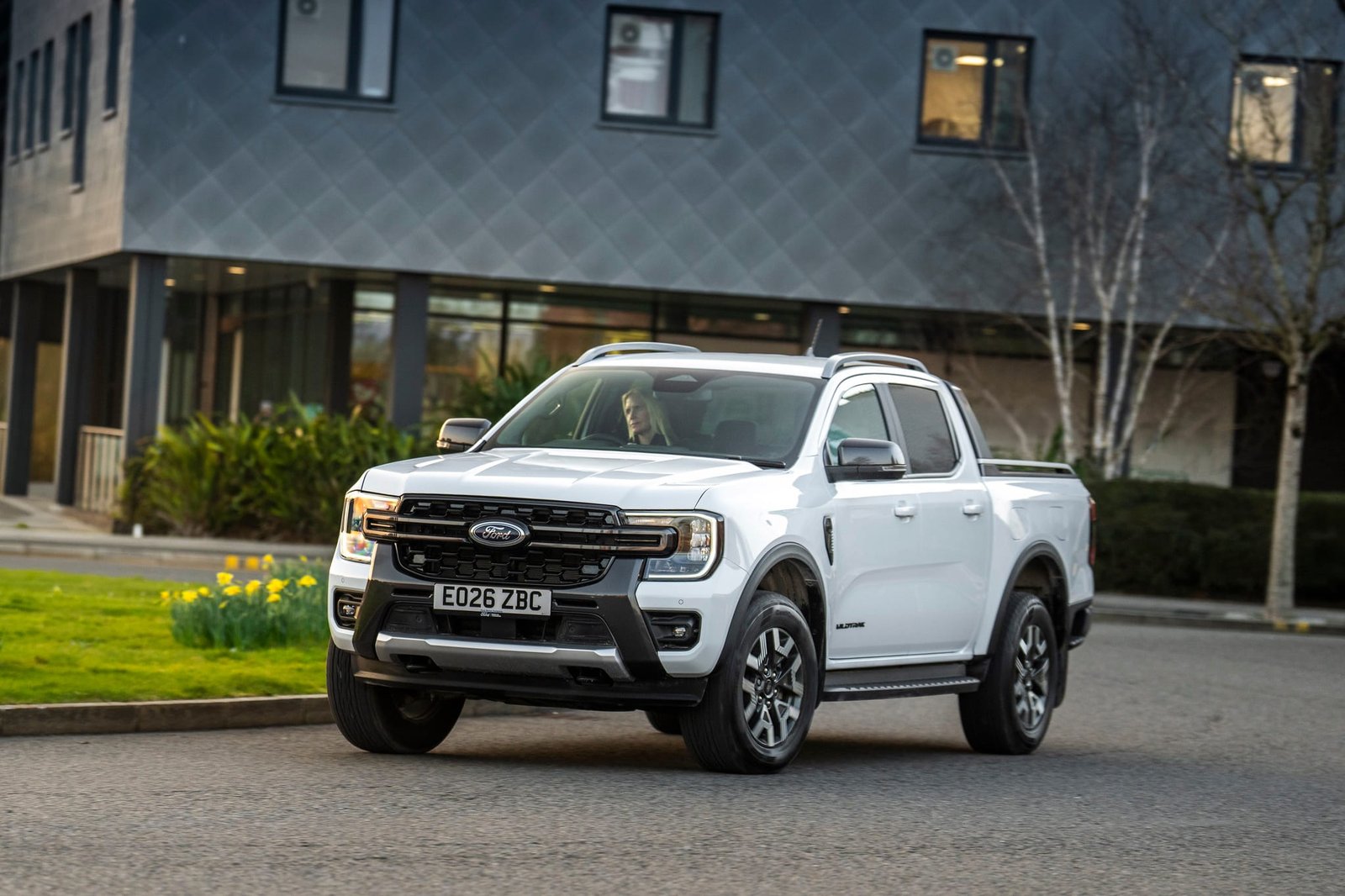
The electric motor also changes the character of the truck. With 690Nm of torque, there’s no shortage of shove when you ask for acceleration, while the instant response of the electric motor makes pulling away particularly smooth.
Around town, the ability to drive on electric power alone is particularly welcome. With an electric-only range of around 27 miles, many shorter journeys can potentially be completed without the petrol engine firing into life at all.
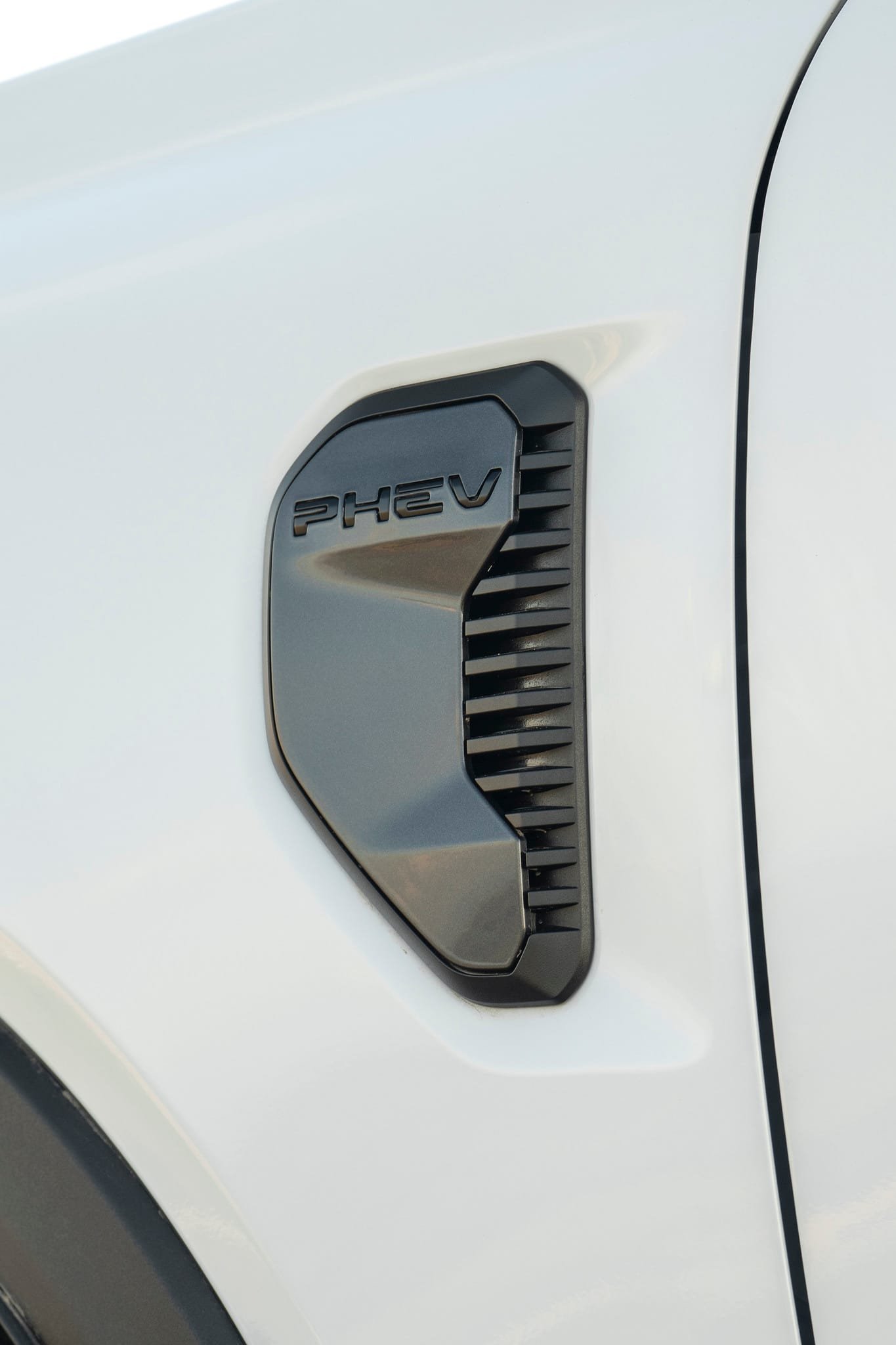
A large pick-up suddenly becomes remarkably quiet. There’s none of the familiar diesel clatter associated with traditional working trucks, and the smooth delivery of electric power makes low-speed manoeuvring noticeably more pleasant.
It’s still a Ranger, of course. You never forget its size but you do begin to forget you’re driving a pick-up. And that’s perhaps the most impressive thing of all.
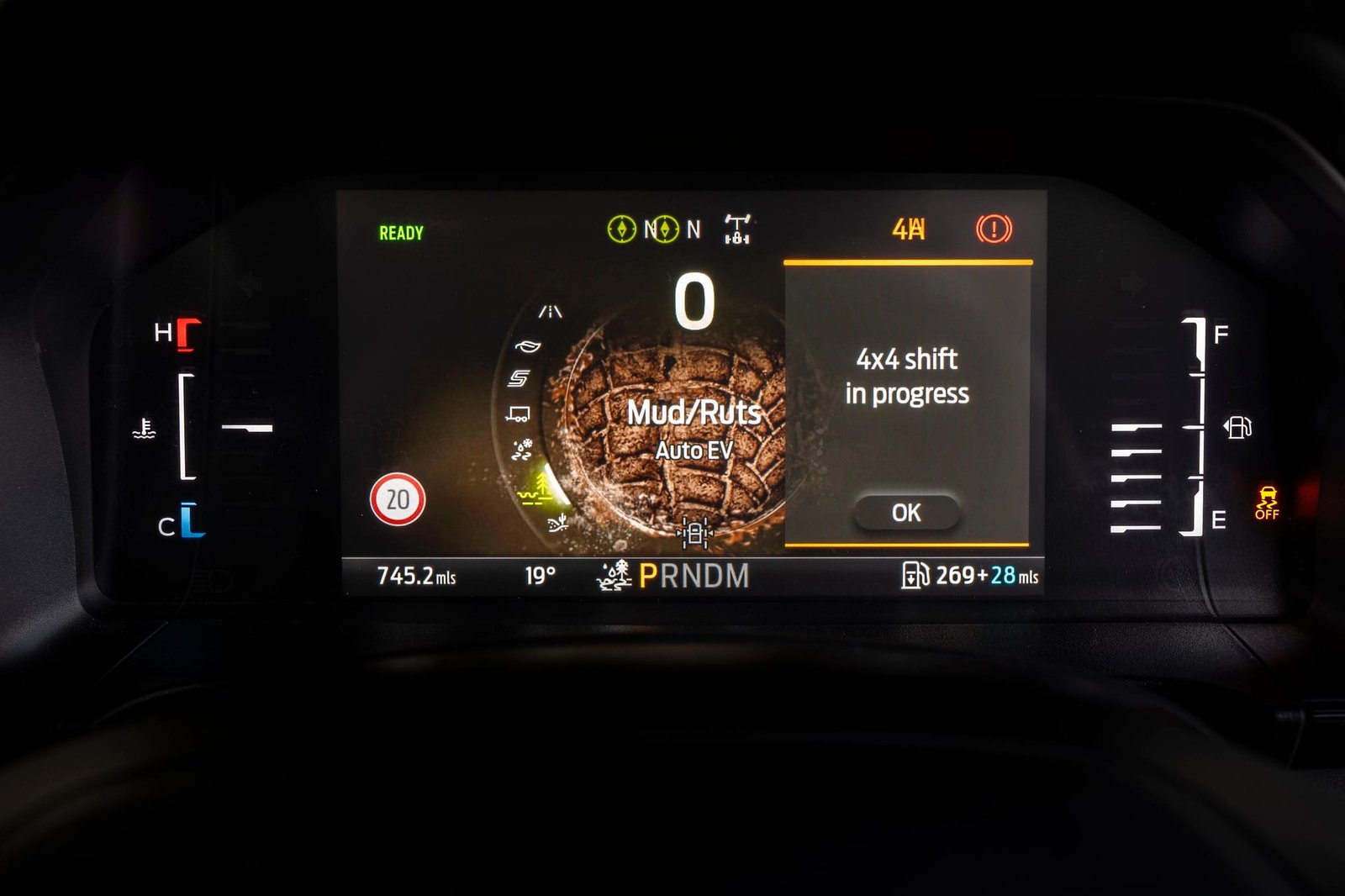
Electric Driving and Efficiency
One question surrounding any plug-in hybrid is whether owners will actually make use of its electric capability. After our North Yorkshire trip, I’d say the answer is rather more complicated than I expected.
Before setting off, I fully charged the Ranger’s battery.
And that was it. I didn’t plug it in again for the entire trip.
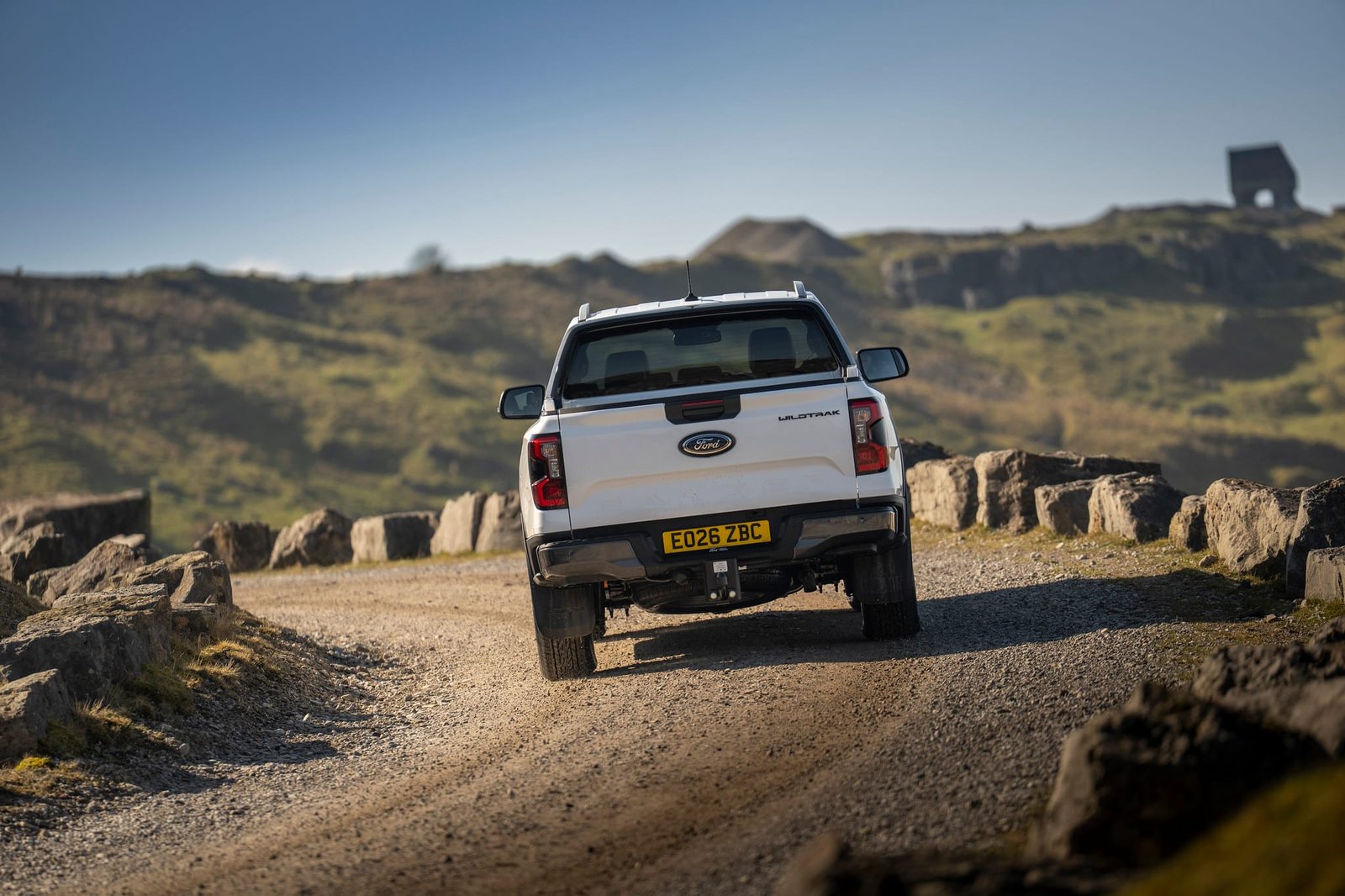
Over several days, myself, Mrs B and our friends covered 590 miles exploring North Yorkshire, travelling between Ampleforth, Scarborough and Helmsley while negotiating everything from motorways to narrow country lanes.
By the time we arrived home, the Ranger reported that 159 of those miles had been completed using electric power alone – which genuinely surprised me.

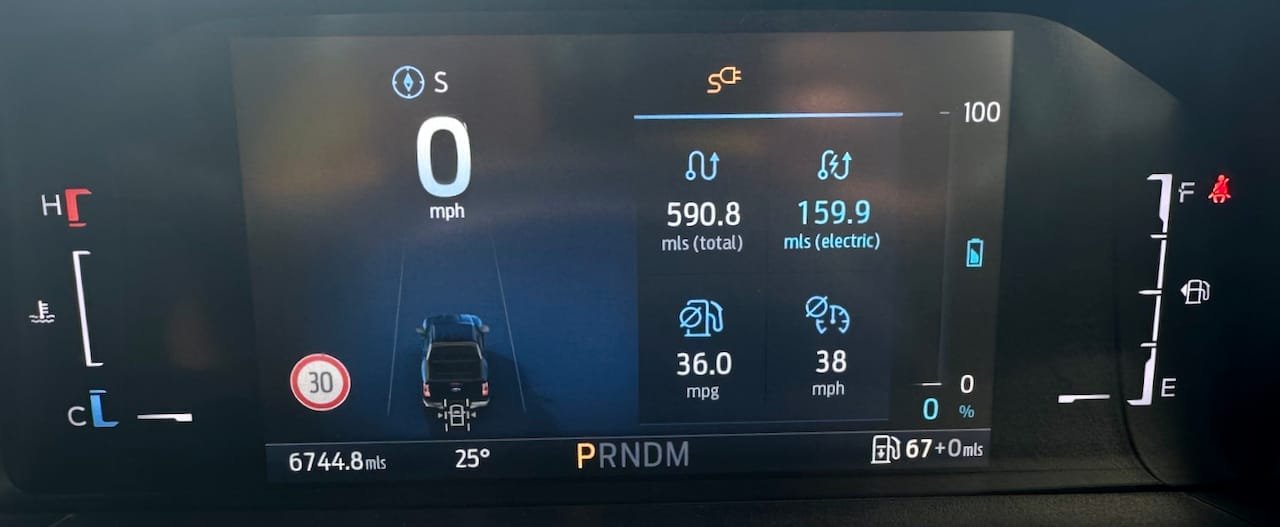
Also, despite carrying four adults, luggage and a full load of holiday essentials, the trip concluded with an average of 36mpg.
This isn’t a family hatchback. It’s a large, four-wheel-drive pick-up truck weighing well over two tonnes.
Yet Ford’s hybrid system continuously harvested energy through regenerative braking, intelligently managing the available battery capacity throughout the journey and making far more use of electric power than I’d anticipated.
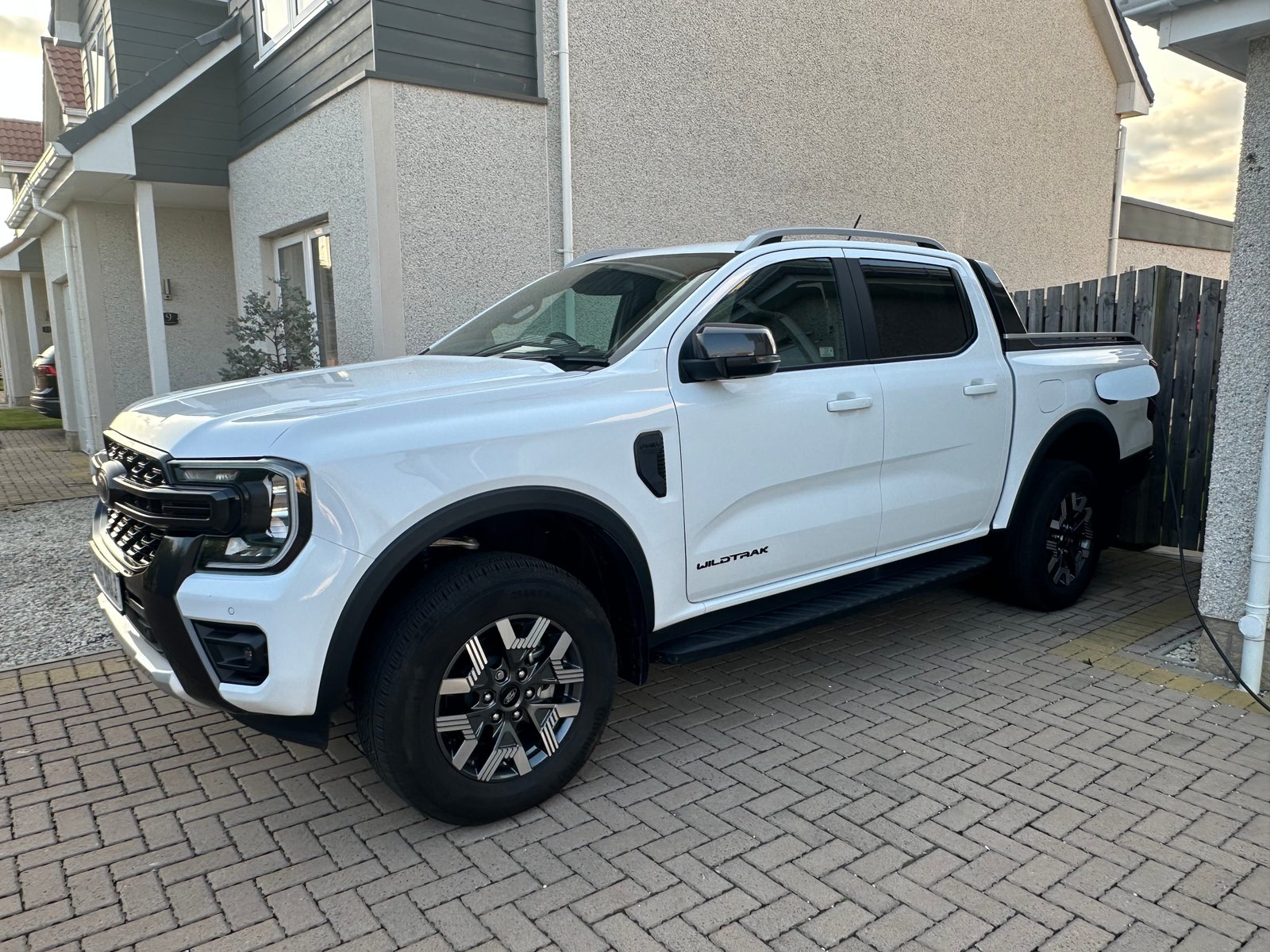
It’s a reminder that plug-in hybrids don’t always need to be plugged in every day to deliver tangible benefits.
Of course, owners who regularly charge at home will unlock even greater efficiency. The battery can be replenished in less than four hours using a single-phase 16-amp charger.
However, what impressed me most was how effectively the system managed itself without any intervention from me. I simply drove the truck and it quietly worked out the rest.
Towing and Off-Road Ability
This is where Ford couldn’t afford to compromise.
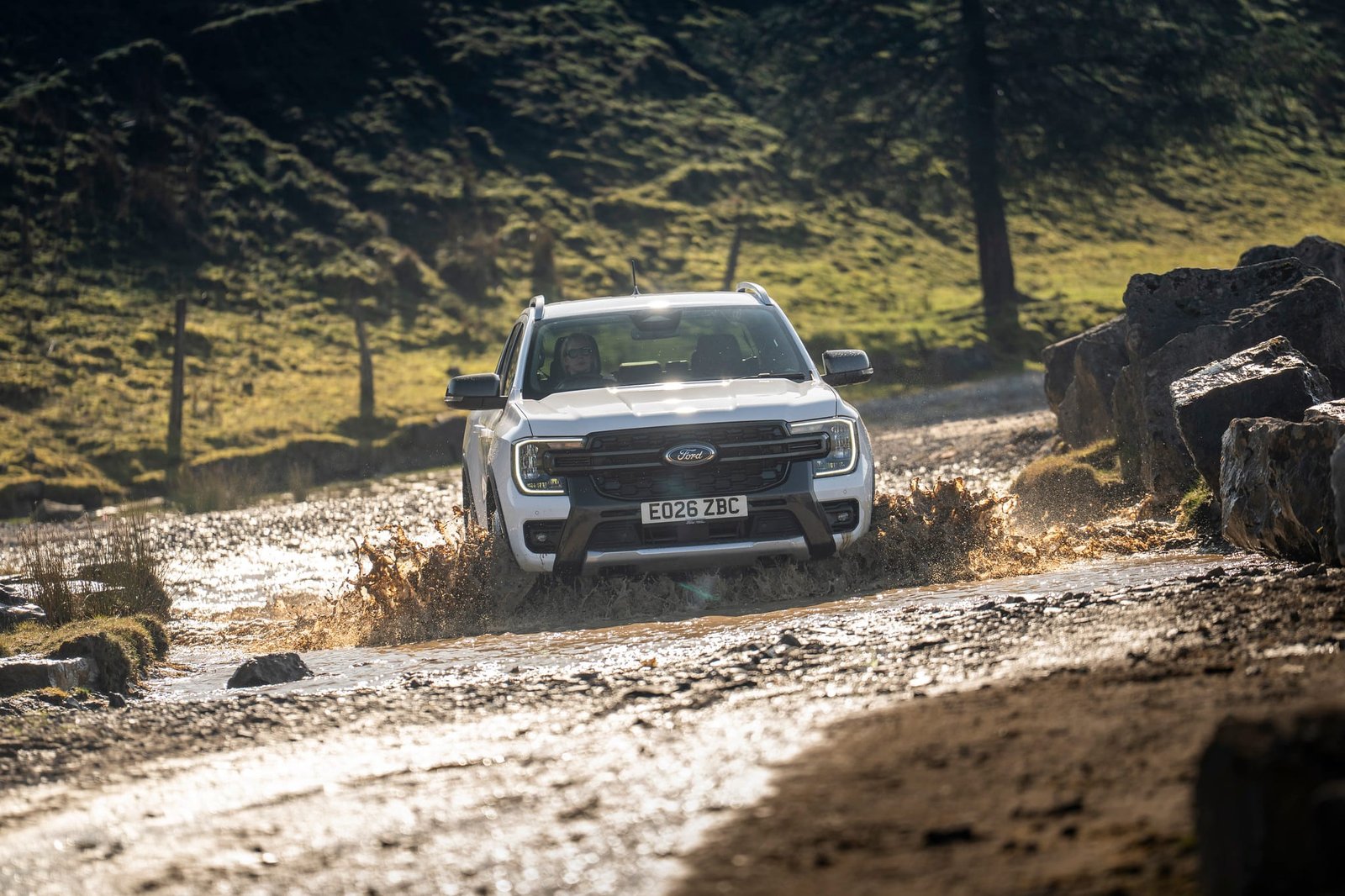
The Ranger’s reputation has been built on its ability to do the jobs conventional SUVs simply can’t.
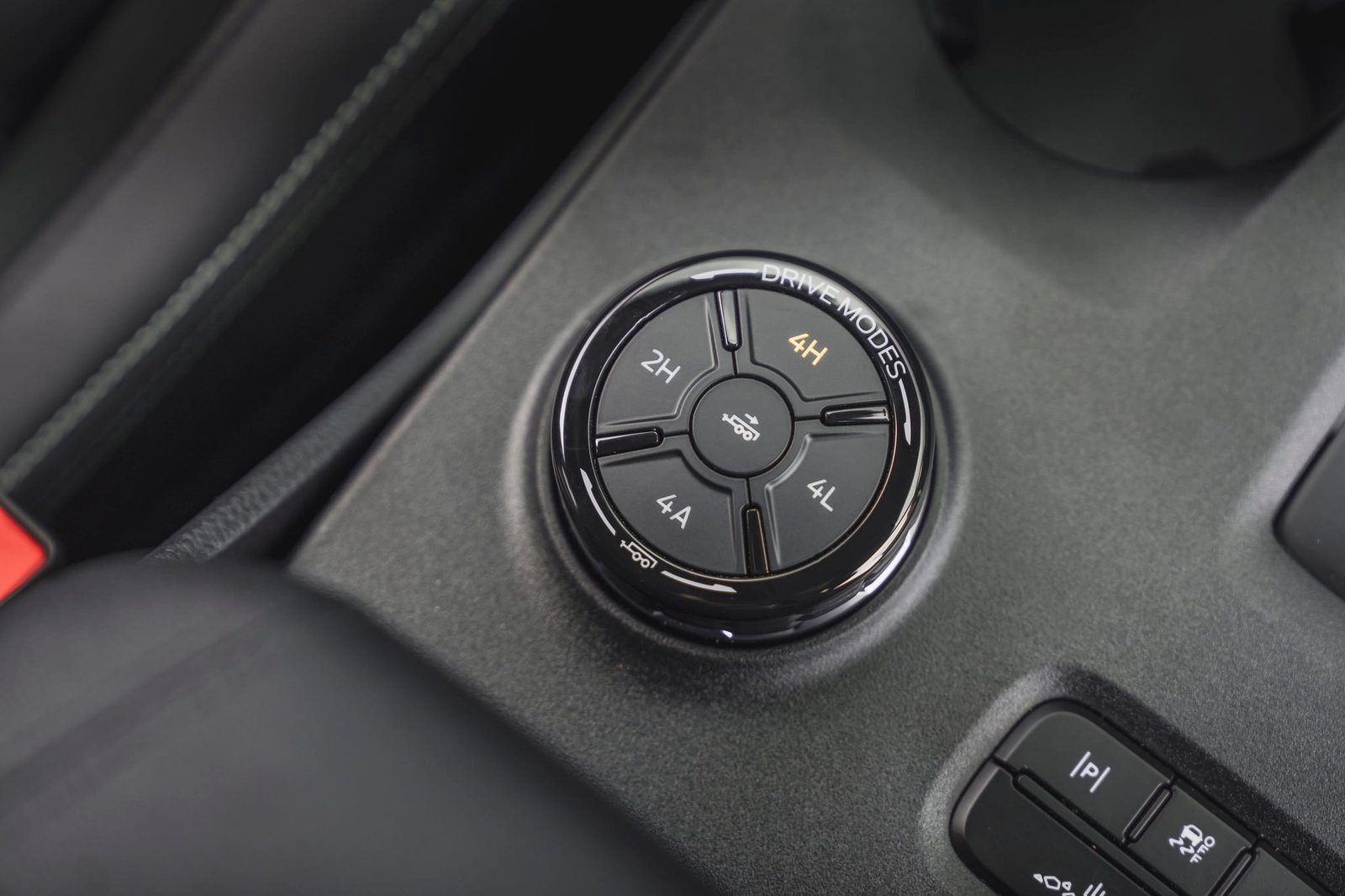
The PHEV retains a 3,500kg towing capacity and payload of up to one tonne, while the e-4WD system, dual-range transfer box and rear differential lock ensure the truck remains properly equipped when the tarmac ends.
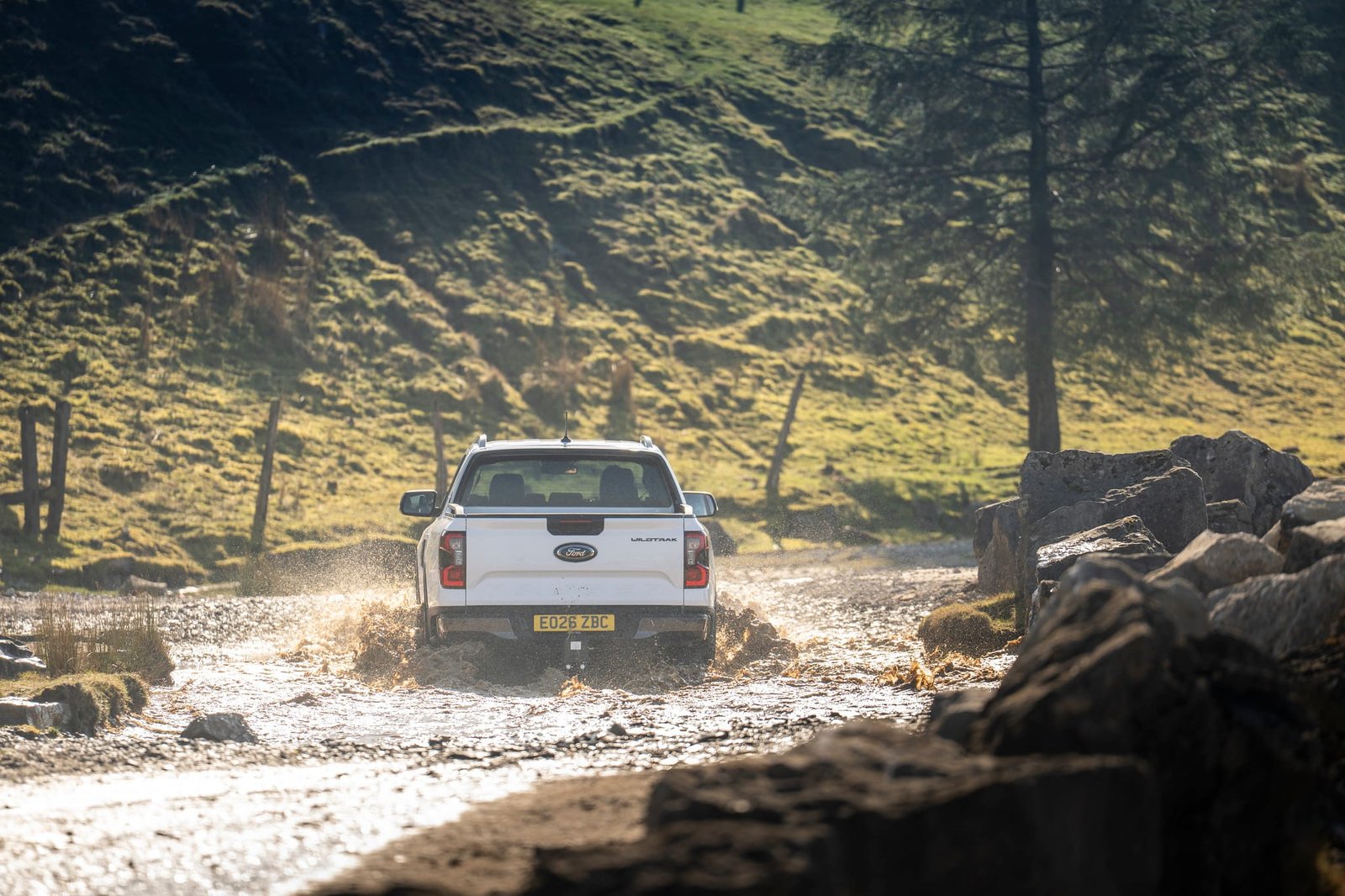
The electric motor could actually prove particularly useful here.
Instant torque is exactly what you want when climbing a steep incline, manoeuvring slowly over difficult terrain or pulling a trailer away from a standstill.
Rather than having to build revs before the petrol engine develops its strongest output, the electric motor can deliver torque immediately.
That should make the Ranger PHEV particularly well suited to low-speed technical driving.
The battery has also been positioned between the frame rails, protecting it while maintaining the Ranger’s established approach, breakover and departure angles. This is still a proper Ranger.
Rivals
The pick-up market may be considerably smaller than the SUV market, but competition is fierce.
The Toyota Hilux remains the obvious alternative, while the Isuzu D-Max continues to appeal to buyers prioritising durability and working capability. The Volkswagen Amarok offers a more premium interpretation of the formula, while the KGM Musso provides a compelling value proposition.
The Ranger’s advantage has always been the breadth of its abilities and the PHEV extends that further.
None of its rivals quite offers the same combination of serious towing and off-road capability, electric-only driving and integrated onboard power generation.
Verdict
The Ford Ranger PHEV is an interesting example of electrification being used to make an existing vehicle better rather than simply different.
It doesn’t attempt to turn the Ranger into an electric SUV. Instead, it takes everything that made the Ranger successful and adds another layer of capability.
The result is a pick-up that can still carry a tonne, tow 3,500kg and venture properly off-road, but can also complete shorter journeys in near silence, deliver an impressive 690Nm of torque and provide enough onboard electrical power to run serious equipment.
For tradespeople, Pro Power Onboard could be the feature that changes how the truck is used.
For leisure users, the electric capability makes daily driving more refined.
And for everyone else, that enormous reserve of torque simply makes the Ranger feel more effortless.
There are still reasons to choose the diesel version. Drivers regularly covering very long distances, towing heavy loads or working far from charging infrastructure may prefer the simplicity and range of a conventional diesel.
But for dual-use owners who want one vehicle capable of handling work during the week and family life at the weekend, the PHEV makes a compelling argument.


At a Glance
Model: Ford Ranger Wildtrak PHEV
Power: 279PS
Torque: 690Nm
Engine: 2.3-litre EcoBoost petrol + 75kW electric motor
Battery: 11.8kWh usable
Transmission: 10-speed automatic
Drive: e-4WD
EV Range: Around 27 miles
Towing Capacity: Up to 3,500kg
Payload: Up to 1,000kg
Charging: Less than 4 hours via single-phase 16A charging
Pro Power Onboard: Up to 6.9kW