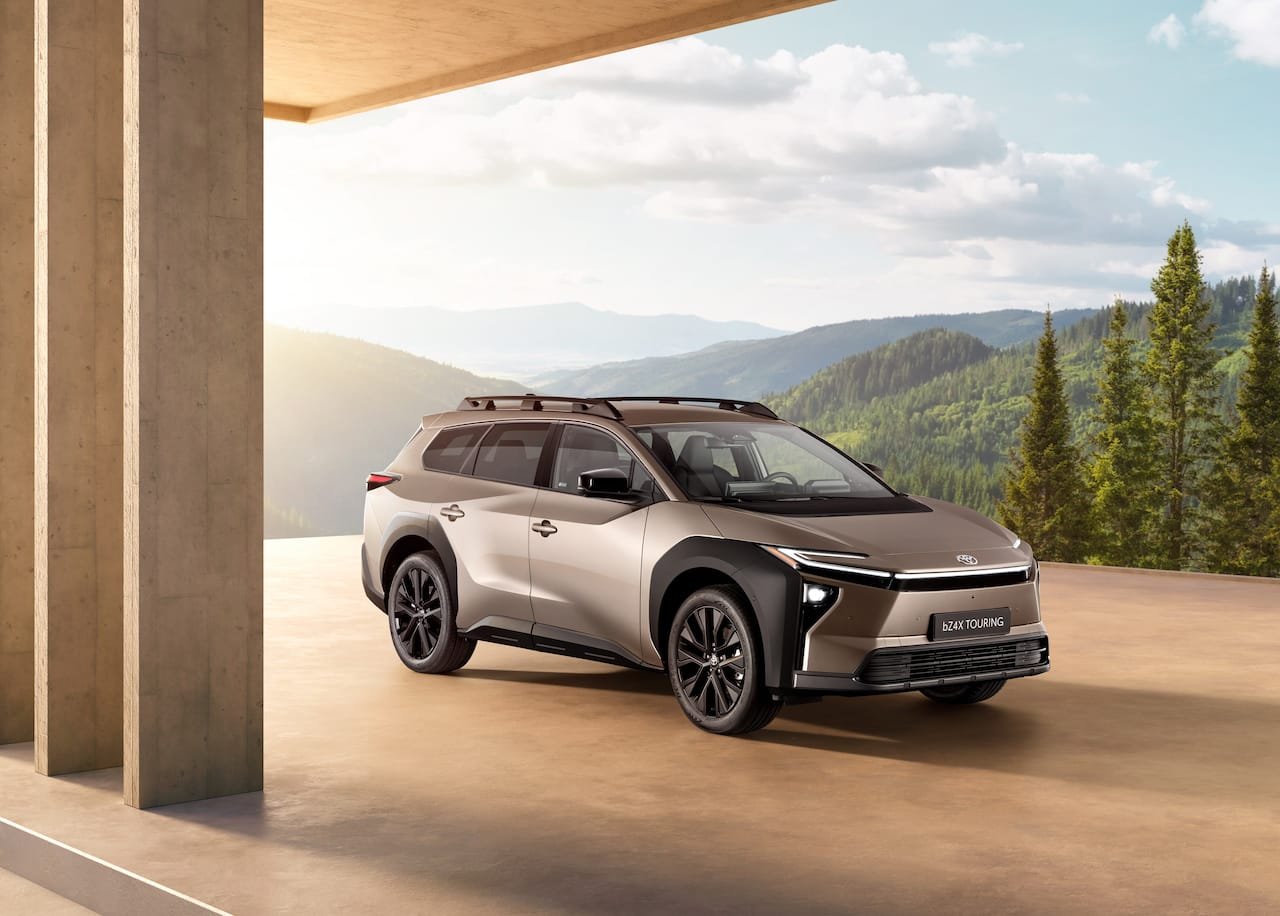
THIS week’s press car follows on directly from the Toyota C-HR+, which so impressed me with it’s sportiness and style.
However, where the C-HR+ is the sporty, slightly mischievous member of Toyota’s electric family, the bZ4X is its more practical sibling. It takes much of the technology of the C-HR+ and wraps it in a considerably larger, more conventional SUV body. And this Touring variant takes it even further . . .

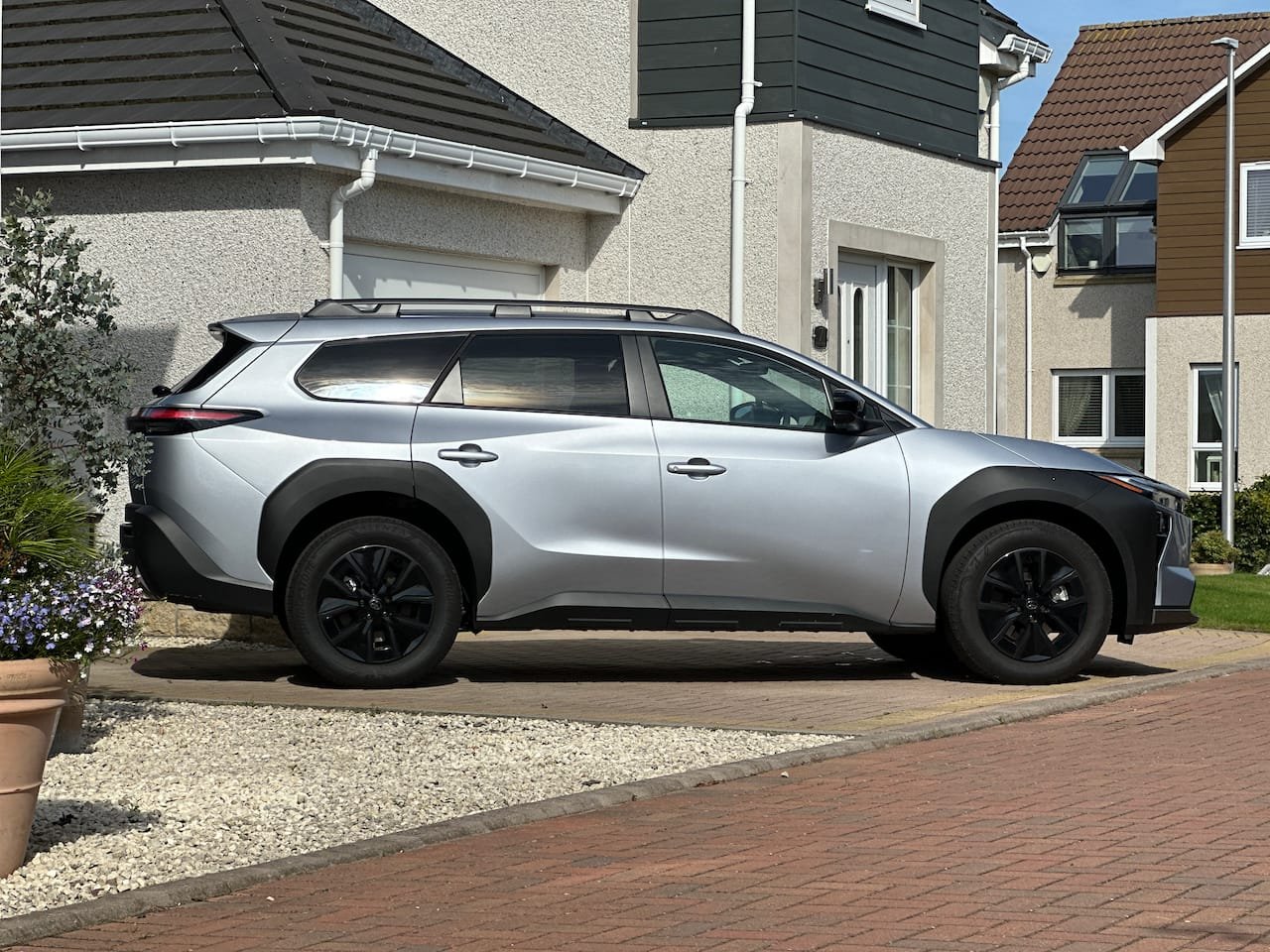
With a 669-litre boot, generous rear passenger space, standard roof rails and the ability to tow up to 750kg in this front-wheel-drive version, it feels like a car designed around the realities of family life rather than simply looking the part.
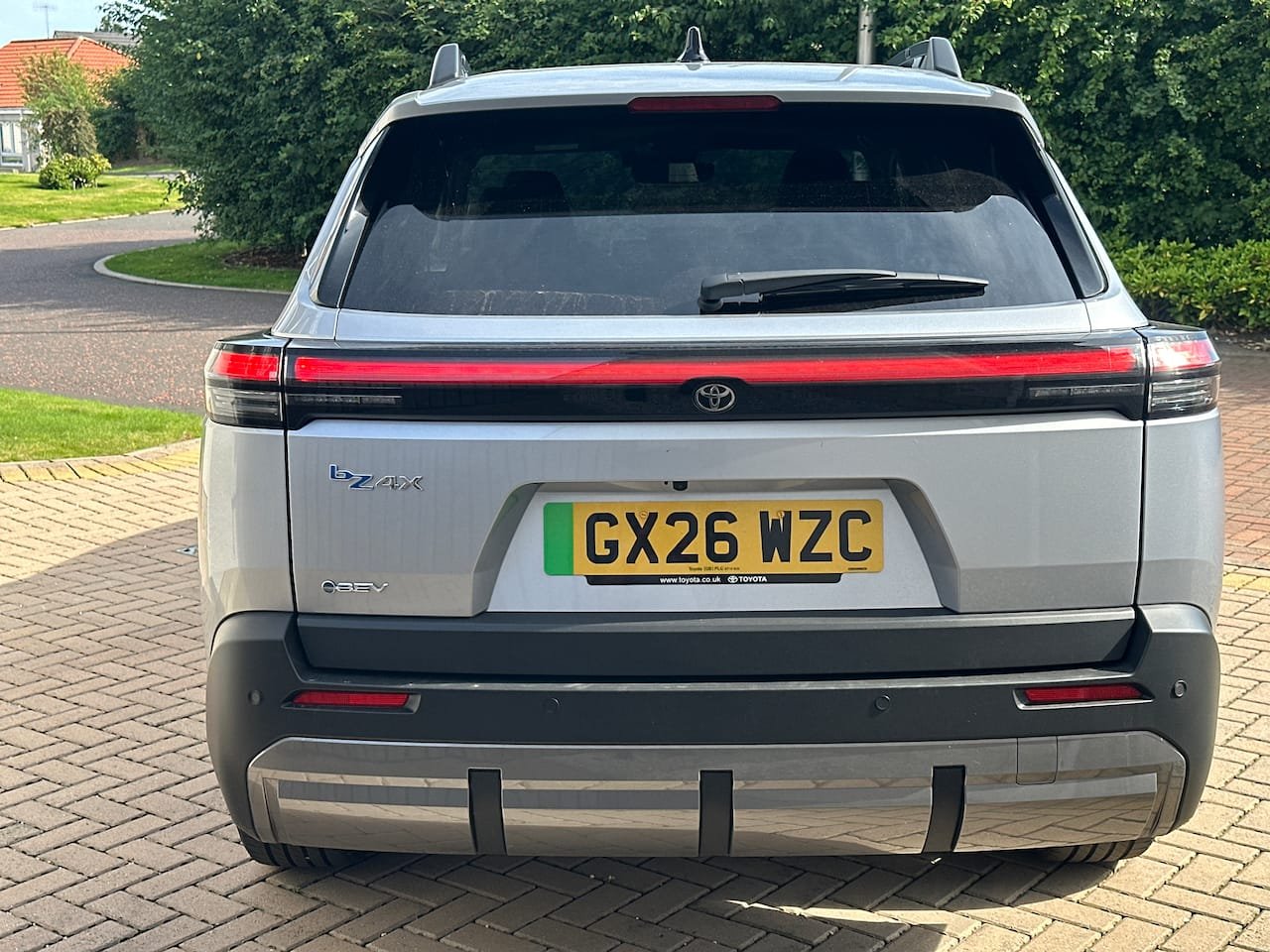
The Touring’s extended rear section increases luggage capacity by almost 50 per cent compared with the regular bZ4X.

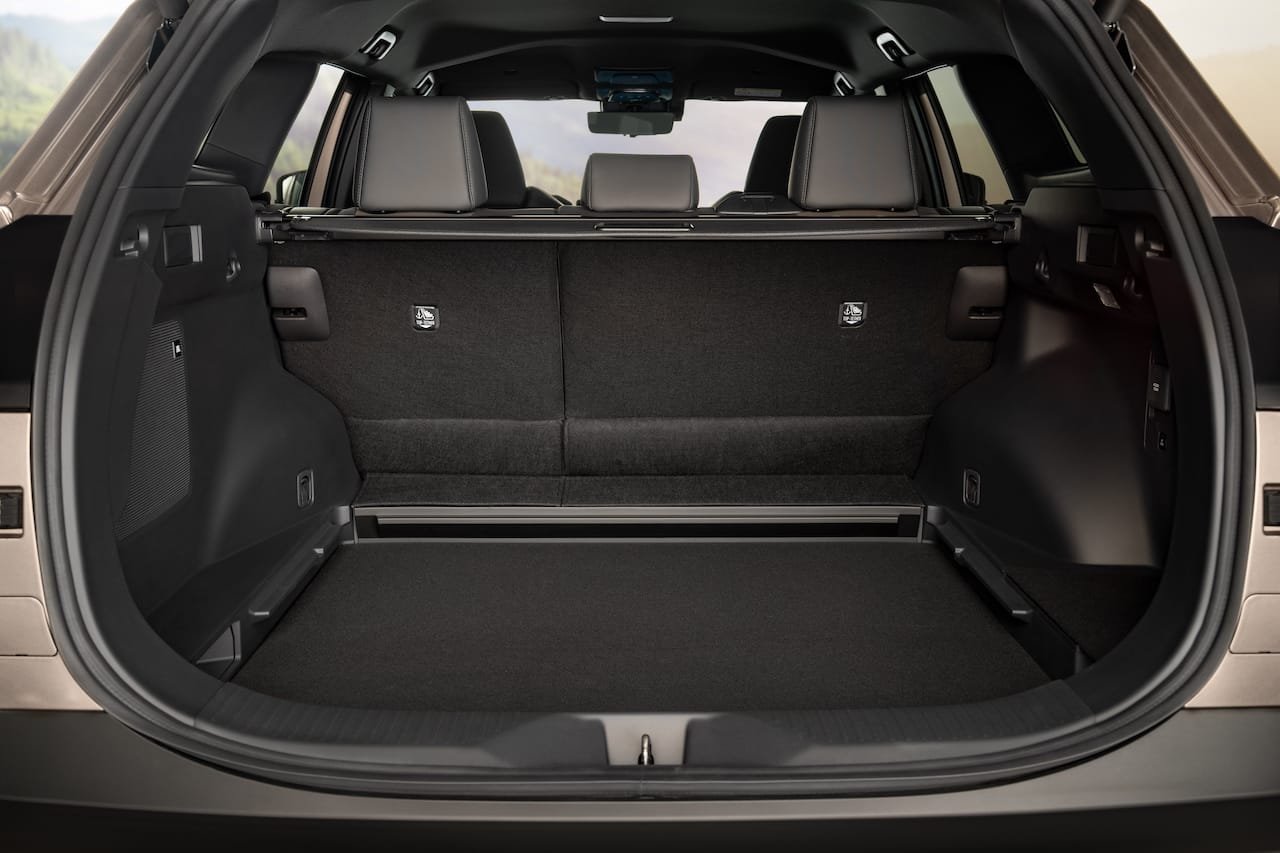
Think camping equipment, a couple of bikes and a large dog and the bZ4X Touring suddenly looks like a very sensible proposition.
The model I drove was the Design grade with front-wheel drive, priced at £44,495 on the road after Toyota’s £1,500 Electrified Saving. The car was also fitted with optional Ice Silver Metallic paint at £680.
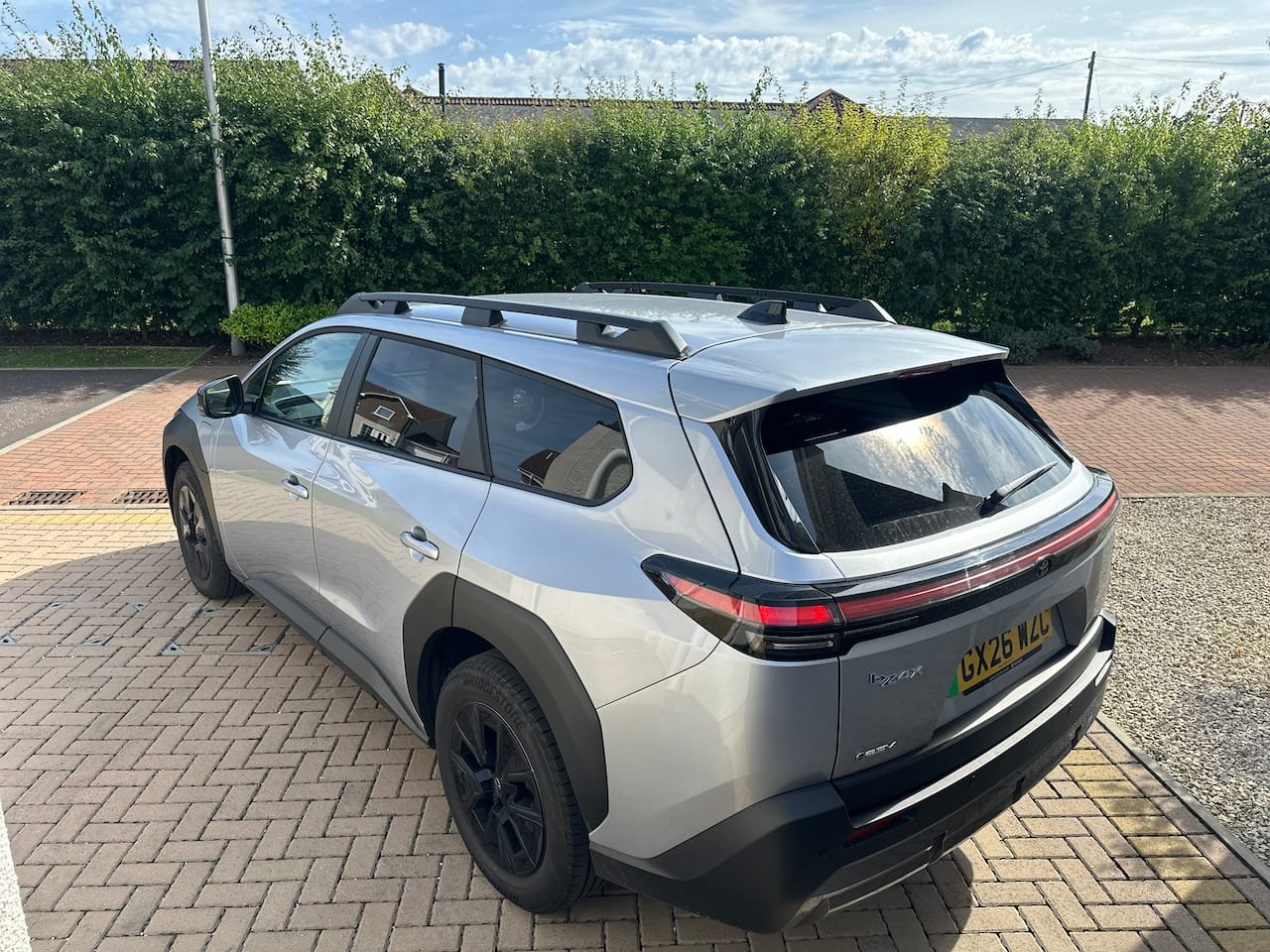
Now, that doesn’t sound cheap, but for a large, fully electric family SUV with a 74.7kWh battery, a claimed range of up to 366 miles and this much luggage space, it’s certainly an interesting proposition.
The question is whether the Touring’s extra practicality comes at the expense of the qualities that made the C-HR+ such an unexpectedly enjoyable electric car.
Overview
The bZ4X Touring is essentially Toyota’s answer to a question that some owners of the standard bZ4X were probably asking: ‘What if it had a much bigger boot?’
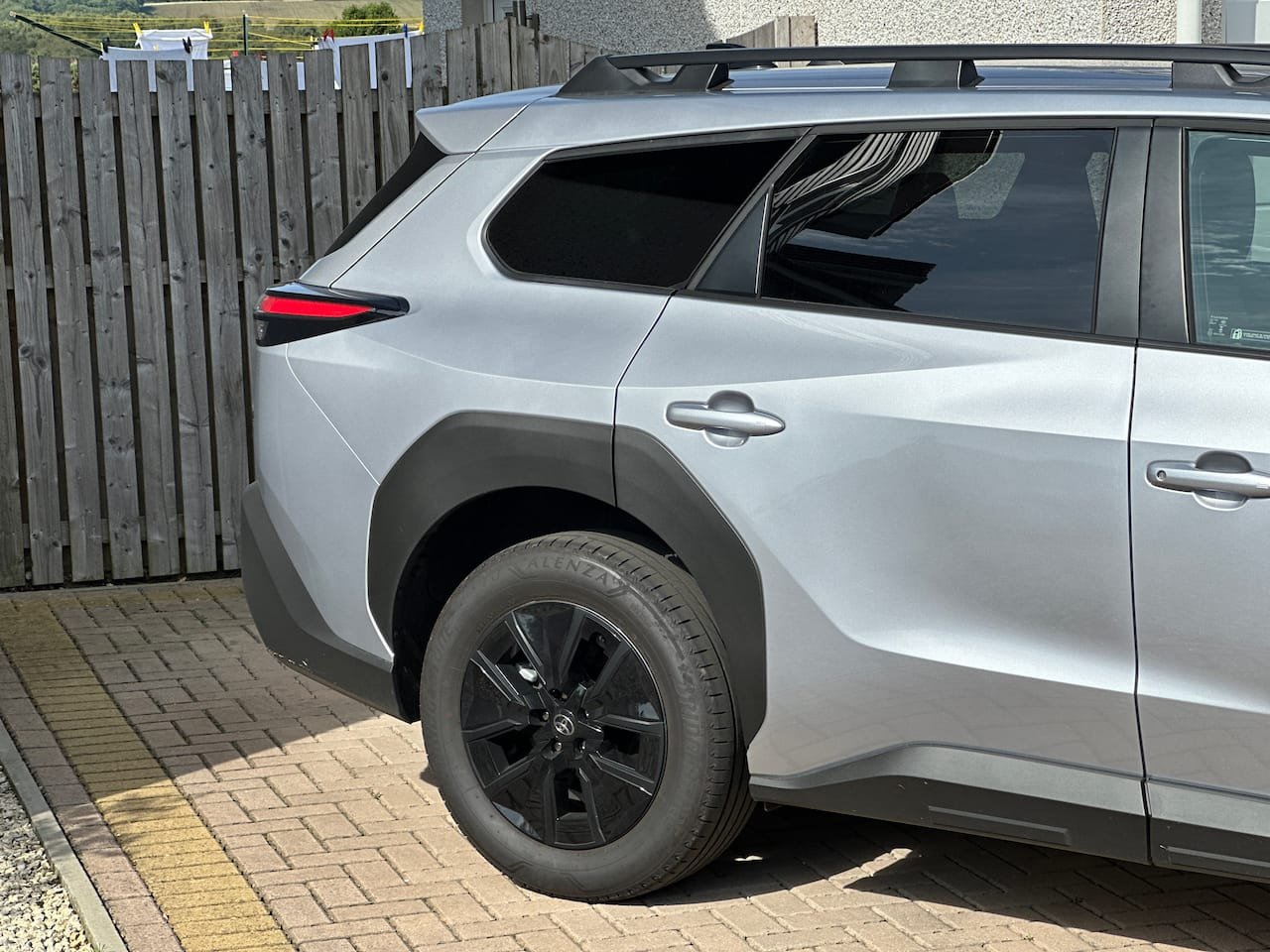
The Touring is the answer as it is 140mm longer from the C-pillar backwards, with almost all of that additional length devoted to luggage space rather than simply making the car bigger for the sake of it. The result is 669 litres with the rear seats upright and up to 1,718 litres with them folded.
It also has a 2,850mm wheelbase, is 4,830mm long and stands 1,675mm tall, giving it the sort of proportions you’d expect from a substantial family SUV.
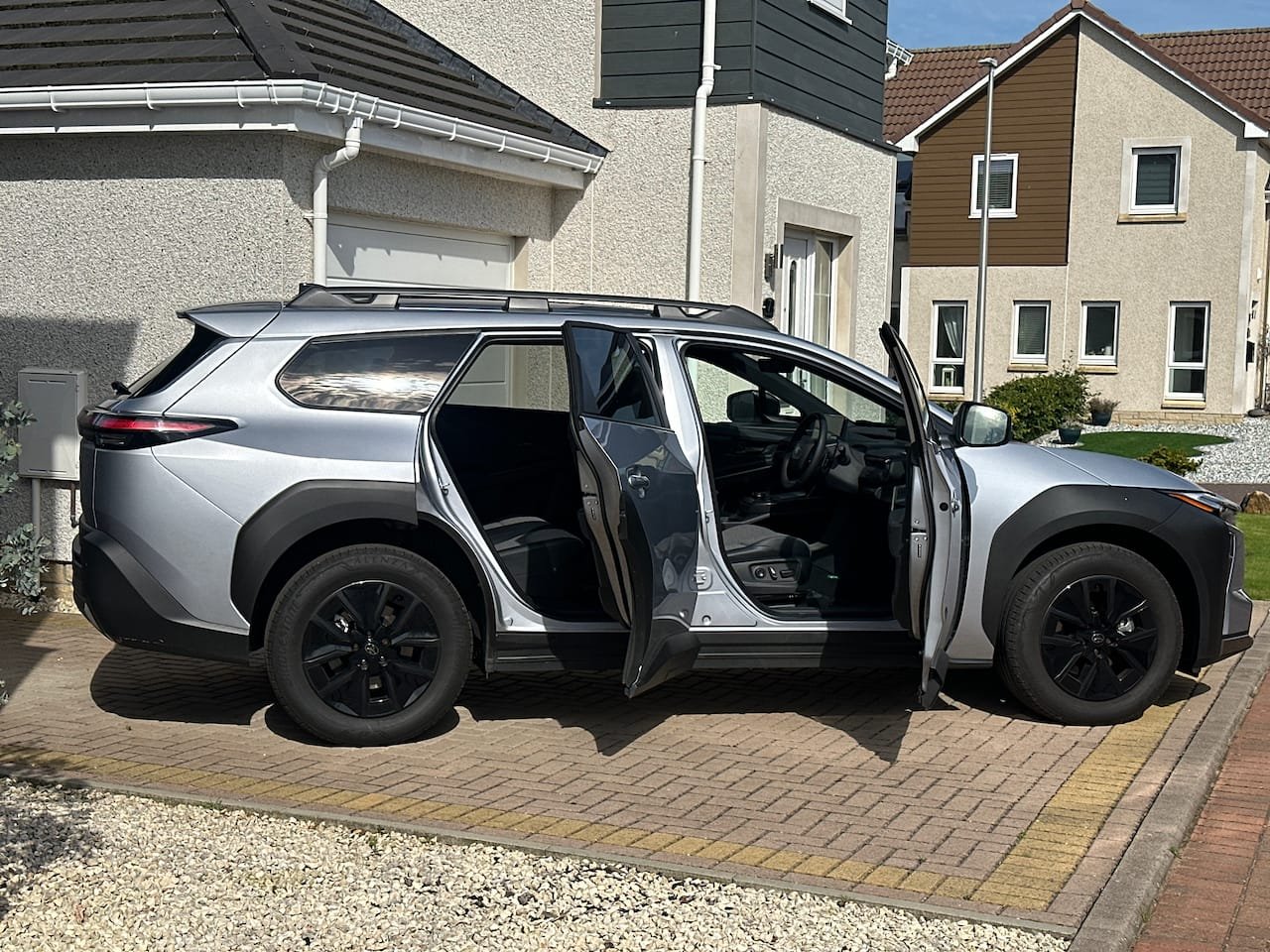
There are two versions available in the UK: The Design, as tested here, uses front-wheel drive and a single electric motor producing 221bhp and 268.6Nm.
The Excel adds all-wheel drive and a second motor, producing a substantial 376bhp and 568 Nm combined torque.

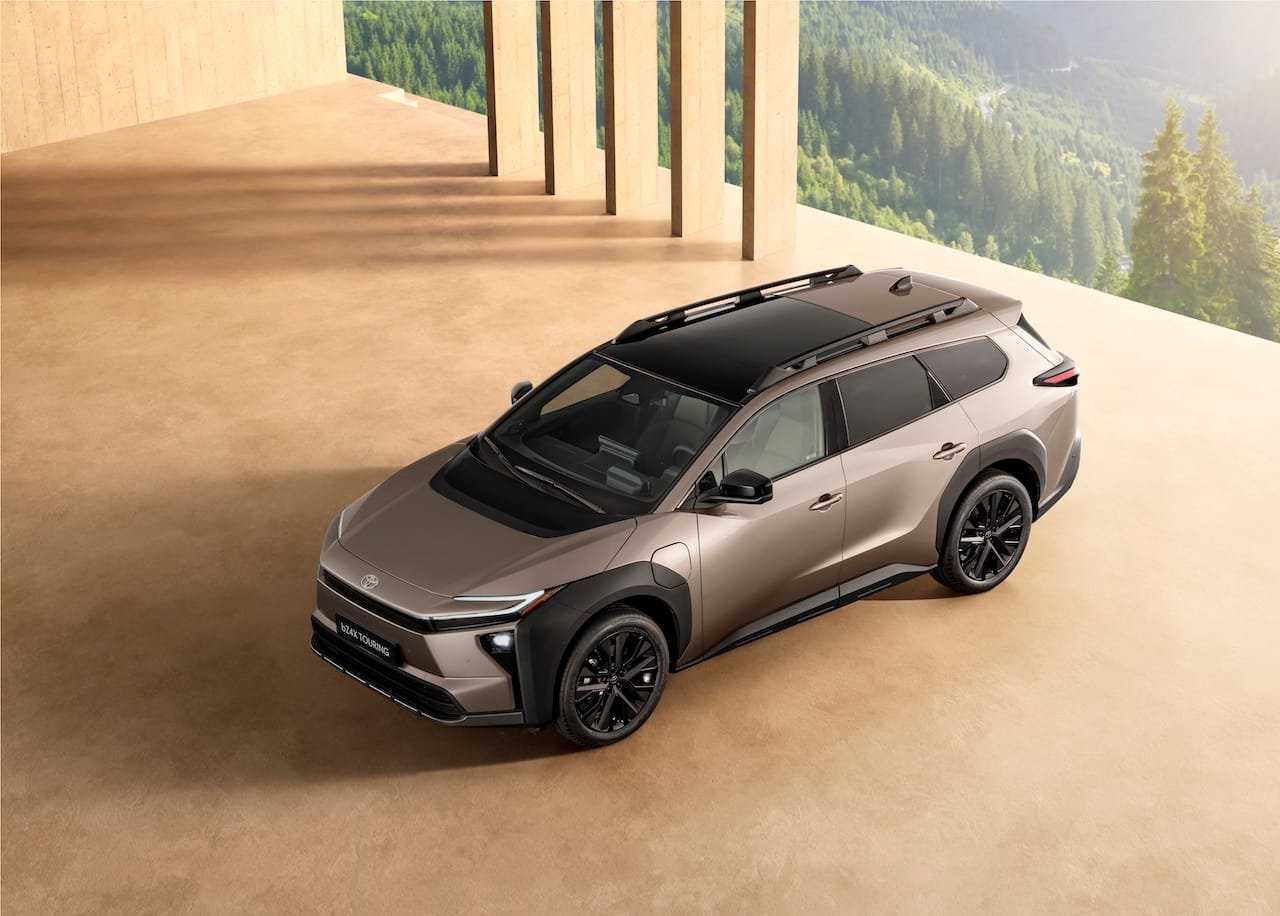
But while the AWD version sounds considerably more exciting, the FWD Touring is probably the more rational choice for many buyers. It still manages 0-62mph in 7.3 seconds, has a top speed of 99mph and offers a WLTP range of up to 366 miles. Which should be plenty for most people.
Design
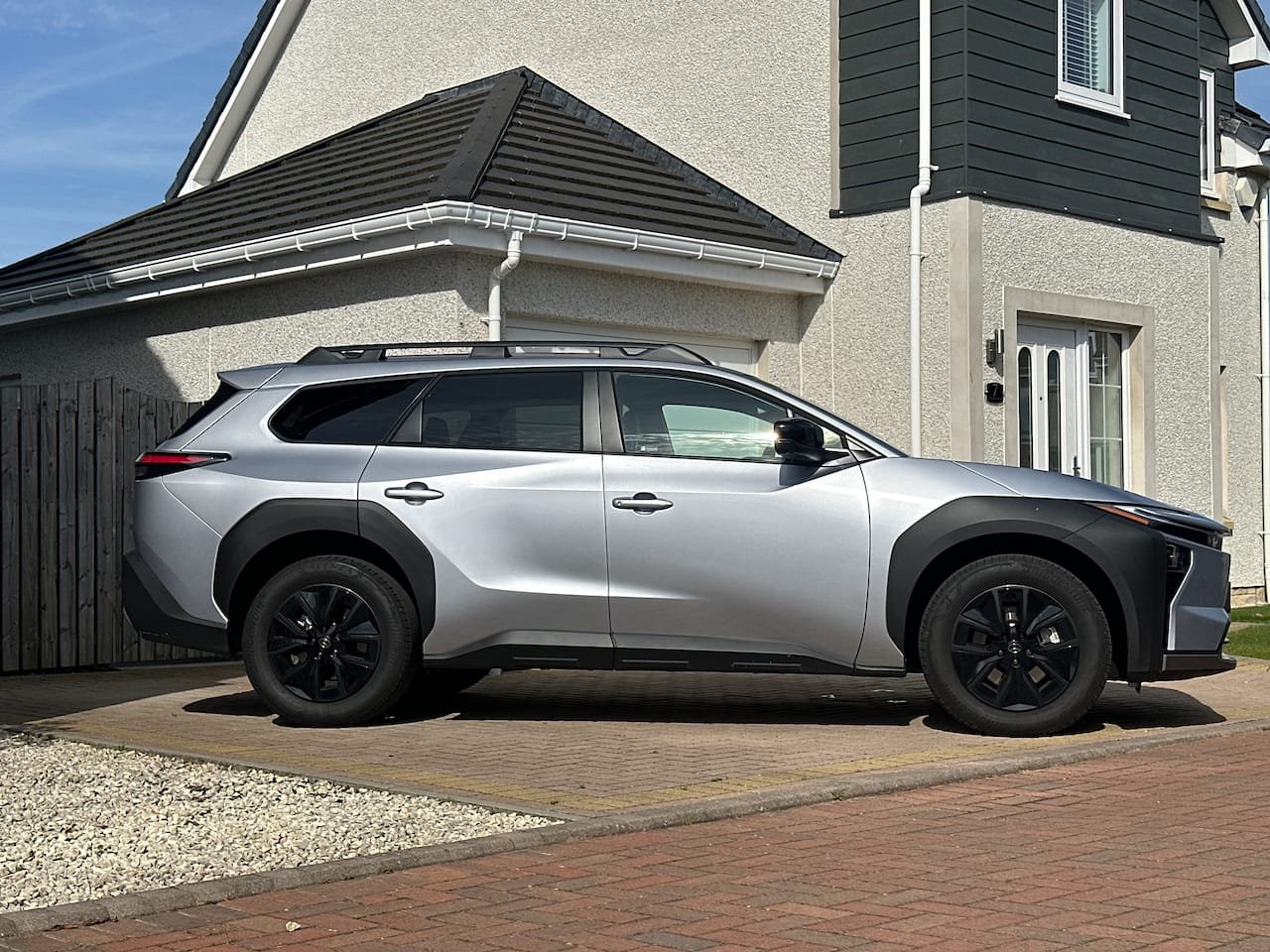
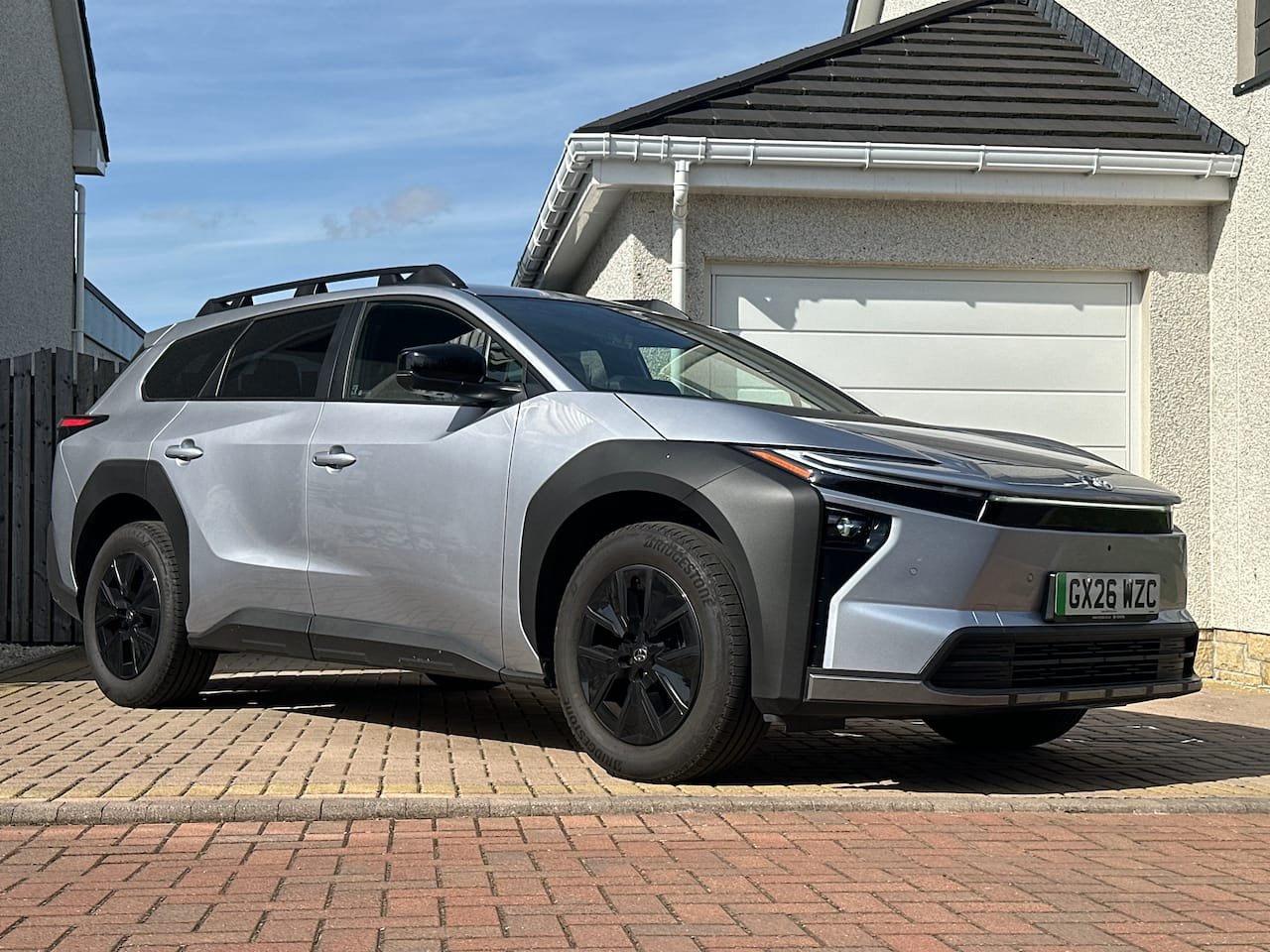
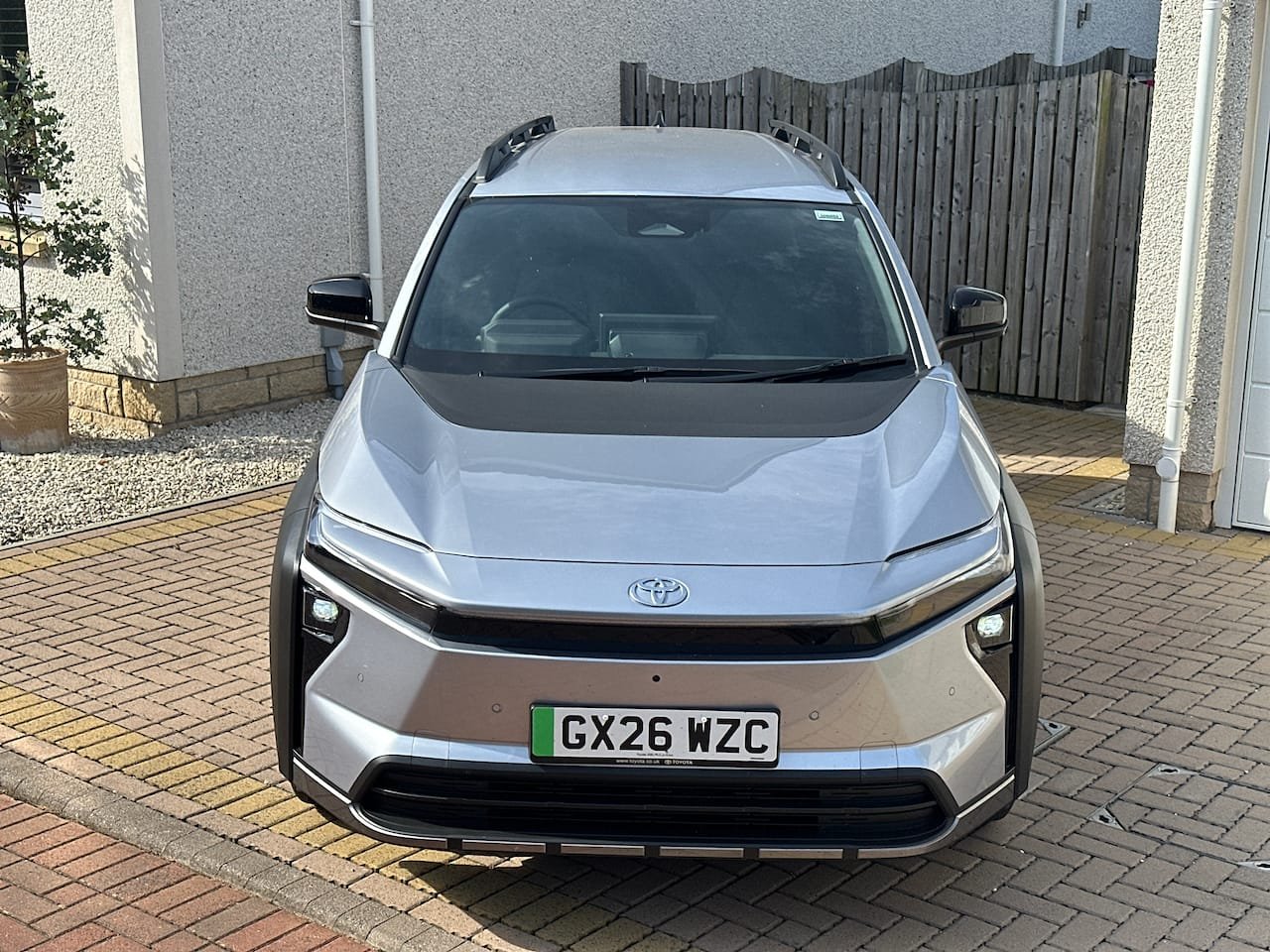
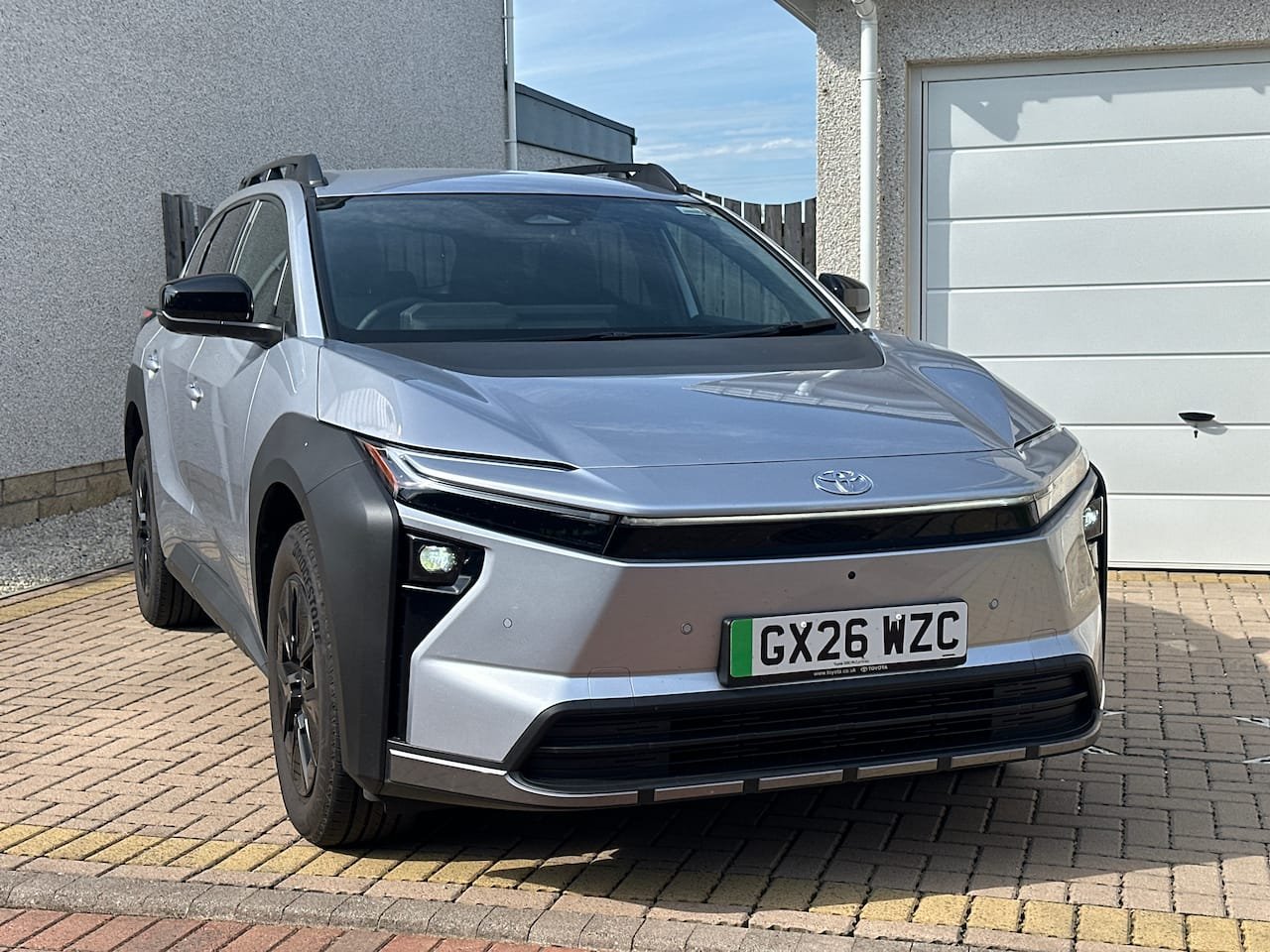
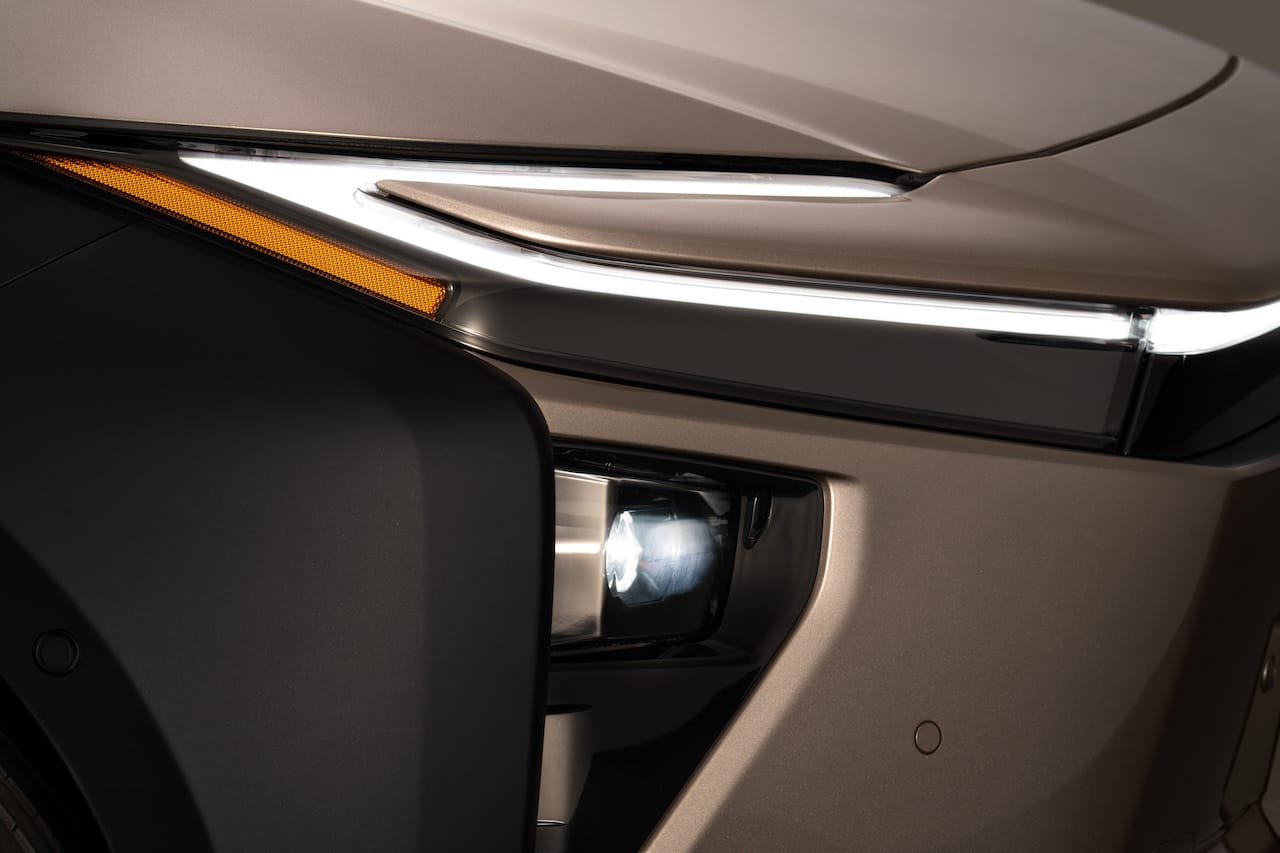
If the C-HR+ is Toyota’s electric fashion statement, the bZ4X Touring is the practical one. It looks like an SUV.

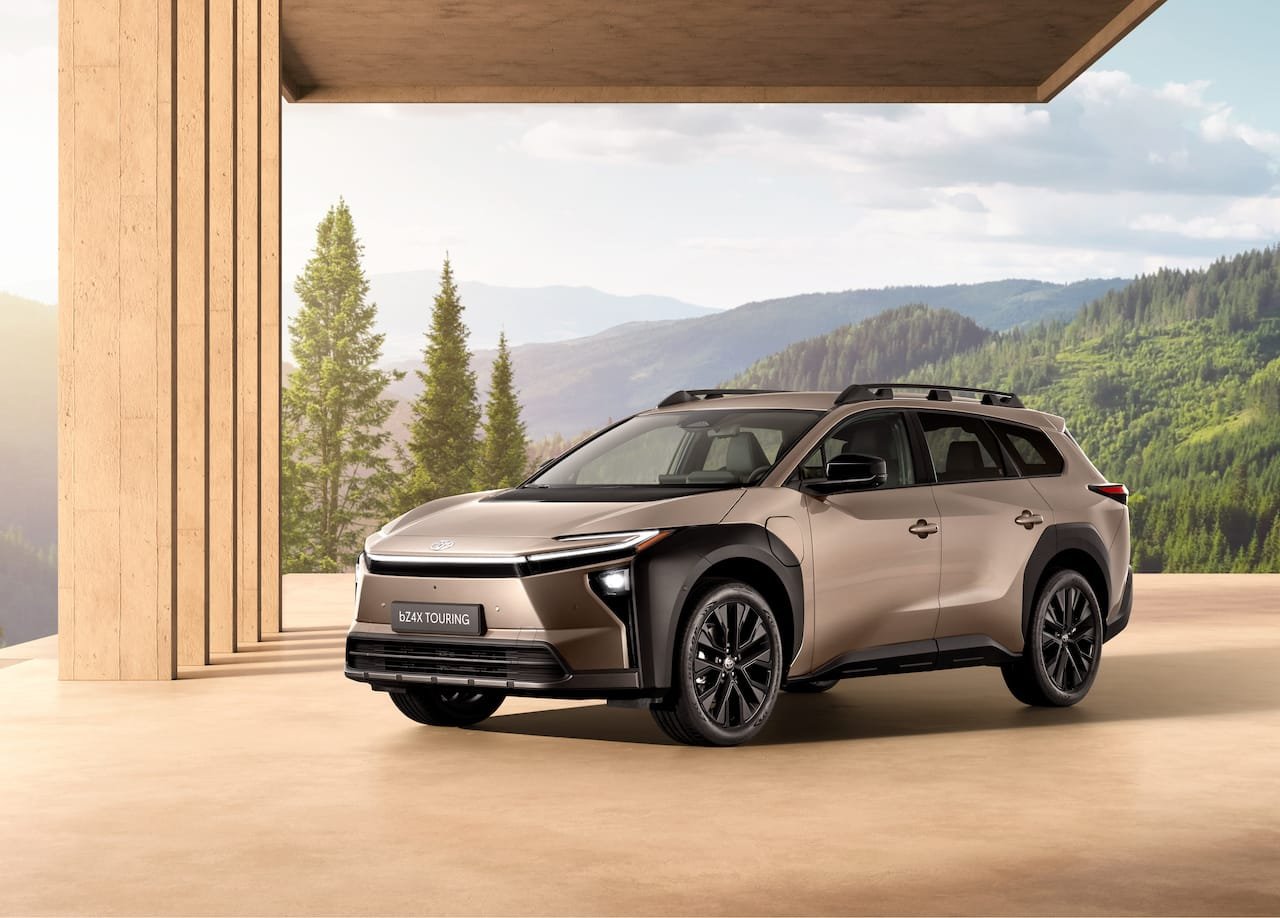
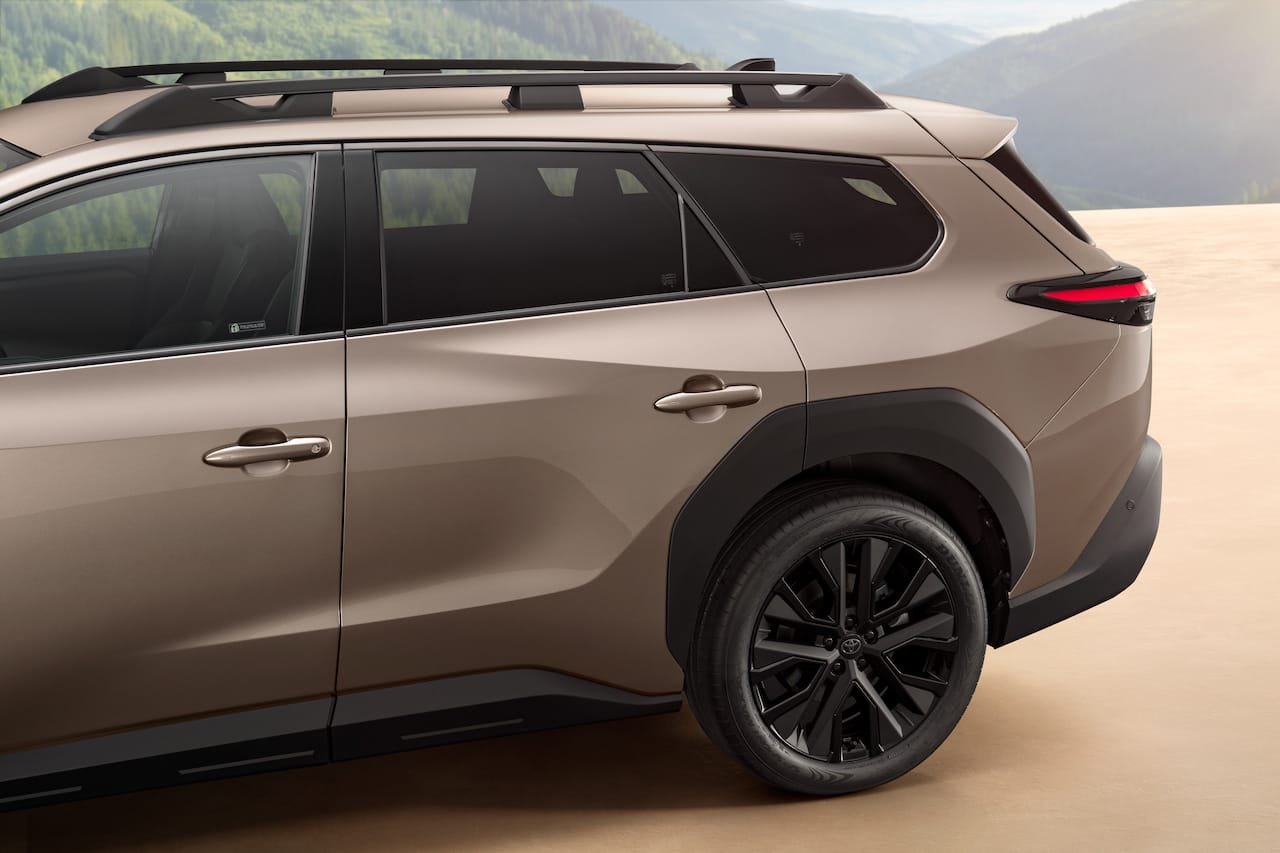
Those black arches are particularly effective. They give the car a tough appearance and help visually break up what would otherwise be quite a large expanse of bodywork.
There’s also a rugged feel to the bumpers and skid plates, while the black wheels and substantial roof rails reinforce the adventure theme. Toyota describes the Touring as being designed for outdoor and adventure lifestyles, and visually it certainly makes that intention clear.
Interior
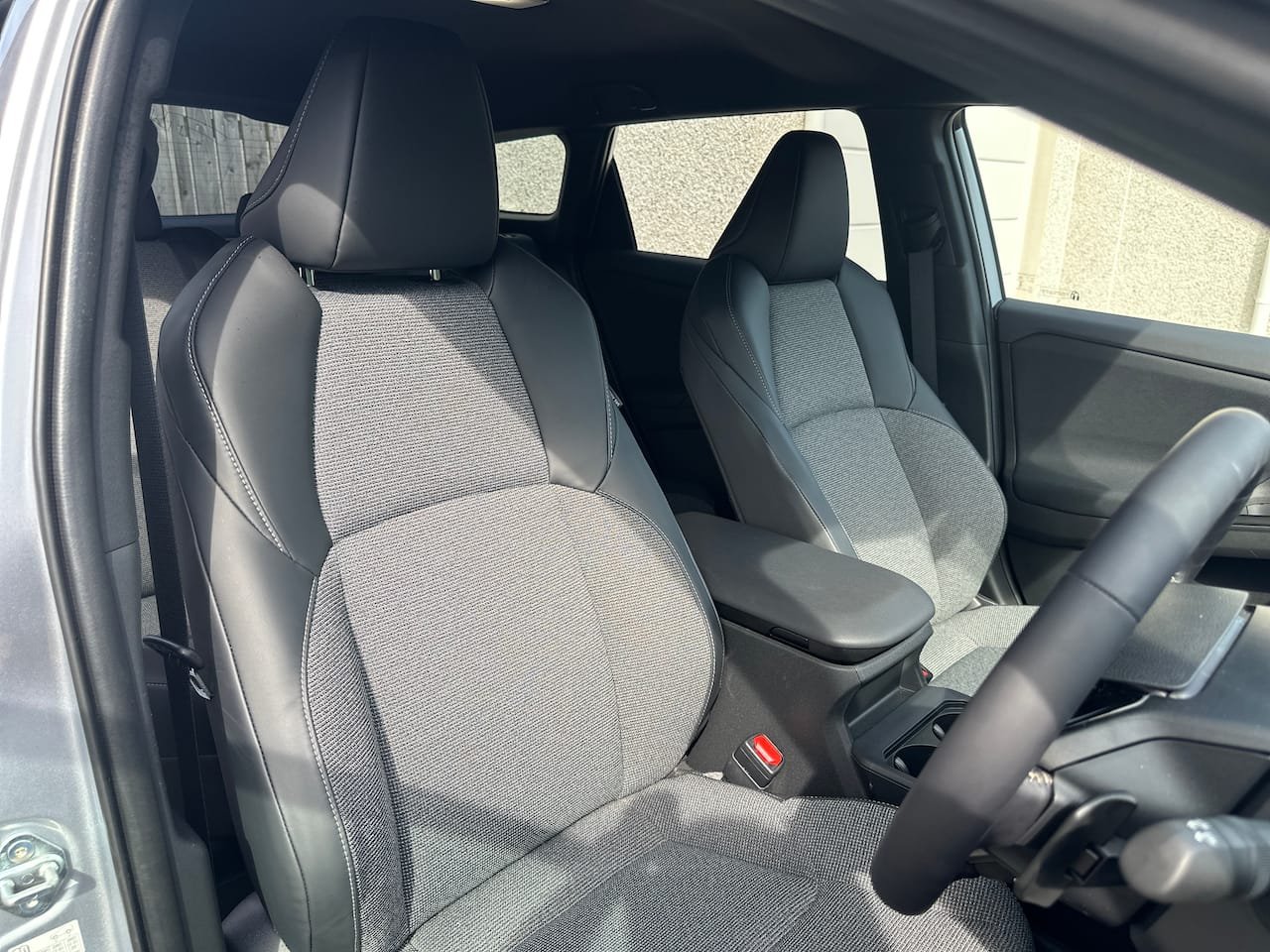
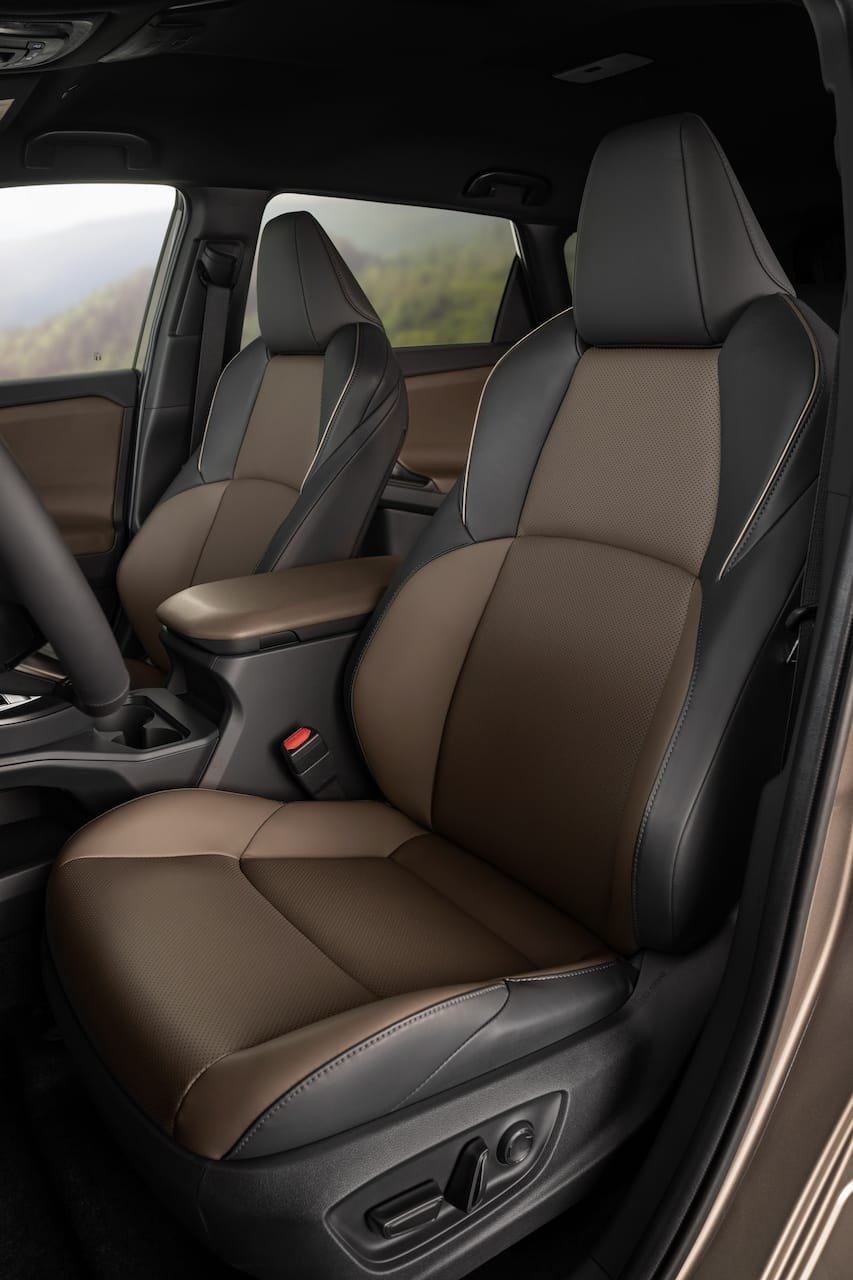
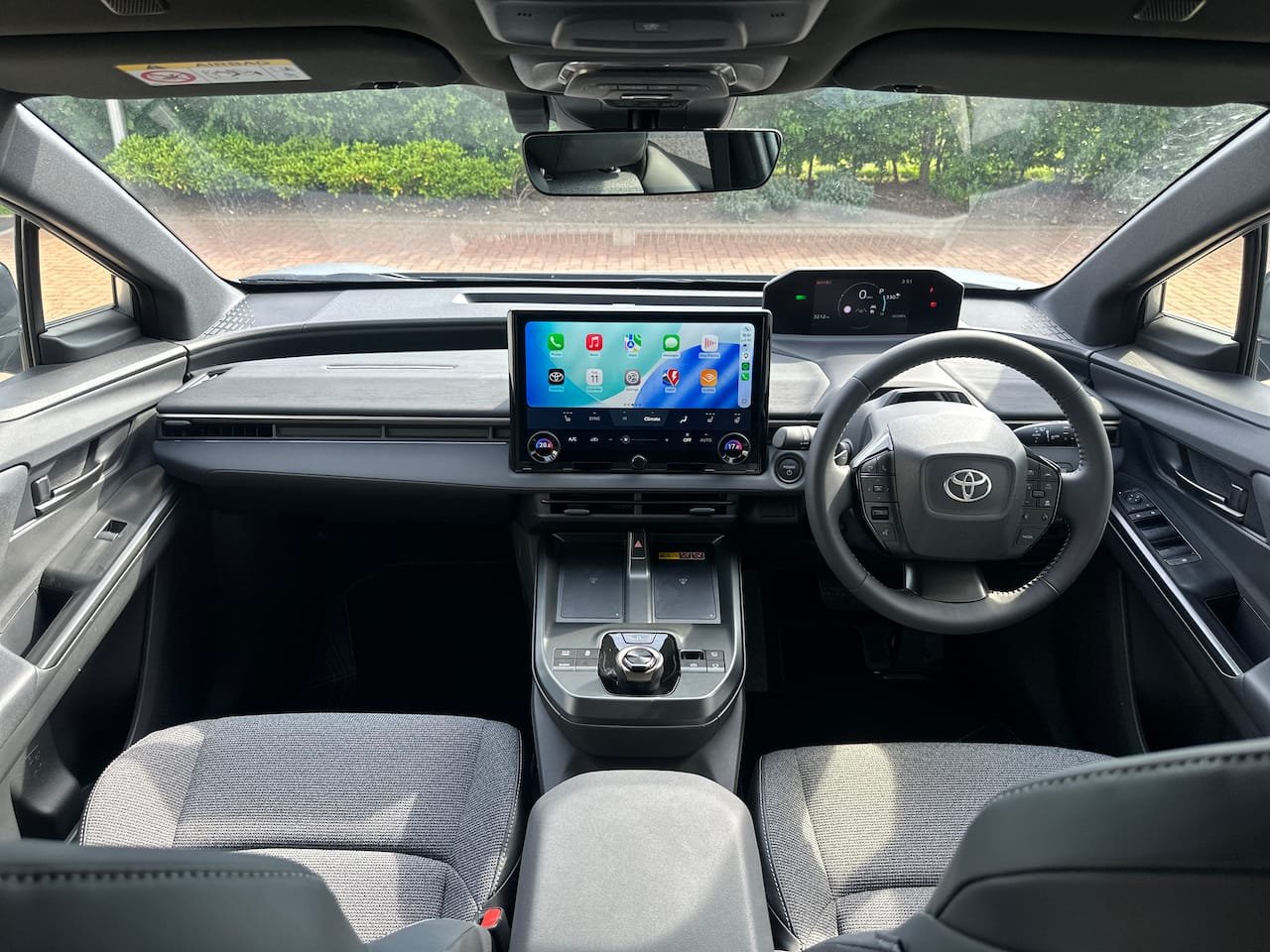
The biggest compliment I can give the bZ4X Touring’s interior is that it feels immediately familiar. That’s because it is essentially the same basic cabin architecture as the C-HR+ and the original bZ4X.
And that’s no bad thing.
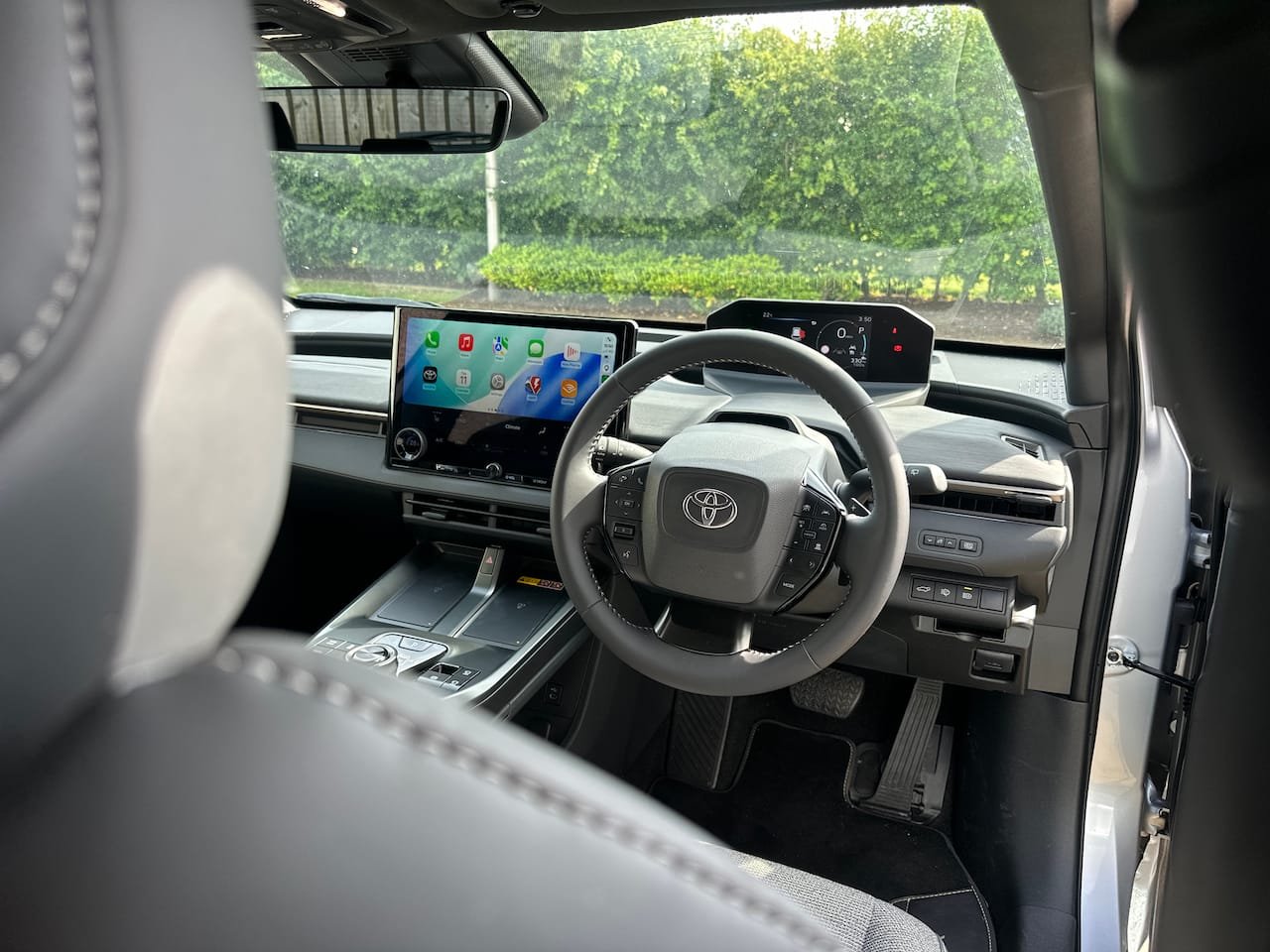
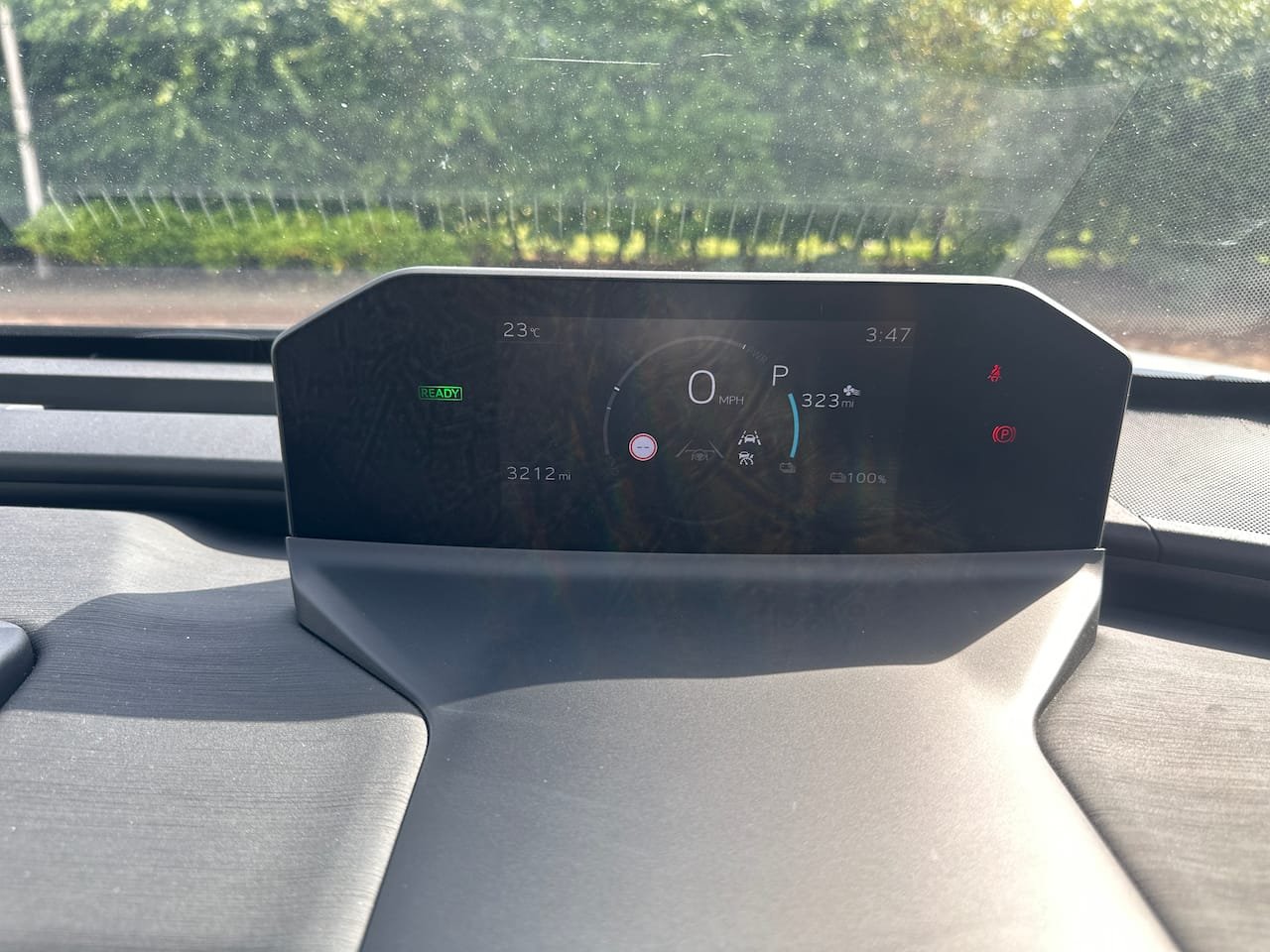
The ultra-slim dashboard gives the cabin a feeling of width and openness, while the seven-inch digital driver’s display sits above the steering wheel in the same unusual arrangement I found in the C-HR+.
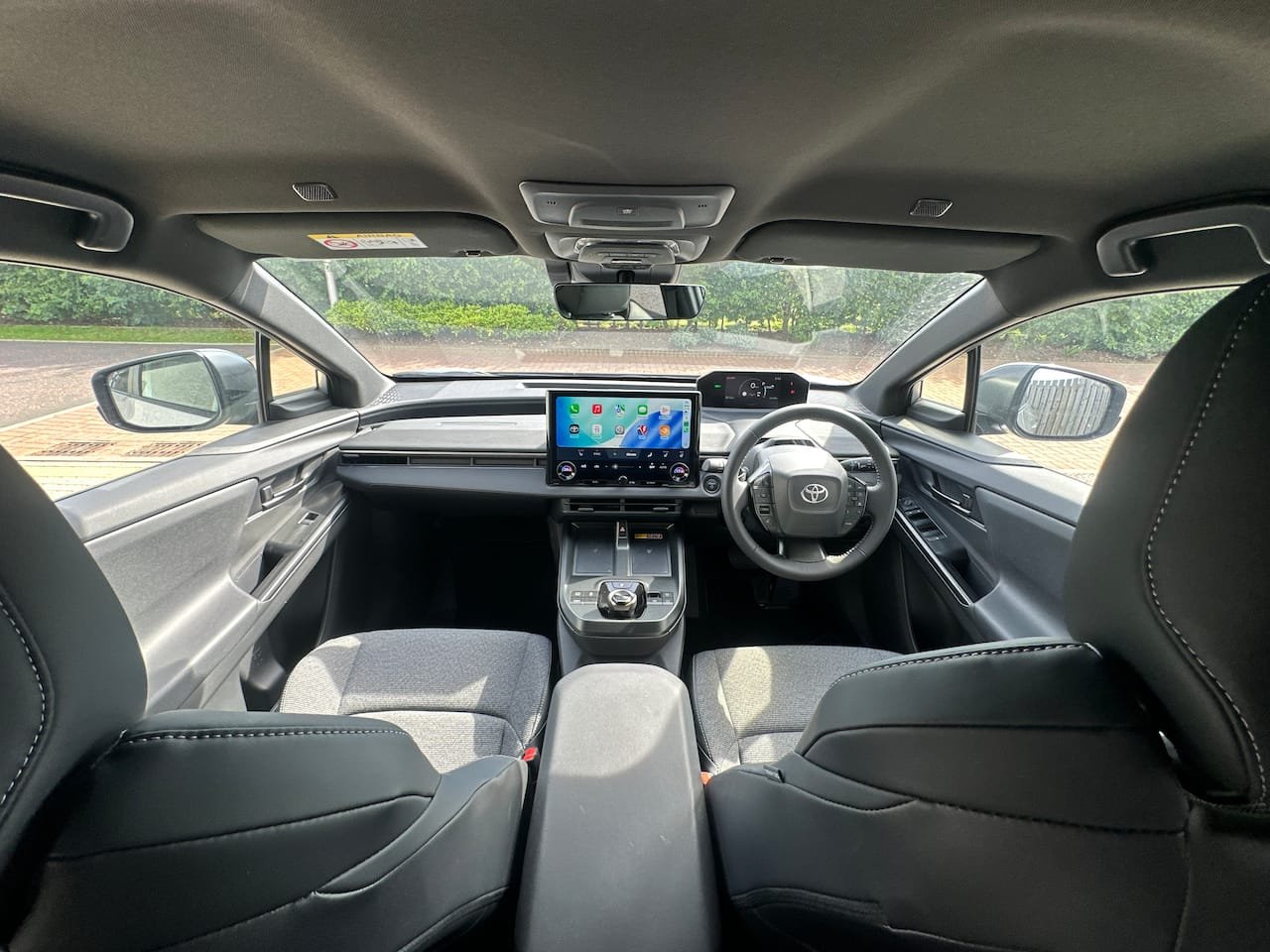
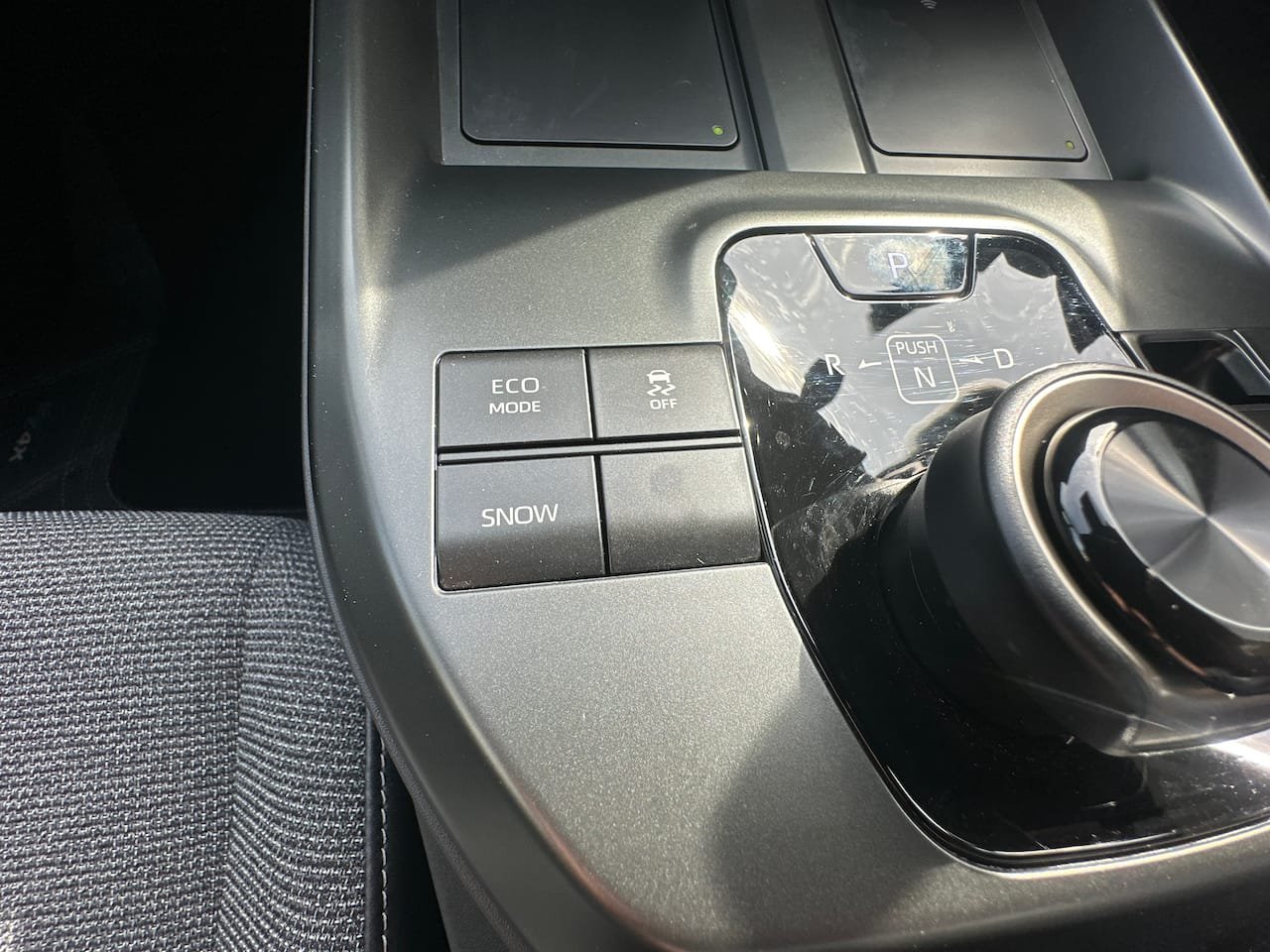
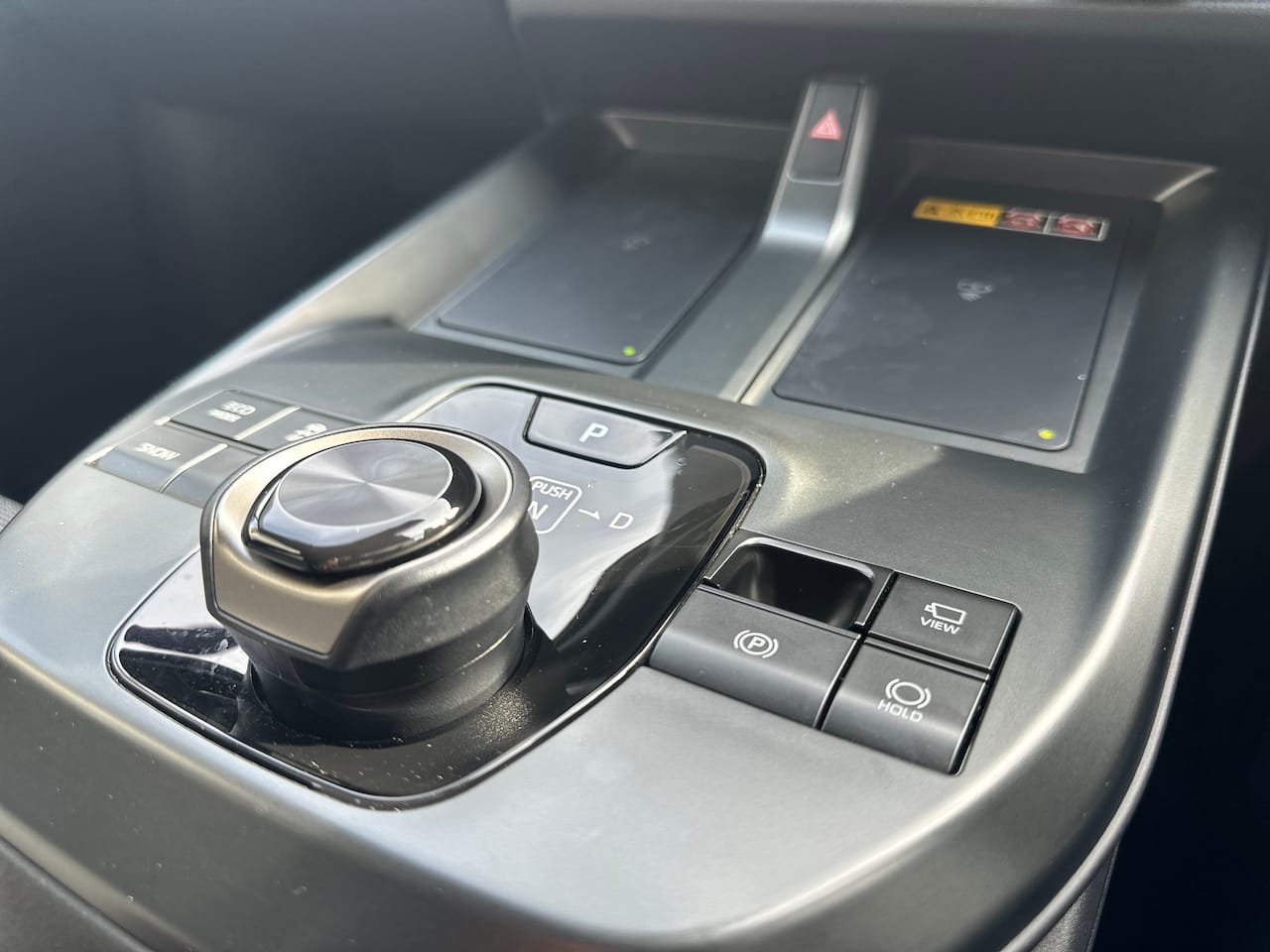
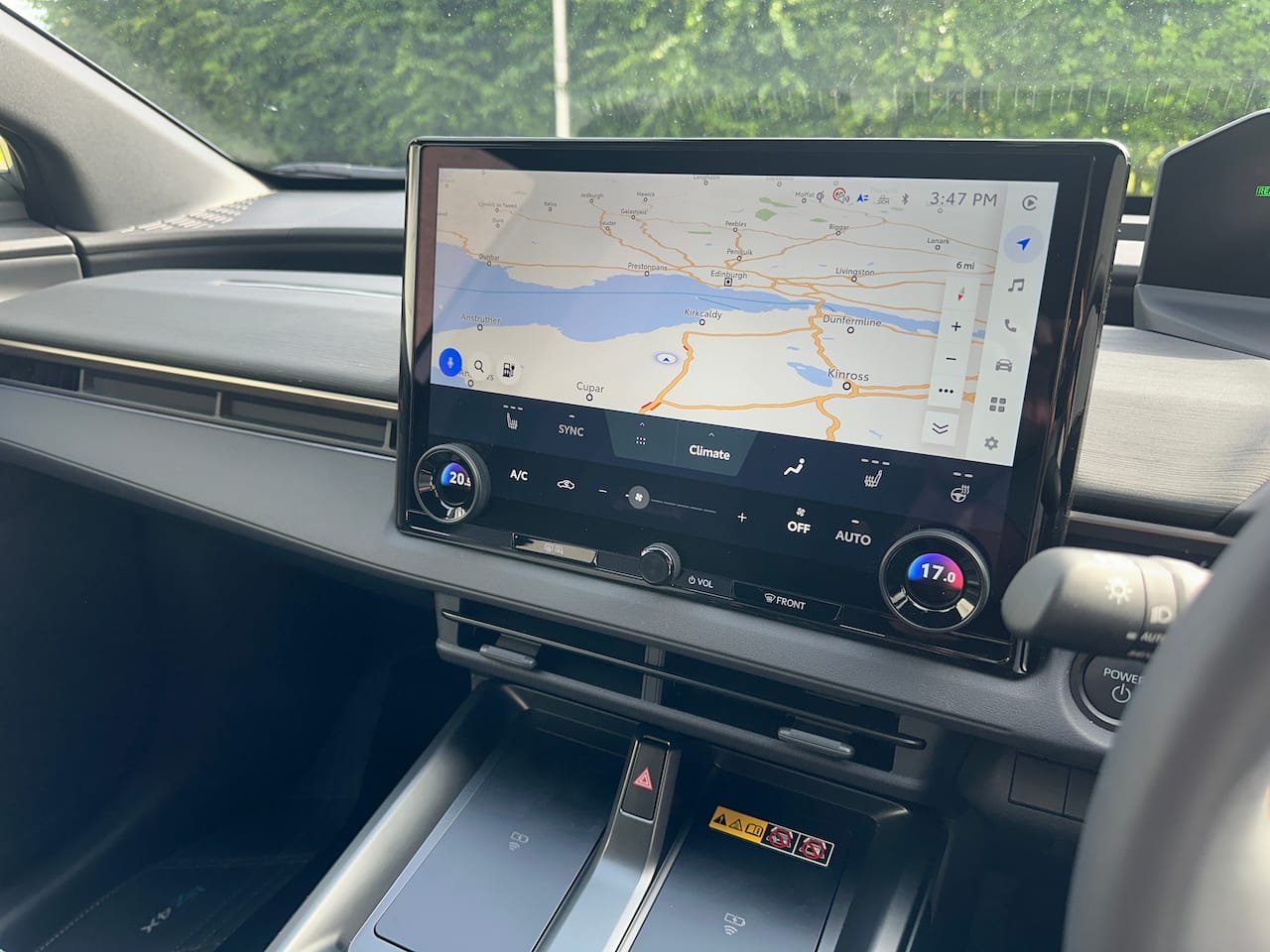
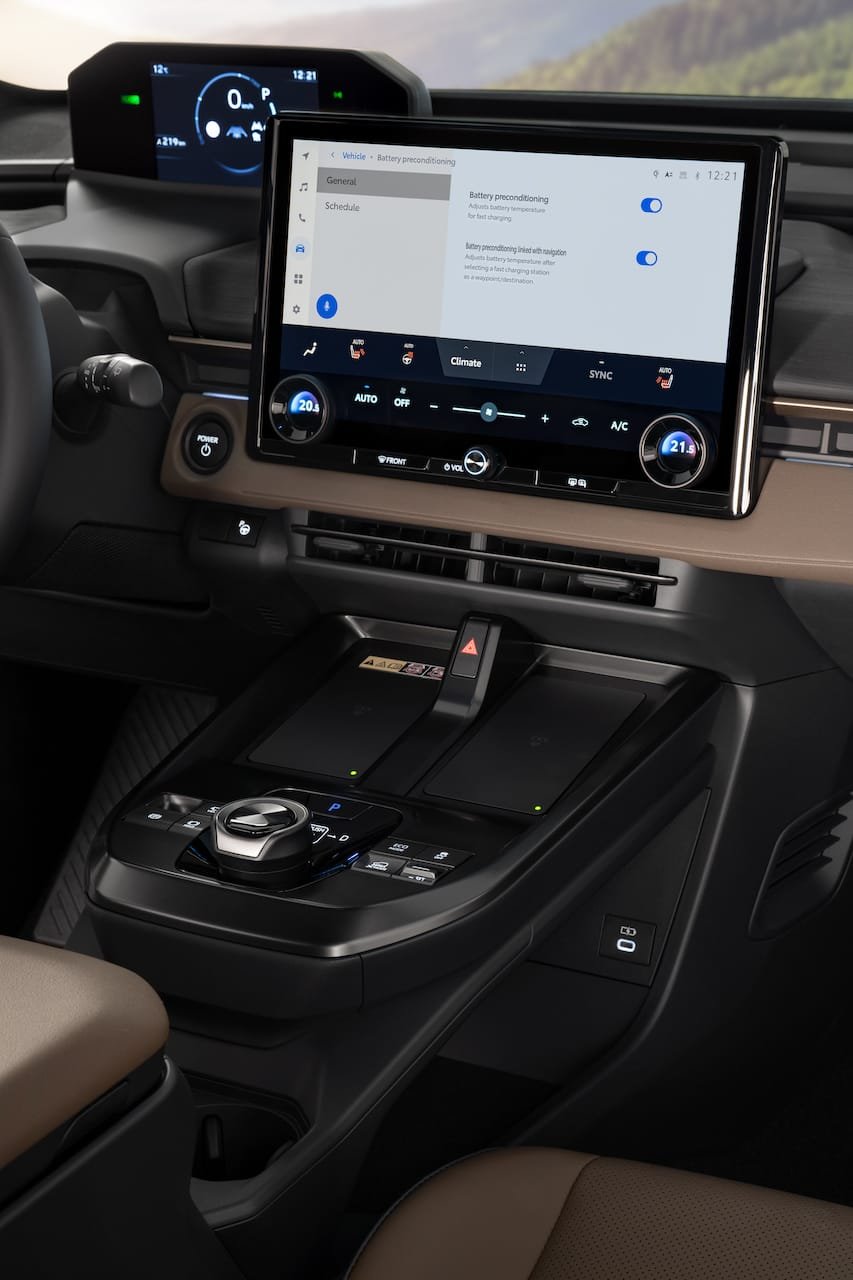
The central 14.3-inch Toyota Smart Connect+ touchscreen dominates the dashboard, while the centre console forms a separate ‘digital island’ containing the rotary gear selector and twin wireless smartphone chargers. It’s a clean and modern environment.
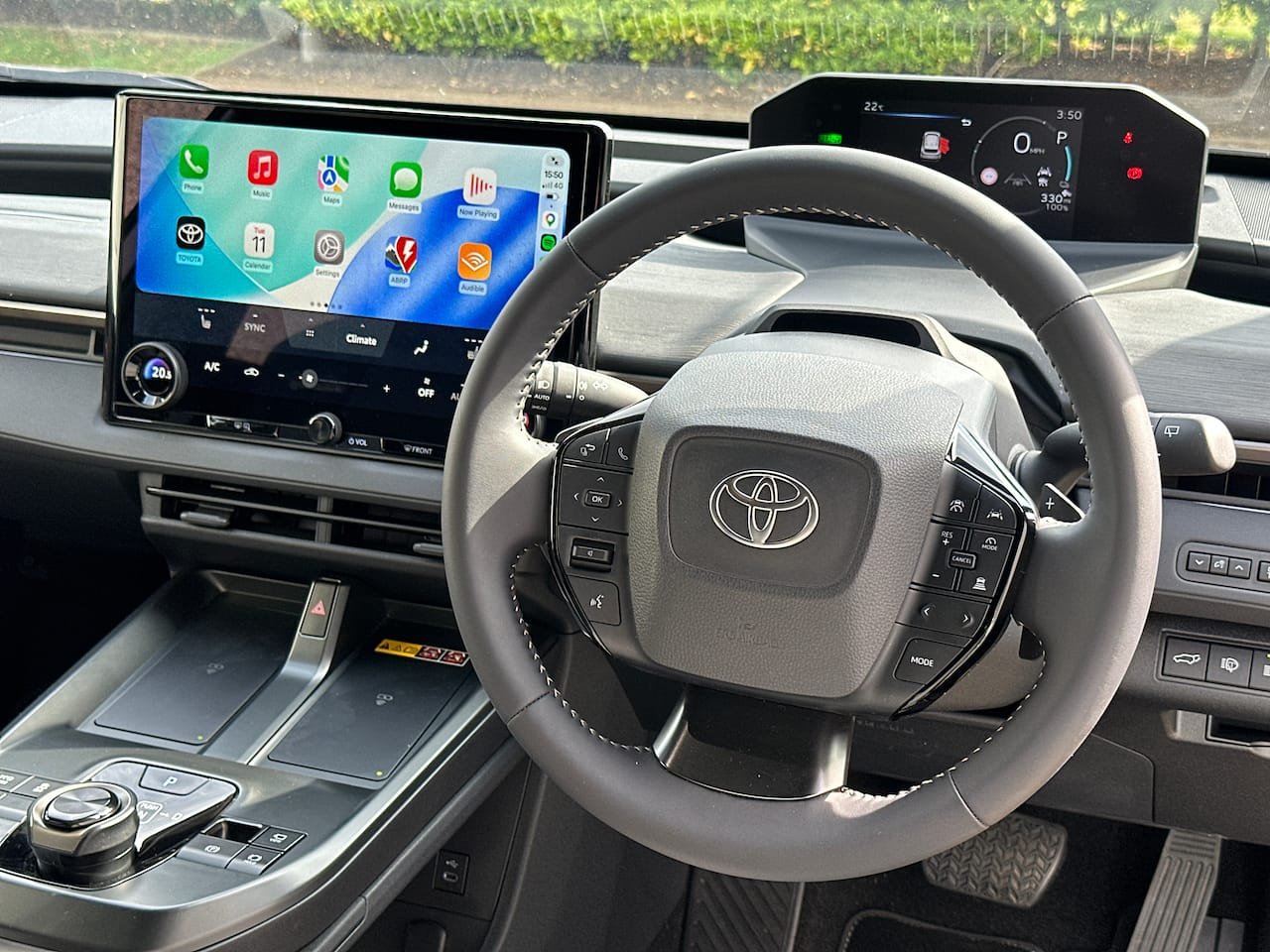
Toyota has also done a good job of making the cabin feel spacious. The low, horizontal dashboard helps create that impression, while the elevated driving position gives you an excellent view over the road ahead.
It’s a very different experience from the C-HR+. Where that car has the feel of a sporty crossover, the bZ4X Touring feels like you’re sitting in a proper SUV.
However, there are some less impressive areas.
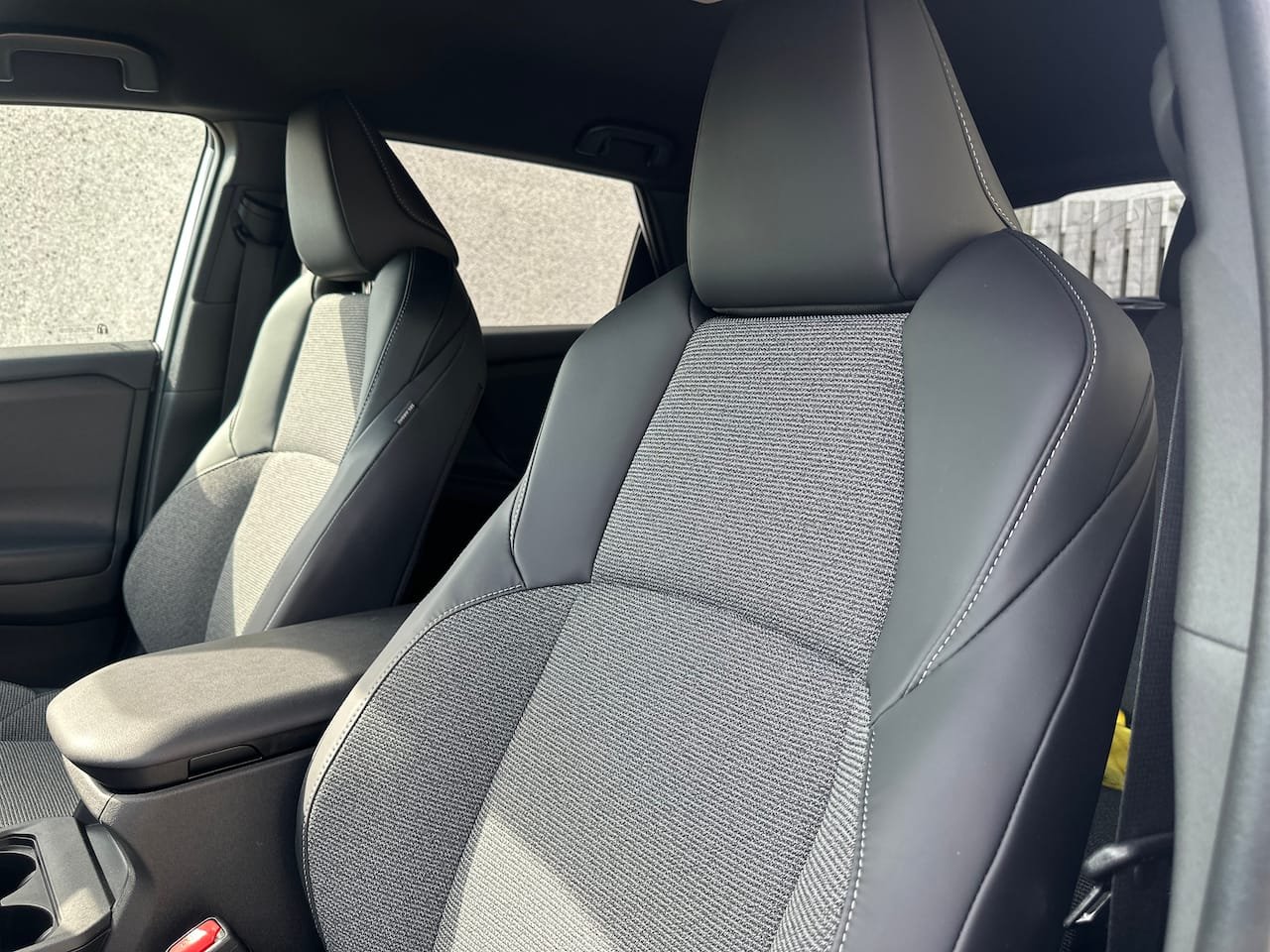
As with the C-HR+, some of the interior materials aren’t going to convince anyone that they’re sitting in a £45,000-plus premium vehicle. There are plenty of harder plastics around the cabin, and some of the surfaces lack the tactile richness you might find in a Volvo, BMW or Mercedes.
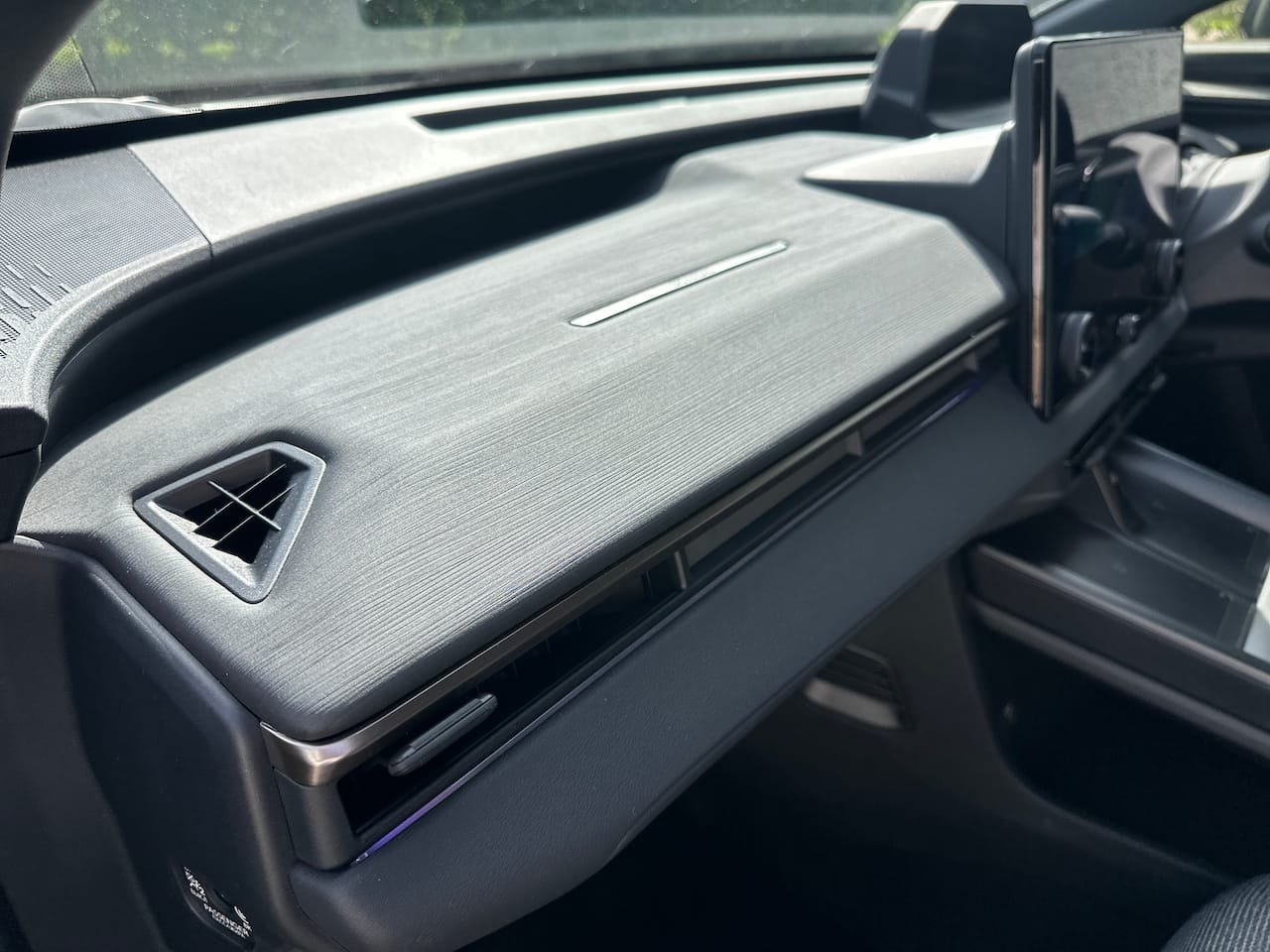
But the design itself works extremely well. The important touch points are where they should be, the technology is easy to use and there’s a reassuring sense that Toyota has prioritised longevity over showroom theatre.
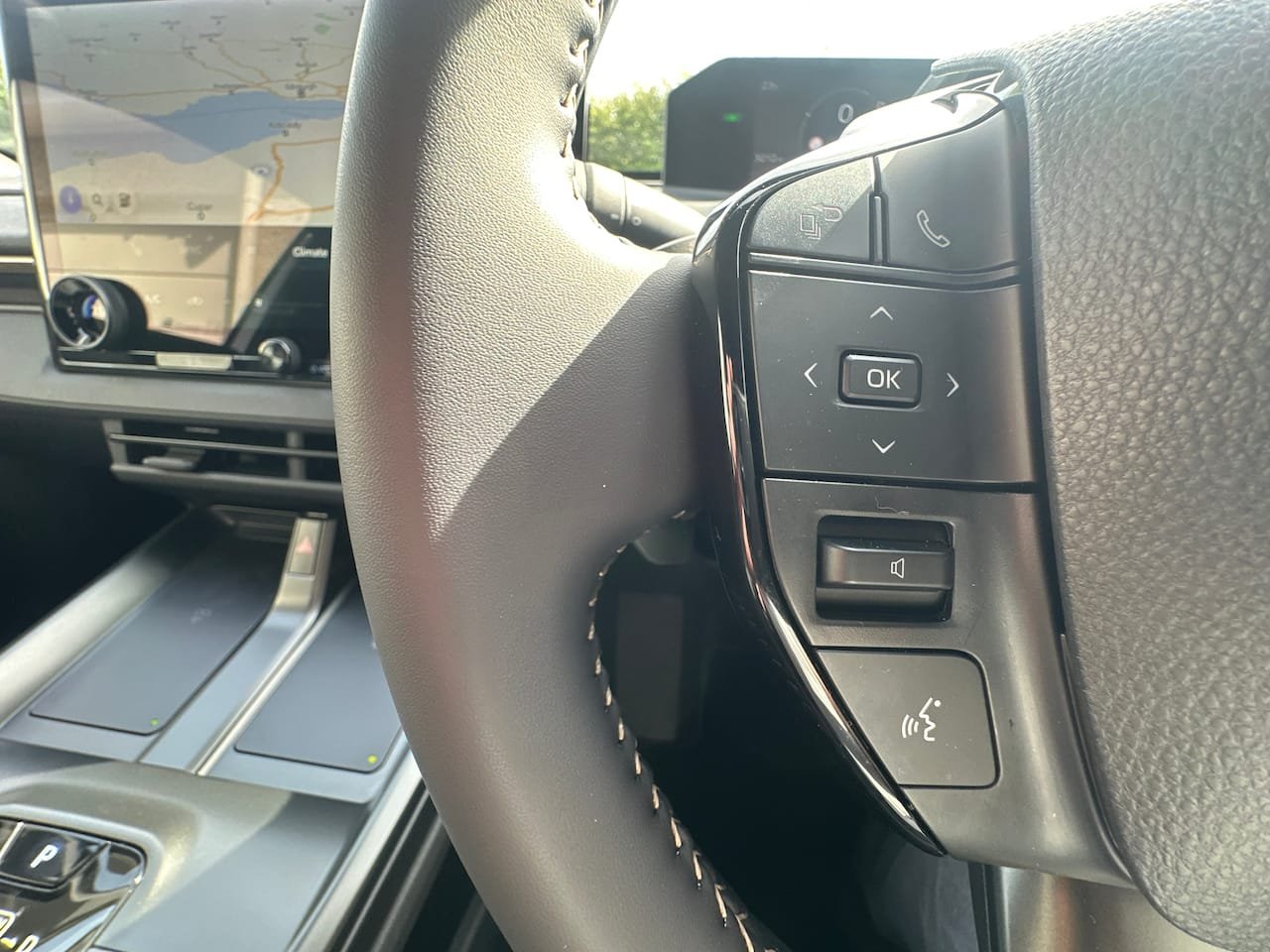
The Design model also comes with heated front seats, a powered tailgate, wireless smartphone charging and roof rails as standard, while the Panoramic View Monitor makes manoeuvring this sizeable SUV considerably easier.
And then there’s that driving position. Just like the C-HR+, the instruments sit above the steering wheel, which is still a slightly unusual arrangement.
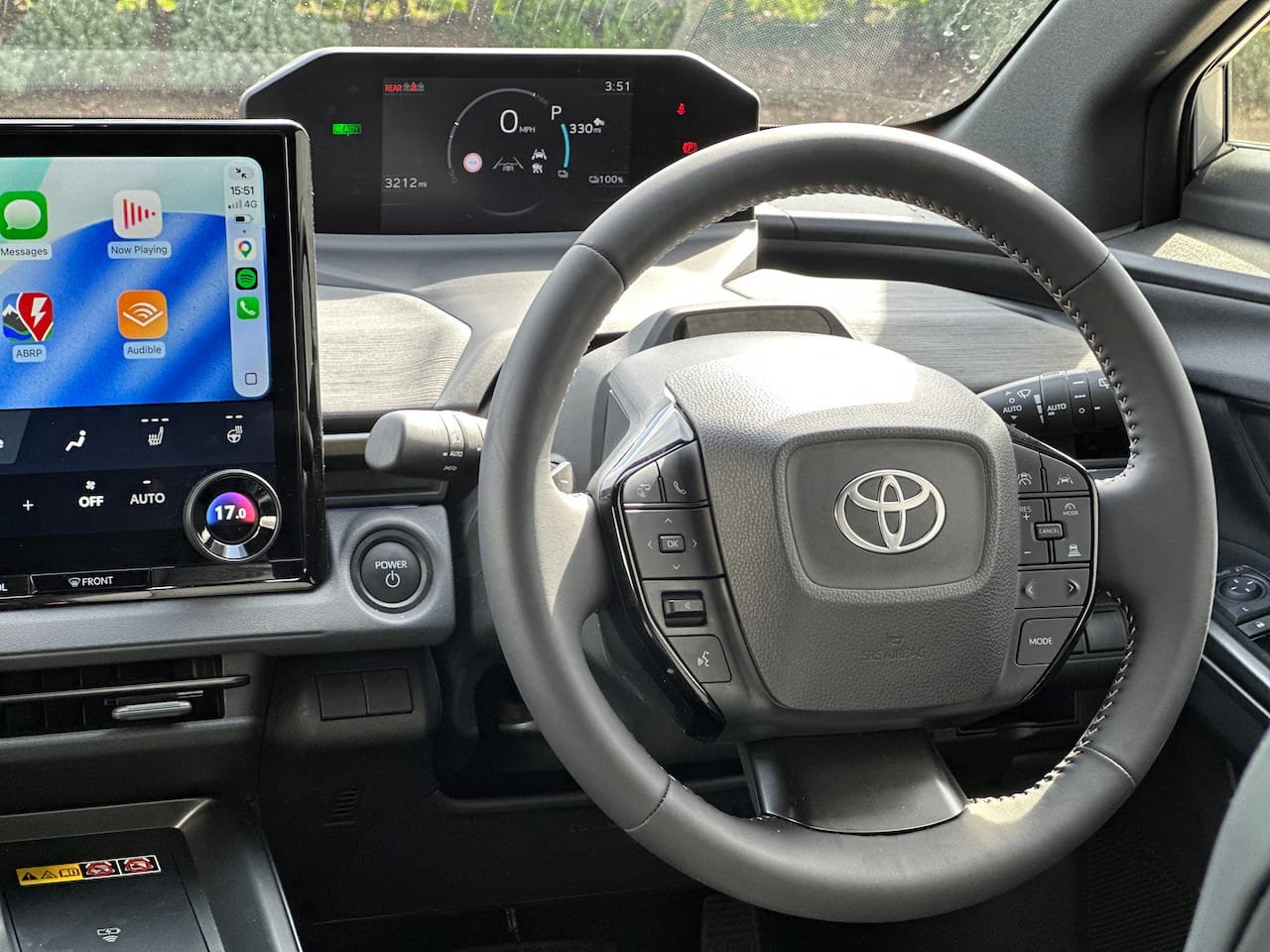
I find myself rather liking it. I never had a problem with Peugeot’s i-Cockpit either; although I know plenty of people who hate it with a passion.
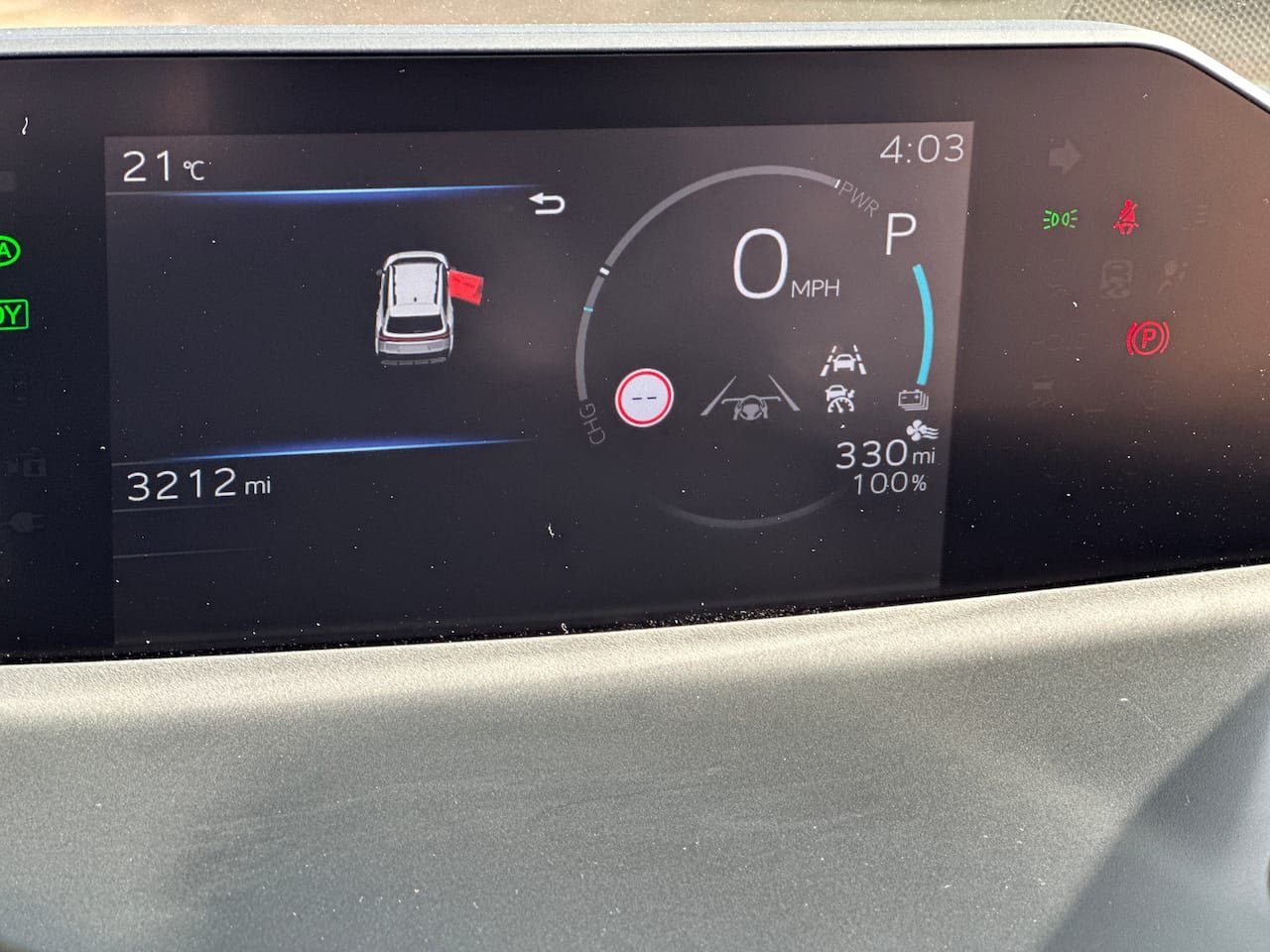
Set the steering wheel relatively low and the instruments remain clearly visible, while the result gives the driver a slightly different perspective of the road ahead.
Rear Passenger Space and Practicality
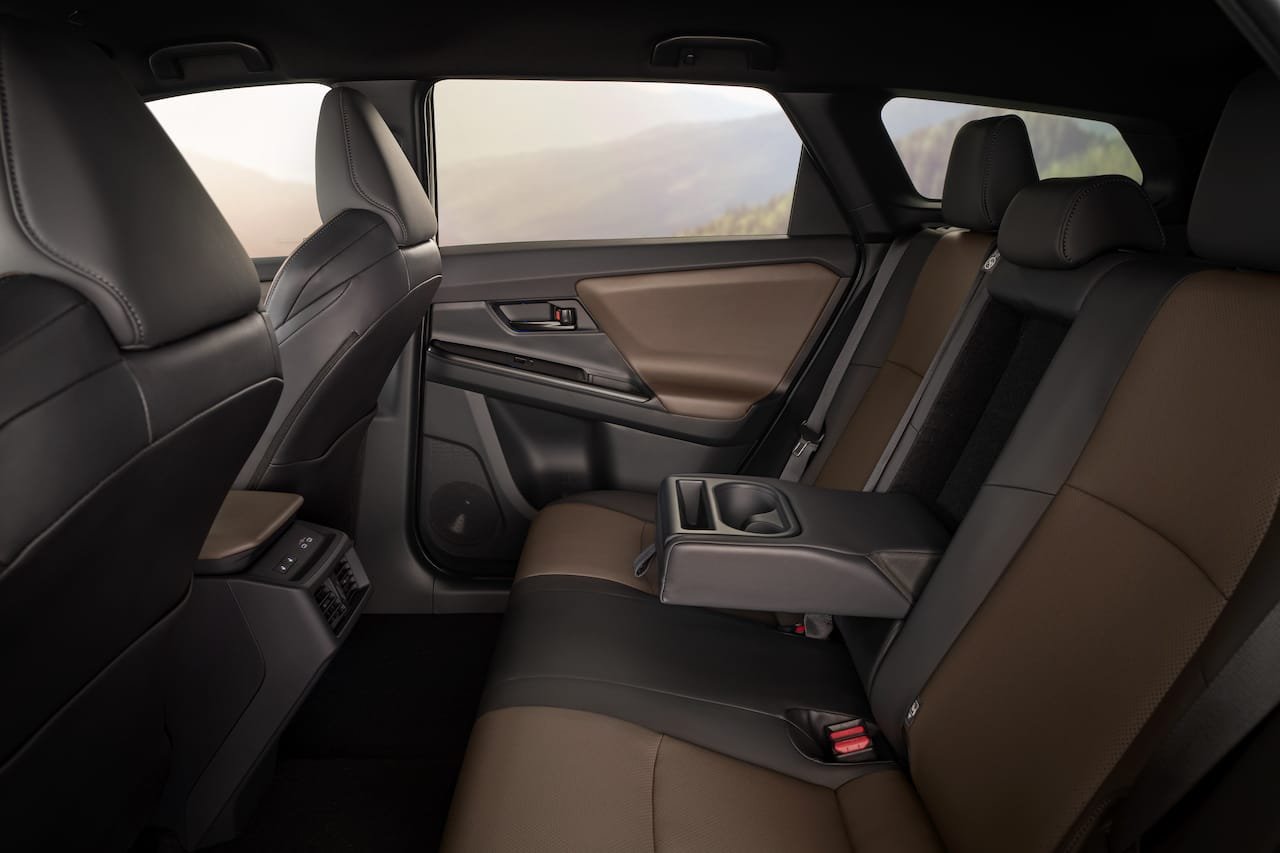
The standard bZ4X is already quite a spacious SUV but the Touring simply takes that idea and gives you considerably more hauling ability, while providing plenty of legroom in the rear, good headroom and enough width for a family to settle in comfortably for longer journeys.
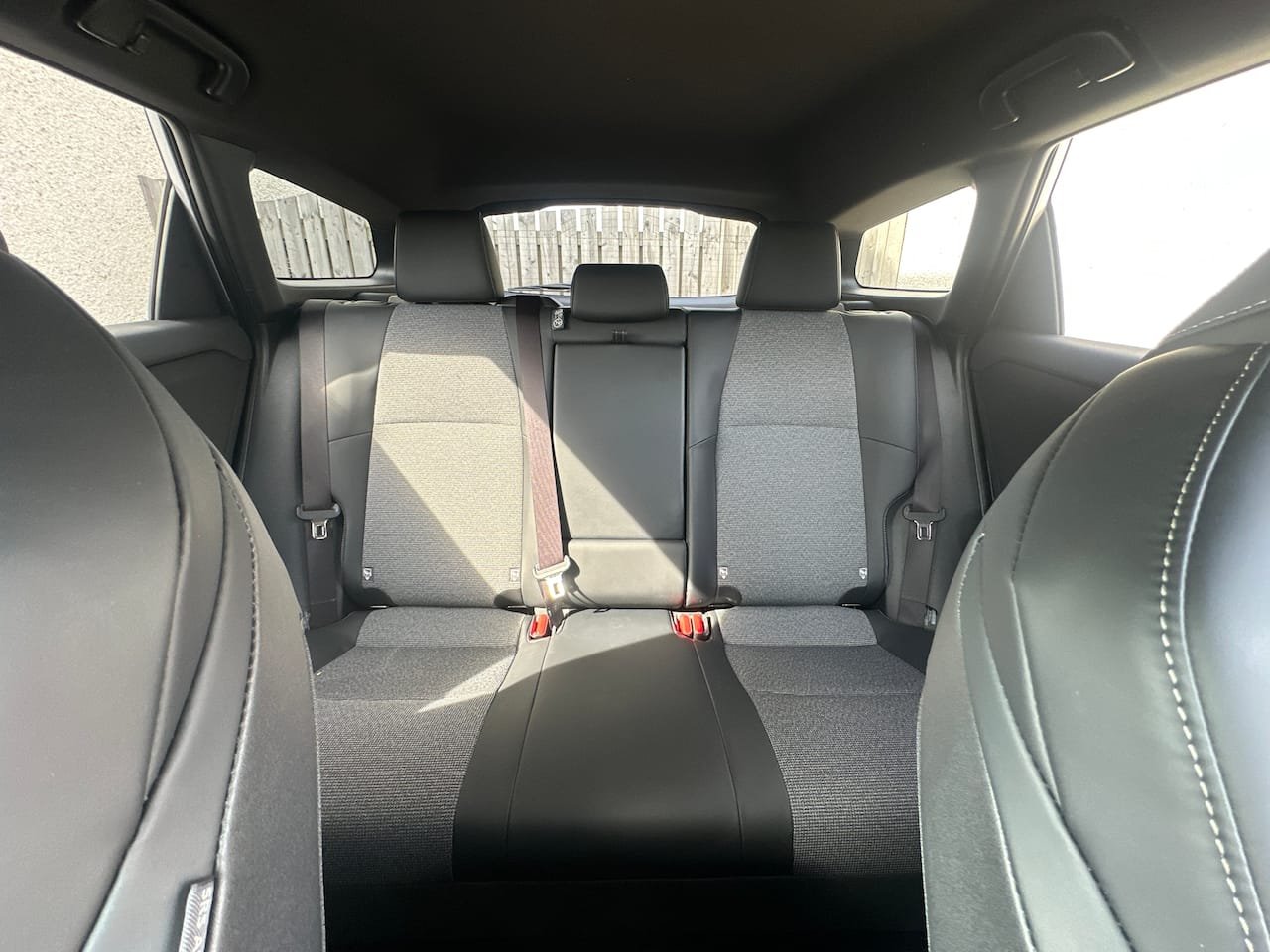
Toyota has used the additional dimensions to create a genuine family car rather than simply stretching the original bZ4X and giving it a bigger boot.
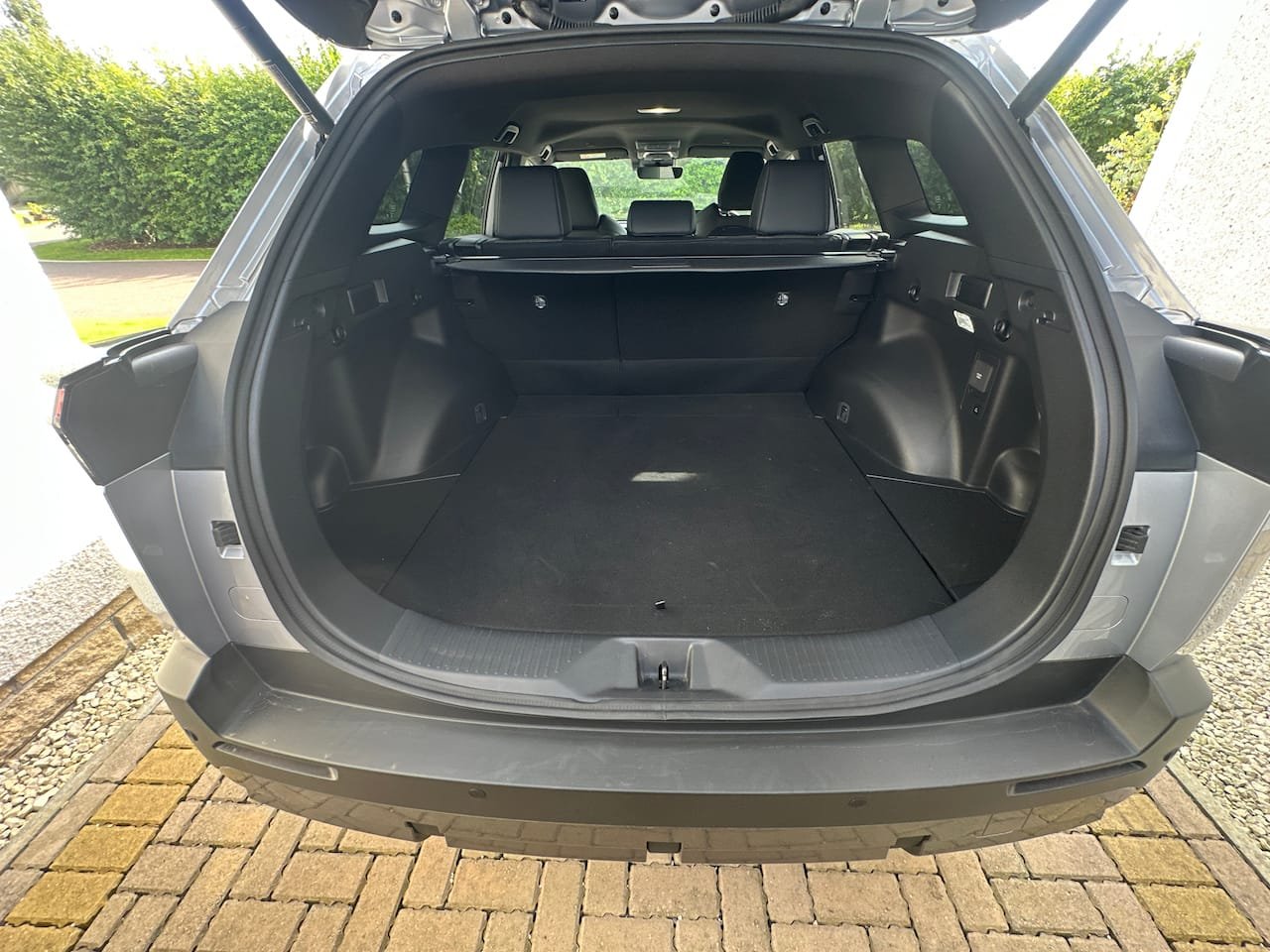
And that boot is the star of the show. With 669 litres available behind the rear seats, there’s enough room for a serious amount of luggage, camping equipment, sports gear or the aforementioned dog. Fold the 60:40 split rear seats and capacity increases to 1,718 litres.
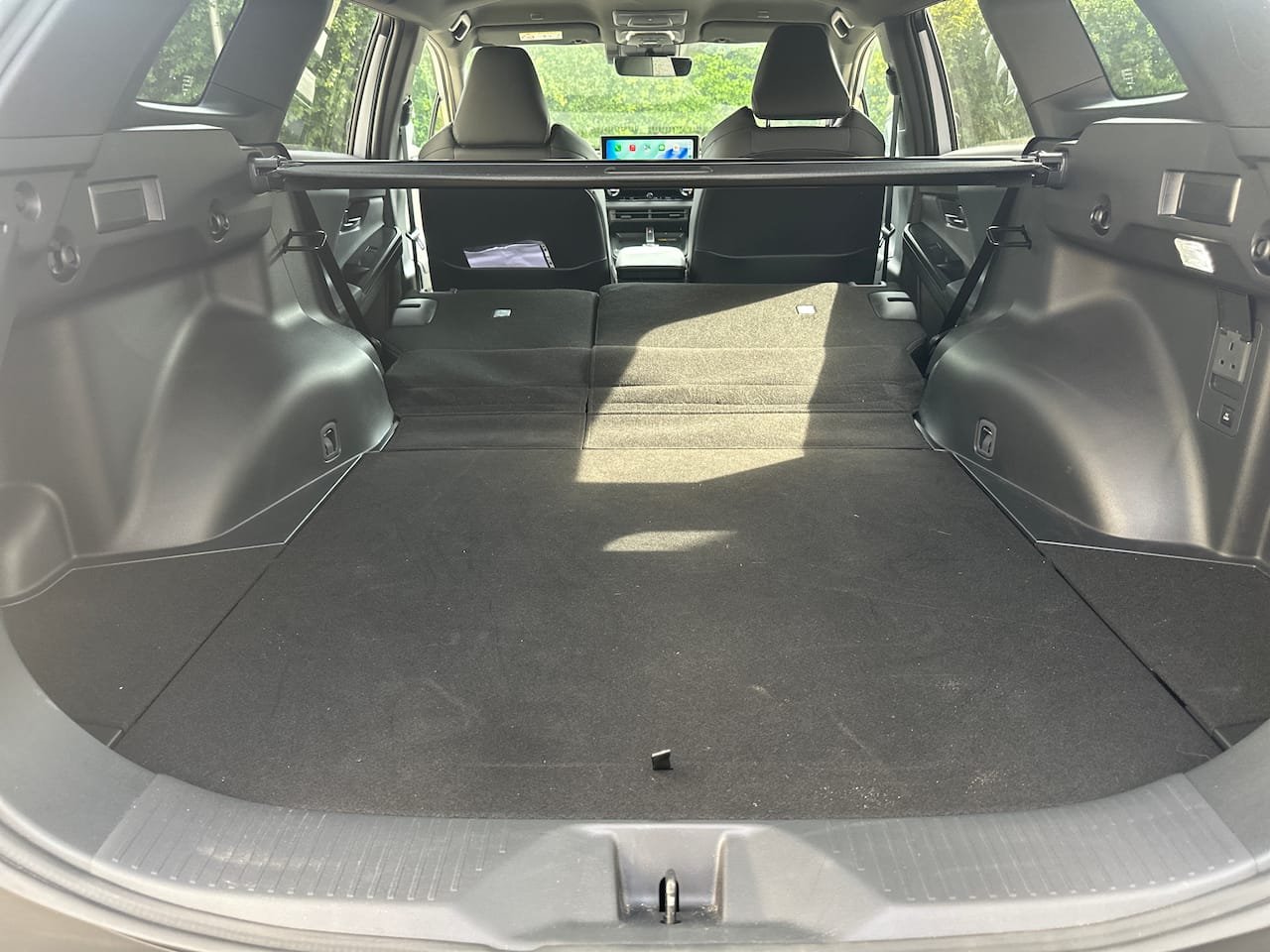
It isn’t quite Skoda Superb Estate territory but it’s getting into the sort of territory where you stop worrying about whether everything will fit.
The load area itself is sensibly shaped, with a wide opening and useful hooks and tie-down points. The powered tailgate is standard on Design, while the retractable tonneau cover can be stored beneath the boot floor when you don’t need it.
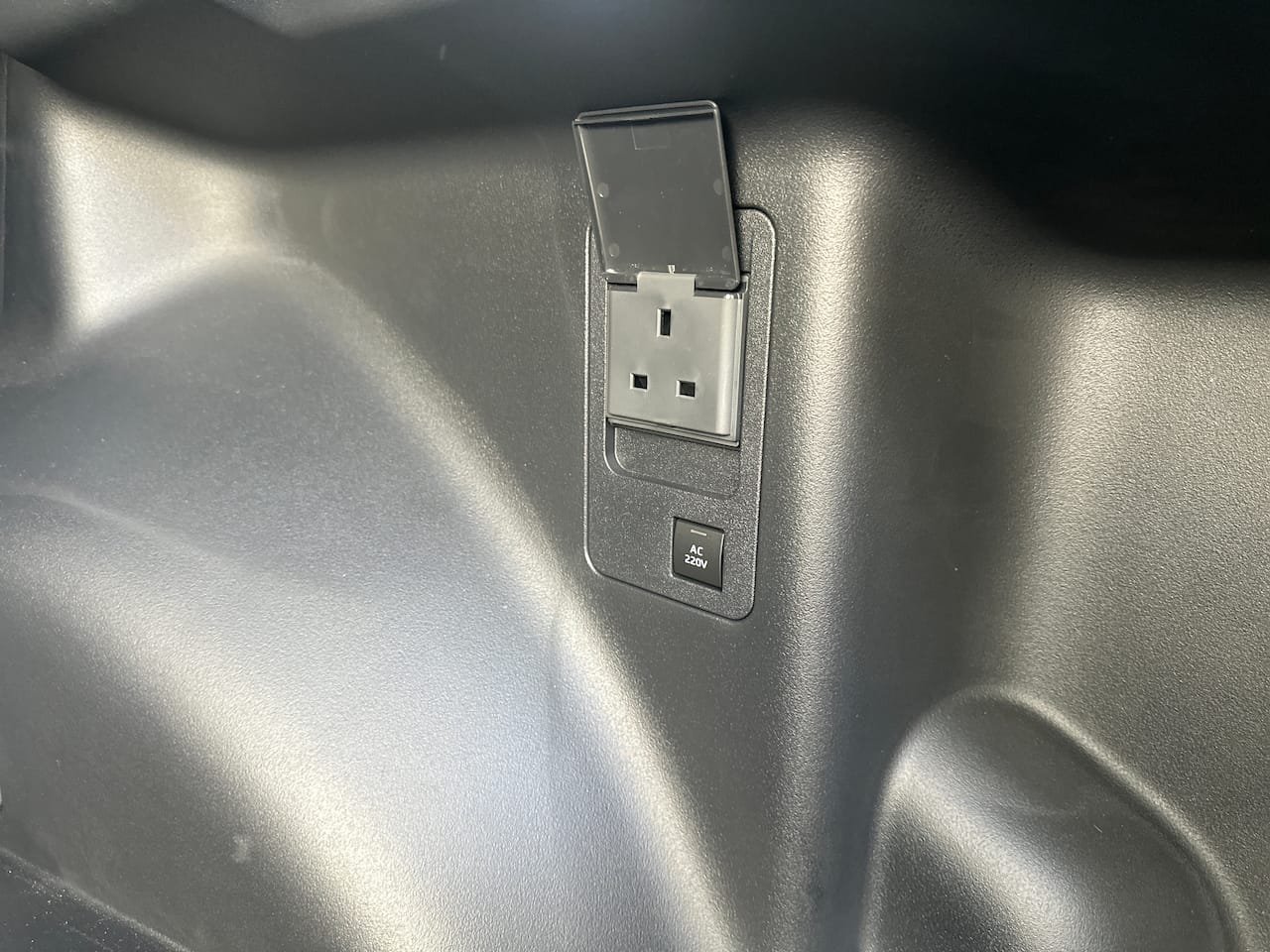
The roof rails can carry up to 80kg while travelling, opening up another useful dimension for families who need more carrying capacity.
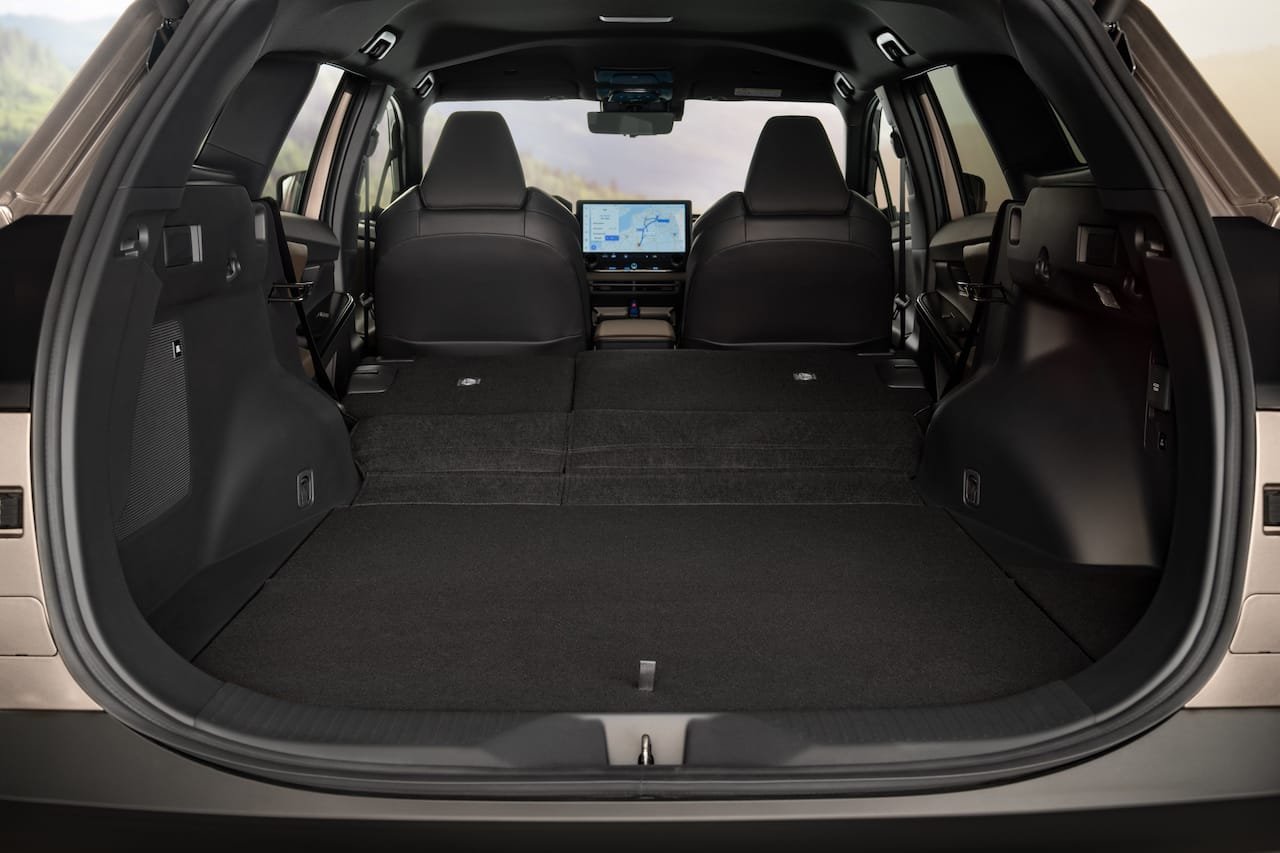
For the sort of buyer who regularly heads off camping, takes outdoor equipment away for the weekend or simply has a large dog that considers the boot its personal kingdom, the Touring makes considerably more sense than both the C-HR+ and the regular bZ4X.
Technology and Safety
The centrepiece is the 14.3-inch Toyota Smart Connect+ multimedia display, which dominates the otherwise clean dashboard. Wireless smartphone charging is standard, while Apple CarPlay and Android Auto provide the familiar smartphone integration most owners will use on a daily basis.
The Design model also gets a Panoramic View Monitor, which is particularly welcome in a vehicle of this size. It takes some of the anxiety out of parking and manoeuvring in tight spaces, something that will be appreciated when you’re carrying a family, a boot full of camping equipment or simply trying to squeeze into a supermarket parking space.
Toyota Safety Sense is comprehensive, too. The system incorporates features including Pre-Collision System, Lane Trace Assist, Full-Range Adaptive Cruise Control, Blind Spot Monitoring, Rear Cross Traffic Alert and Safe Exit Assist. Lane Change Assist and Front Cross Traffic Alert are among the additional systems available on the higher Excel specification.

There are also over-the-air updates, meaning Toyota can introduce improvements without requiring a visit to the dealer.
Driving Impressions
The Design model I drove uses the same 221bhp front-mounted electric motor as the C-HR+, producing 268.6Nm of torque. It will accelerate from 0-62mph in 7.3 seconds, which is more than enough to make this substantial SUV feel properly brisk when you need it.

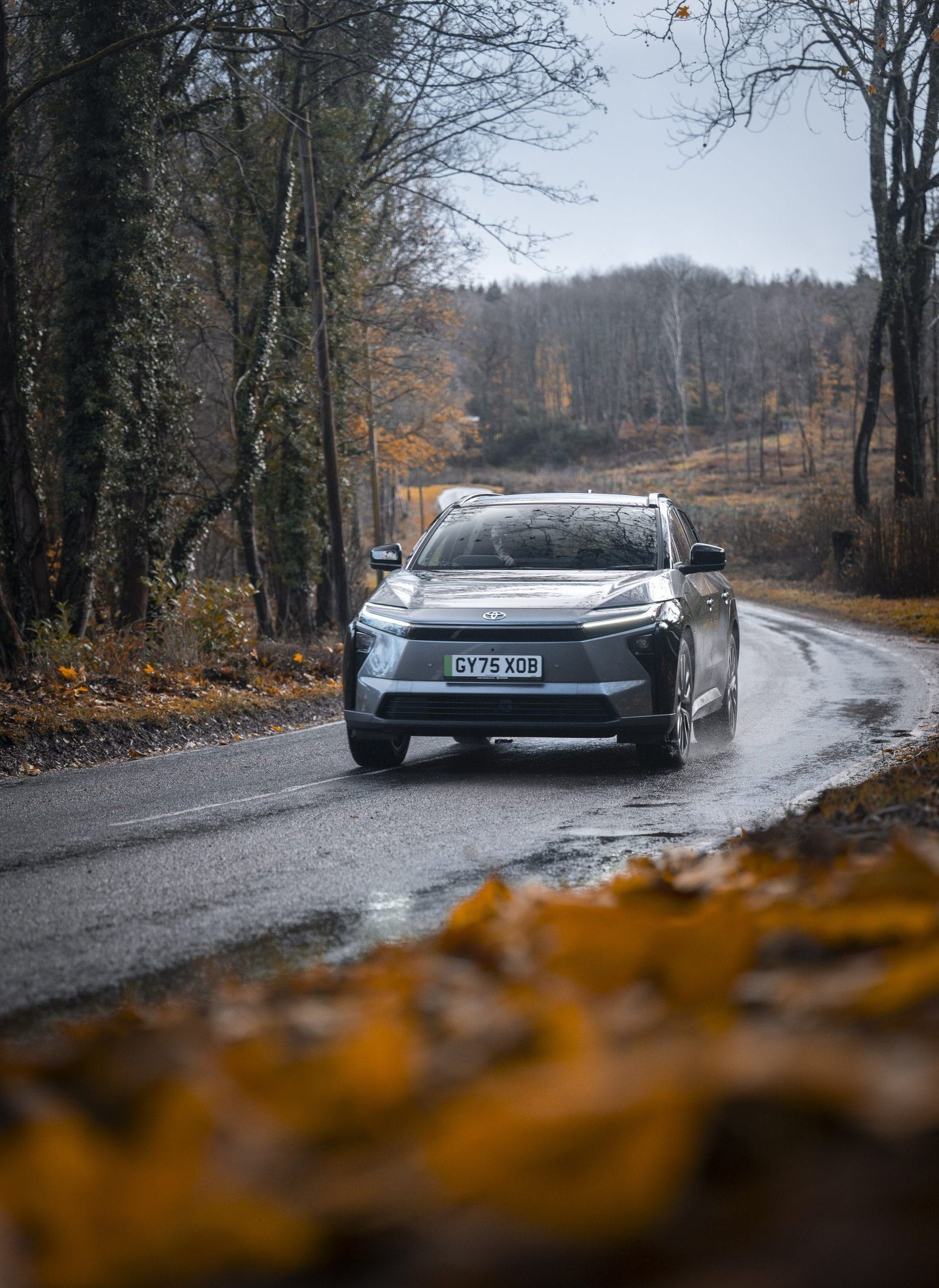
It doesn’t have the almost hot-hatch character of the C-HR+. You notice the additional size almost immediately.
The bZ4X Touring feels more substantial beneath you, with the suspension and steering tuned to suit a vehicle designed primarily around comfort, space and long-distance usability. But there’s still a pleasing amount of composure.
Toyota’s eTNGA platform provides a low centre of gravity and a rigid structure, while the Touring receives additional measures to maintain rigidity despite its extended body.
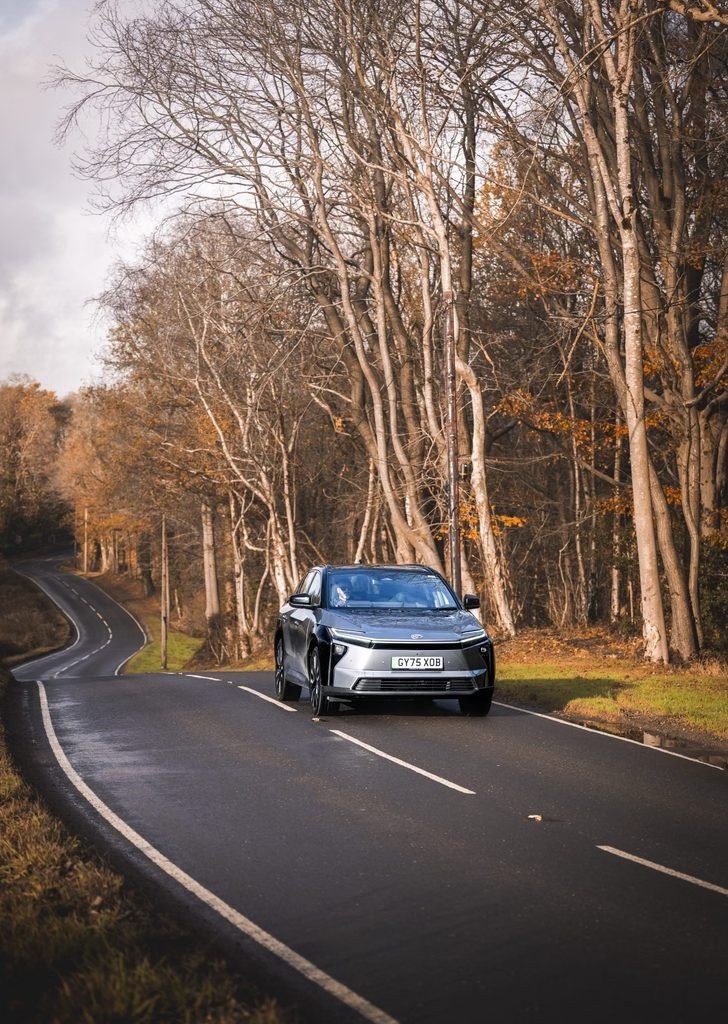
On the road, the result is a car that handles well without trying too hard to be sporty.
The steering is accurate enough to give you confidence through bends, while the body remains controlled when you ask it to change direction. There’s considerably less of that feeling of a large SUV leaning into a corner than you might expect.
It’s not a driver’s car in the traditional sense. The bZ4X Touring is about covering distance comfortably and confidently, rather than encouraging you to hunt down the next set of bends.
There’s also a pleasing quietness to the Touring. Electric motors are naturally quiet, of course, but Toyota has worked on reducing vibration and maintaining a high level of body rigidity, and the overall effect is a relaxed driving environment.
At motorway speeds, it feels particularly well suited to the job. The long wheelbase, comfortable suspension and elevated driving position make long-distance journeys easy, while the generous luggage capacity means you’re not having to play Tetris with the family luggage before setting off.

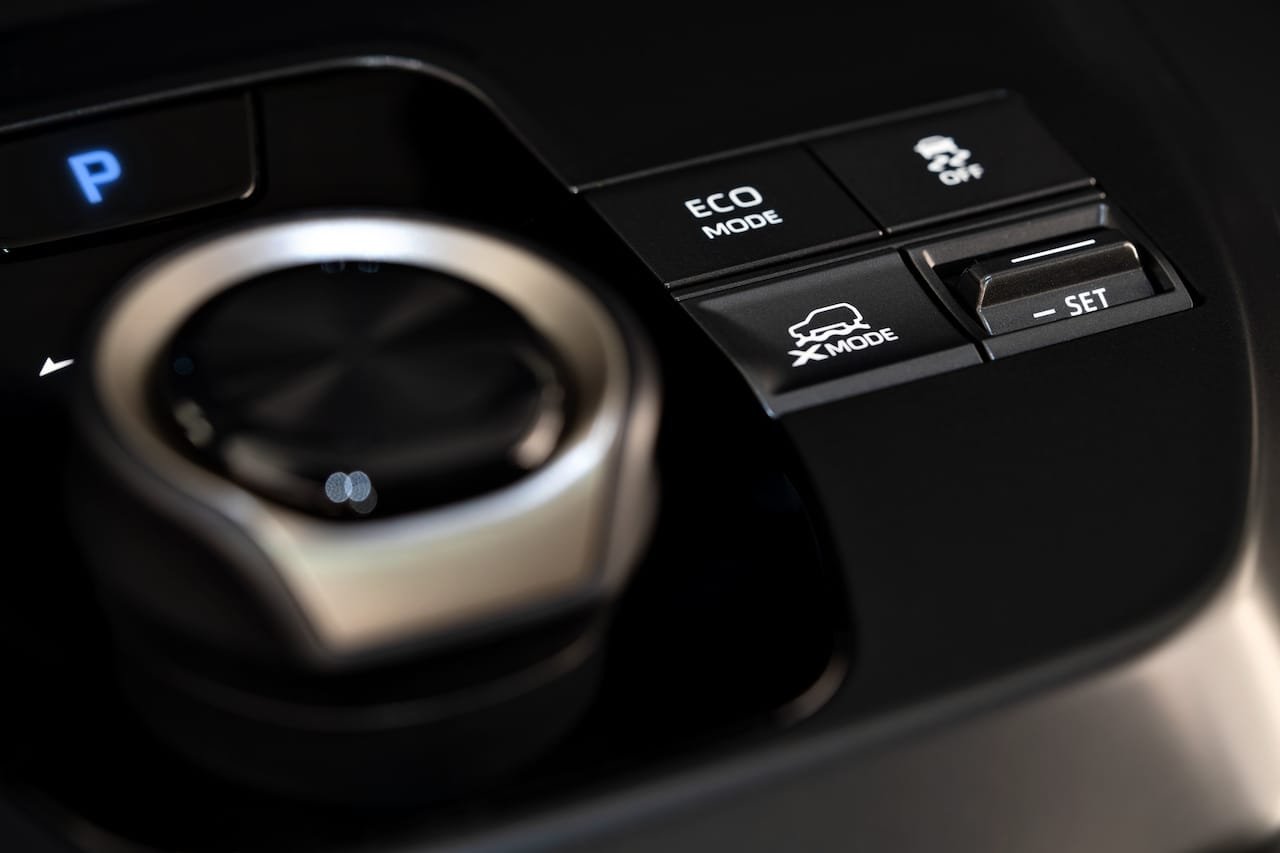
The FWD model I drove doesn’t have the sophisticated X-MODE and dual-motor capability of the AWD version, but Toyota hasn’t ignored the more adventurous side of the Touring.
The front-wheel-drive model gets a dedicated Snow mode, while the Design’s 212mm of ground clearance is respectable for a family SUV.
Range and Charging
For the FWD Design, Toyota quotes an impressive WLTP range of up to 366 miles, along with official energy consumption of 4.44 miles per kWh. That’s a useful combination and my real-world experience with the car suggests those figures are more or less on the money.
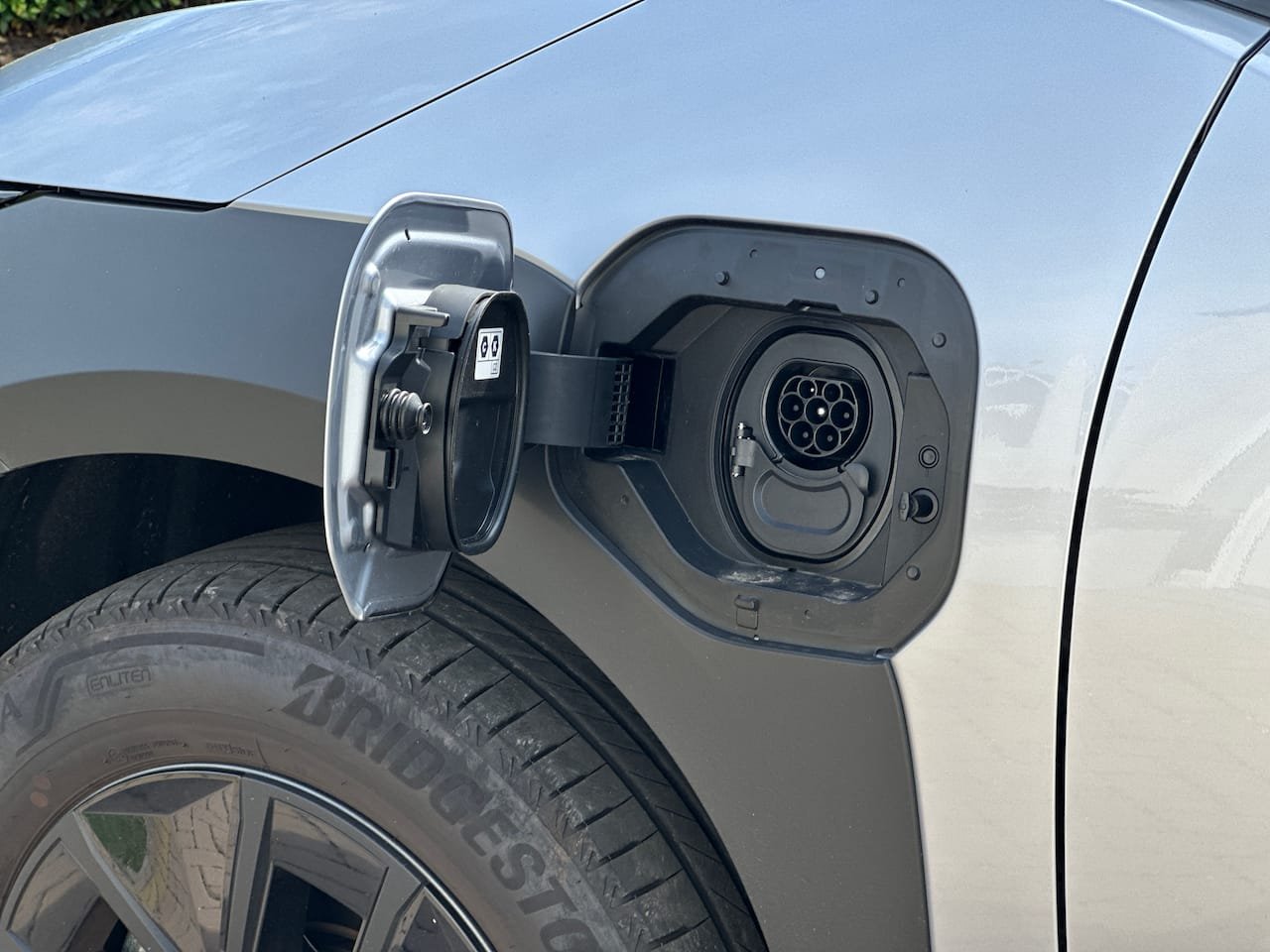
Charging is equally competitive.
The Design has an 11kW onboard AC charger, with a full 10-100 per cent recharge taking around seven hours. On a suitable 150kW DC rapid charger, Toyota quotes approximately 28 minutes for 10-80 per cent. Battery pre-conditioning helps maintain charging performance, particularly in colder weather.

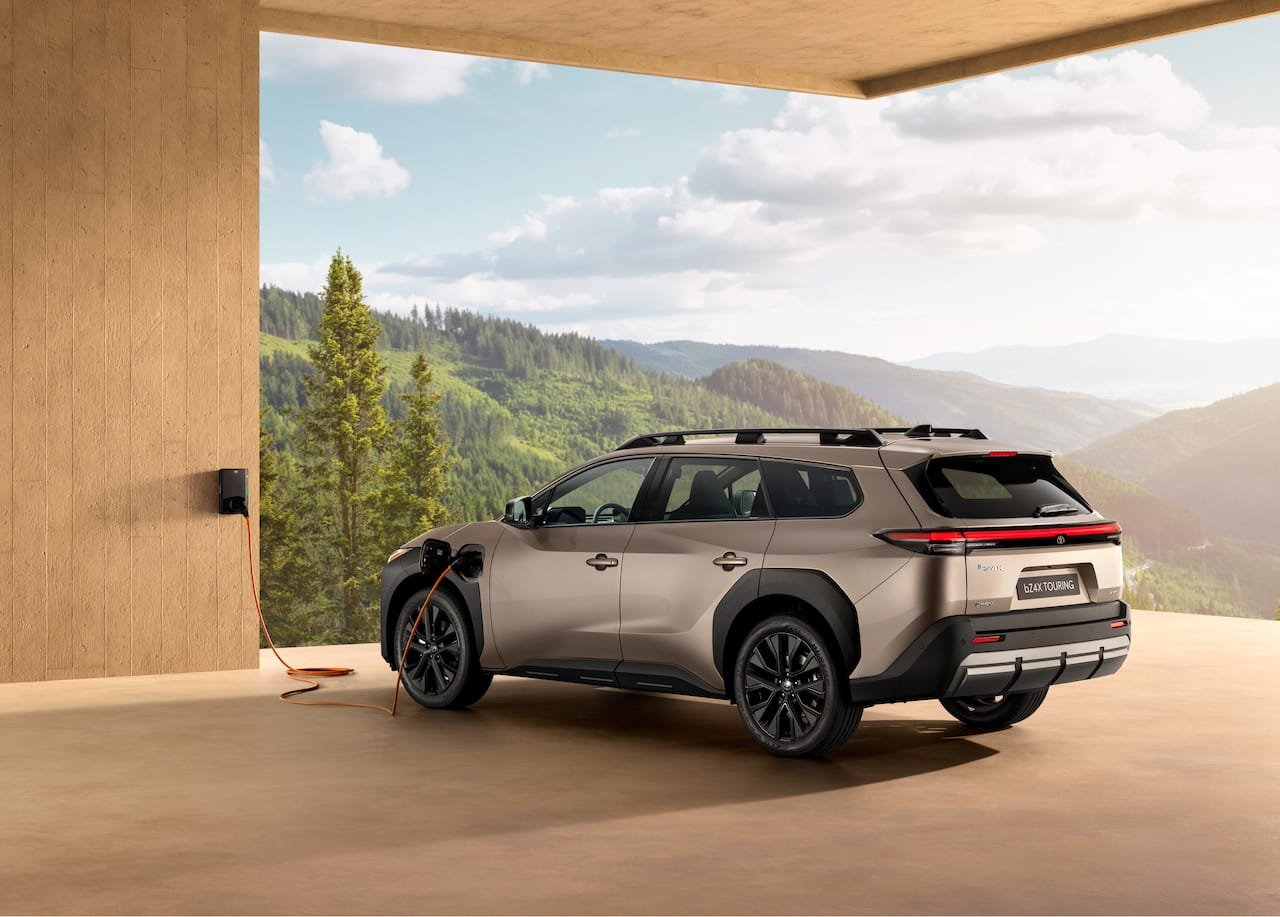
Toyota has also built EV routing into the navigation system, allowing the car to recommend charging stops according to the remaining battery capacity and anticipated energy consumption. It’s the sort of technology that becomes increasingly useful the further you travel.
Rivals
The Toyota bZ4X Touring’s size and practicality put it up against cars such as the Skoda Enyaq, Volkswagen ID.4, Kia EV5 and Hyundai Ioniq 5, while estate-style alternatives such as the MG5 and larger electric estates offer a different interpretation of family practicality, being outright, high-standing SUVs.
Then there are the increasingly capable Chinese manufacturers, many of whom are offering enormous amounts of equipment for the money.
But the bZ4X Touring makes its case through familiarity, practicality and engineering. It’s a Toyota and for many buyers, that will still carry considerable weight.
There’s also the sheer usefulness of the package. A 669-litre boot, substantial roof rails, 366-mile official range and the option of AWD make the Touring a remarkably versatile proposition.
Verdict
The regular bZ4X is already a convincing electric SUV, but the bZ4X Touring makes a much stronger case for itself as a family car.
The difference isn’t simply that it’s bigger. It’s that Toyota has taken what worked in the bZ4X and addressed one of its most obvious limitations: practicality.
The Touring’s 669-litre boot is a substantial improvement over the regular bZ4X, and with up to 1,718 litres available with the rear seats folded, it moves into a different league for families who regularly carry bulky equipment.
That’s where the Touring really earns its name. The regular bZ4X is perfectly adequate for everyday family duties, but the Touring feels ready for more ambitious trips. Add the substantial roof rails and the Touring becomes an even more versatile proposition.
And yet Toyota hasn’t fundamentally changed the things that make the bZ4X a pleasant car to drive.
The Design FWD Touring produces the same 221bhp and 268.6Nm as the equivalent bZ4X, and its 7.3-second 0–62mph time gives it more than enough performance for everyday driving.
The regular bZ4X remains the more compact and easier proposition for buyers who don’t need the additional luggage capacity. But if you’re choosing between the two specifically as a family car, I’d have a hard time making the case for the standard car over the Touring.
It retains the strengths of the original while turning it into a much more useful family vehicle. It’s not as pretty as the C-HR+, and it doesn’t have that car’s cheeky hot-hatch character, but for families who want an EV capable of handling everyday life, holidays and the occasional outdoor adventure, the Touring is the obvious choice.


At a Glance
Model: Toyota bZ4X Touring Design FWD
Price: £44,495 OTR after £1,500 Electrified Saving
Power: 221bhp
Battery: 74.7kWh gross / 71kWh net
Drive: Front-wheel drive
0-62mph: 7.3 seconds
Top Speed: 99mph
WLTP Range: Up to 366 miles
Charging: 11kW AC (10-100% in around 7 hours) / Up to 150kW DC (10-80% in around 28 minutes)