SOME cars make an impression immediately and back in 2023 that’s exactly what the Polestar 3 and Polestar 4 did. Design-led, sumptuous interiors and futuristic exteriors always go down well. The driving experience didn’t disappoint either.
For 2026, Polestar has gone further with their 3 model. This isn’t a light update. With a new 800-volt electrical architecture, a significantly upgraded core computing system and improvements to performance and efficiency, it feels more like a meaningful evolution.

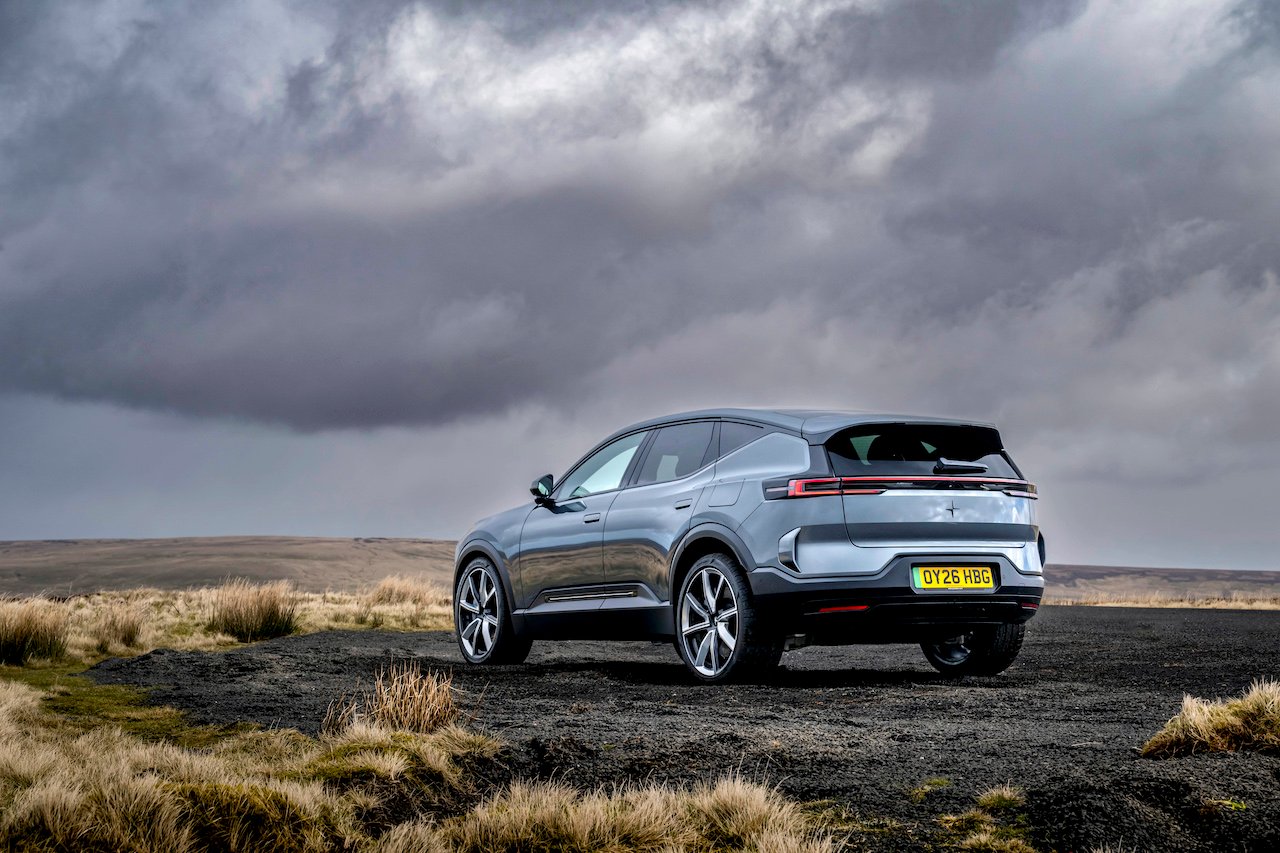
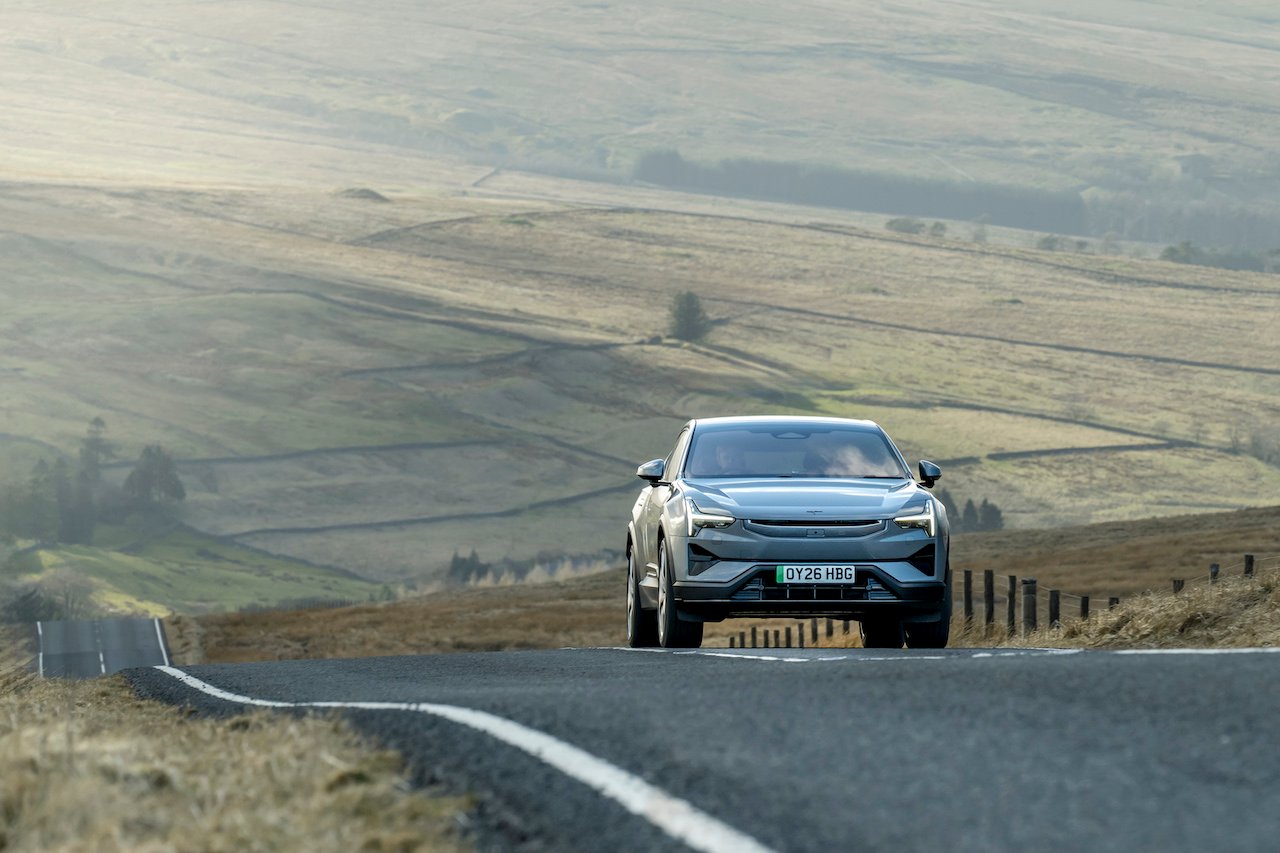
Experiencing it from Matfen Hall in Northumberland, followed by a 171-mile drive through open roads, national park scenery and even a stretch through Kielder forest, provided exactly the kind of varied environment needed to understand what this car is really about.

Overview
The Polestar 3 is the brands premium electric SUV, competing with cars like the BMW iX and Audi Q8 e-tron – though it approaches the segment from a more design-led, less conventional angle.
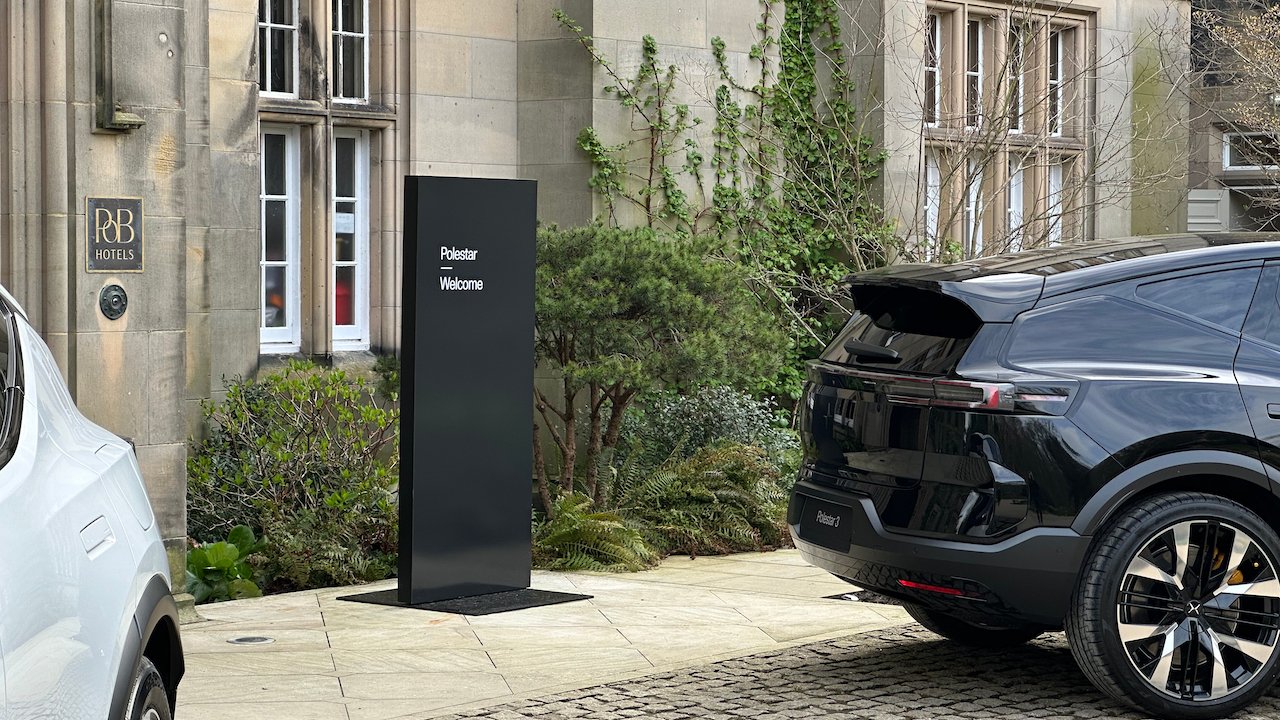
The car driven here was the single motor, rear-wheel drive version, finished in Storm with a Charcoal MicroTech interior. Despite being the entry point into the range, it was far from basic, equipped with the Prime, Pilot, Plus and Climate packs, along with the Bowers & Wilkins sound system, bringing the as-tested price to a not-so-entry-level price of £77,540.
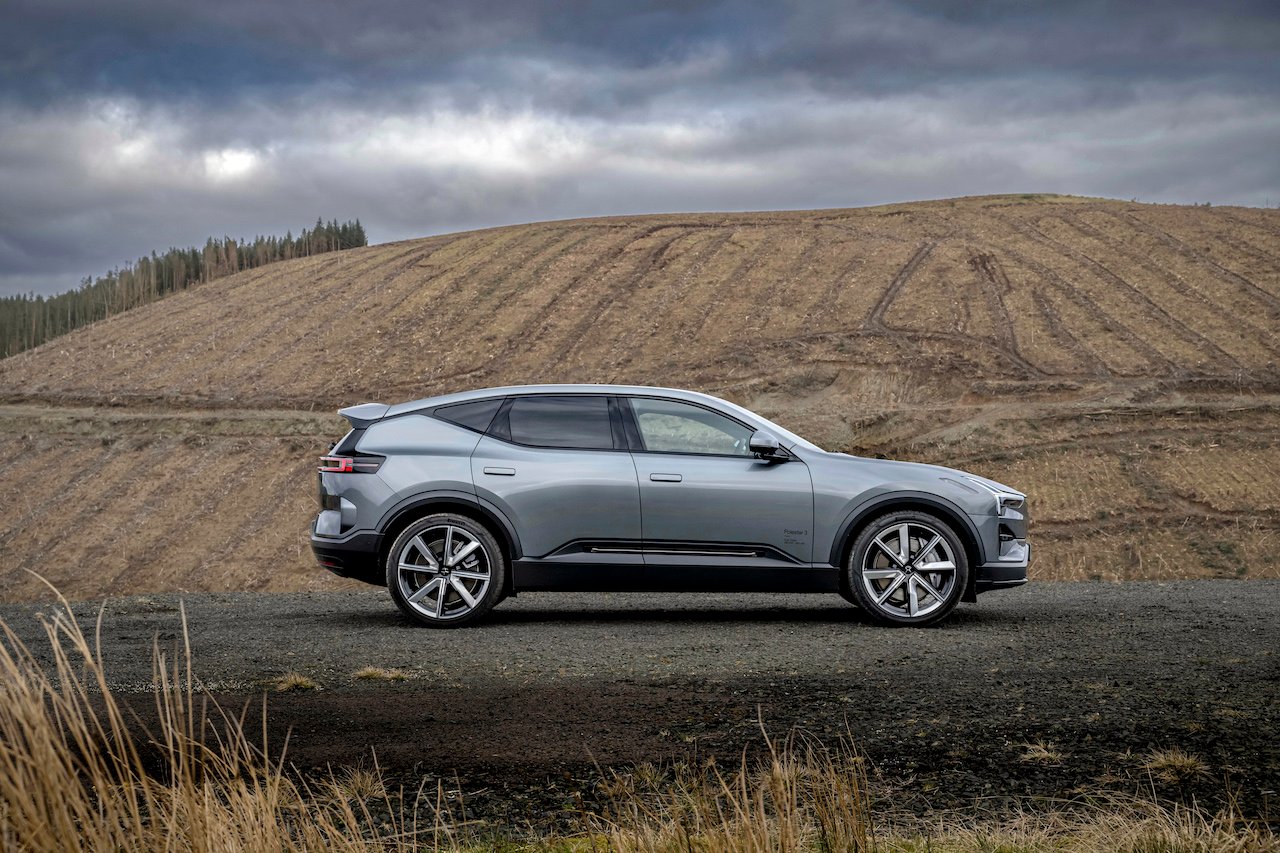
For 2026, two upgrades stand out.
The first is the move to an 800V architecture, enabling faster charging and improved efficiency. The second – and arguably more important in daily use – is a major upgrade to the car’s core computing system.
Together, they shift the Polestar 3 from being merely impressive to feeling genuinely current.
Michael Lohscheller, Polestar’s CEO, says: “The upgrades to Polestar 3 are so extensive, it’s like an entirely new car. With this upgrade we continue to deliver on our commitment to add value for our customers through over-the-air software and hardware updates. The already amazing Polestar 3 is now better than ever.”
Design
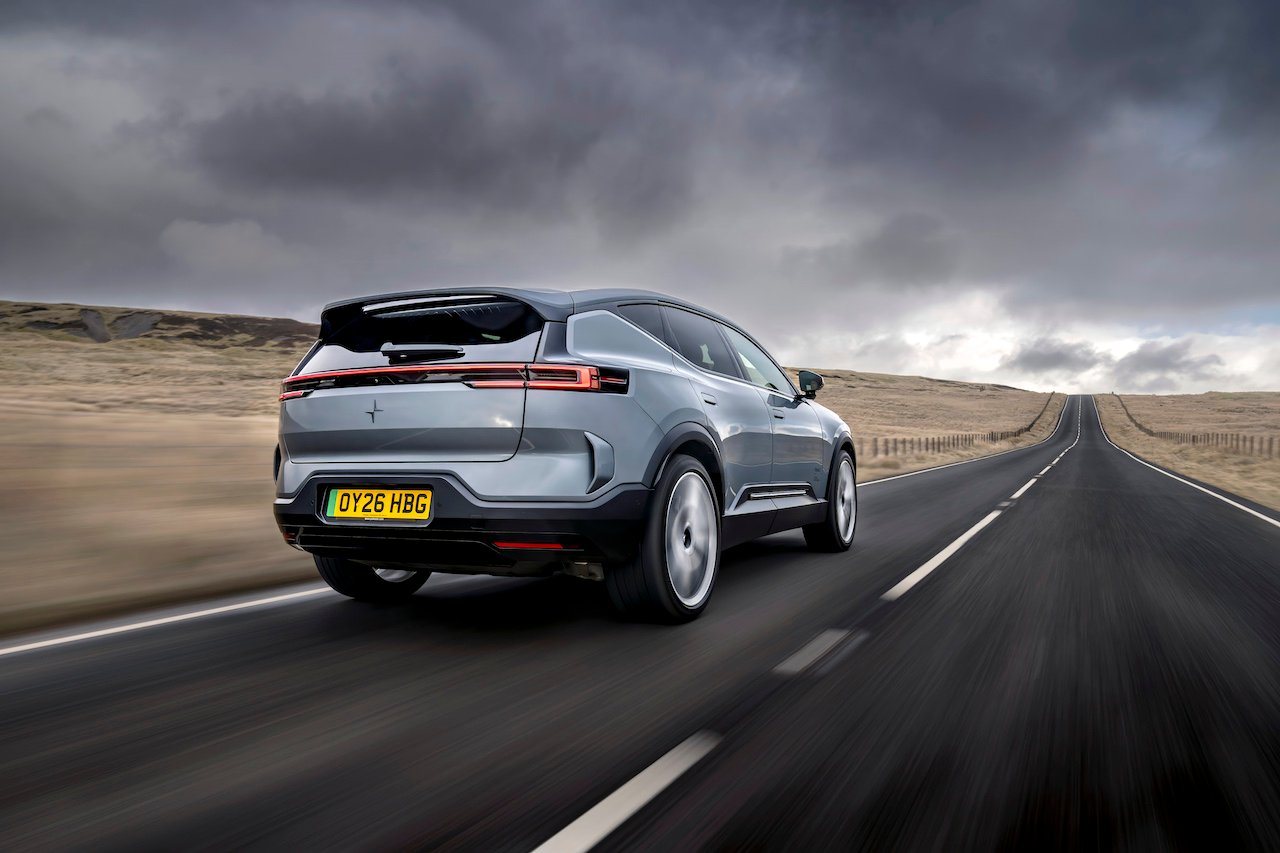
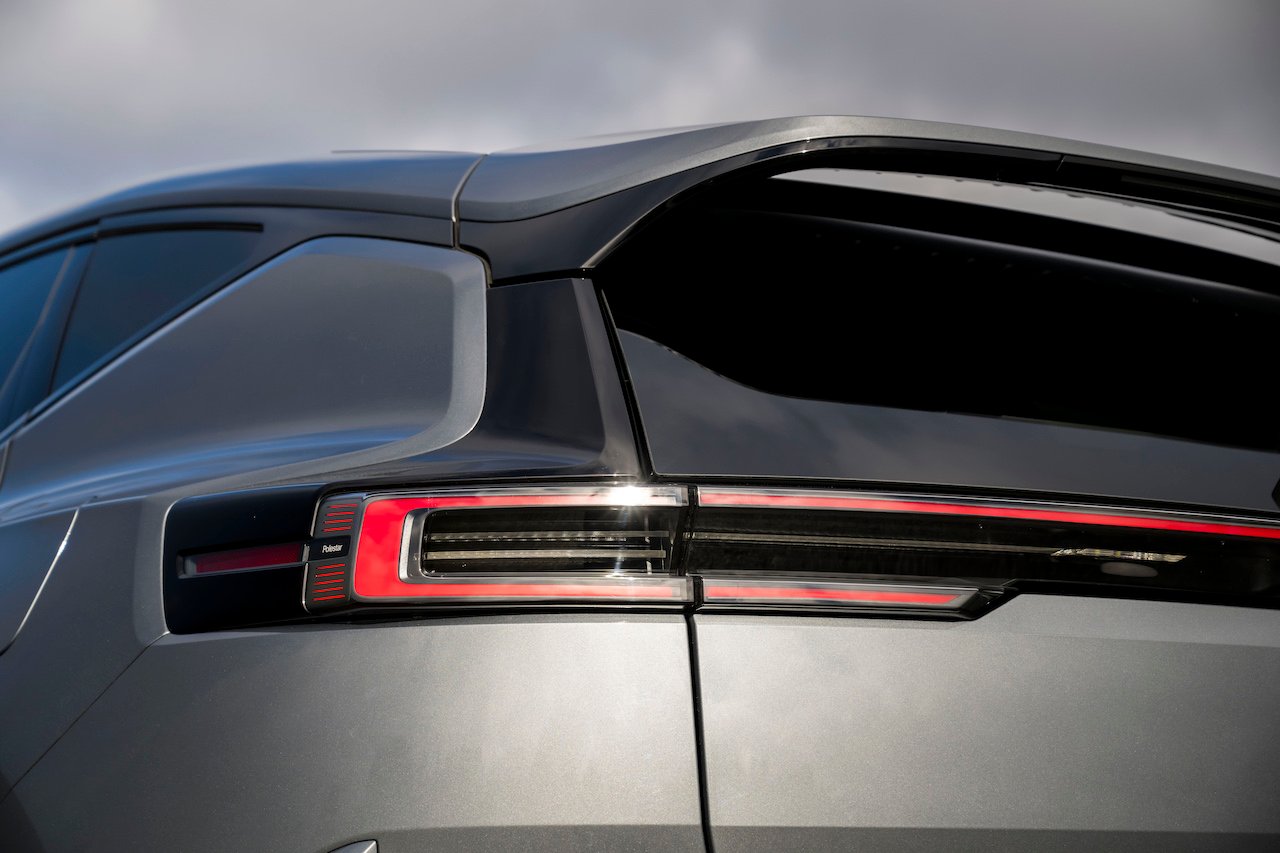
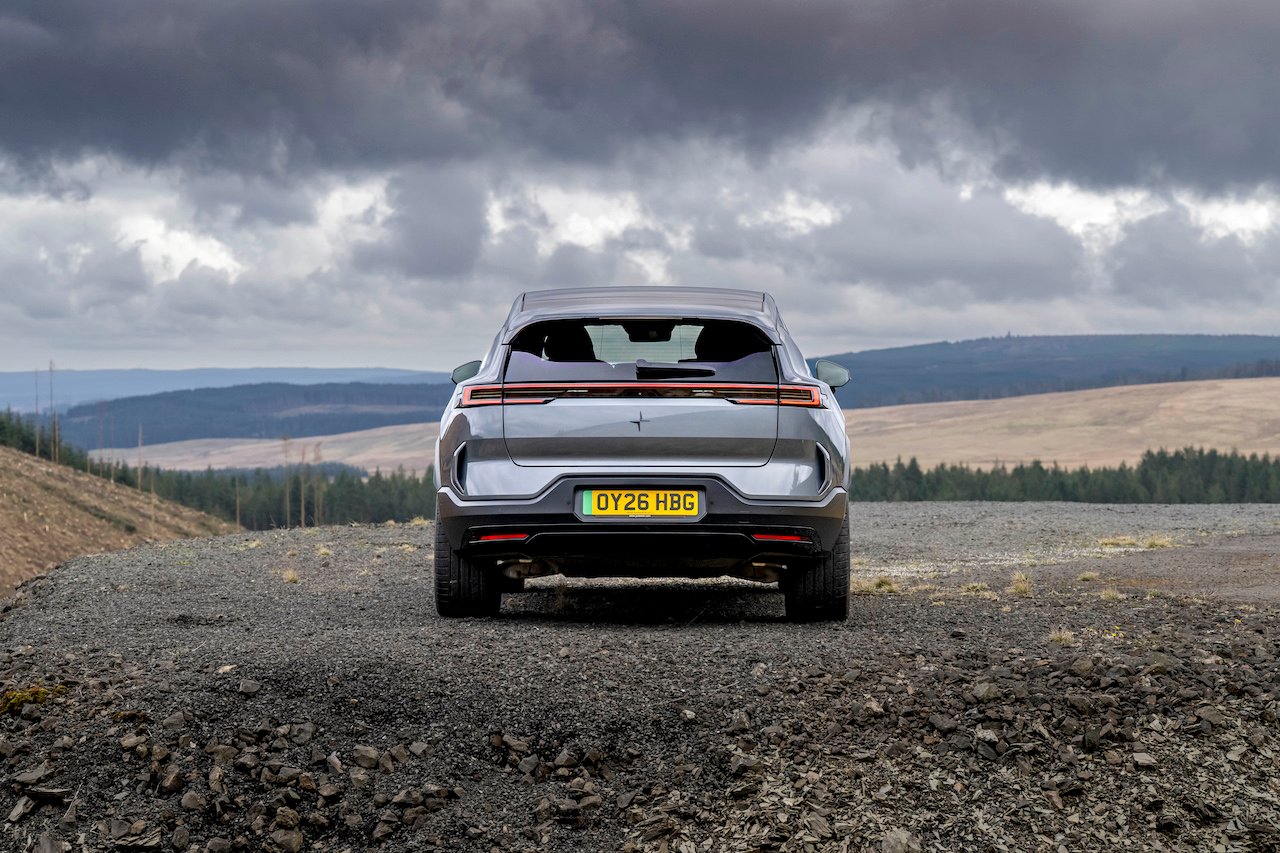
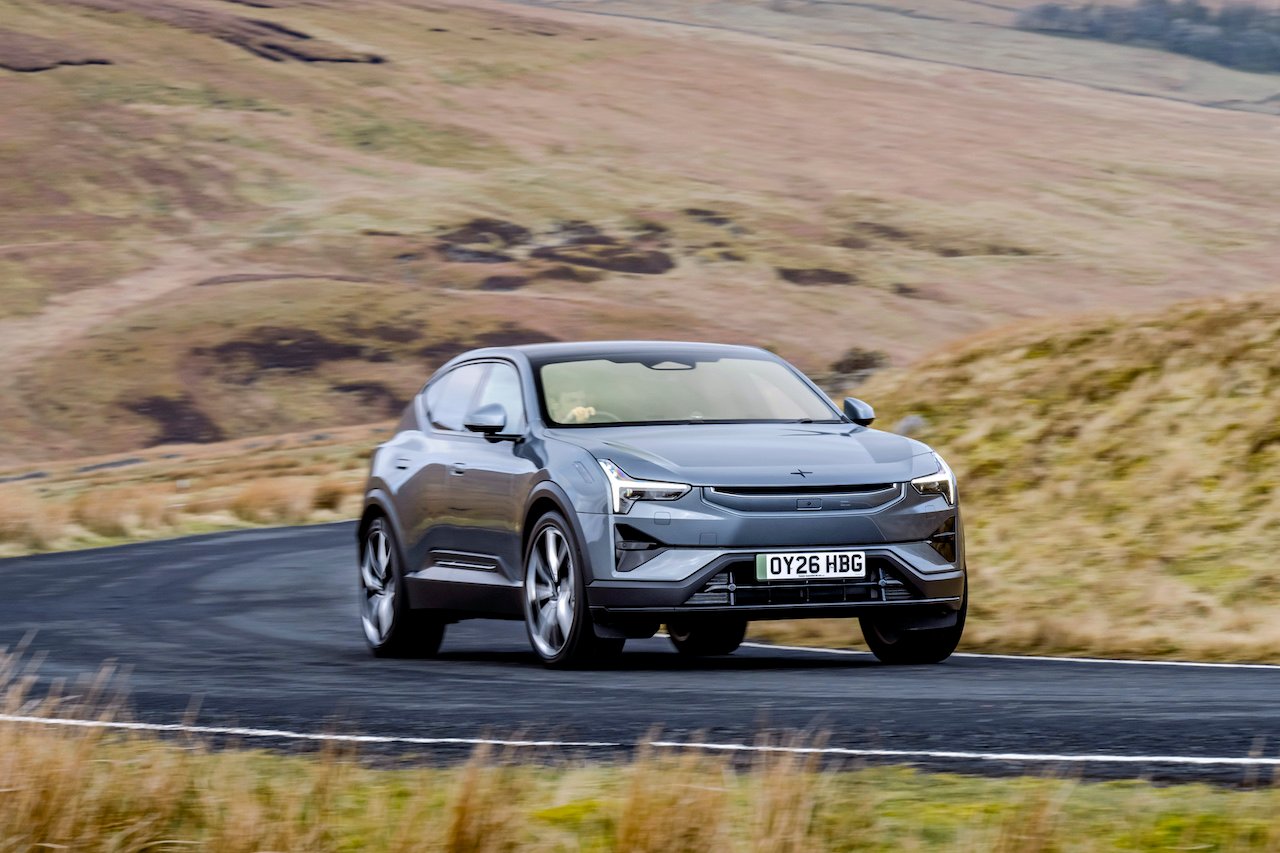
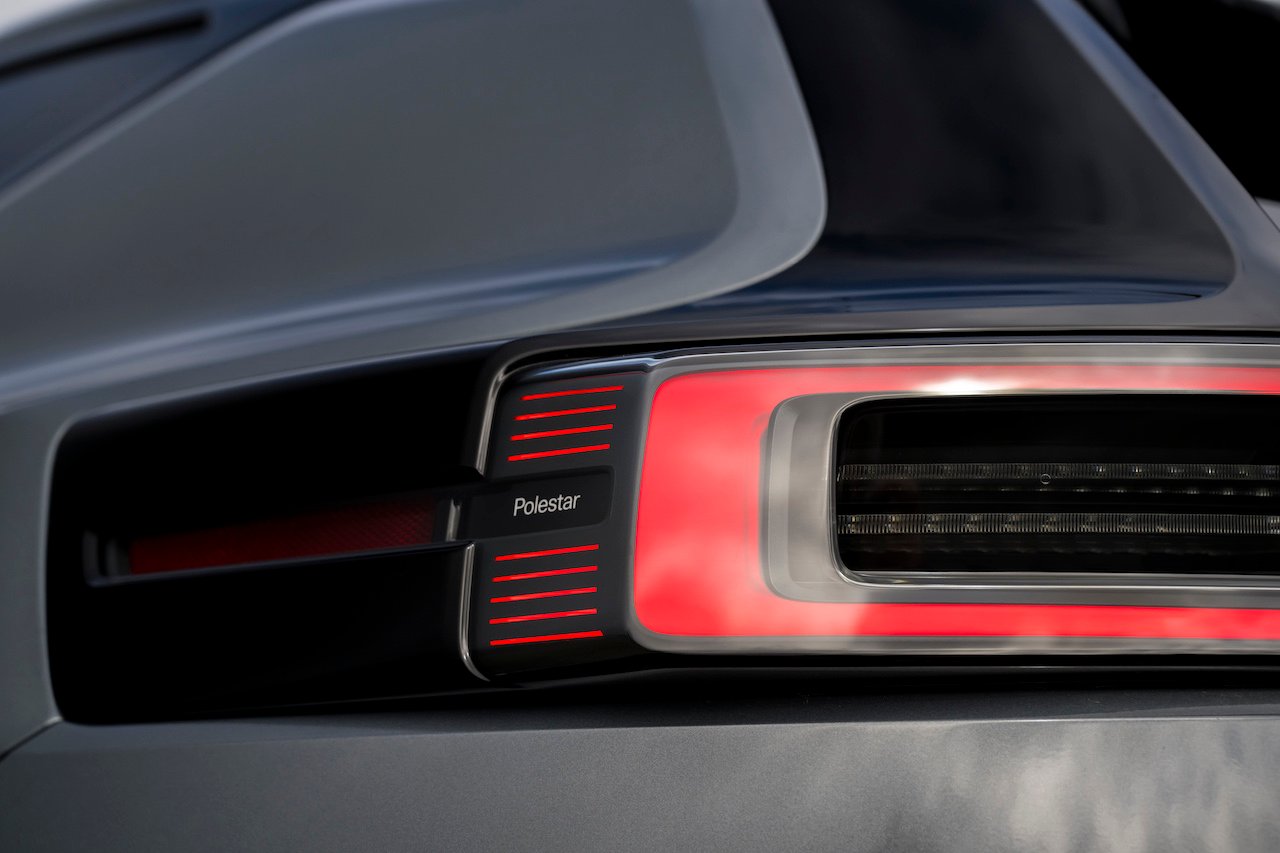
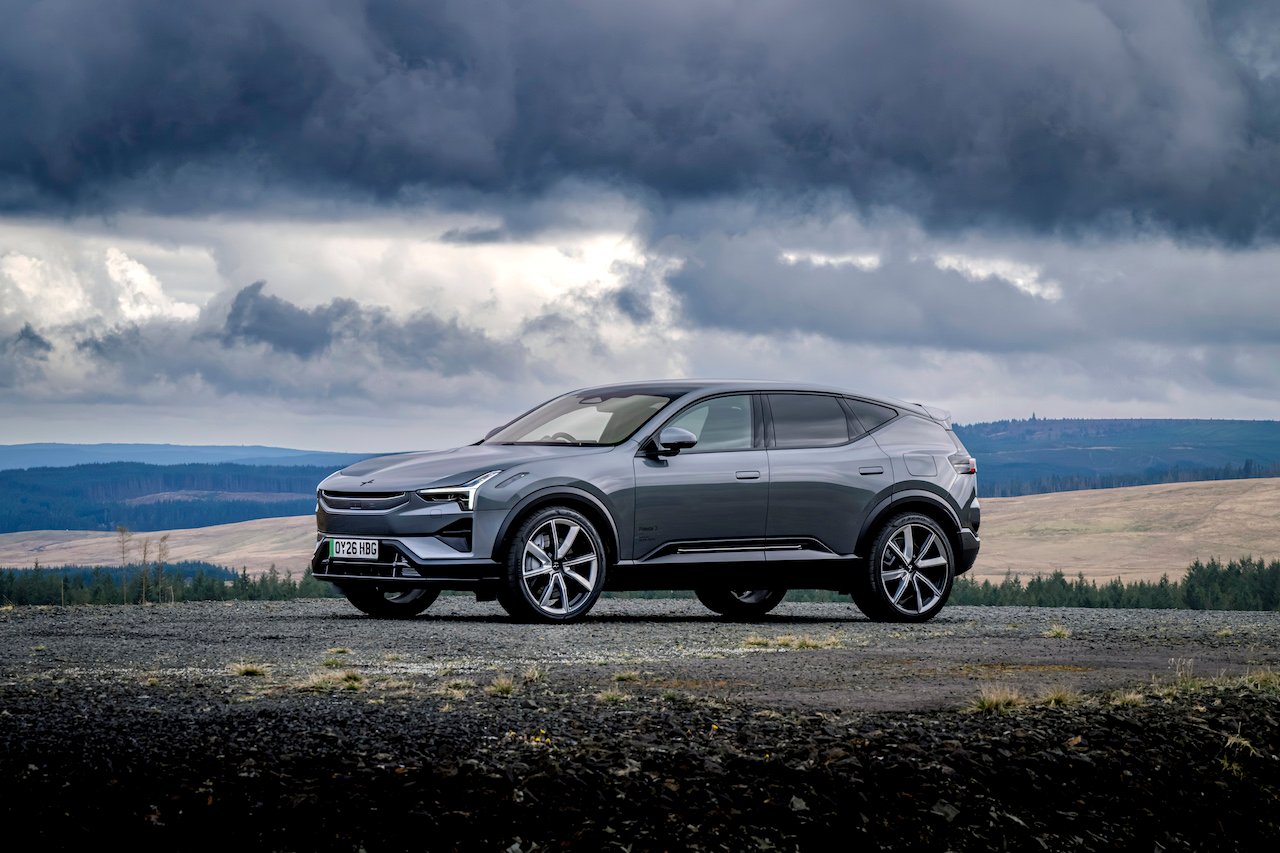
The Polestar 3 doesn’t try to look like anything else.
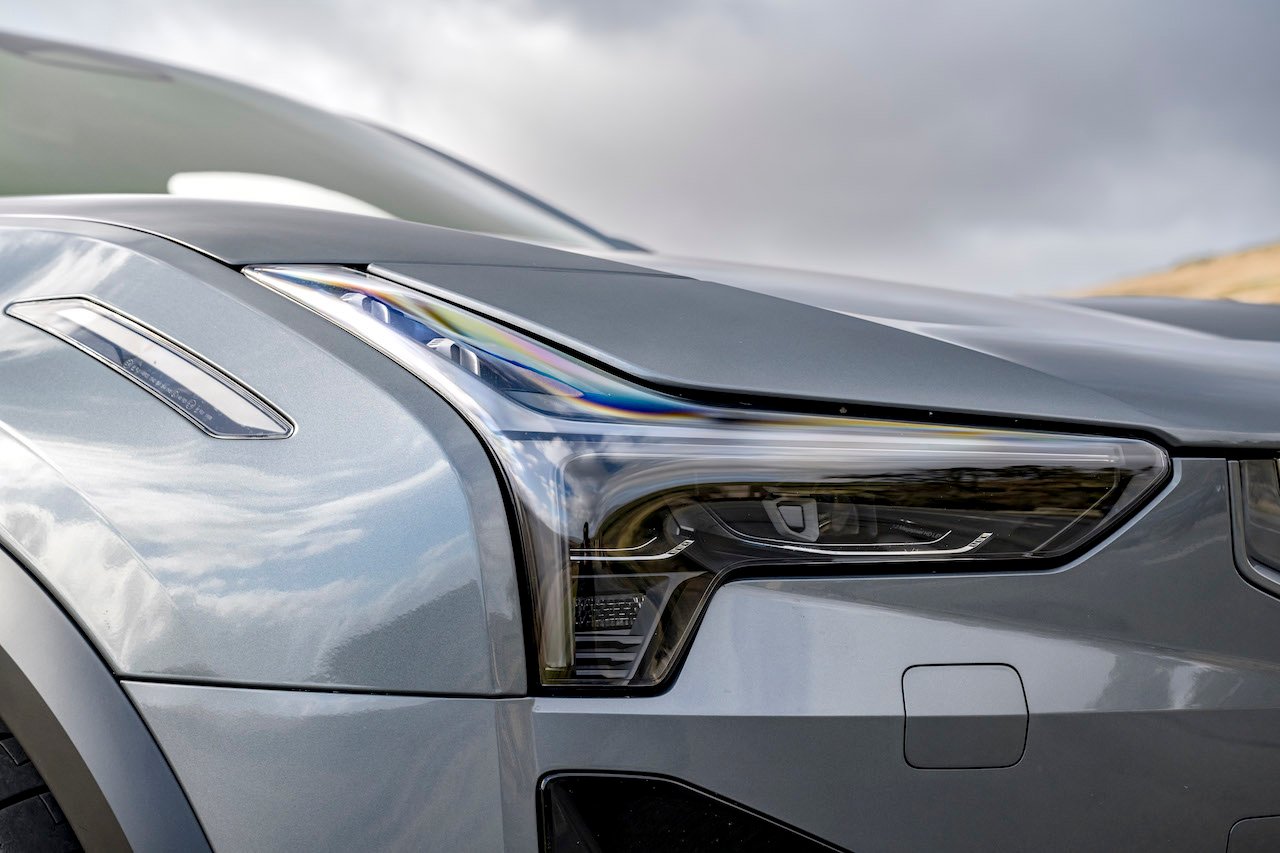
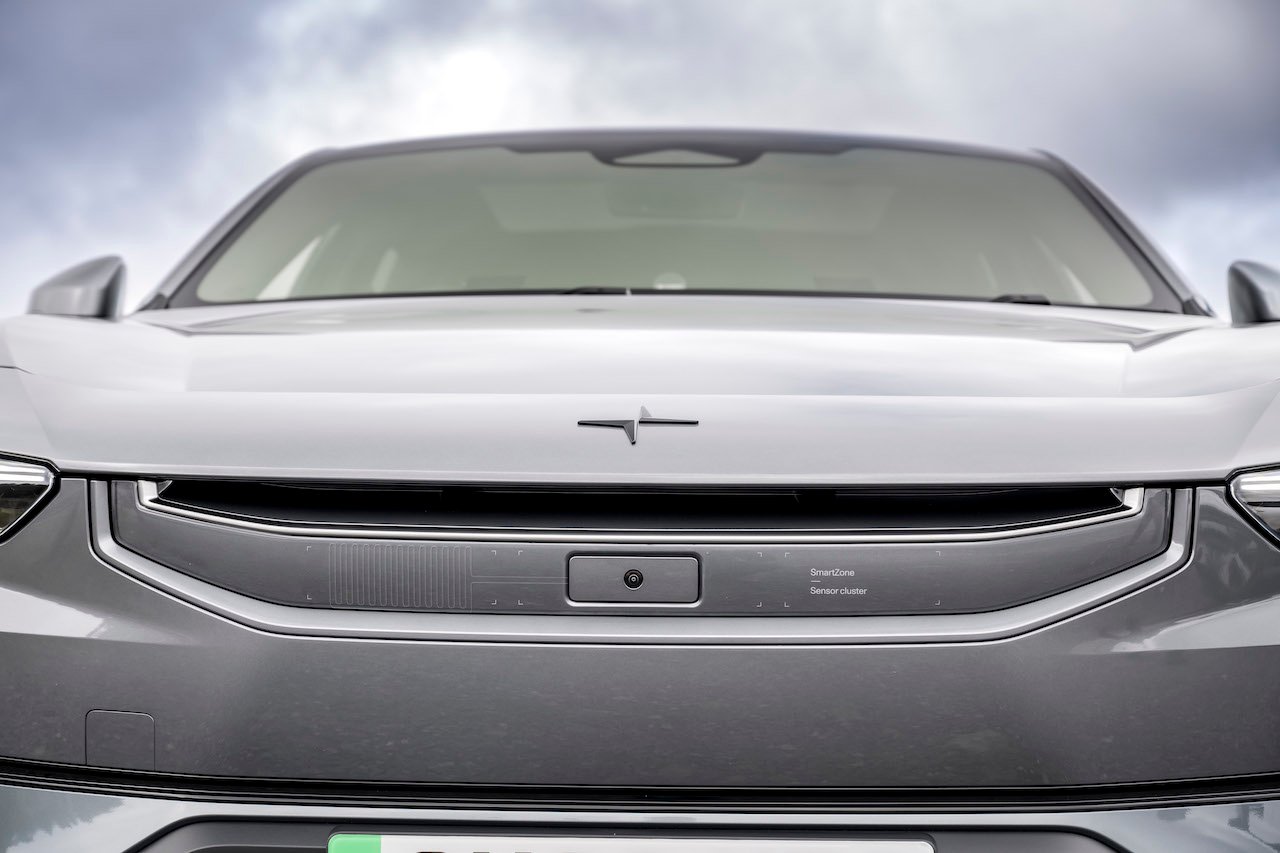
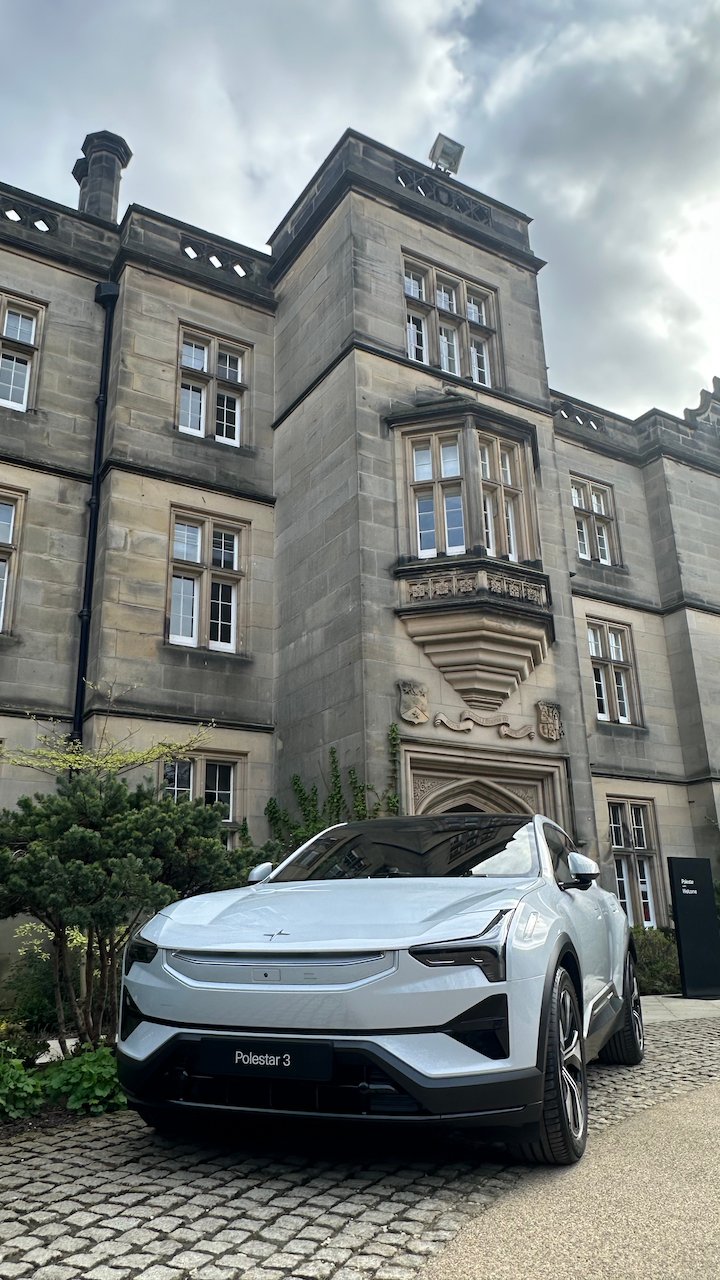
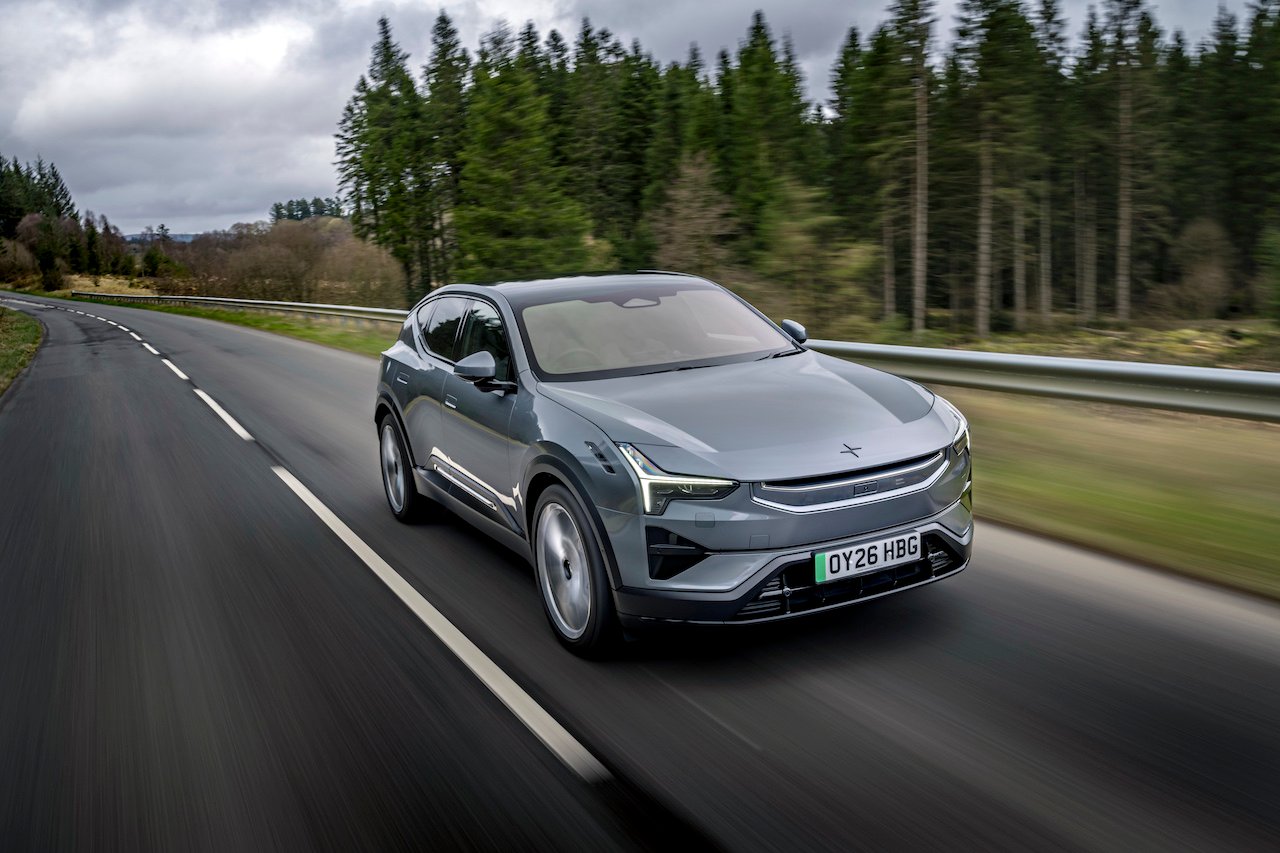
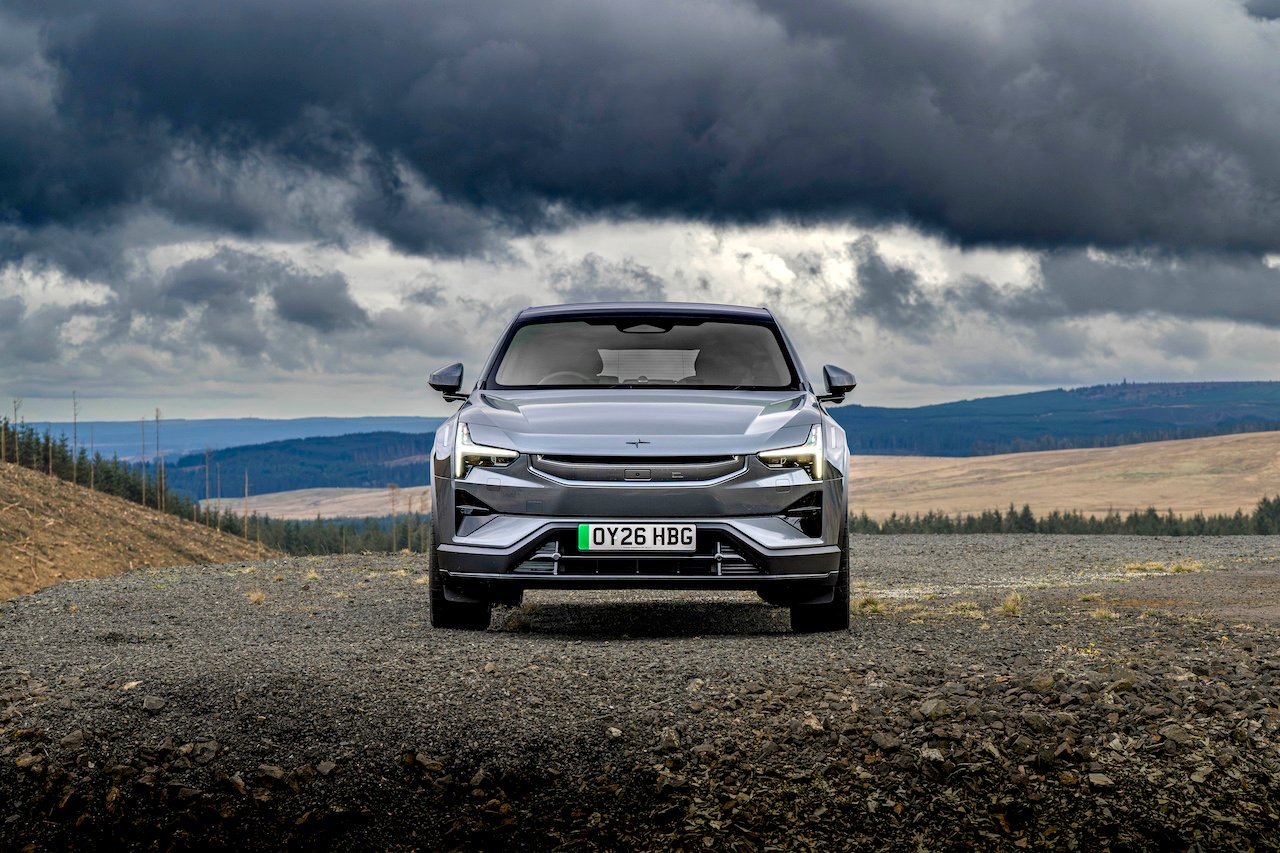
Where many electric SUVs lean into anonymity – smooth, rounded, and vaguely interchangeable – this takes a more deliberate approach. The front end is clean but purposeful, with the SmartZone panel replacing a traditional grille and housing the car’s sensor suite.
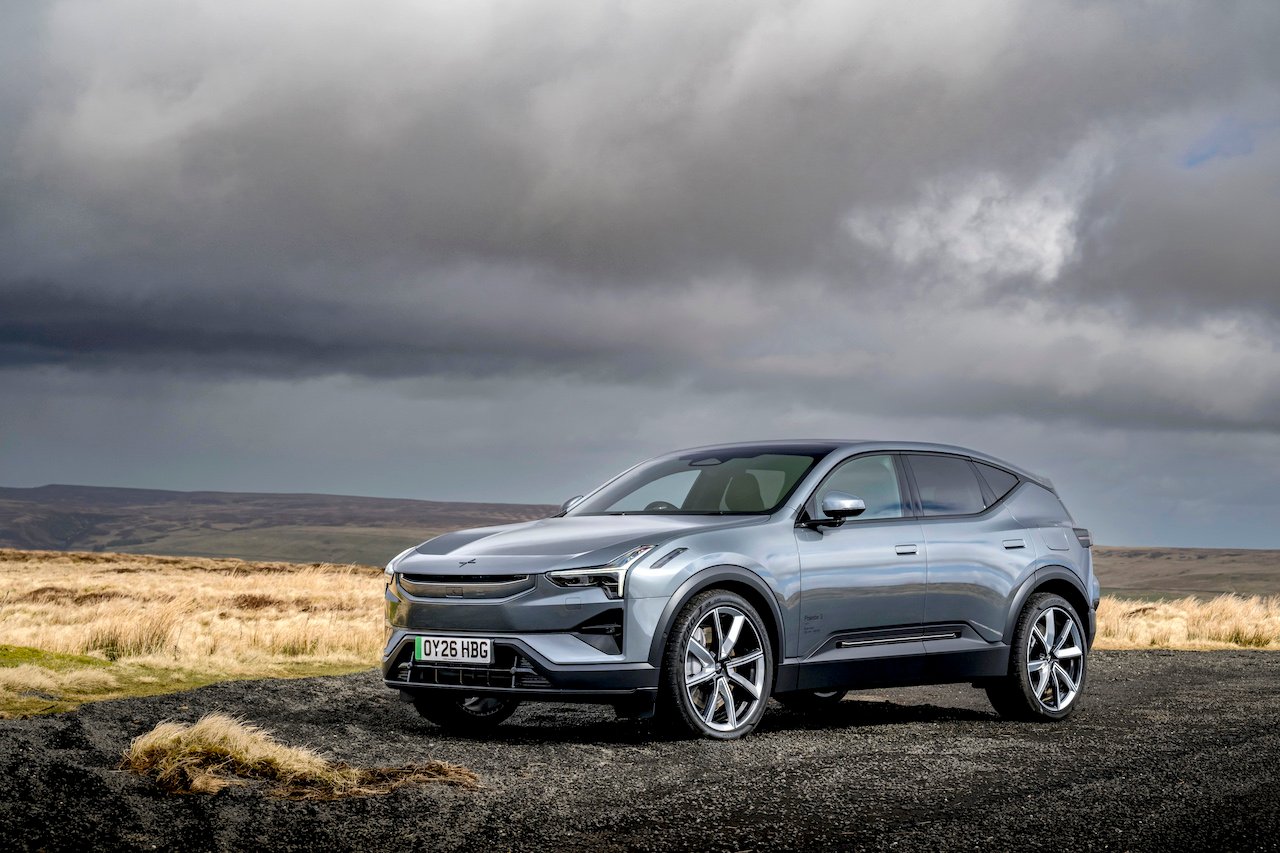
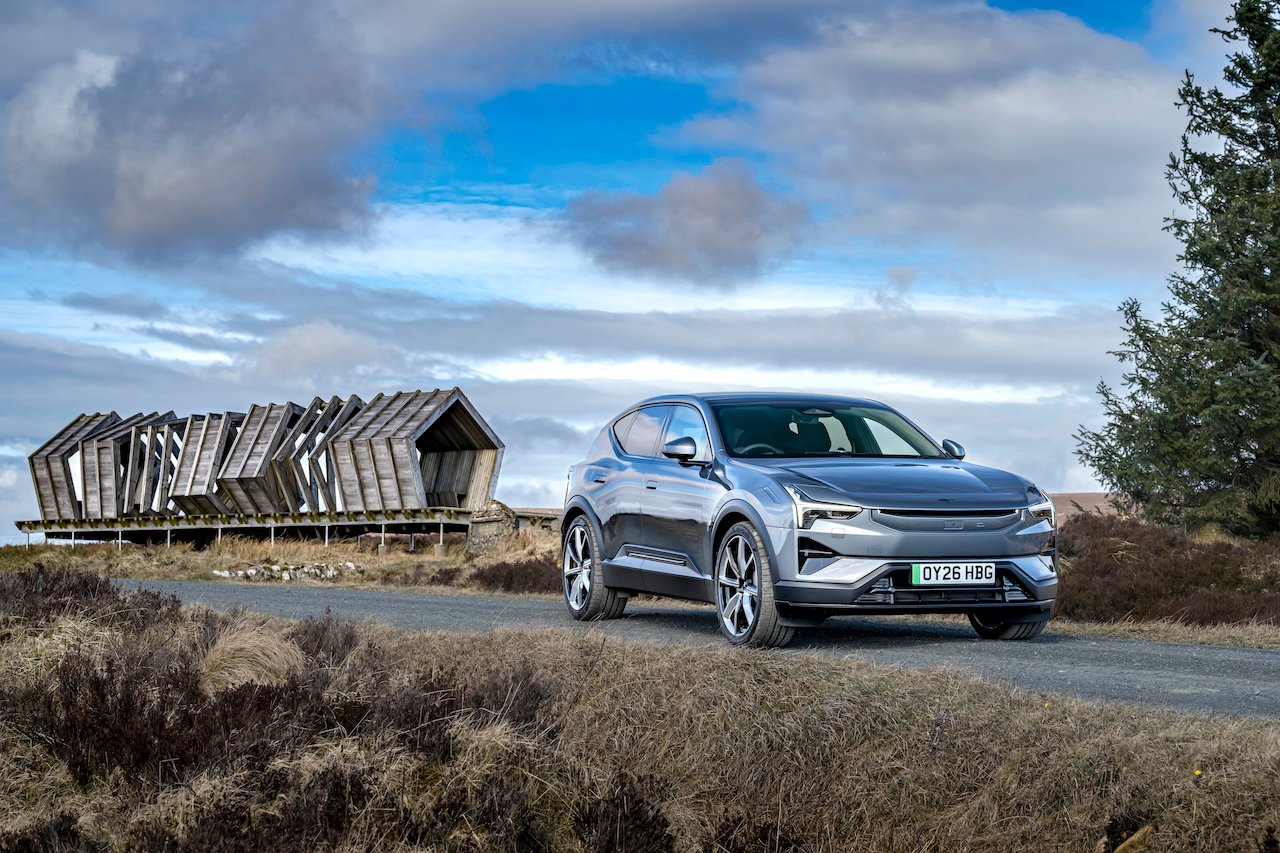
The proportions are key. It’s a large car, but it doesn’t feel bulky. The roofline is lower than many rivals, giving it a sleeker, more planted stance.
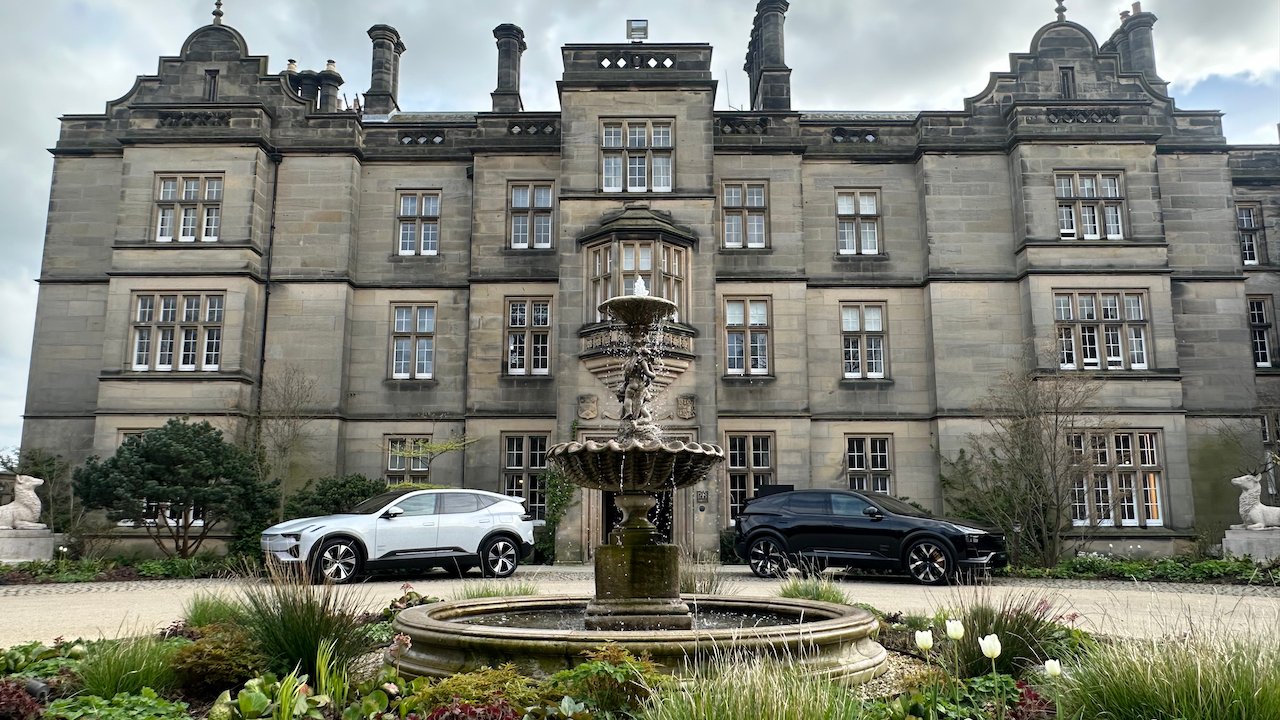
Parked outside Matfen Hall, it felt entirely appropriate. Out on the road, it stood out – not through excess, but through clarity of design.

Interior
Step inside, and the Polestar 3 immediately establishes its priorities.
This is a cabin focused on calmness and quality rather than visual drama. The Bio-attributed MicroTech upholstery in Charcoal, paired with aluminium trim, gives it a clean, contemporary feel that aligns perfectly with the exterior design.
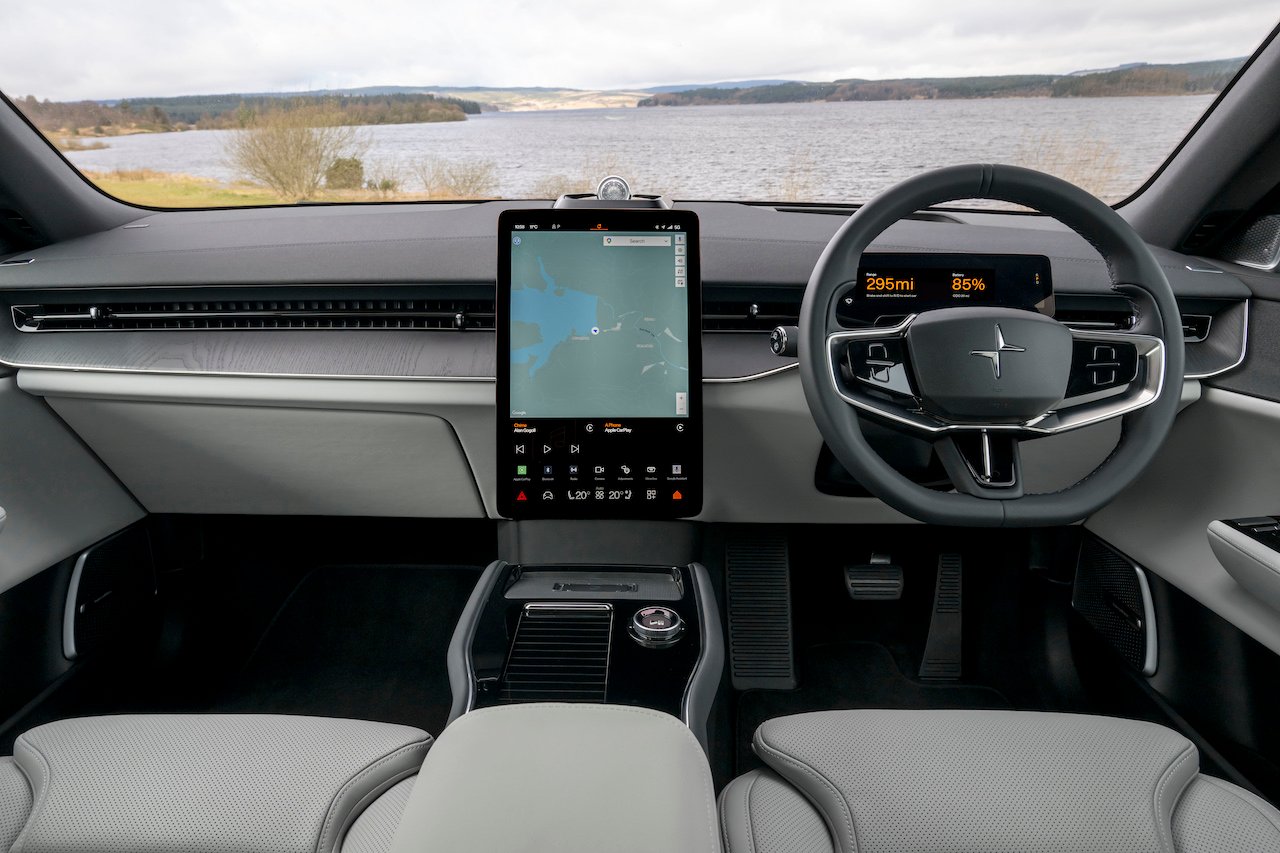
Material quality is excellent throughout. There’s a sense of solidity and consistency that reinforces its premium positioning.
The seats deserve particular mention. Over the course of a 171-mile drive, they proved both supportive and comfortable, striking a balance that makes long-distance travel feel effortless.
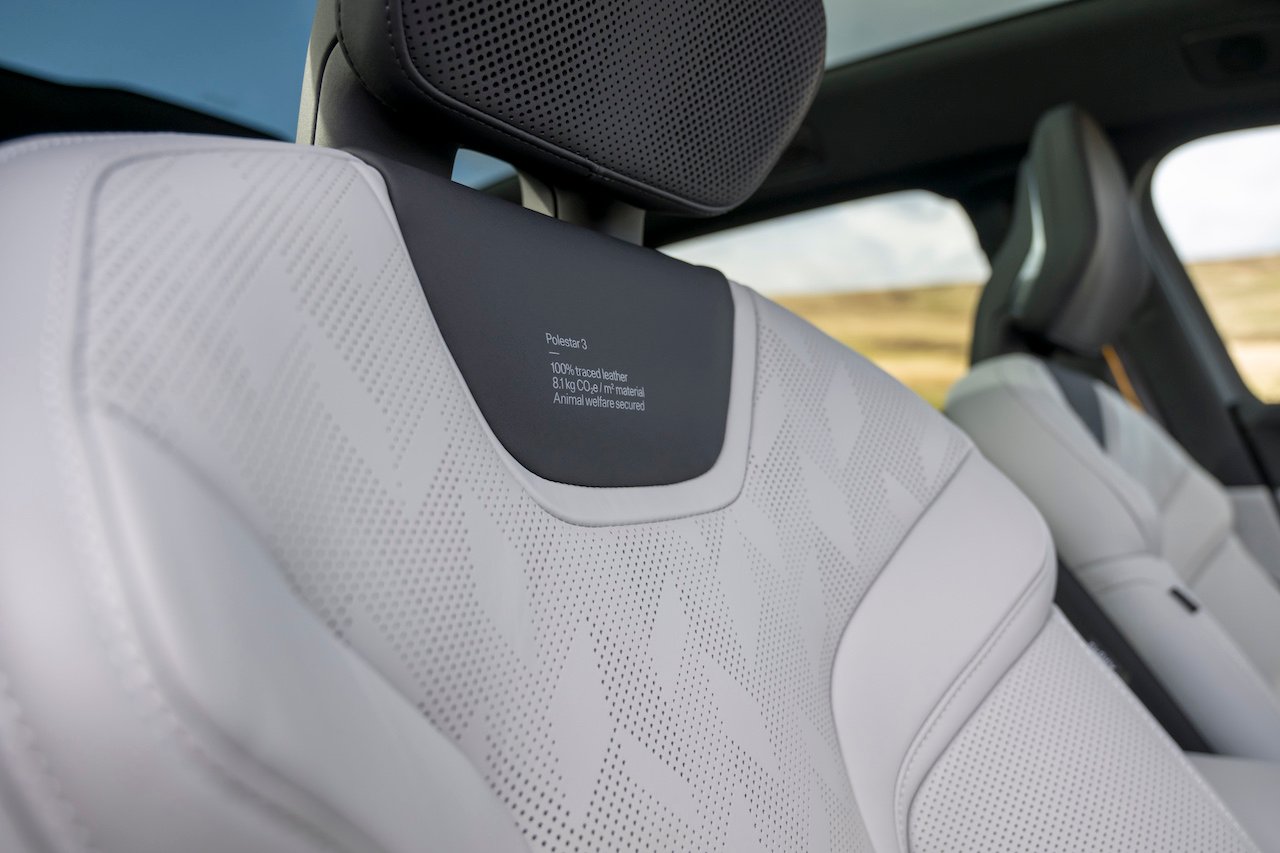
Refinement is exceptional. The cabin is remarkably quiet, with very little intrusion from wind or road noise. It creates a sense of isolation that makes even familiar roads feel more relaxed.
There are frustrations, however.
Polestar’s continued reliance on the central touchscreen for functions such as climate control and mirror adjustment remains less intuitive than it should be. The system itself is quick and well laid out, but removing physical controls entirely adds an extra step to simple tasks.

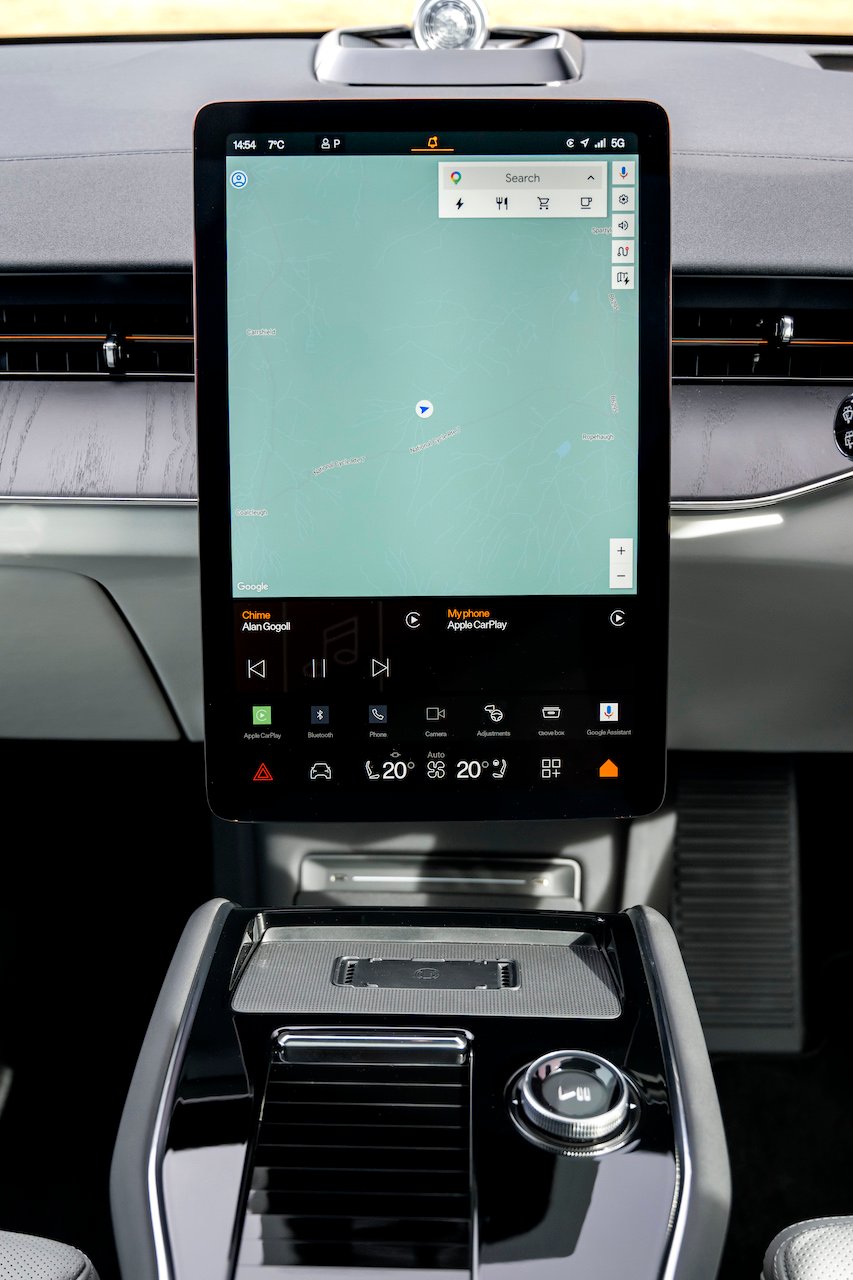
You adapt to it over time. But it never quite feels as natural as a physical dial or switch.
Options and Packs
Polestar has also taken the opportunity to simplify how the Polestar 3 is structured and specified.
The range is now more clearly defined, with three distinct versions: Rear Motor, Dual Motor and Performance. It’s a straightforward naming approach that replaces the previous structure and makes it easier to understand where each model sits. The entry-level Rear Motor benefits from an optimised battery setup, while air suspension remains standard on the Dual Motor and Performance versions.

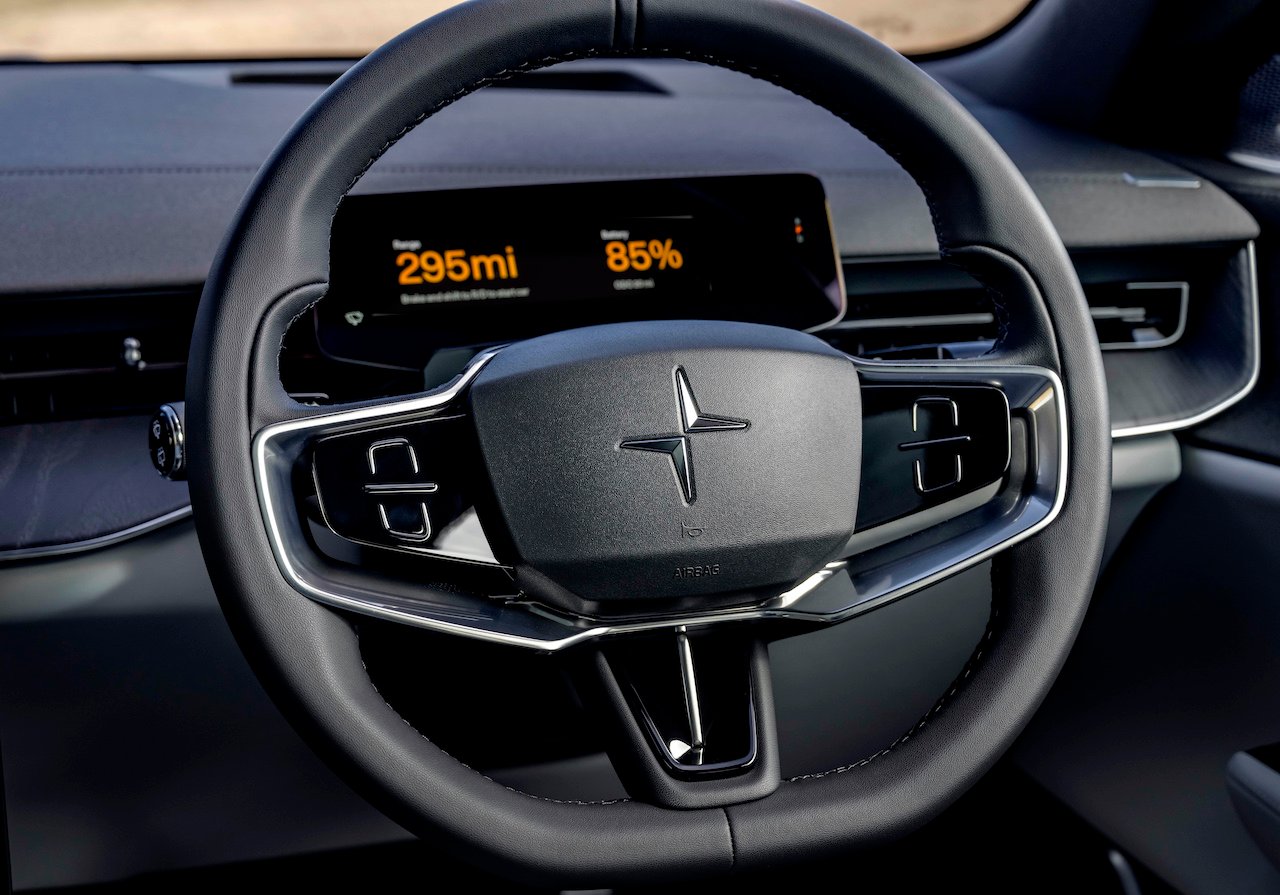
There are also some subtle touches that differentiate the models. Seatbelt design, for example, varies depending on the version – understated black for the Rear Motor, a Swedish gold stripe for Dual Motor, and full gold belts for the Performance model. It’s a small detail, but one that adds a sense of identity without being overdone.
Oh, I also liked the ‘Since 1959’ stamped on the seat belt buckle.
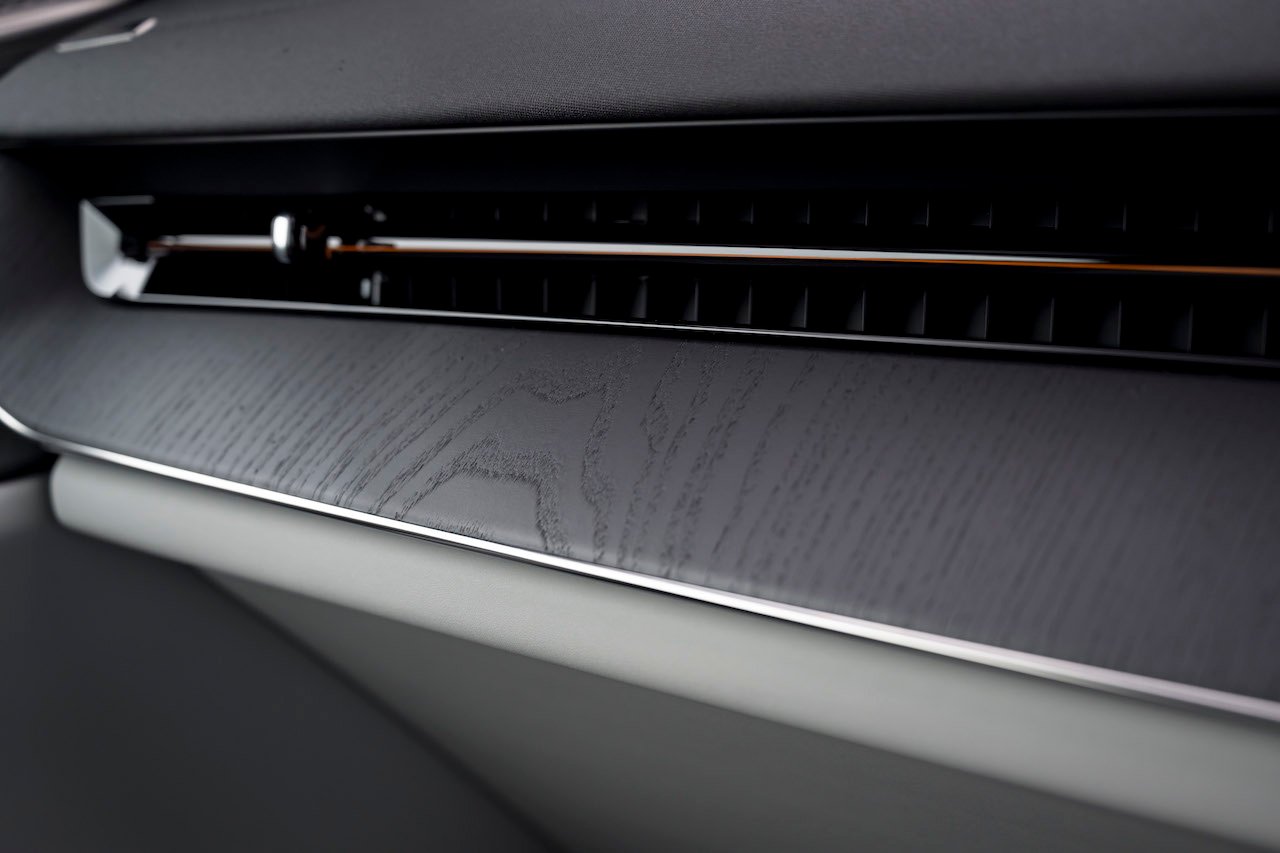
More significant is the revised approach to options and packs.
Rather than navigating a long list of individual extras, Polestar has grouped key features into a simpler structure. The new Climate pack adds useful everyday comforts such as heated rear seats, a heated steering wheel and even heated wiper blades – particularly relevant given the kind of conditions this car is likely to encounter in the UK.
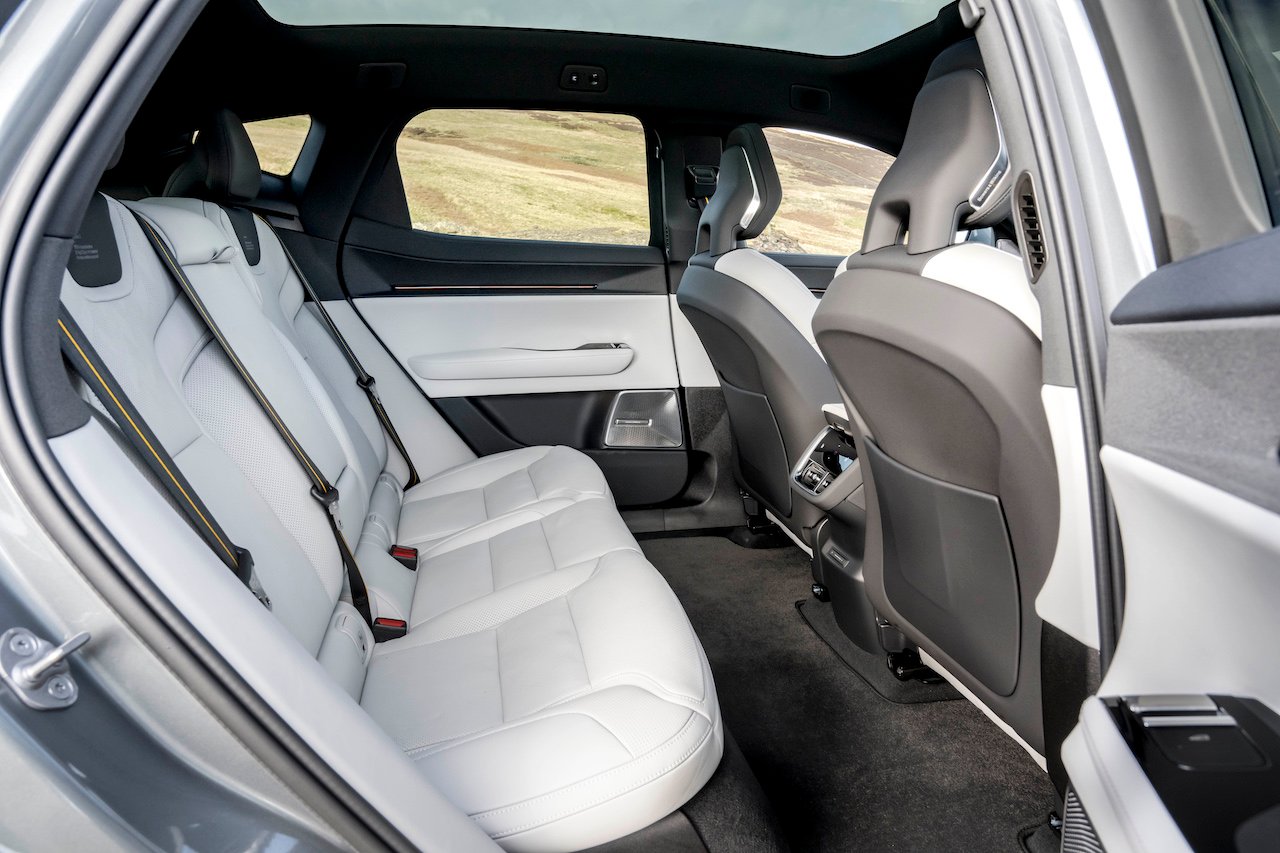
The Prime pack goes a step further, bundling together the Pilot, Plus and Climate packs, along with rear privacy glass. It’s included as standard on the Performance model and available as an option on the Rear Motor and Dual Motor versions. For most buyers, it represents the easiest way to get a fully loaded car without overthinking the configuration process.
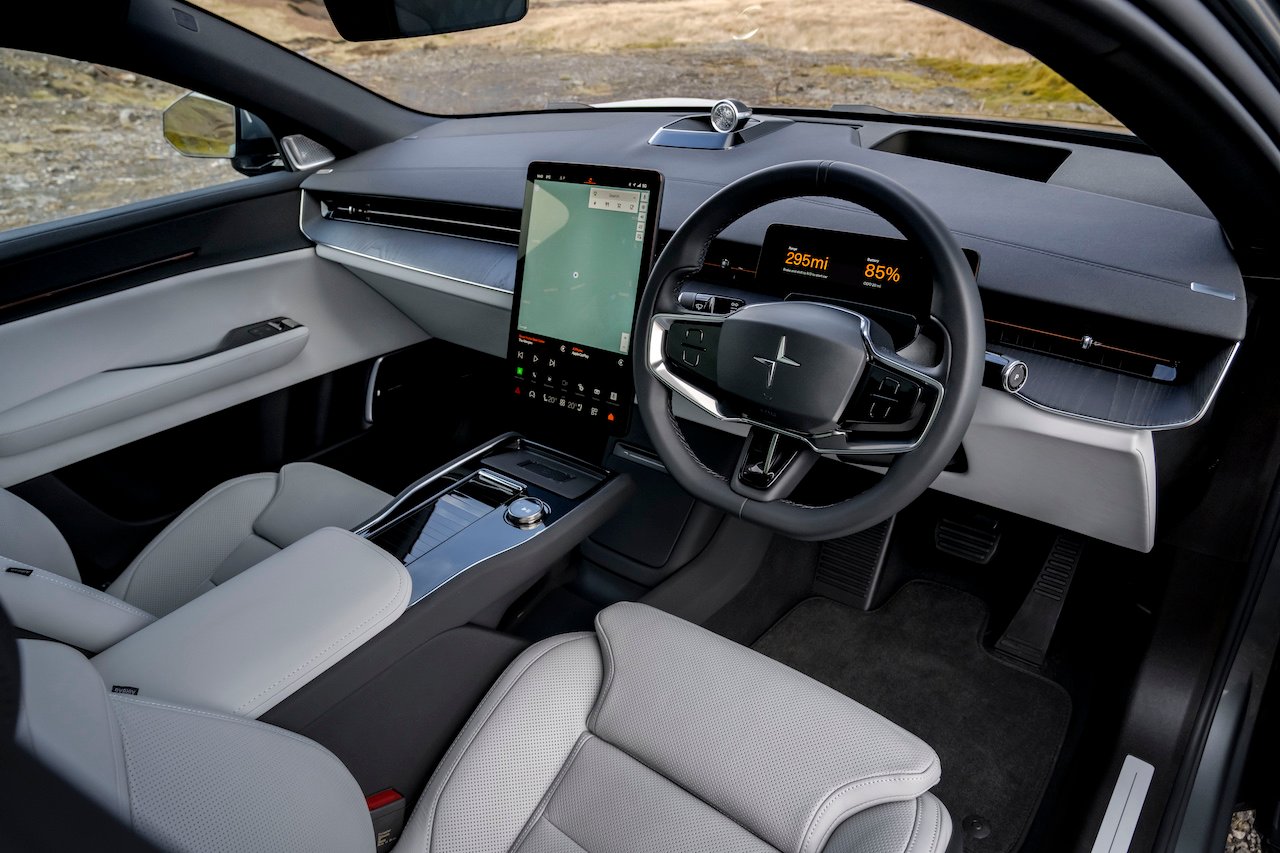
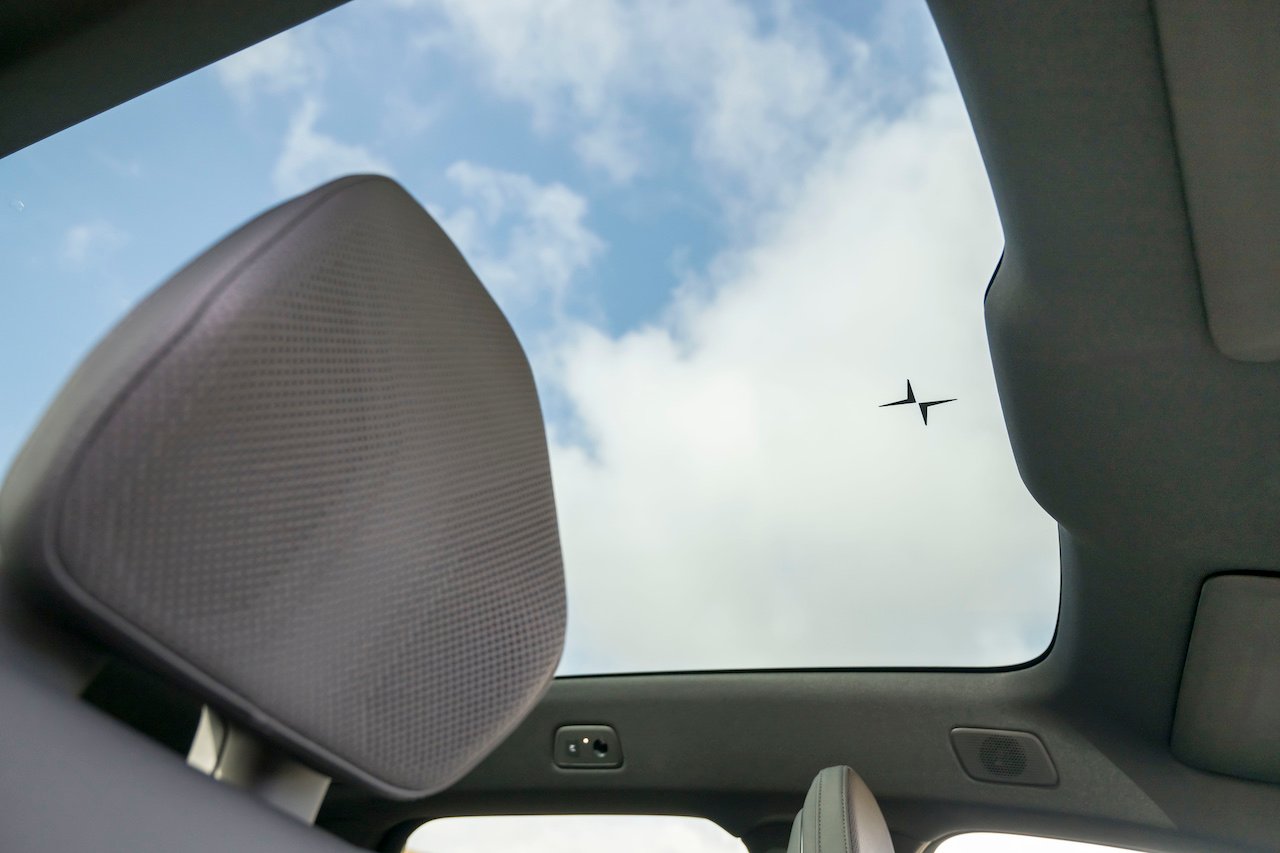
Audio has also been given more flexibility. The Bowers & Wilkins system – complete with headrest speakers and active road noise cancellation – can now be specified either as part of the Plus pack or as a standalone option.
Technology and Interface
At the centre of the update is a new core computing system powered by NVIDIA’s DRIVE AGX Orin processor. This replaces the previous unit and increases processing power from 30 to 254 trillion operations per second – more than eight times the capability.
In practice, this transforms how the car feels to use.
The infotainment system is noticeably quicker and more responsive. Switching between functions, loading navigation and interacting with menus all feel immediate. There’s a smoothness and fluidity that reinforces the Polestar 3’s premium positioning.
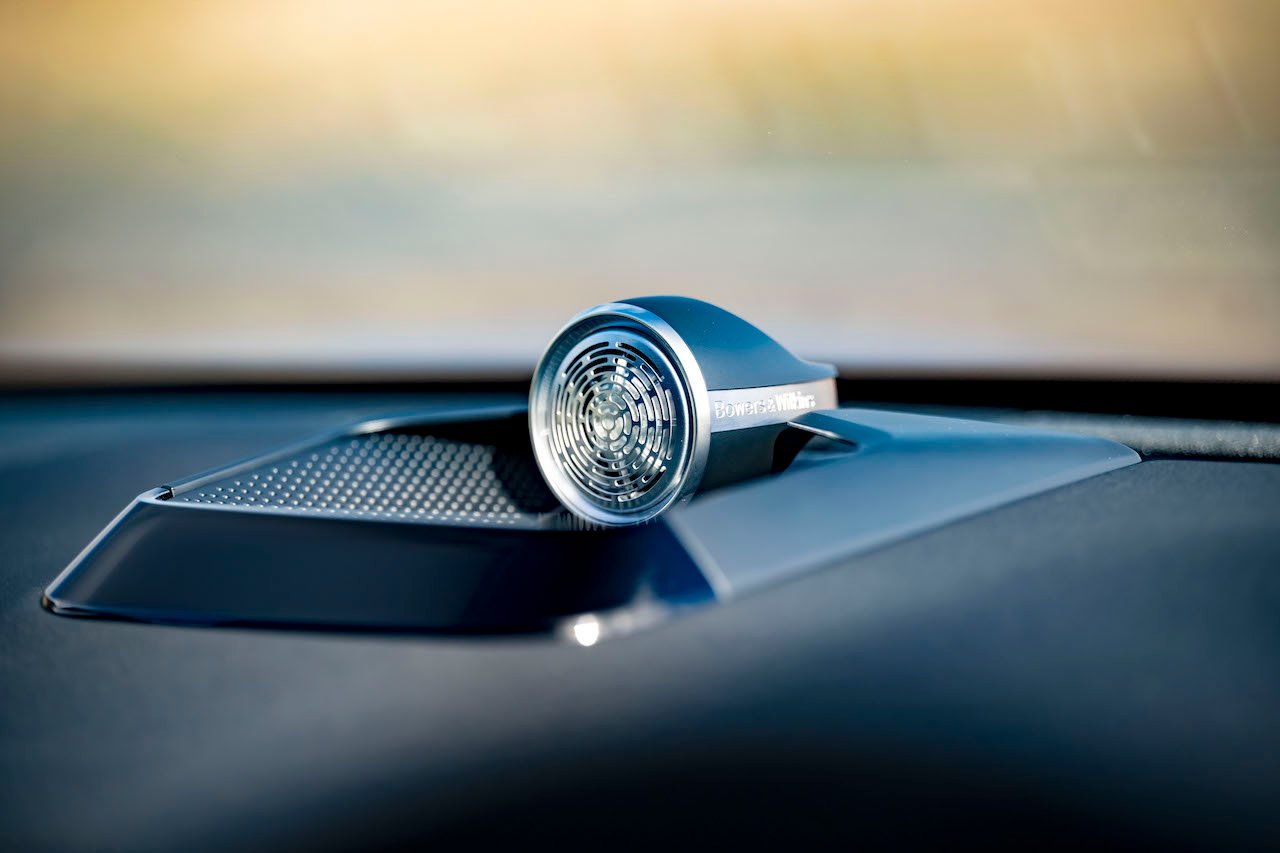
More importantly, this additional computing power enhances the car’s underlying systems. Safety features, sensor data processing and battery management all operate more efficiently and intelligently.
The Polestar 3 has always been positioned as a software-defined vehicle. With this upgrade, that concept feels far more tangible. It’s also worth noting that the hardware/software updates will be available to current Polestar 3 owners. Contact your Polestar dealer for more info.
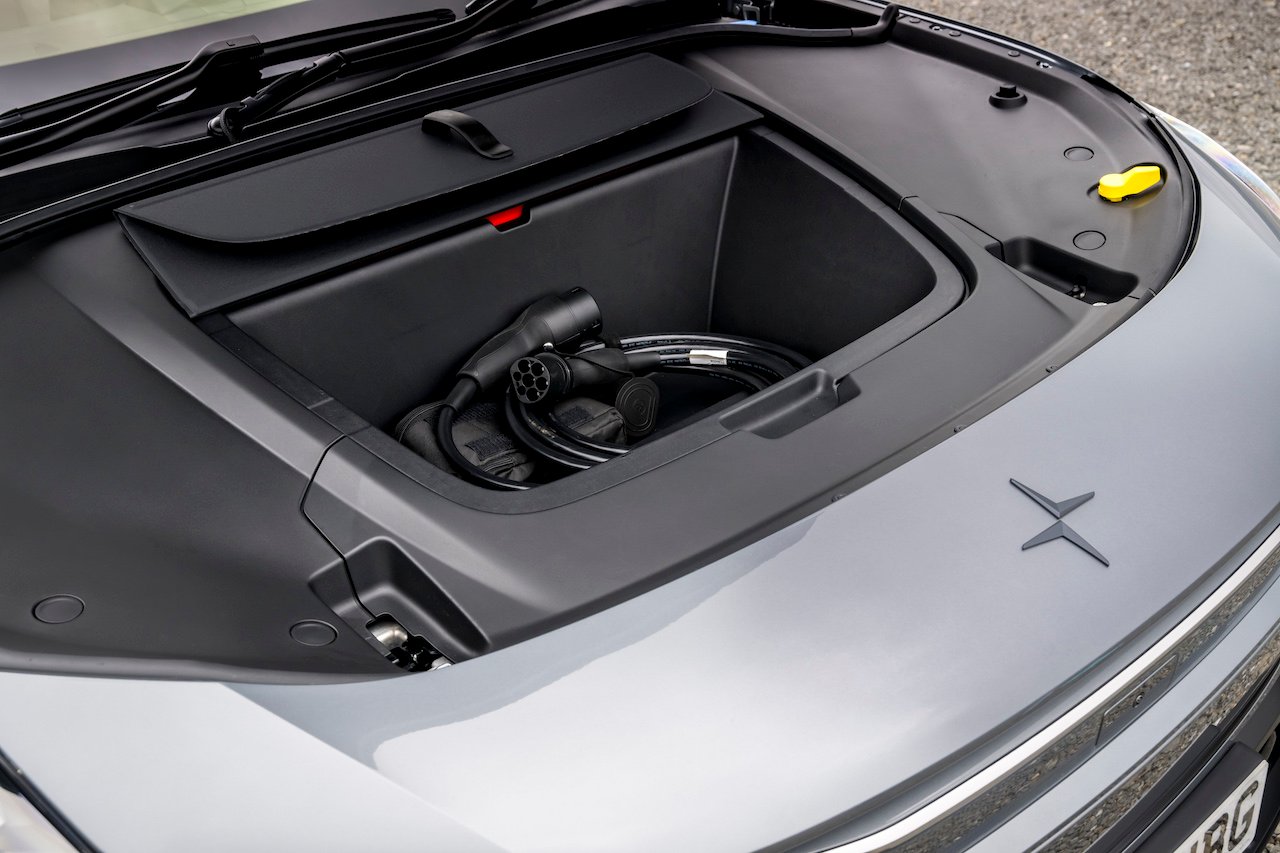
The Google-based infotainment system remains a highlight. Navigation is intuitive, voice control works well, and integration with charging infrastructure is seamless.
Driver assistance systems are comprehensive but unobtrusive. They operate in the background, stepping in when needed without becoming intrusive or overly sensitive. They are almost infiintely configurable – which seems daunting at first – but once set you can save everything to your driver profile. Simples.
Driving Impressions
The single motor, rear-wheel drive Polestar 3 may sit at the bottom of the range, but it never feels like a compromise.
With 333hp and rear-wheel drive, it delivers performance that is more than sufficient for everyday driving. Acceleration is smooth and progressive rather than aggressive, which suits the car’s character.
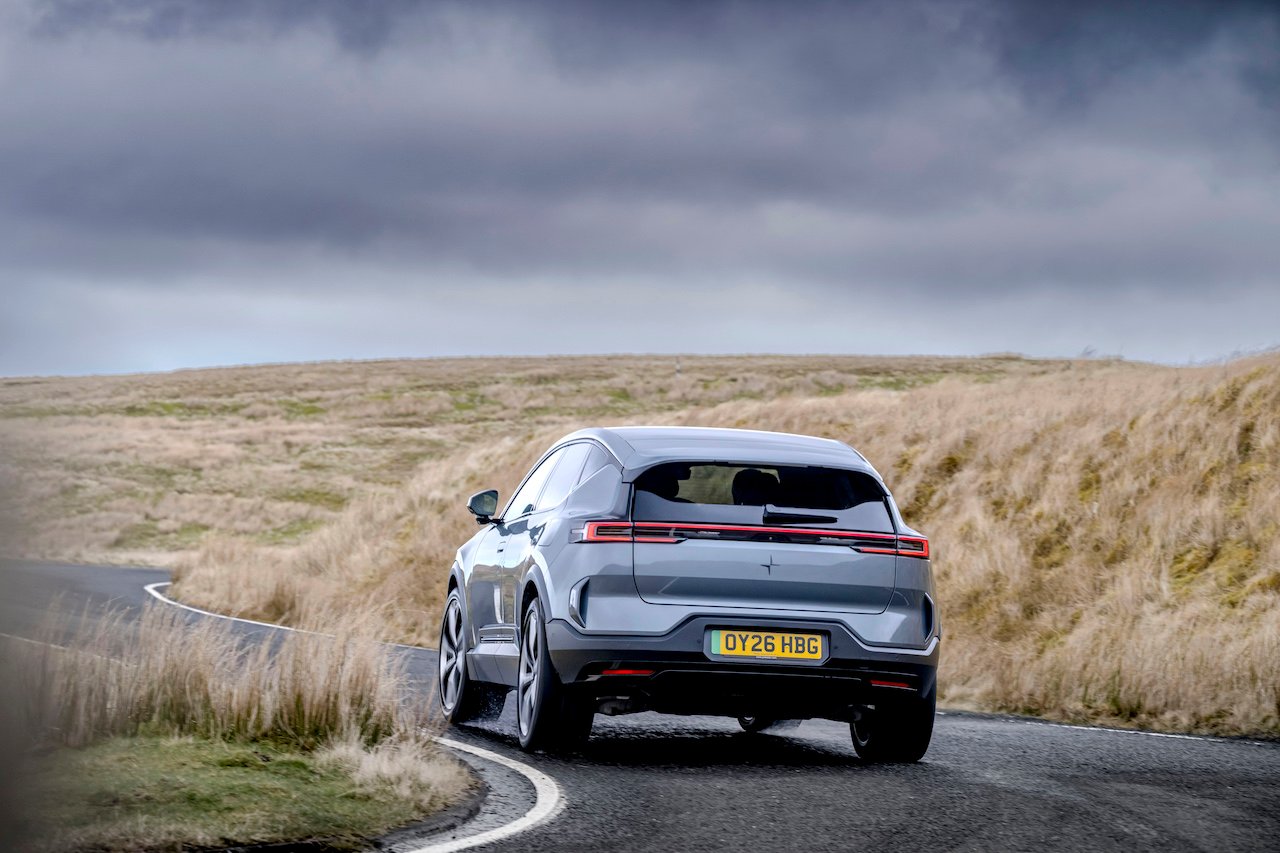
Leaving Matfen Hall, the immediate impression is refinement. The car moves with a quiet confidence that makes it feel more like a luxury vehicle than a performance SUV. As menitoned, it is also extremely quiet – even for an EV.
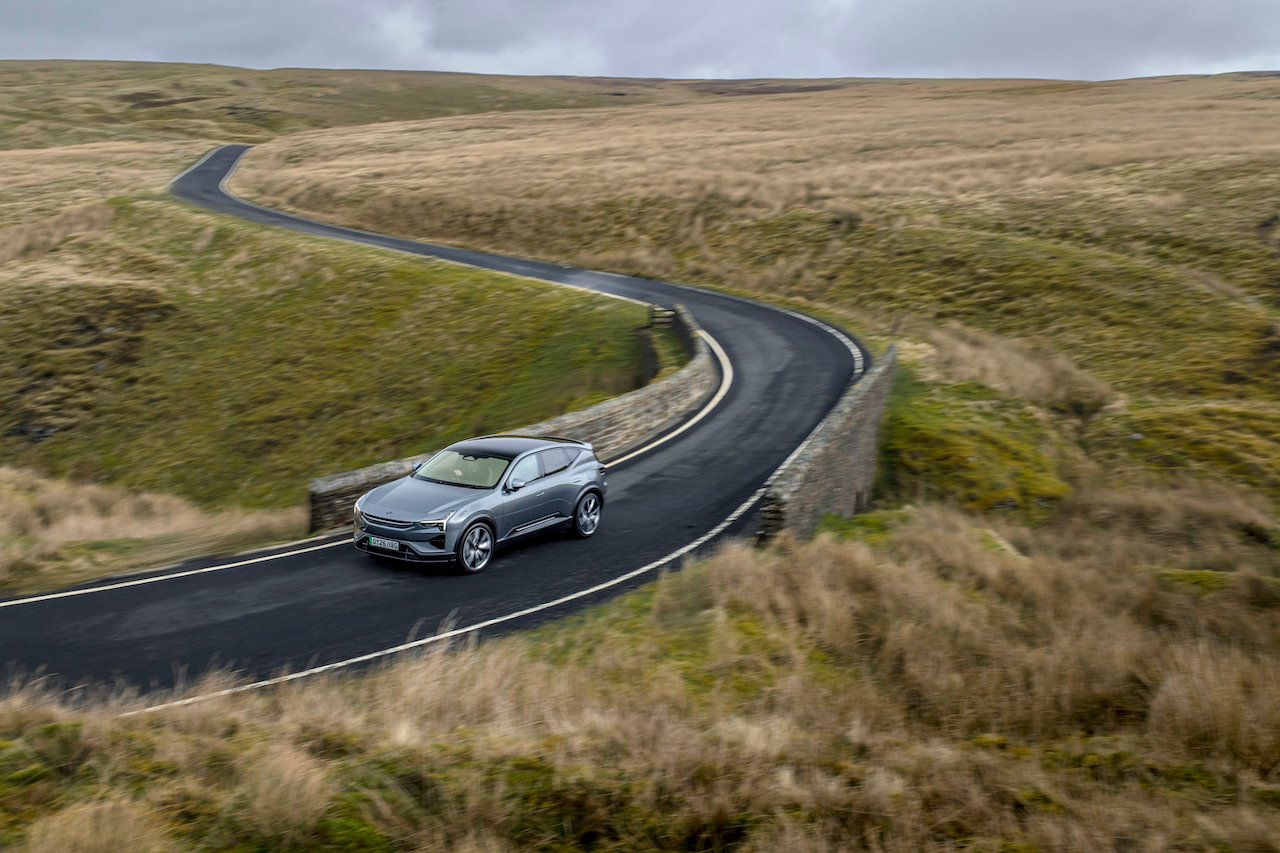
On open A-roads, it settles into a relaxed rhythm. Steering is precise and communicative, and the car feels stable and composed at speed.
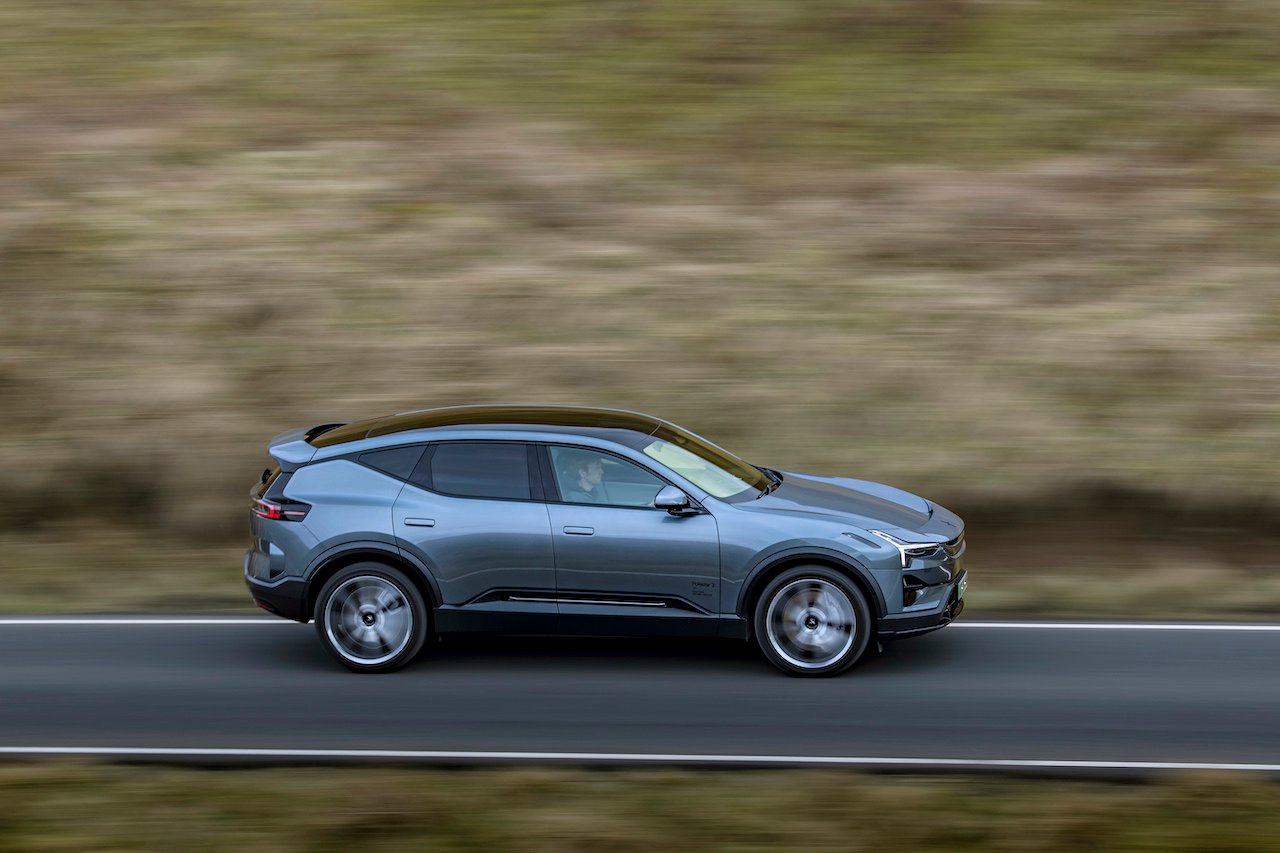
Into Northumberland National Park, the roads become narrower and more demanding. Here, the Polestar 3 manages its weight well, maintaining composure and predictability. It’s not a car that encourages aggressive driving, but it inspires confidence. ‘Planted’ is perhaps an over-used term but the Polestar 3 deserves the accolade as it managed to feel both planted and nimble – despite weighing in at over 2 tonnes . . .
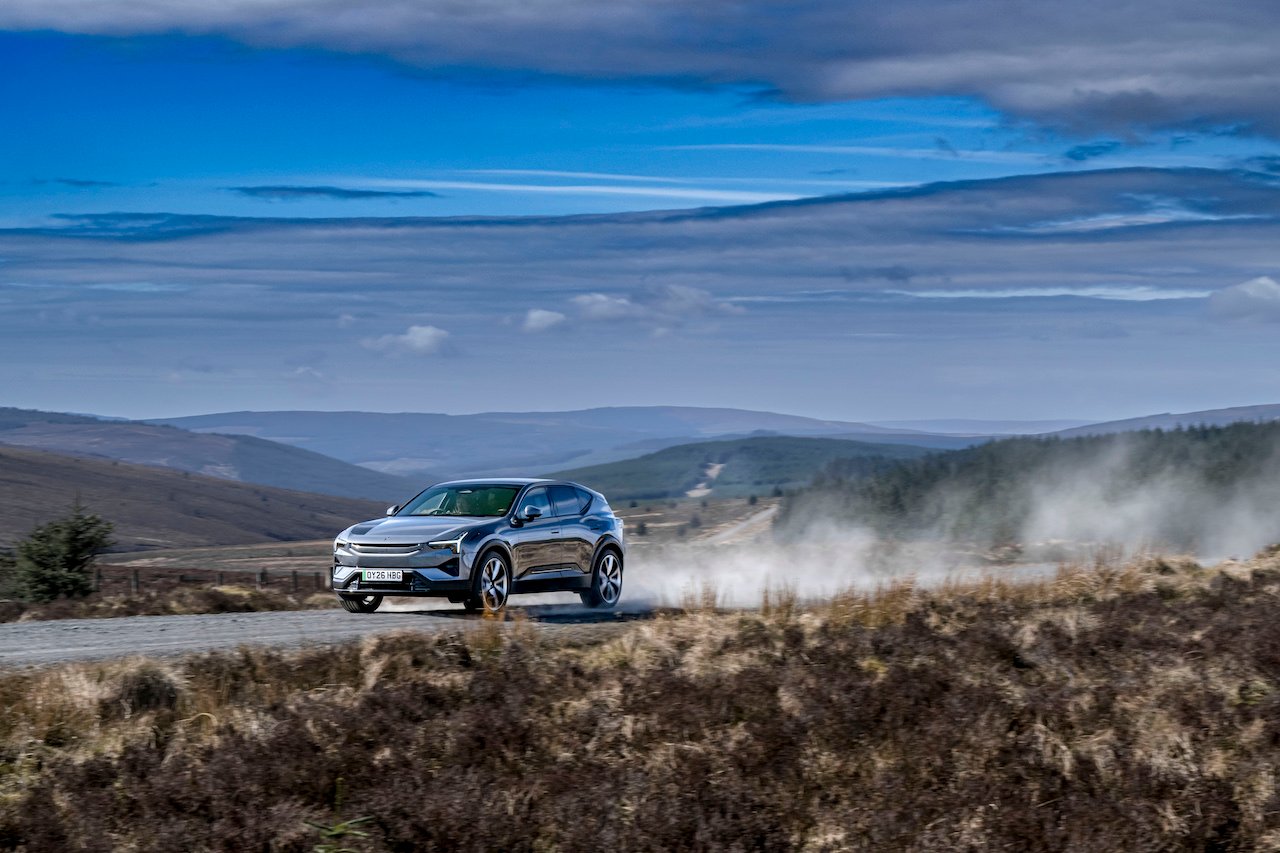
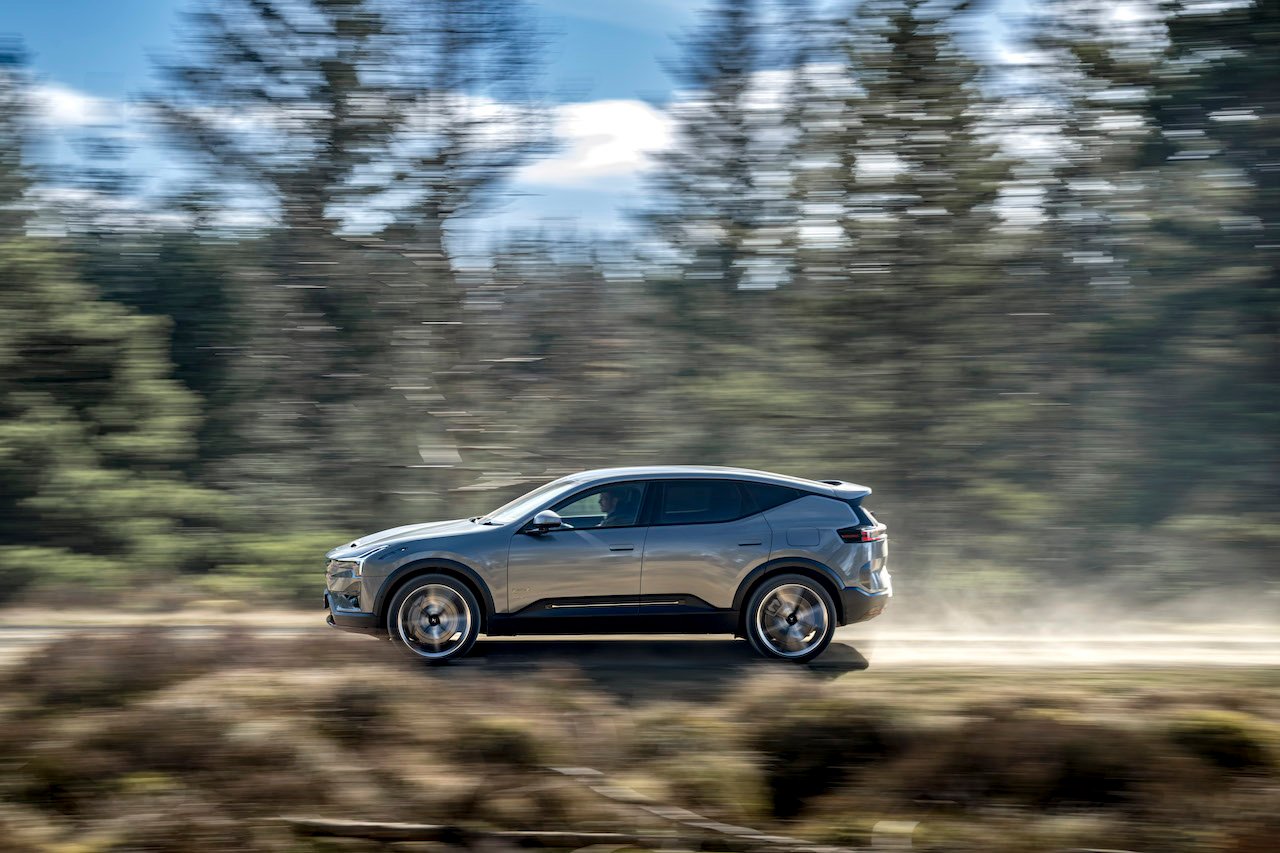
The forest track through Kielder was perhaps the most unexpected highlight. While this is not an off-road vehicle in the traditional sense, it handled the uneven surface with ease. The dual-motor model even more so. The suspension absorbed imperfections effectively, and traction remained consistent throughout.
Ride quality is excellent. It leans towards comfort, but with enough control to avoid feeling soft or detached.
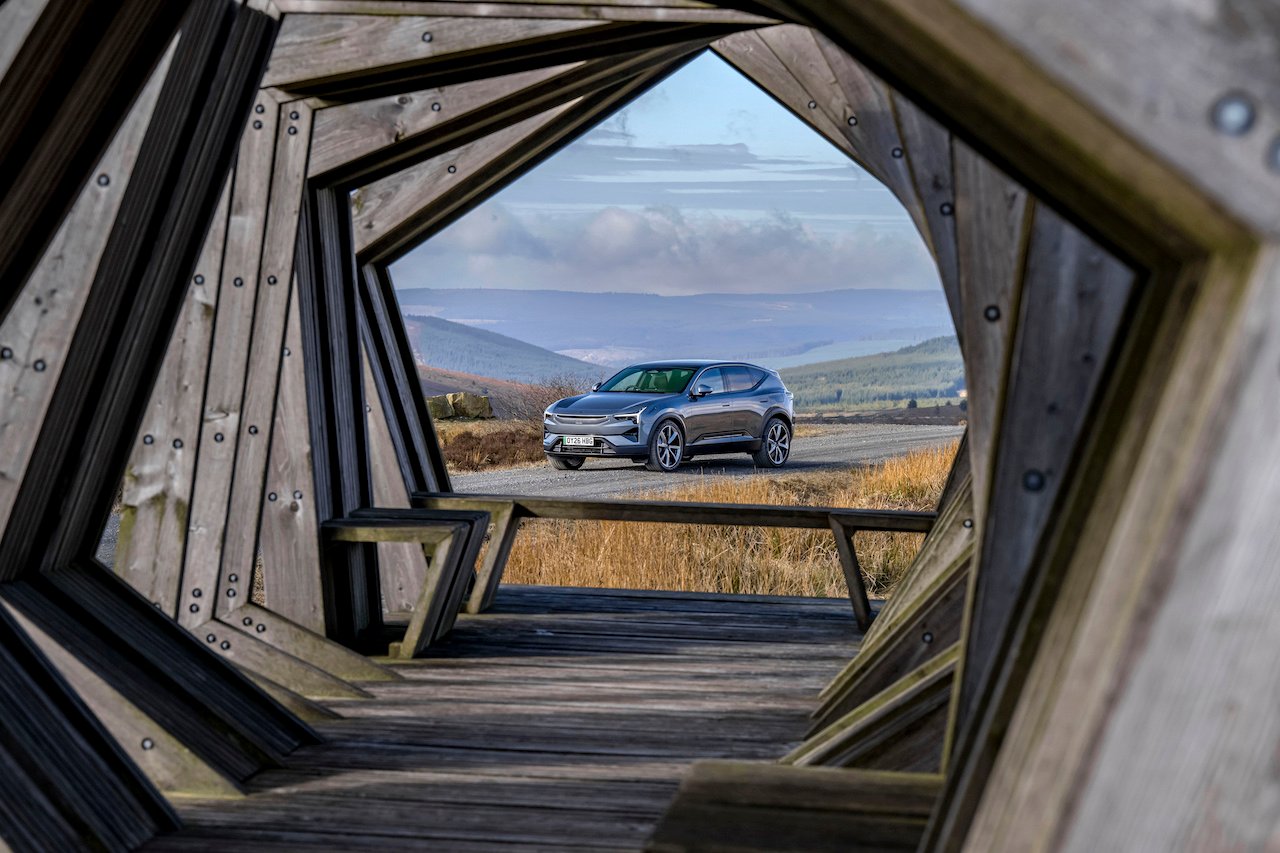
What stands out most is the overall cohesion. Nothing feels out of place or overdone. It’s a car that has been tuned to deliver a consistent, refined experience rather than chasing headline-grabbing dynamics.
Range, Charging and Ownership
The move to an 800V architecture enables faster charging, with peak rates of up to 350kW and 10–80% charging possible in as little as 22 minutes under ideal conditions.
The single motor version uses a 92kWh battery and offers a targeted WLTP range of up to 375 miles, making it competitive among its main rivals.
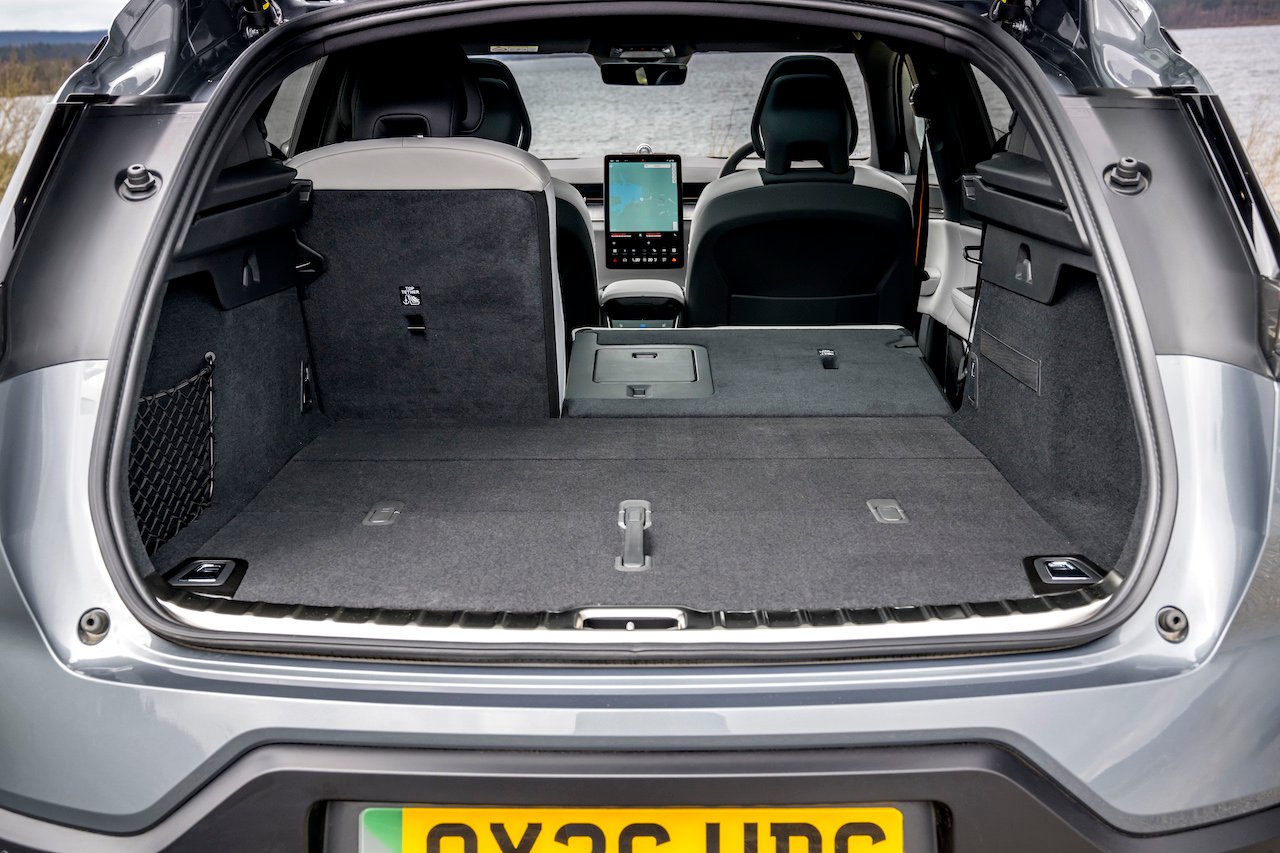
For longer journeys, these improvements make a real difference. Reduced charging times and improved efficiency enhance usability in a way that matters day to day.
Rivals
The Polestar 3 competes with some well-established names.
The BMW iX offers a more overtly luxurious interior. The Audi Q8 e-tron brings brand familiarity and strong refinement. The Mercedes EQE SUV leans heavily into comfort and technology.
The Polestar takes a different approach. It feels more restrained, more design-led and arguably more cohesive than many of its rivals.
Verdict
The 2026 Polestar 3 is a car that has evolved intelligently, without losing focus on what made it special in the first place.
In single motor form, it delivers a level of refinement and composure that feels entirely in keeping with its premium positioning. It may not be the most powerful version available, but it arguably suits the car’s character best.
The updates make a meaningful difference. The move to an 800V architecture improves usability, while the upgraded core computing system transforms the overall experience, making the car feel faster, more responsive and more capable.
There are still compromises. The reliance on touchscreen controls remains frustrating, and the price places it firmly in premium territory.
But taken as a whole, the Polestar 3 offers something distinct and wholly satisfying.


At a Glance
- Make & Model: Polestar 3 MY26 Single Motor RWD
- Price (OTR): £76,540 (£77,540 as tested)
- Power: 333 hp
- 0–60 mph: 6.3 seconds
- Drive: Rear-wheel drive
- Battery: 92 kWh
- WLTP Range: Up to 375 miles
- Charging: Up to 350 kW DC (800V)
- Key Feature: Upgraded NVIDIA Orin core computing system