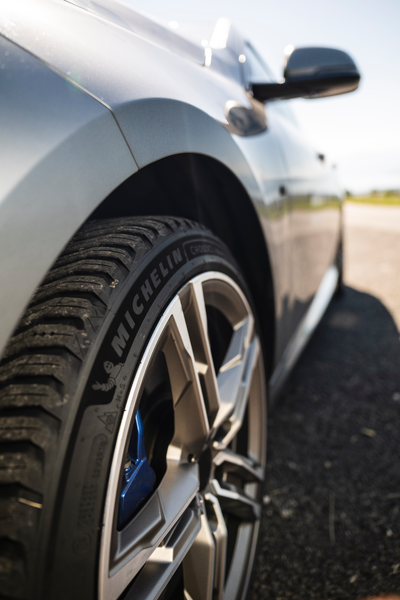
I’ve been an advocate for using the right tyres in the right conditions for years now. I know I will be sounding like a broken record to many by now but I make no apologies.
It’s a no-brainer to have maximum grip no matter what the conditions are and changing my summer tyres for a set of winter tyres in May has been a ritual of mine for around 20 years now. Most of that time has been spent living in the Derbyshire Peak District, so you can see the necessity.

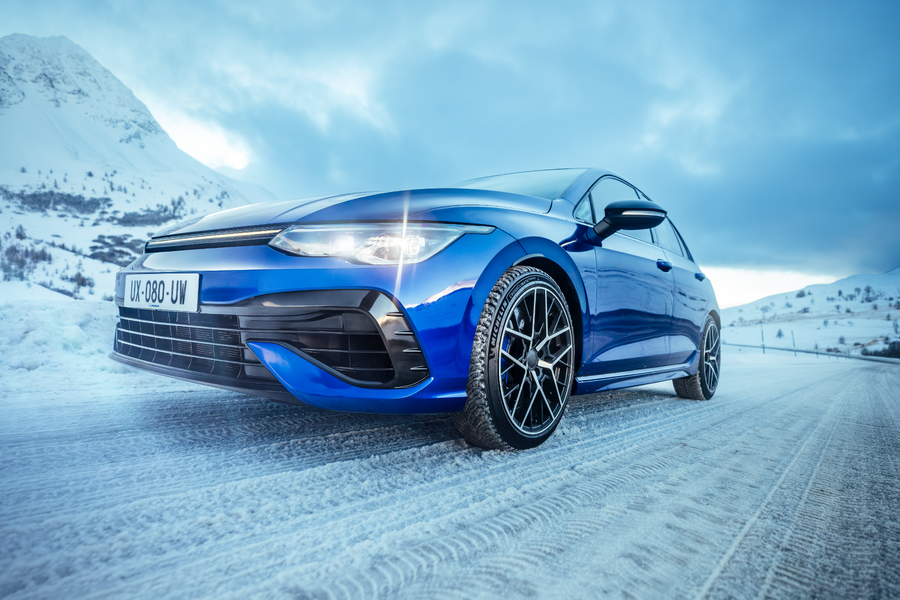
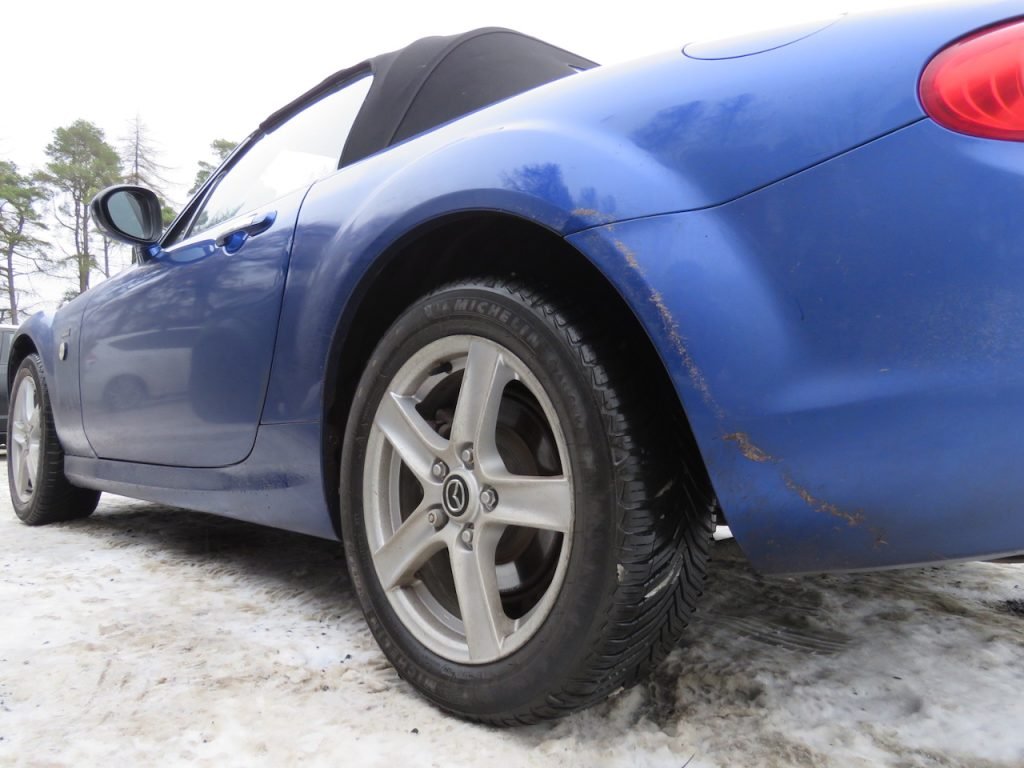
However, I’ve recently been taken by the much-improved offerings of the all-season tyre and ran a set of Michelin CrossClimate 2 tyres on my 2010 Mazda MX-5 in 2024-25. They were a real eye-opener. Superb in snow and almost indistiguishable from the Avon summer tyres during the warmer months. They also meant I didn’t need to get the trolly jack out twice a year . . .

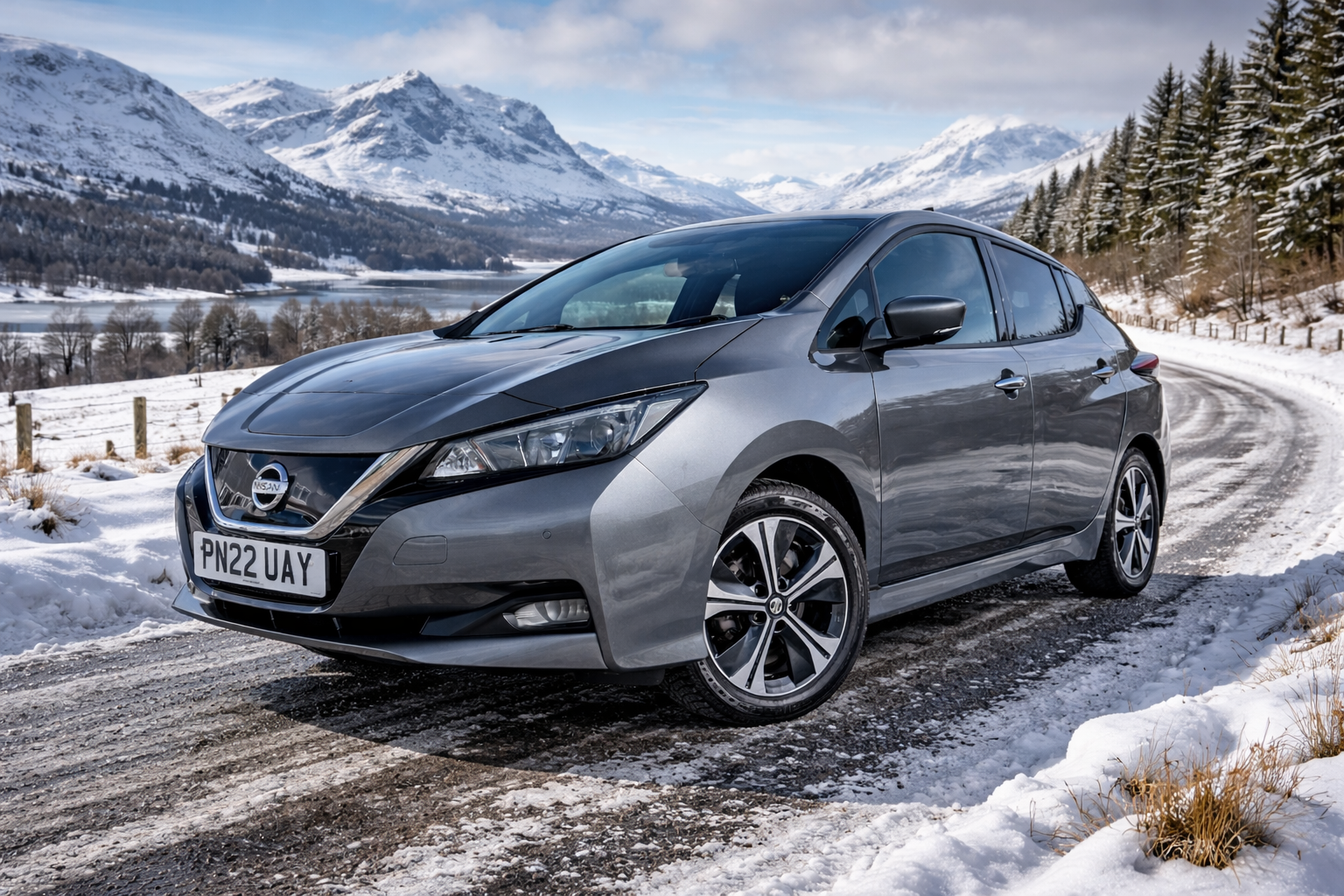
Now living in Scotland and owning a fully-electric Nissan Leaf I was curious to see how the latest Michelin CrossClimate 3 tyres would fair. Would rolling-resistance rob me of that oh-so crucial range?
Michelin has spent the last decade effectively redefining what an all-season tyre can be. The original CrossClimate, launched in 2015, blurred the lines between summer and winter tyres by combining strong warm-weather performance with genuine cold-weather capability.

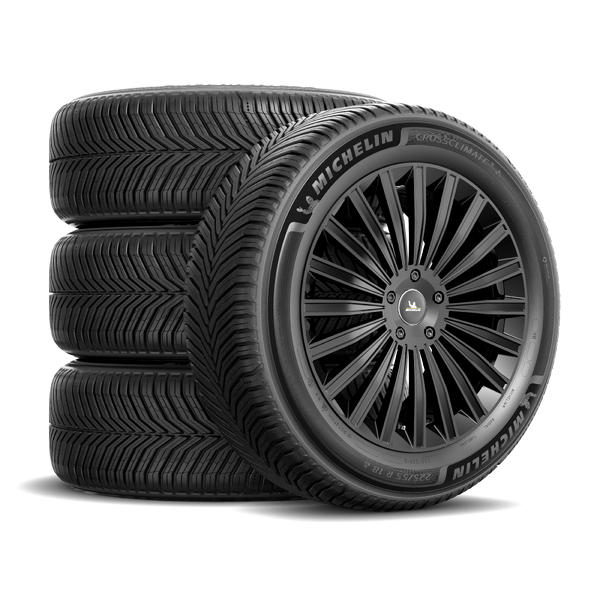
Now, with the third generation, Michelin is doubling down on that concept – not only with the standard CrossClimate 3 tested here, but also with a new CrossClimate 3 Sport variant aimed at higher-performance vehicles.
The question is whether this latest version really delivers on that promise in everyday use – especially for those of us running an EV.
Overview
The Michelin CrossClimate 3 is designed as a true all-season tyre – not a compromise, but a single solution intended to replace both summer and winter sets.

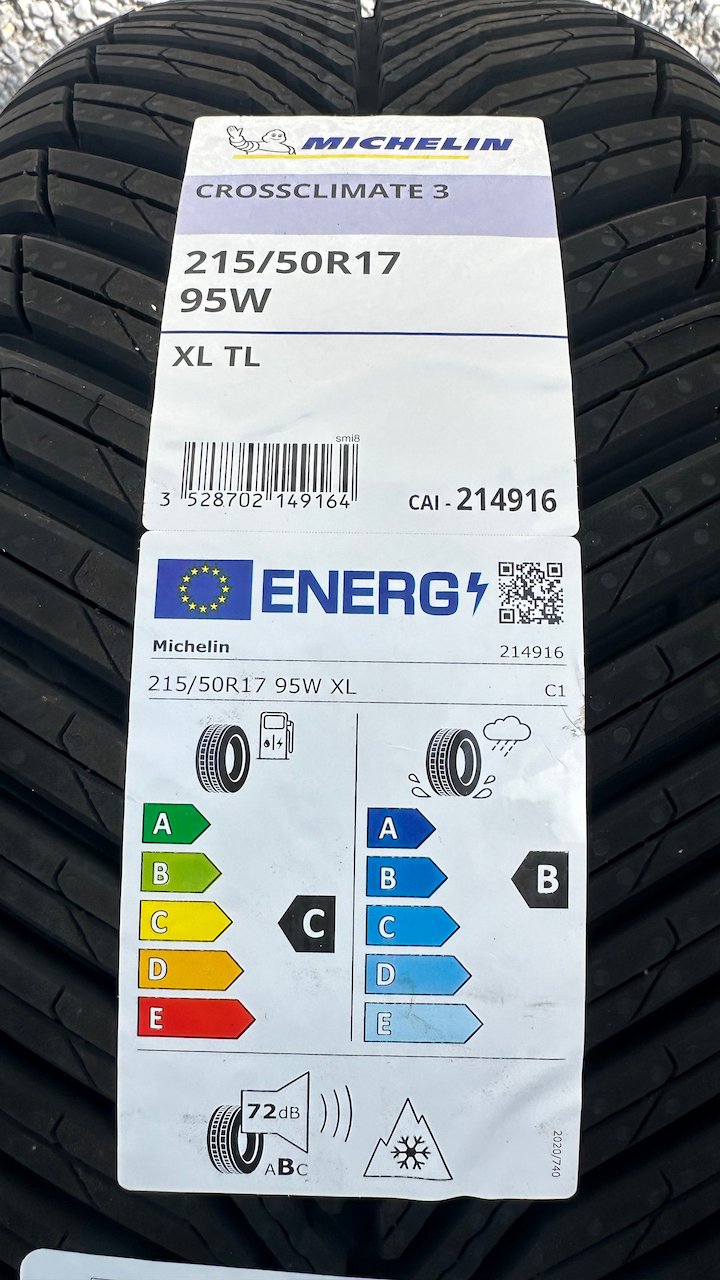
Michelin claims improvements across the board. According to the press material, the new tyre offers around 4% better wet grip and up to 15% longer lifespan compared with its predecessor, while maintaining strong efficiency for modern vehicles, including EVs.
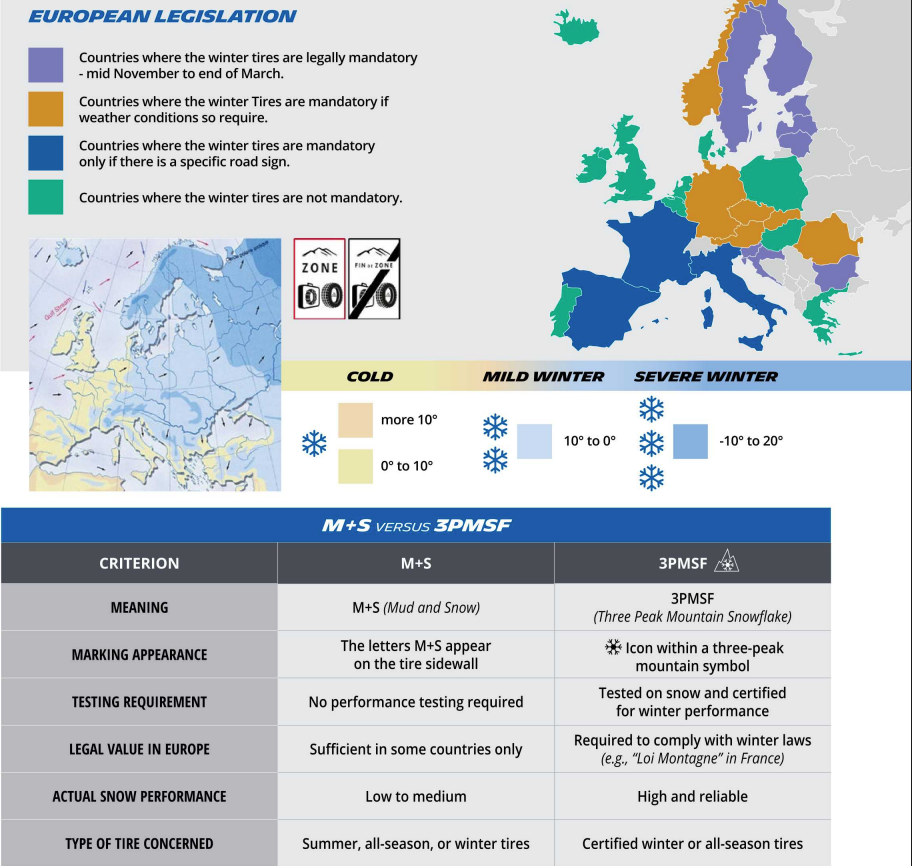
It also carries the 3PMSF (Three Peak Mountain Snowflake) certification, meaning it meets official standards for winter performance – not just marketing claims.
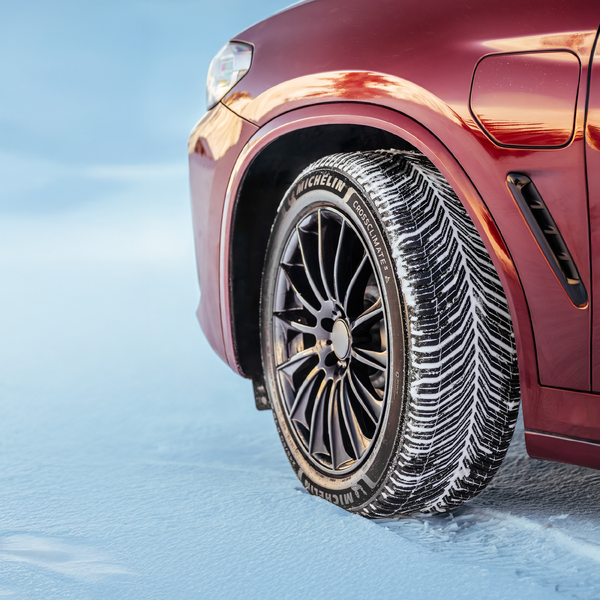
Alongside it, Michelin has introduced the CrossClimate 3 Sport, a more performance-focused version designed for higher-powered vehicles. It promises sharper handling and greater precision while still retaining all-season usability.
That’s an interesting addition, but for most drivers – including this test – the standard CrossClimate 3 is the more relevant option.

First Impressions
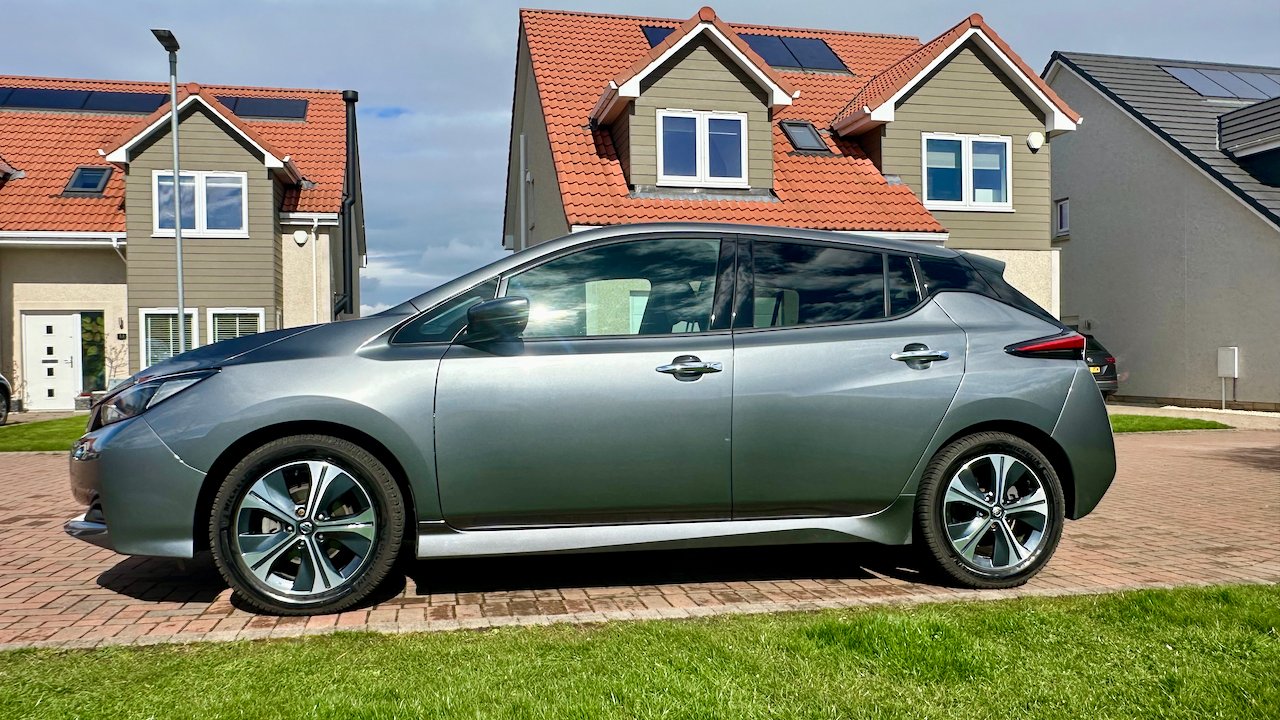
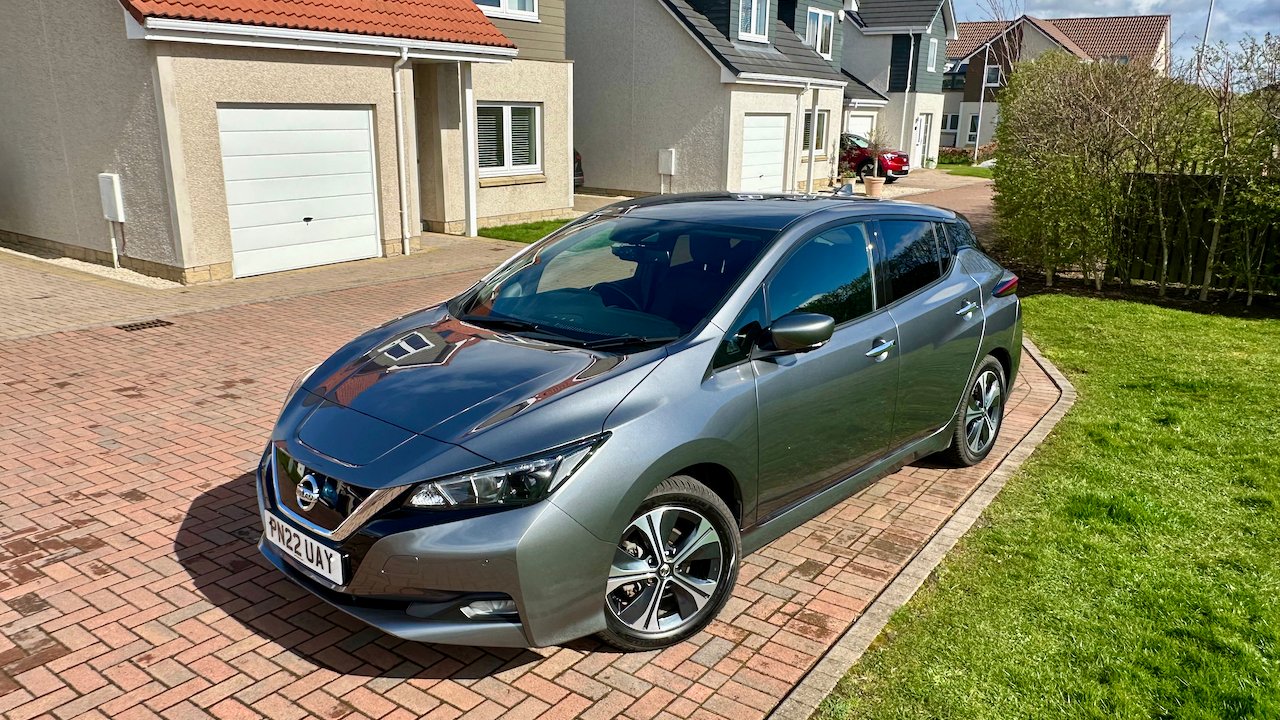
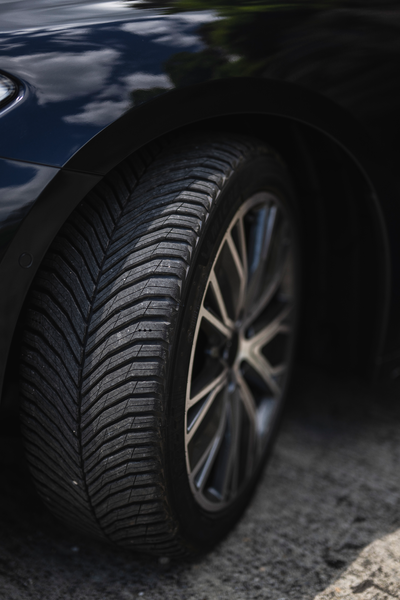
Fitted to a 2022 Nissan Leaf in 215/50 R17 size, the CrossClimate 3 immediately looks different from a conventional tyre.
The directional V-shaped tread pattern is both distinctive and pleasing to look at – if tyre tread patterns are your thing . . .

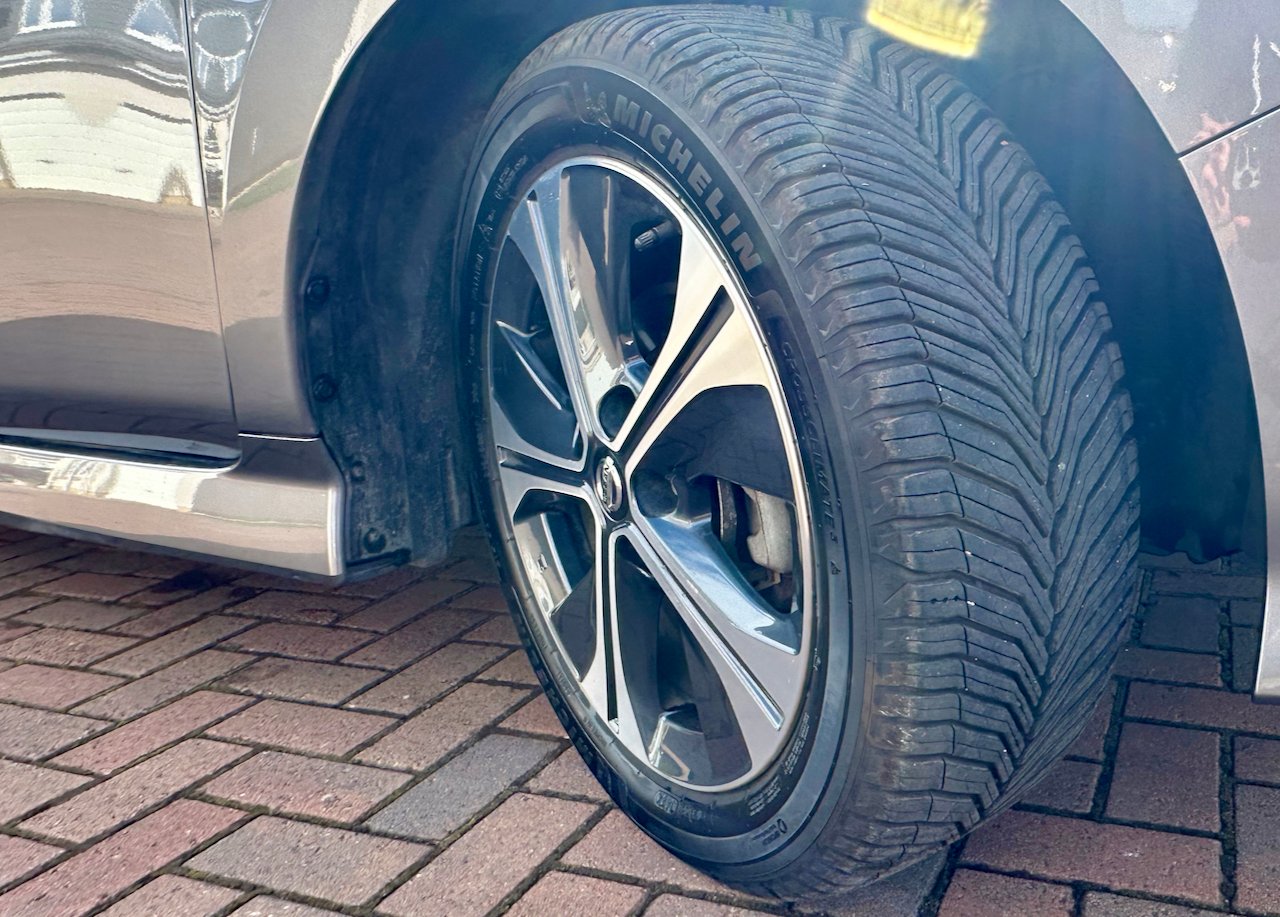
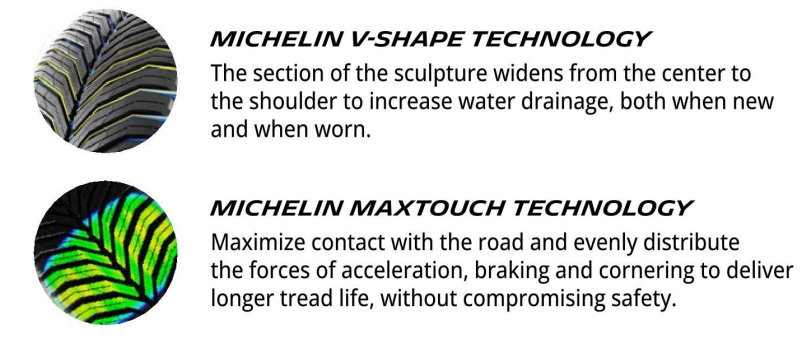
Michelin refers to this as its V-Shape Technology, designed to improve water evacuation and maintain performance as the tyre wears.
Visually, it leans more towards a winter tyre than a summer one. That naturally raises questions about noise, efficiency and refinement – particularly on an electric car, where those factors are more noticeable.
Everyday Performance
In typical UK conditions, the CrossClimate 3 makes a strong case for itself.
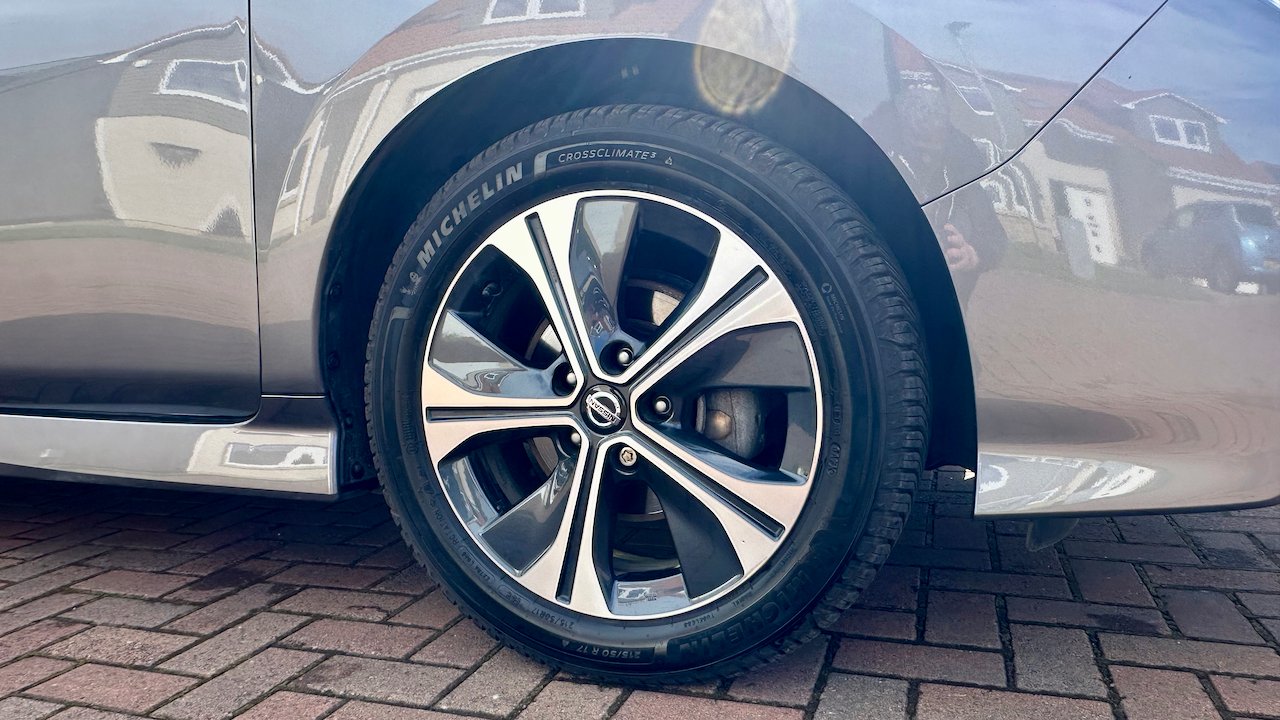
Cold, damp roads are where it feels most at home. Grip levels are reassuring, particularly when pulling away or navigating roundabouts on greasy winter surfaces. There’s a sense of consistency that inspires confidence, especially in a front-wheel-drive EV like the Nissan Leaf.
Wet performance is a clear strength. Michelin’s claims of improved wet grip feel credible in real-world use. The tyre deals well with standing water and maintains composure in conditions that might unsettle a standard summer tyre.
This is, ultimately, where an all-season tyre earns its keep – not in extreme snow or heat, but in the kind of unpredictable conditions most UK drivers face day to day. I found them noticably more confidence inspiring than the standard-fit Goodyear tyres that came with the car.
Noise and Refinement
One of the biggest surprises is refinement.
Given the aggressive tread design, you might reasonably expect increased road noise. In practice, the CrossClimate 3 is quieter than anticipated – and in most situations, quieter than the tyres it replaced.
On an EV like the Leaf, where tyre noise is more noticeable in the absence of engine sound, that matters. There’s no intrusive hum or drone at motorway speeds, and overall cabin refinement remains intact – although the Leaf isn’t the quietest of motorway munchers, thanks to intrusive noise from the wing-mirrors. Nothing the Michelins can do about that though.
Efficiency and EV Suitability
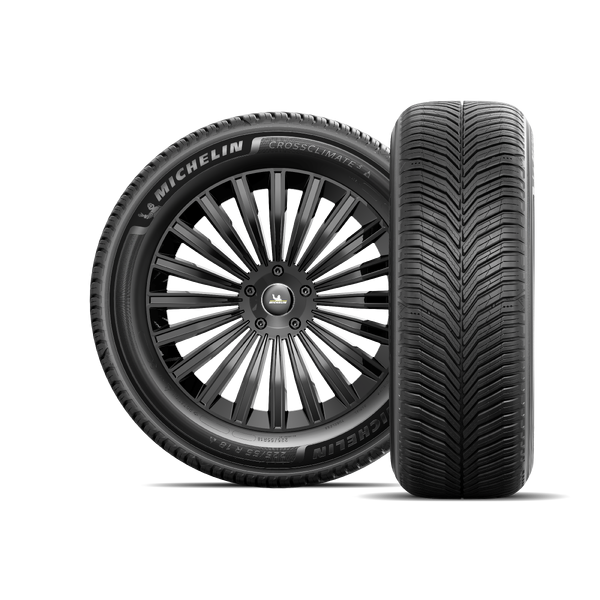
Michelin makes a point of highlighting the CrossClimate 3’s compatibility with electric vehicles.
That matters, because EVs place unique demands on tyres. Instant torque, increased weight and the importance of efficiency all create a different set of requirements compared with traditional combustion cars.
In this case, there has been no noticeable impact on range. Energy consumption remains consistent with previous tyres, suggesting that rolling resistance is well managed.
That aligns with Michelin’s claim that the tyre maintains a high level of energy efficiency, making it suitable for EVs that rely on maximising every mile of range.

Winter Capability
Although the CrossClimate 3 is certified for winter use, I haven’t yet been able to test in proper snow.
Living just outside Edinburgh, most of this winter’s snowfall has been further north – Aberdeen and beyond – leaving little opportunity to fully explore its snow performance.
However, the presence of 3PMSF certification is significant. It means the tyre has been independently tested for snow traction and meets legal winter tyre requirements in certain European regions. Indeed, it has polled top of the class for snow handling in recent comparison tests.
Based on its performance in cold and wet conditions, there’s little doubt it would offer a clear advantage over summer tyres when temperatures drop.

Longevity and Value
One of the more interesting claims from Michelin is longevity.
A 15% increase in lifespan over the previous generation suggests the CrossClimate 3 is designed not just for performance, but also for long-term value. Michelin’s MaxTouch technology, which distributes forces evenly across the contact patch, is intended to support this.
At around £150 per tyre fitted in this size, it sits firmly in the premium category.
That price may seem high initially, but it becomes easier to justify when you consider the broader picture. A single set of tyres capable of handling all seasons removes the need for seasonal swaps, additional storage and the associated costs.

Verdict
The Michelin CrossClimate 3 is a quietly impressive piece of engineering.
It delivers exactly what it promises: strong grip in cold and wet conditions, low noise, and no meaningful compromise in efficiency -even on an electric vehicle. That combination is difficult to achieve, and Michelin has managed it convincingly.
I may not have had the chance to prove it in snow yet, but everything else suggests it would rise to the occasion.
Yes, it is a tad on the expensive side. But this is one of those rare cases where the premium feels justified.
At a Glance
- Tyre: Michelin CrossClimate 3
- Size Tested: 215/50 R17
- Vehicle: 2022 Nissan Leaf
- Type: All-season tyre (3PMSF certified)
- Price: £149.99 per tyre (fitted, Asda Tyres)
- Key Strengths: Wet grip, cold weather performance, snow handling, low noise, EV efficiency, longevity
- Also Available: CrossClimate 3 Sport (performance-focused variant)