WHEN Ford announced the Explorer EV, there was far less noise than there had been around the Mustang Mach-E or, more recently, the Capri.
That’s probably because the Explorer name doesn’t carry the same emotional baggage in the UK. Most buyers aren’t arriving with decades of nostalgia or strong opinions about what an Explorer should be. That freedom has arguably allowed Ford to get on with the important business of building a good electric family SUV.
And that’s exactly what it has done. Built on Volkswagen Group’s MEB platform and sharing much of its underlying technology with the VW ID.4 and Skoda Enyaq, the Explorer could easily have ended up feeling like a rebadged German EV. Instead, Ford has managed to inject enough of its own character to create something that feels distinctively Blue Oval.
For 2026, the Explorer – like it’s sibling, the Capri, receives a raft of updates, including a revised infotainment system, enhanced driver assistance technology and additional functionality aimed at making daily life easier. Combined with a strong powertrain lineup and one of the better interiors in the segment, it remains one of the most convincing family EVs currently on sale.
The vehicle tested here was the range-topping Premium AWD, fitted with the Driver Assistance Pack, Heat Pump and retractable towbar, bringing the as-tested price to £58,035.
Overview
Ford has spent the past couple of years expanding its electric vehicle portfolio, and the Explorer occupies an important position in the lineup.
It sits between the Puma Gen-E and larger electric SUVs from rival manufacturers, targeting families who want space, technology and long-distance usability without stepping into luxury-car pricing territory.
For 2026, Ford has focused on refining the Explorer rather than reinventing it.
The biggest improvements centre around the Standard Range model. Thanks to revisions to both the battery and electric motor, driving range increases by more than 60km, taking the official figure to as much as 444km – an increase of over 17 per cent. At the same time, power rises to 190PS and torque increases to 350Nm, helping reduce the 0-100km/h sprint to 8.0 seconds while also reducing reliance on high-demand raw materials within the battery pack.
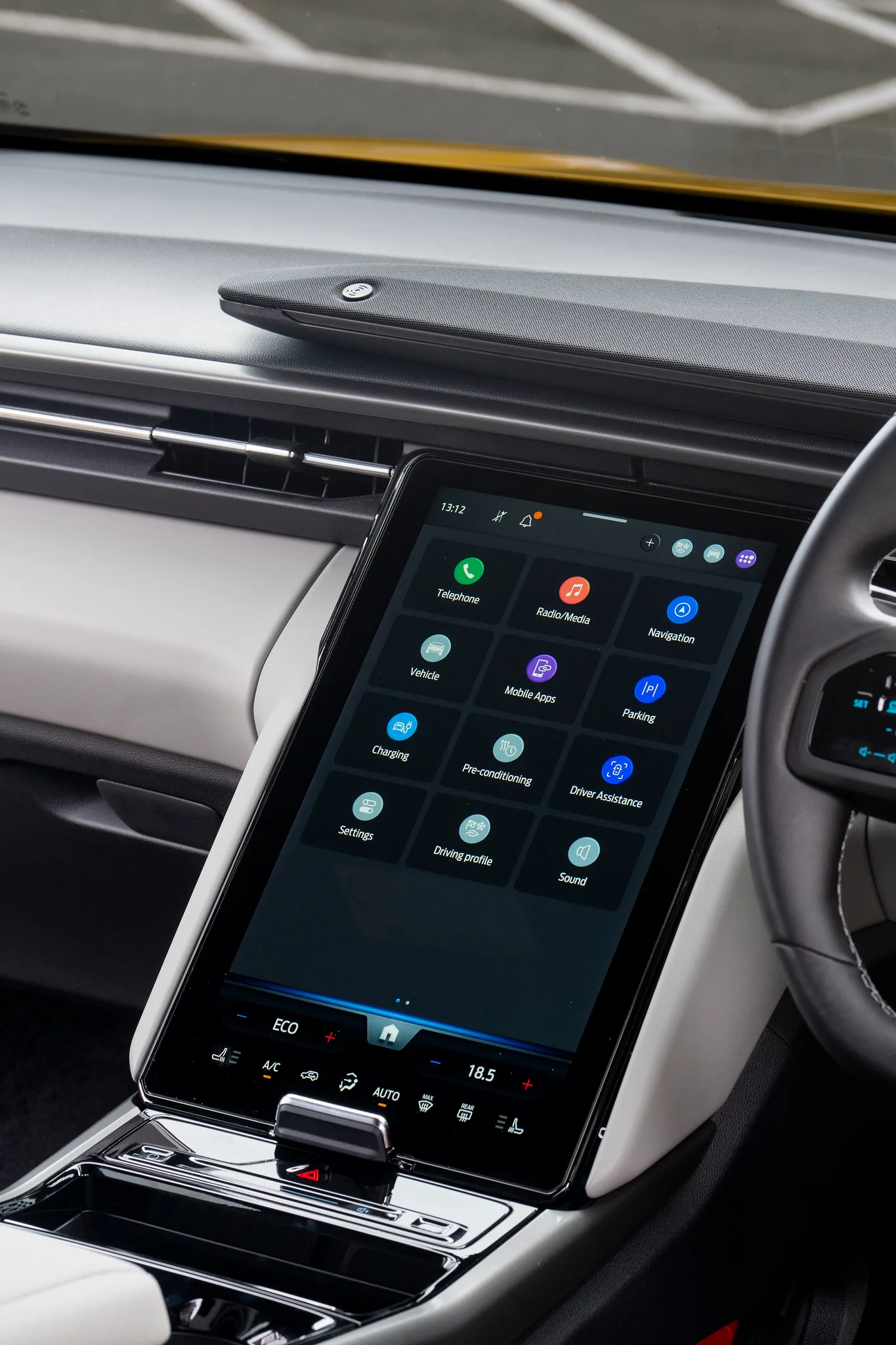
The Explorer also gains a significantly updated technology package. A new Android-based operating system powers the infotainment system, bringing cleaner graphics, expanded navigation and parking displays, improved responsiveness and the ability to organise applications into folders.
Ford has also expanded the Explorer’s driver assistance capabilities. Reversing Assist can automatically retrace the vehicle’s path for up to 50 metres, while Park Assist with Memory can learn and repeat frequently used parking manoeuvres. Driver State Assist adds an extra layer of safety by monitoring driver attention and intervening if it detects a potentially serious medical event or prolonged lack of driver input.
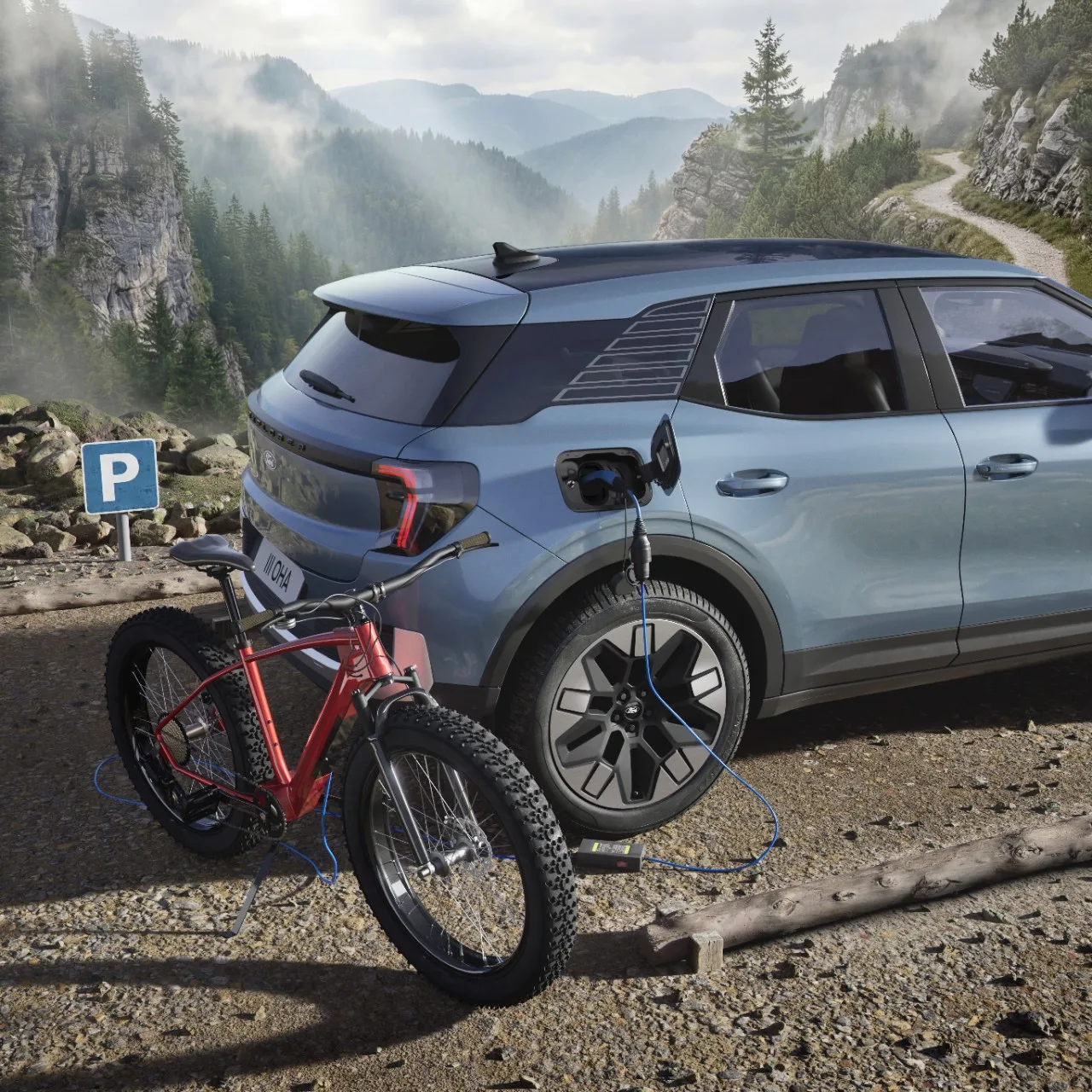
One-Pedal Drive is now standard across the range and Pro Power Onboard joins the options list, allowing owners to power external equipment directly from the vehicle’s battery via a socket in the boot or an optional adapter connected to the charging port.
The range itself has also been broadened with the introduction of the new Explorer Collection.
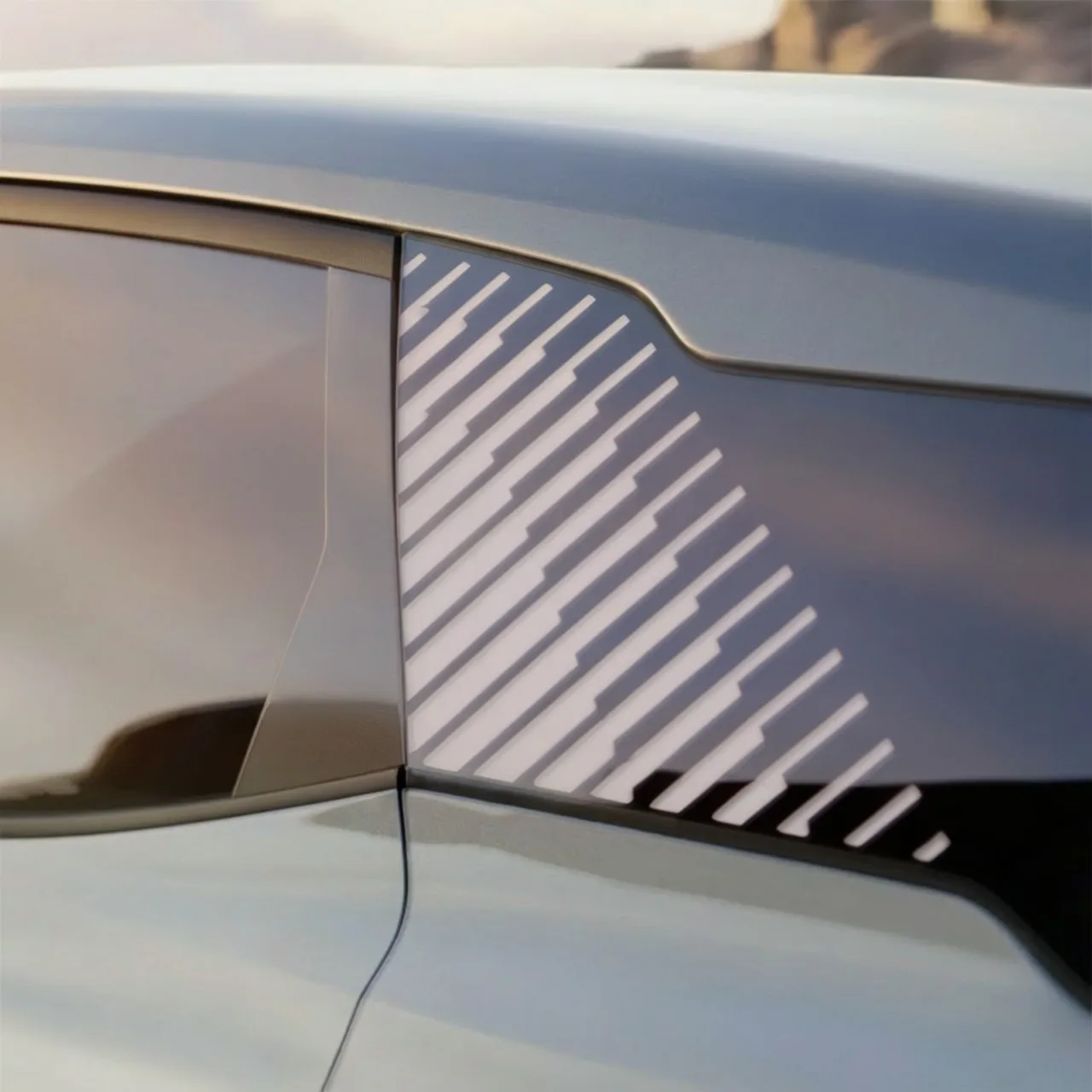
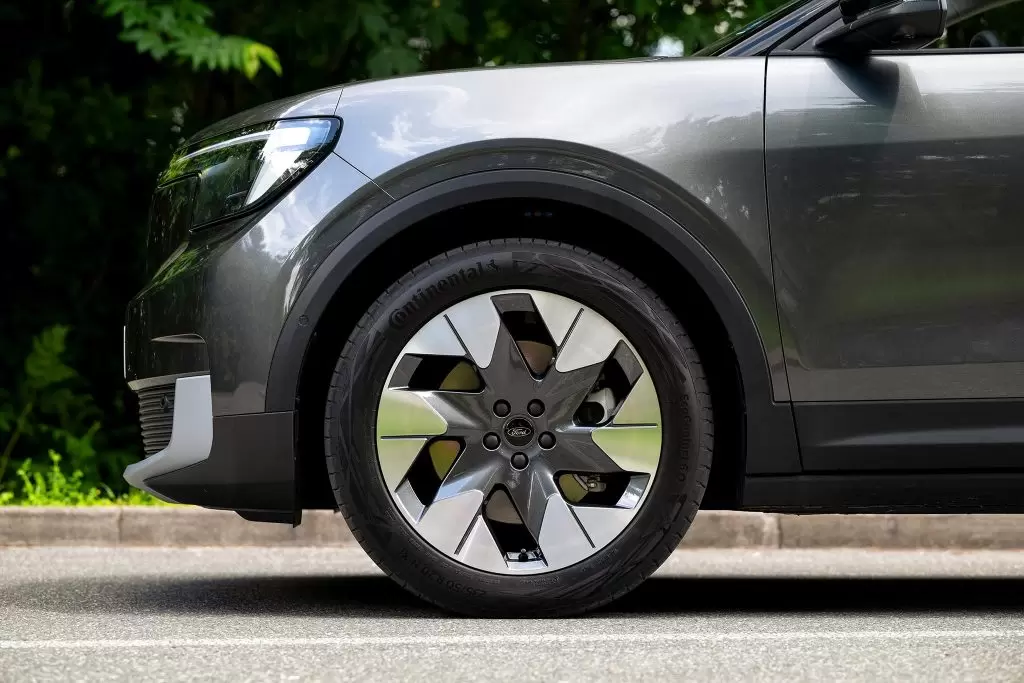
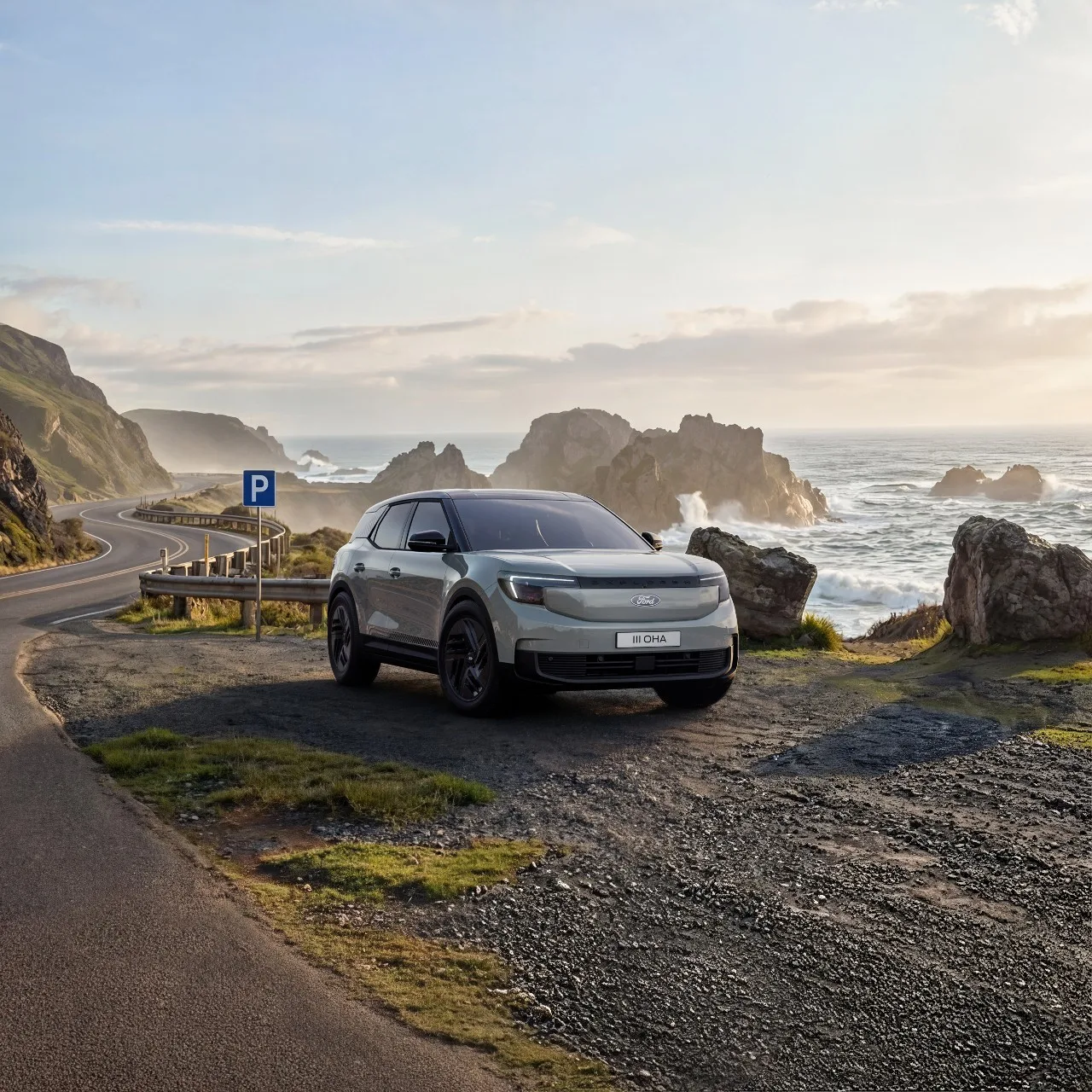
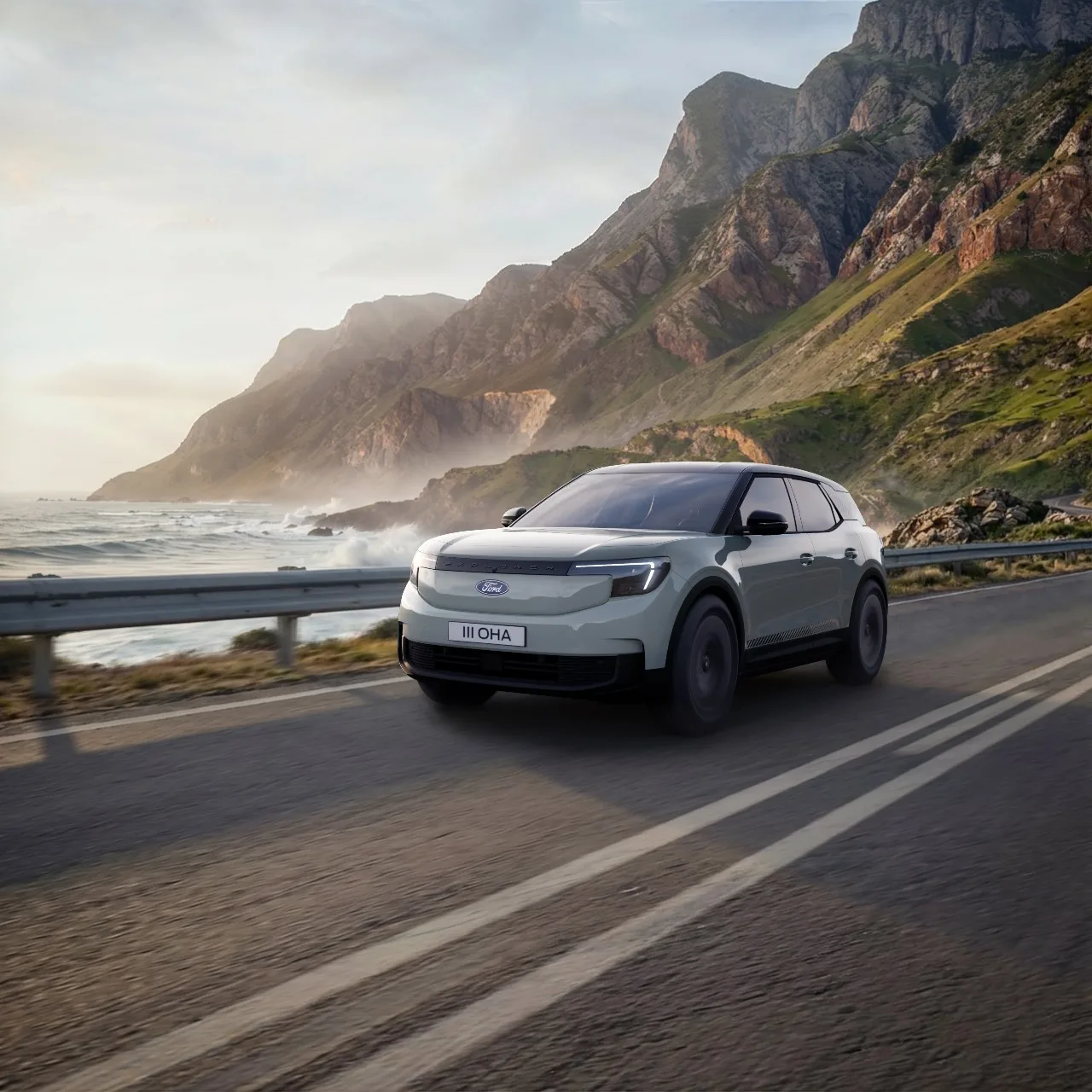
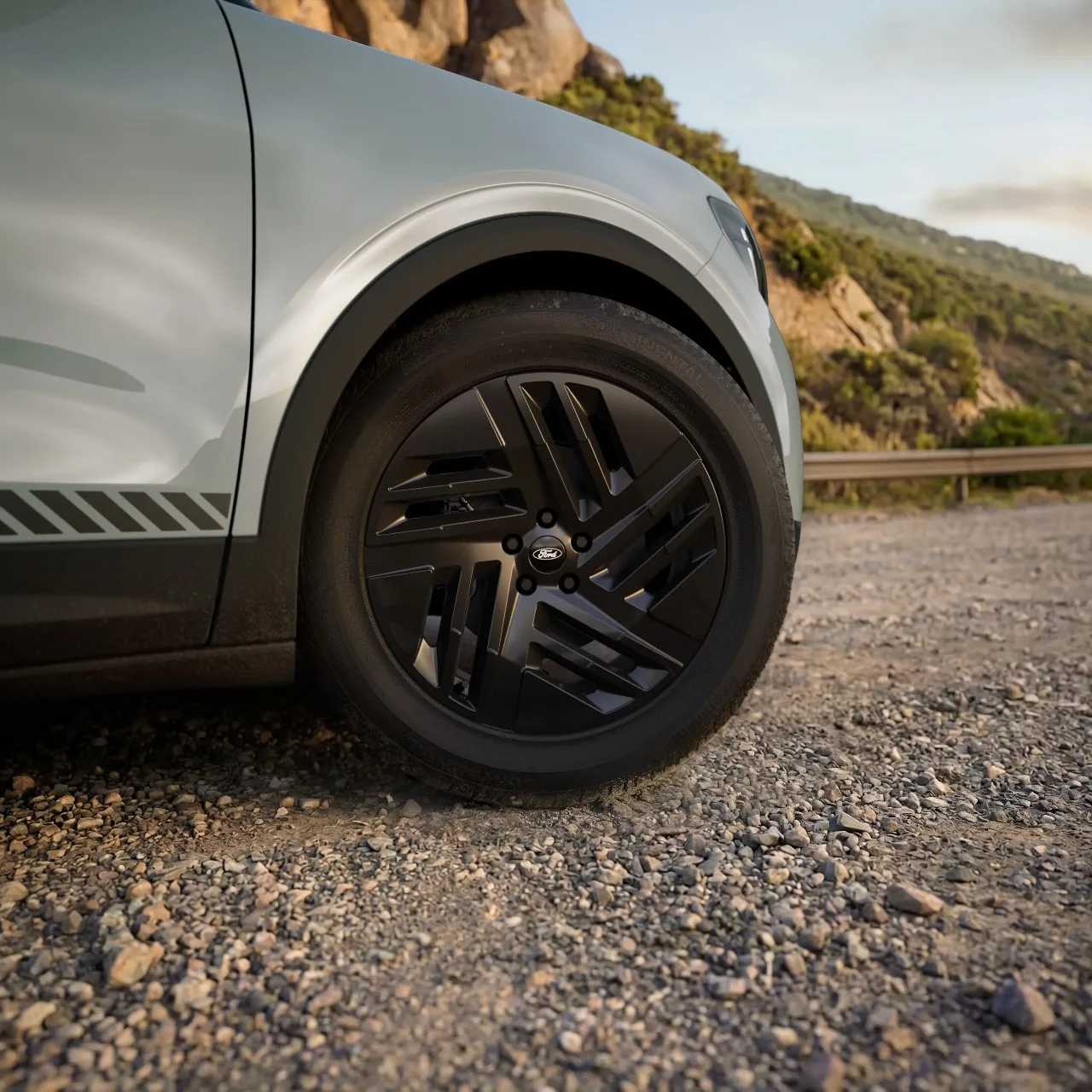
Priced from £45,935 OTR, the Collection is based on the Extended Range rear-wheel-drive model and features exclusive Cactus Grey paint, new 20-inch Satin Black alloy wheels, a contrasting black roof and distinctive graphics on the doors and rear pillars.
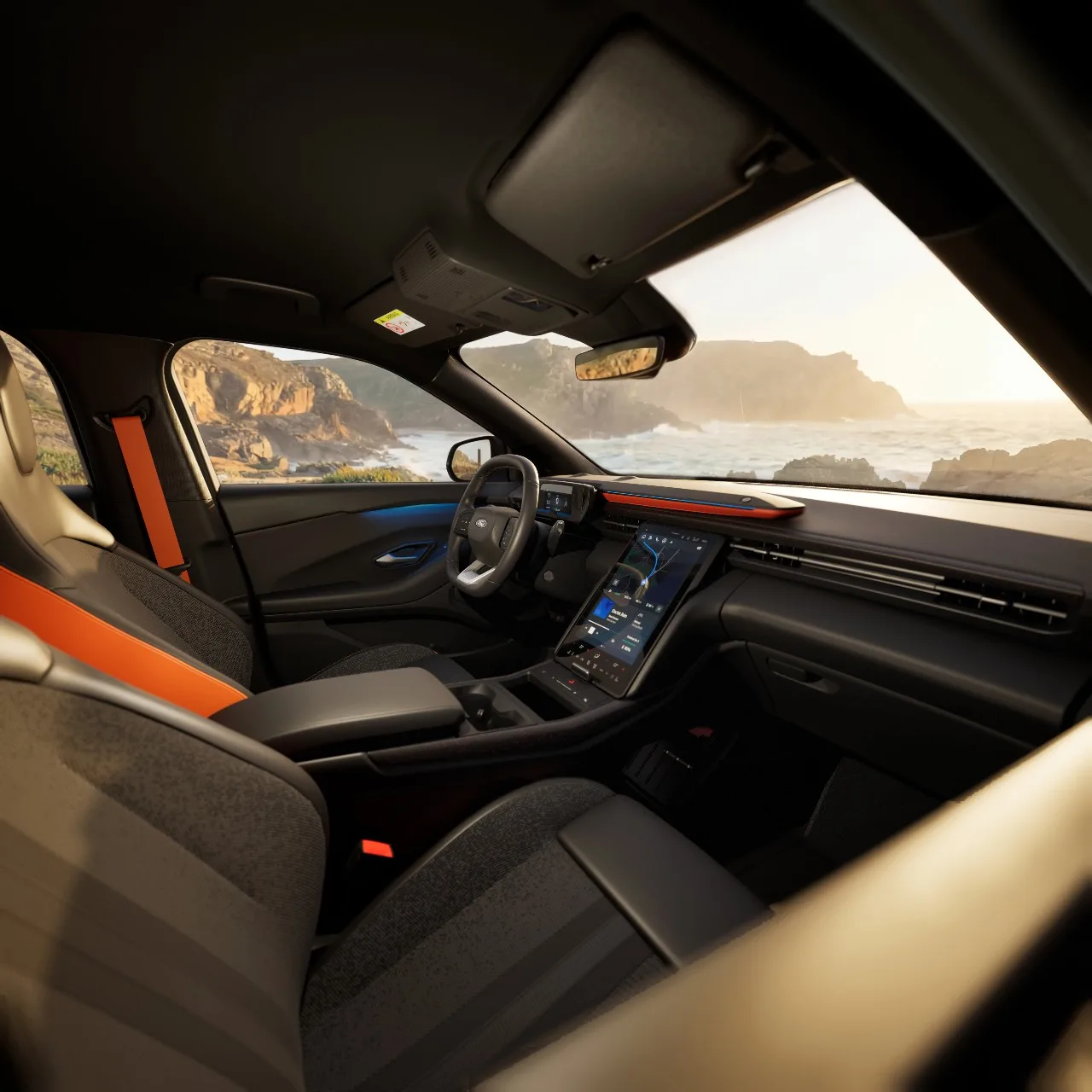
Inside, it receives unique orange detailing on the seats, dashboard, soundbar and seatbelts, along with a bespoke seat fabric inspired by modern sportswear. It gives the Explorer a more youthful and distinctive personality without compromising the practicality that makes the standard car so appealing.
The Premium AWD tested here remains the flagship of the range. It combines a dual-motor all-wheel-drive powertrain producing 340PS and 679Nm of torque with a 79kWh battery capable of delivering up to 323 miles of WLTP range. Motorway range is quoted at 257 miles, while 0–62mph takes just 5.3 seconds.
Design
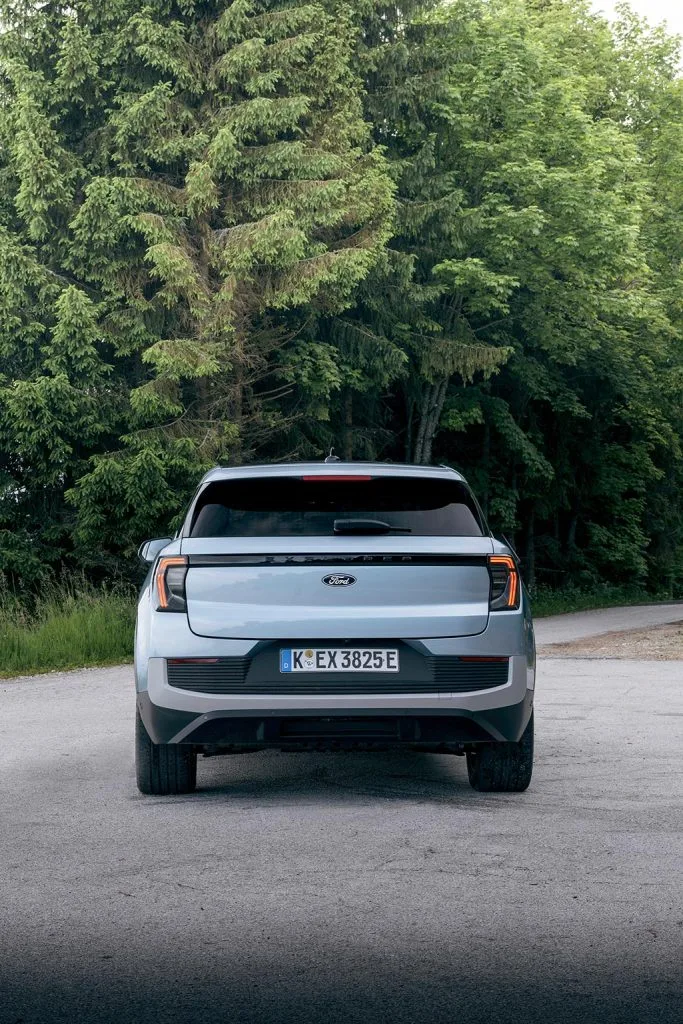
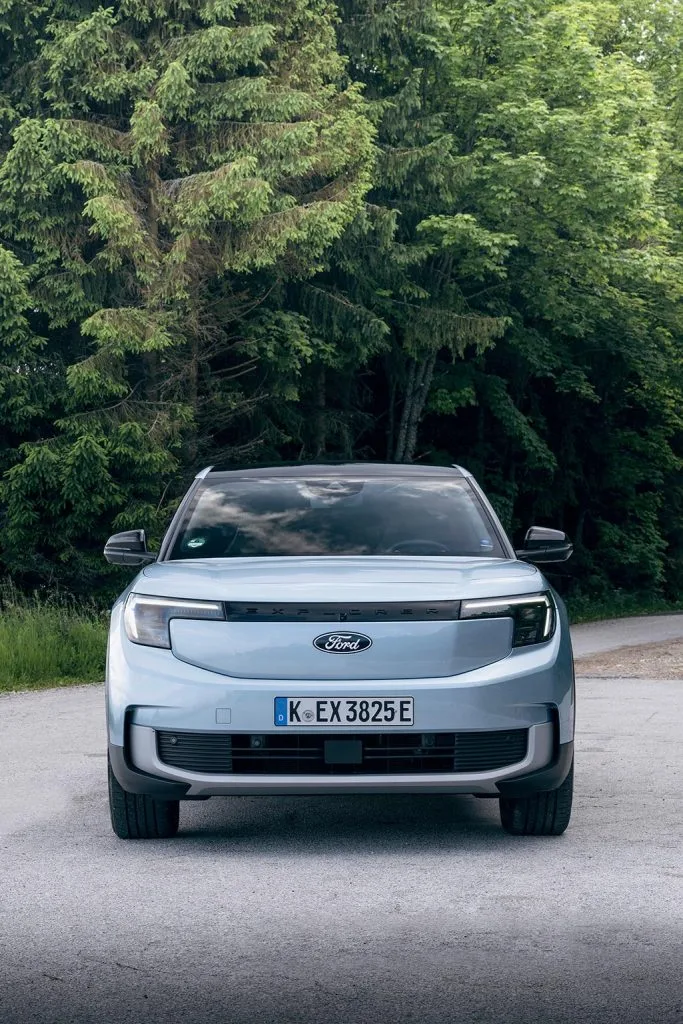
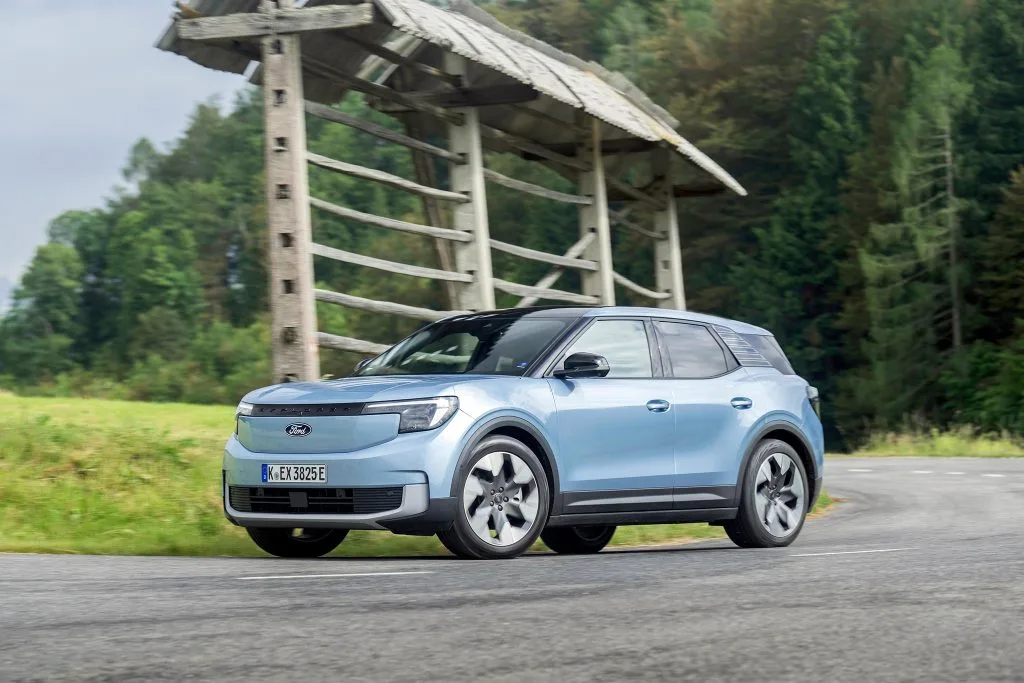
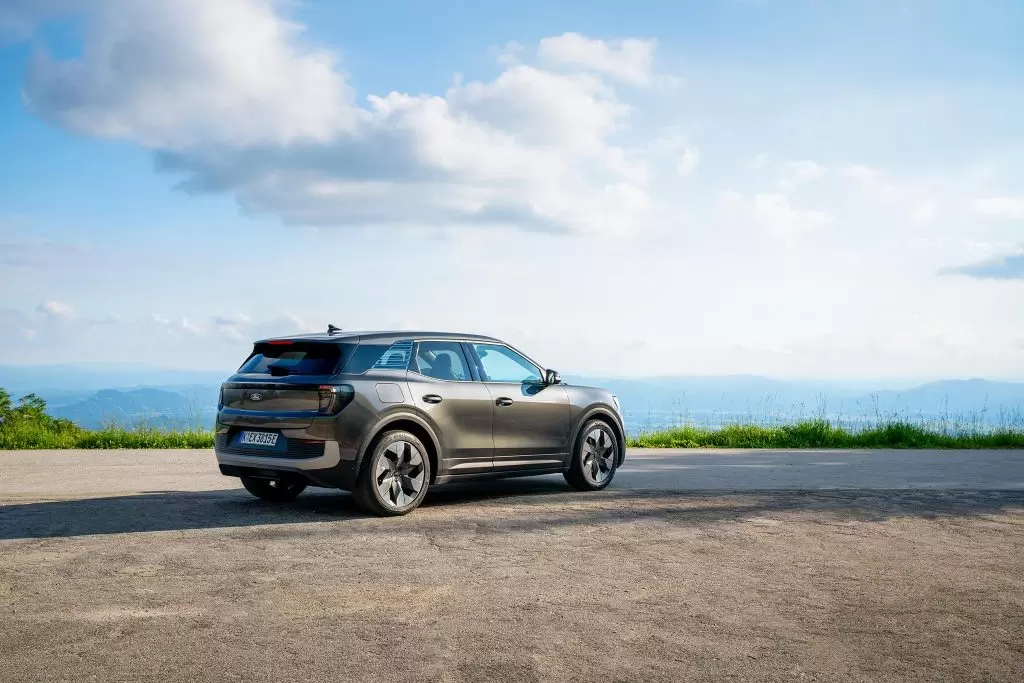
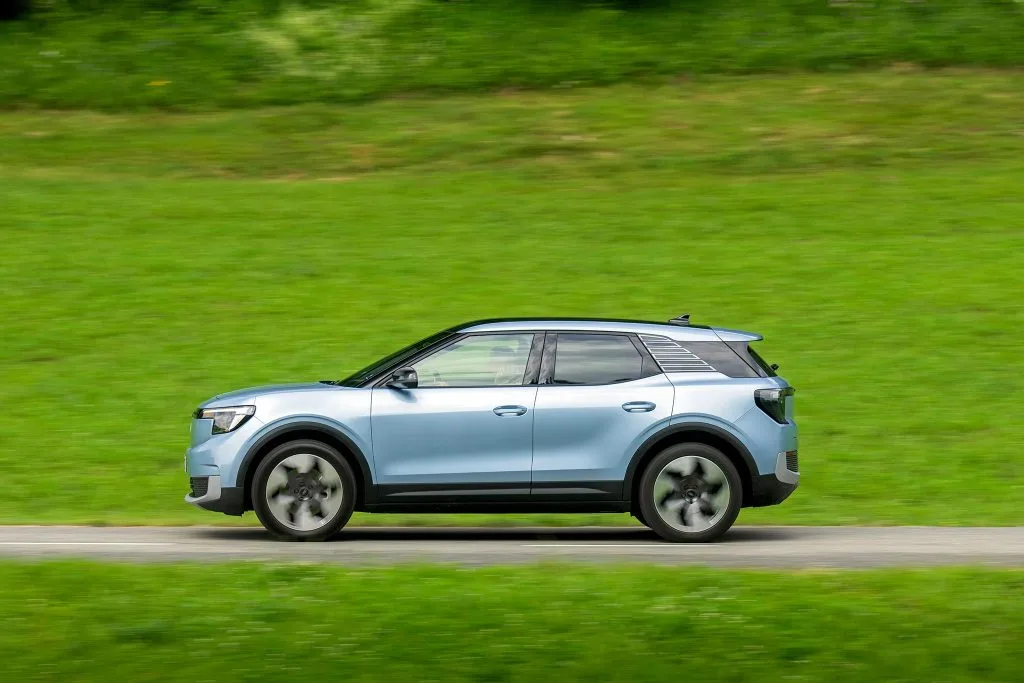
The Explorer is not a car that relies on visual drama. Unlike the Capri, which attempts to blend coupe styling with crossover proportions, the Explorer embraces its SUV identity. It’s unapologetically chunky, upright and practical.
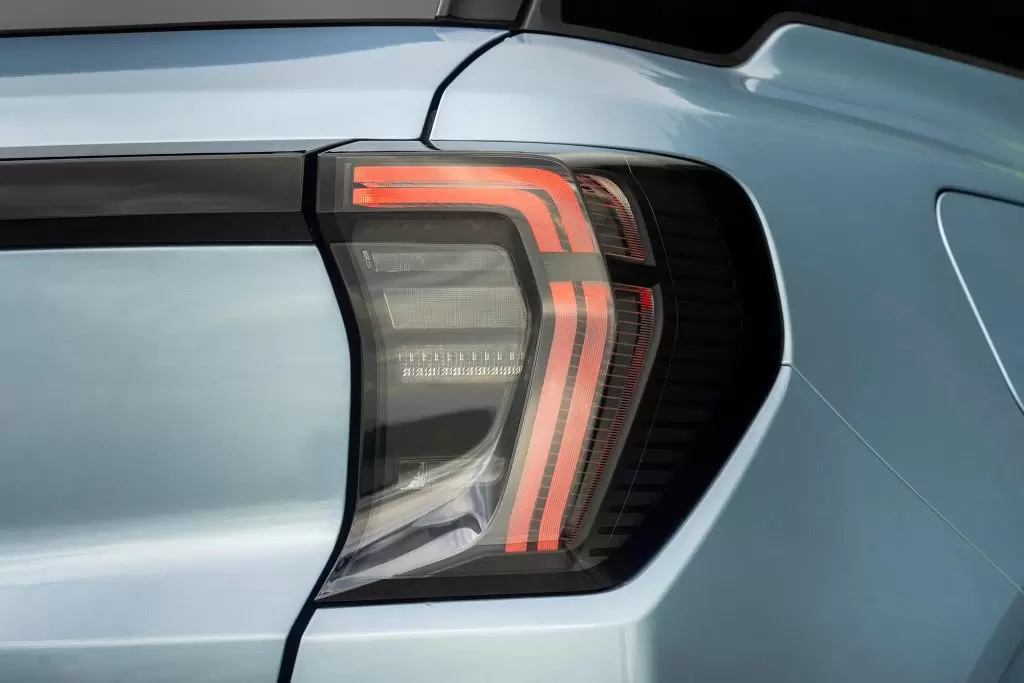
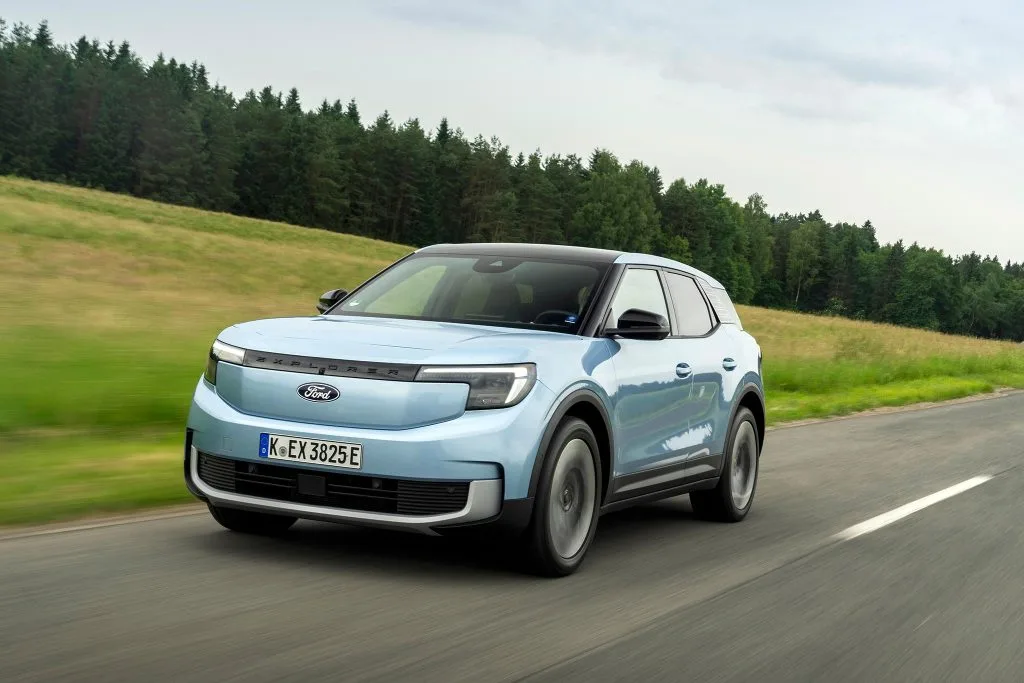
The bluff front end gives it a confident stance, while the closed-off grille and slim Matrix LED headlights ensure it looks modern without resorting to unnecessary styling gimmicks.
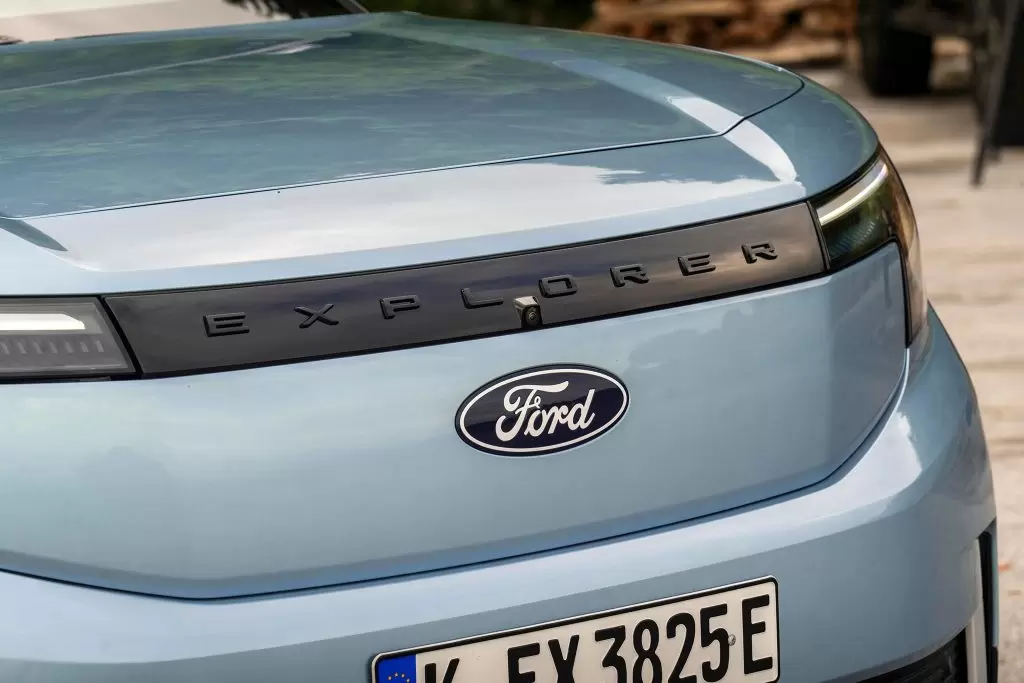
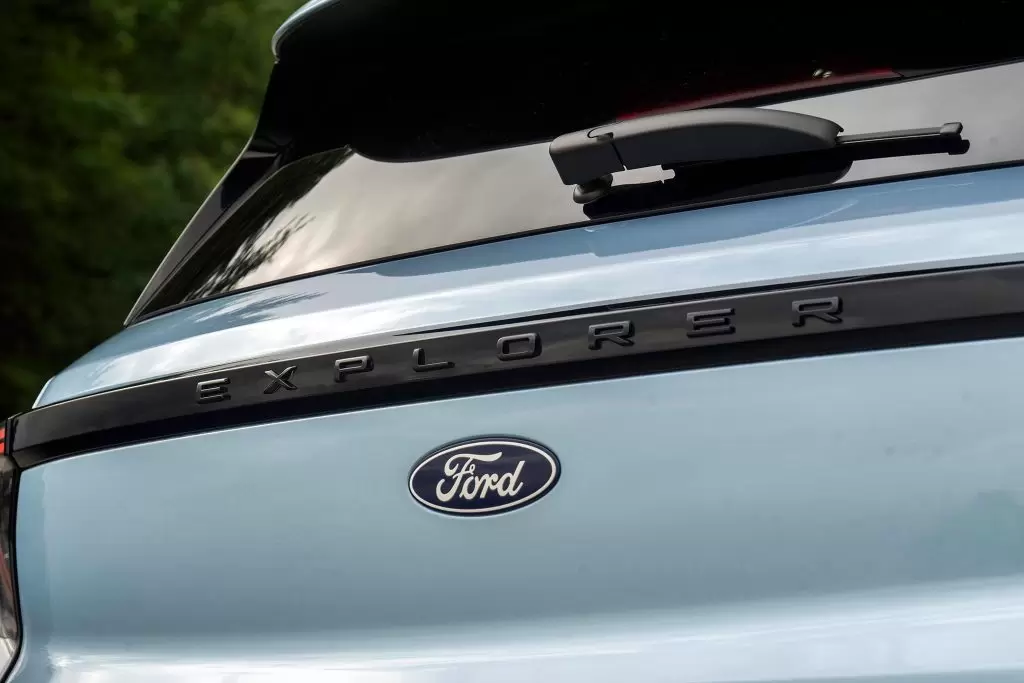
The large EXPLORER lettering stretched across the nose and tailgate won’t be to everyone’s taste, but it does give the vehicle a sense of identity.
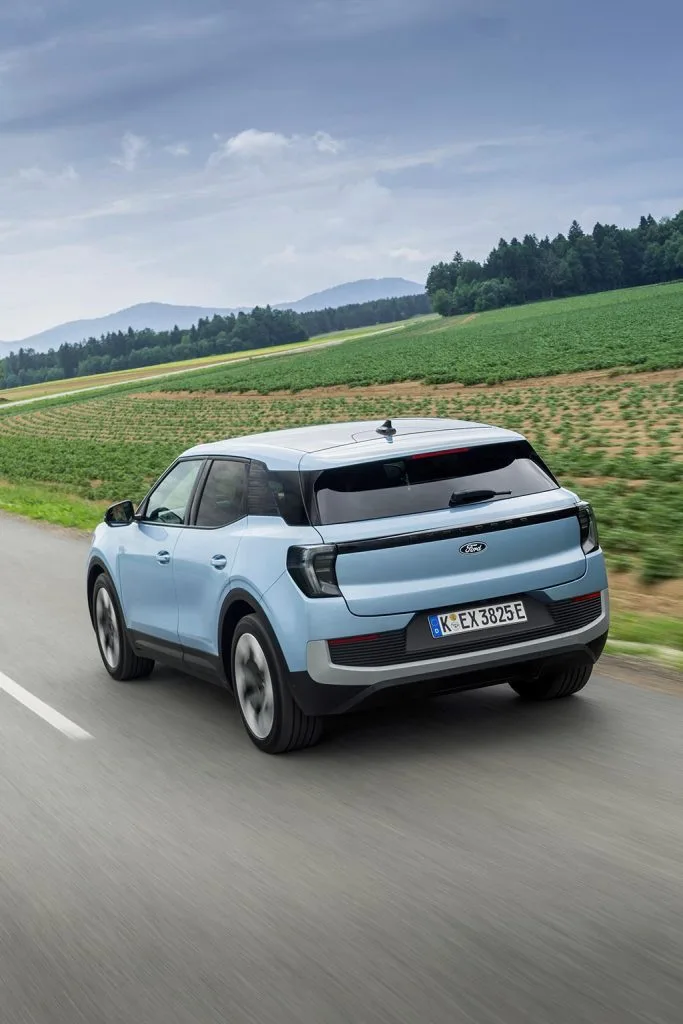
From the side, the square roofline immediately hints at one of the Explorer’s biggest strengths – interior space. While sleeker alternatives chase style at the expense of practicality, Ford has clearly prioritised functionality.
The result is a vehicle that may not stop traffic, but looks purposeful and well judged.
Interior
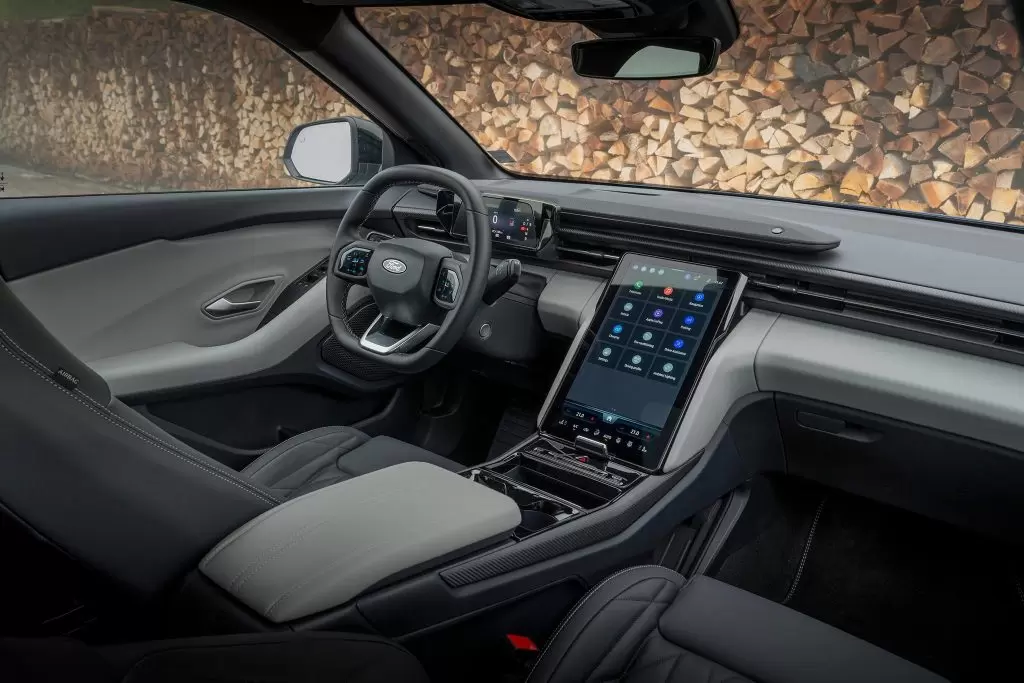
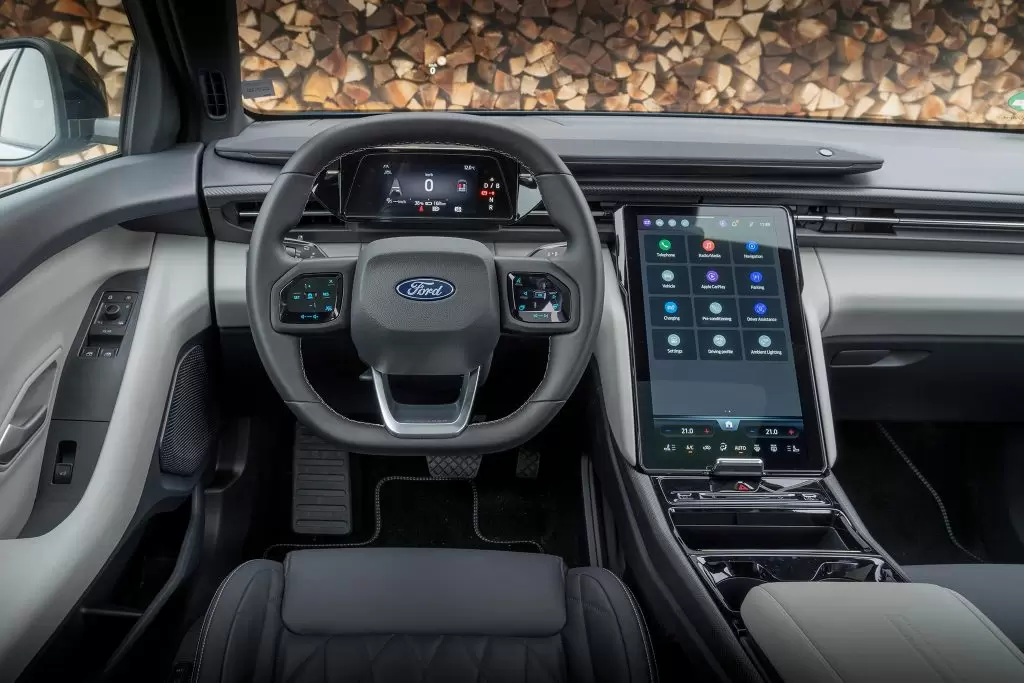
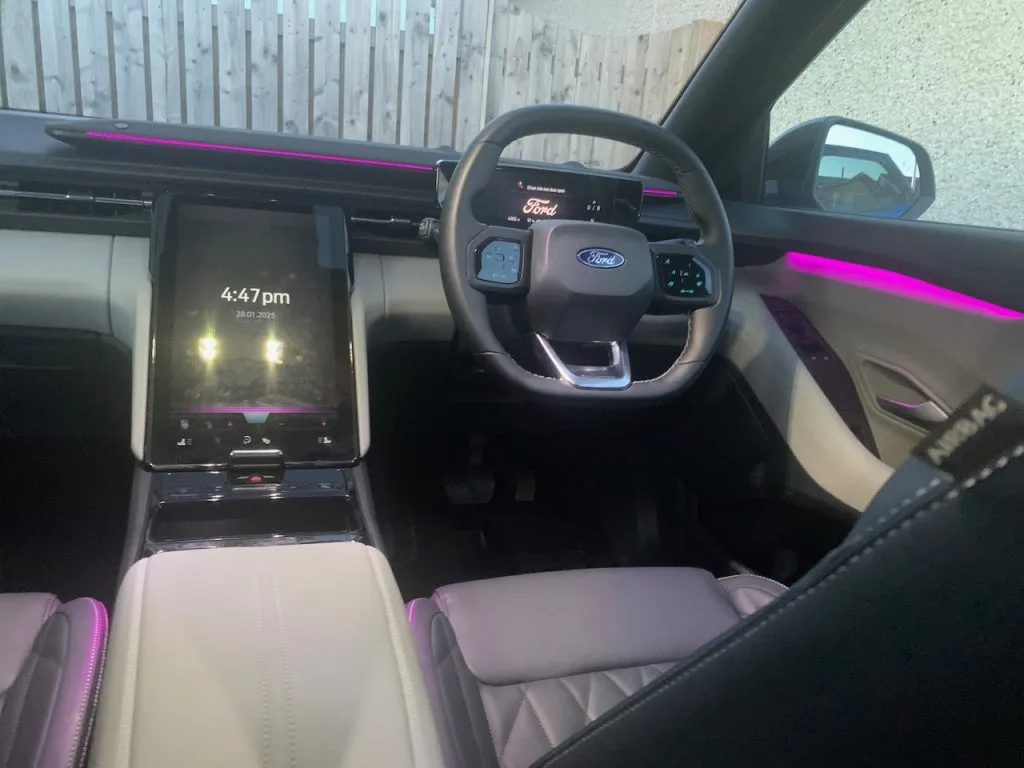
The dashboard design is clean and modern without becoming intimidating, while the quality of materials is generally impressive throughout, if falling a little short of luxurious. Typical Ford, in fact . . .
Dominating the cabin is Ford’s 14.6-inch SYNC Move touchscreen. Like the Capri, it can slide backwards and forwards to adjust the viewing angle while also revealing a hidden storage compartment behind it.
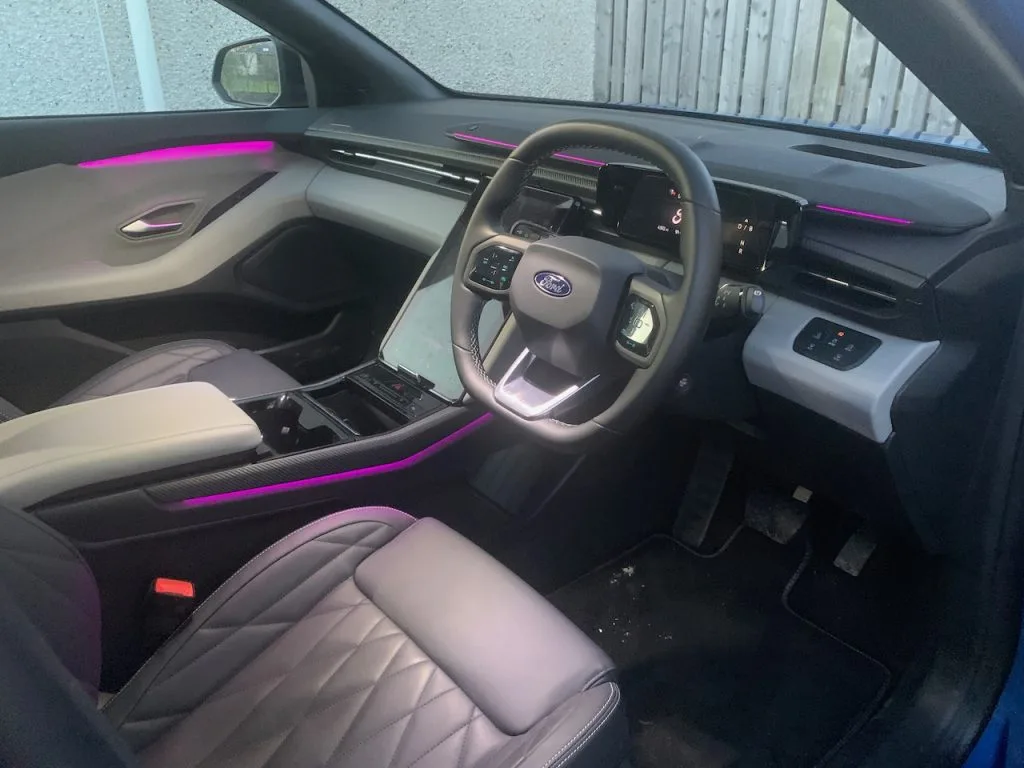
Initially, it sounds like a gimmick. In practice, it quickly becomes one of those features you genuinely miss when it’s not there. The storage compartment is ideal for keeping valuables out of sight, while the screen itself is responsive, easy to read and logically laid out.
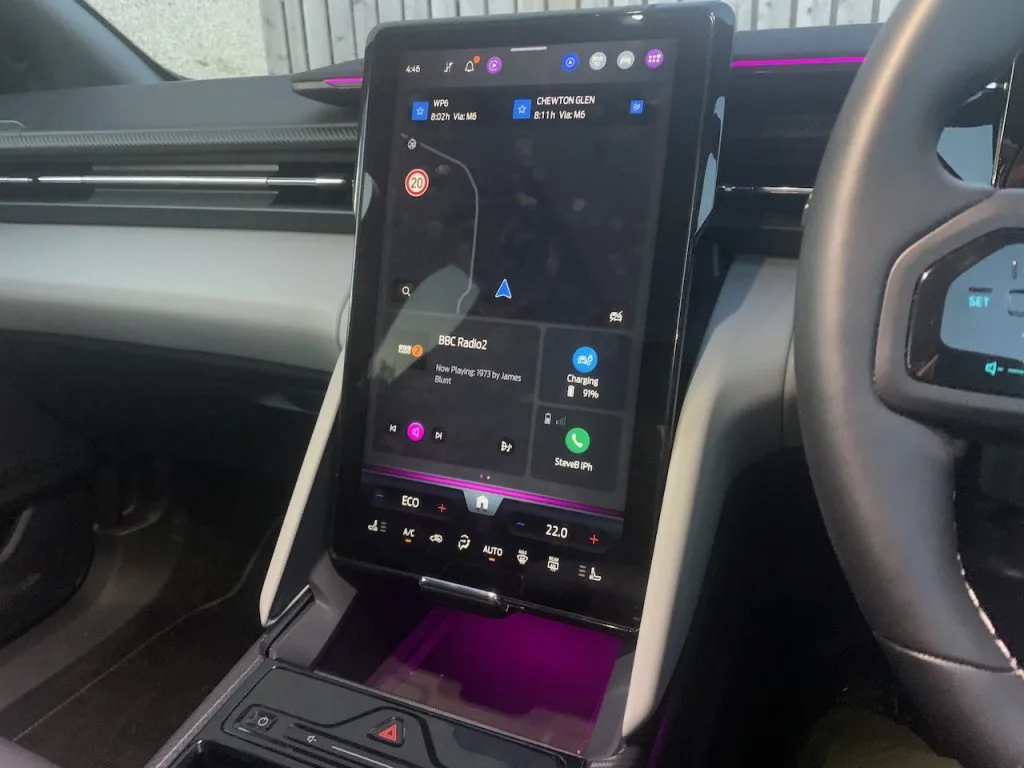
For 2026, Ford has introduced a new Android-based operating system. The updated software brings cleaner graphics, improved responsiveness and a more intuitive layout. Navigation and parking displays are clearer, while the ability to organise apps into folders makes the system feel much more modern.
There are still frustrations. Like many contemporary EVs, climate controls are integrated into the touchscreen. They’re permanently visible, which helps, but physical buttons would remain the better solution. The touch-sensitive buttons on the steering wheel aren’t great either; but you do get used to them.
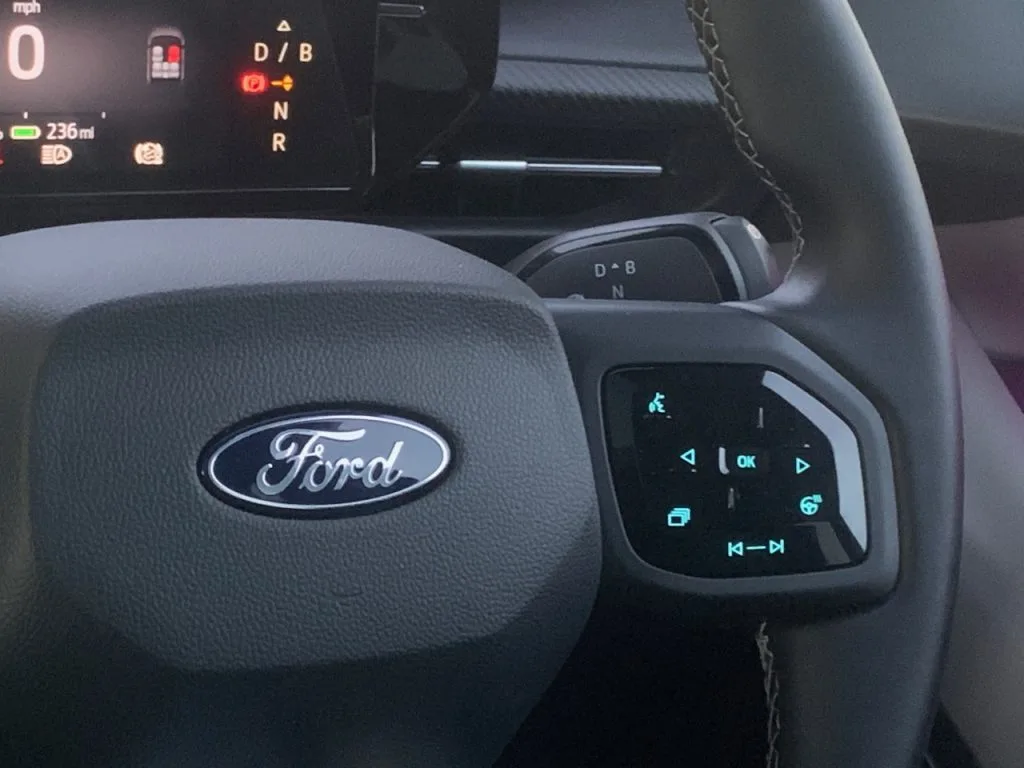
The touch-sensitive volume slider also feels like an ergonomic compromise that nobody asked for.
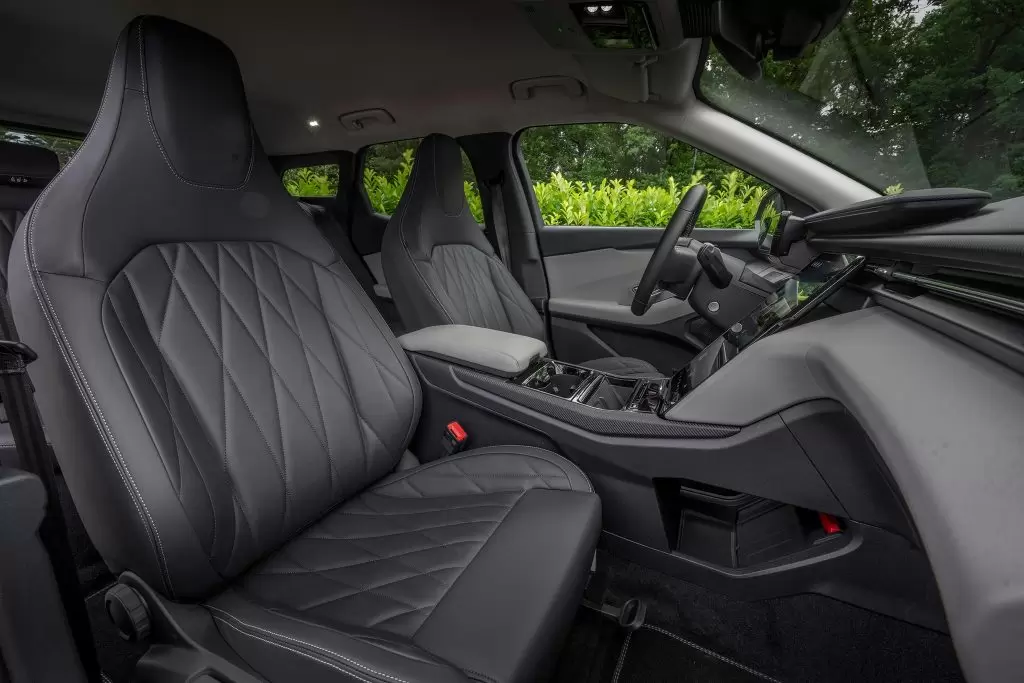
Elsewhere, however, the Explorer impresses. The Premium model’s Sensico upholstery feels suitably plush, while the heated front seats offer excellent comfort. The driver’s seat also benefits from massage functionality and extensive adjustment, making longer journeys particularly relaxing.
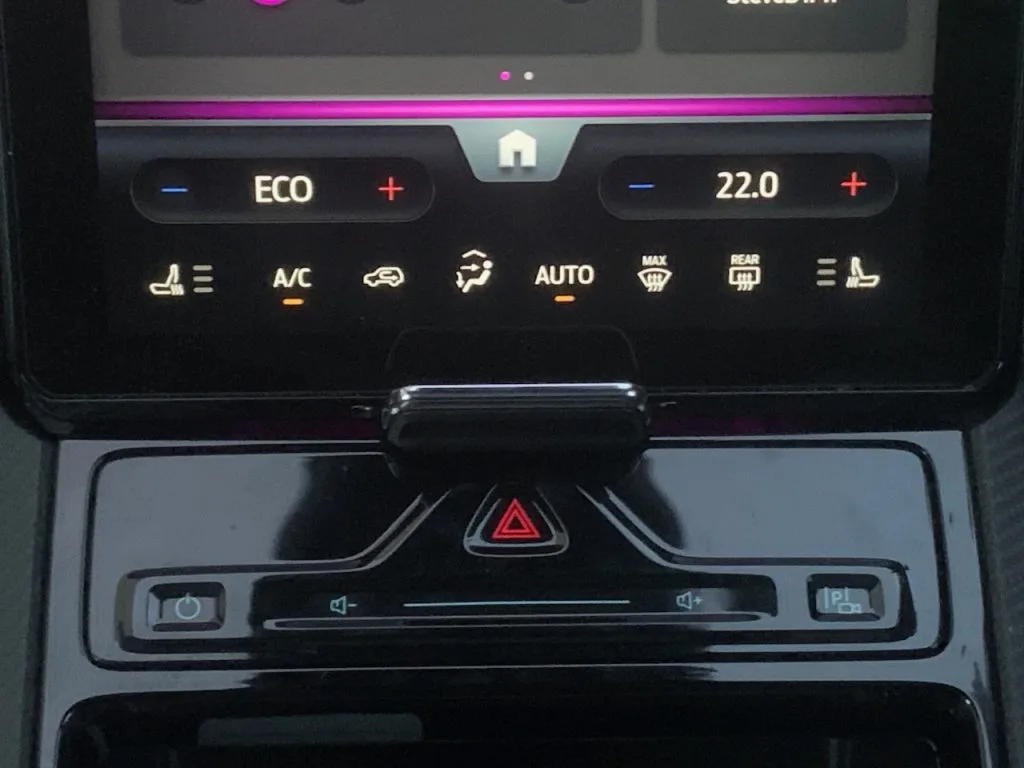
The B&O soundbar integrated into the dashboard deserves special mention too. It not only looks distinctive but produces genuinely impressive audio quality.
Rear Passenger Space and Practicality
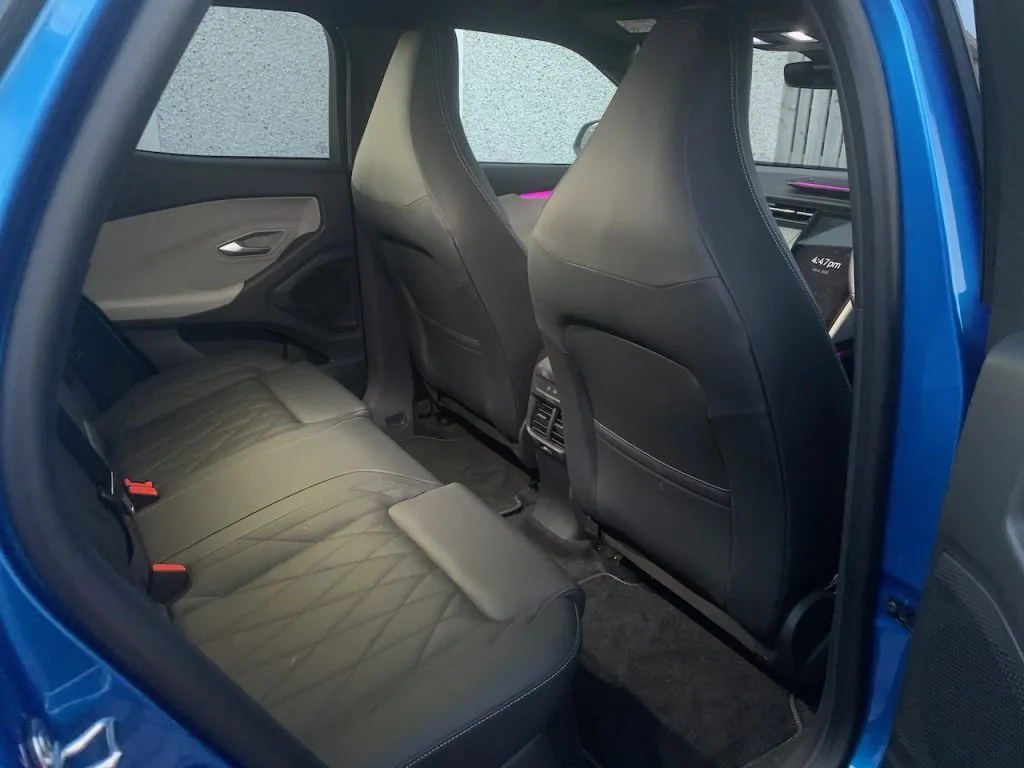
The boxier body shape pays dividends inside, creating a cabin that feels noticeably airier than many of its rivals.
Rear passengers enjoy generous legroom, excellent headroom and the benefits of a completely flat floor. Even taller adults will find little to complain about, while families will appreciate the ease with which child seats can be accommodated.
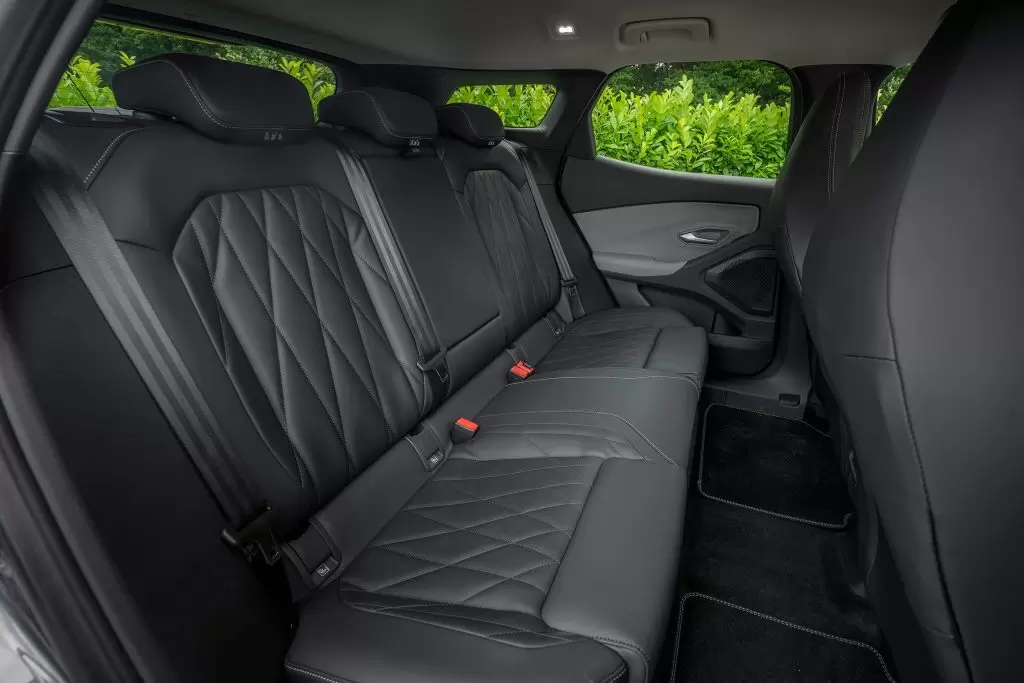
Storage is another strong point. The enormous 17-litre MegaConsole between the front seats can swallow everything from handbags and charging cables to a laptop. It’s one of those features that sounds insignificant until you start using it every day.
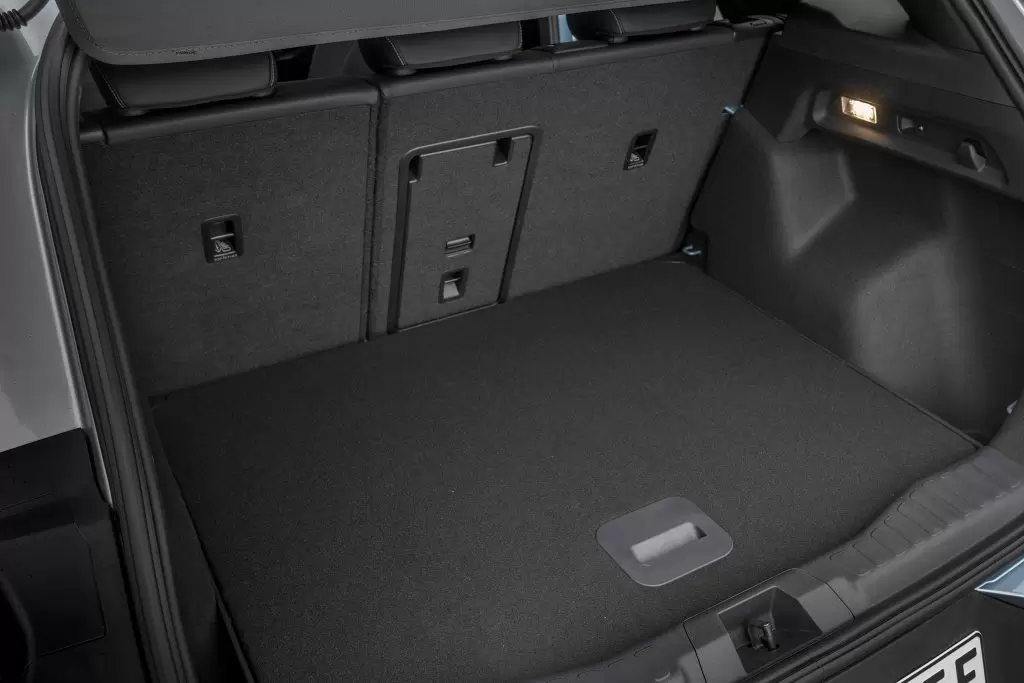
The boot offers 470 litres of capacity. That isn’t class-leading, and rivals such as the Tesla Model Y and Skoda Enyaq offer more outright luggage space. However, it’s well shaped and easy to access, making it perfectly adequate for family duties.
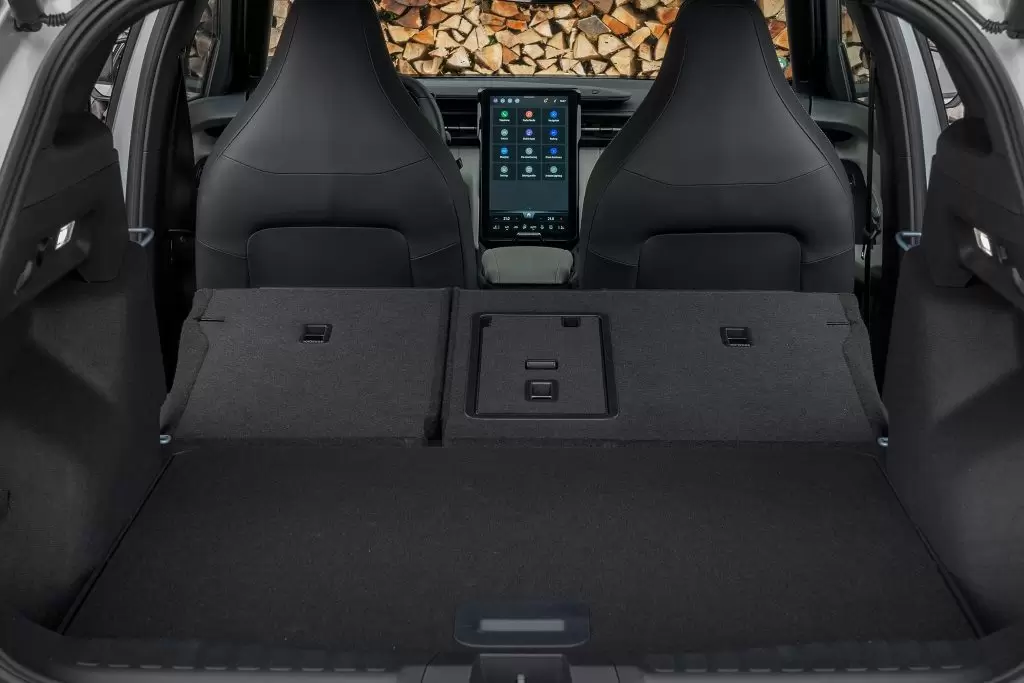
Fold the rear seats and the available load area expands significantly, creating enough room for bikes, flat-pack furniture or holiday luggage.
A front storage compartment would have been welcome, but Ford has prioritised cabin storage instead.
Technology and Safety
The updated infotainment system feels significantly more polished than before thanks to Ford’s new Android-based operating system. The refreshed design is cleaner, easier to navigate and noticeably more intuitive in daily use. Expanded parking and navigation displays make better use of the large touchscreen, while the ability to group apps into folders helps reduce clutter and improve accessibility.
Wireless Apple CarPlay and Android Auto remain standard, while over-the-air updates ensure the system can continue to evolve throughout ownership.
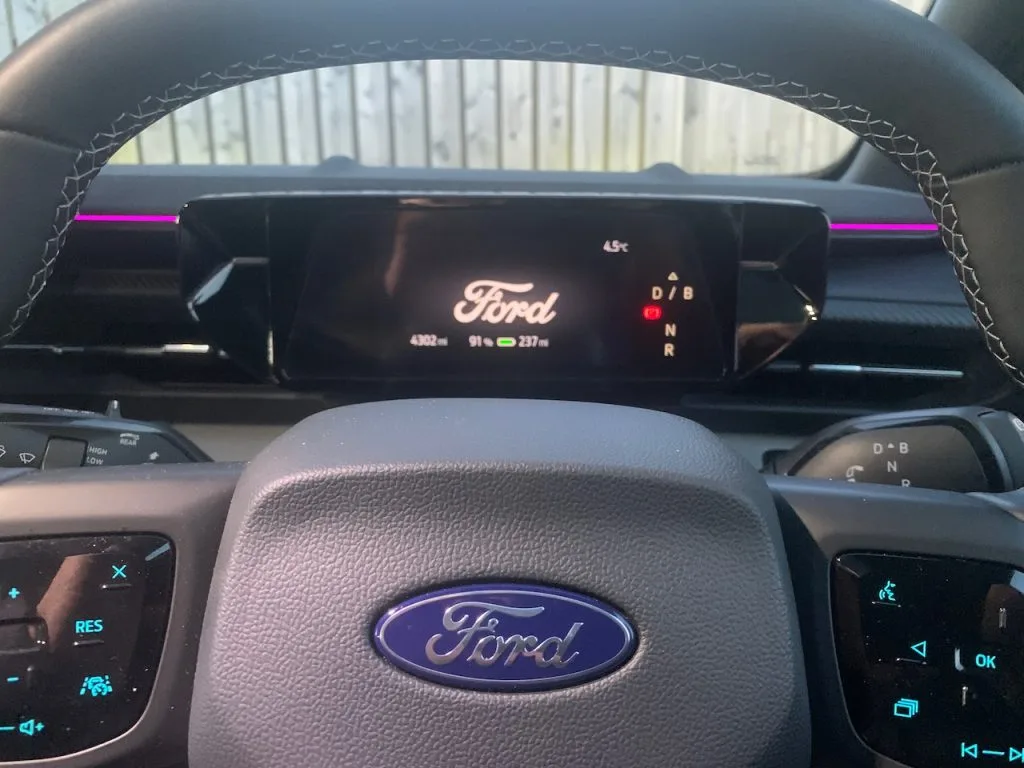
The optional Driver Assistance Pack fitted to the test vehicle adds a head-up display, lane centring, lane change assist, active park assist and a 360-degree camera system.
New for 2026 is Reversing Assist, which can memorise the vehicle’s path and automatically steer the car backwards for up to 50 metres. Park Assist with Memory can learn and store up to five regular parking manoeuvres, controlling steering, acceleration and braking during the process.
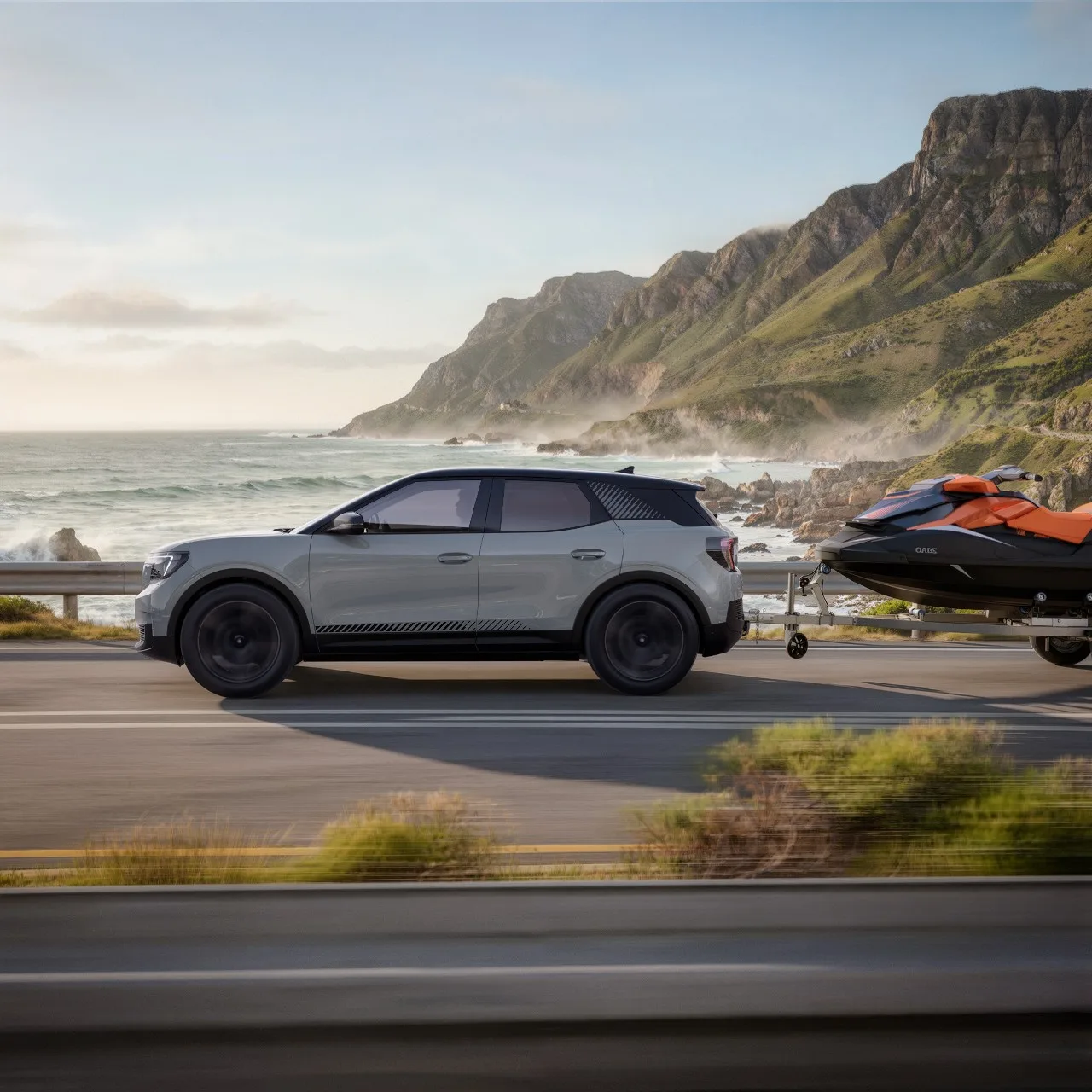
The most sophisticated addition is Driver State Assist. Using cameras and data from the lane-keeping systems, it monitors driver attentiveness and can intervene if it believes the driver has become incapacitated. Initially it issues warnings and applies the brakes gently. If no response is detected, the Explorer can activate its hazard lights, bring itself to a controlled stop, unlock the doors and contact emergency services.
One-Pedal Drive is now fitted as standard across the range and remains one of the most useful EV features available. Once accustomed to it, returning to a conventional setup feels strangely old-fashioned.
Driving
The Explorer’s greatest achievement is that it doesn’t feel like a Volkswagen. That’s not meant as a criticism of Volkswagen’s engineering. Rather, it’s recognition that Ford has successfully given the Explorer its own character.
The Premium AWD is also impressively quick. With 340PS and 679Nm available instantly, overtaking requires little more than a flex of your right foot. The 5.3-second sprint to 62mph feels entirely believable and, in typical EV fashion, often quicker than the numbers suggest.
Yet outright speed isn’t the defining characteristic – what stood out most during my time with the car was how well it suited Scottish roads and winter conditions.
The all-wheel-drive system provides an extra layer of confidence when temperatures drop and surfaces become greasy. On cold, damp roads, the Explorer simply gets on with the job, delivering its performance cleanly and predictably.
That sense of security is something many buyers will appreciate far more than outright acceleration figures.
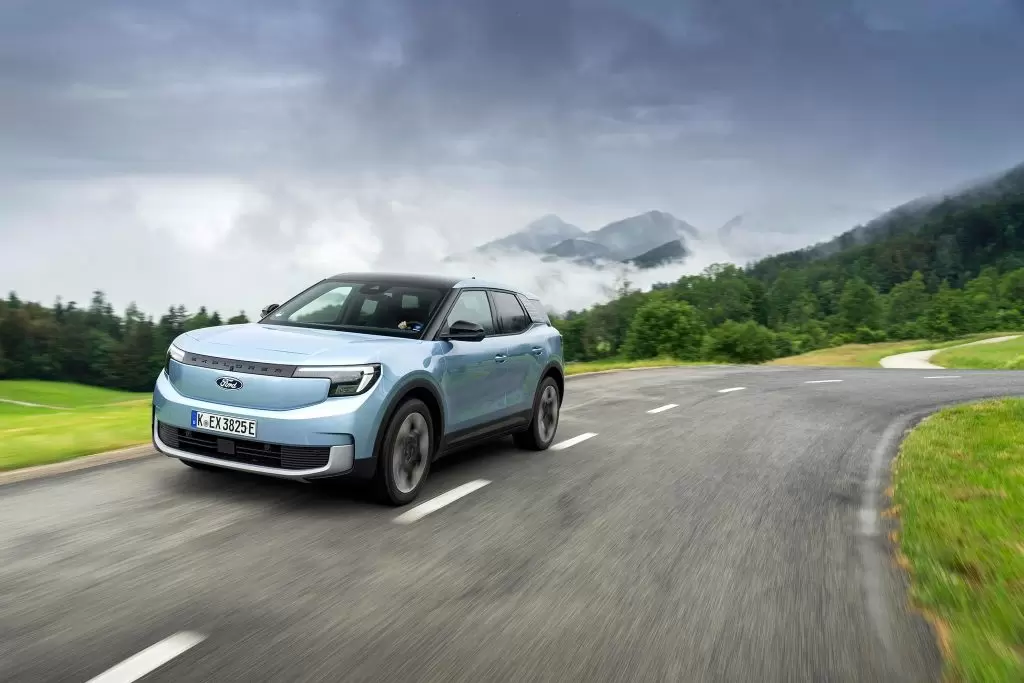
The steering offers more feel than many electric SUVs, while the chassis strikes a pleasing balance between comfort and control.
Ford has clearly spent time tuning the suspension. The Explorer feels more tied down than some MEB-platform relatives without sacrificing ride quality. It remains comfort-focused, but there is enough body control to make a winding road enjoyable rather than merely tolerable.
It’s not a driver’s car in the traditional sense. Compared with a Ford Focus or Mazda3, there’s still a degree of isolation. But judged against similarly sized electric SUVs, it performs admirably.
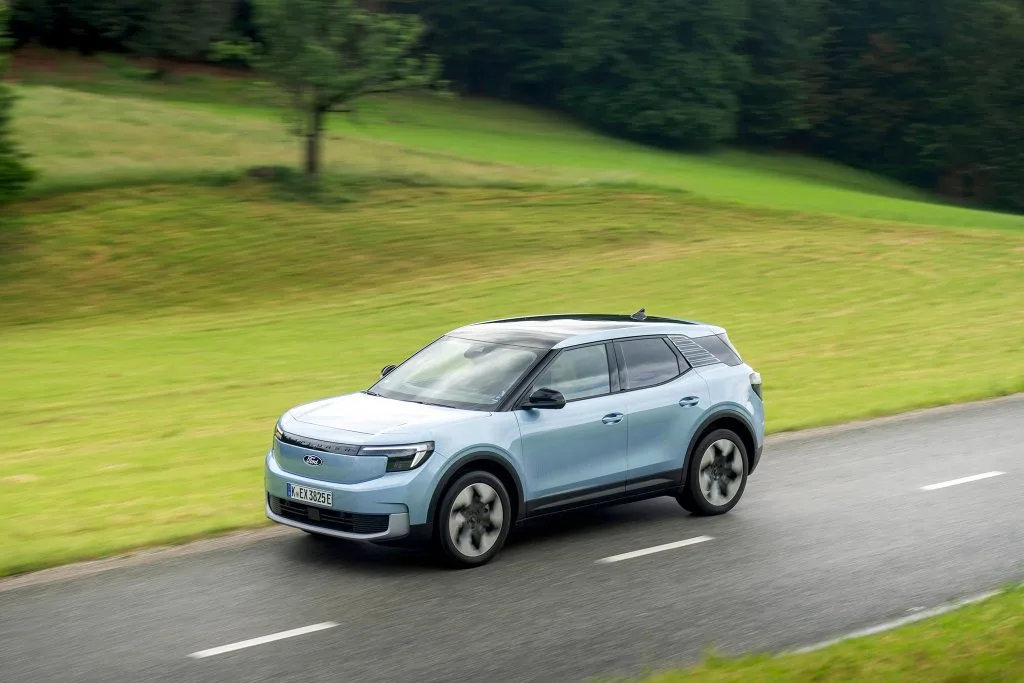
Road and wind noise are well suppressed, creating a calm environment even at motorway speeds. Combined with the comfortable seats and effective driver assistance systems, the Explorer proves to be an excellent long-distance companion.
Perhaps most tellingly, I found myself liking it more the longer I spent with it. That’s often the sign of a vehicle whose engineering priorities are exactly where they should be.
Range and Charging
The Premium AWD’s 79kWh battery delivers a WLTP range of up to 323 miles.
While rear-wheel-drive versions offer greater outright range, the AWD model still provides enough real-world usability to satisfy most buyers. Ford quotes a motorway range of 257 miles, which feels realistic given the vehicle’s size and performance.
Charging performance is particularly strong. With peak DC charging of up to 185kW, the battery can be replenished from 10–80% in as little as 26 minutes under ideal conditions.
The optional Heat Pump fitted to the test car remains one of the most worthwhile extras available. Particularly in colder climates, it helps preserve range by reducing the energy required to heat the cabin.
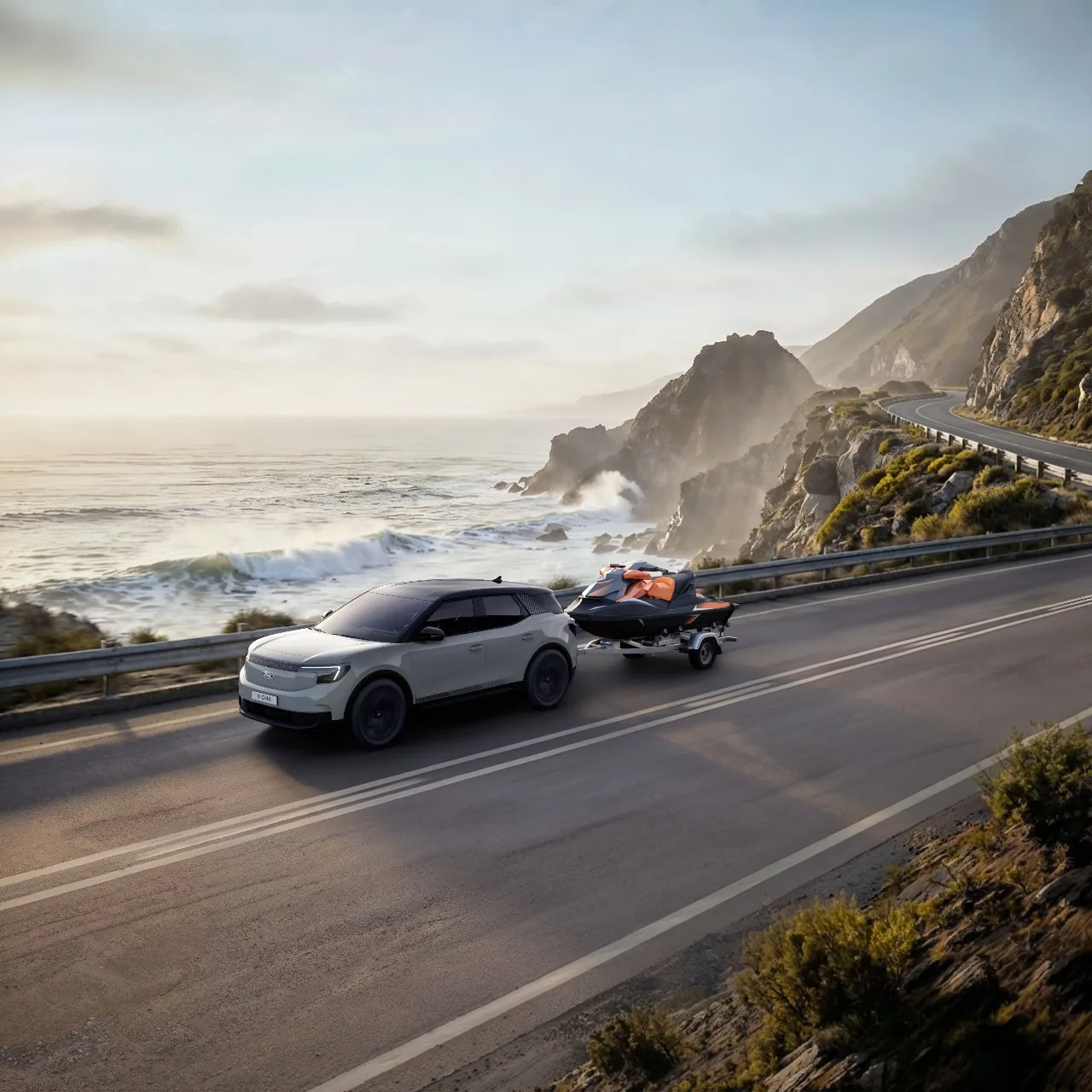
Pro Power Onboard is another welcome addition for 2026. Delivering up to 2.3kW of output through a socket in the boot or an optional charging-port adapter, it allows owners to power everything from camping equipment and power tools to e-bikes directly from the vehicle’s battery. It won’t be used every day, but it’s exactly the sort of practical feature that demonstrates the flexibility of an electric vehicle platform.
Rivals
The Tesla Model Y remains the benchmark for efficiency and charging infrastructure. The Skoda Enyaq offers outstanding practicality, while the Kia EV6 delivers sharper styling and more engaging dynamics.
Yet the Ford manages to carve out its own niche. It combines strong technology, excellent refinement and genuine everyday usability in a package that feels cohesive and thoughtfully engineered.
Crucially, it also feels more distinctive than many platform-sharing rivals.
Verdict
The Ford Explorer was already one of the more convincing family EVs on sale. The 2026 updates make it better still.
The revised infotainment system is easier to use, the new driver assistance technologies add genuine value, and features such as Pro Power Onboard enhance the vehicle’s practicality.
More importantly, the Explorer continues to deliver where it matters most. It’s spacious, comfortable, refined and surprisingly enjoyable to drive for a family-focused electric SUV.
The boot could be larger, and some touchscreen-based controls remain frustrating. But these are relatively minor criticisms in what is otherwise a thoroughly well-rounded package.
At a Glance
- Make & Model: Ford Explorer Premium AWD
- Price (OTR): £53,895 (£58,035 as tested)
- Powertrain: Dual-motor all-wheel drive
- Power: 340 PS
- Torque: 679 Nm
- Battery: 79 kWh Extended Range
- 0–62 mph: 5.3 seconds
- Top Speed: 112 mph
- WLTP Range: 323 miles
- Motorway Range: 257 miles
- Charging: 10–80% in 26 minutes (185 kW DC)
- Boot Capacity: 470 litres
- New for 2026: Android-based infotainment, One-Pedal Drive, Pro Power Onboard, Reversing Assist, Park Assist with Memory