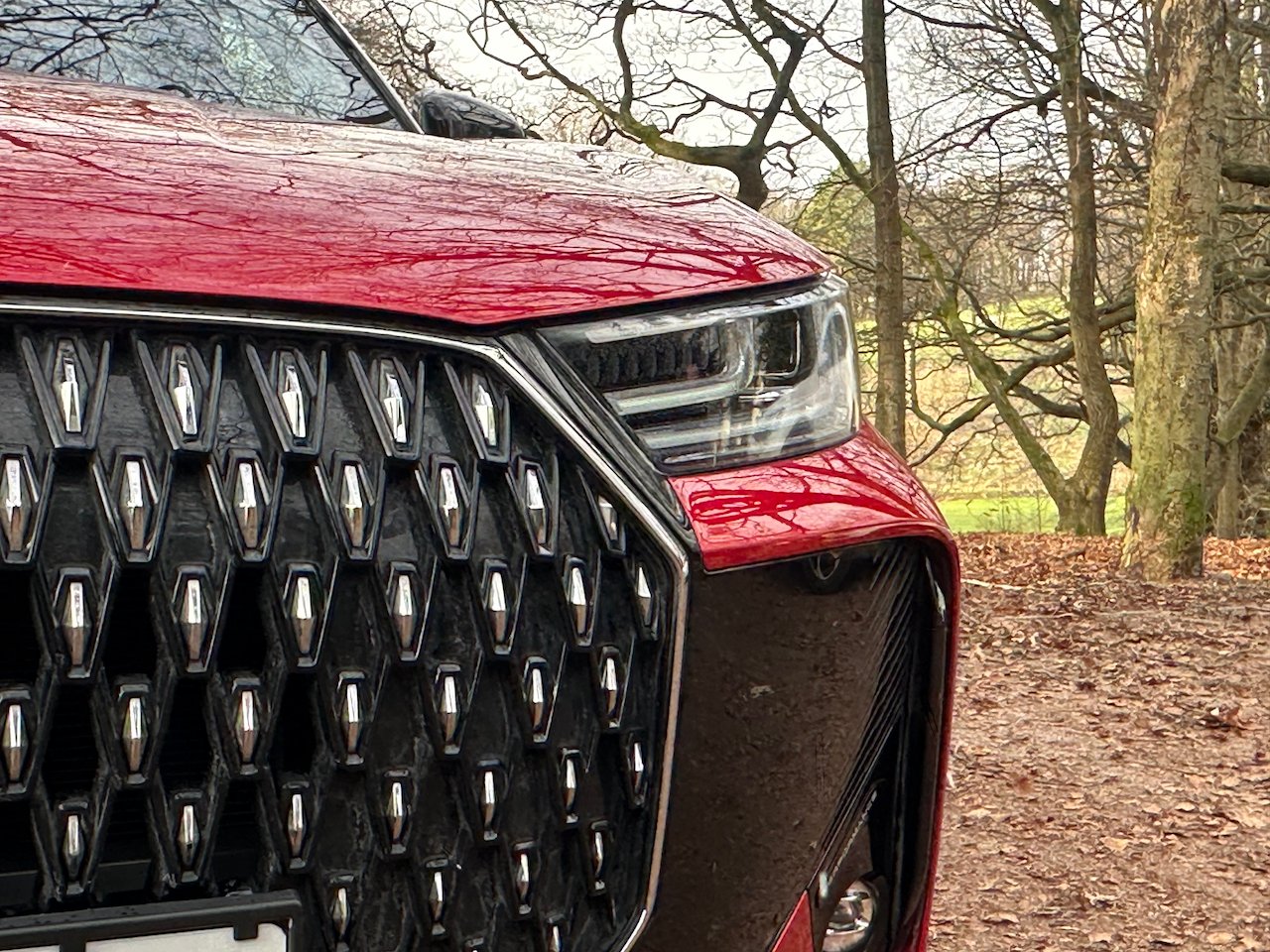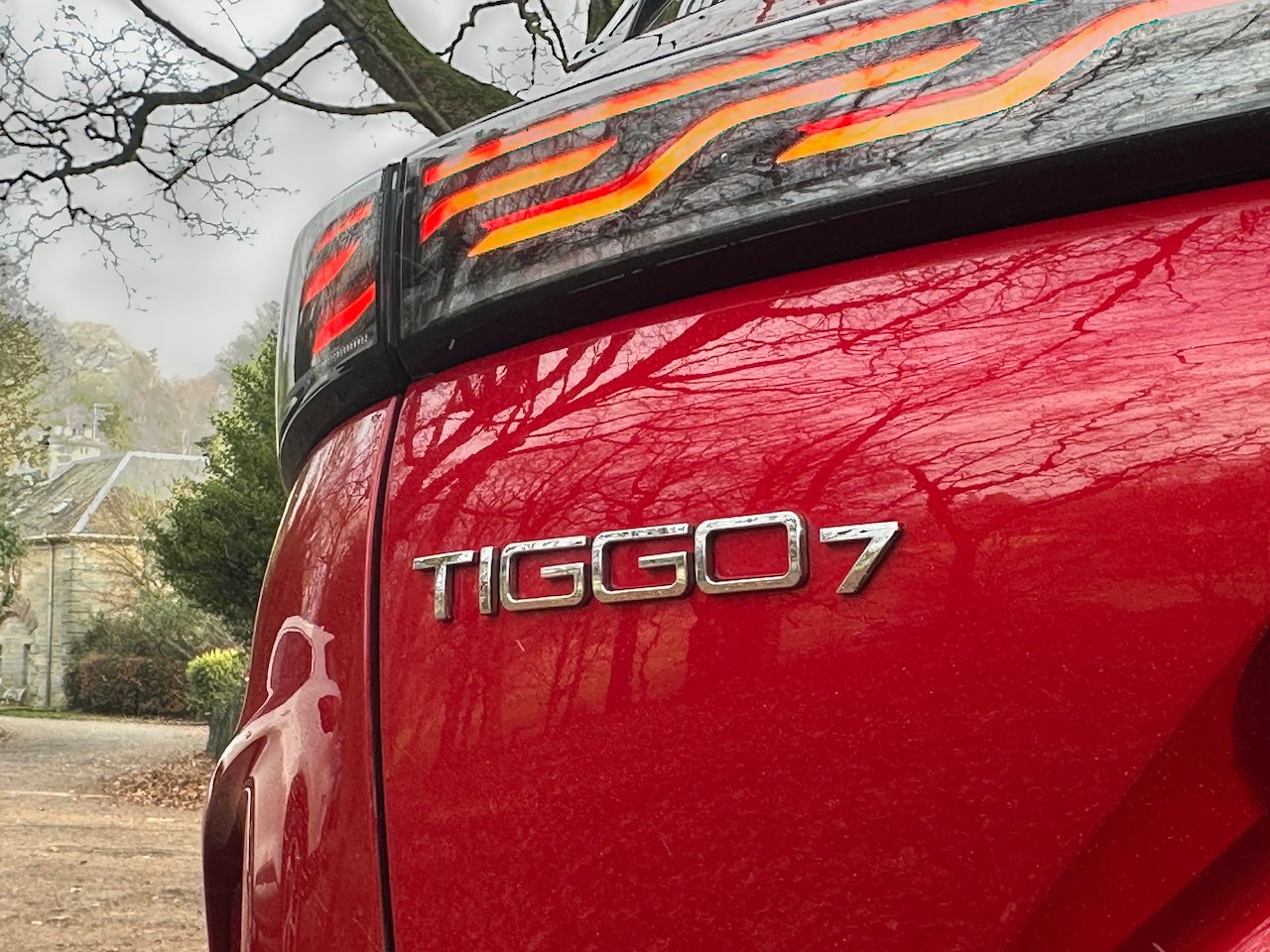
WHY Tiggo 7 when it has five seats? Surely it should be named the Tiggo 5?
It’s a question that came up more than once recently. In the UK, the Tiggo 7 sits squarely in the five-seat SUV class, up against the Nissan Qashqai, Kia Sportage and Hyundai Tucson. The name suggests something larger, but the footprint is very much mainstream family SUV.

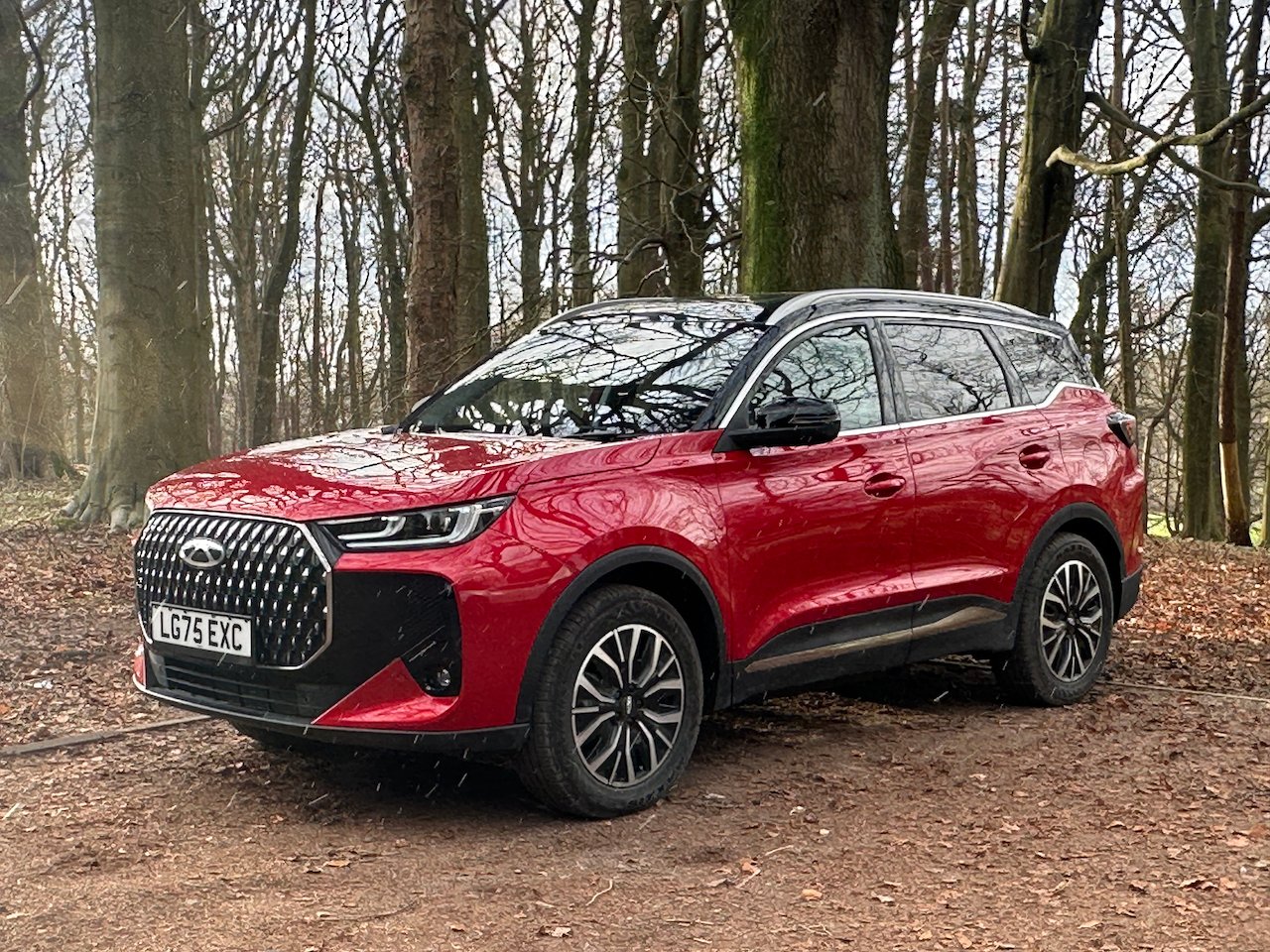
Chery has now launched the Tiggo 7 in both petrol and Super Hybrid plug-in hybrid forms, marking the brand’s next phase of UK expansion following the early traction gained by Omoda and Jaecoo. The petrol version starts at £24,995 on the road. The Super Hybrid begins at £29,995, with Aspire and Summit trims available.
The car tested here was the Tiggo 7 Super Hybrid in top-spec Summit trim, which spent almost three weeks over Christmas and New Year covering around 900 miles — Fife to Leeds, across to Derbyshire, up to Lancashire and back again. It certainly got the job done – but there were some caveats.

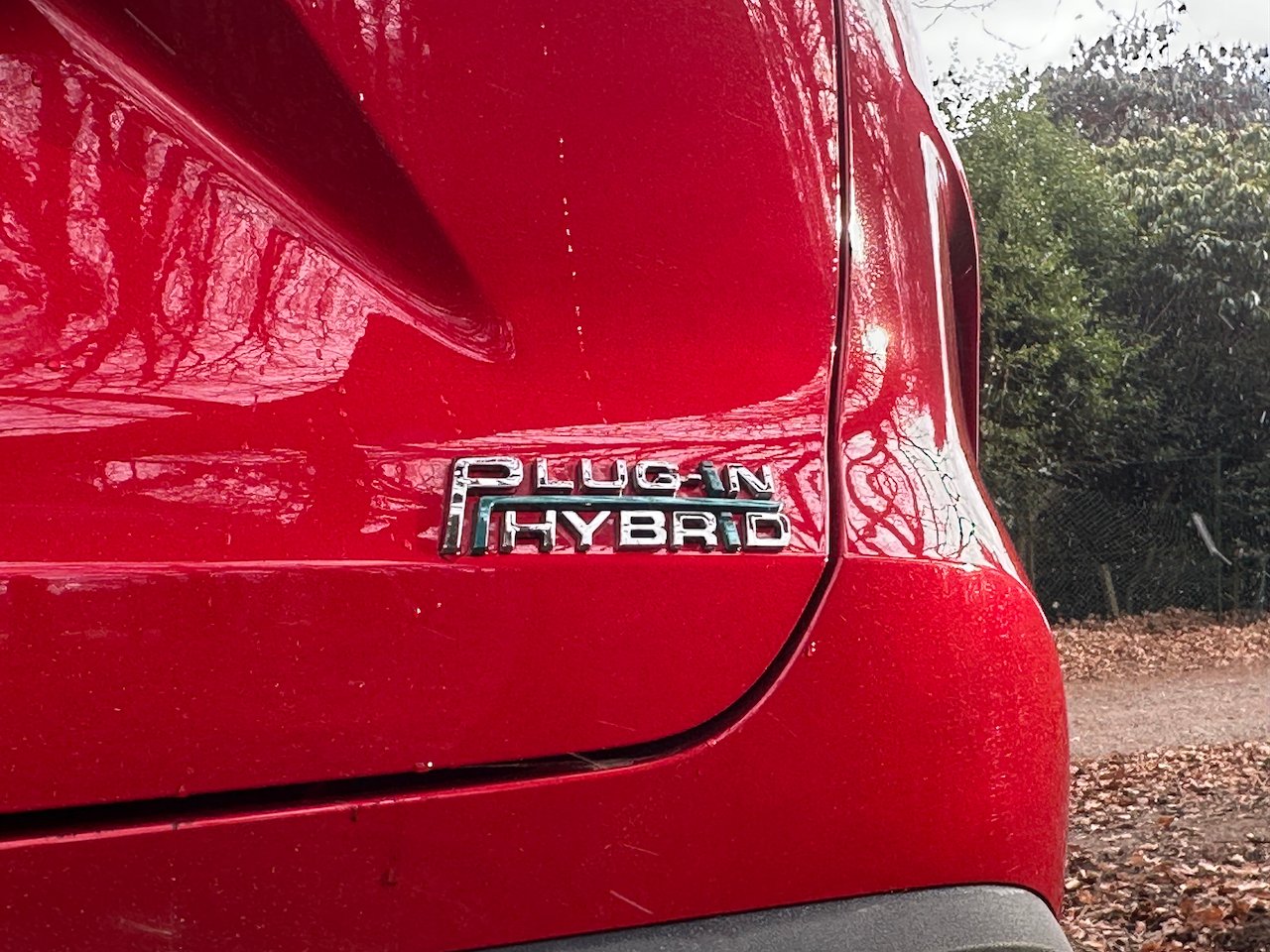
Overview
The Tiggo 7 Super Hybrid pairs a 1.5-litre turbocharged petrol engine with an electric motor as part of Chery’s SHS (Super Hybrid System). Combined output sits at approximately 204PS, delivering a 0–62mph time of around 8.5 seconds.
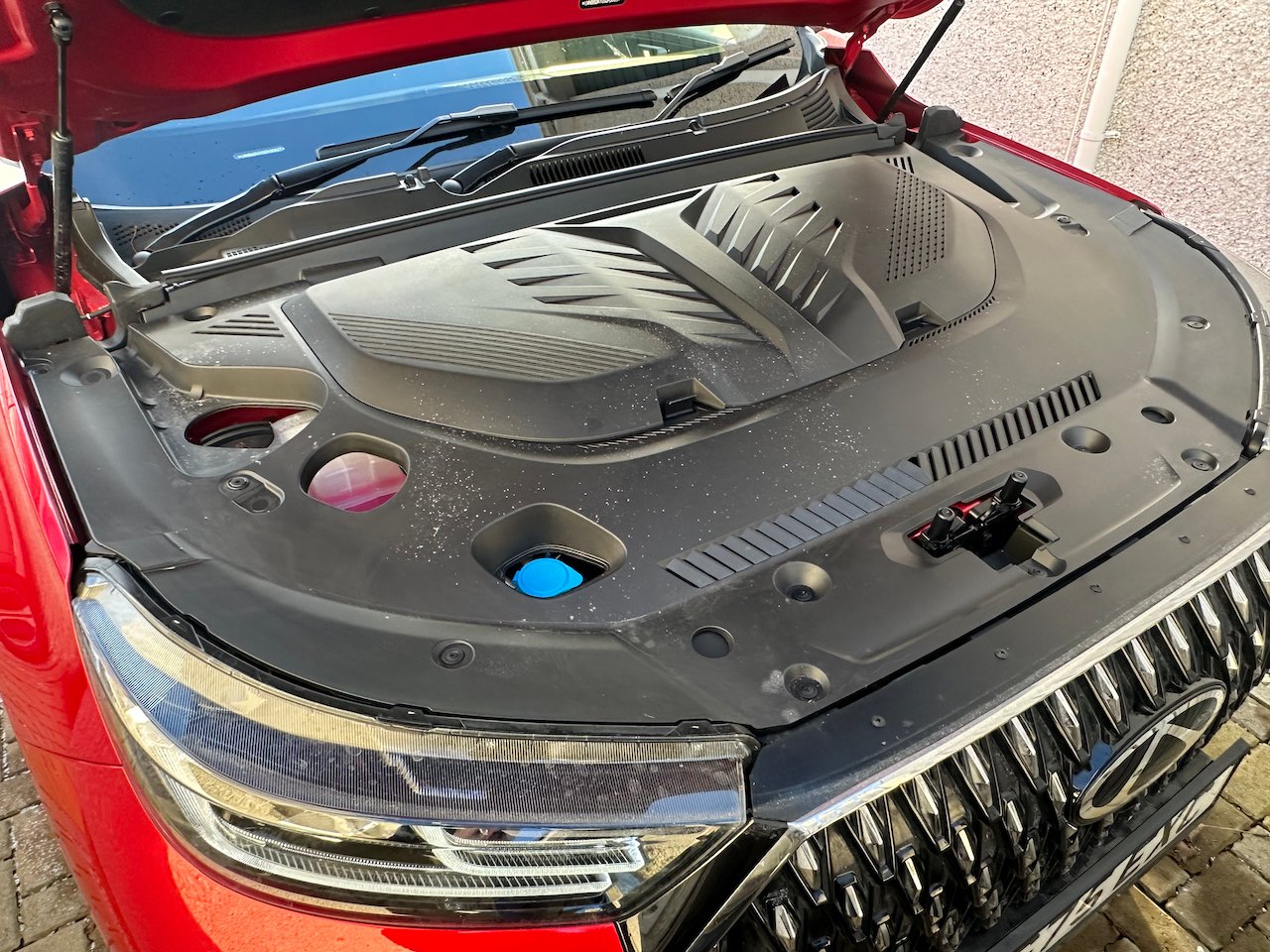
It offers a claimed electric-only range of roughly 56 miles WLTP and a total combined range of approximately 745 miles. For many drivers, that means weekday journeys could be completed without using any petrol at all.
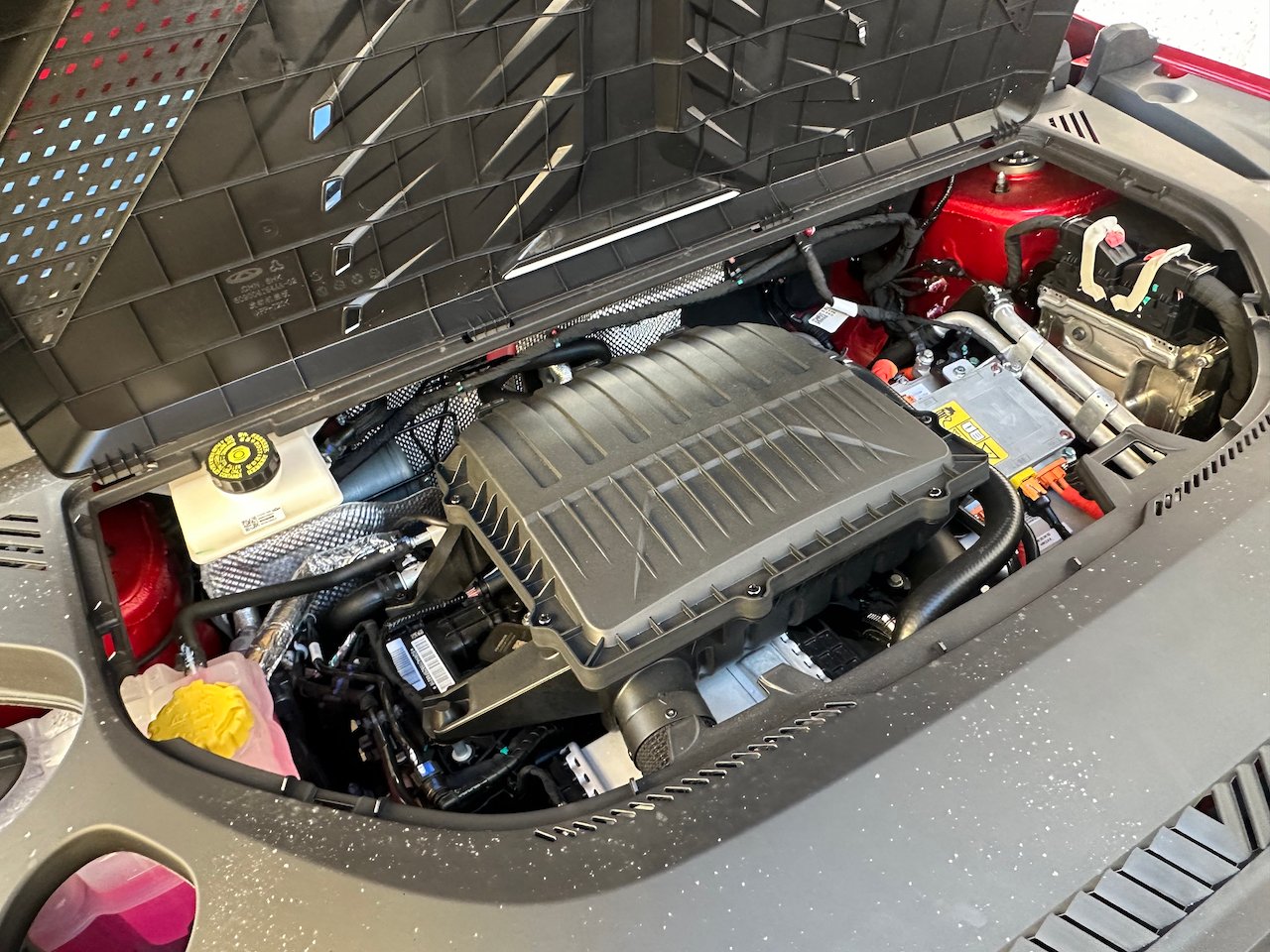
Alongside it sits the petrol-only model, using a 1.6-litre turbocharged engine producing around 147PS and achieving 0–62mph in roughly 9.4 seconds. It remains keenly priced and will appeal to buyers not ready to plug in, but the plug-in hybrid is clearly the more rounded proposition.
Both variants are backed by an impressive seven-year or 100,000-mile warranty, with the first three years offering unlimited mileage and roadside assistance. The battery carries its own eight-year warranty.
Design
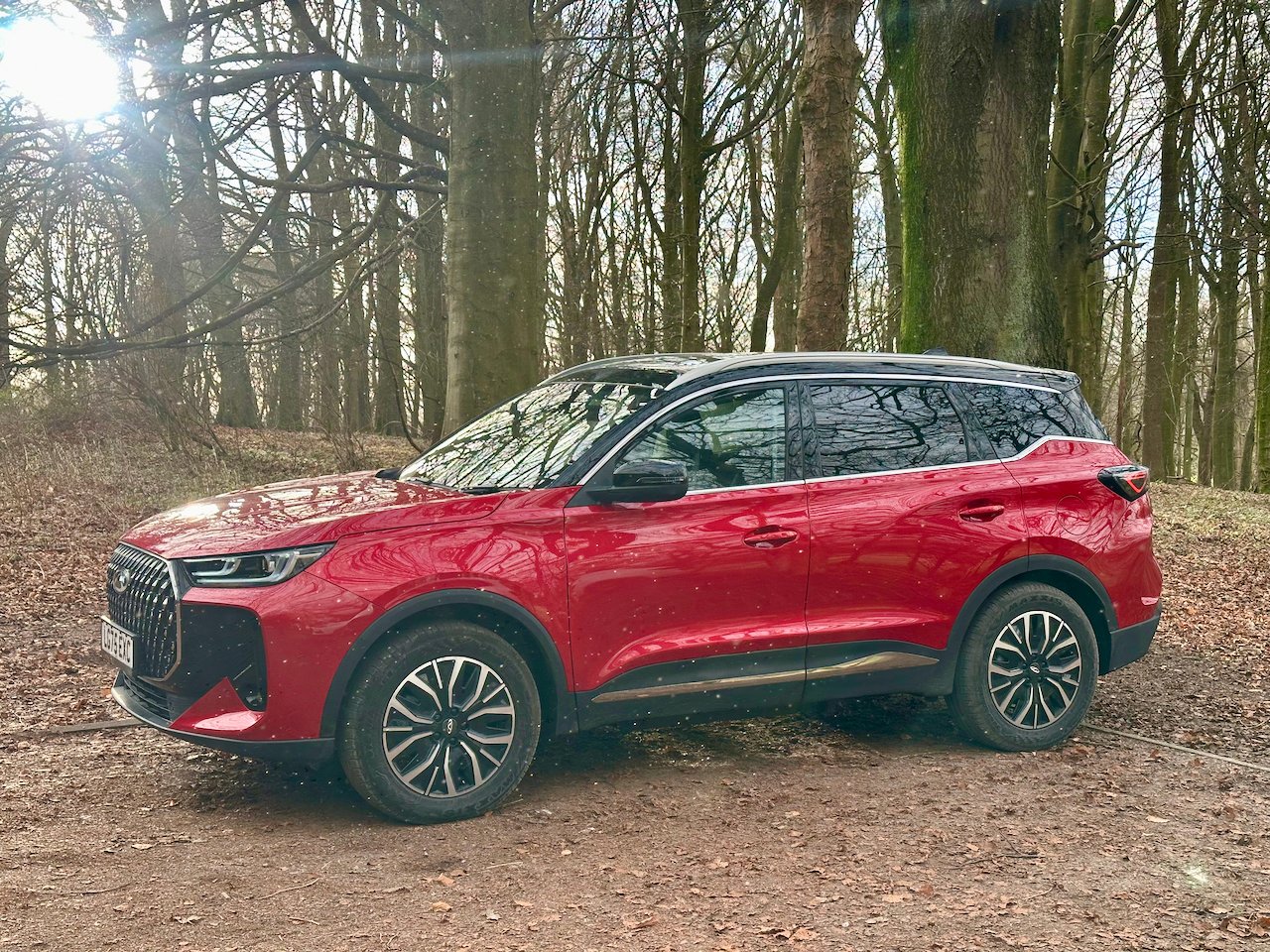
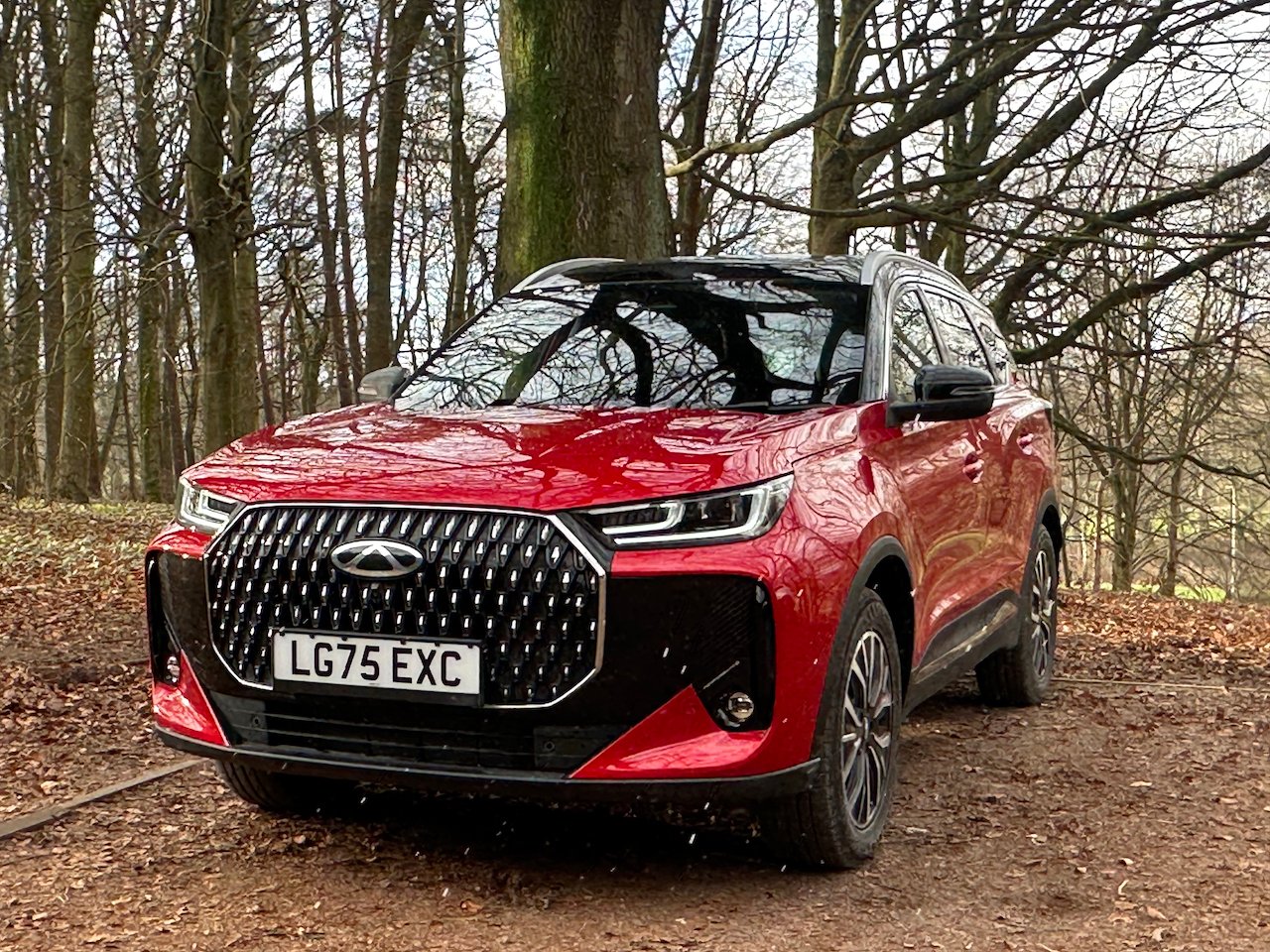
Visually, the Tiggo 7 makes a solid first impression.
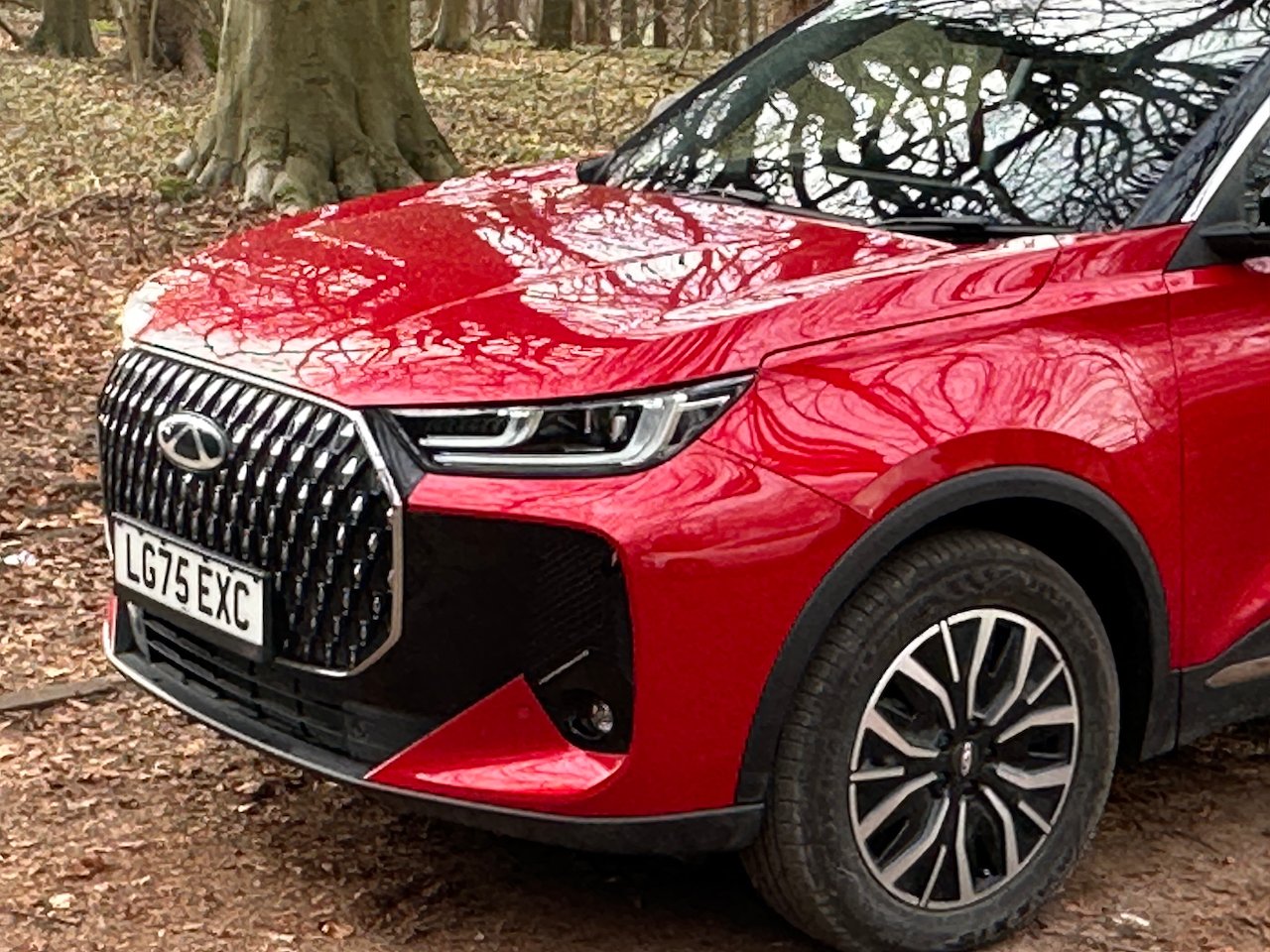
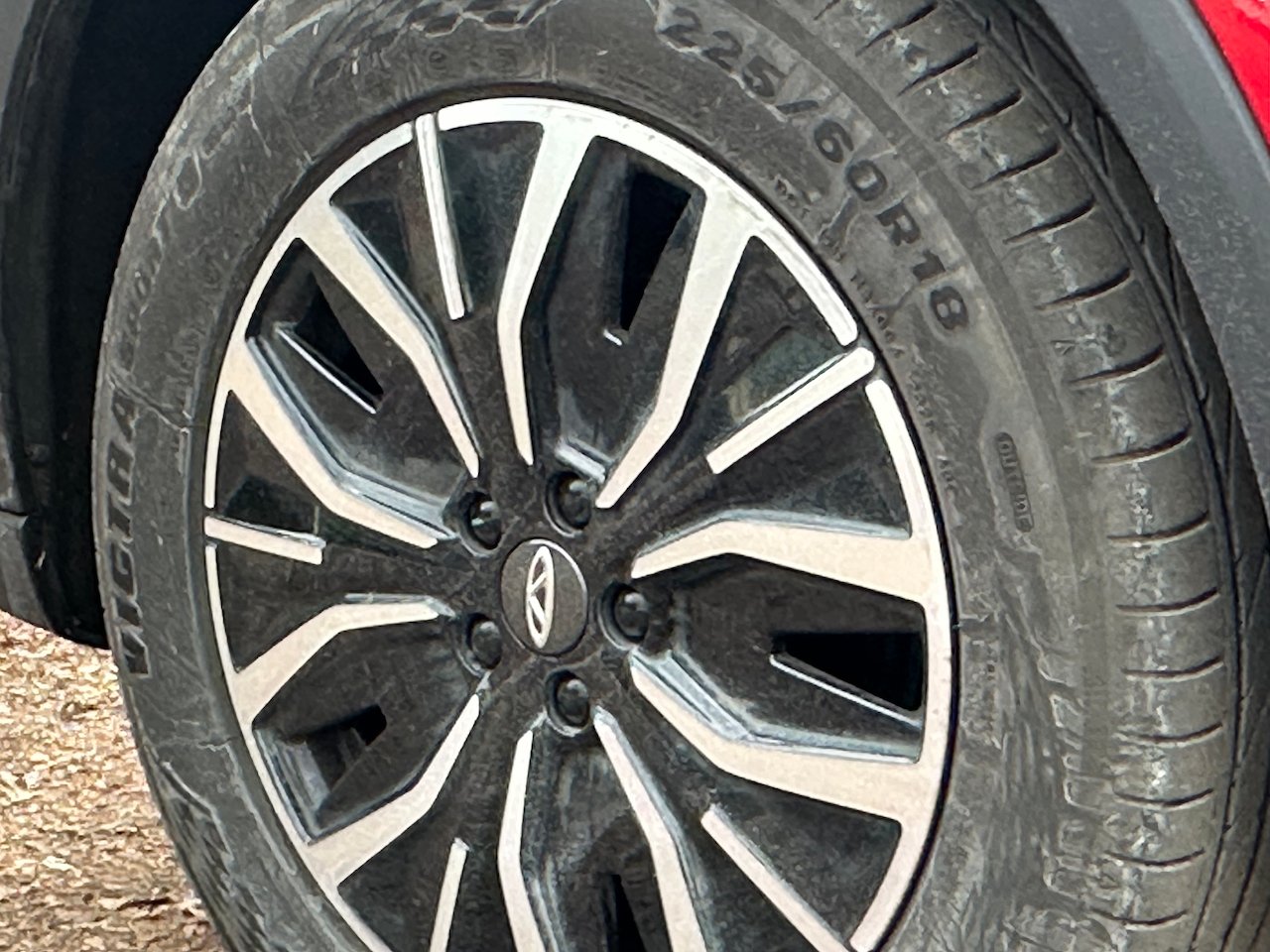
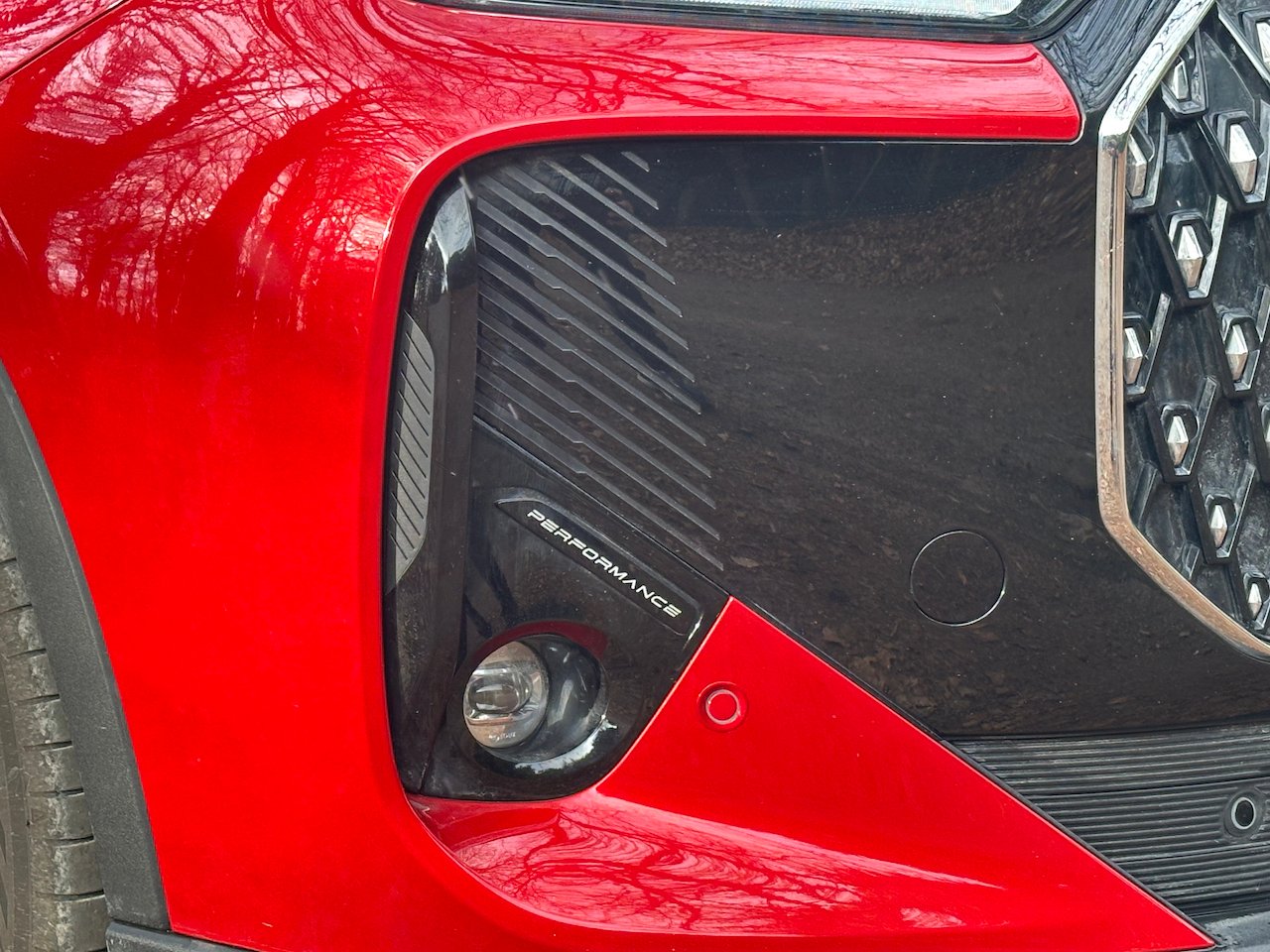
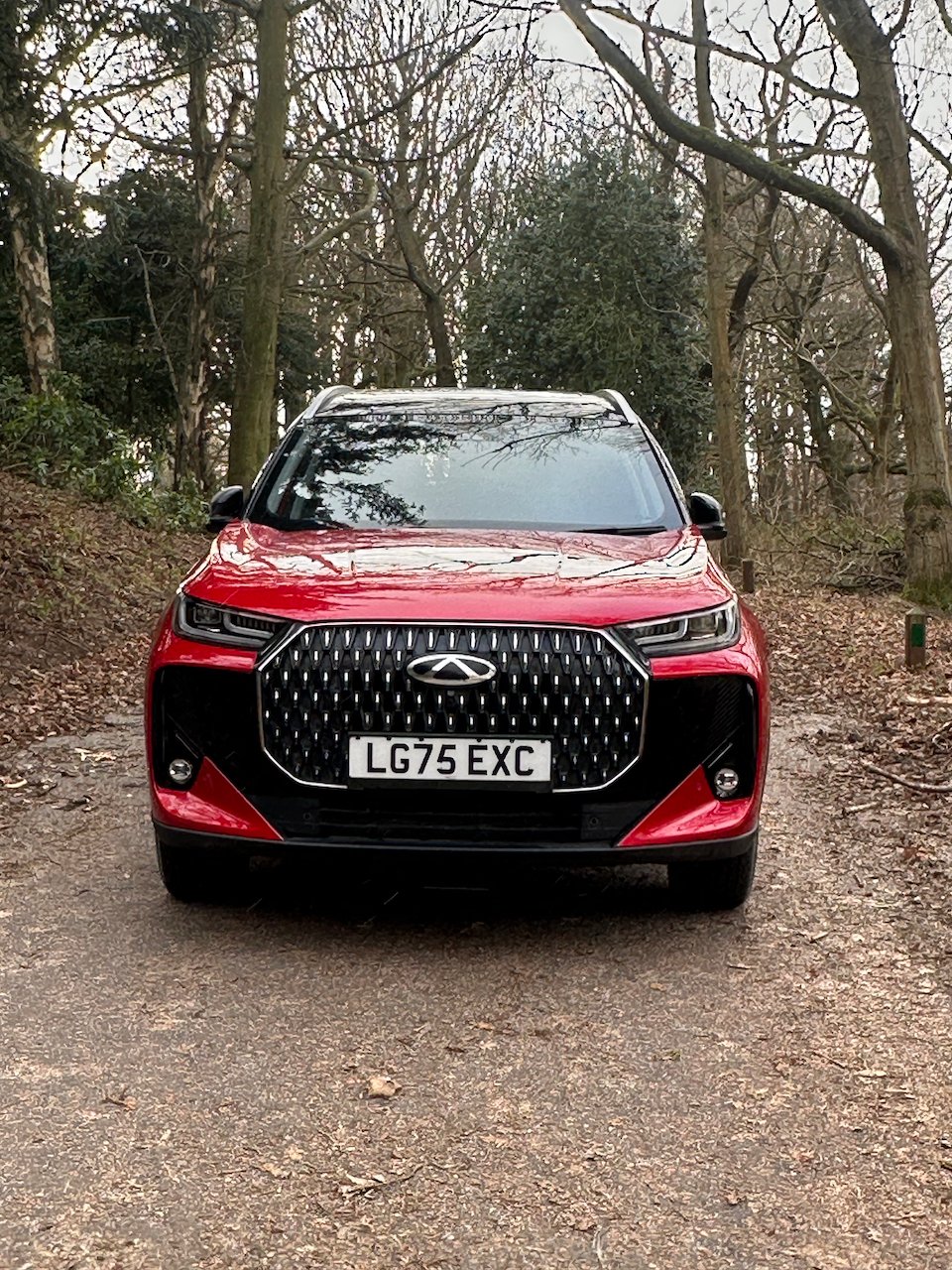
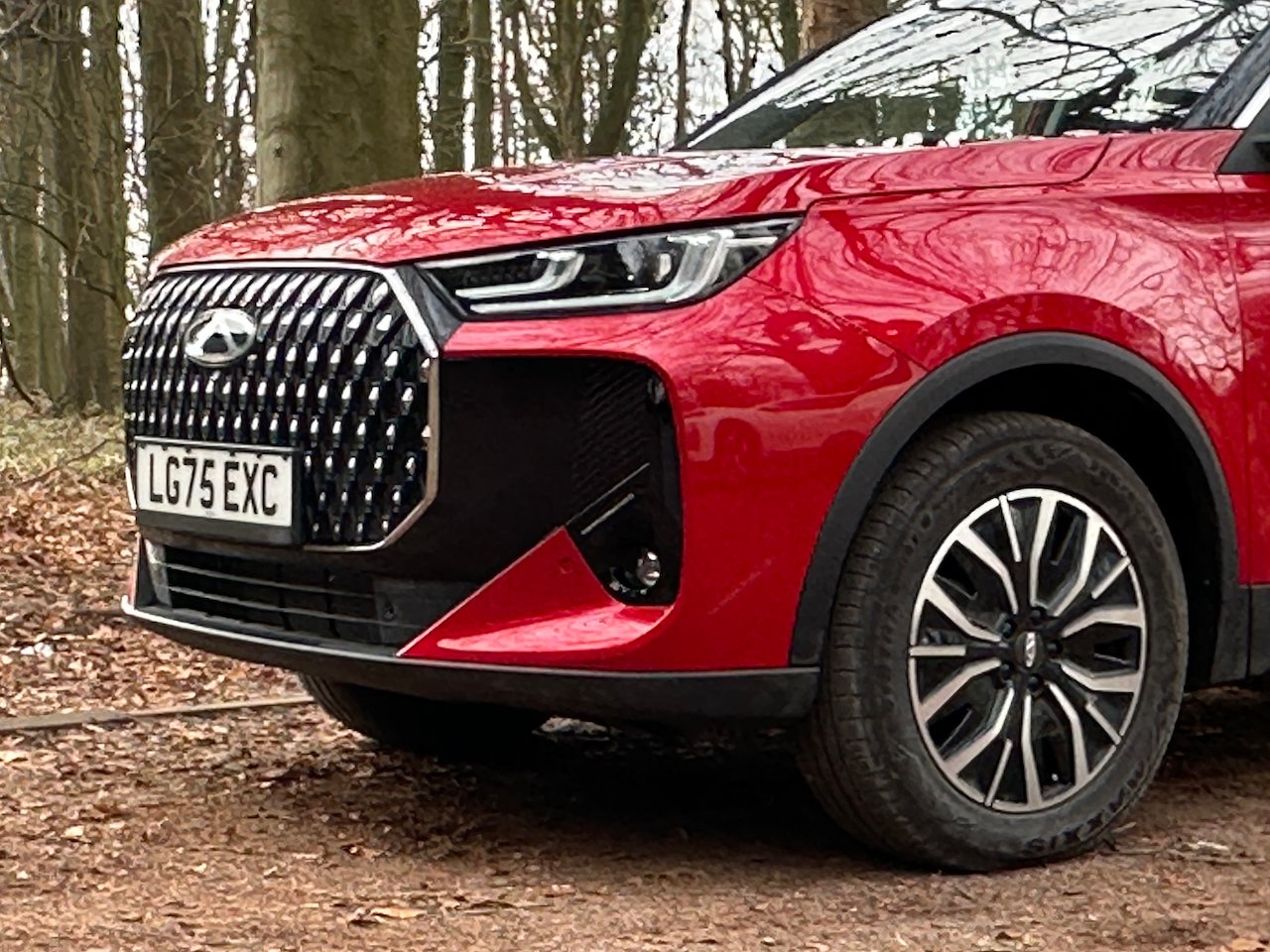
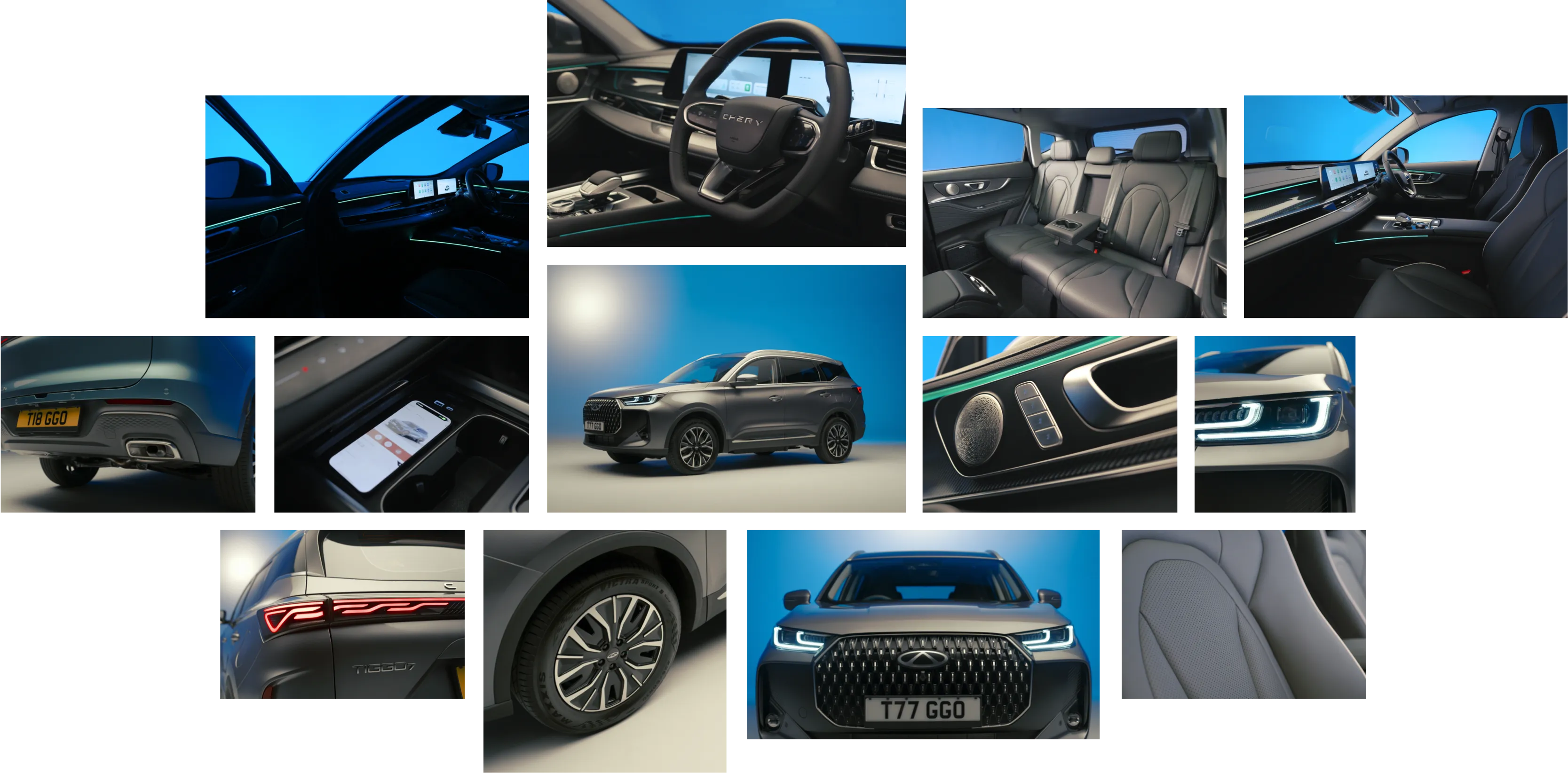
The front end is defined by a large grille and sharp LED lighting signature. It looks modern and confident without straying into excess. In Summit trim, the detailing and alloy wheel design add some presence.
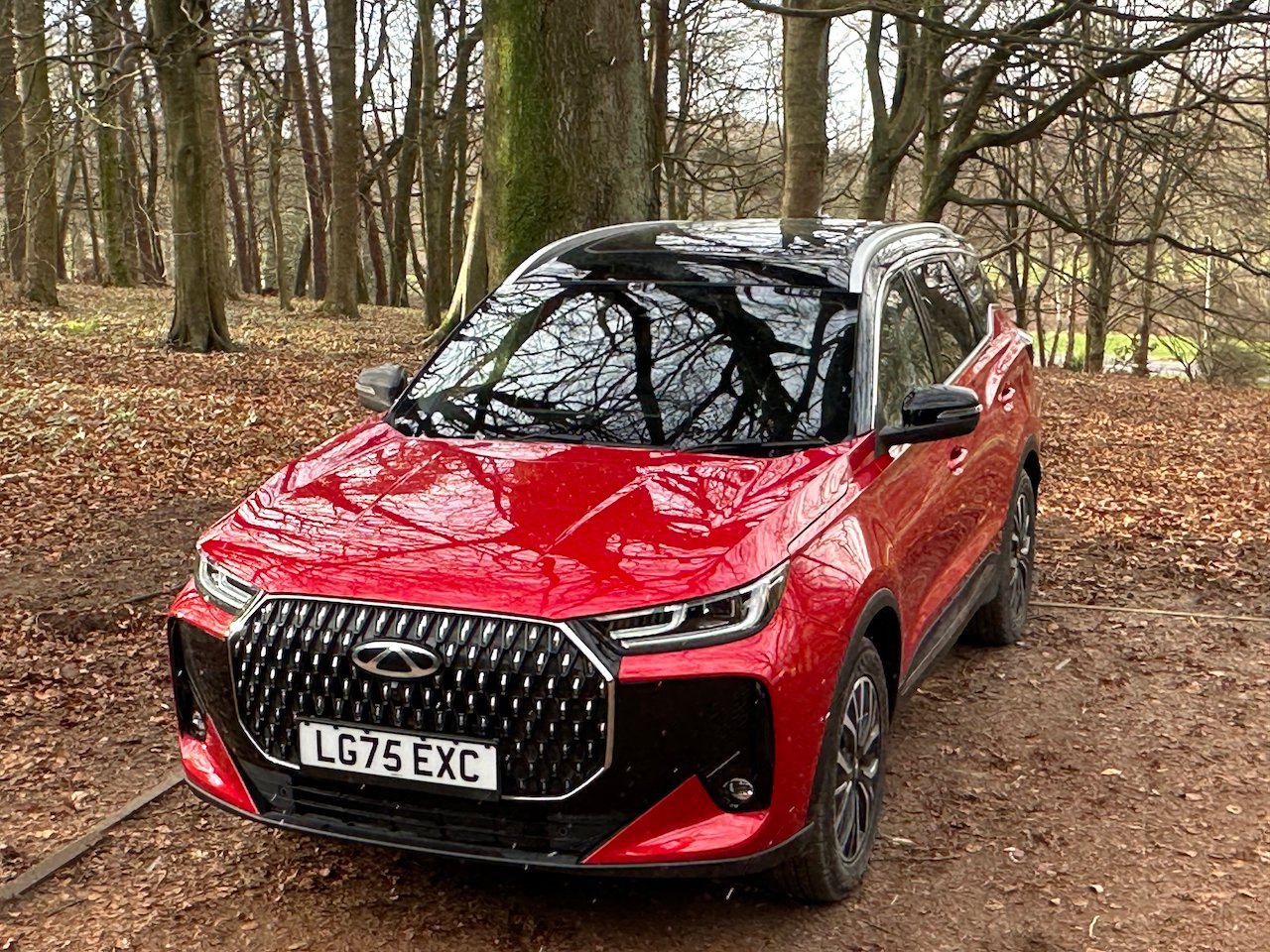
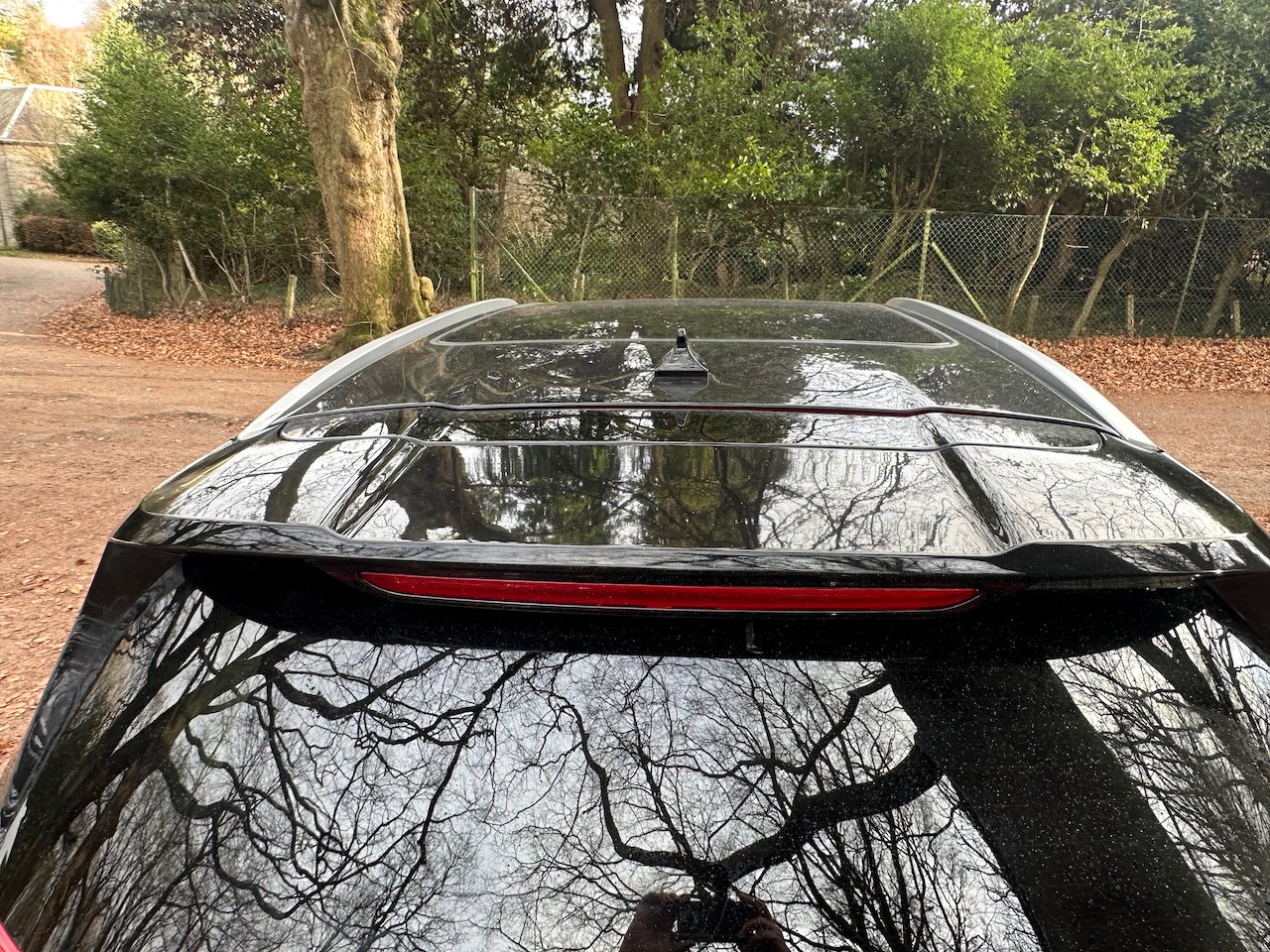
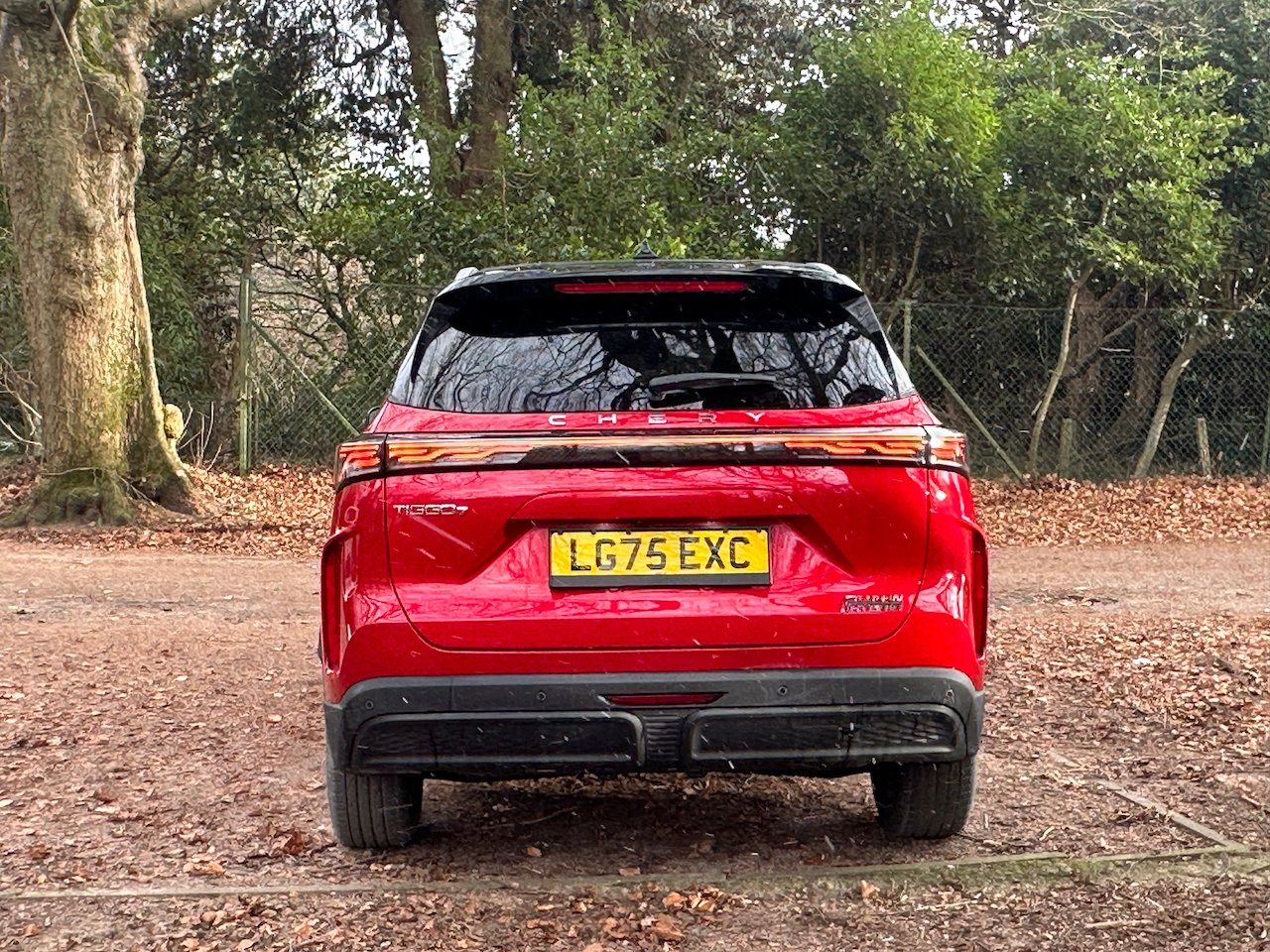
In profile, the proportions are well judged. It doesn’t feel inflated or awkwardly tall, and the stance is balanced. Around the back, LED lighting continues the contemporary theme. It is not a design that shouts for attention, but it feels cohesive and mature.
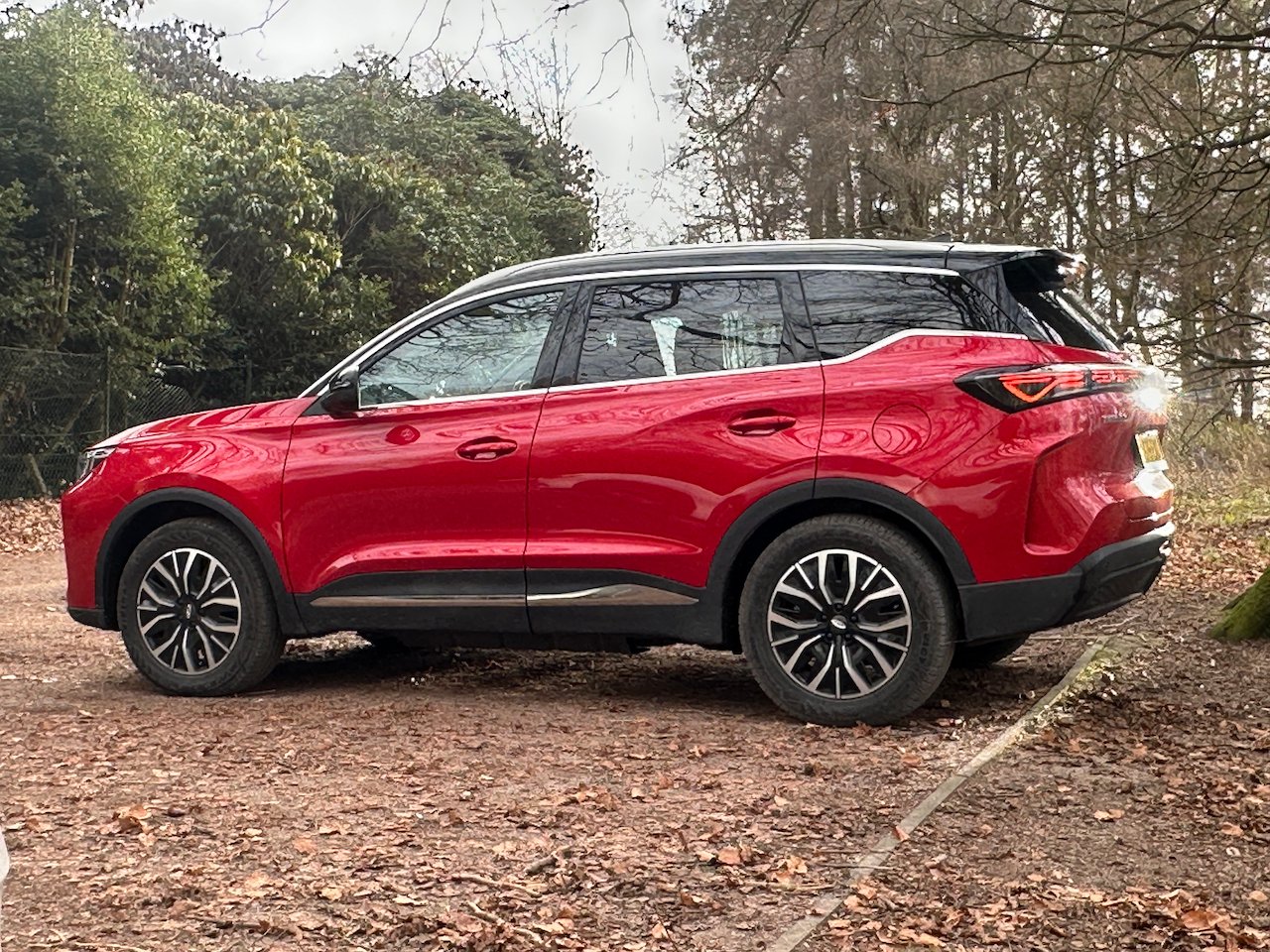
Parked on a Yorkshire driveway over Christmas, it drew positive comments. There is nothing obviously budget about its appearance, other than, perhaps, the badge.
Interior
Step inside, and the Tiggo 7 initially does a convincing job.

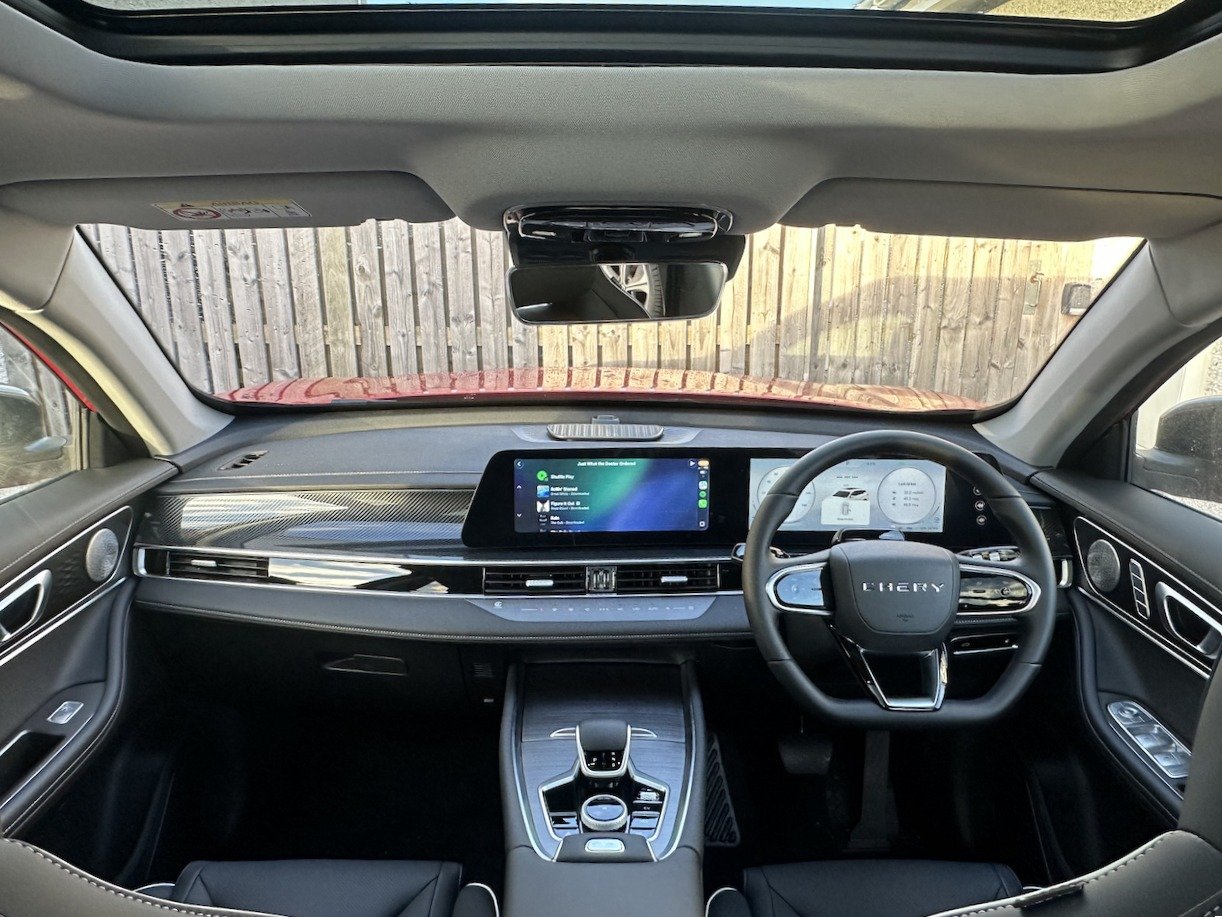
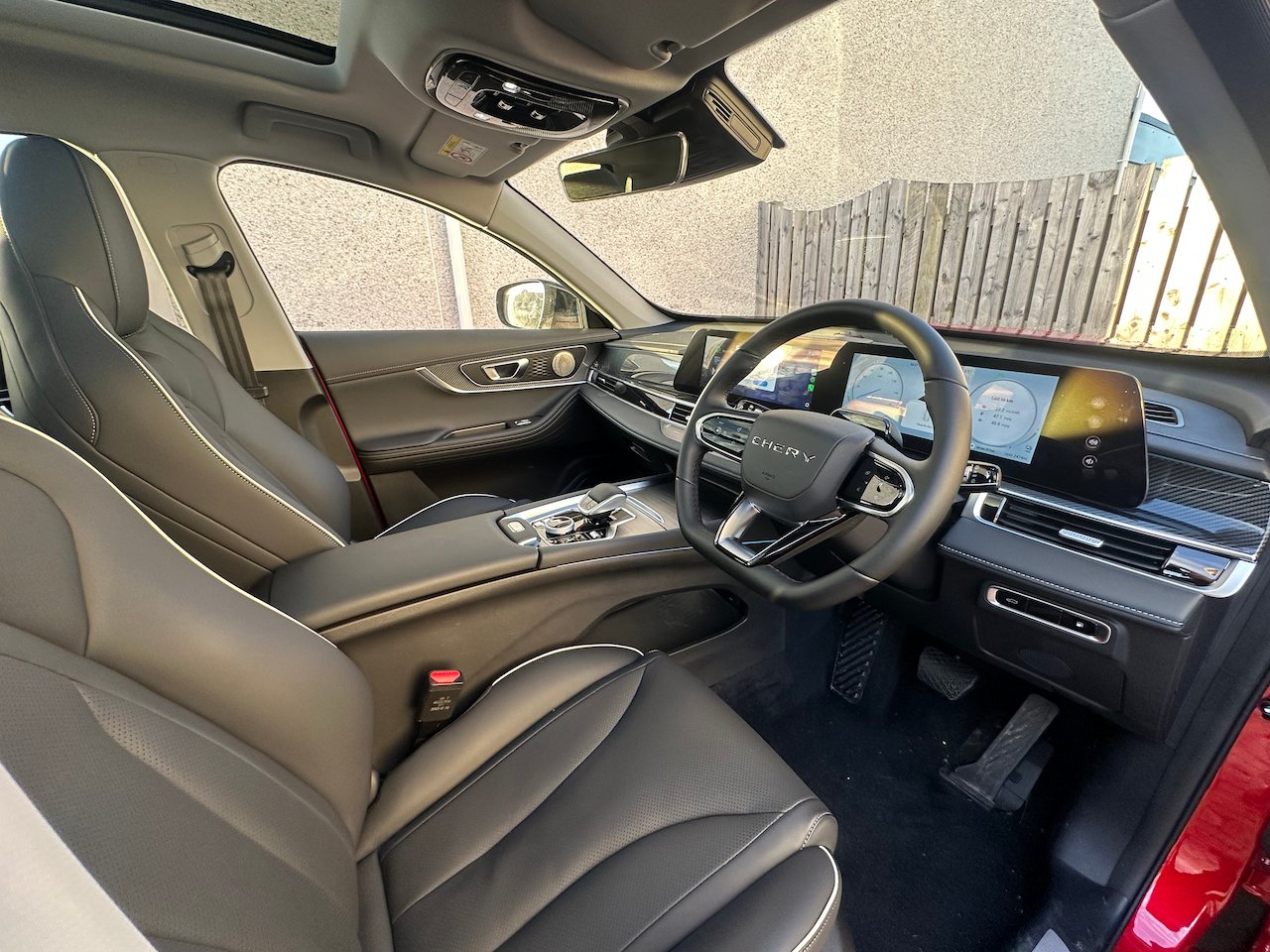
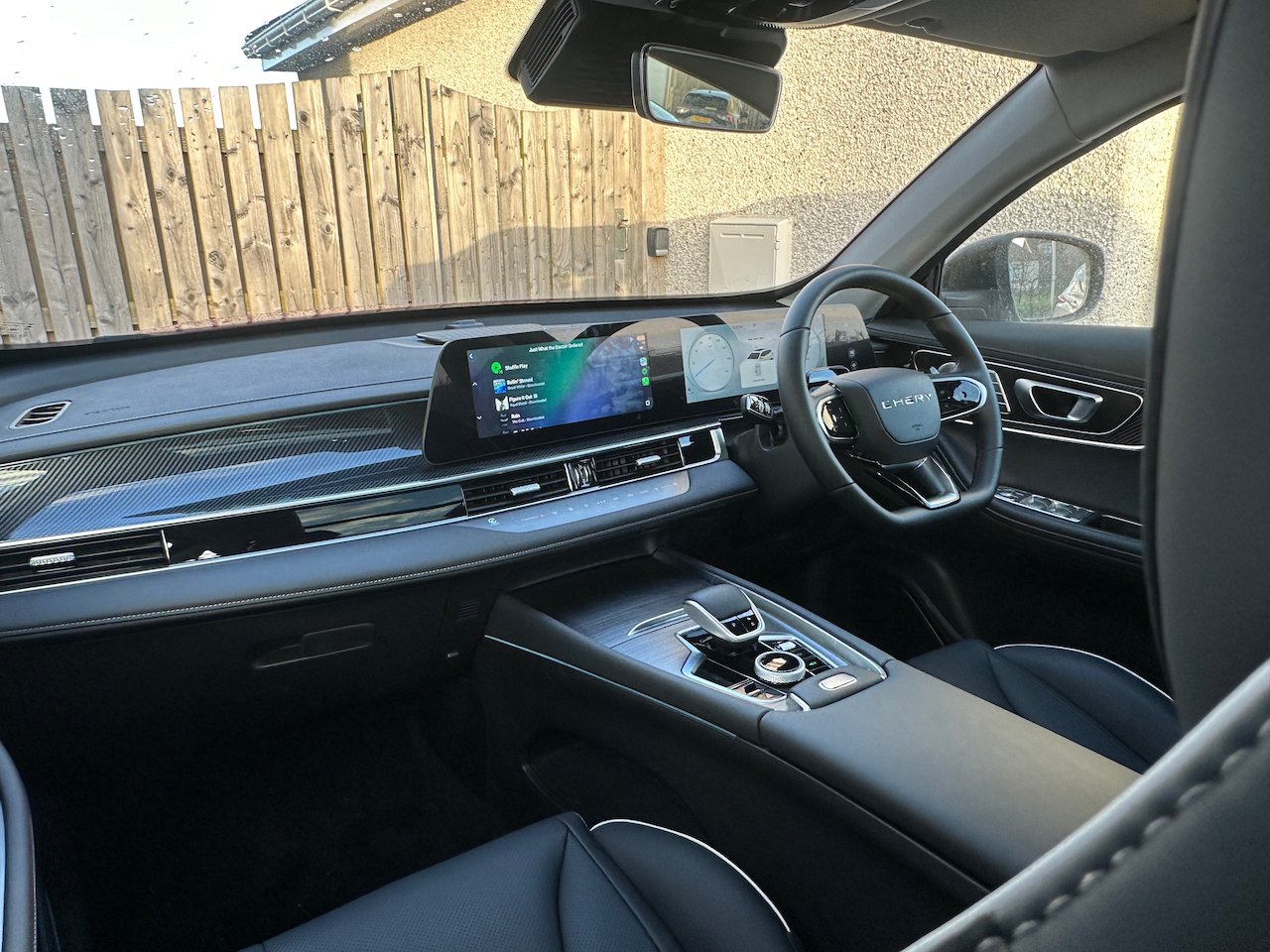
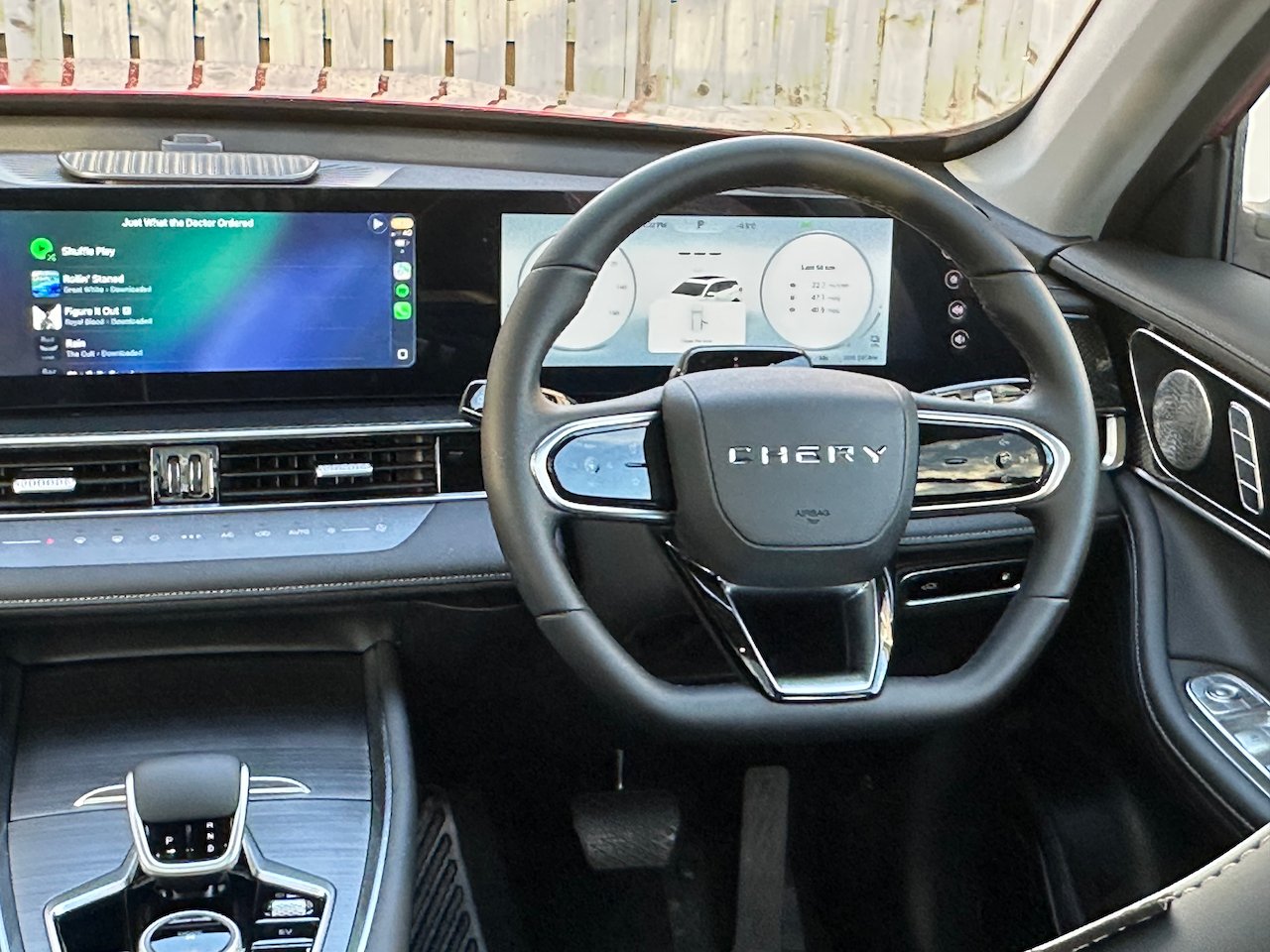
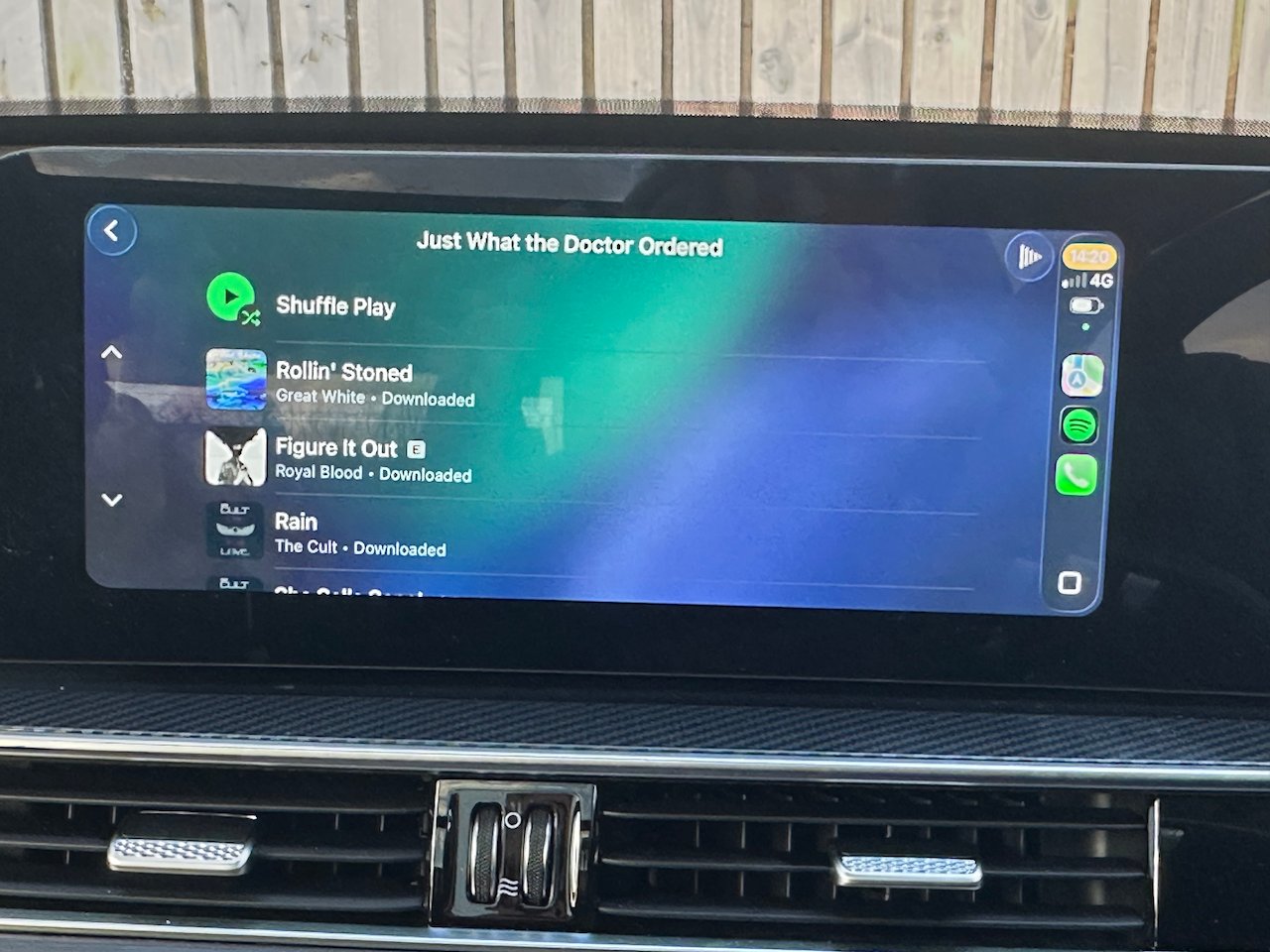
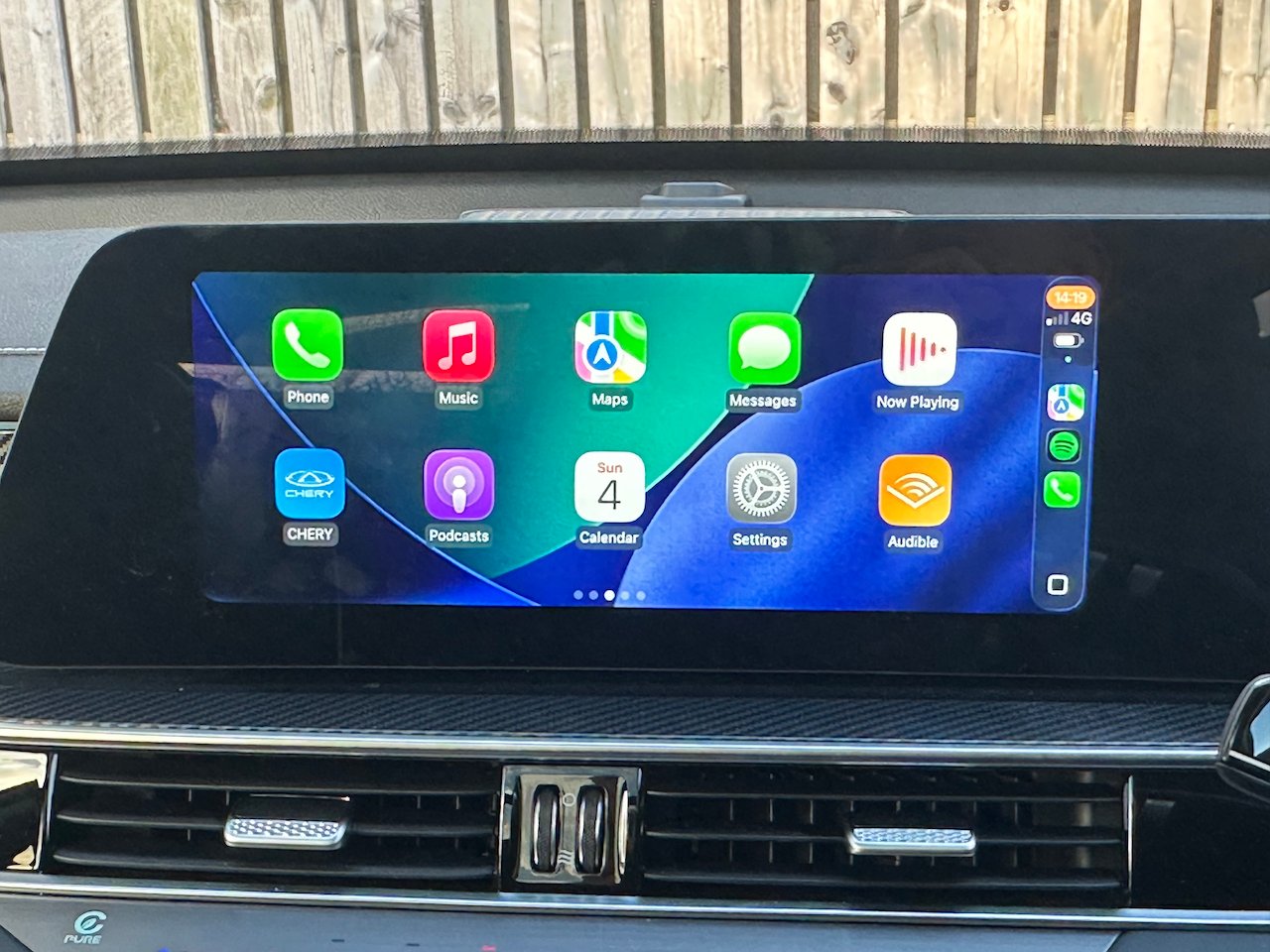
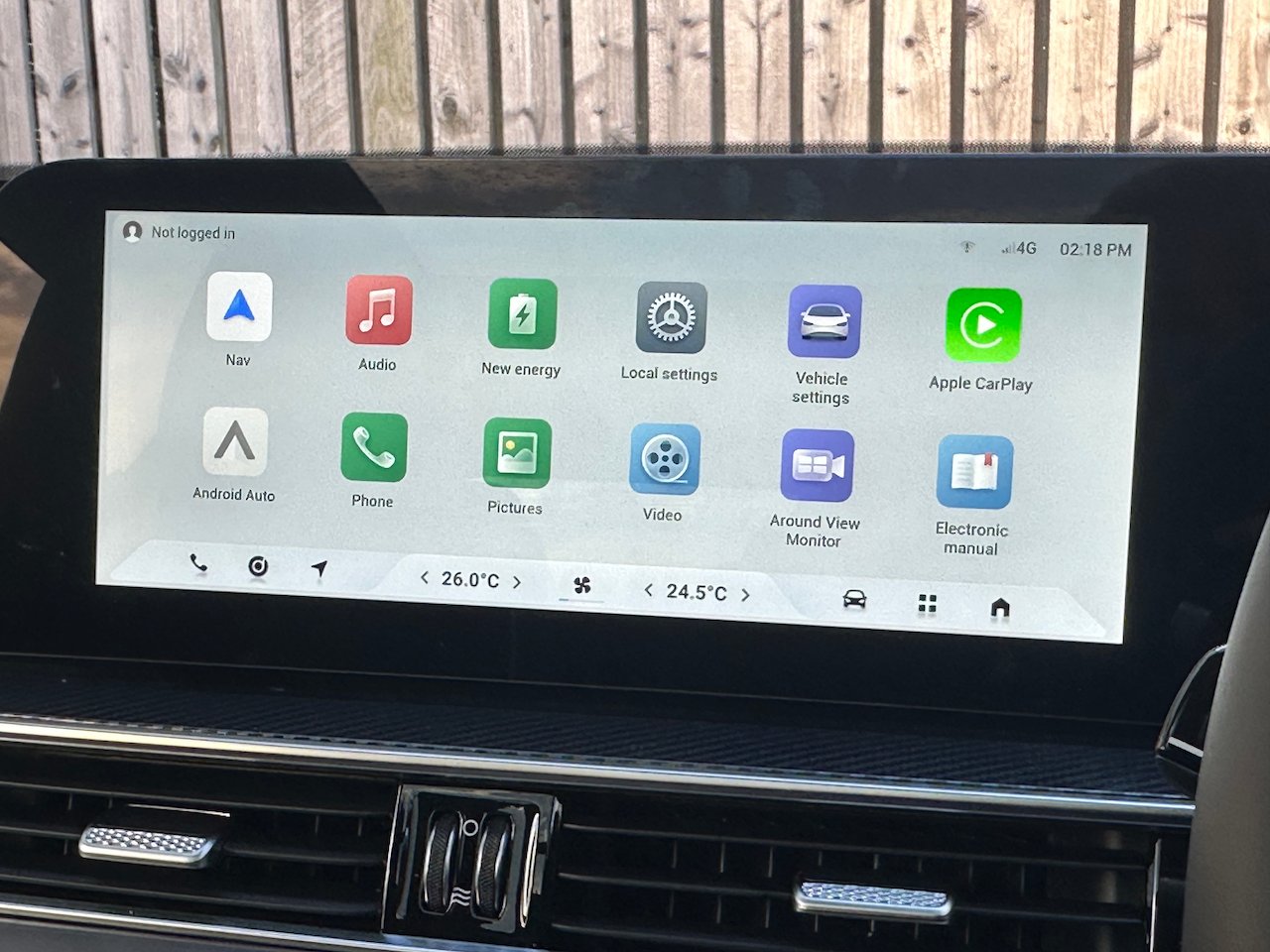
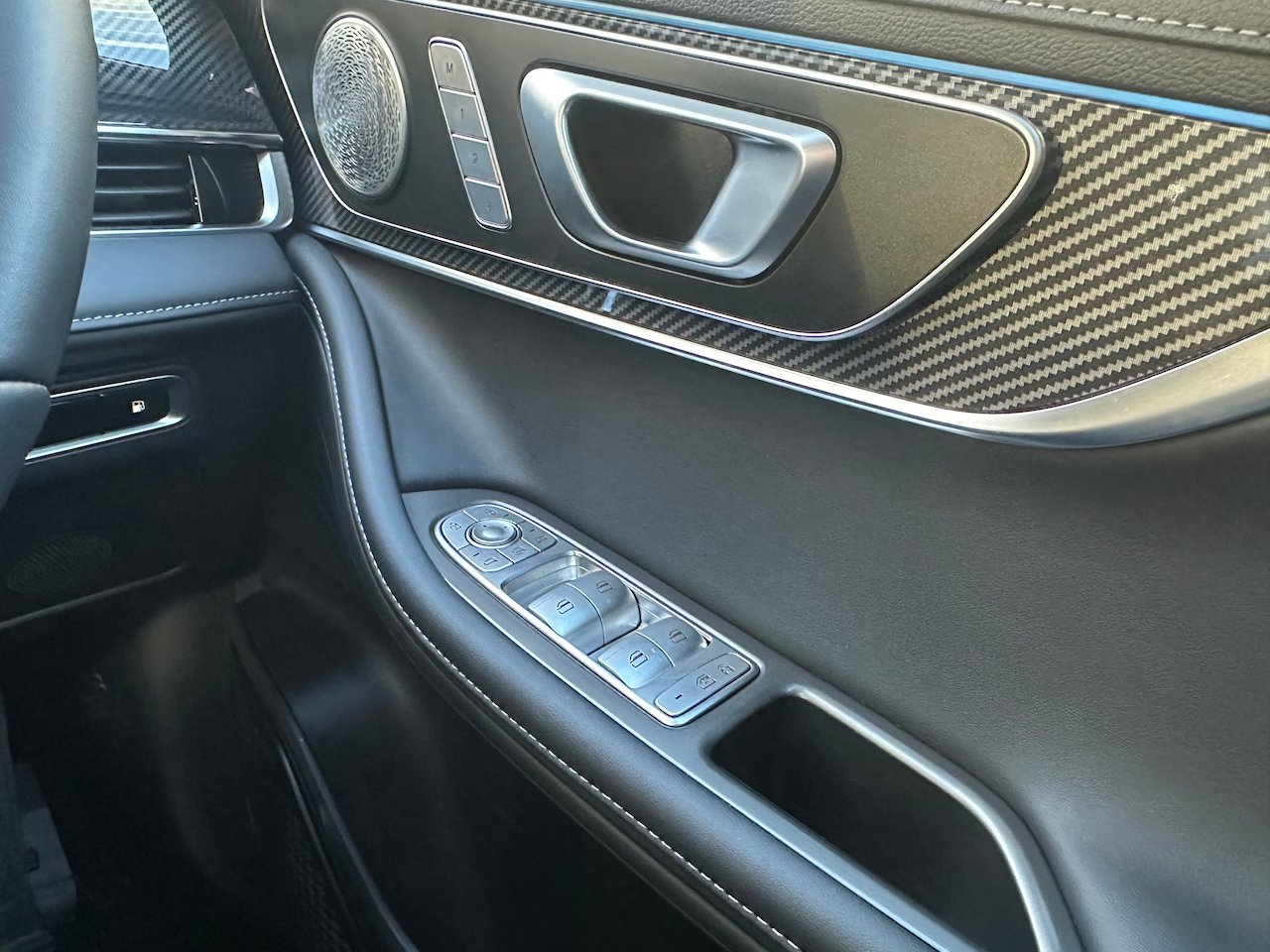
Twin 12.3-inch displays form a wide digital dashboard. Wireless Apple CarPlay and Android Auto are included, and at first glance the layout feels modern and competitive. Material quality is respectable for the price, with soft-touch surfaces where they matter most and a generally solid feel.
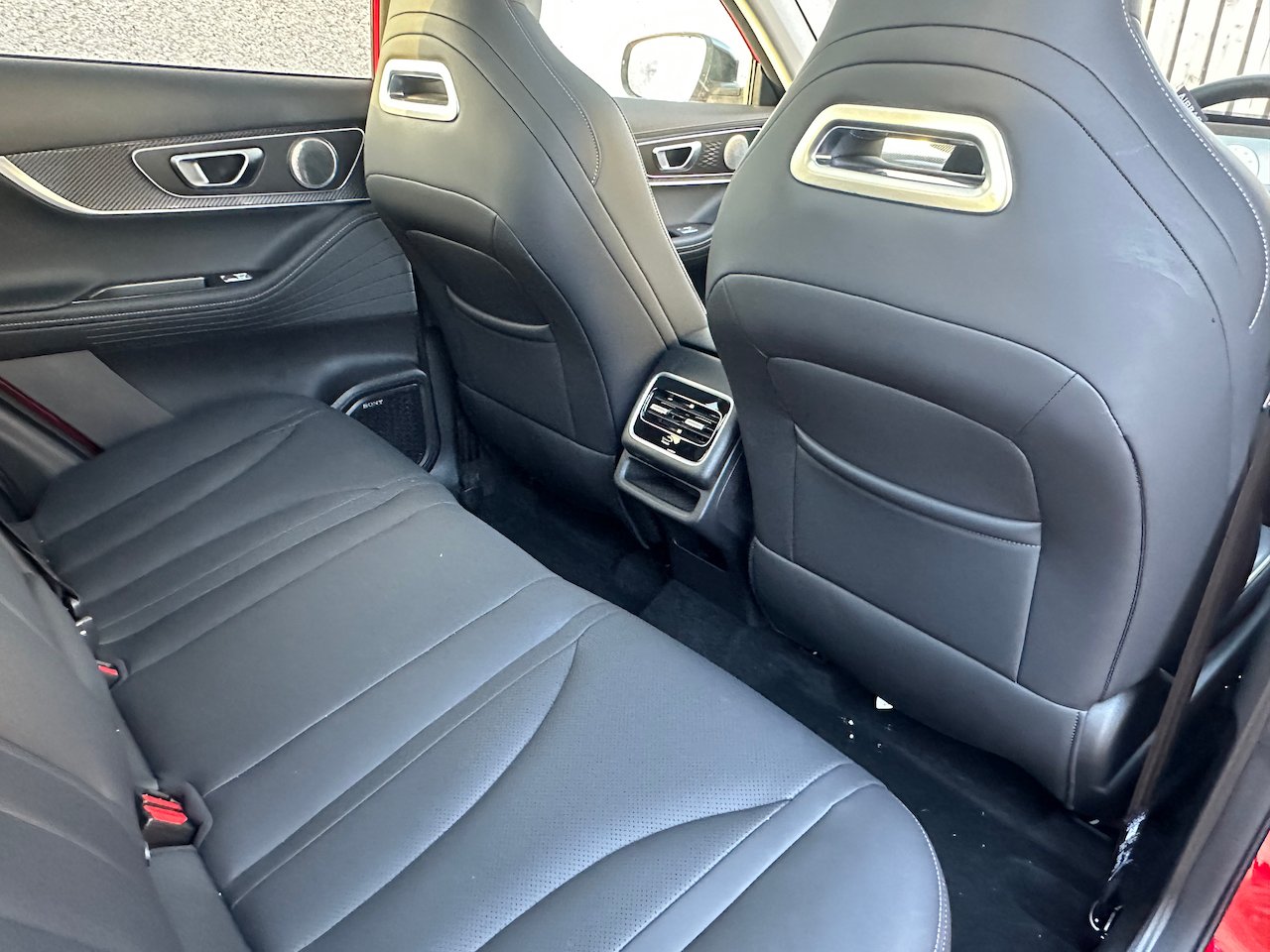
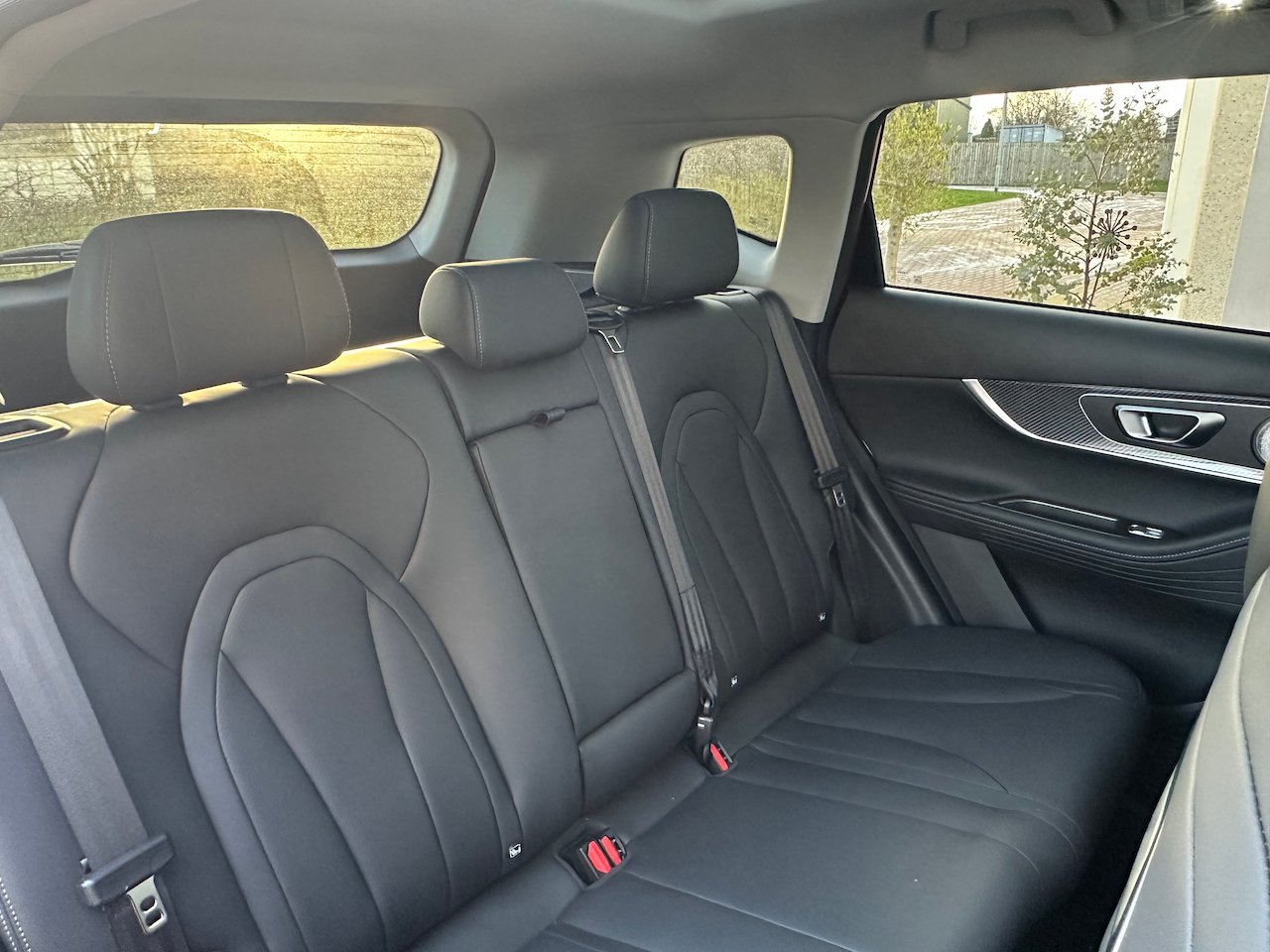
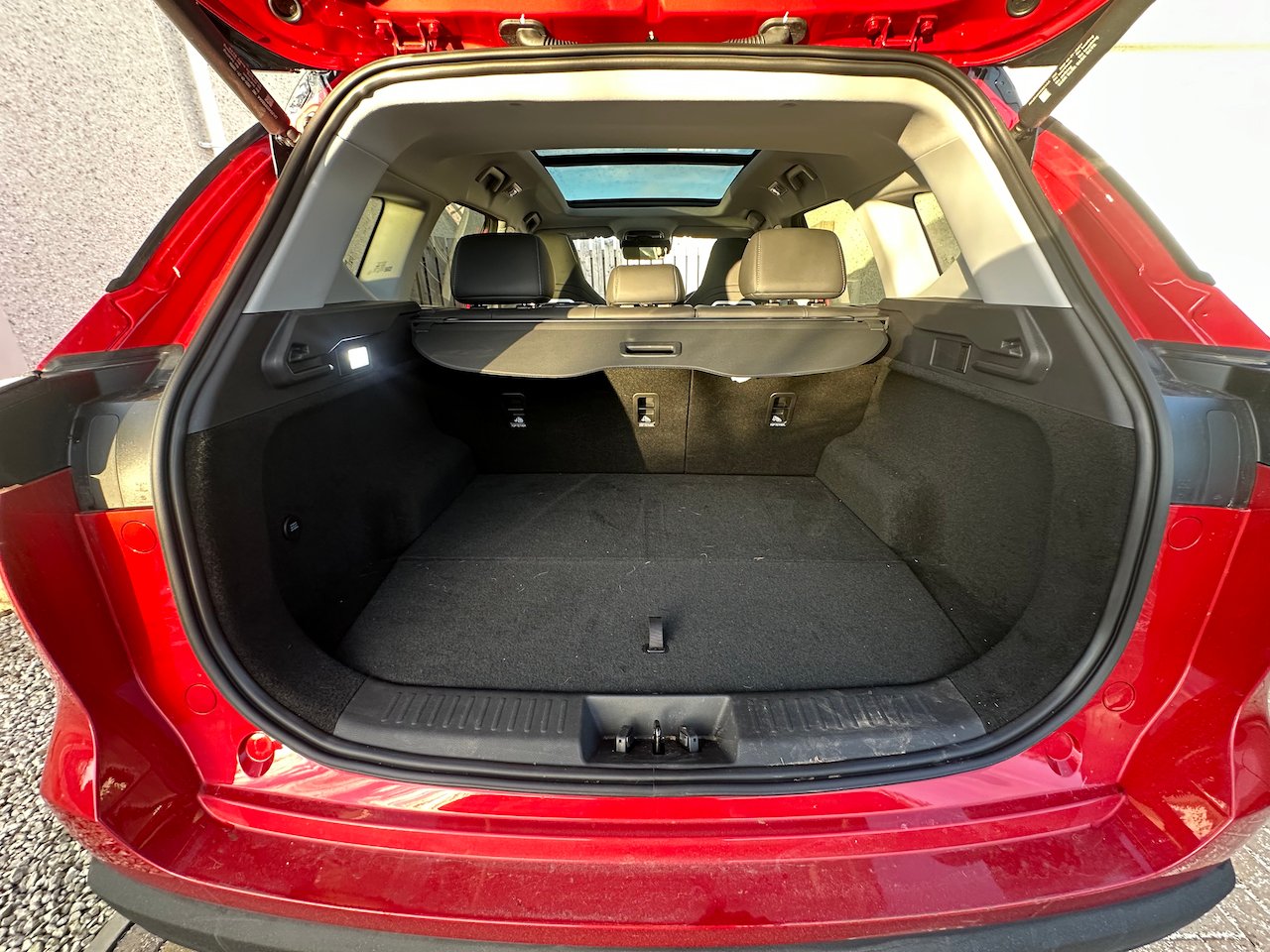
Over three weeks of daily use, space proved to be one of the car’s genuine strengths. Rear legroom is generous, and the boot handled Christmas luggage and family duties without complaint. In Summit trim, features such as the powered tailgate and electrically adjustable passenger seat add a welcome sense of completeness.
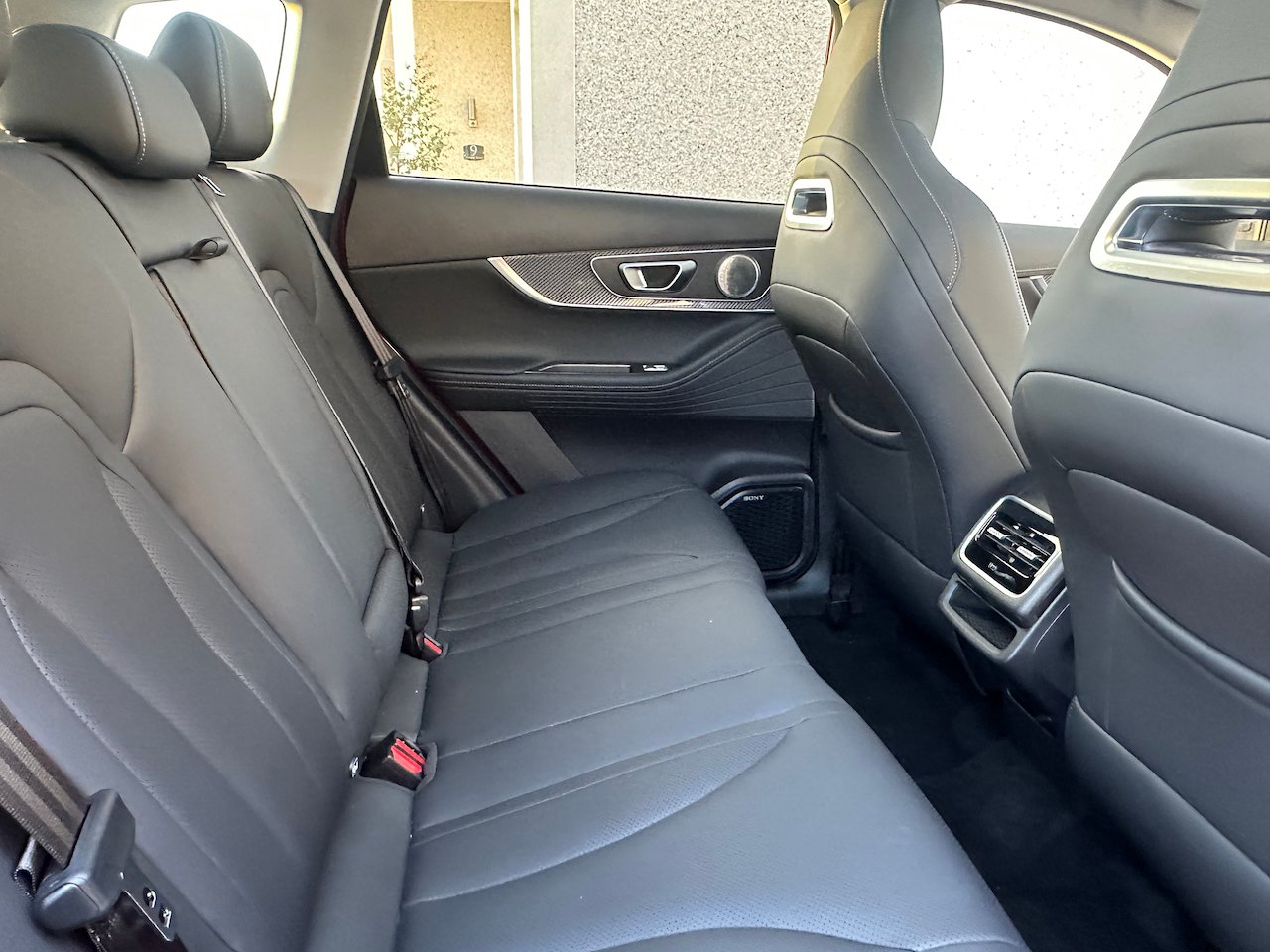
However, extended time behind the wheel reveals some frustrations.
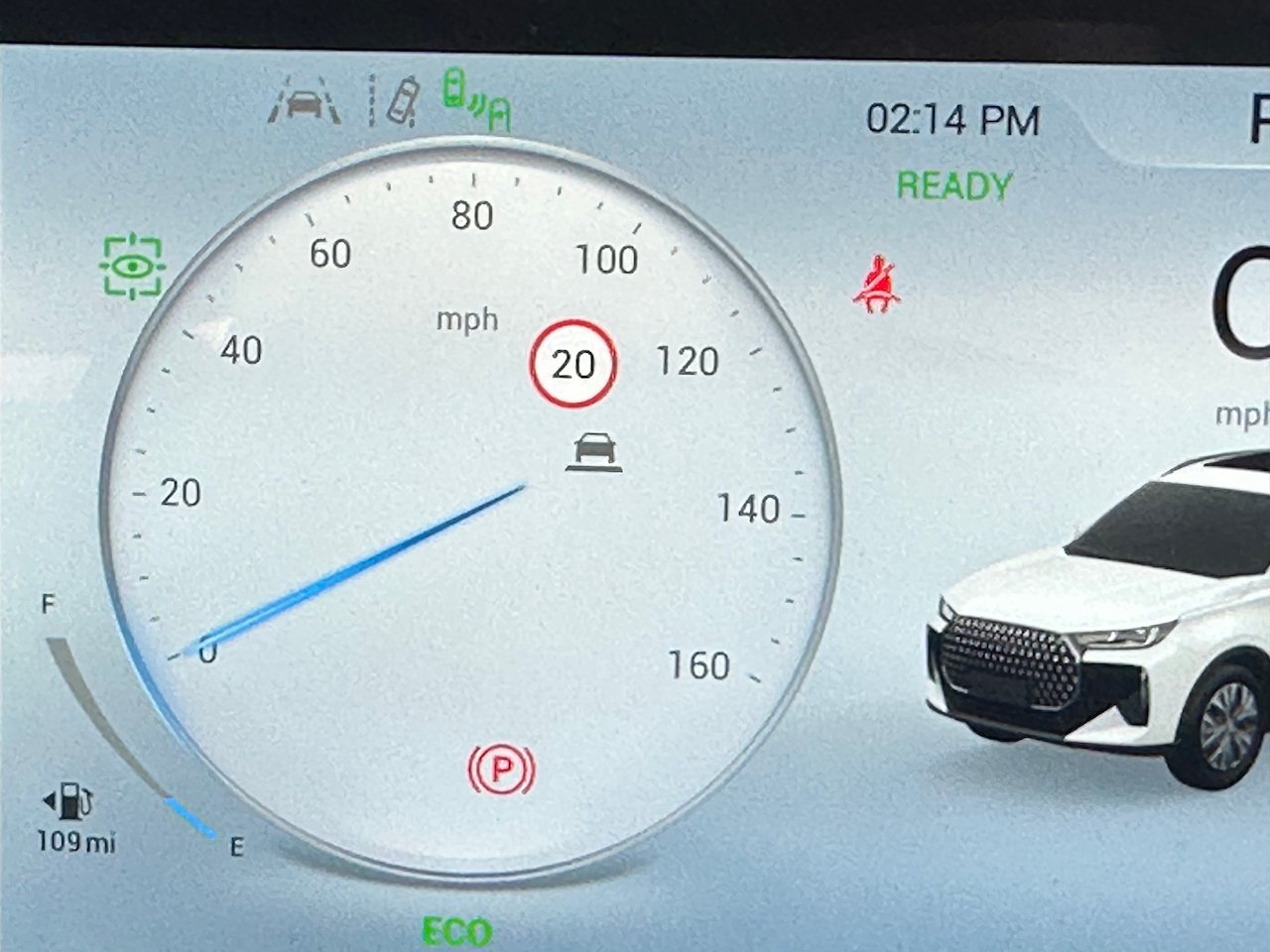
The digital instrument graphics use bright green icons against a pale background. In certain light, they are surprisingly difficult to read at a glance. It’s clearly aiming for a clean, minimalist aesthetic, but clarity suffers. Tesla models use similar tones but somehow manage to make it much clearer.
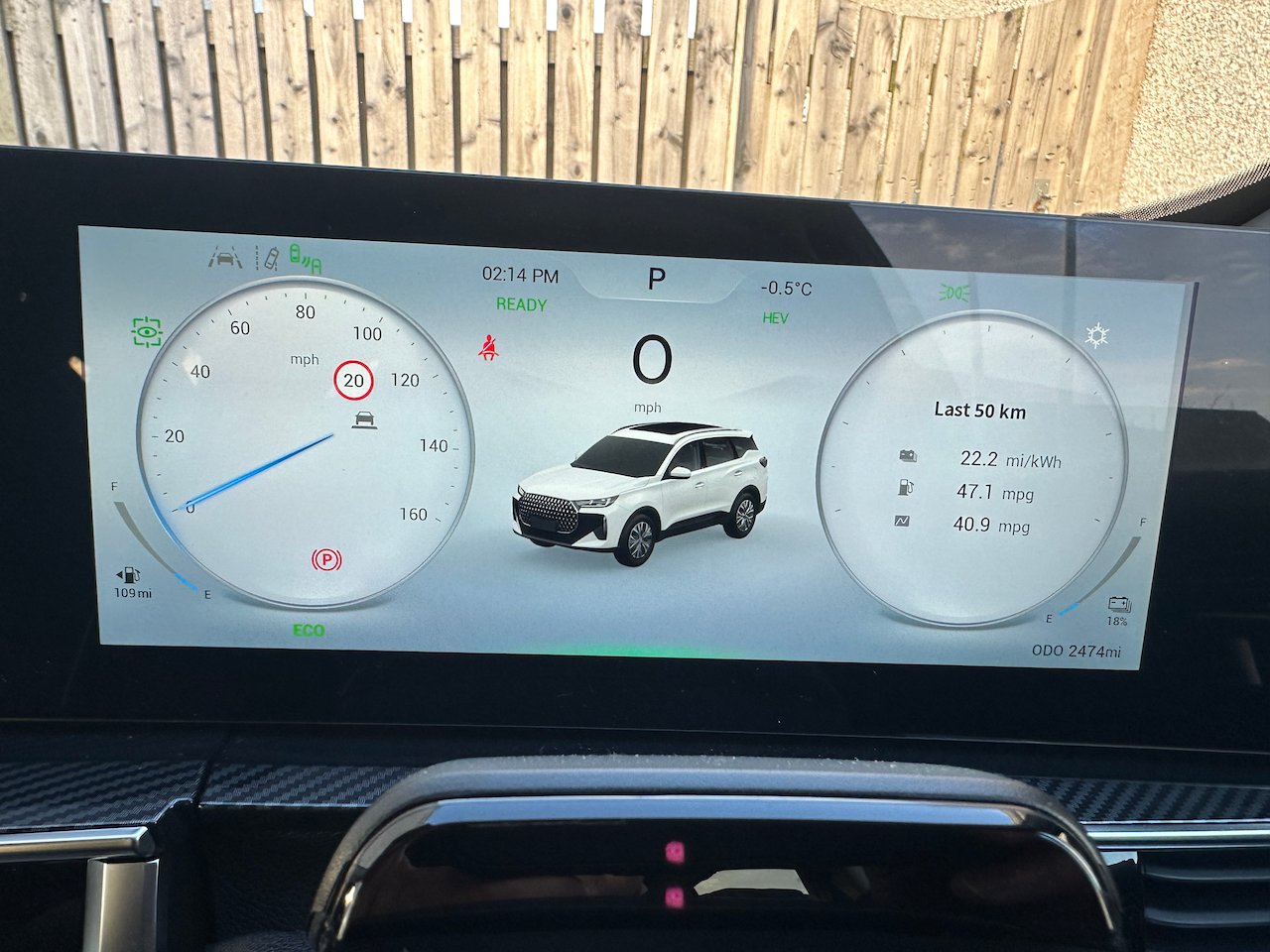
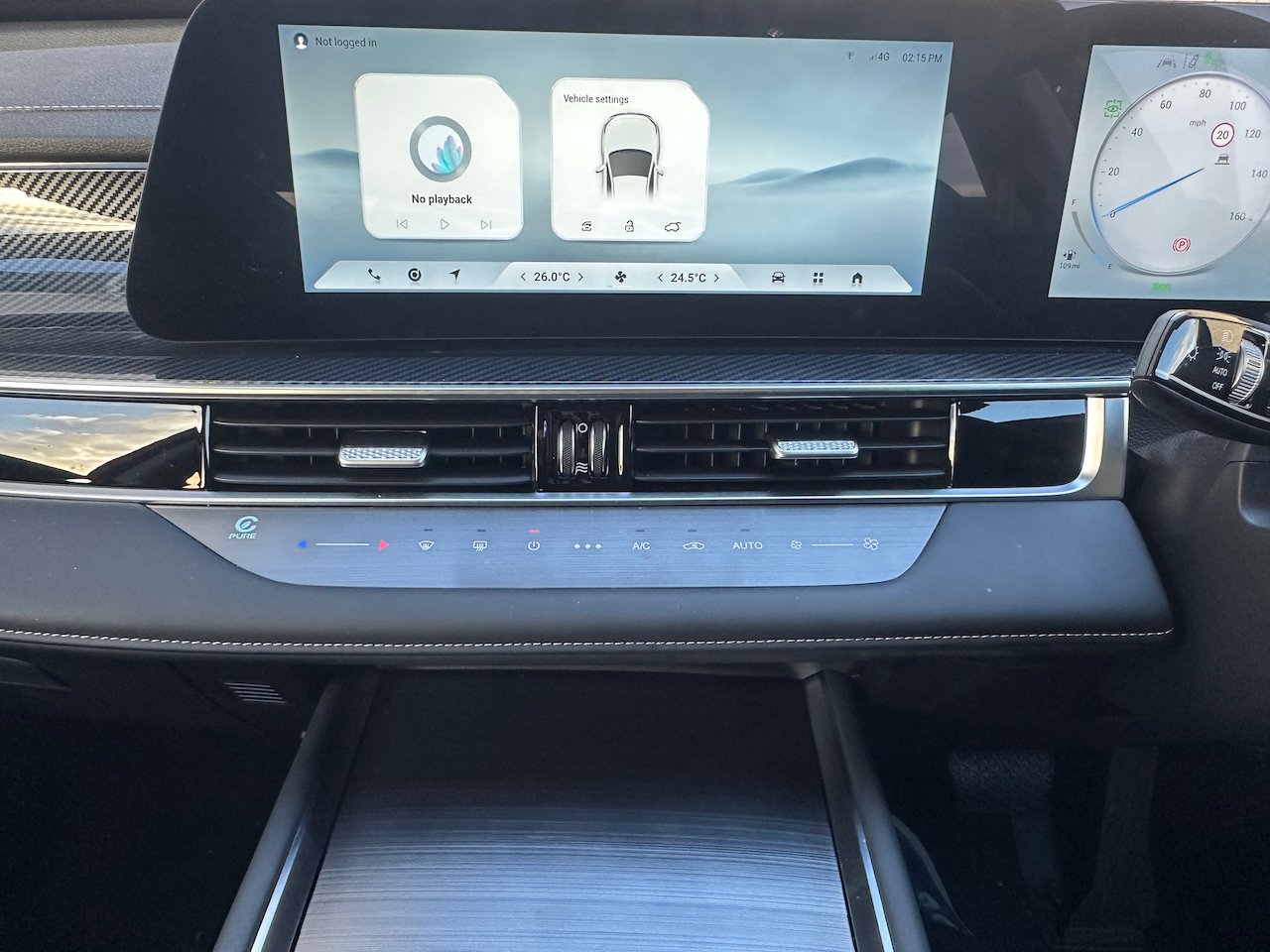
The infotainment system also becomes slightly wearing. Adjust the temperature or fan speed and the navigation screen disappears entirely, only to reappear a few seconds later. It is not a major fault, but repeated dozens of times on an unfamiliar journey, it becomes tiresome.
The driver monitoring system is over-sensitive. Turn your head to check a mirror or glance towards the infotainment screen and the car may reprimand you for not paying attention. It is well intentioned, but it can feel intrusive. Thankfully, a swipe down from the top of the infotainment screen reveals buttons to switch off such annoyances.
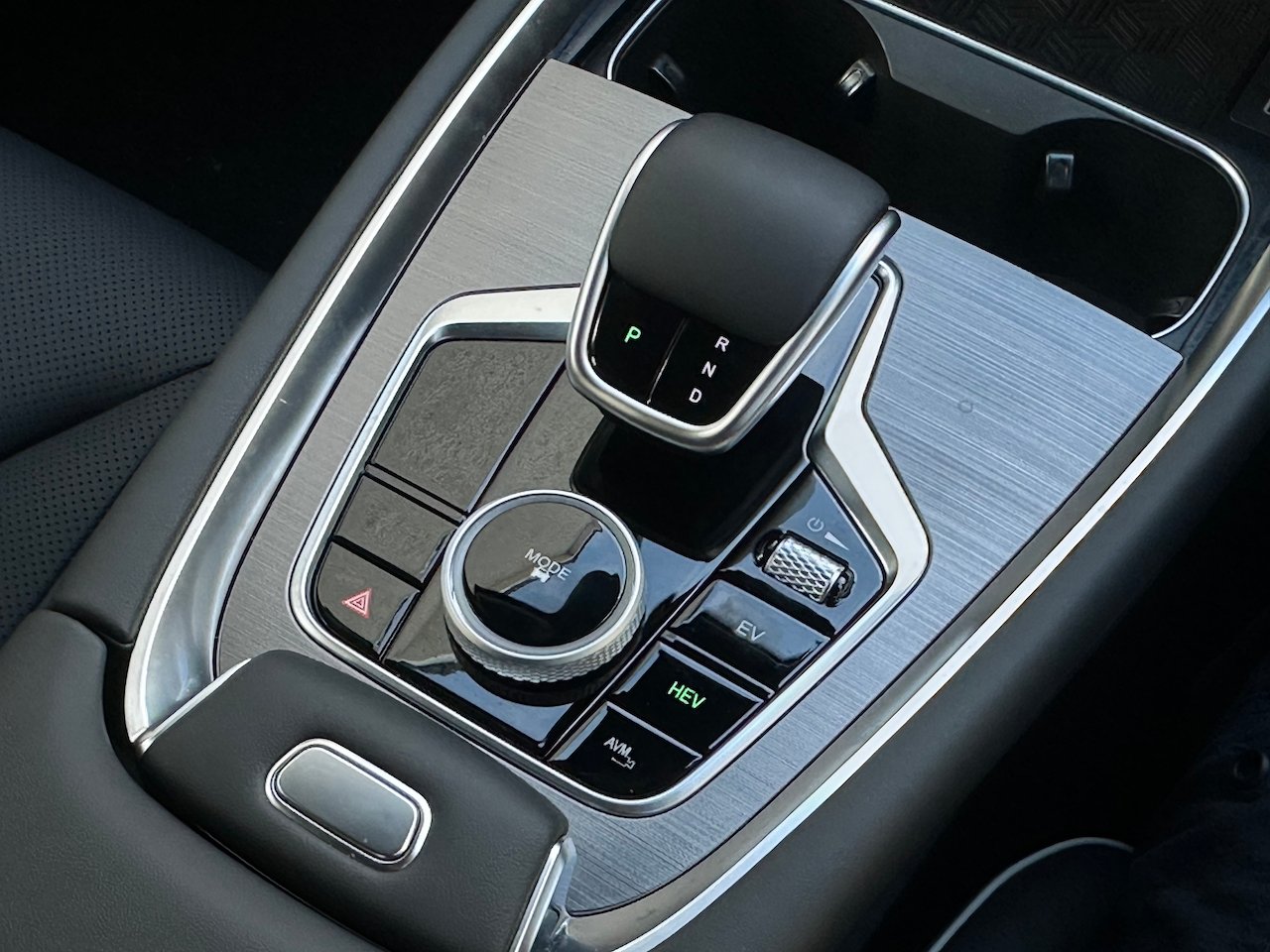
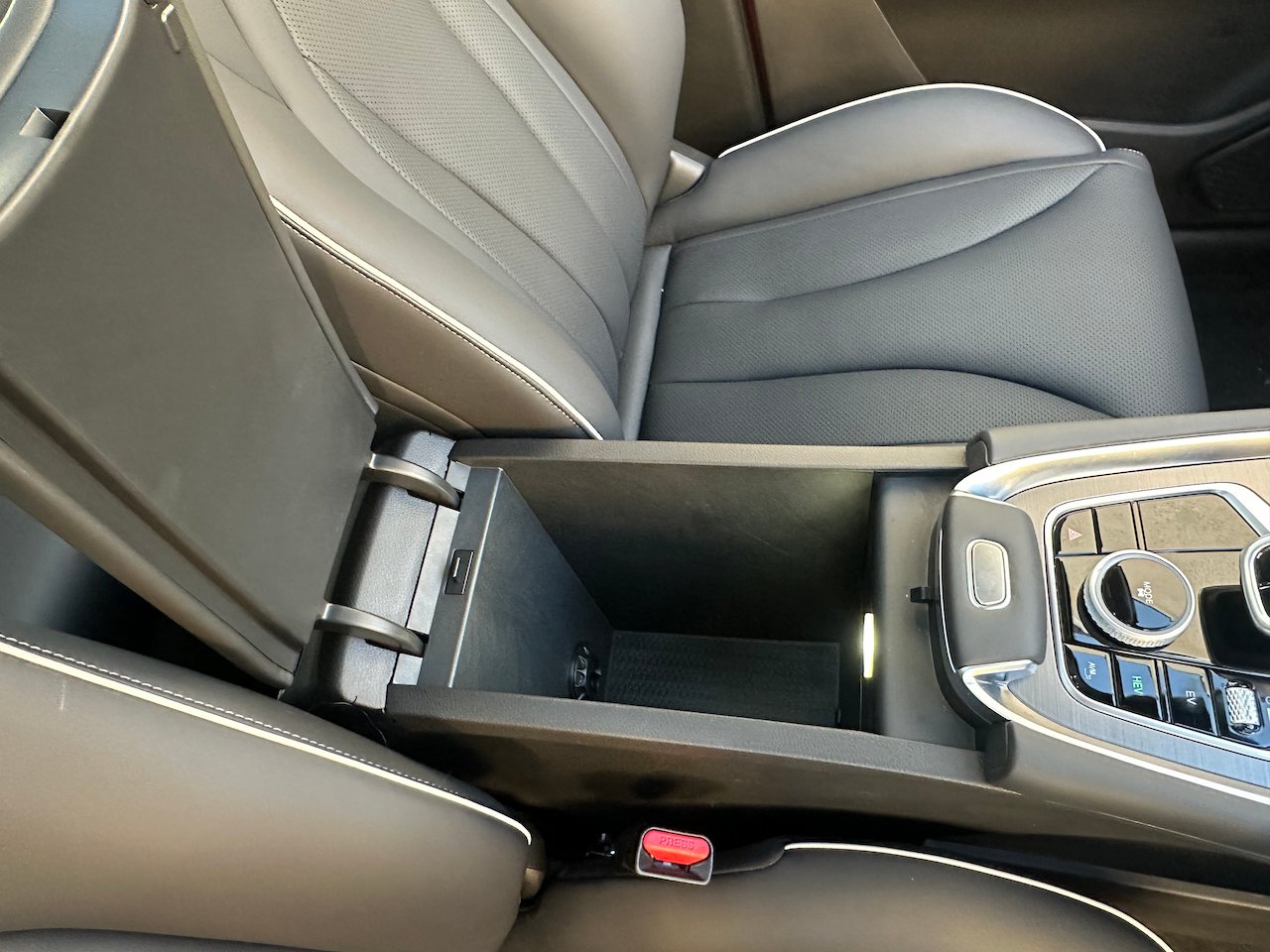
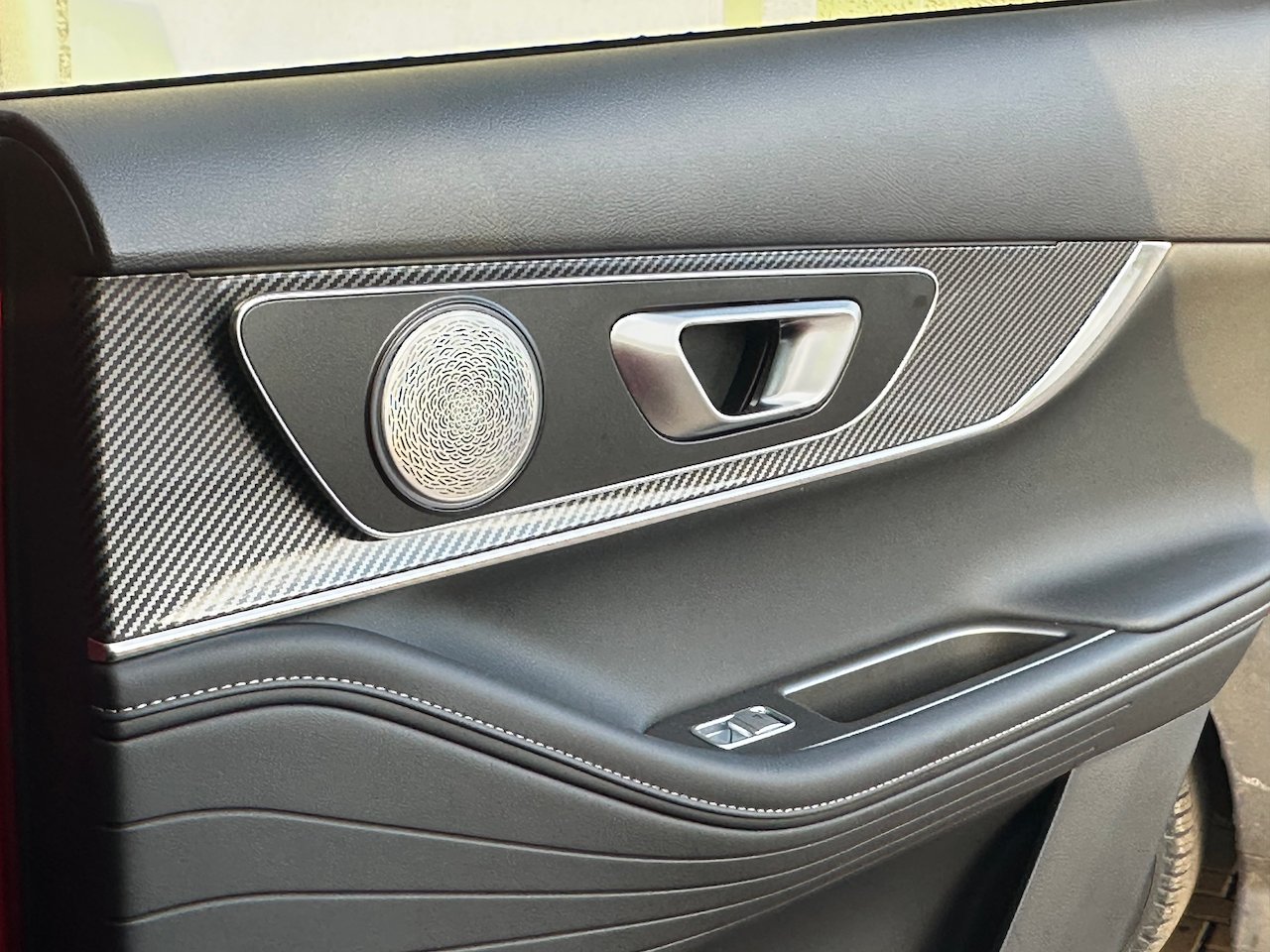
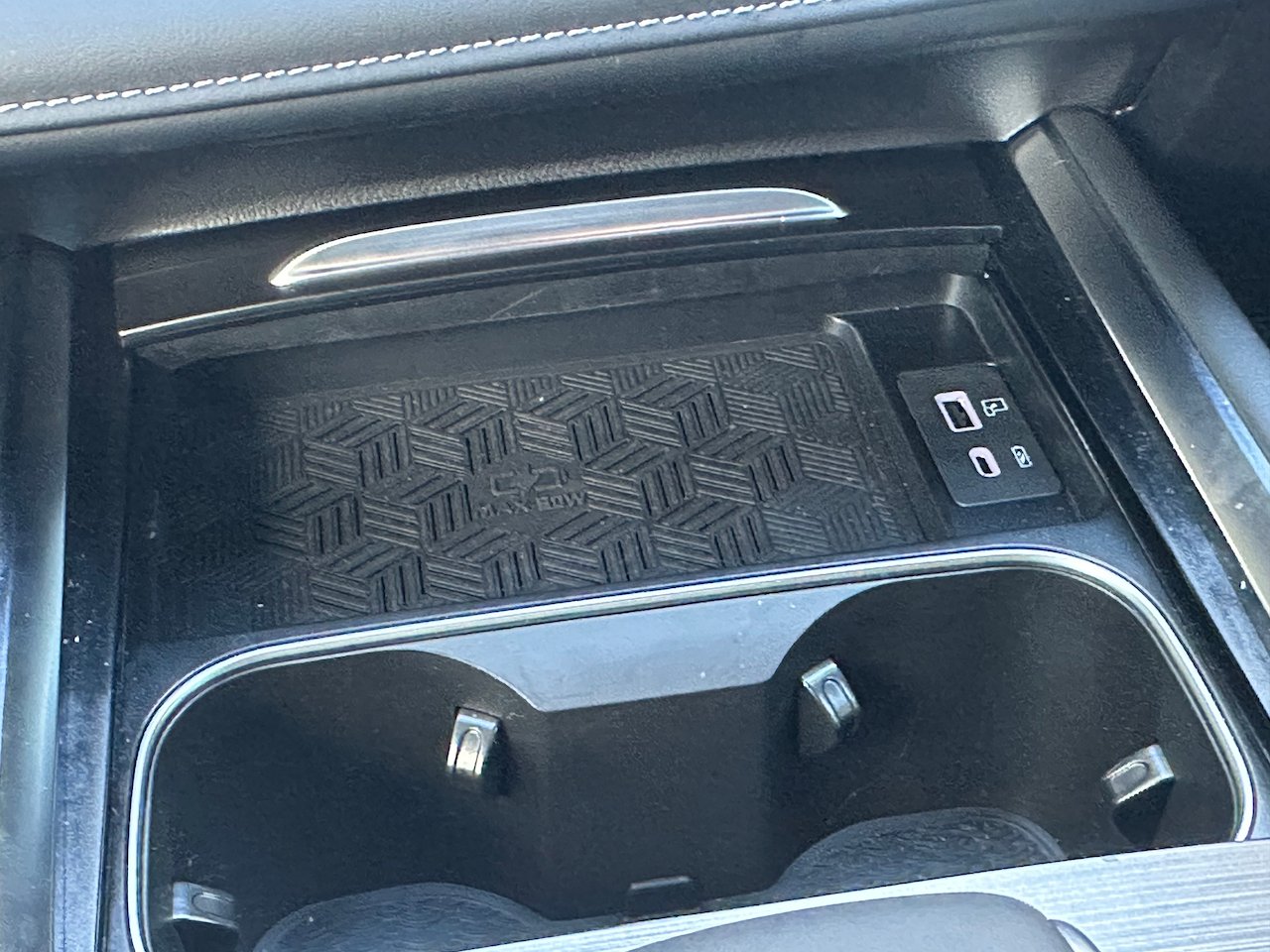
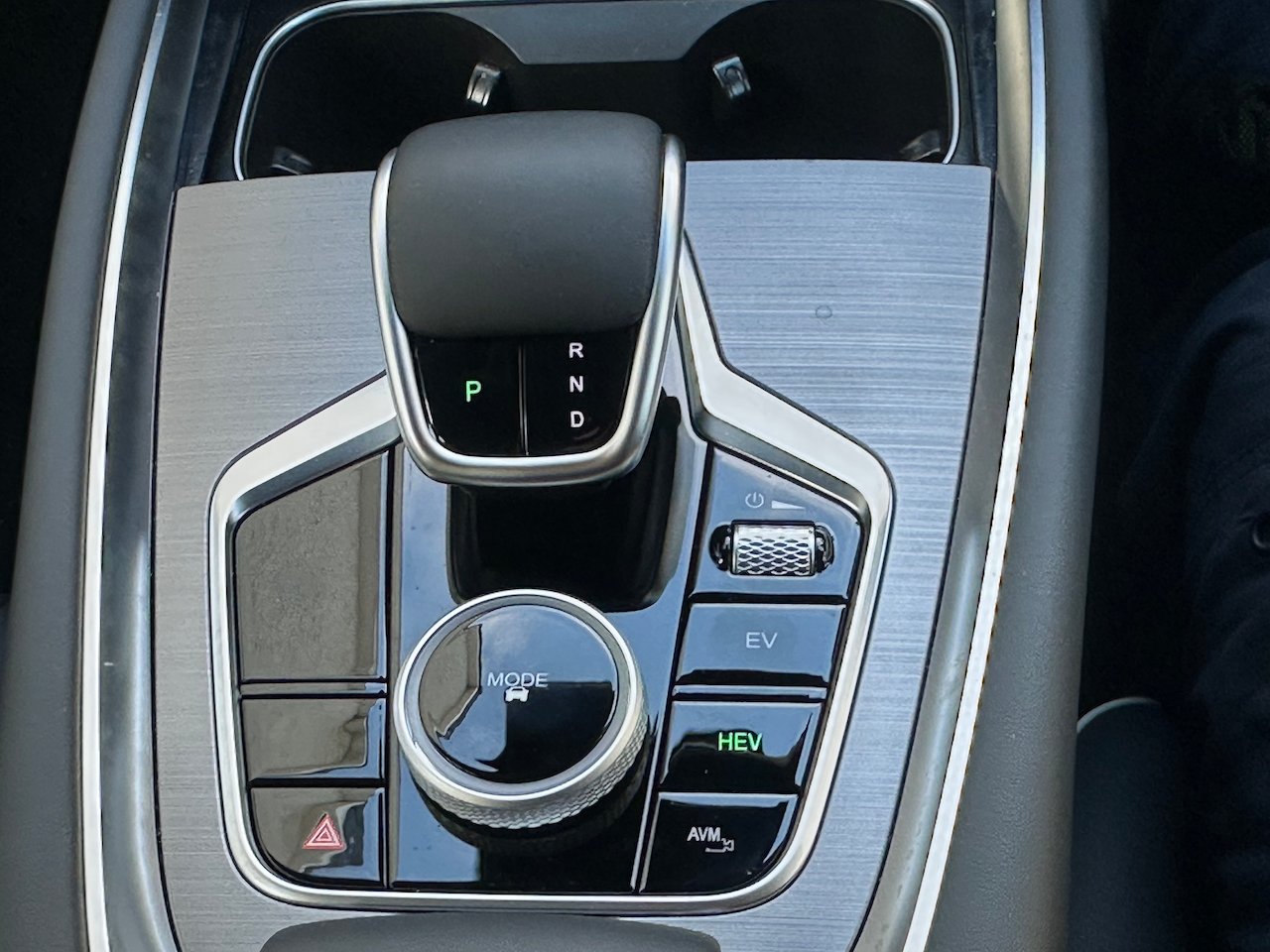
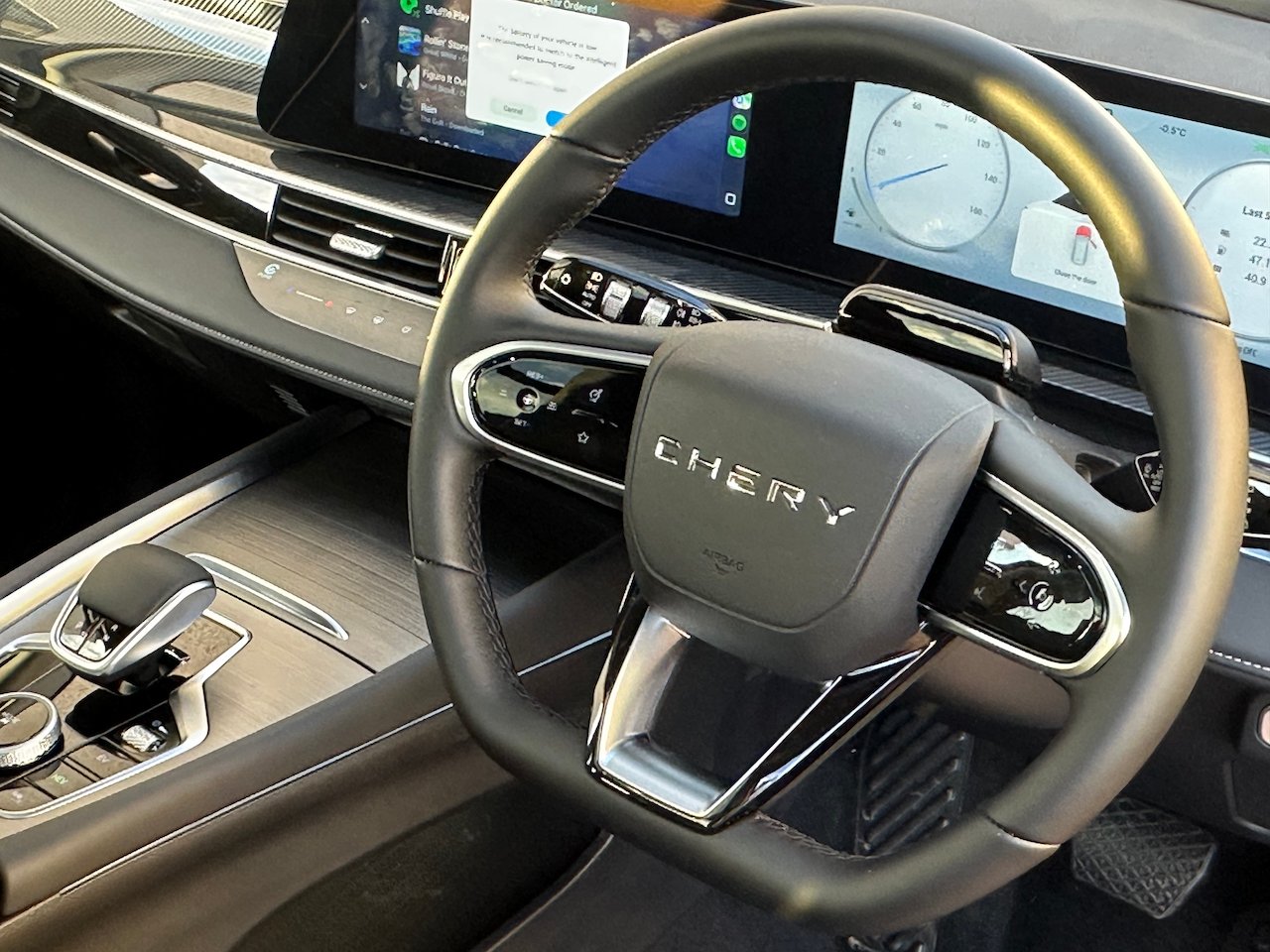
Another gripe is the oversized Drive Mode button occupies more centre console space than necessary. The Sony sound system lacks the depth and clarity you might expect from the branding. None of these issues are catastrophic, but together they dilute what is otherwise a decent cabin.
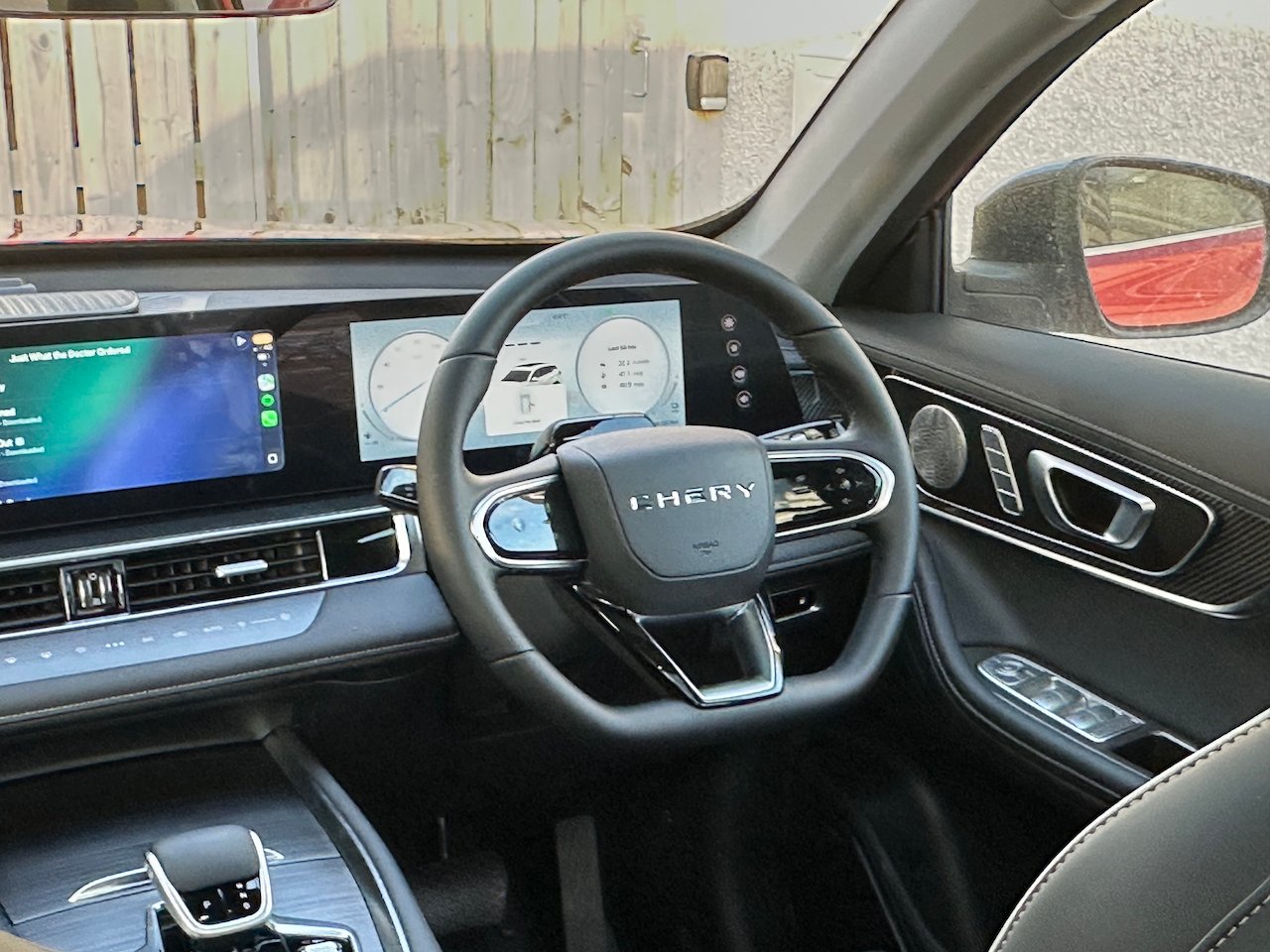
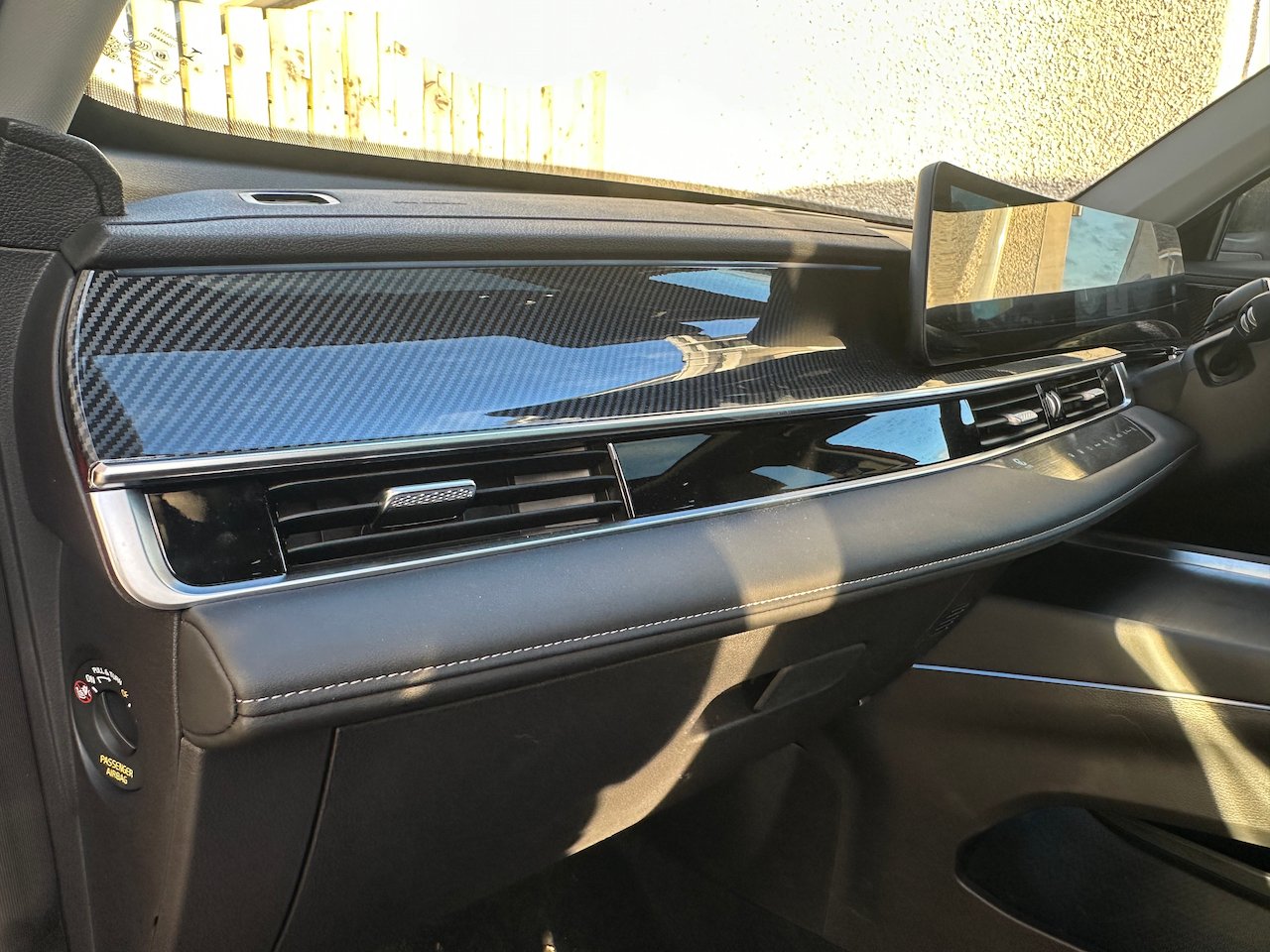
Oh, and what’s with the volume up and down buttons for the indicators situated at the far right of the dash? Odd and unnecesssary.
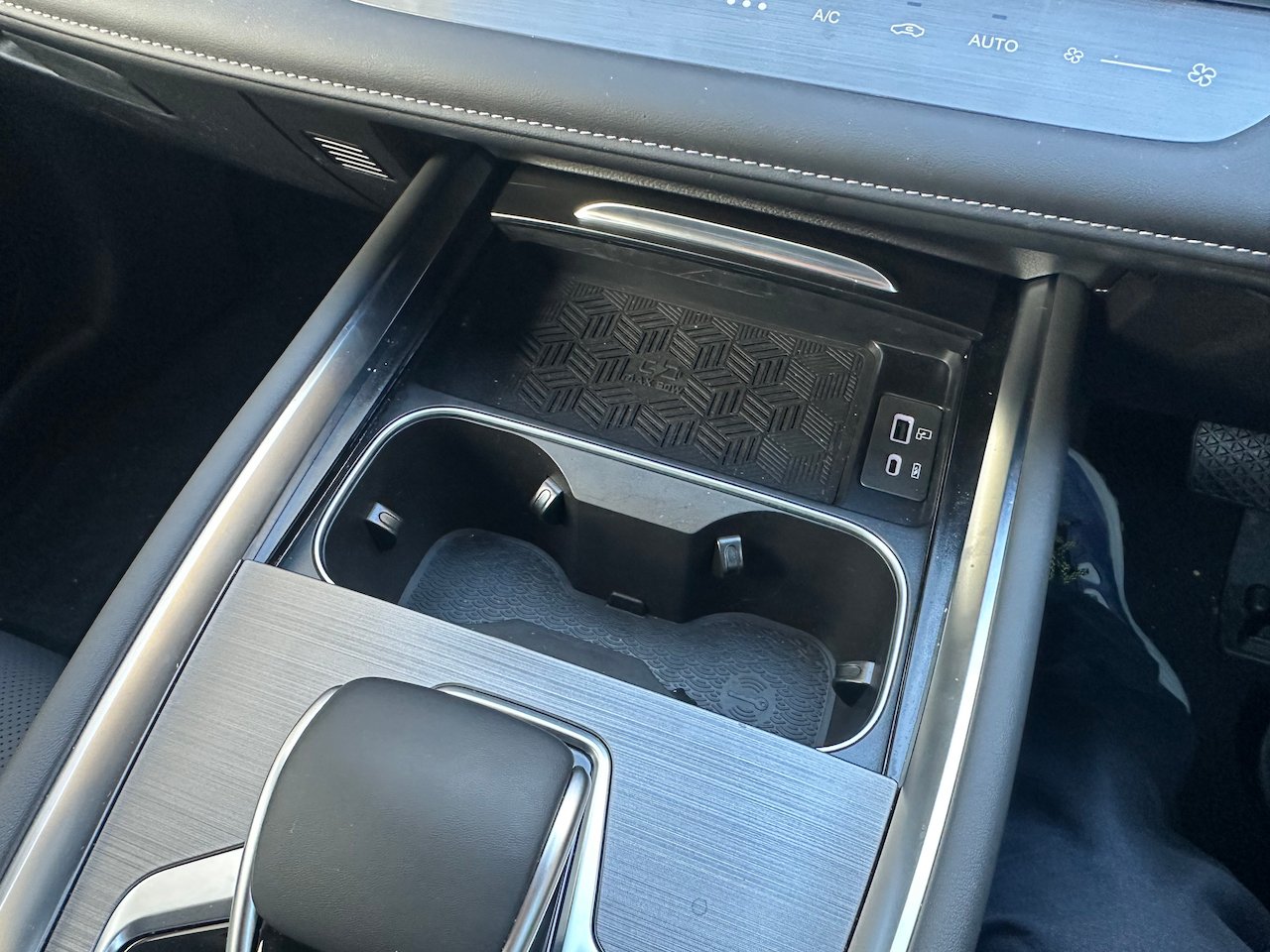
But at least there are easily reachable touch-sensitive buttons for climate arranged along the lower dash area. Not as welcome as physical switches but better than having to navigate the info screen.
Driving Impressions
On the move, the Tiggo 7 Super Hybrid delivers mixed results.
The 204PS combined output is entirely sufficient. Acceleration is brisk enough for confident overtaking and motorway joining. In electric mode, it pulls away quietly and smoothly, and around town it behaves much like a full EV.
However, smoothness is not always consistent.

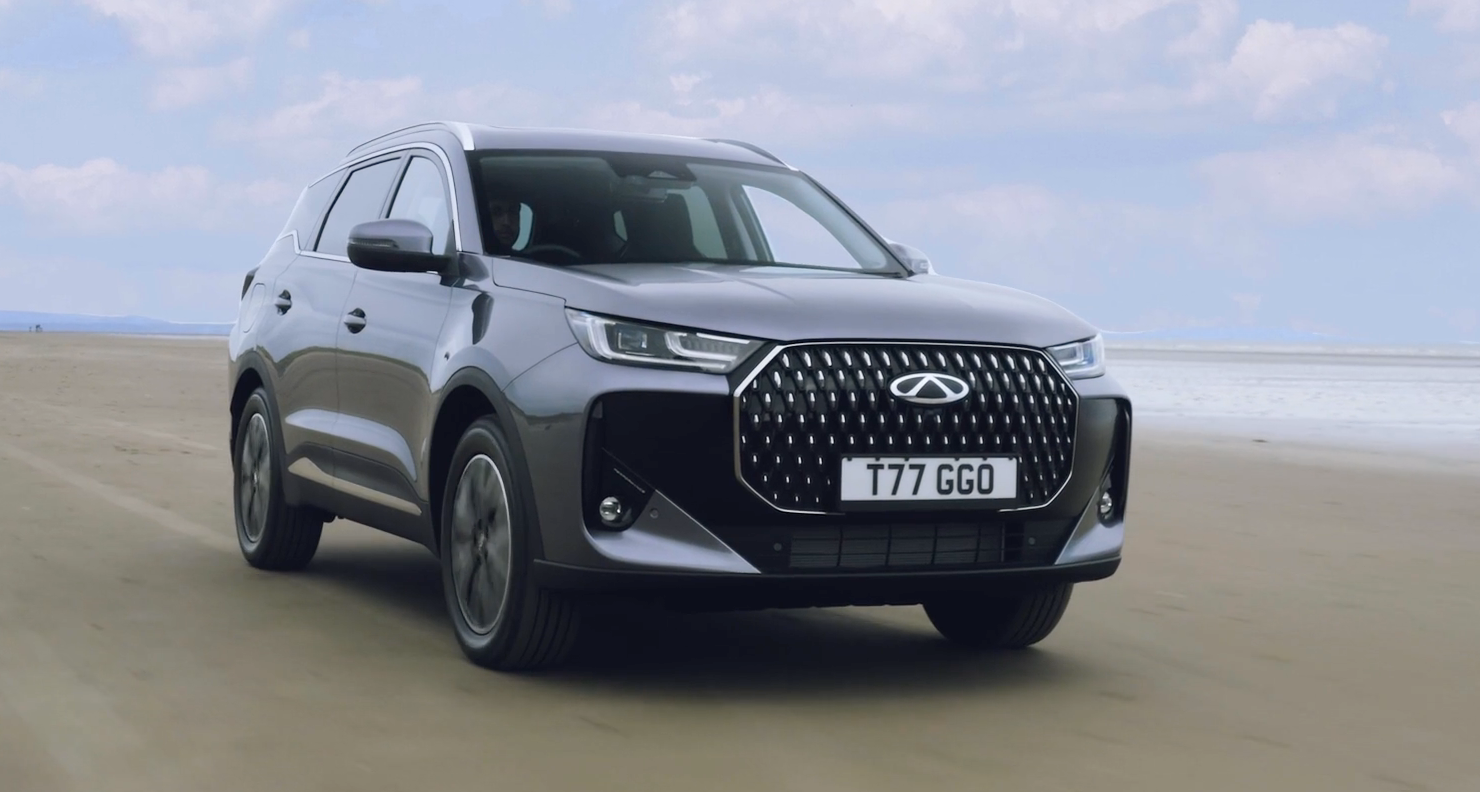
The gearbox can snatch when first setting off, making it difficult to achieve a seamless getaway in slow traffic. That initial hesitation undermines what should be a refined hybrid experience.
When the petrol engine cuts in to charge the battery, it becomes noticeably vocal. Under load, the engine noise intrudes into the cabin more than expected. Over the 900-mile festive stint, that characteristic became increasingly apparent.
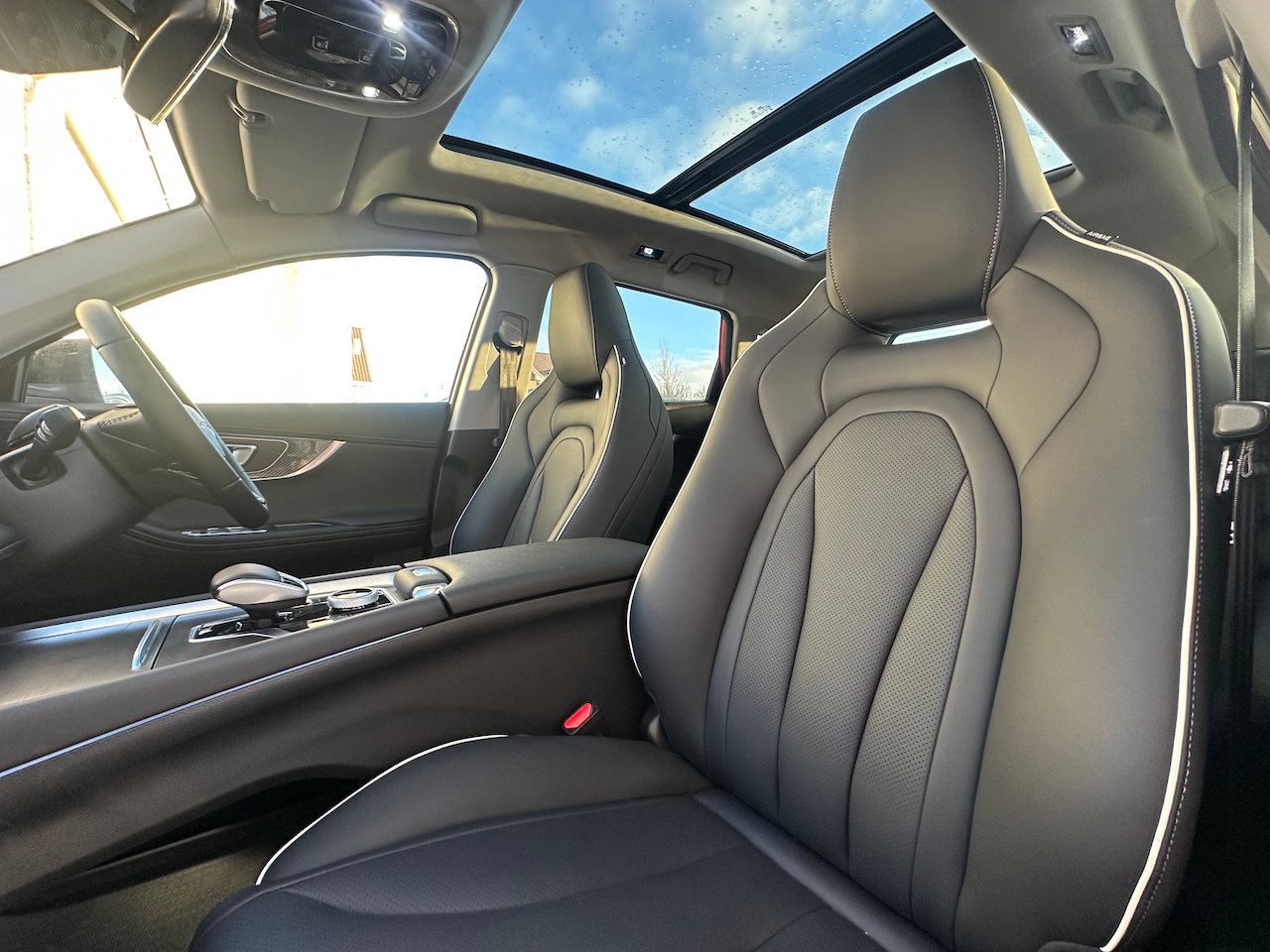
Motorway refinement is adequate rather than impressive. Wind and road noise are more pronounced than in some established rivals. The car remains comfortable, but it is not especially hushed.
I found the steering offers little in the way of feel. It is light and accurate enough, yet lacks meaningful feedback. At motorway speeds, the car can wander slightly, requiring small but regular corrections. On B-roads, the suspension leans heavily towards softness. It absorbs bumps comfortably, but over undulating surfaces there is noticeable body movement and a sense of wallow.
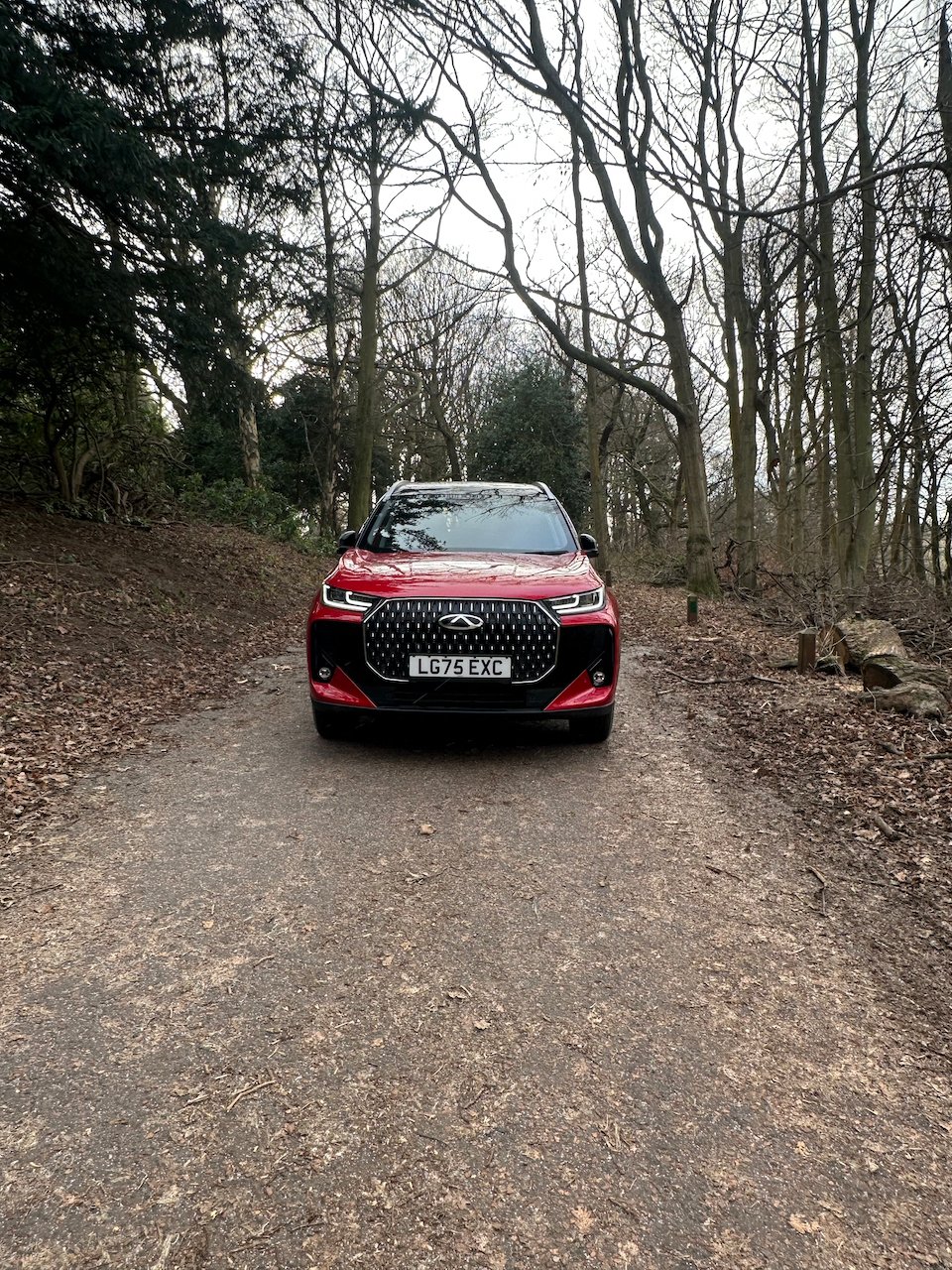
Another unnecessary frustration occurs when the battery level drops to below 10%; the system repeatedly displays visual and audible prompts recommending a switch to another driving mode. Yet it offers no direct shortcut to activate that mode from the warning screen. Instead of simplifying the process, it adds another layer of interaction that isn’t easy to resolve.
There are moments of appreciation. The ability to disable over-speed warnings quickly by swiping down on the infotainment screen is welcome once discovered. But the cumulative effect of alerts, warnings and electronic supervision becomes wearing.
Individually, these issues are manageable. Over nearly three weeks and 900 miles, however, they accumulate to the point where giving the car back initiates a sense of relief . . .
Range, Efficiency and Ownership
The claimed 56-mile electric range is competitive on paper. In winter mixed driving, achieving between 40 and 50 miles appears realistic.
The total range of around 745 miles offers long-distance reassurance, and the hybrid setup does provide flexibility for drivers not ready to commit to full electric.
The seven-year, 100,000-mile warranty is a significant selling point. For a brand still building recognition in the UK, that level of cover provides genuine reassurance. Chery’s dealer network currently stands at 25 outlets, with ambitions to grow to 100 by 2026, reflecting clear long-term intent.
Rivals
The Tiggo 7 Super Hybrid competes with established plug-in hybrids such as the Kia Sportage PHEV, Hyundai Tucson PHEV and MG HS PHEV.
Where it stands out is pricing. Starting at £29,995 OTR, it undercuts many direct competitors while offering comparable electric range and generous standard equipment.
However, established rivals often feel more polished from behind the wheel. The Tiggo 7 wins on value. It does not consistently win on refinement.
Verdict
The Chery Tiggo 7 Super Hybrid Summit is, in many ways, exactly what the specification sheet suggests.
It is spacious, competitively priced and equipped generously for the money. The plug-in hybrid system offers meaningful electric range, the warranty package is reassuring, and visually it holds its own in a sea of family SUVs
Spend longer with it, however, and the picture becomes more nuanced.
The fundamentals are there. It covers distance comfortably enough, handles family duties without complaint and delivers the flexibility many buyers are looking for. But the refinement gaps, the slightly unsettled dynamics and the constant electronic supervision gradually dilute the experience.

You begin to appreciate the Tiggo 7 for its value and practicality — while also noticing how much mental energy it demands in return.
There is clear ambition here. With more polish in drivetrain smoothness, suspension tuning and software calibration, it could be genuinely compelling. As it stands, it feels promising rather than complete.


At a Glance
- Make & Model: Chery Tiggo 7 Super Hybrid Summit
- Price: From £29,995 OTR (PHEV)
- Power (PHEV): Approx. 204 PS
- Electric Range (WLTP): 56 miles
- Total WLTP Range: 745 miles
- 0–62 mph: 8.5 seconds (PHEV)
- Warranty: 7 years / 100,000 miles
- Battery Warranty: 8 years