FEW names carry quite the same cultural weight as the Renault 4.
First launched in 1961, the original R4 was conceived as a car for everyone — practical, affordable and capable of tackling both city streets and rural tracks. Renault sold more than eight million of them across the globe, turning the humble little hatchback into one of the most recognisable cars ever built.
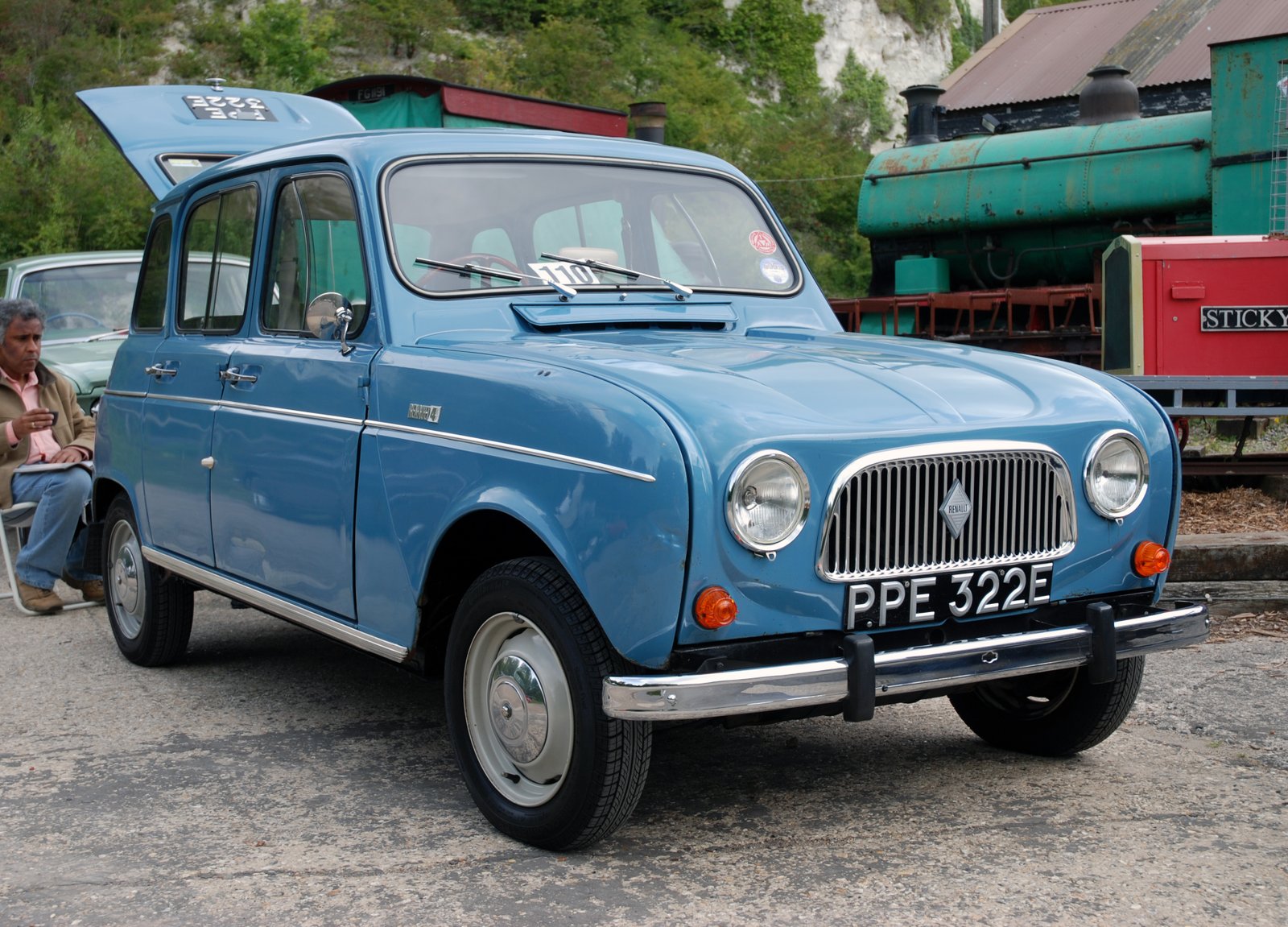
Bringing that name back in the electric age is therefore a bold move.
The Renault 4 E-Tech Electric aims to translate the spirit of the original into a modern compact EV: practical, versatile and accessible. Built on the same AmpR Small platform as the Renault 5 E-Tech (which is cuter than the 4, but not quite as practical), it sits slightly higher and offers more space, positioning itself as the more family-friendly option in Renault’s growing electric range.
In theory, it should be the everyday EV that does a bit of everything.
In practice, it’s a car with real charm — but also a few quirks that become clear once you spend proper time with it.
Overview
Available in 3 trim levels: Evolution+, Techno+ and Iconic+, each Renault 4 E-Tech comes with a 52kWh battery with a 110kW electric motor producing 150bhp and 245Nm of torque. Renault claims a WLTP range of up to 248 miles and a 0–62mph time of 8.2 seconds.
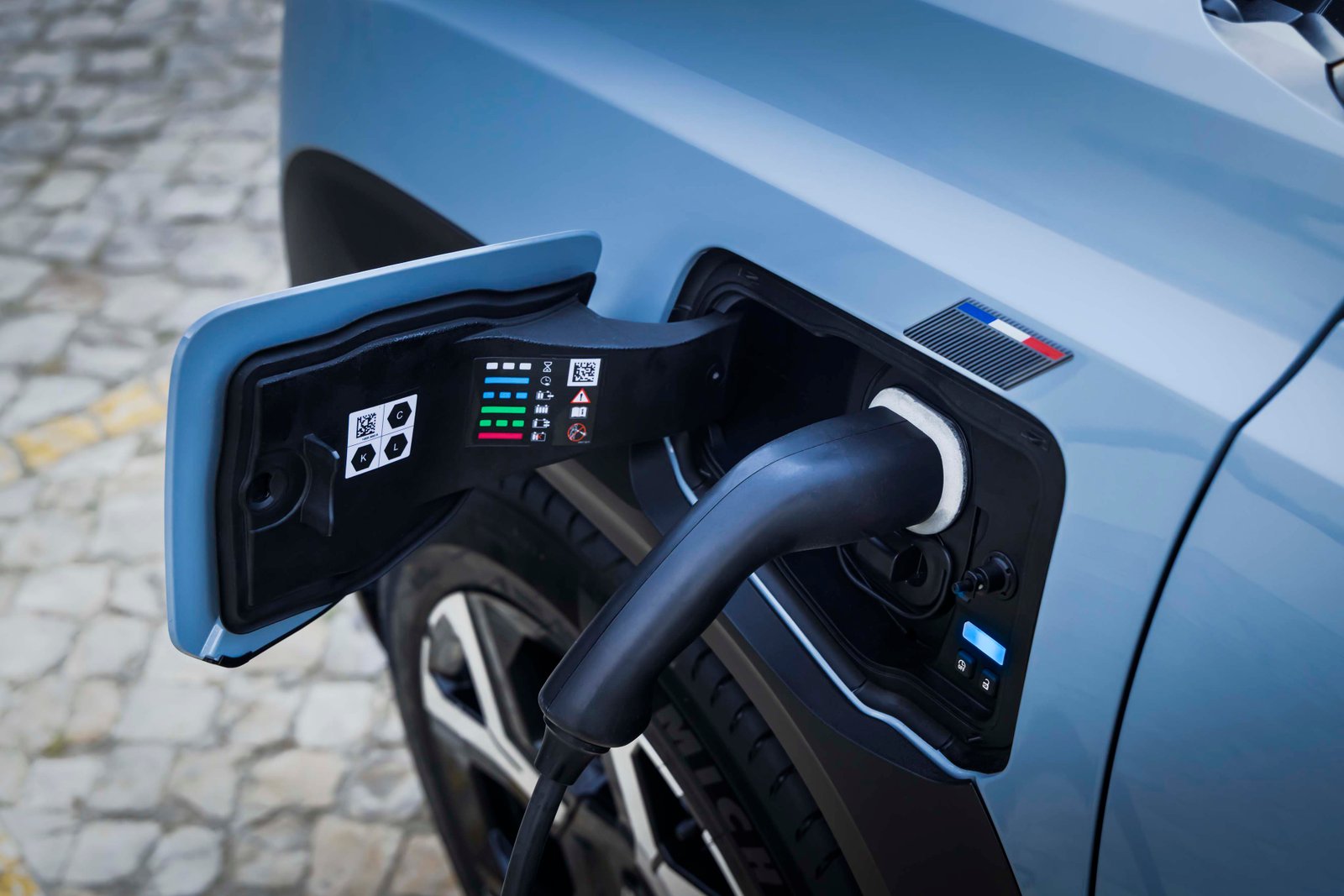
Charging capability is competitive for the class. AC charging up to 11kW is standard, while DC rapid charging reaches 100kW allowing a 15–80 per cent top-up in roughly 30 minutes under ideal conditions.
Renault also includes bidirectional charging capability, meaning the car can power external devices via vehicle-to-load functionality and eventually even feed electricity back to the grid.
On paper, then, the Renault 4 offers the sort of versatility that made the original car famous.
Design
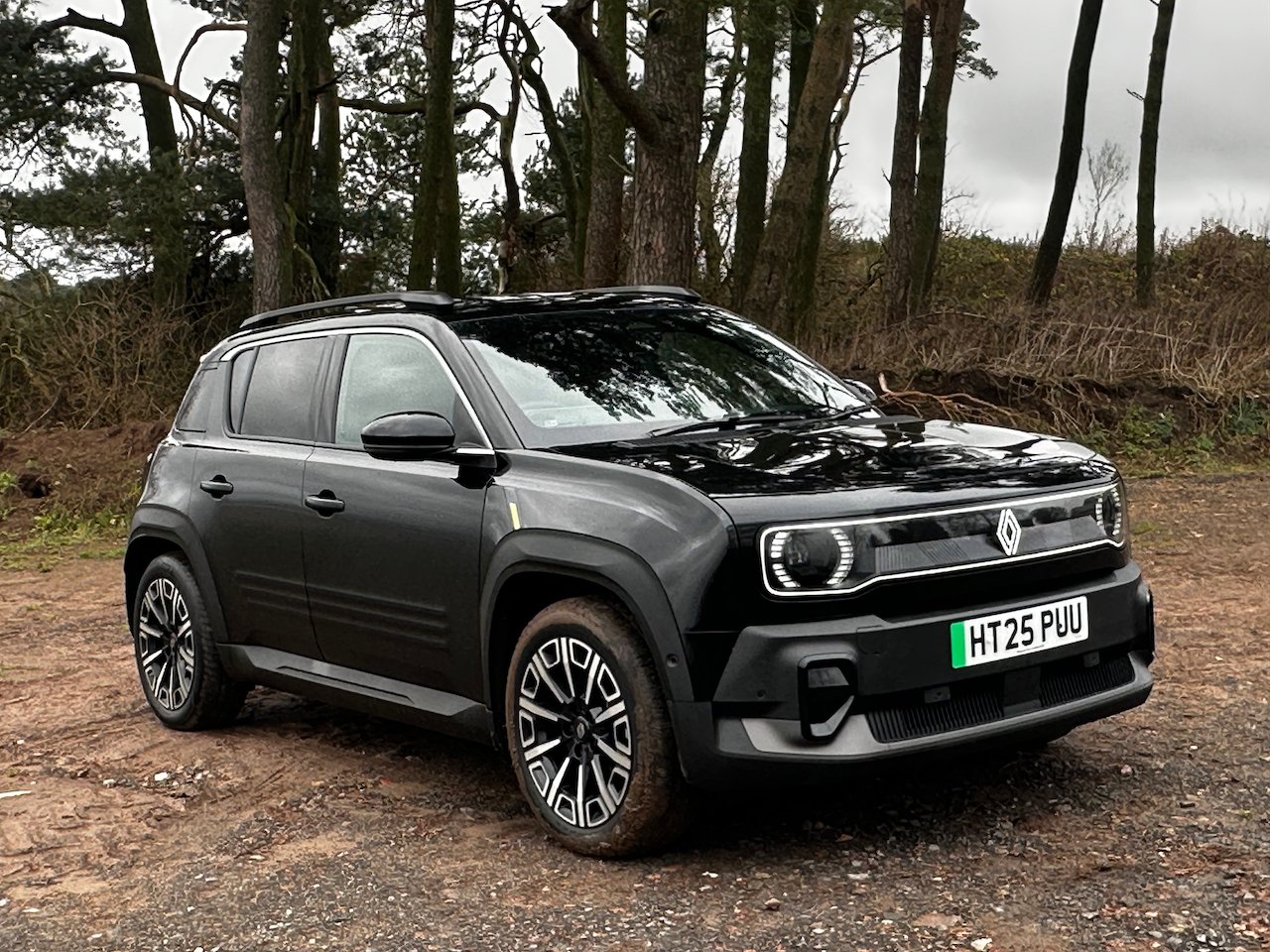
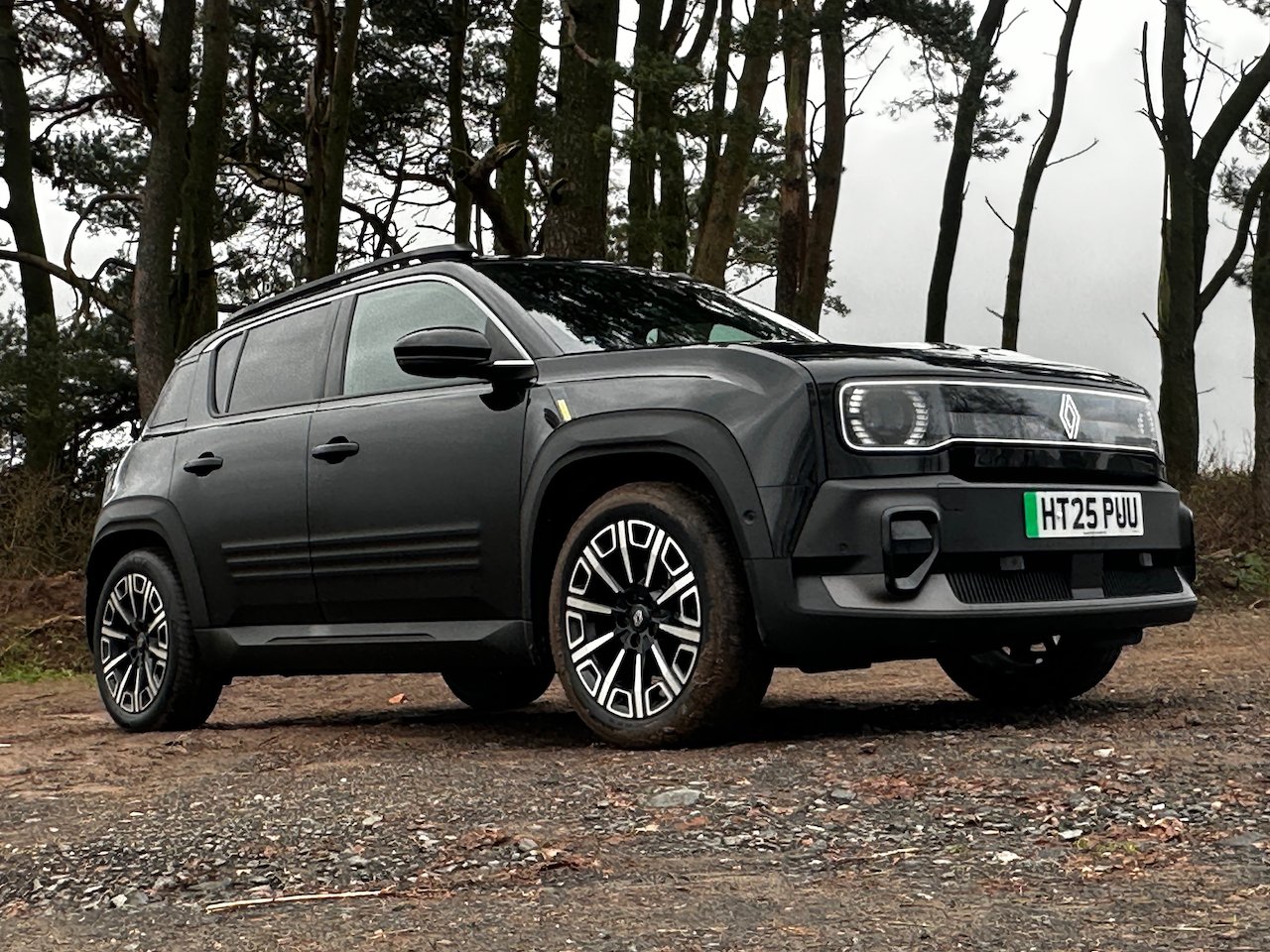
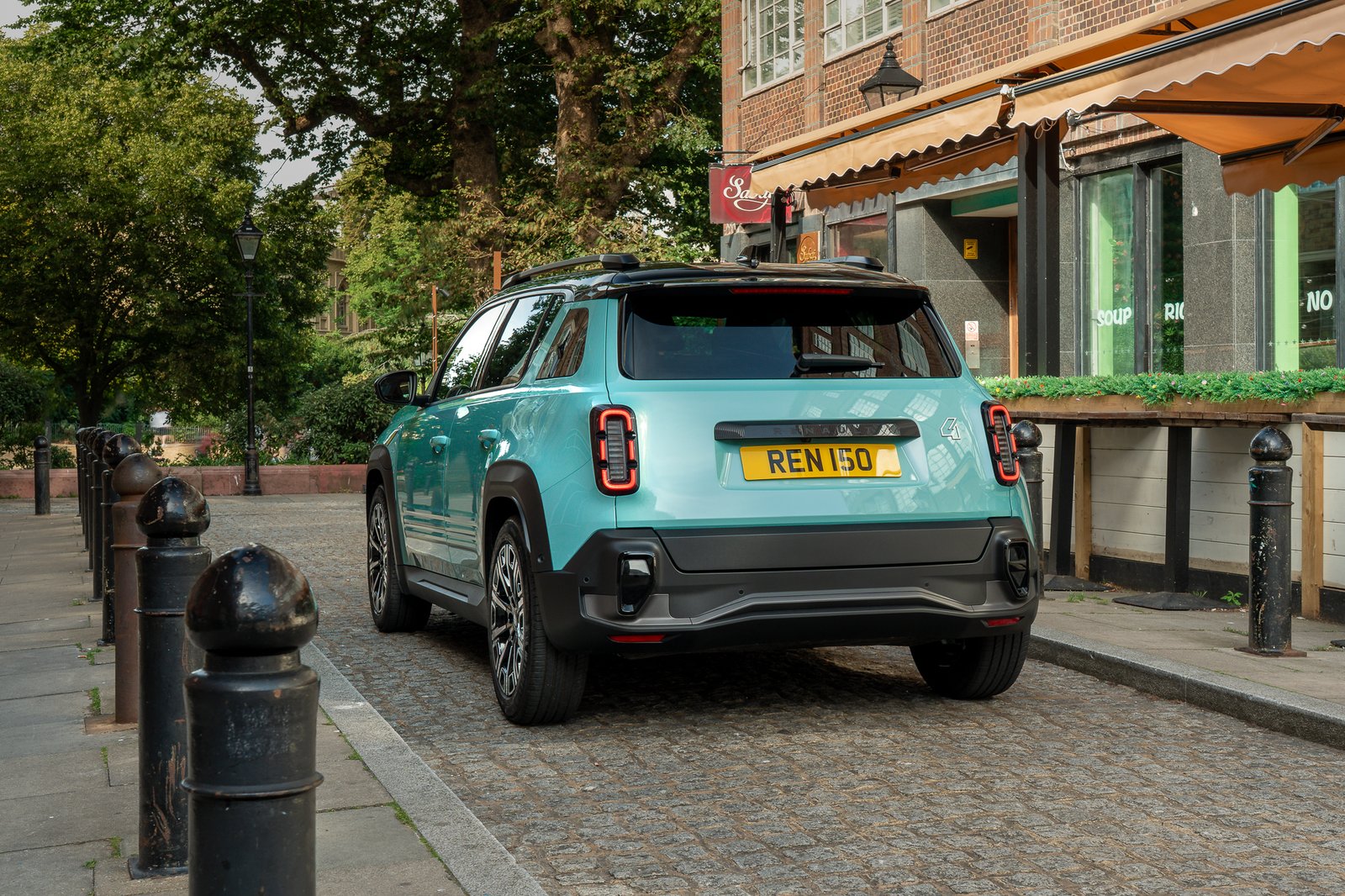
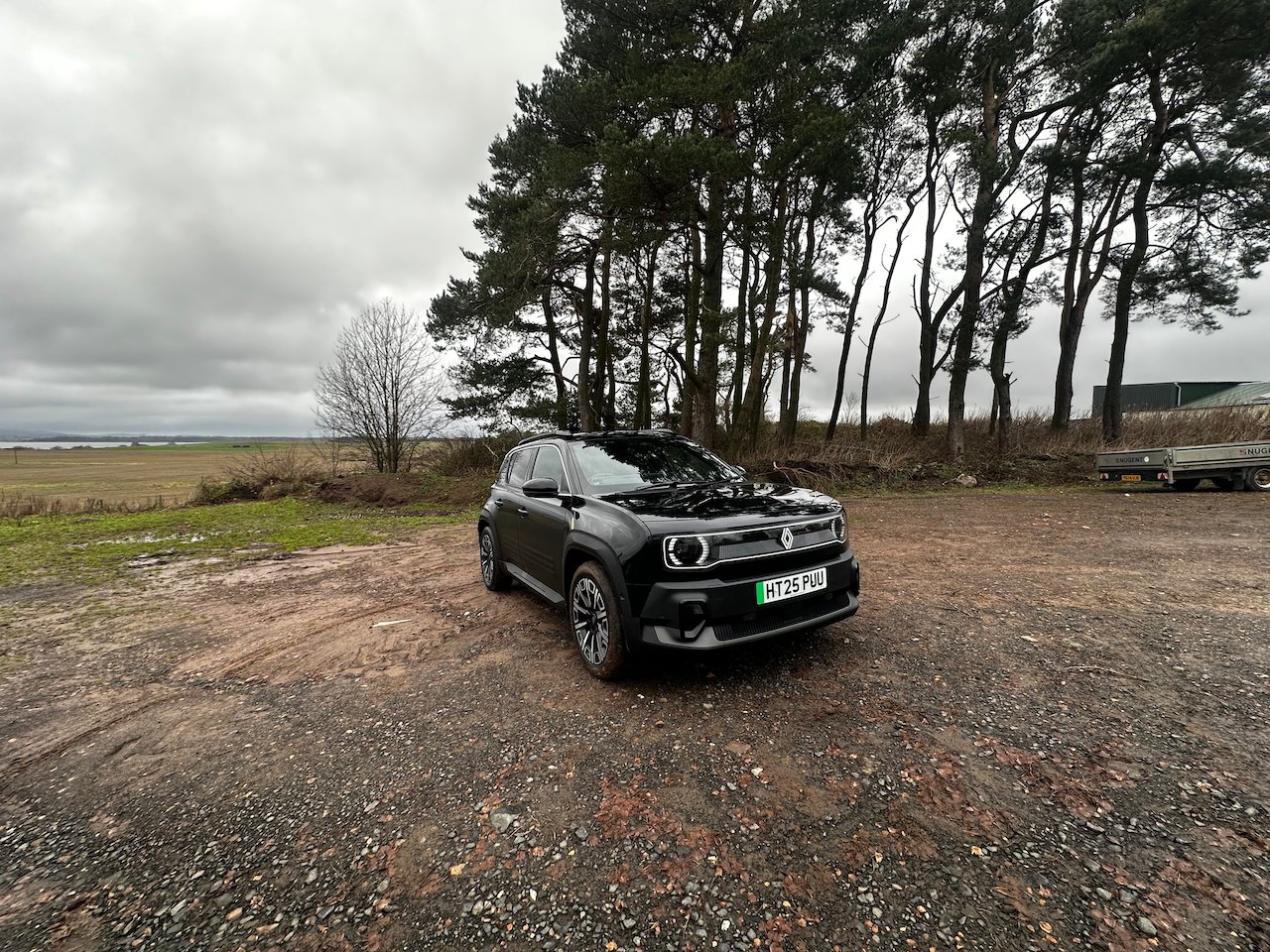
Visually, Renault has struck a careful balance between nostalgia and modernity.
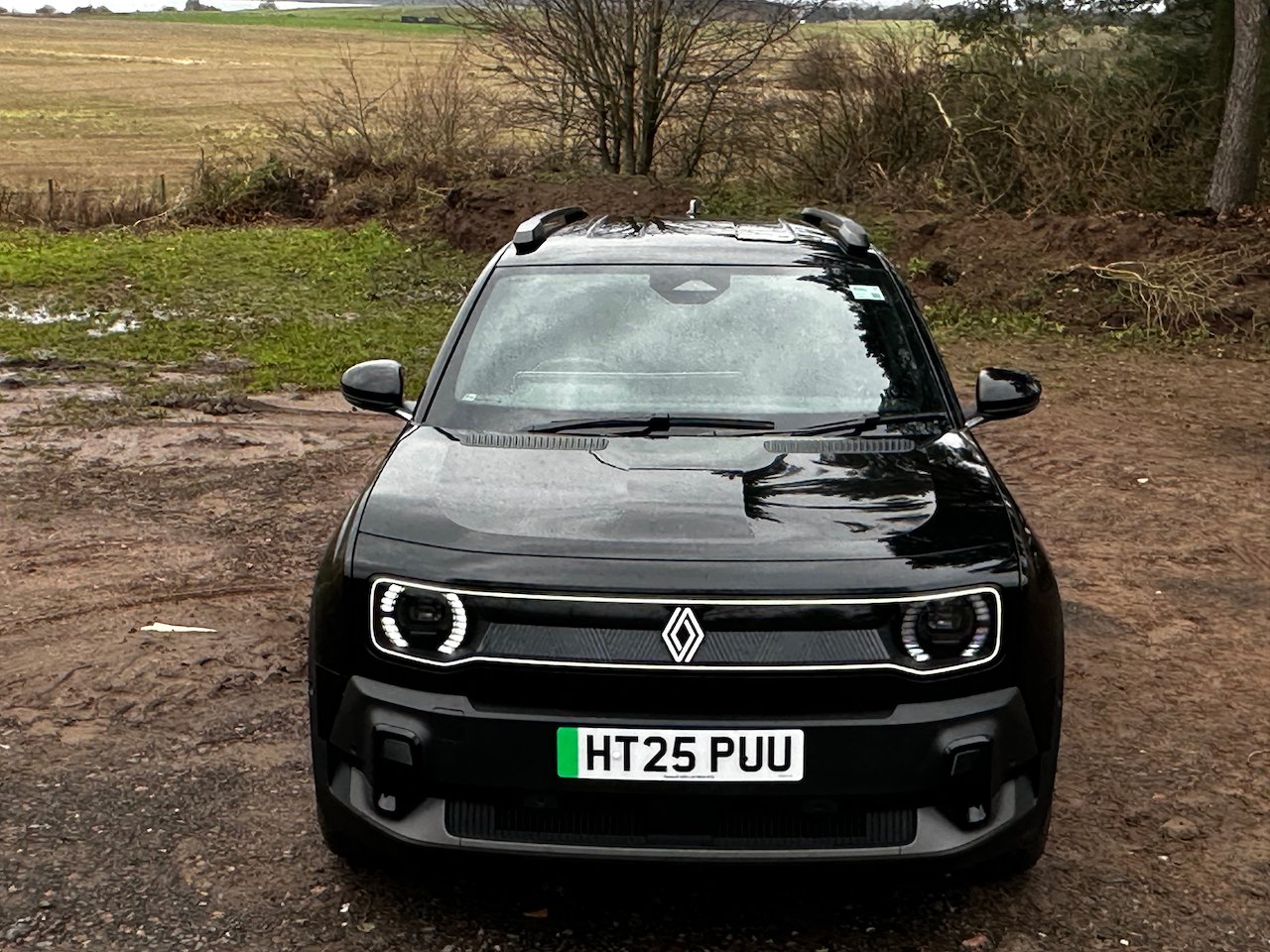
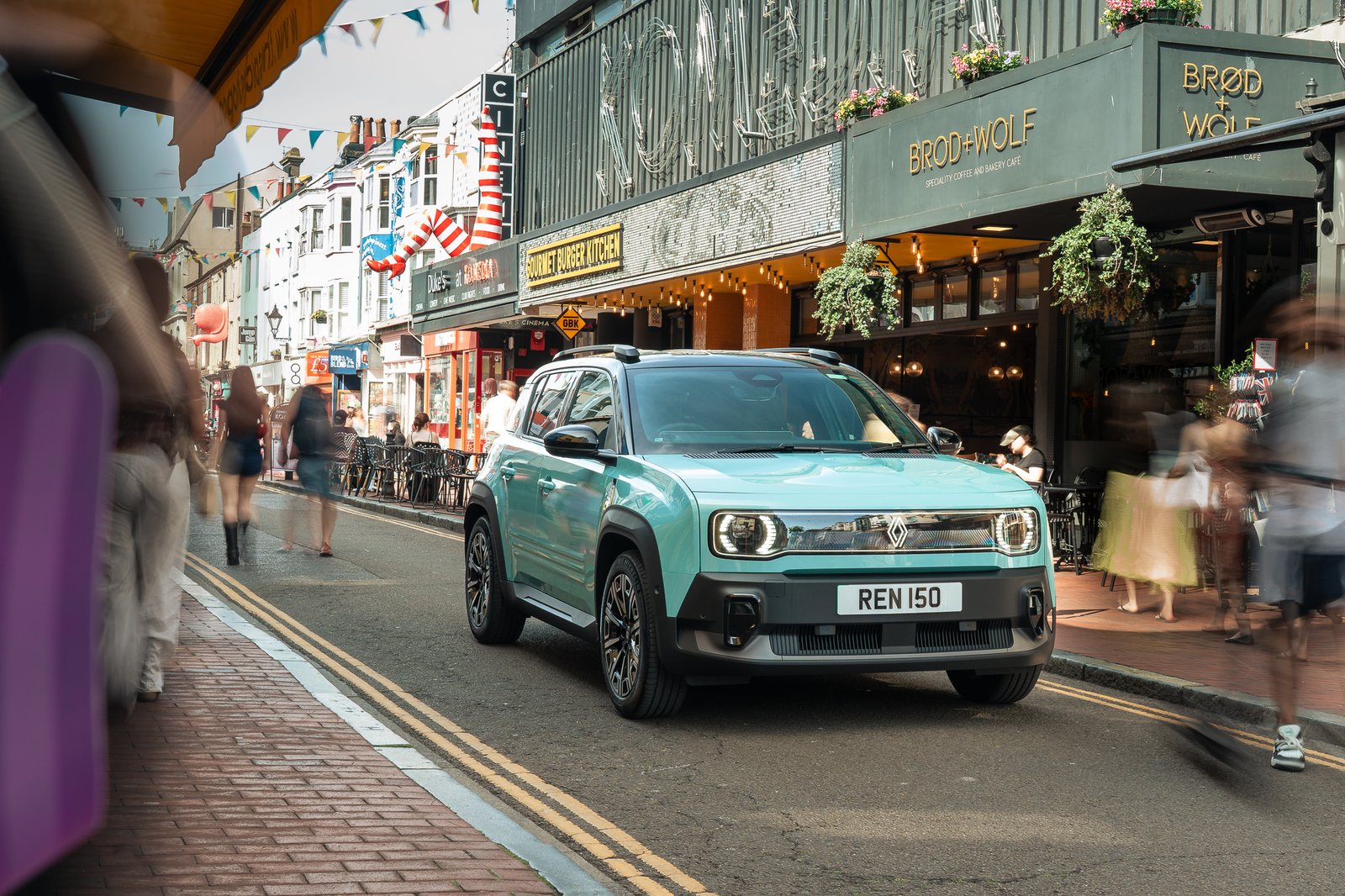
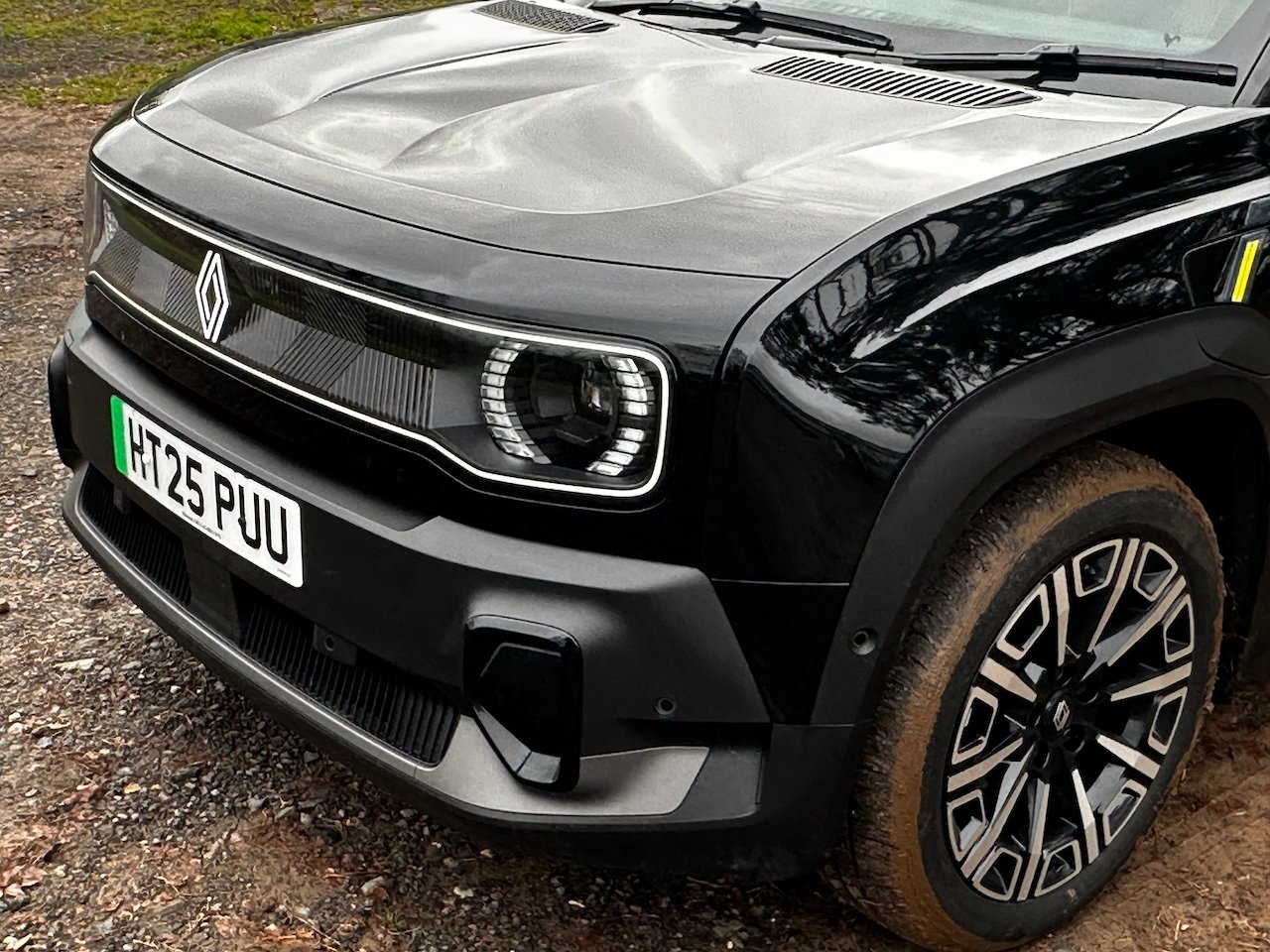
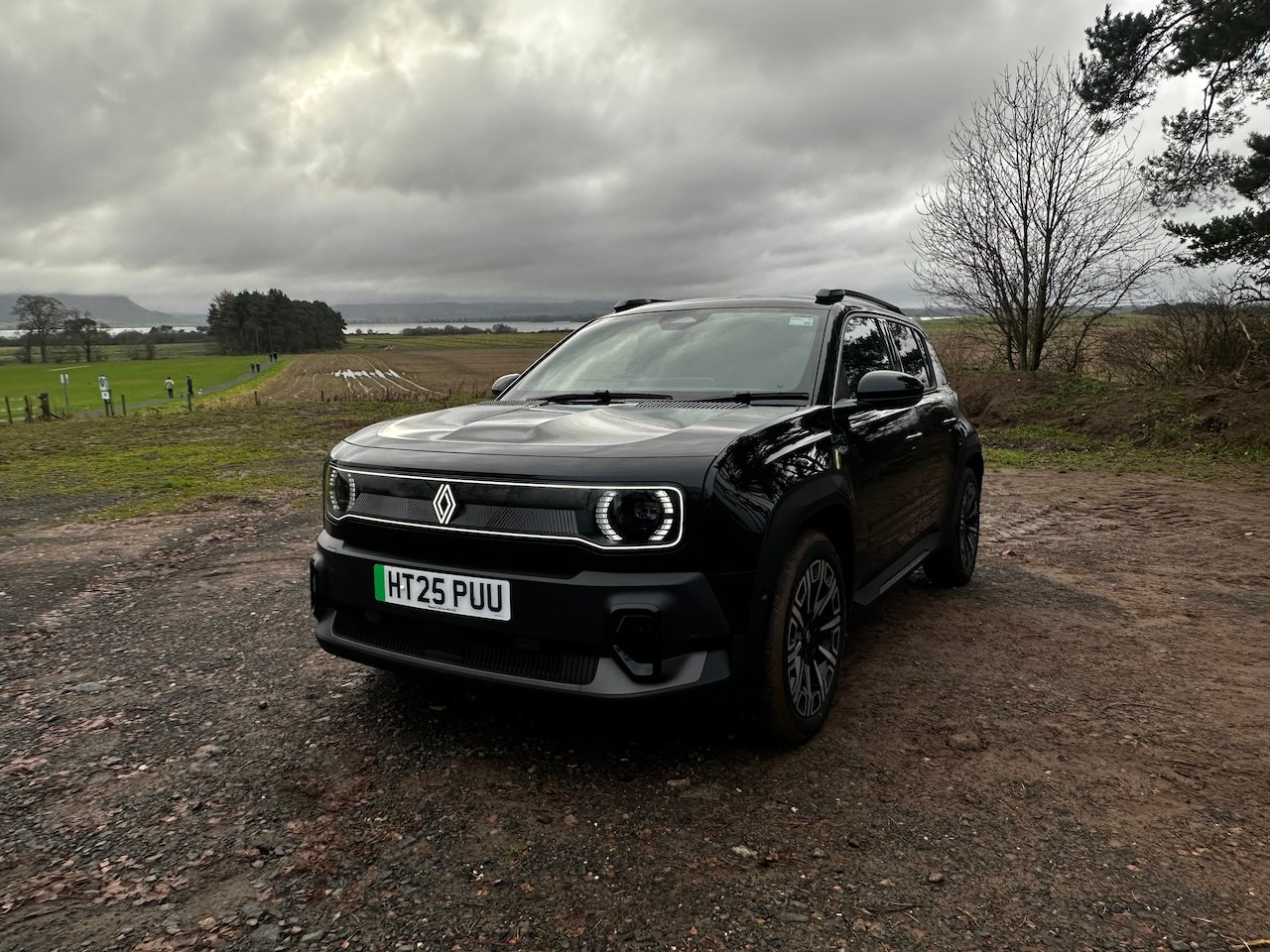
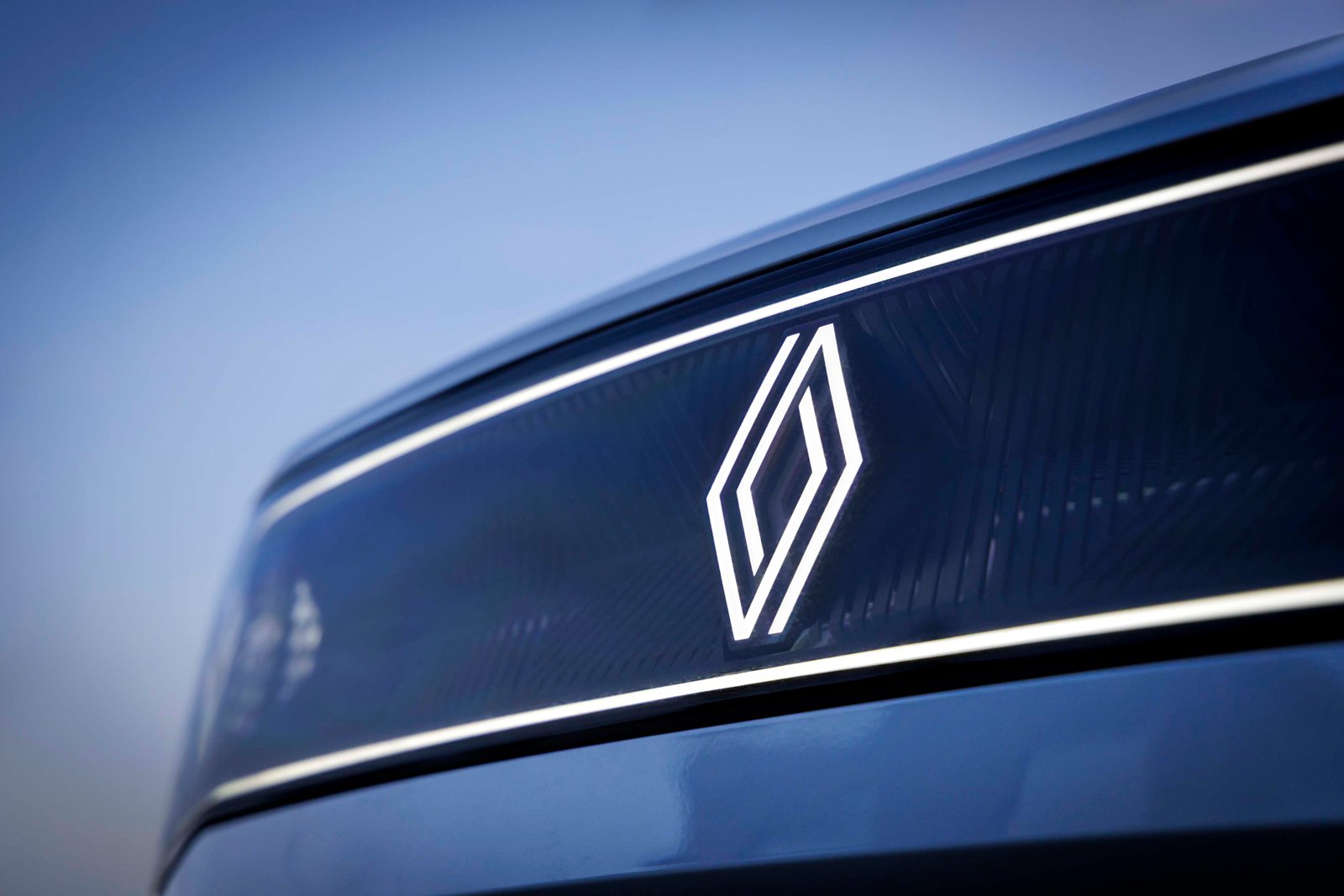
The most obvious nod to the original R4 is the front end, with its distinctive grille design and rounded lighting signature. The illuminated grille surround and glowing Renault badge give the car a modern, high-tech twist while still echoing the classic shape.
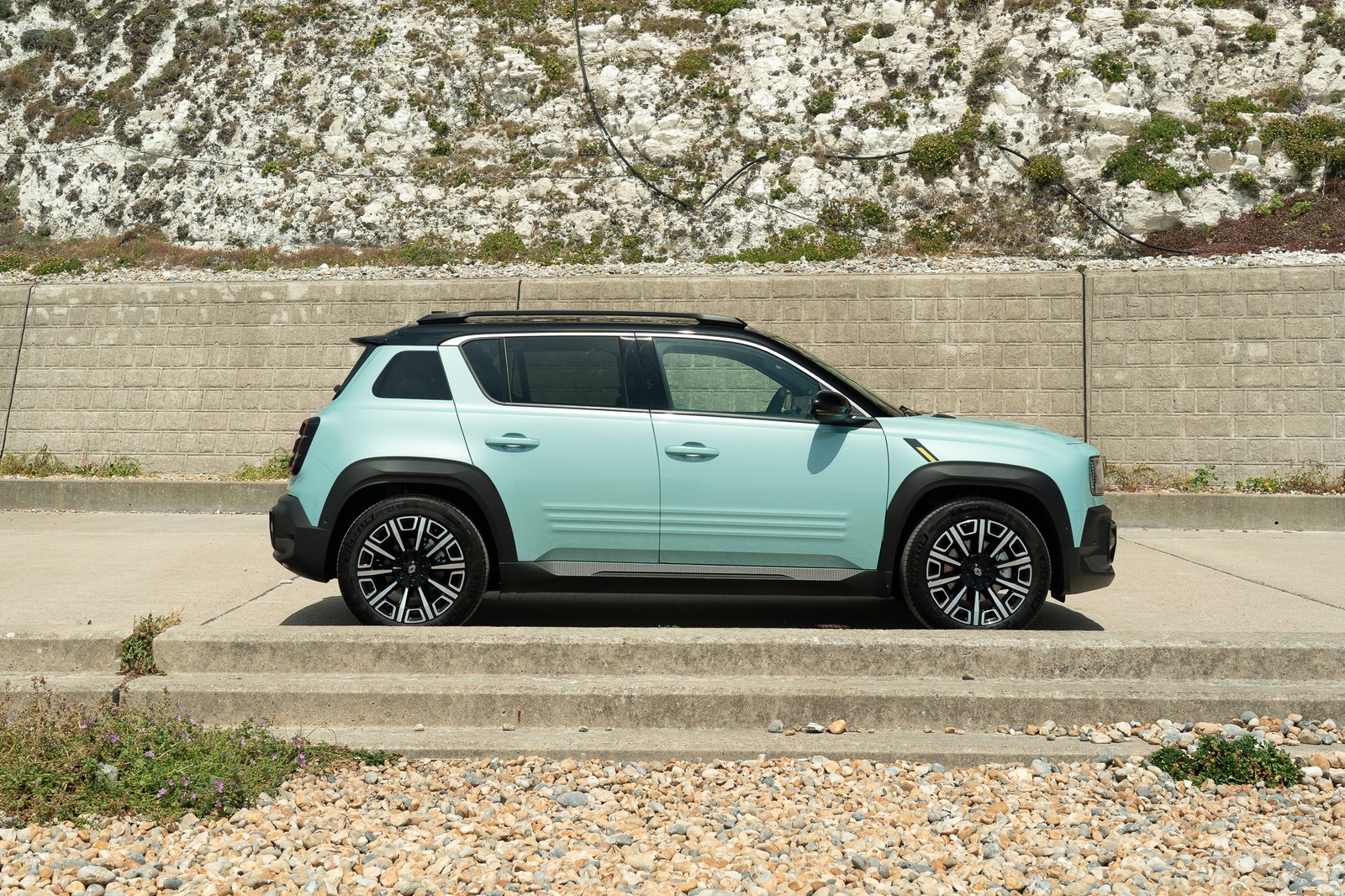
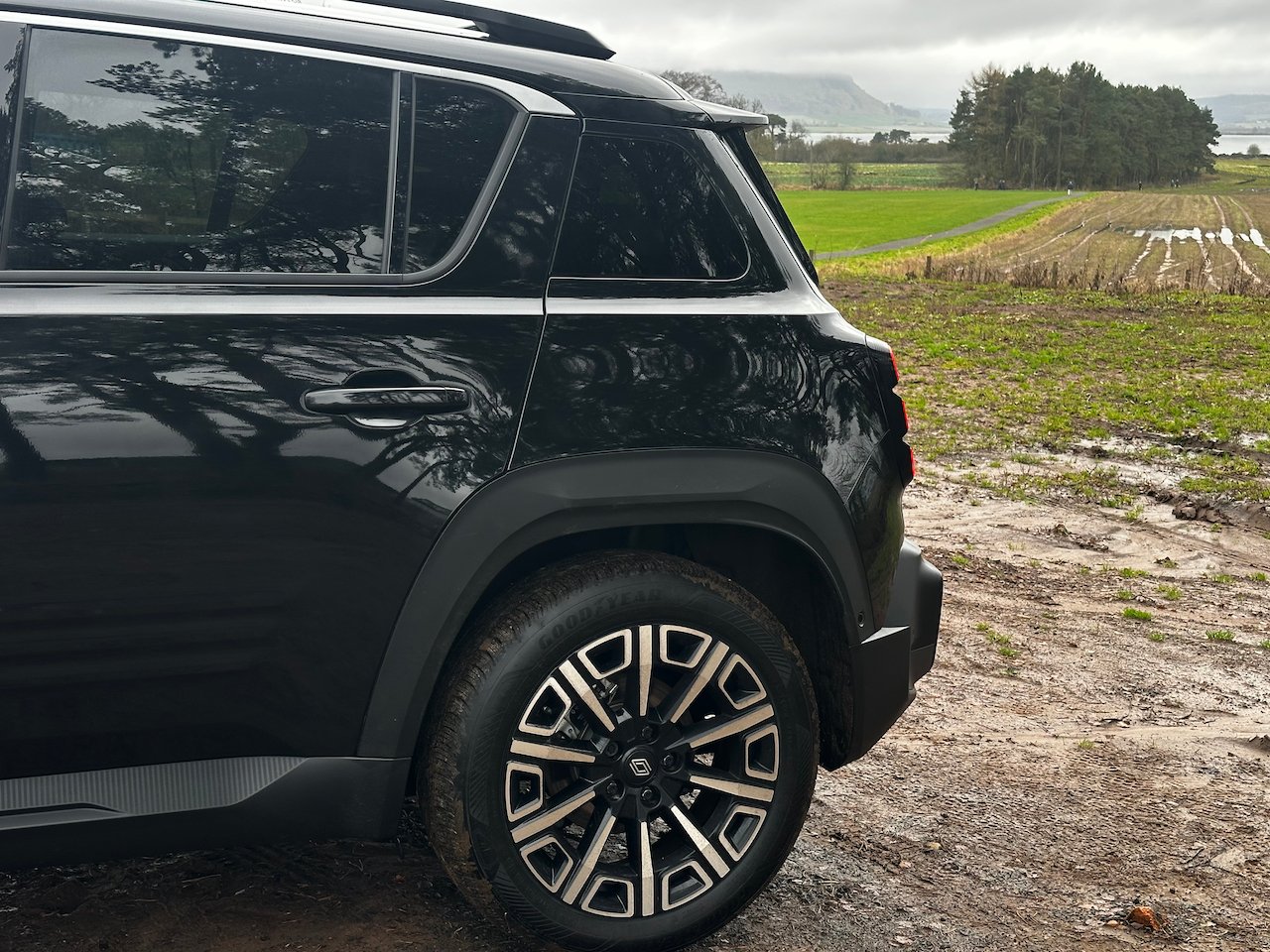
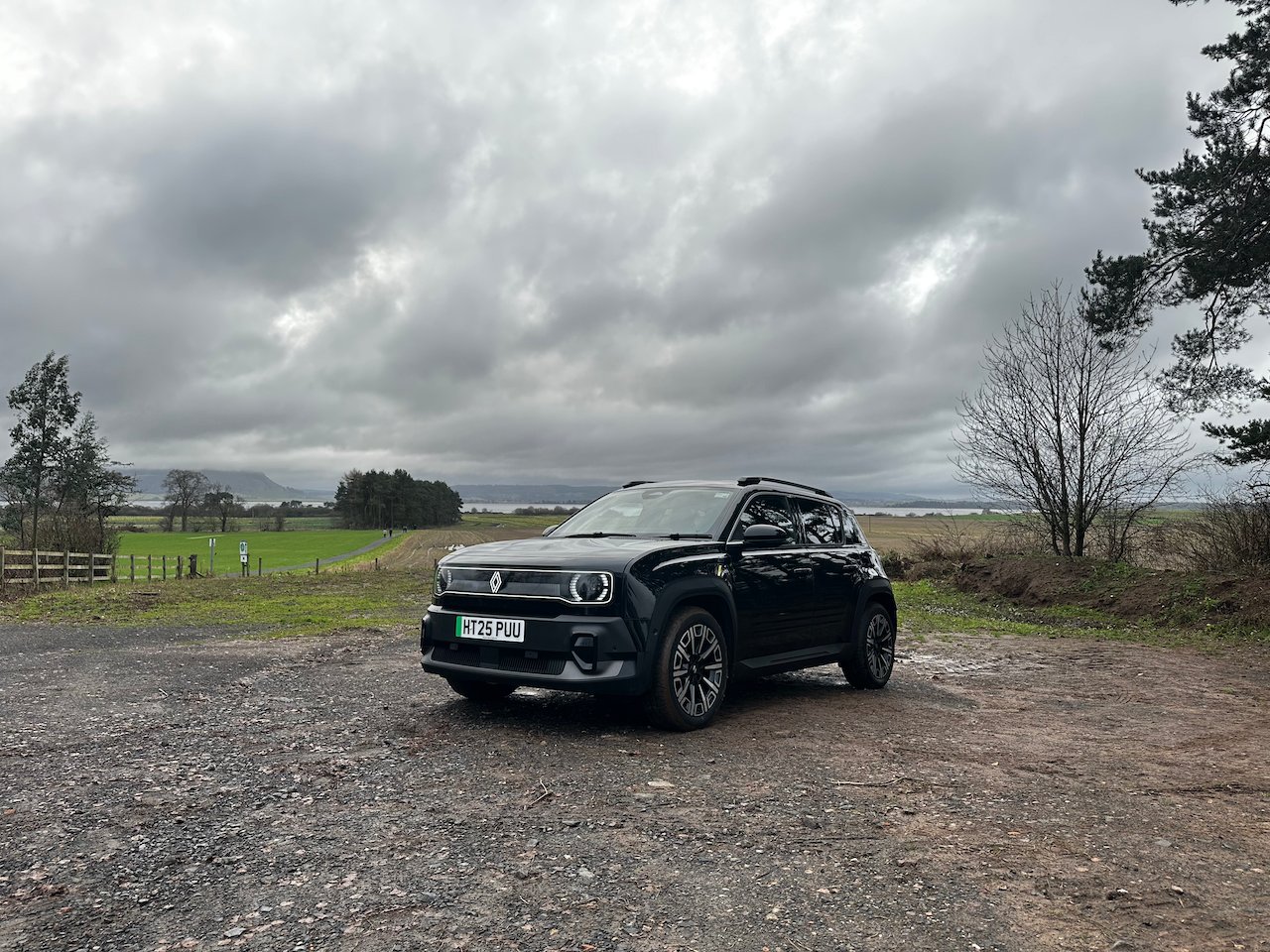
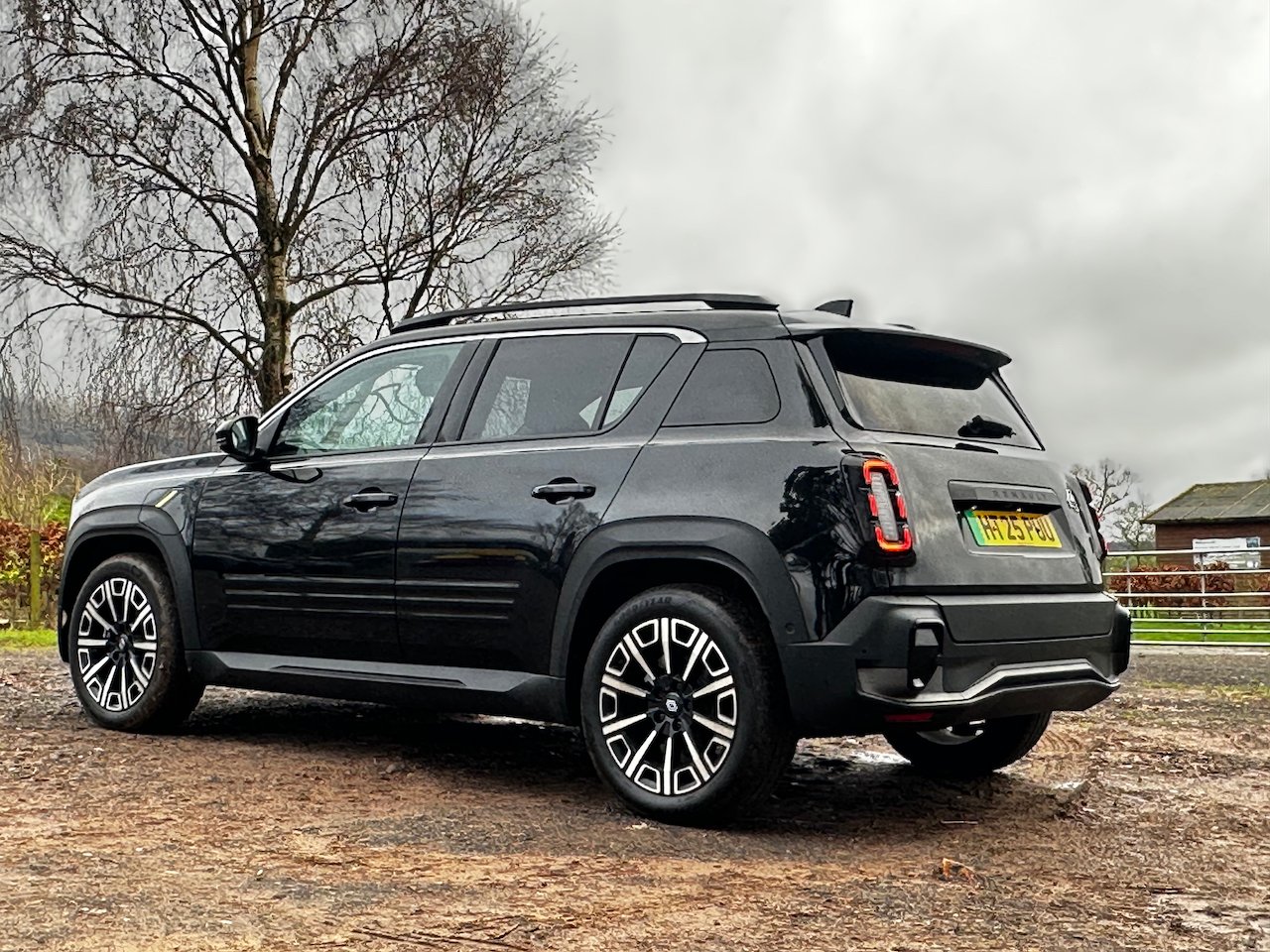
The profile retains the upright proportions and practical stance that defined the original model. Ground clearance of just over 18 centimetres gives it a mild crossover flavour, while the squared-off rear and vertical tailgate maximise interior space.
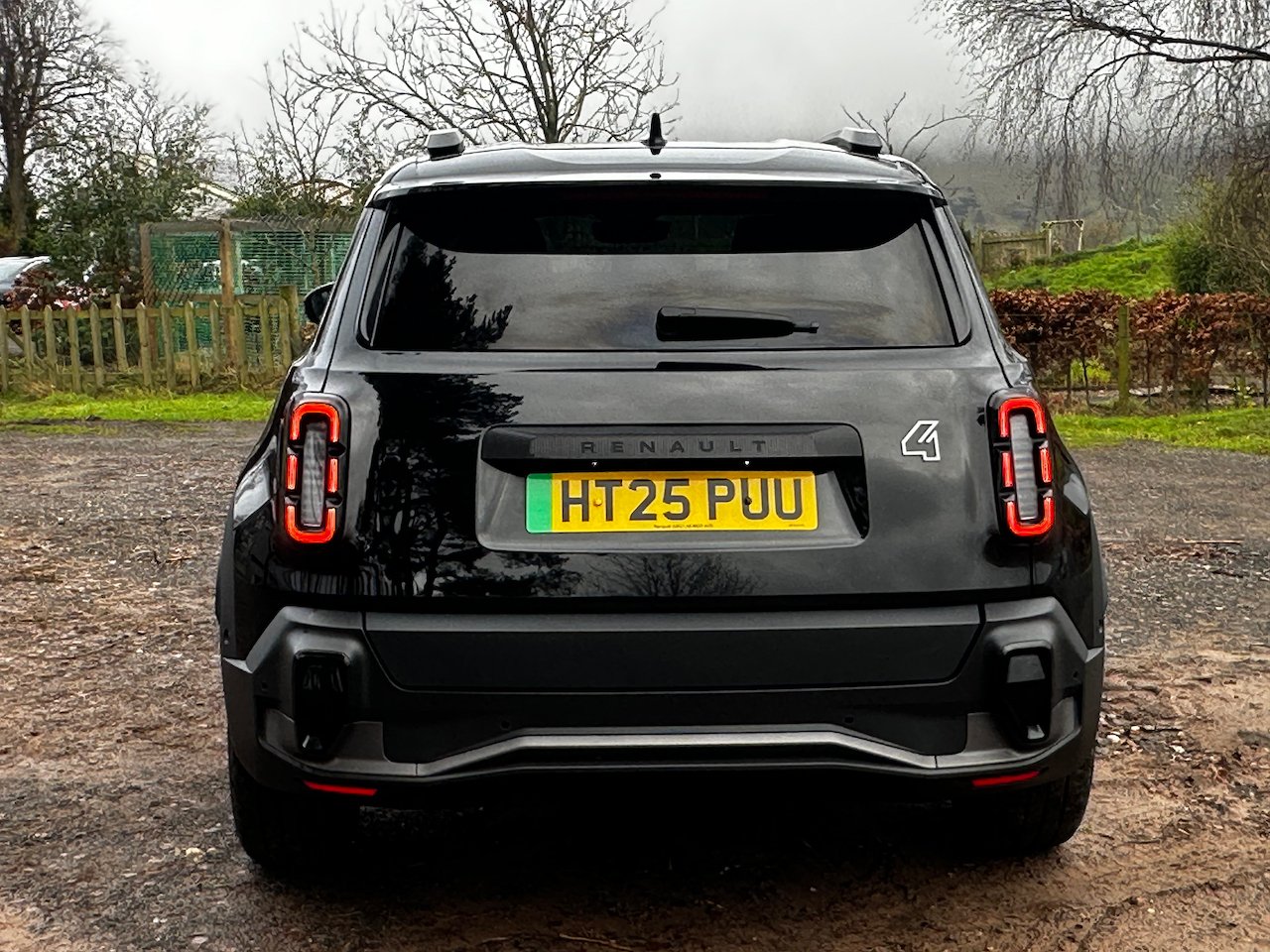
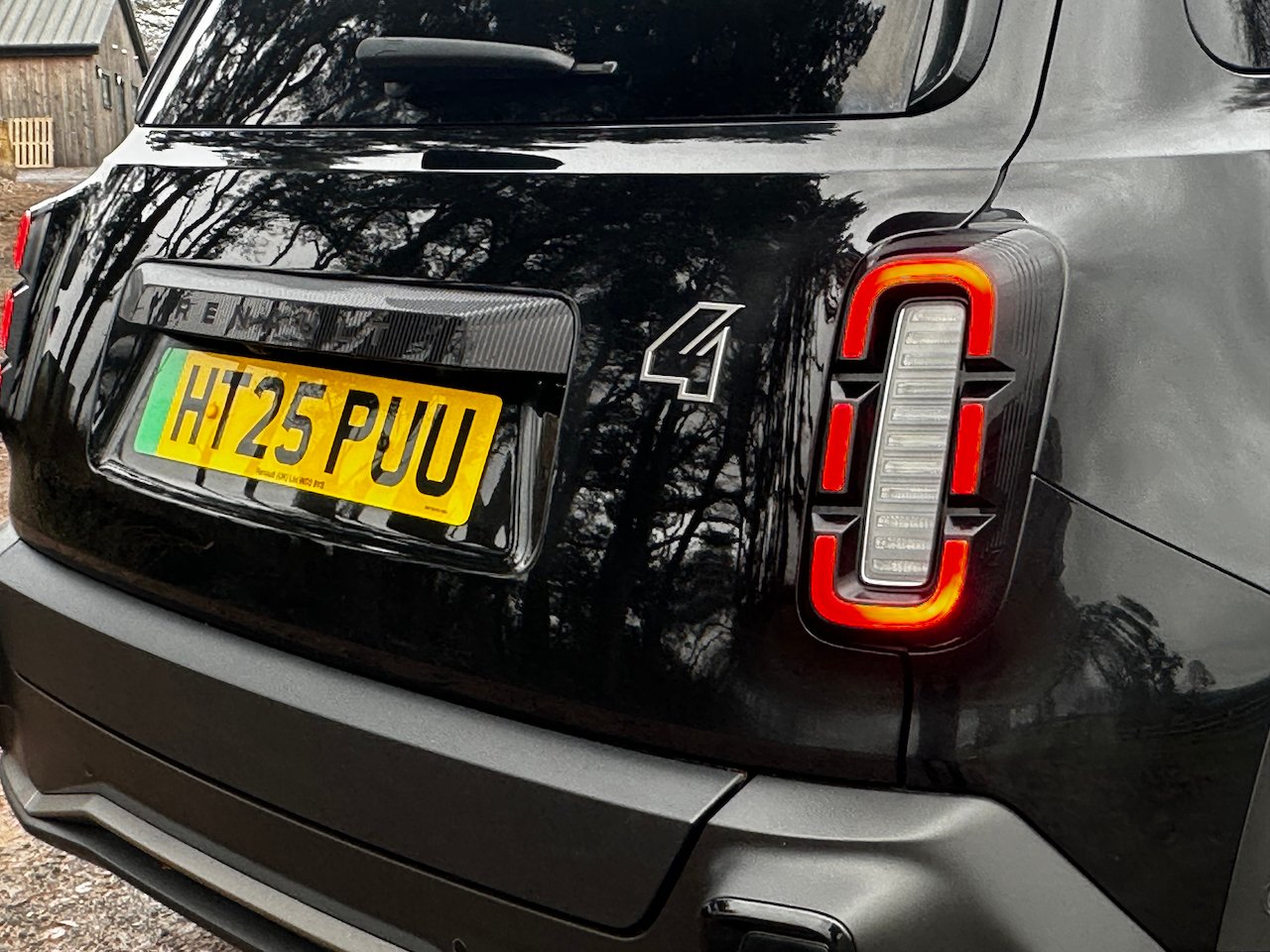
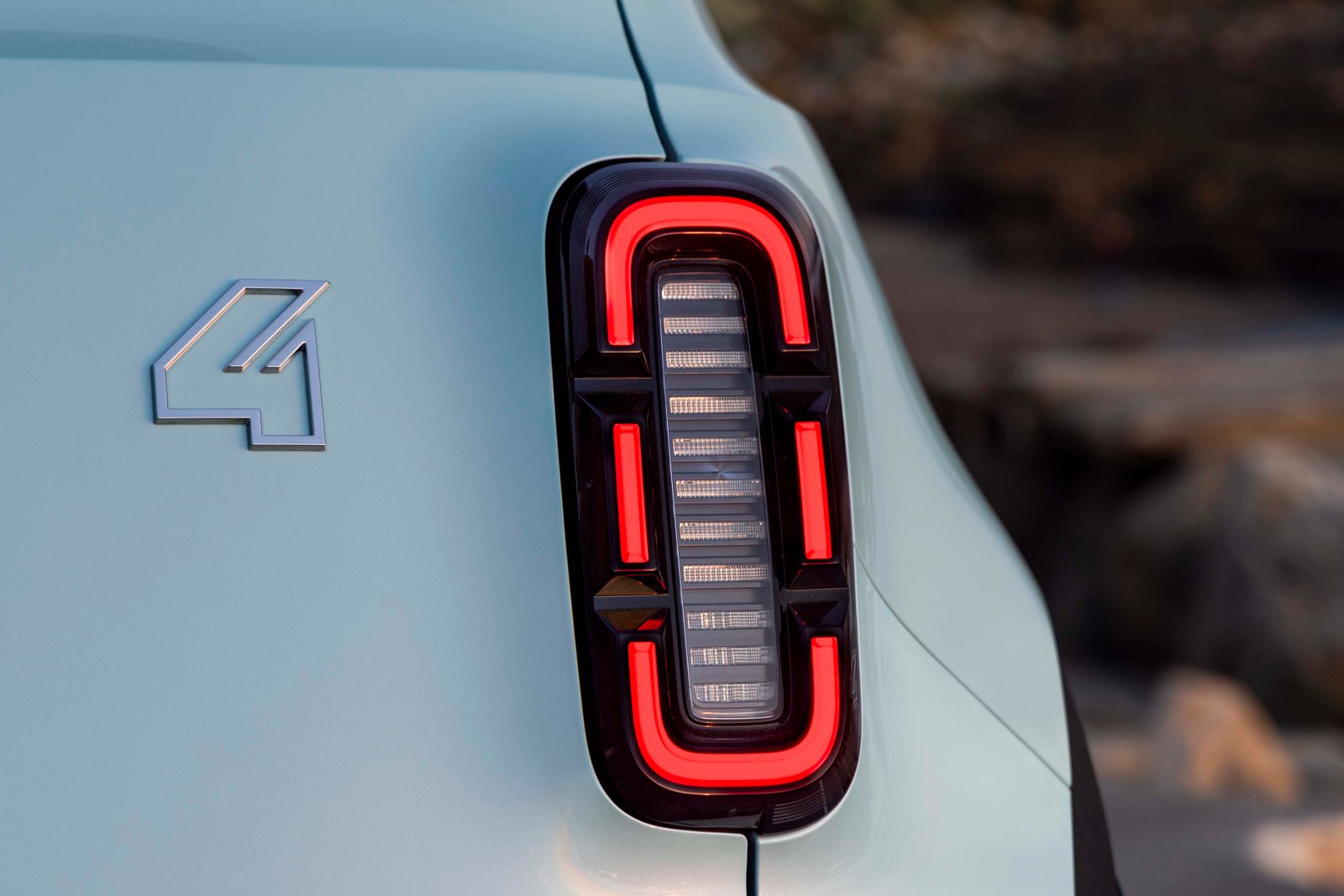
Details referencing the historic car appear throughout. Capsule-shaped rear lights, sculpted side panels and even the small rear quarter window all feel like respectful modern interpretations rather than forced nostalgia.
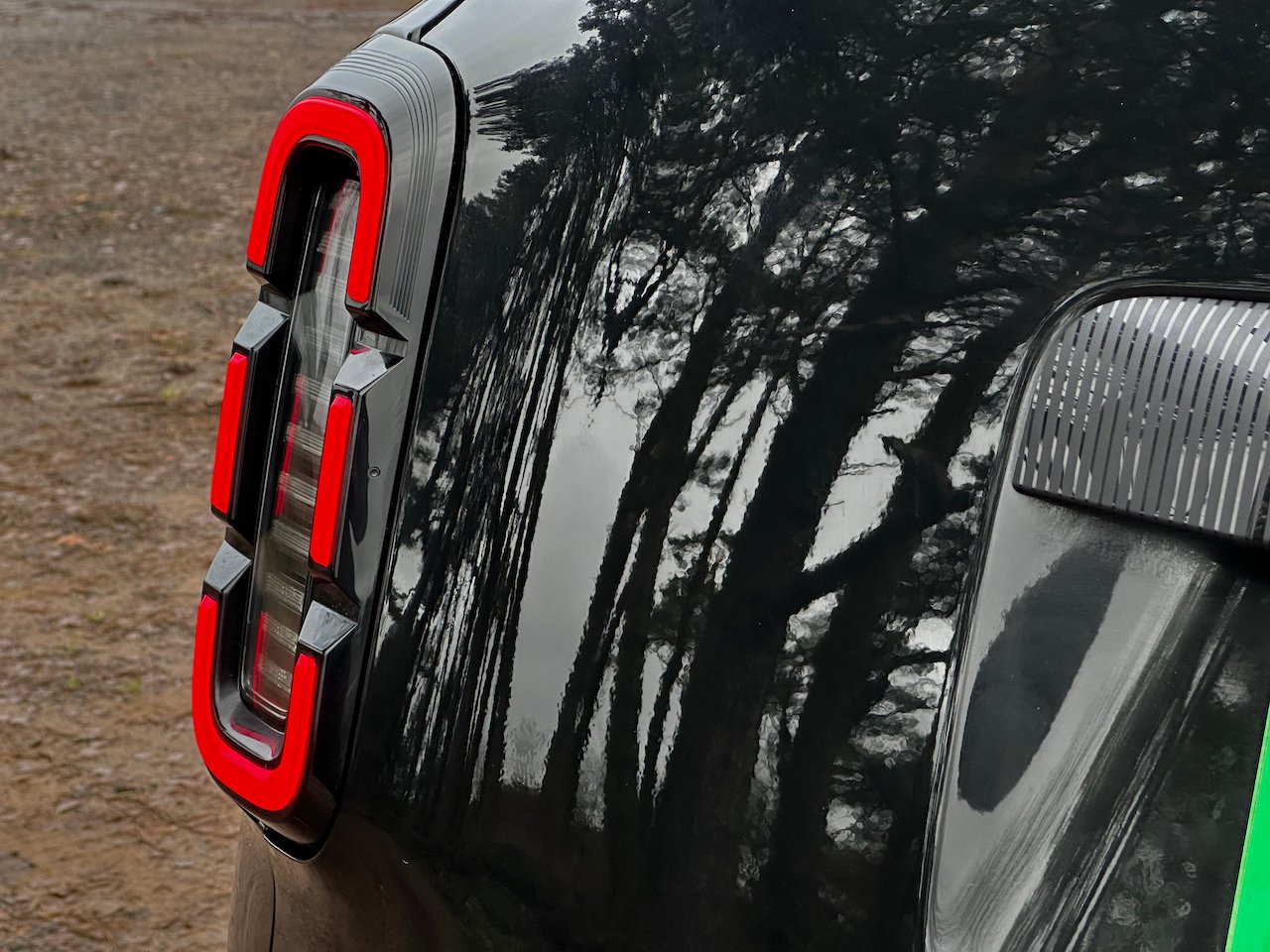
It is a design that manages to feel both familiar and contemporary. Parked in a car park or driveway, it attracts curiosity without trying too hard.
Interior
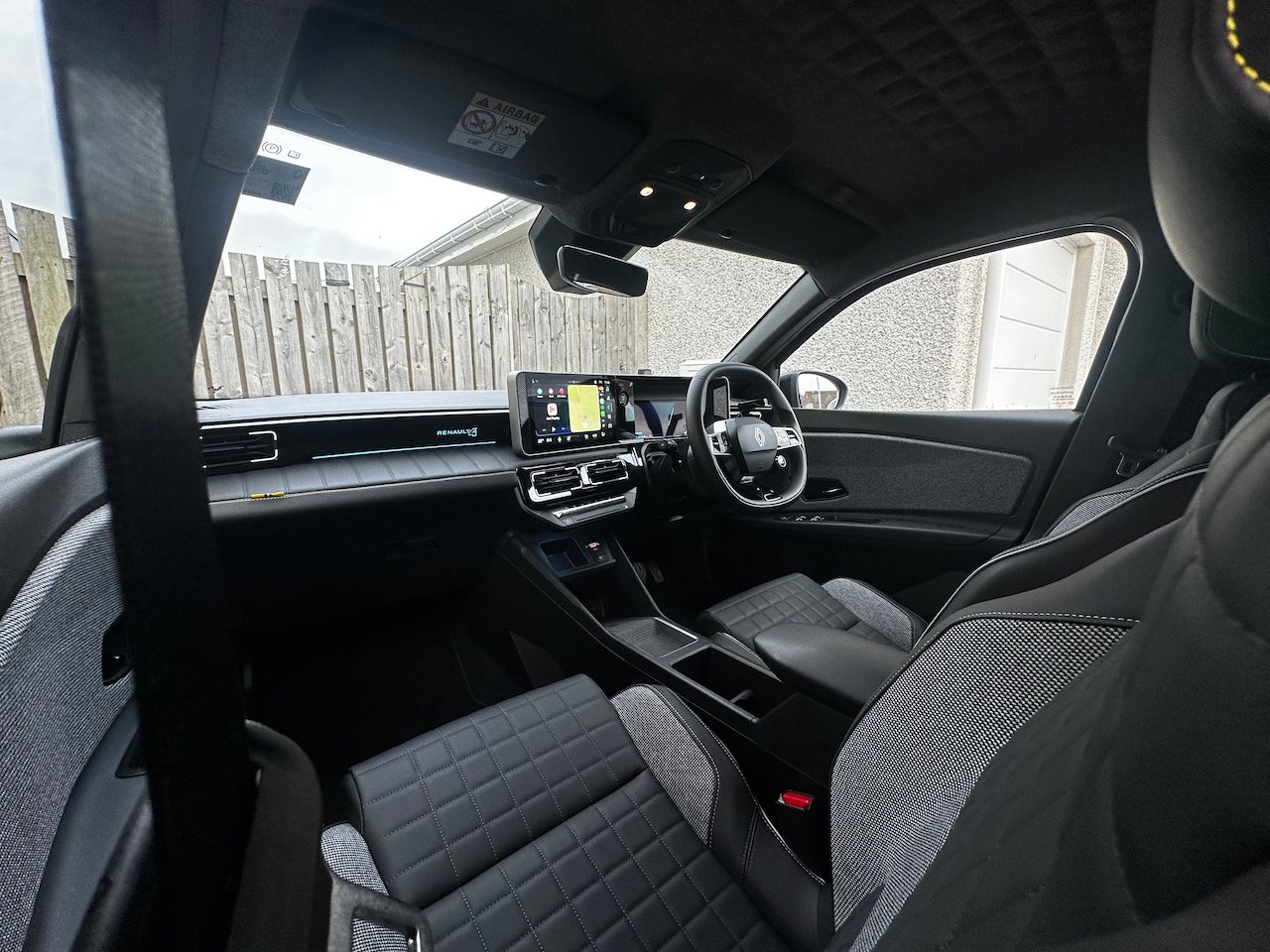
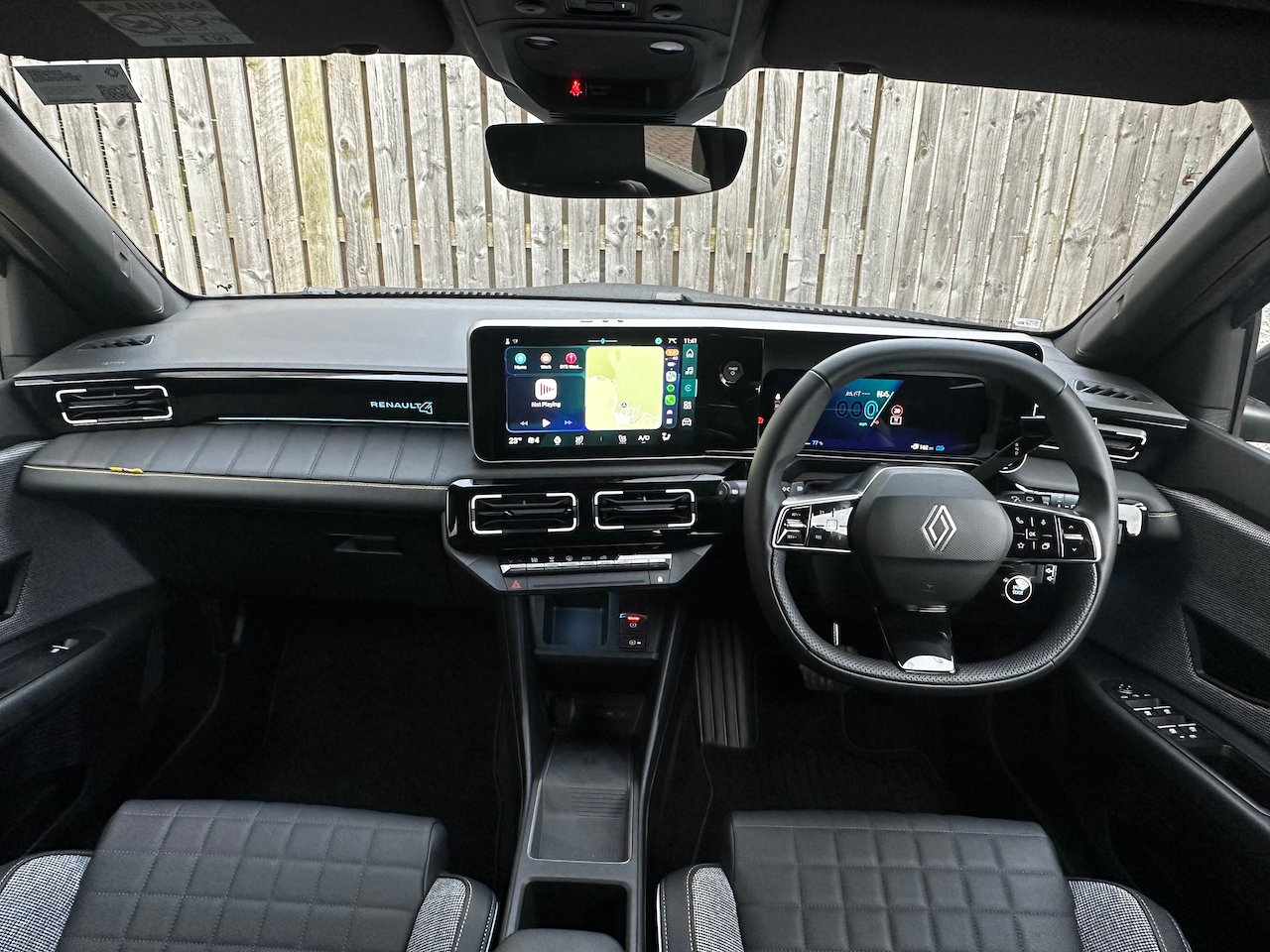
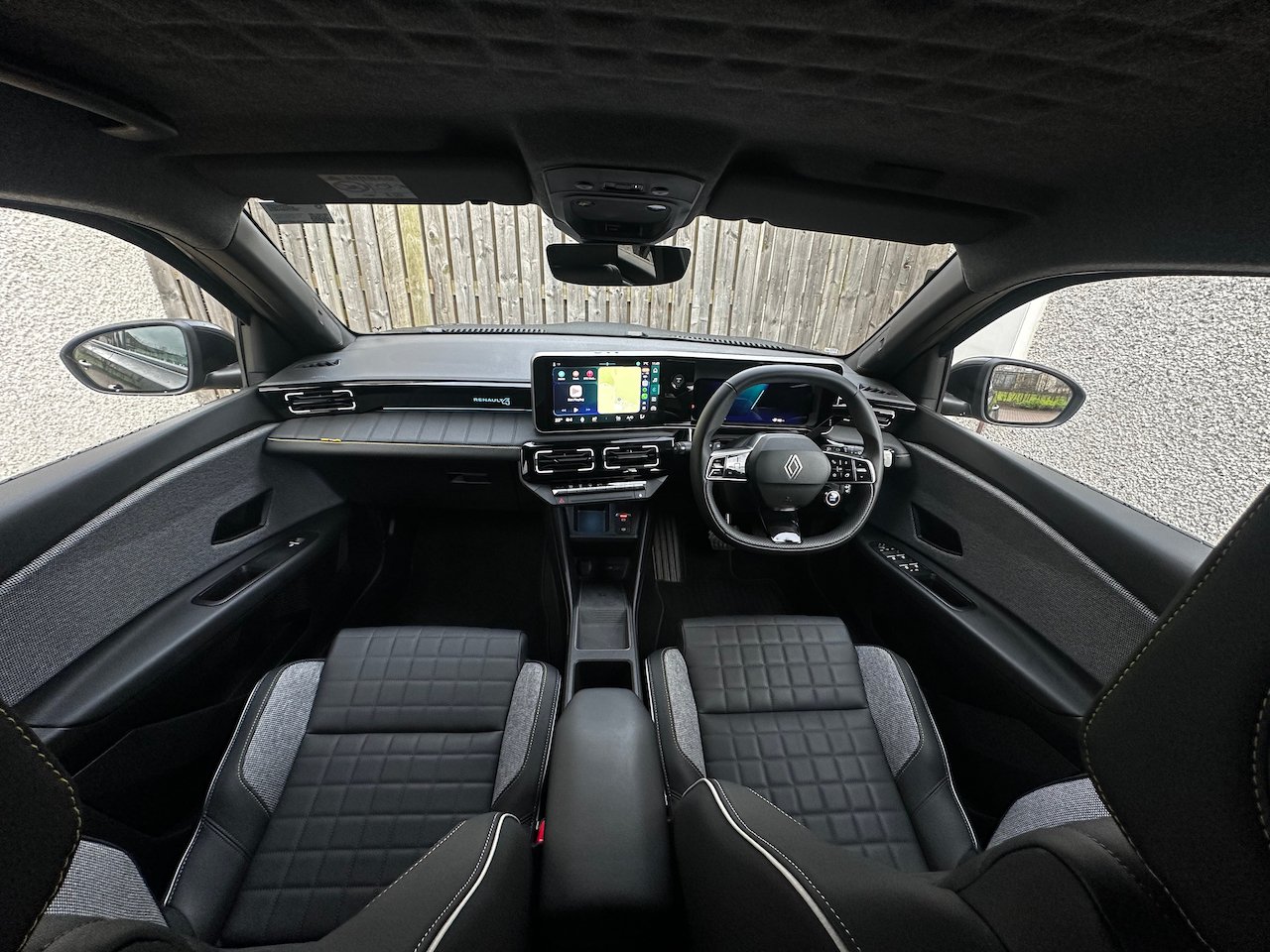
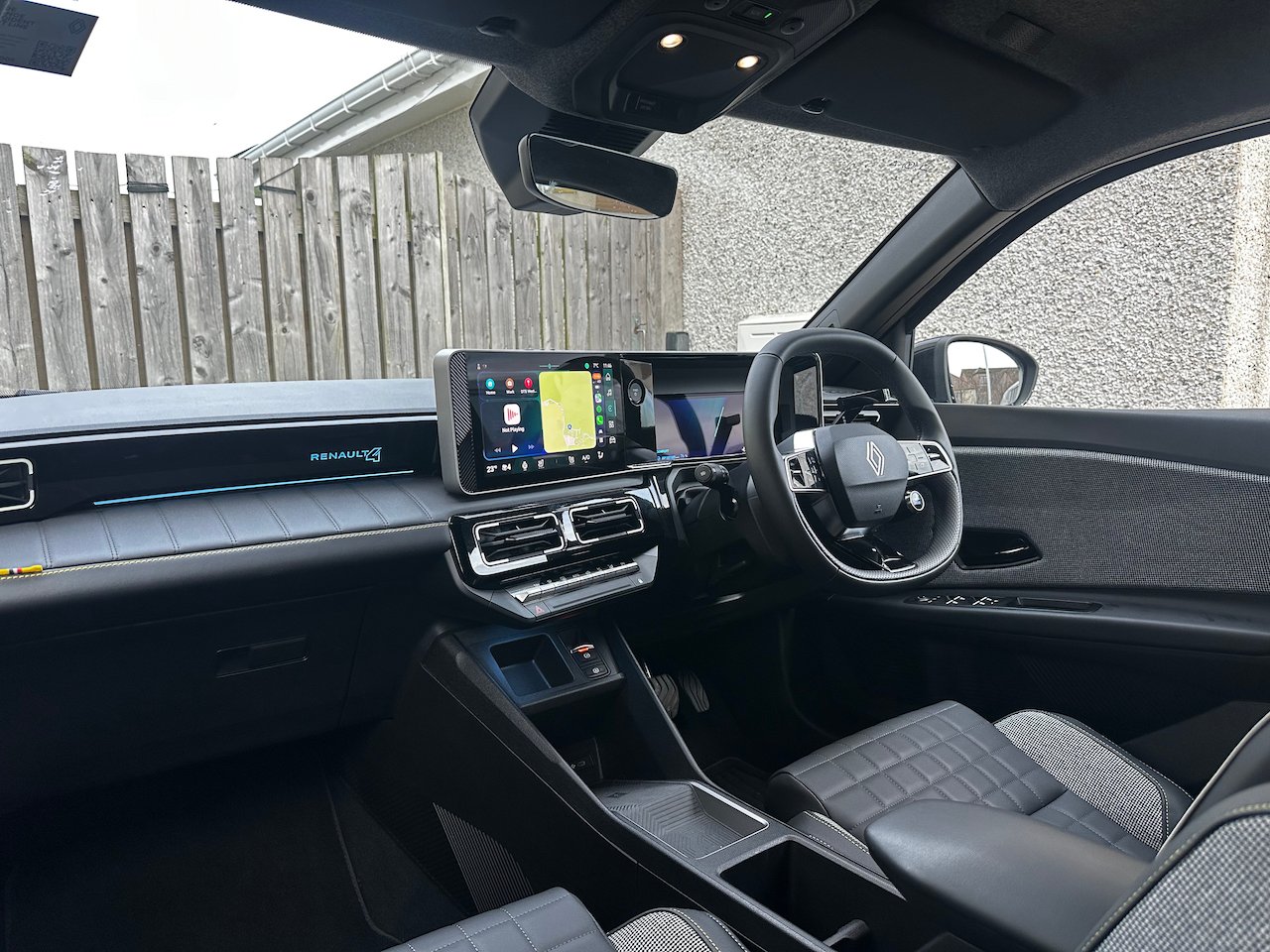
Inside, the Renault 4 feels modern and thoughtfully laid out.
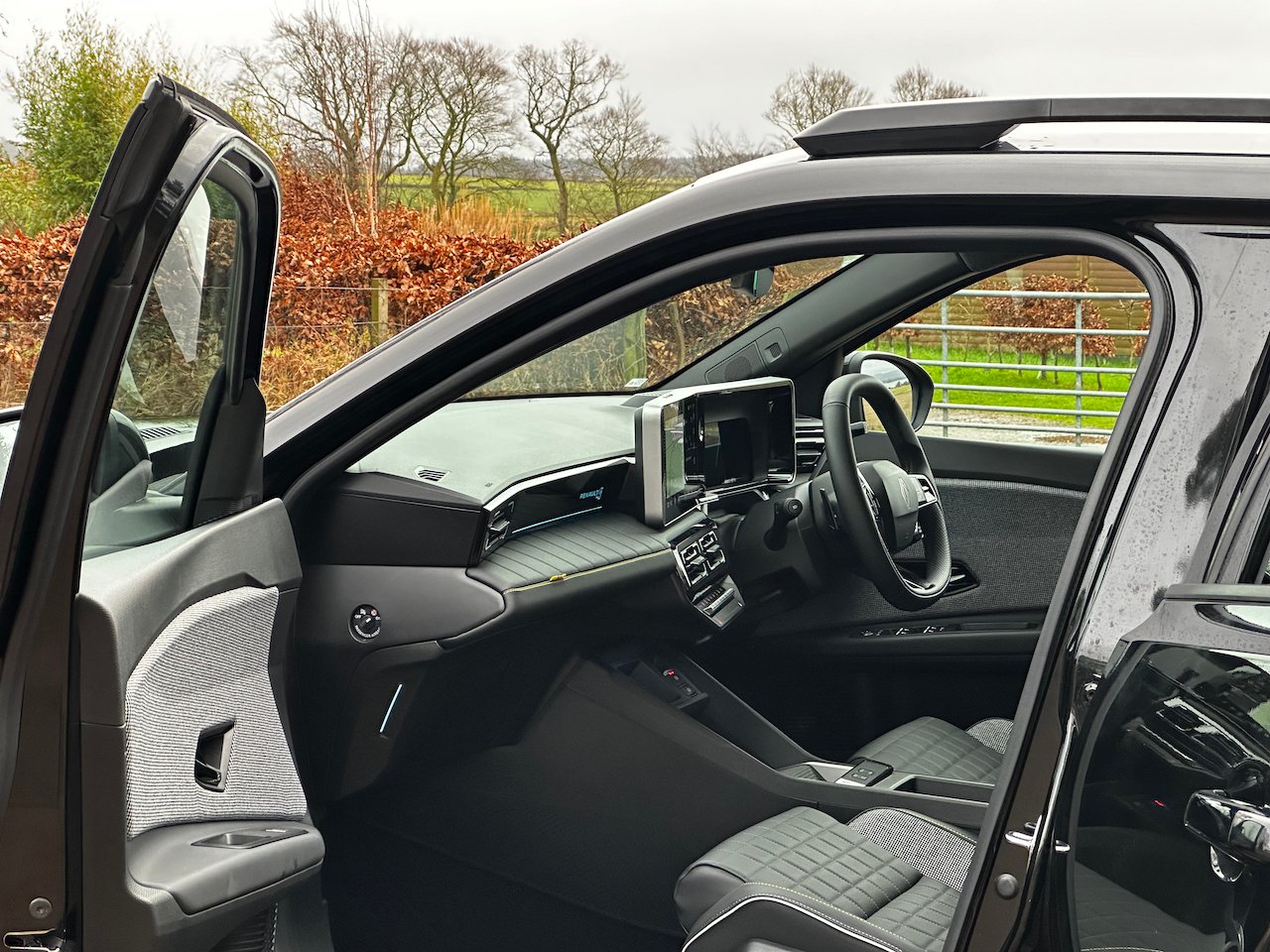
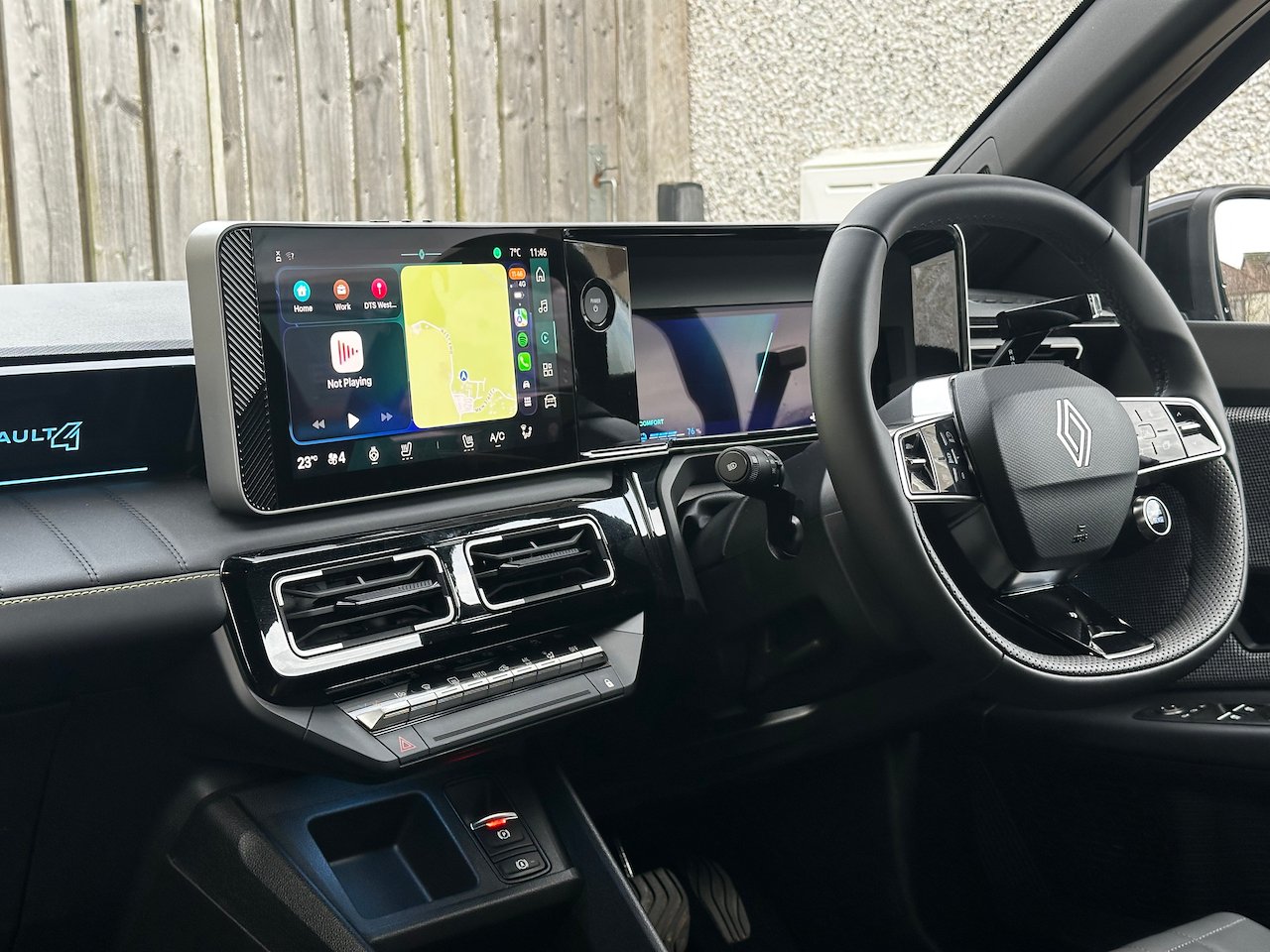
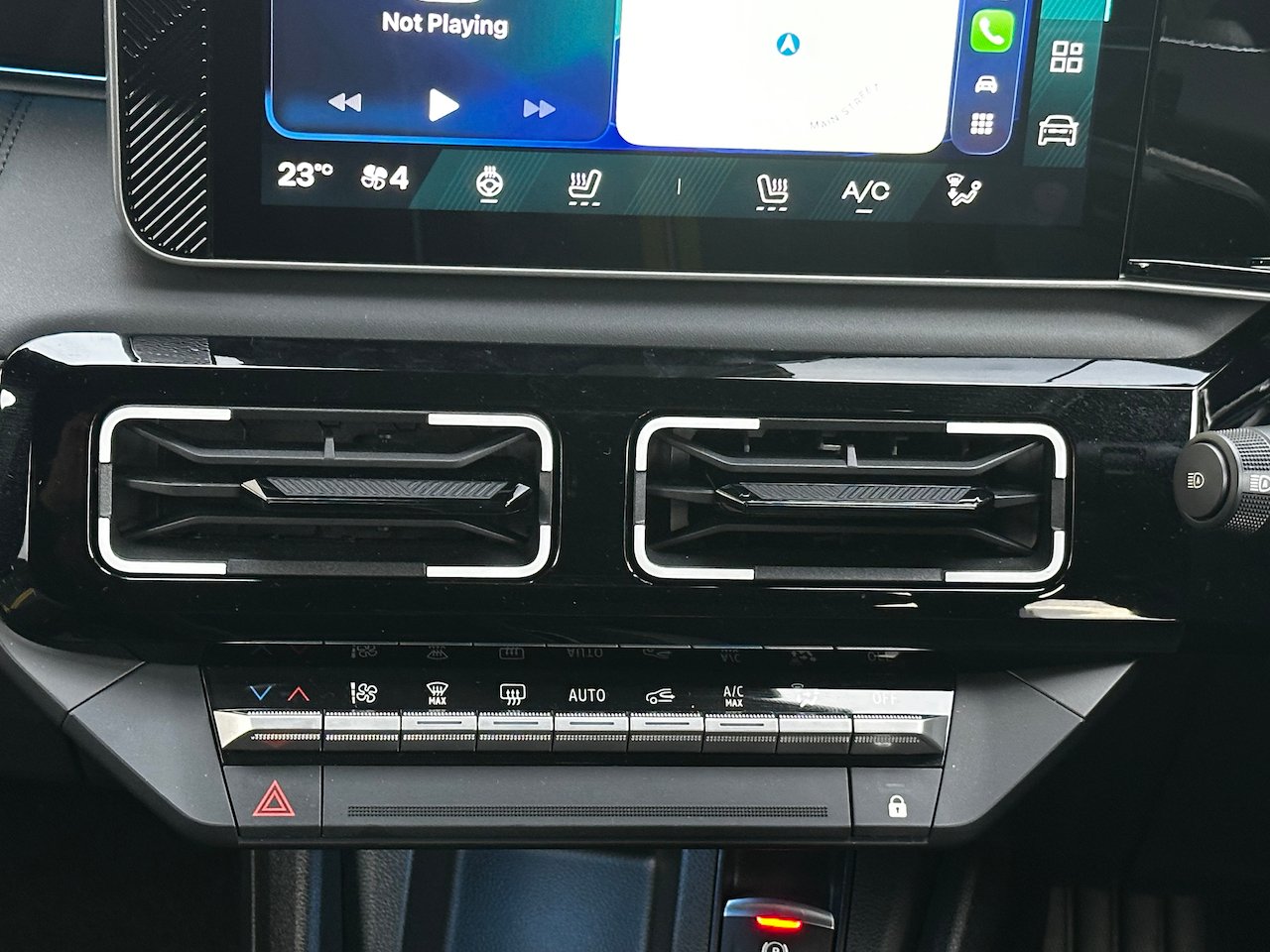
A dual horizontal screen arrangement dominates the dashboard, with a digital driver display ahead of the steering wheel and a central infotainment screen running Renault’s OpenR Link system with Google built in.
The interface is intuitive, and the integration of Google services means navigation and route planning work particularly well — especially when factoring in charging stops on longer journeys.
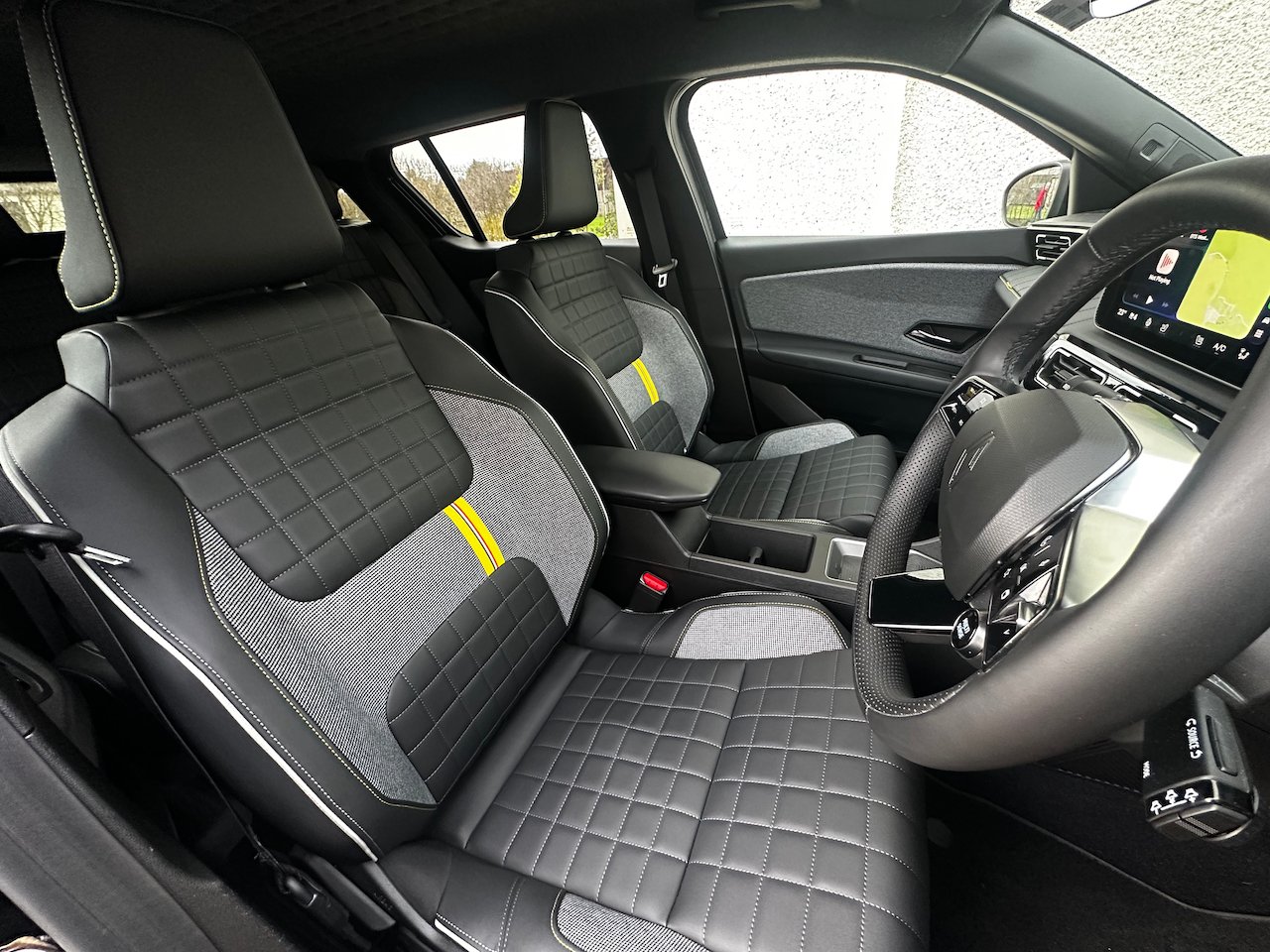
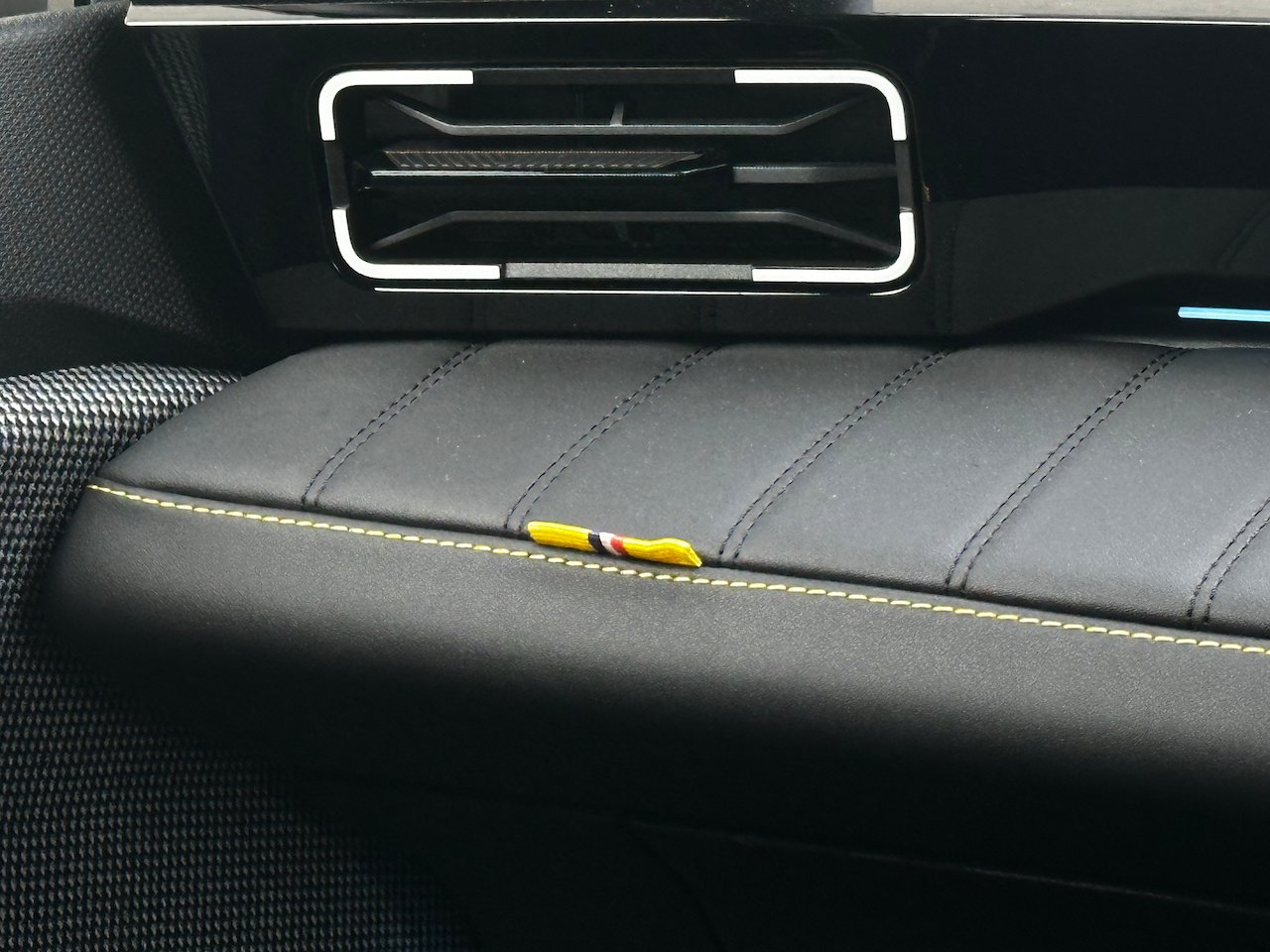
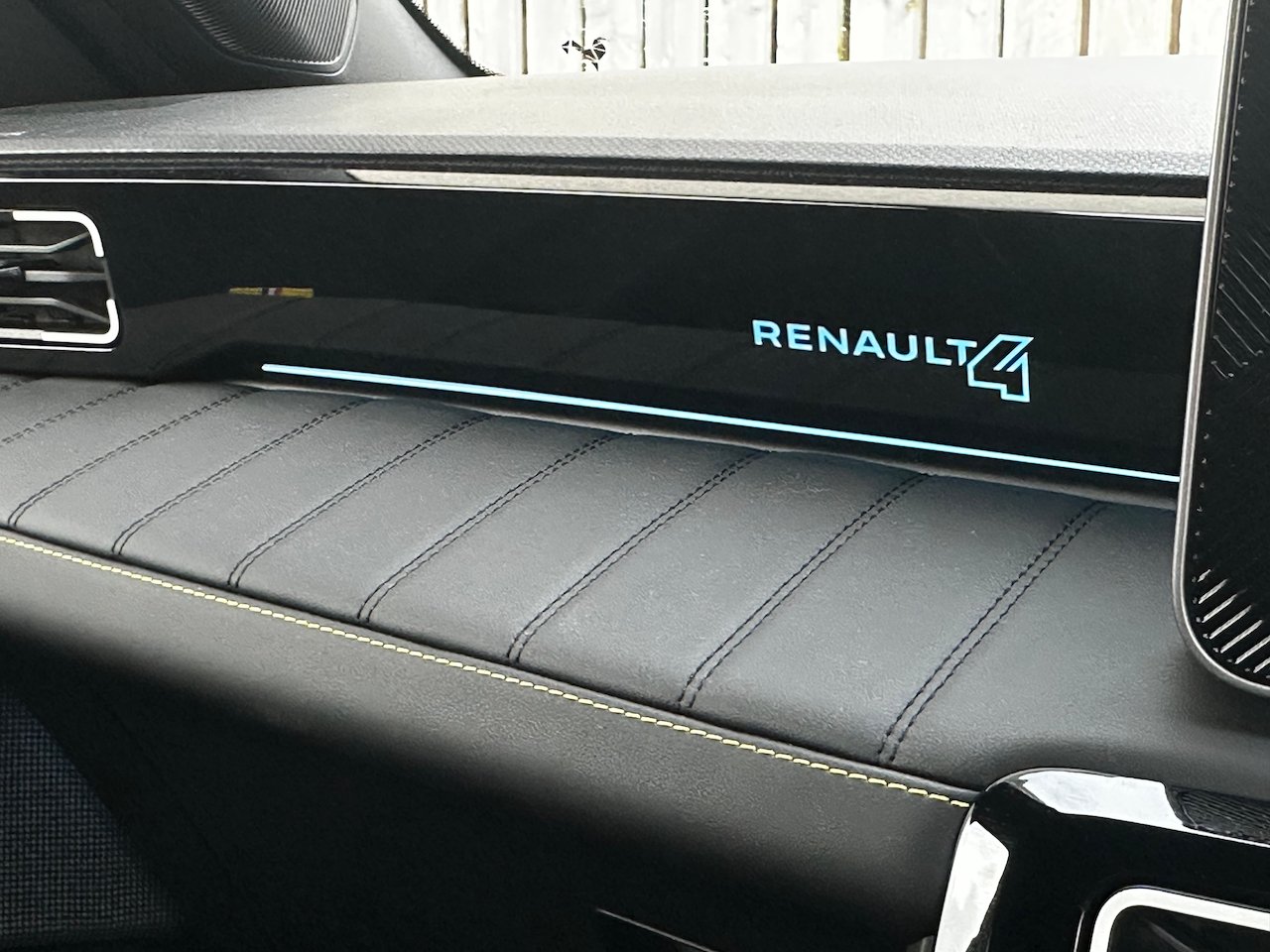
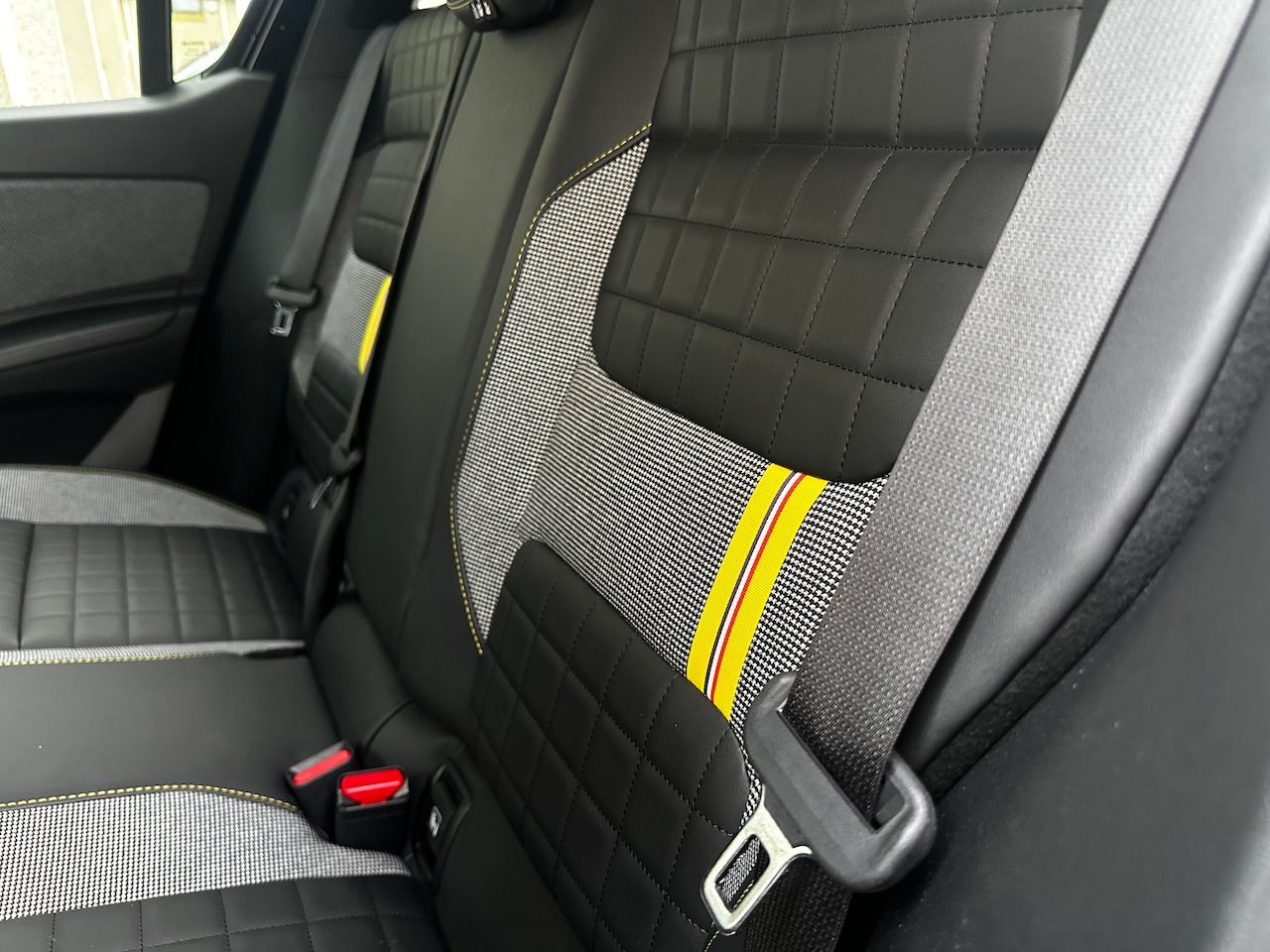
Material quality is solid for the class. Some trim levels even incorporate upholstery made from recycled fibres, reinforcing the car’s sustainability credentials.
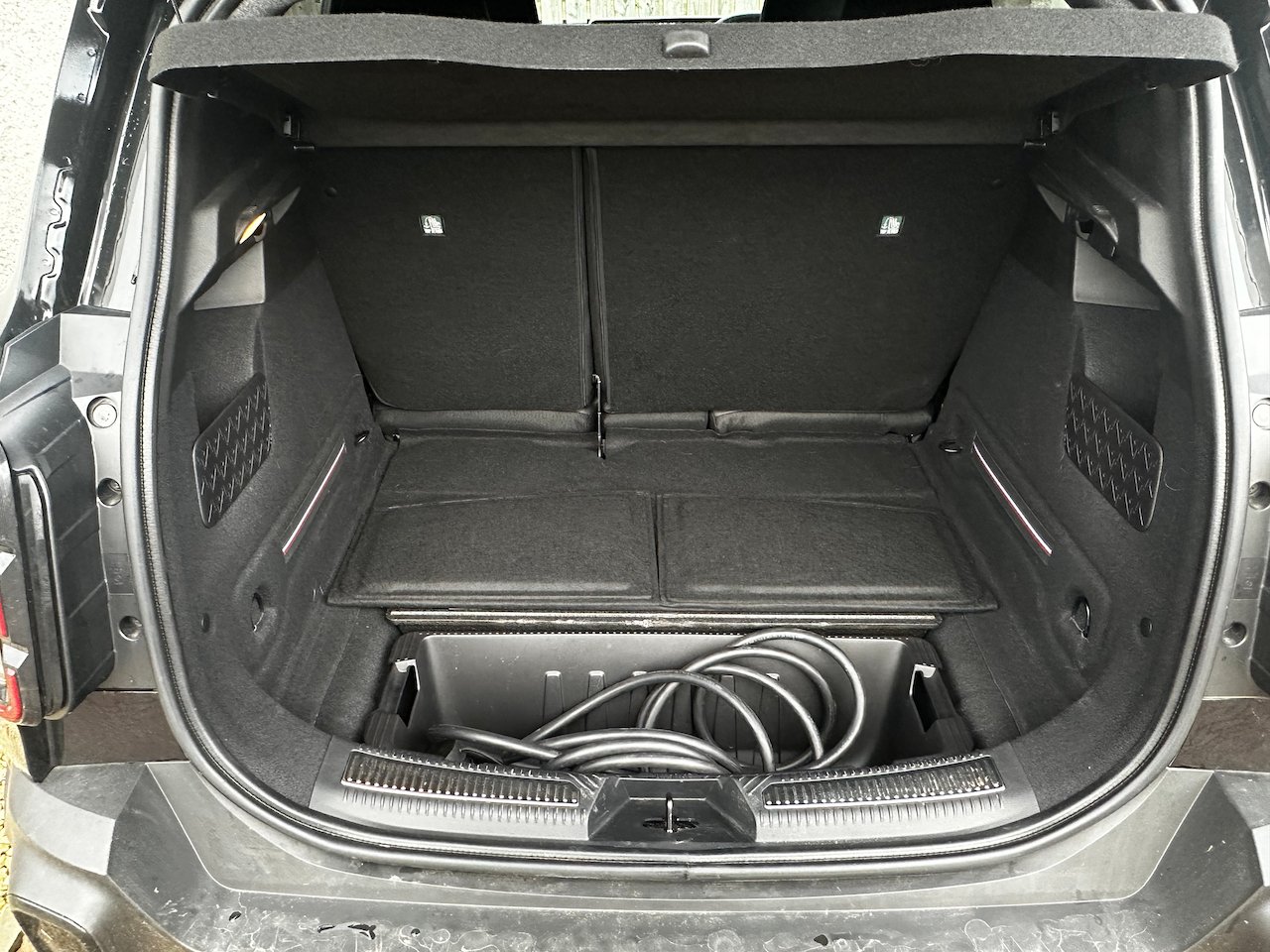
Practicality is one of the Renault 4’s real strengths. Boot capacity stands at a generous 420 litres, with a notably low loading sill that makes it easier to lift heavier items inside.
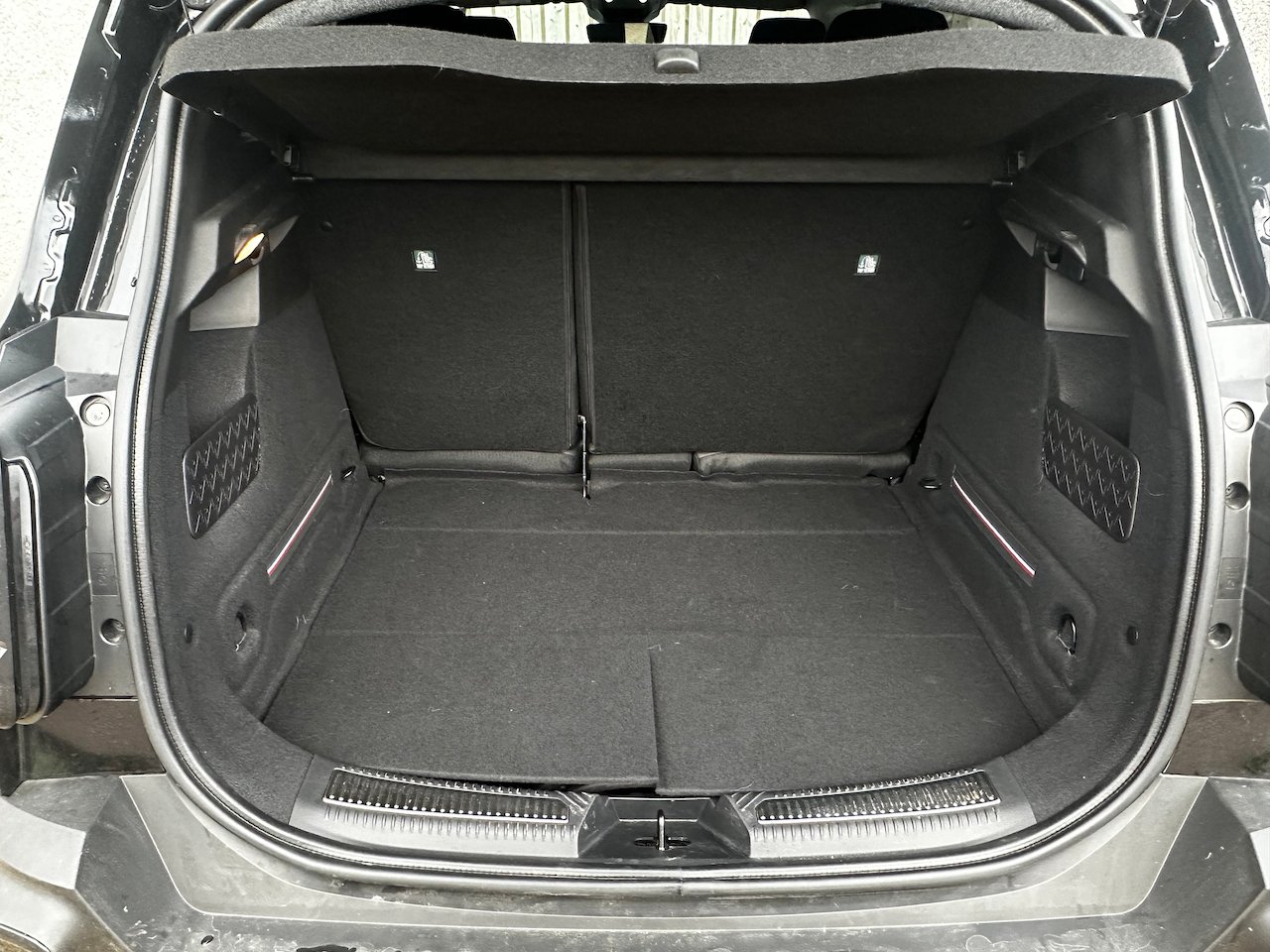
Rear passenger space is also impressive for a car in this segment. The relatively long wheelbase means adults can sit comfortably in the back without feeling cramped.
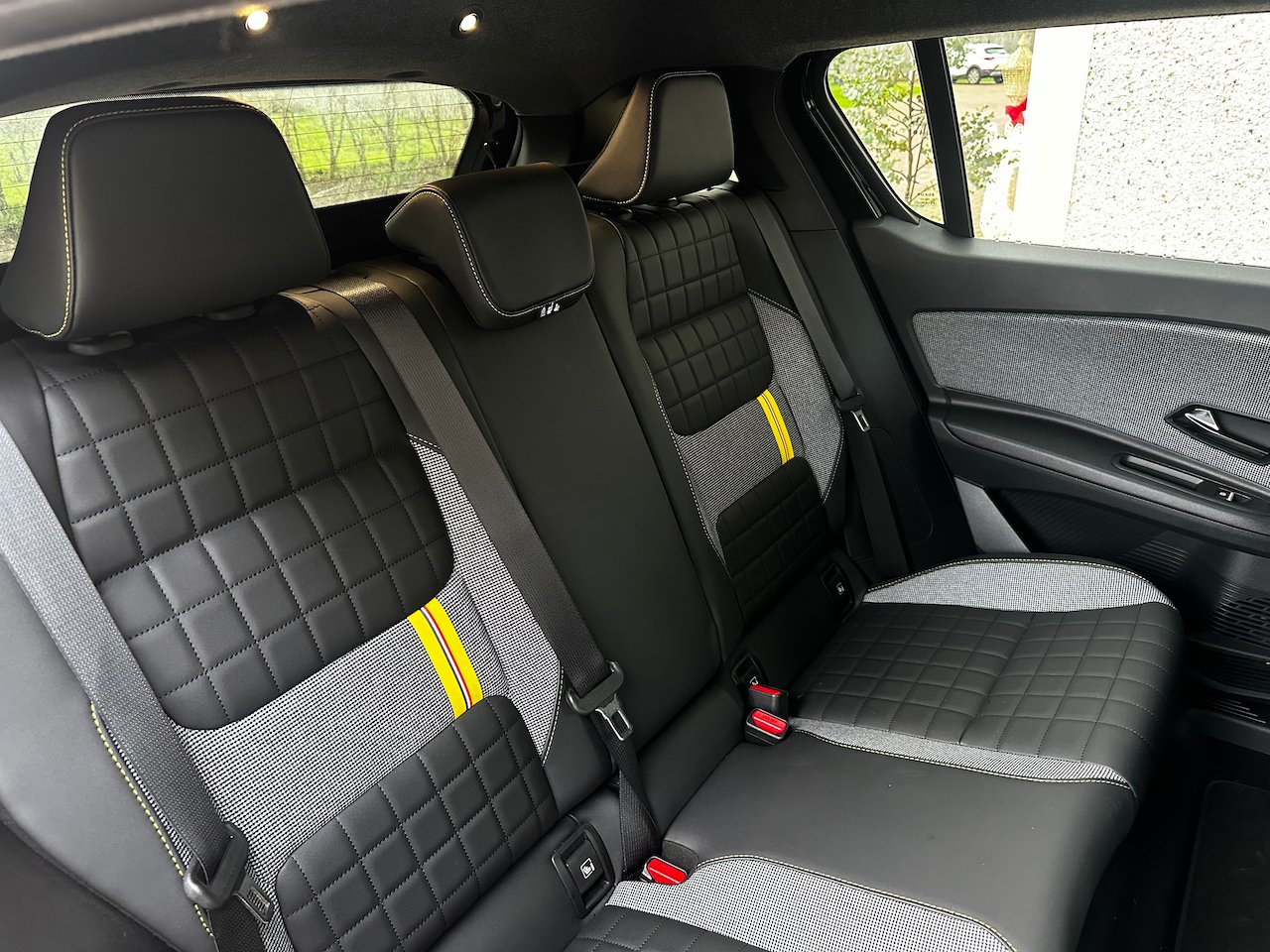
Overall, the interior captures the spirit of the original Renault 4 surprisingly well. It feels functional, flexible and genuinely usable.
Driving Impressions
The Renault 4’s driving experience is clearly tuned with everyday usability in mind.
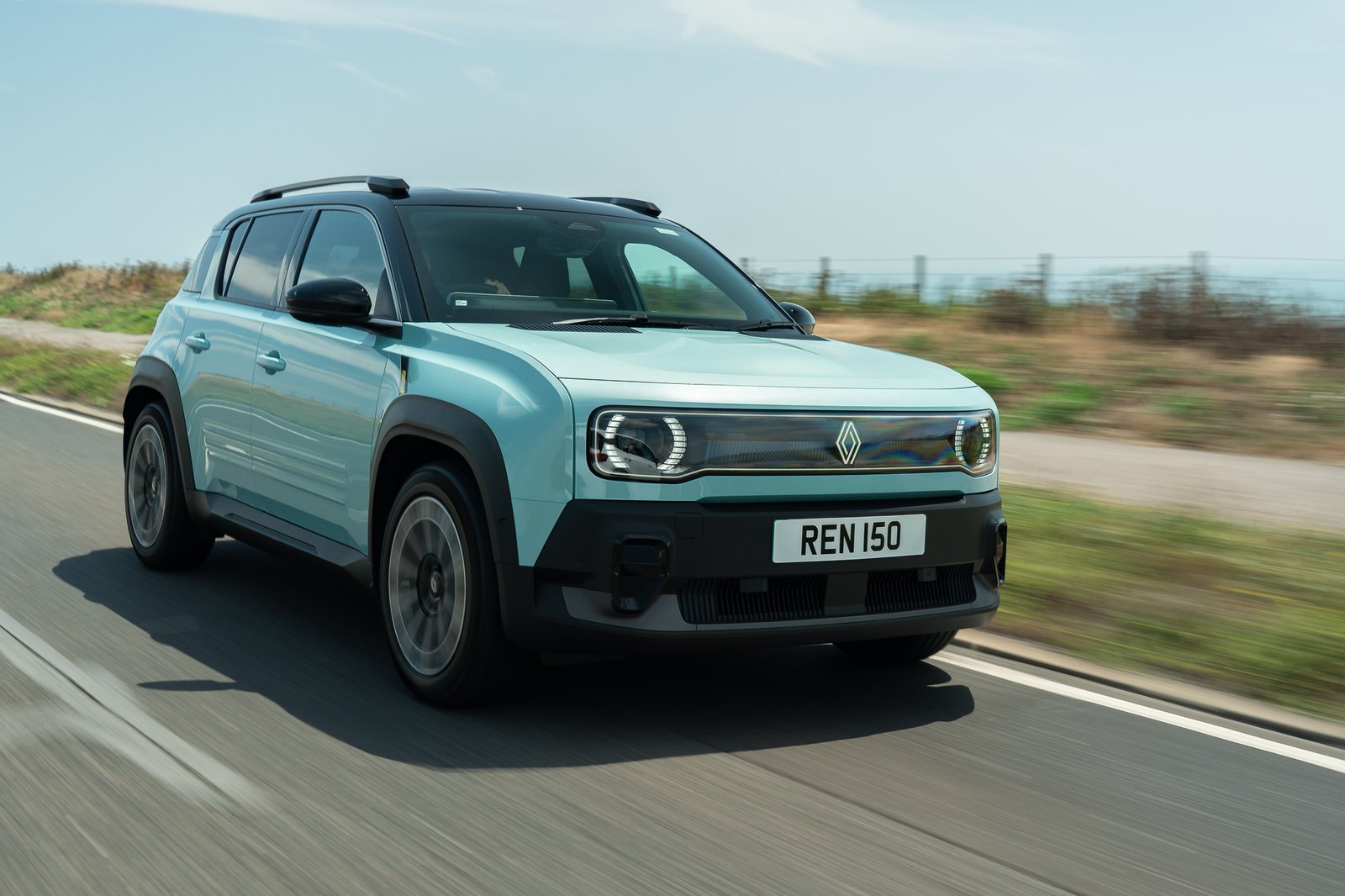
Performance from the 150bhp motor is perfectly adequate rather than exciting. Acceleration is smooth and quiet, and the car feels well suited to urban driving and short commutes.
In fact, that’s where the Renault 4 makes the most sense. With a modest battery size compared with larger EVs, its range profile suits school runs, commuting and general day-to-day errands rather than regular long-distance motorway work.
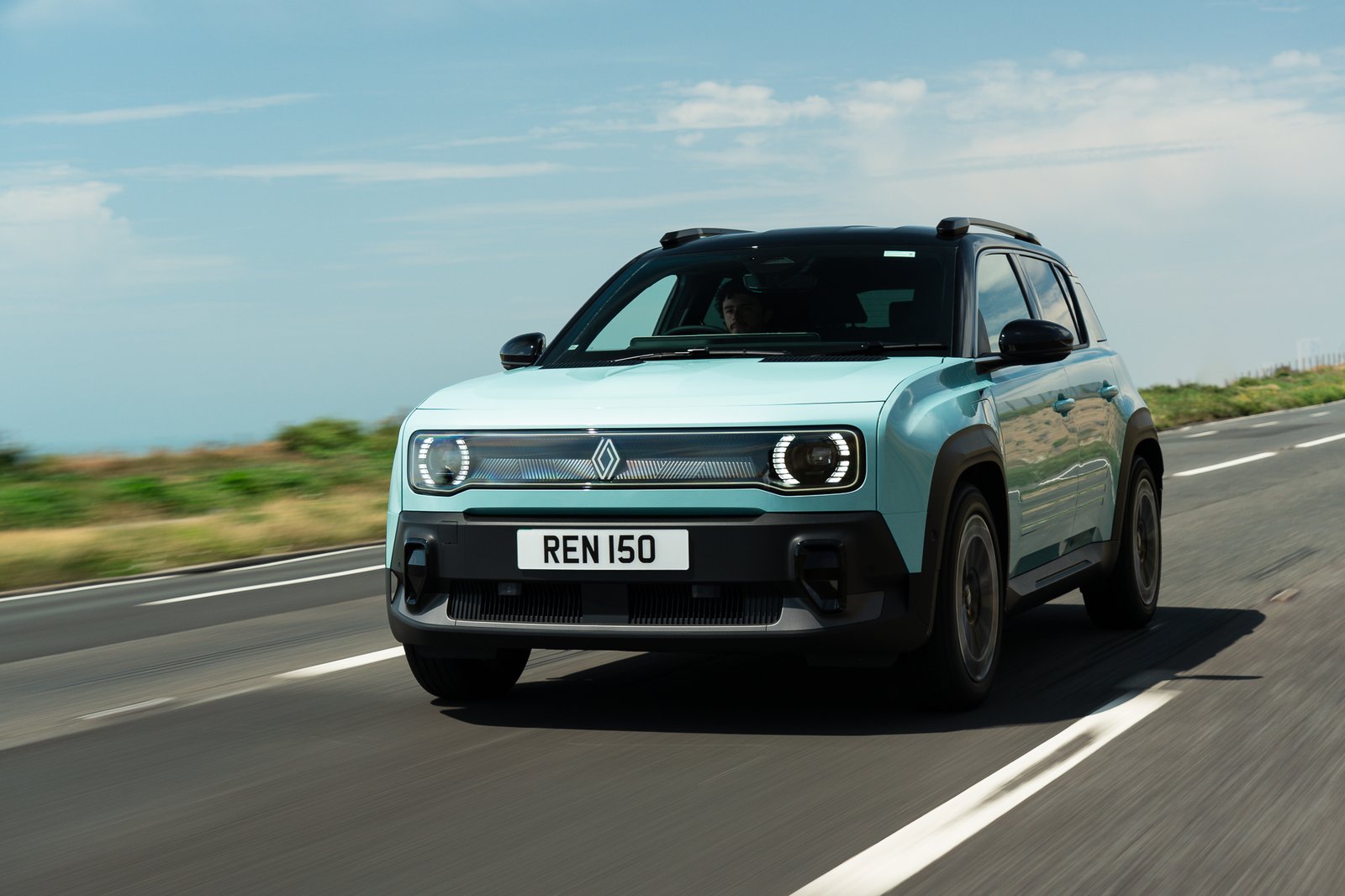
A drizzly run to the Loch Leven Larder provided a good opportunity to sample it in typical Scottish winter conditions. Around town and on quieter roads, the car feels easygoing and uncomplicated.
However, a few irritations emerge once you start living with it.
The automatic wipers proved particularly frustrating. In light drizzle they often operate at full speed, sweeping frantically across the screen when a slower intermittent setting would be more appropriate. Over time it becomes easier simply to switch them off and control them manually.
Similarly, the absence of automatic main beam feels like an odd omission in a modern EV packed with technology.
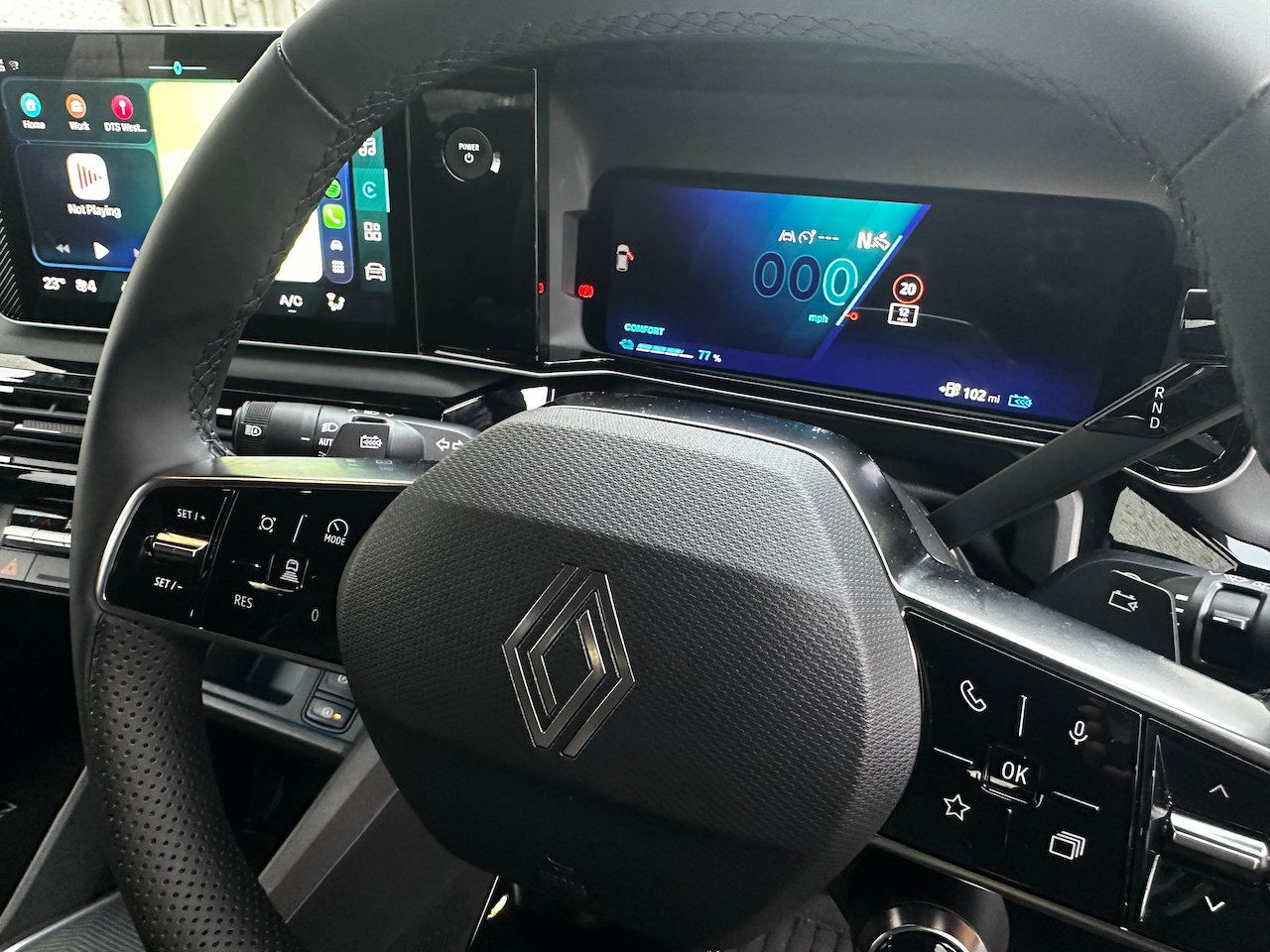
The gear selector — a small stalk mounted behind the steering wheel — also takes some getting used to. It works perfectly well once you understand it, but it never feels especially natural. A rotary dial in the centre console, as used by several competitors, would arguably be more intuitive.
None of these issues ruin the driving experience. But they do stand out in a car that otherwise feels thoughtfully designed.
Range and Everyday Use
With a maximum WLTP range of around 248 miles, the Renault 4 sits comfortably within the expectations for a compact electric car.
In real-world conditions, particularly during colder weather, drivers can expect somewhat less. For many households, however, that is more than enough.
As an everyday EV for school runs, commuting and general local use, it makes a great deal of sense. The combination of manageable size, decent efficiency and practical interior space suits daily life well.
Charging infrastructure integration through Google Maps also makes planning longer trips easier than in many rivals.
Rivals
The Renault 4 enters a rapidly expanding segment of small electric crossovers.
Competitors include the Jeep Avenger Electric, Mini Aceman and Fiat 600e, along with Renault’s own smaller Renault 5 E-Tech.
Where the Renault 4 stands out is practicality. Its boot space, interior room and functional design give it a more versatile feel than many style-focused rivals.
Verdict
The Renault 4 E-Tech Electric is an appealing reinterpretation of a classic idea.
It successfully captures the practicality and everyday usefulness that made the original car so beloved. The interior is spacious, the design is charming and the technology integration works well.
Yet it is not without quirks. The over-sensitive automatic wipers, the unusual gear selector and a few missing convenience features occasionally remind you that this is not a flawless package.
Viewed in the right context, though, the Renault 4 makes sense. It is not intended to be a long-distance cruiser or a performance EV. Instead, it focuses on the kind of driving most people actually do.
Short journeys. Daily routines. Real life.
And for that role, it works rather well.

At a Glance
- Make & Model: Renault 4 E-Tech Electric
- Battery Options: 40kWh or 52kWh
- Power: Up to 110kW (150bhp)
- Torque: 245Nm
- 0-62 mph: Under 8.5 seconds
- WLTP Range: Up to 248 miles
- Boot Capacity: 420 litres
- Charging: Up to 100kW DC fast charging
- Bidirectional Charging: V2L and V2G capability