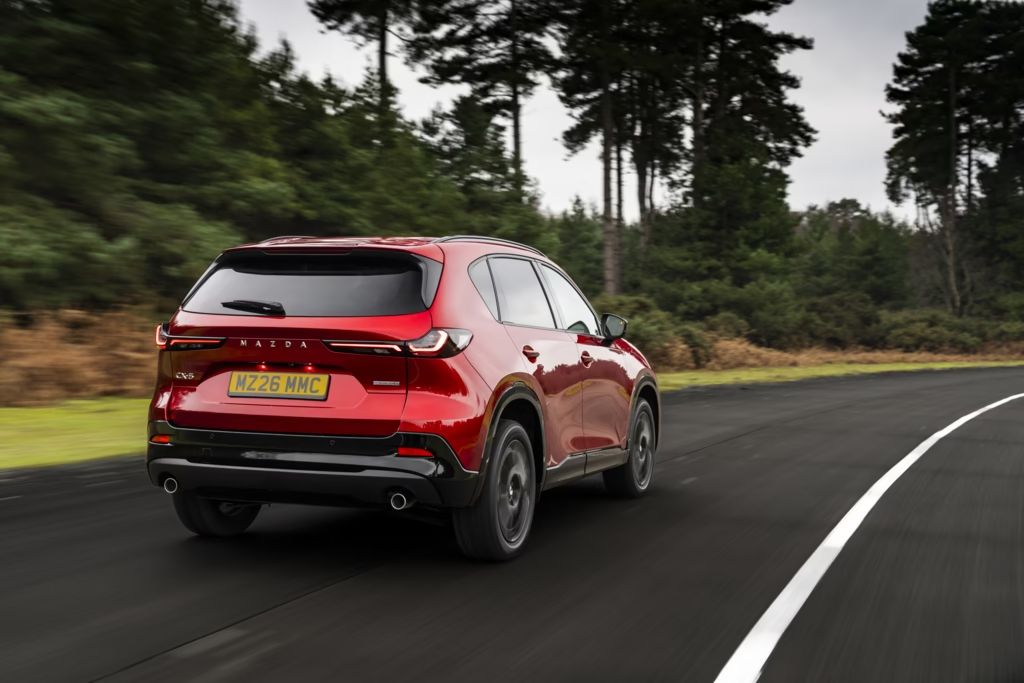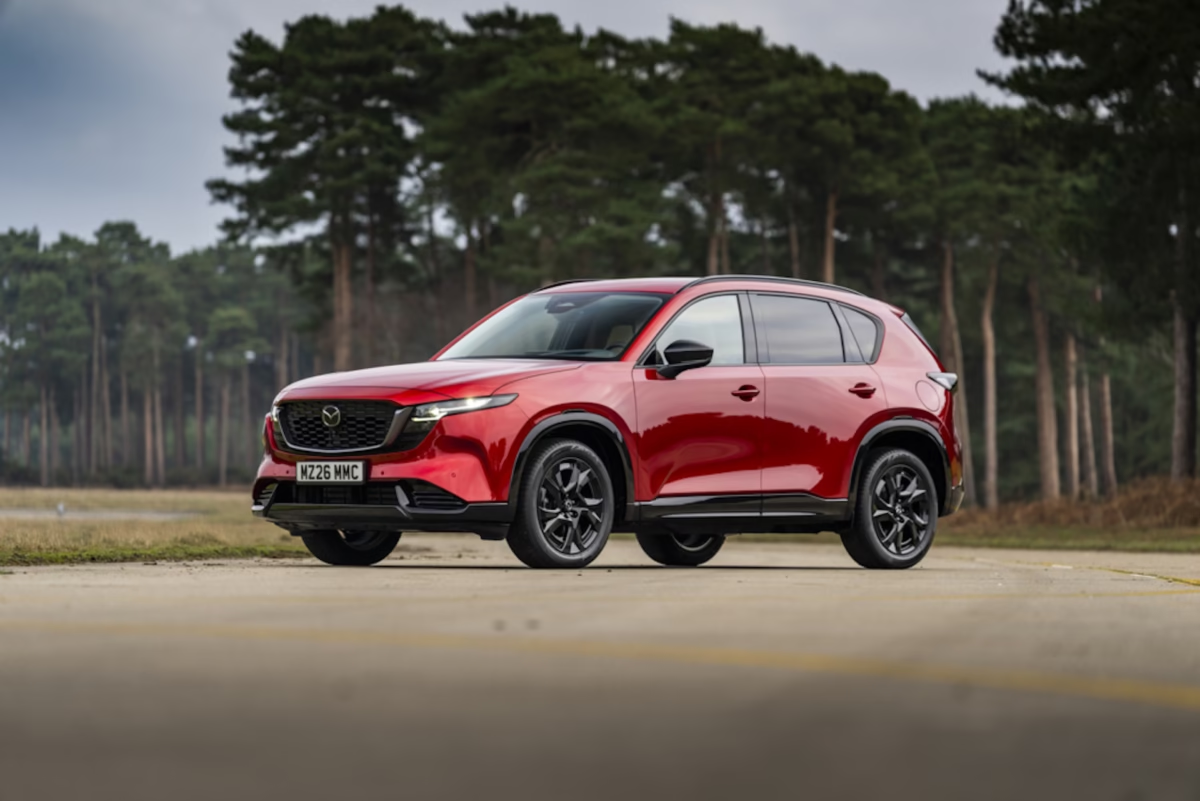
THERE are few cars in Mazda’s history that have been as important as the CX-5. Since its launch in 2012, more than five million have been sold globally, while UK sales have now passed 103,000.
It was the car that brought together Mazda’s Kodo design philosophy and Skyactiv engineering in a particularly appealing package, establishing the CX-5 as one of the more interesting choices in the family SUV market.
So the arrival of the third-generation CX-5 is a big deal.

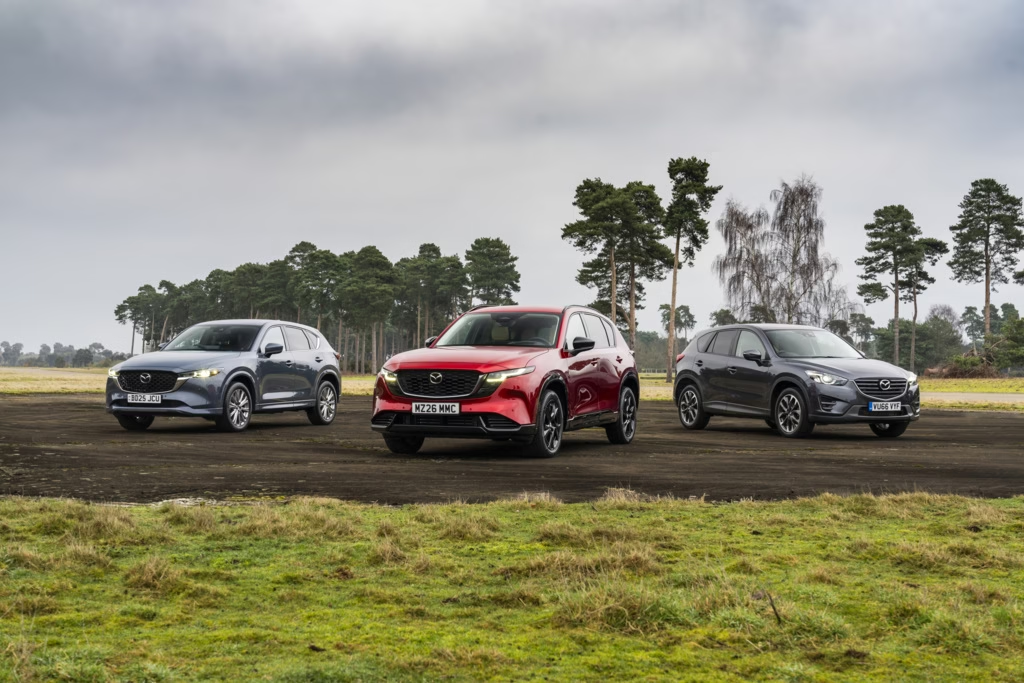
Mazda’s approach, however, isn’t one of revolution. The new car has been designed around the idea of ‘redefining the familiar’, retaining the recognisable CX-5 shape while making it bigger, more practical, more technologically advanced and, inevitably, more sophisticated.
Having driven the range-topping 2.5 141ps AWD Homura automatic, I’m not entirely convinced every change is an improvement.
That’s not to say the new CX-5 is a bad car. Far from it. It still drives like a Mazda, has plenty of appeal and remains an extremely capable family SUV. But some of the details that made the previous CX-5 so satisfying have been lost along the way.
Overview
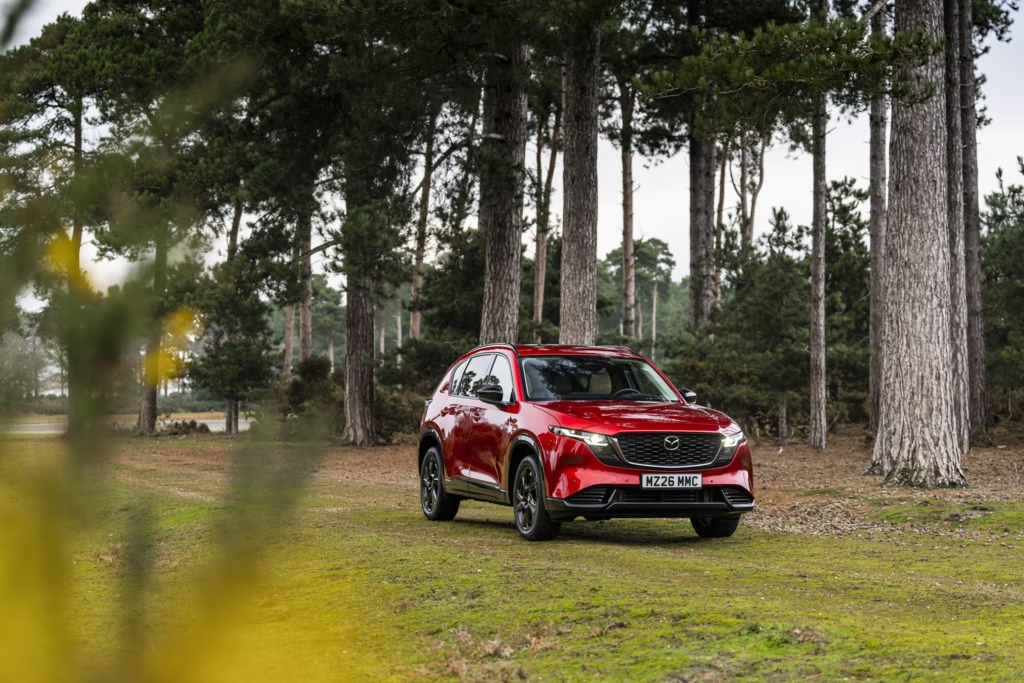
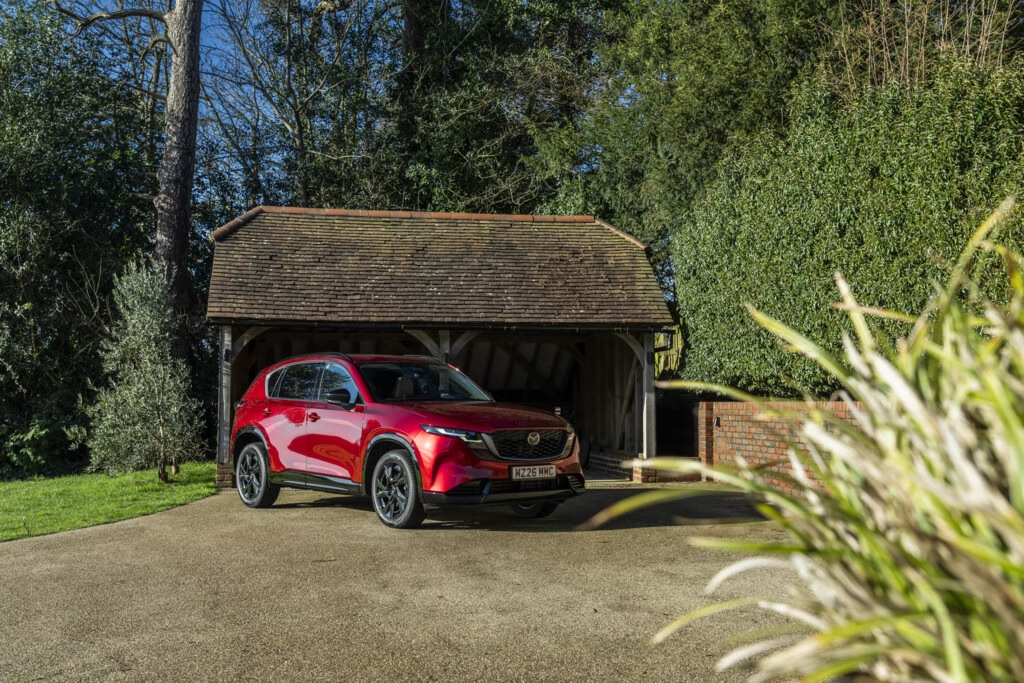
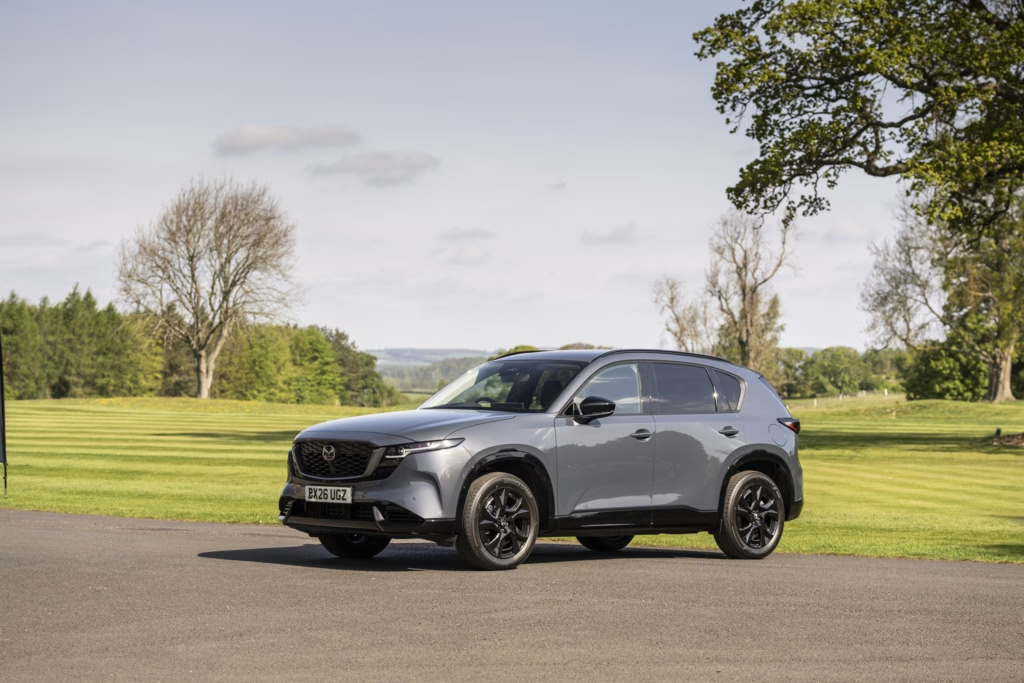
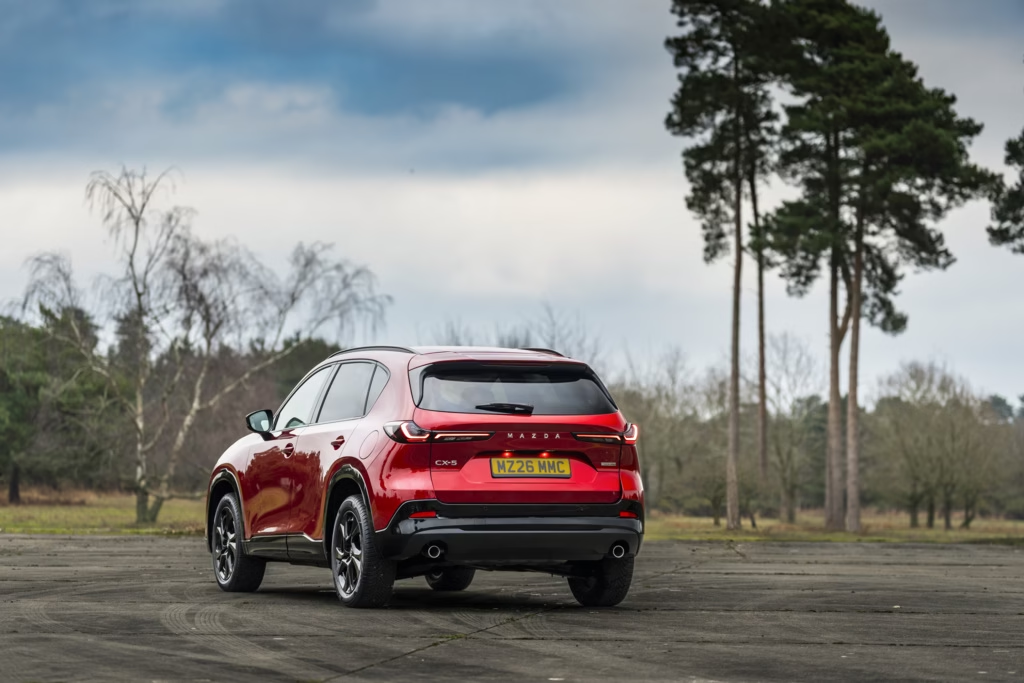
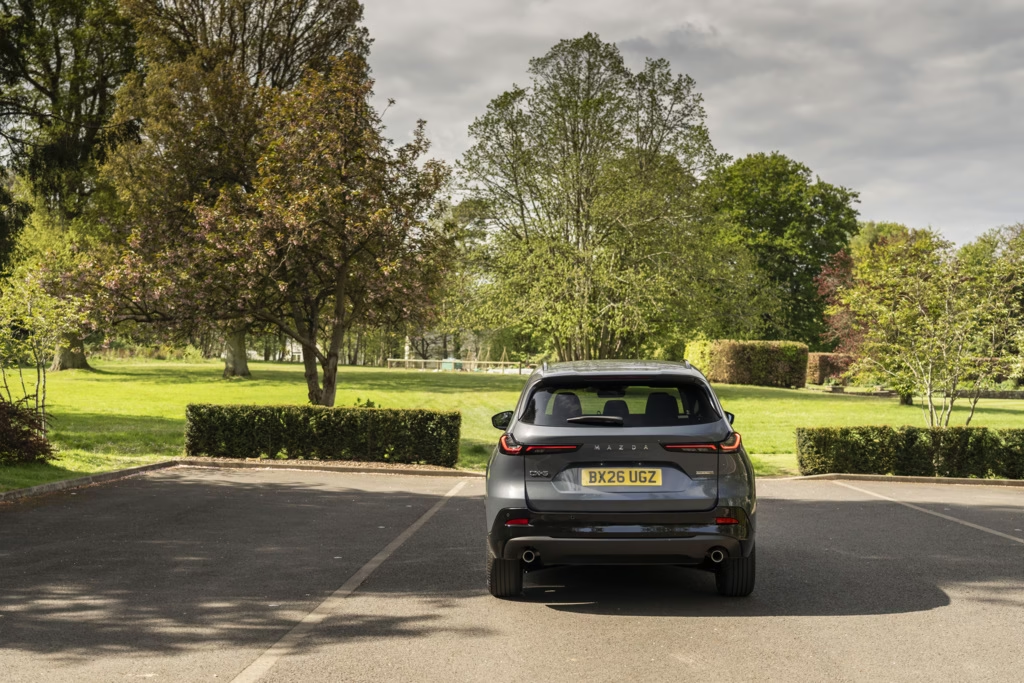
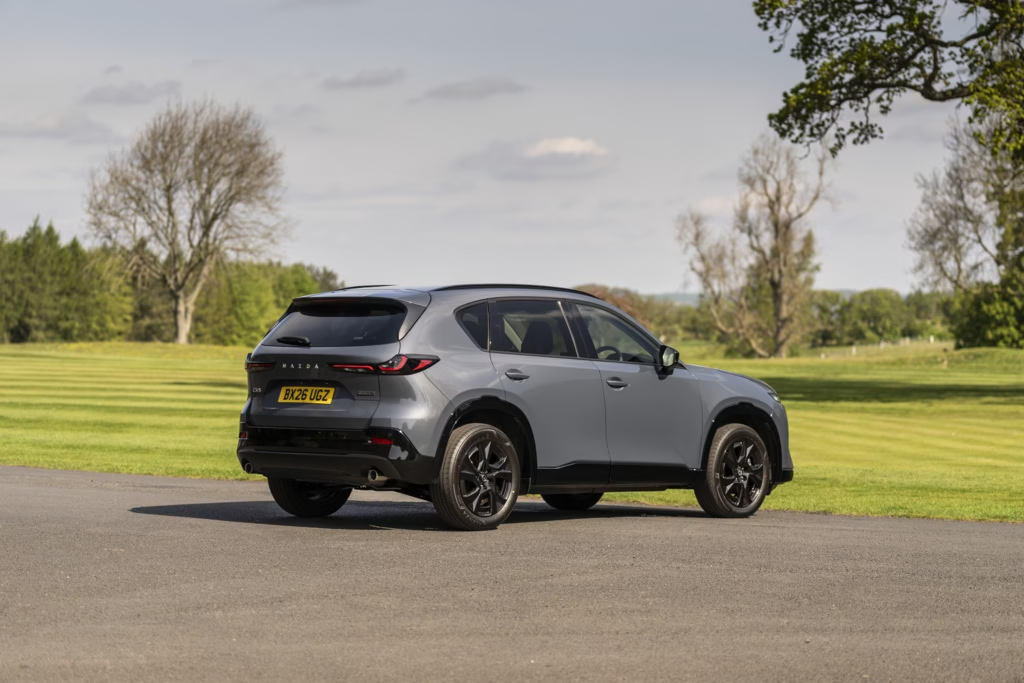
The new CX-5 is longer, wider and taller than its predecessor, with a wheelbase extended by 115mm. It gives the car a more substantial presence without abandoning the proportions that made the previous model so attractive.
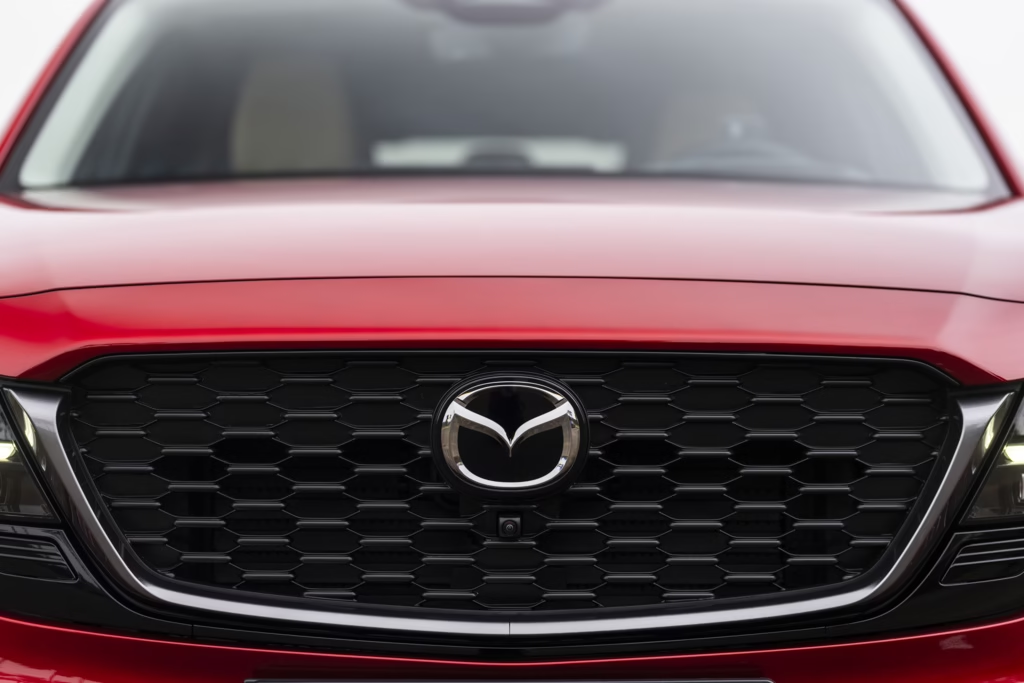
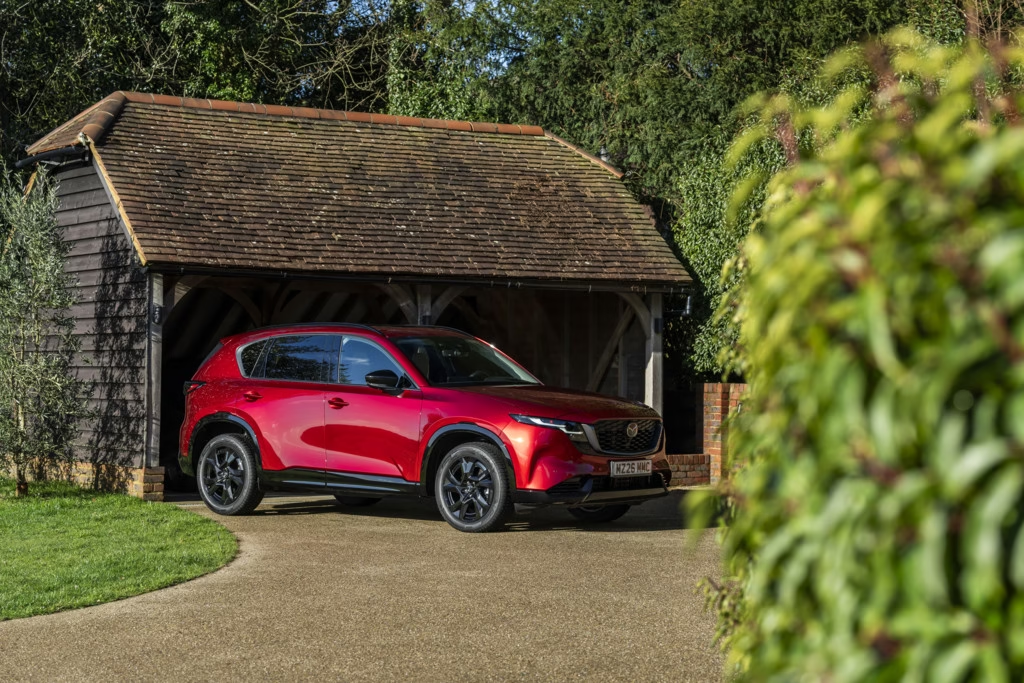
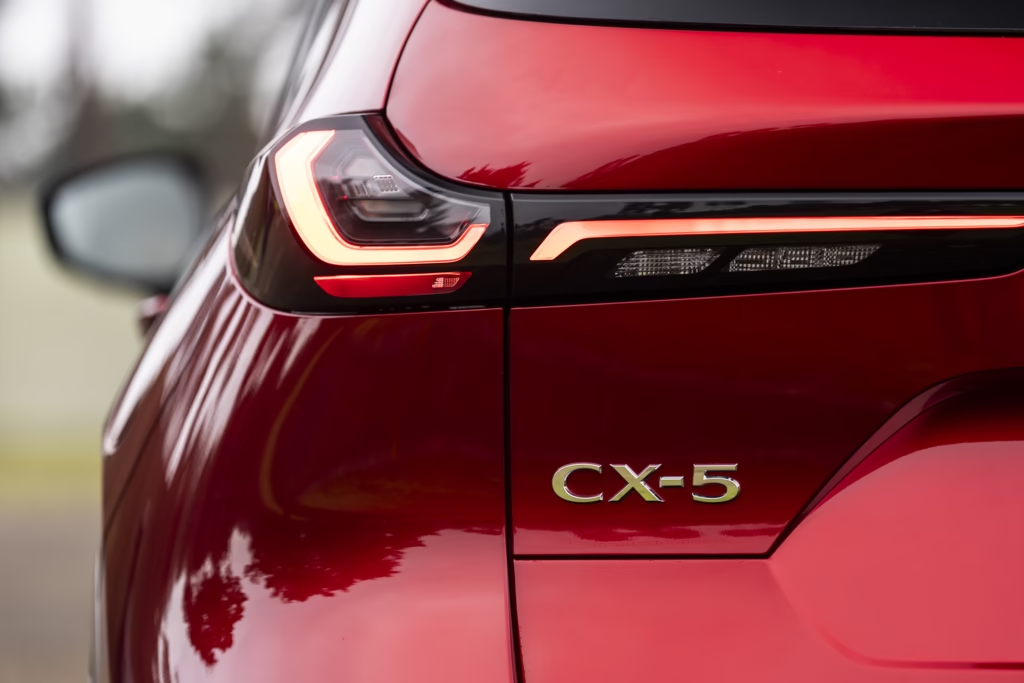
Mazda’s Kodo design language has evolved rather than been discarded. There’s a cleaner, more confident look to the new car, and while the styling isn’t going to make you mistake it for anything else in the class, it remains one of the more handsome SUVs around.
Interior
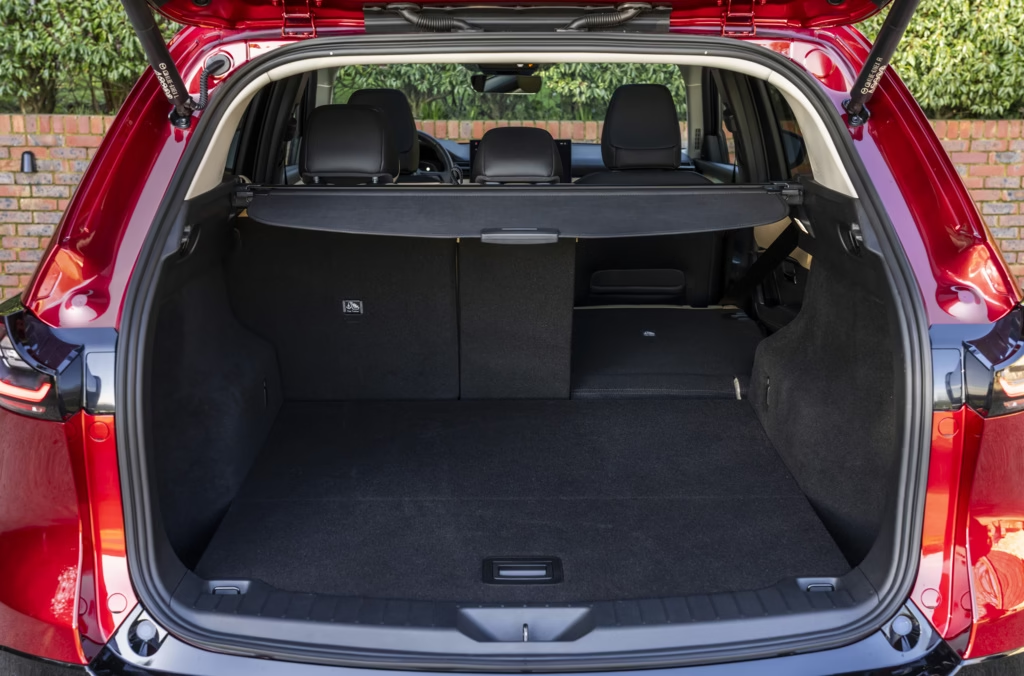
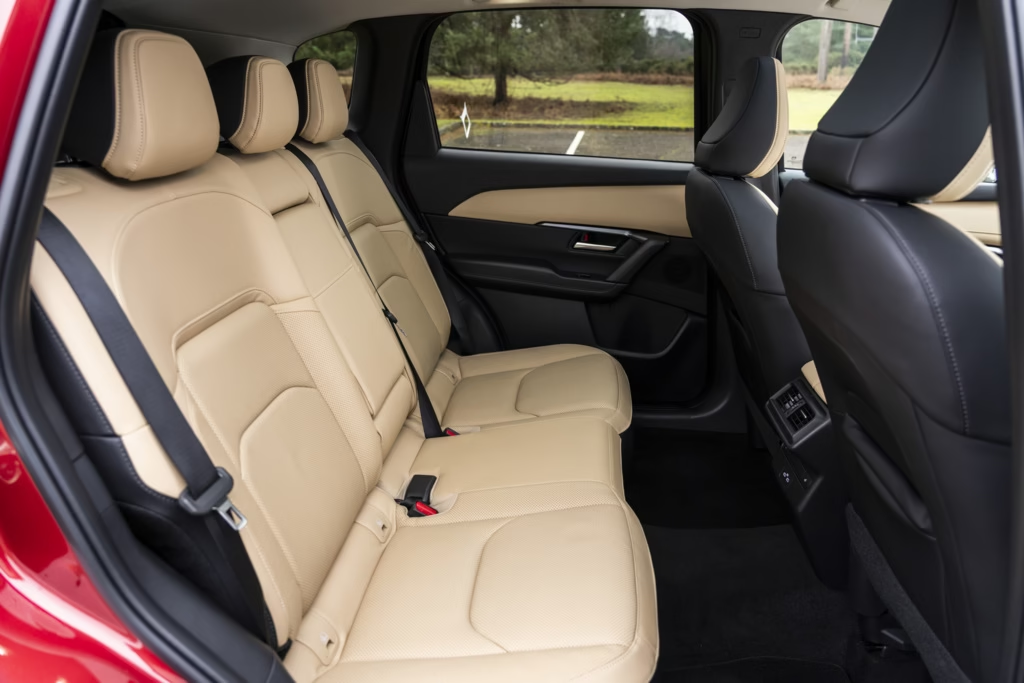
Inside, the new CX-5 feels spacious and well put together. The extended wheelbase helps passenger room, while the boot now offers 583 litres with all five seats in use, increasing to 2,019 litres with the rear seats folded.
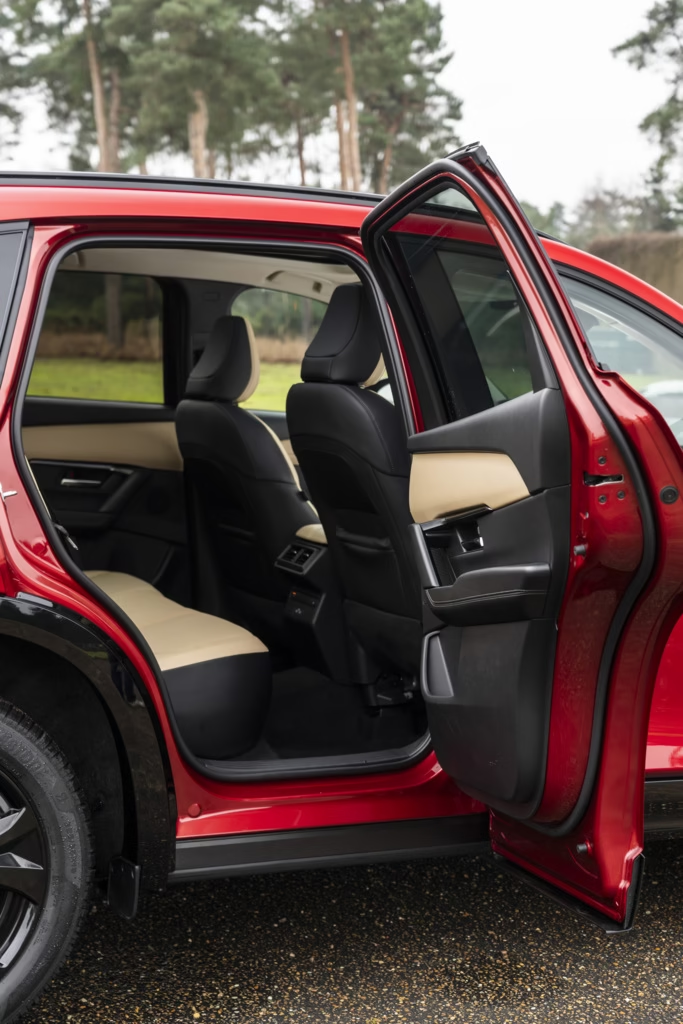
The 40:20:40 split rear bench is particularly useful for family life, and the wider-opening rear doors are another example of Mazda concentrating on the everyday details that matter when you’re loading children, luggage or pets.

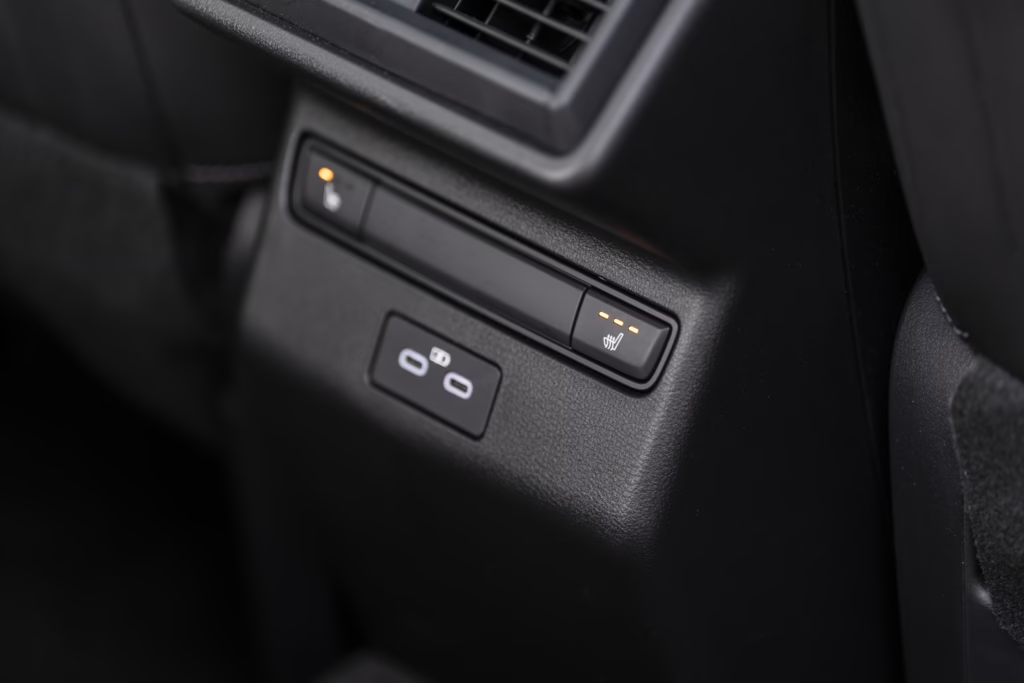
The Homura is the flagship of the range and comes generously equipped. My test car had black leather upholstery, heated and ventilated front seats, heated rear outer seats, a heated steering wheel, an electric panoramic sunroof and a power tailgate.

There’s also a head-up display, electric adjustment for both front seats and a 360-degree camera with See-Through View, so you can see what’s happening at the front wheels. A 12-speaker Bose sound system takes care of the entertainment.
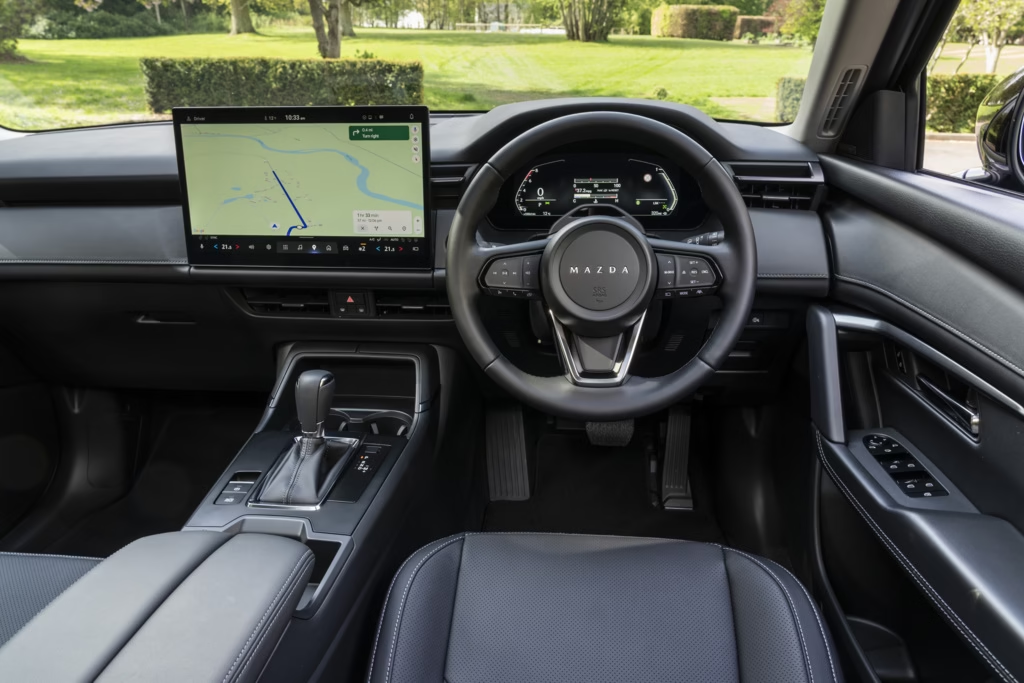
So there’s little doubt that this is a well-equipped car. But then you start using it and realize the centre console is somewhat of a disappointment.
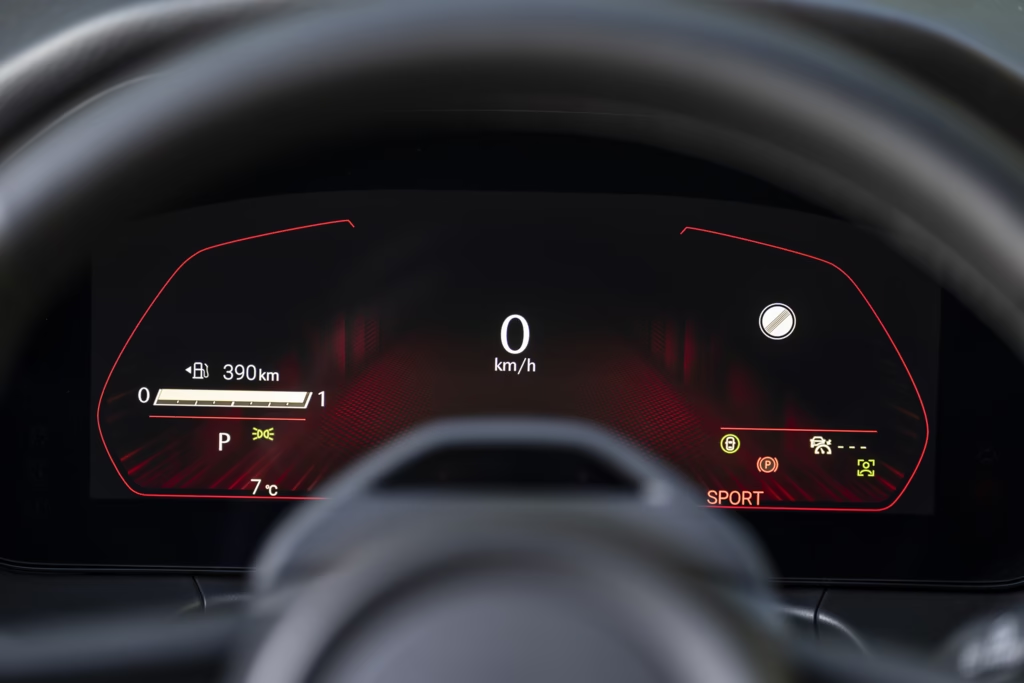
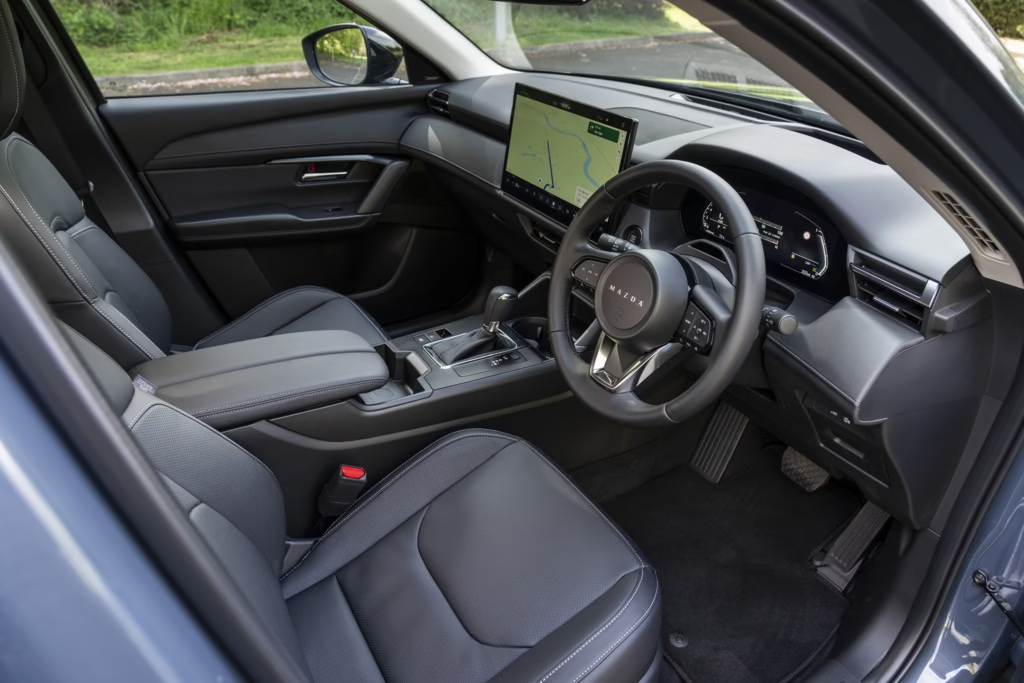
Mazda has traditionally done things differently from its rivals, and one of the things I particularly liked about the previous CX-5 was its excellent rotary media controller. It allowed you to operate the infotainment system largely by feel, without having to take your eyes off the road.
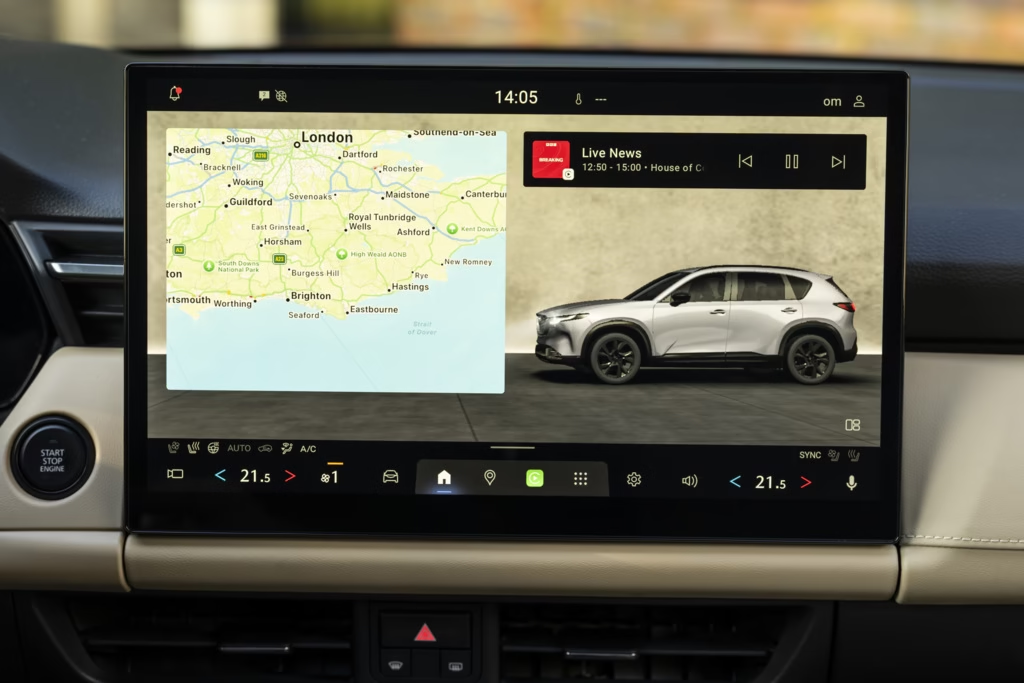
It’s now gone in favour of leaning more heavily on the touchscreen.
The large display looks impressive – the Homura gets a substantial 15.6-inch screen – and the system itself isn’t difficult to understand. Google built-in is included, along with Google Maps, Google Play and Google Gemini, while wireless Apple CarPlay and Android Auto are standard on the Homura.
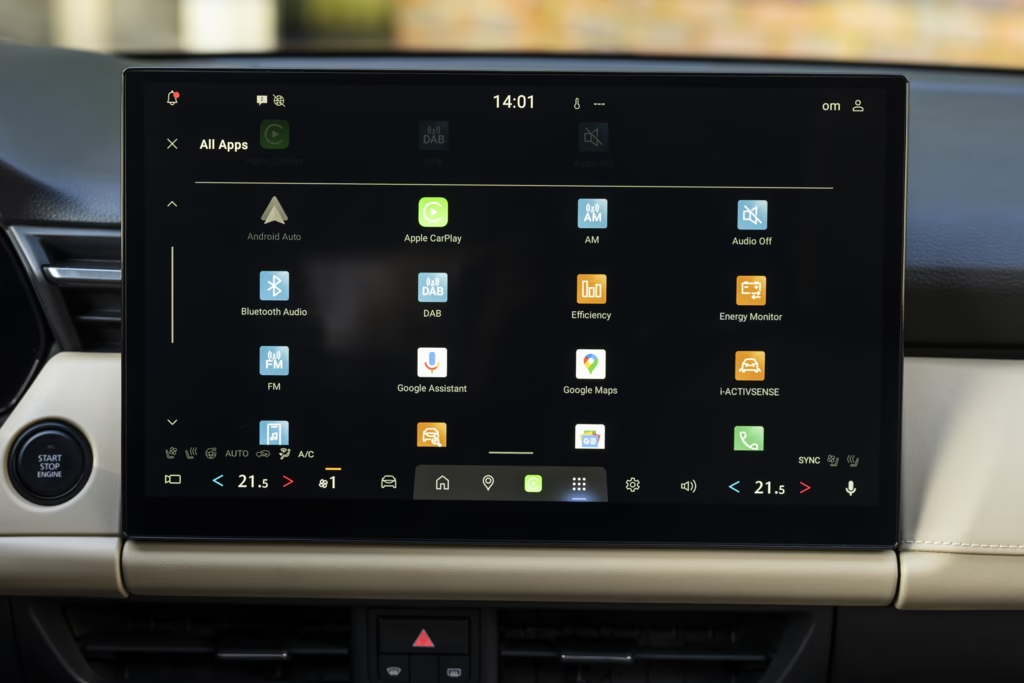
The technology works well enough but Mazda had already developed a system that allowed you to interact with the infotainment safely and intuitively without reaching for the screen. Removing it feels like an unnecessary step backwards.
It’s particularly frustrating because Mazda has also followed the industry trend of putting more of the car’s controls into the touchscreen.
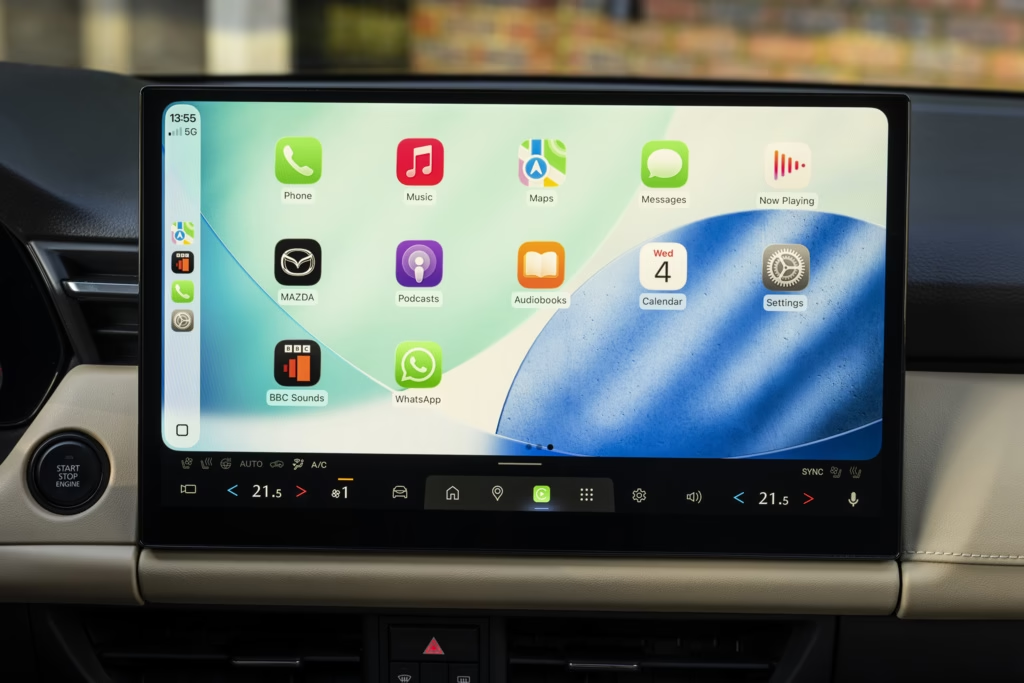
Climate controls are permanently available along the bottom of the display, so at least they’re relatively easy to reach, but there is still something much more satisfying – and safer – about a physical button or rotary dial for functions you use regularly.
The centre console also houses an element that feels oddly old-fashioned: the automatic gear selector.
It’s a large, conventional-looking lever that takes up a sizeable chunk of space. In an era when manufacturers are increasingly using compact selectors or steering-column-mounted controls, the CX-5’s chunky shifter looks and feels dated.
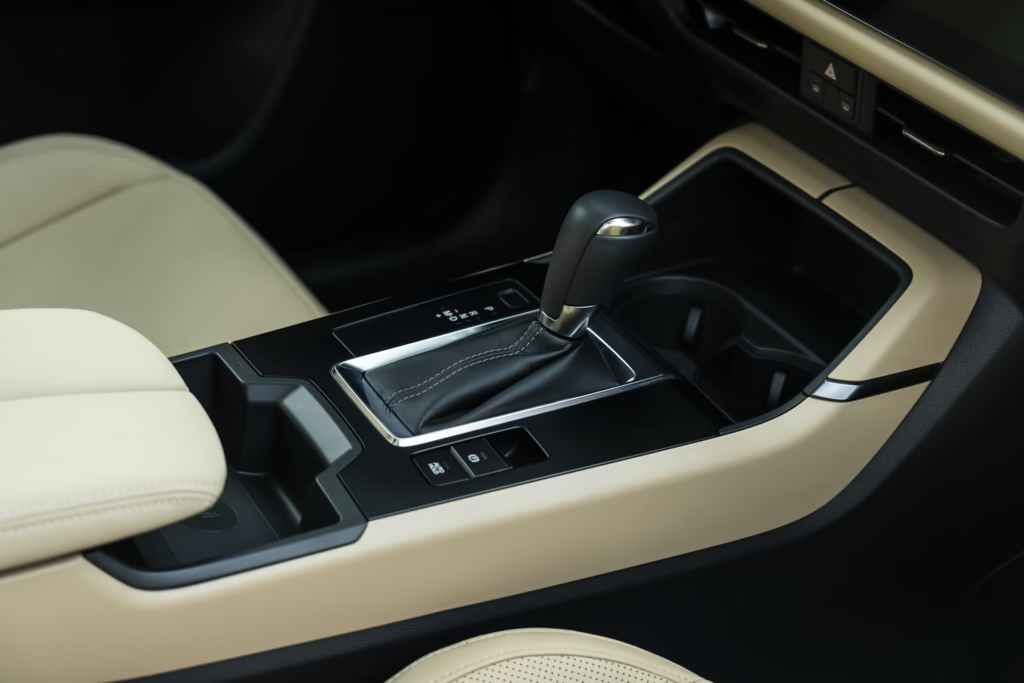
It’s not difficult to use and there’s nothing inherently wrong with it but visually and ergonomically, it doesn’t sit particularly comfortably alongside that enormous modern touchscreen.
Driving
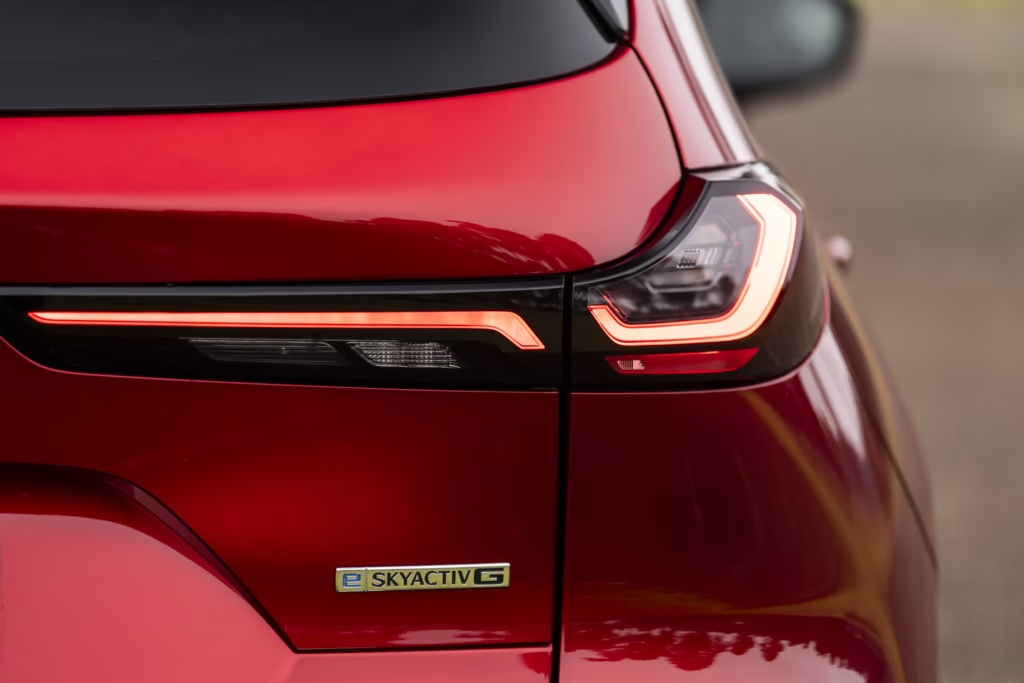
Under the bonnet of my test car was Mazda’s new 2.5-litre e-Skyactiv G petrol engine, producing 141ps and 238Nm.
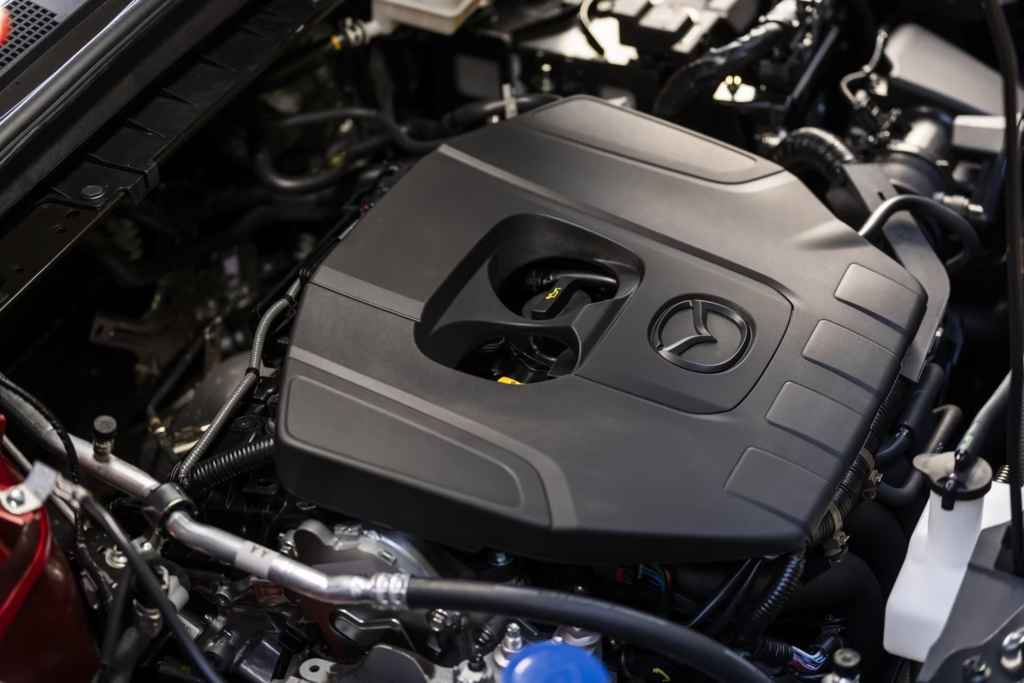
It’s a naturally aspirated four-cylinder engine, paired here with a six-speed automatic and all-wheel drive. The figures aren’t particularly exciting: 0-62mph takes 10.9 seconds – which by today’s standards seems glacial, but this isn’t supposed to be a performance SUV.
In normal driving, the engine provides enough performance for everyday use. The CX-5 isn’t sluggish in the way the numbers might suggest, and there’s a smoothness to its power delivery that suits the character of the car.
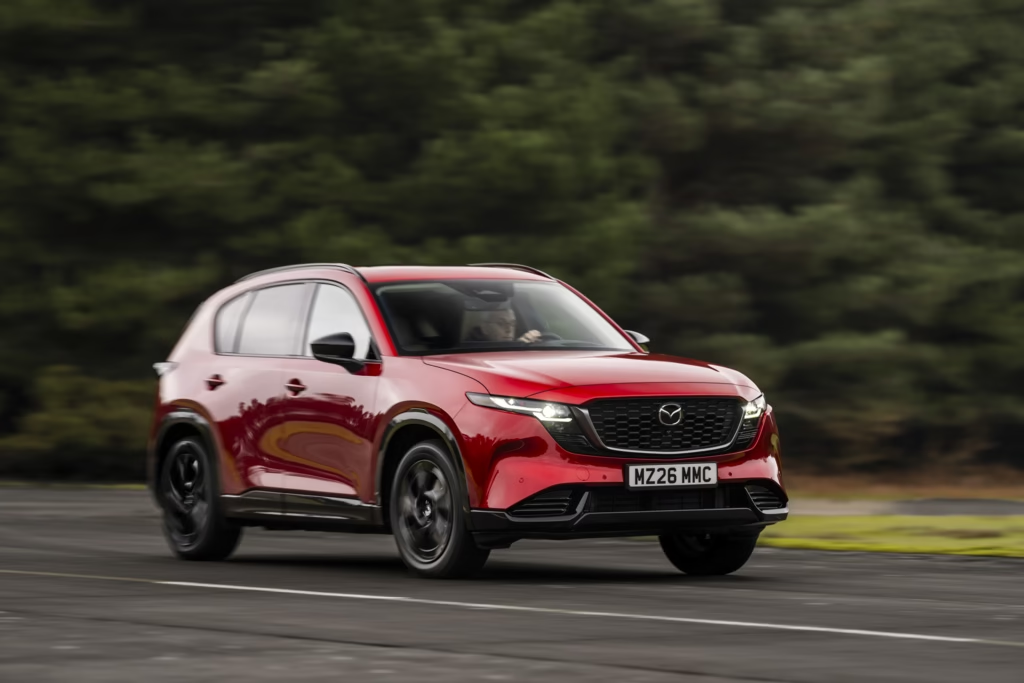
However, I did find the engine rather noisy when it kicked in. For a new-generation SUV that Mazda is pitching as a more refined and sophisticated proposition, the engine’s note can be surprisingly prominent. It rather undermines the otherwise calm atmosphere of the cabin.
The six-speed automatic doesn’t help to disguise it, either. Again, it’s perfectly competent, but this isn’t the last word in modern automatic transmission refinement.
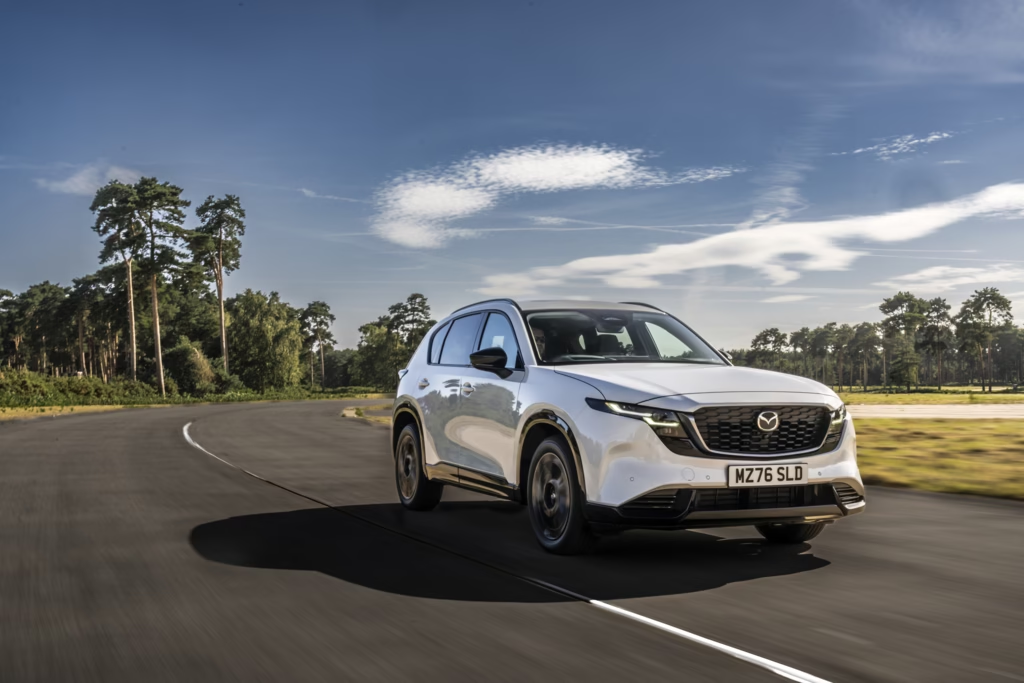
There is cylinder deactivation to help efficiency and the 24V Mazda M Hybrid system adds mild-hybrid assistance, but buyers shouldn’t expect miracles from the fuel economy. The official combined figure for this AWD version is 37.7 to 38.2mpg.
Still drives like a Mazda though
And here’s the thing: once you’re away from the engine noise and the niggles inside the cabin, the CX-5 does something that many family SUVs fail to do.
The steering has a natural, predictable feel and the car responds neatly to inputs. It doesn’t feel cumbersome despite its increased dimensions, while the suspension does a good job of balancing comfort with control.
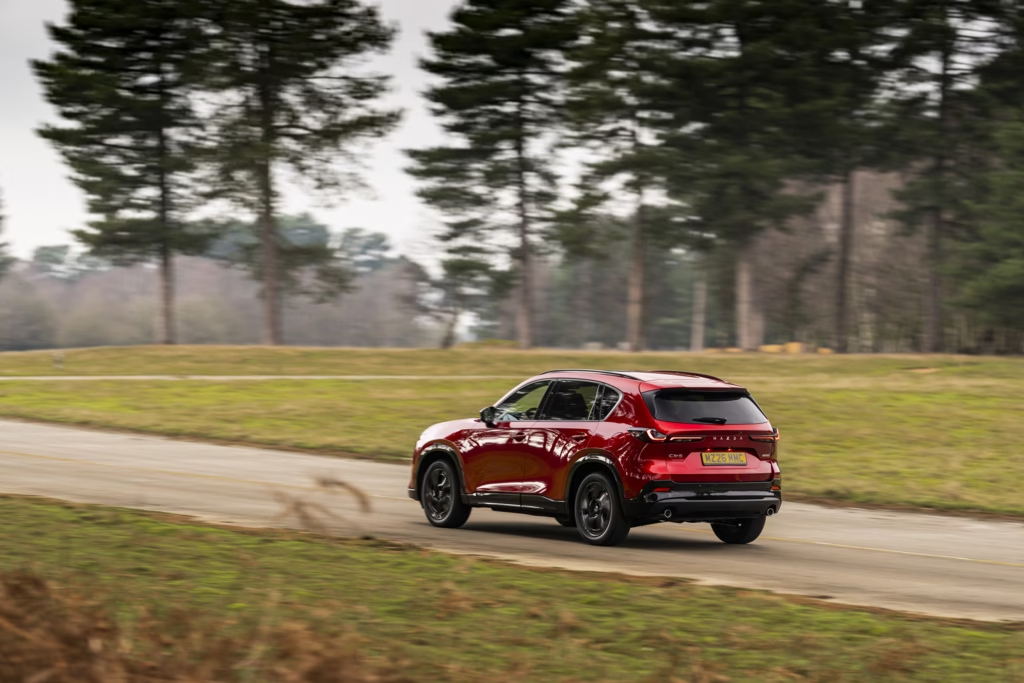
Mazda has revised the chassis and suspension for the new model, and the result is a car that feels composed on the road without becoming excessively soft.
We’ve established it’s not a sporty SUV but there is still enough driver involvement to make a trip down a good road more enjoyable than it perhaps needs to be in a family SUV.
That’s been one of the CX-5’s defining characteristics and, thankfully, Mazda hasn’t sacrificed it in the pursuit of comfort and technology.
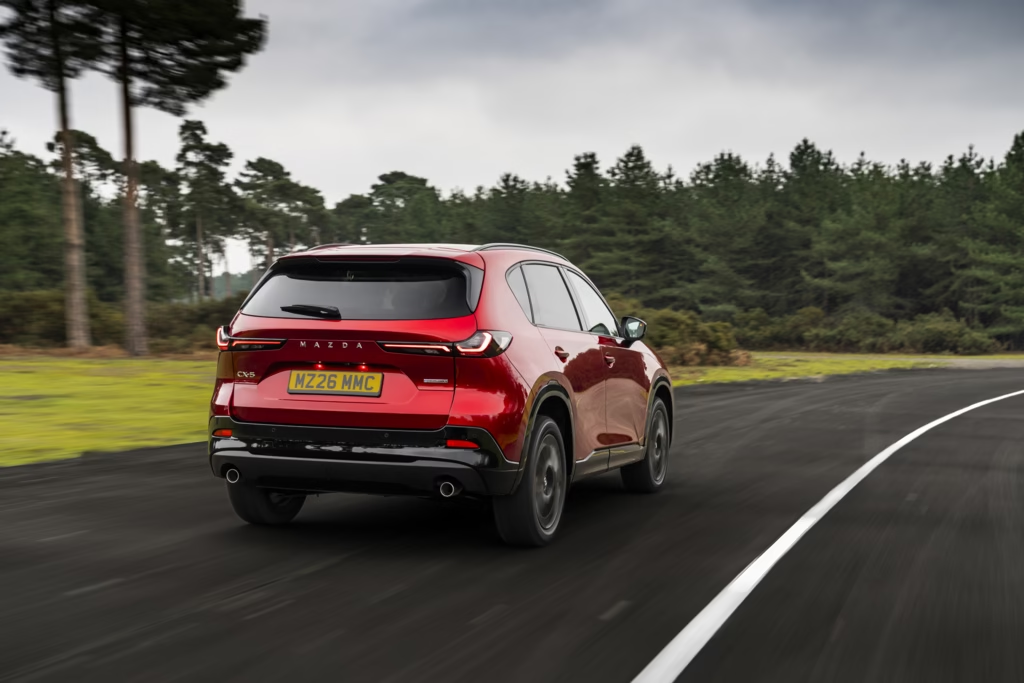
The AWD system also gives the car additional confidence in poor conditions, while an off-road mode and hill-descent control are included on the Homura AWD.
Towing capacity is a useful 2,000kg, so the CX-5 remains a practical proposition for owners with caravans, trailers or other toys.
Model range and kit
The CX-5 range starts at £31,550, with four trim levels: Prime-Line, Centre-Line, Exclusive-Line and Homura.
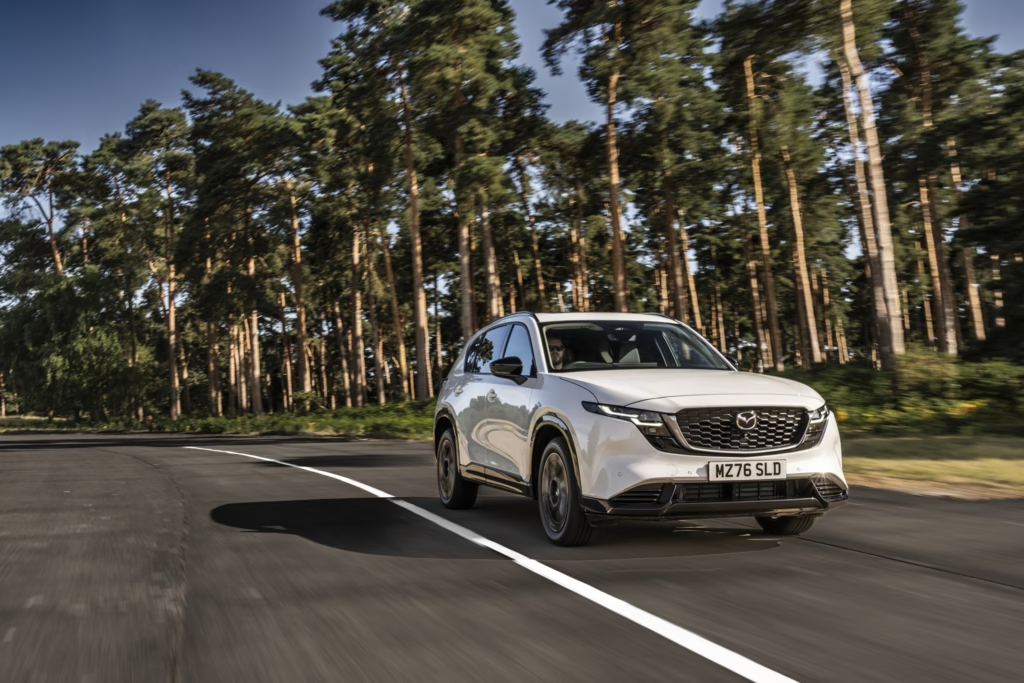
The CX-5 2.5 141ps AWD Homura Auto costs £40,950 before options. Finished in Rhodium White, my test car had an £800 paint option, bringing the on-the-road price to £41,750.
That’s serious money in a very competitive market.
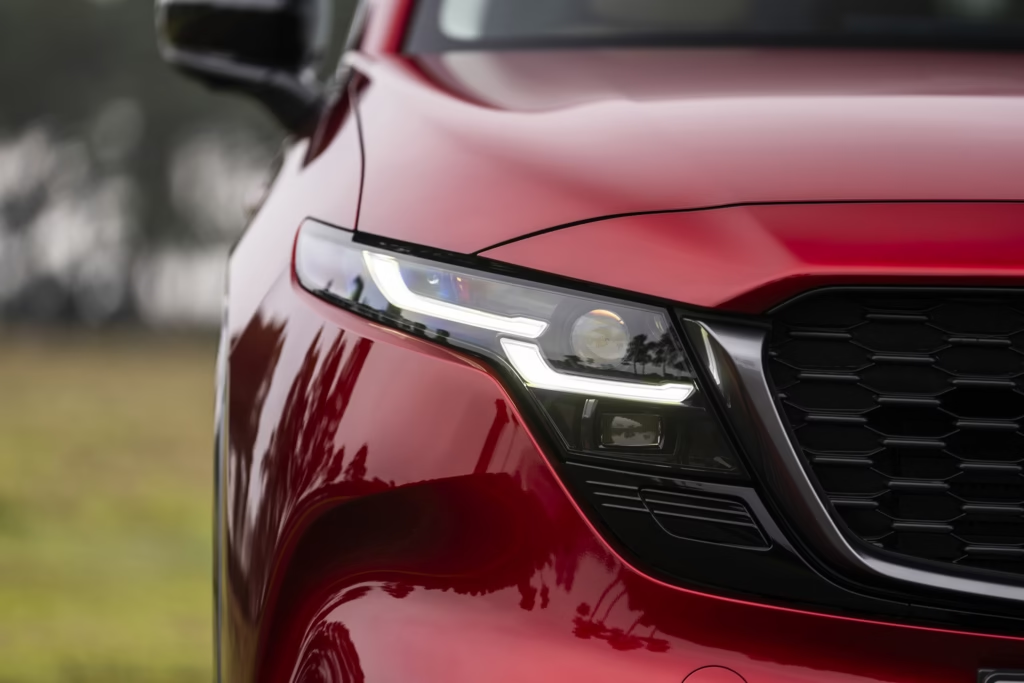
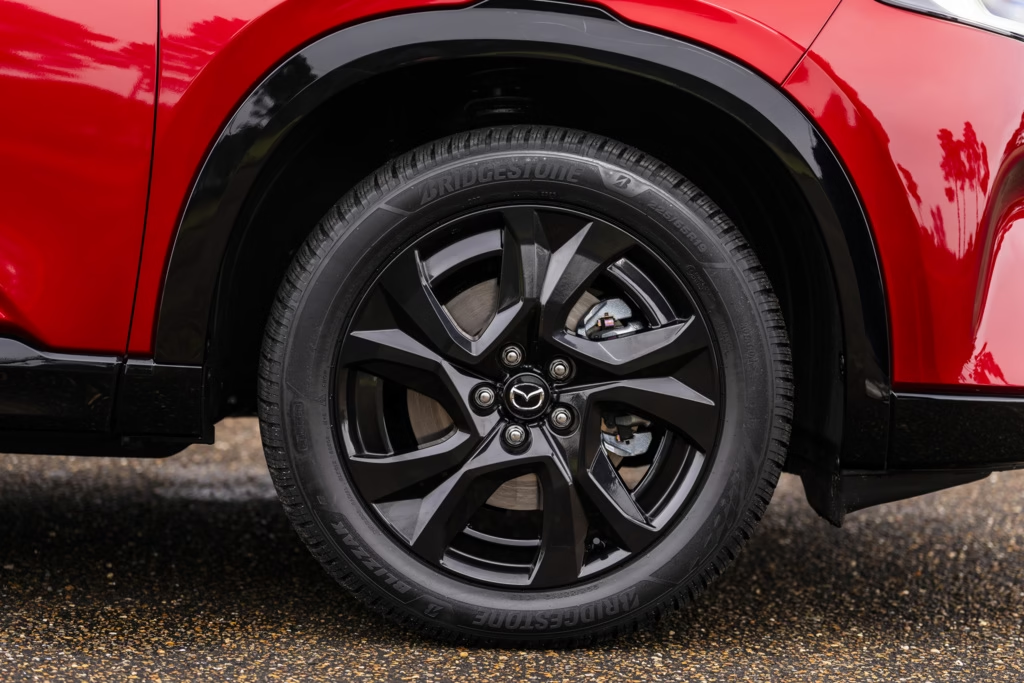
In return, you get an impressive amount of equipment: adaptive LED headlights, 19-inch black alloys, panoramic sunroof, 360-degree camera, Bose audio, heated and ventilated front seats, heated rear seats, head-up display, wireless smartphone connectivity and that enormous 15.6-inch infotainment screen.
The six-year/100,000-mile warranty is also reassuring, while servicing is scheduled every 12,500 miles or 12 months, whichever comes first.
There’s little doubt you’re getting a lot of car for the money, but £41,750 puts the CX-5 into territory where buyers will scrutinise the details, and that’s where some of my reservations become more significant.
Verdict
The new Mazda CX-5 is a good SUV. Actually, it’s a very good SUV.
It’s handsome, comfortable, practical and well equipped. It has plenty of space both up front and in the rear, a useful boot, a five-star Euro NCAP safety rating and the ability to tow up to two tonnes. Most importantly, it retains that distinctly Mazda driving character that has always separated the CX-5 from some of its more anonymous rivals.
But I’m left wondering whether Mazda has over-complicated something that didn’t really need fixing.
The removal of the excellent rotary media controller is a particular shame. The move towards touchscreen climate controls feels like Mazda following the industry rather than leading it, and the large automatic gear selector looks increasingly old-fashioned.
Then there’s the engine.
The 2.5-litre unit provides adequate performance and the mild-hybrid technology is welcome, but the noise when it’s pushed doesn’t fit particularly well with the new car’s otherwise refined character.
None of these things make the CX-5 a bad car. They just make the third-generation model feel like a slightly frustrating opportunity because underneath it all is a car that still has the qualities that made the original CX-5 so appealing. It looks good, drives well and is refreshingly different from many of its rivals.
The technology is easy enough to get to grips with, and thankfully the bings and bongs can be silenced easily. Once you’ve settled into the car, the CX-5’s strengths begin to shine through.
But I couldn’t shake the feeling that Mazda has removed a few of the clever, driver-focused touches that made its previous car stand apart.
And for Mazda – a company that has traditionally been rather good at doing things its own way – that’s perhaps the most surprising thing of all.


At a glance
Car tested: Mazda CX-5 2.5 141ps AWD Homura Auto
Price as tested: £41,750
Engine: 2.5-litre four-cylinder e-Skyactiv G petrol
Power: 141ps
Torque: 238Nm
Transmission: Six-speed automatic
Drive: AWD
0-62mph: 10.9 seconds
Top speed: 115mph
Official combined economy: 37.7 to 38.2mpg
CO₂: 169g/km
Boot: 583 to 2,019 litres
Towing capacity: 2,000kg
Warranty: Six years/100,000 miles