THERE are so many Chinese SUVs arriving in the UK these days that it’s tempting to assume they all follow the same formula: generous equipment, impressive technology, a competitive price and styling designed to stand out from the crowd.
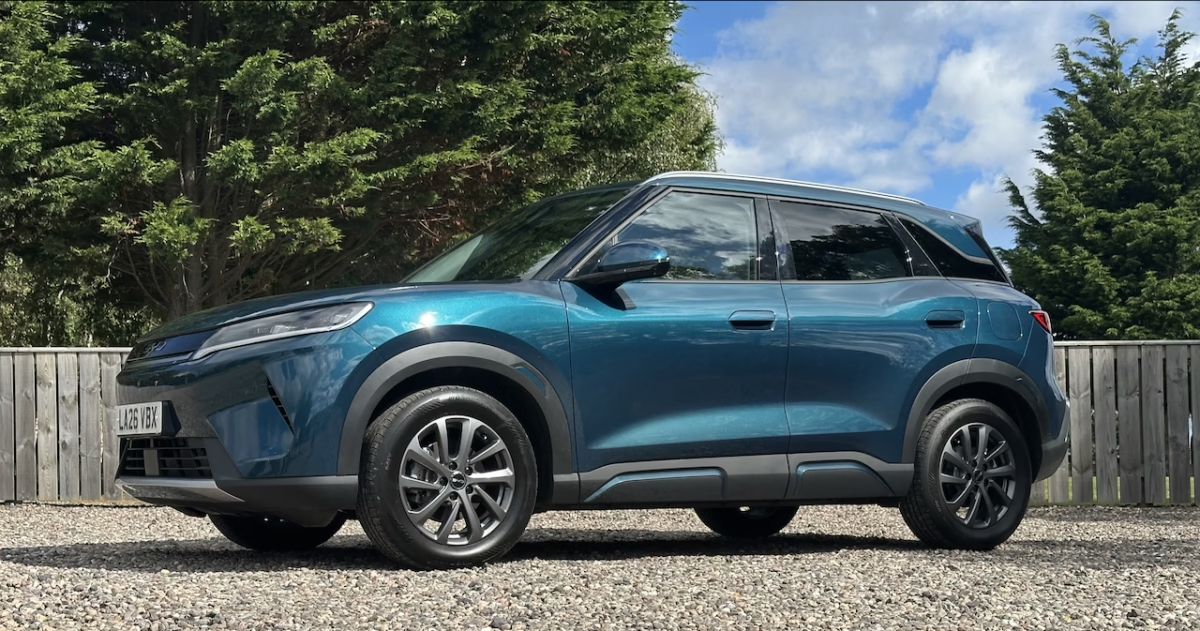
The BYD Atto 2 DM-i is a bit different. For a start, it isn’t particularly attention-seeking. The styling is conservative, the proportions are familiar and there’s nothing especially outrageous about its appearance. And it’s actually rather likeable.

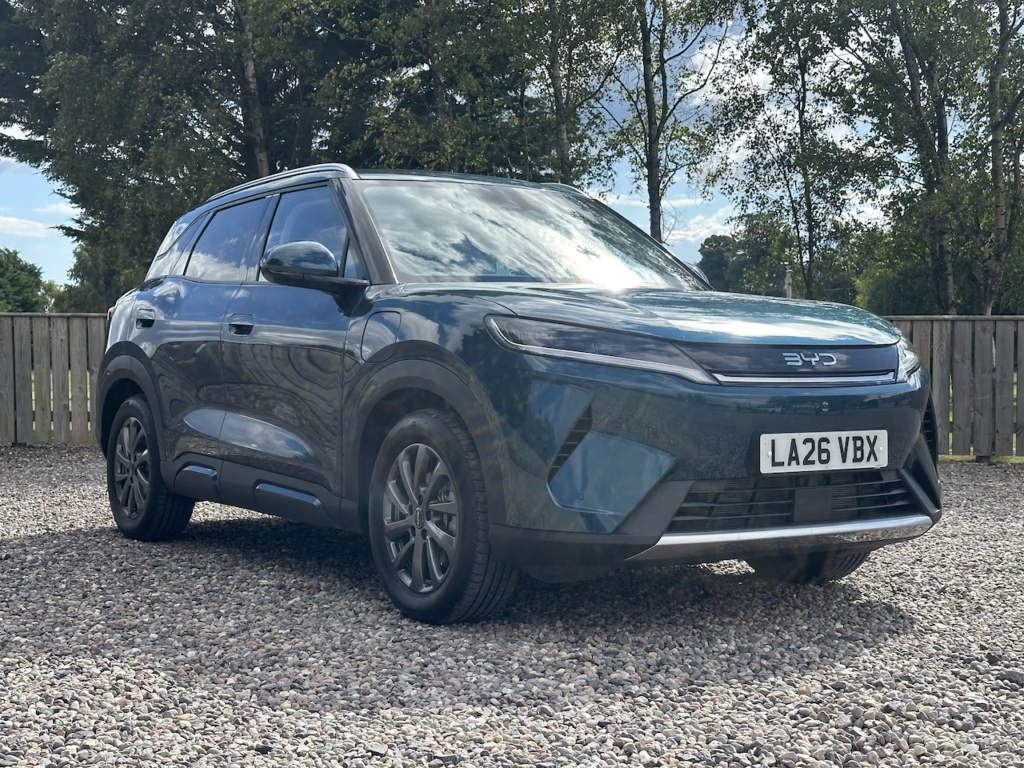
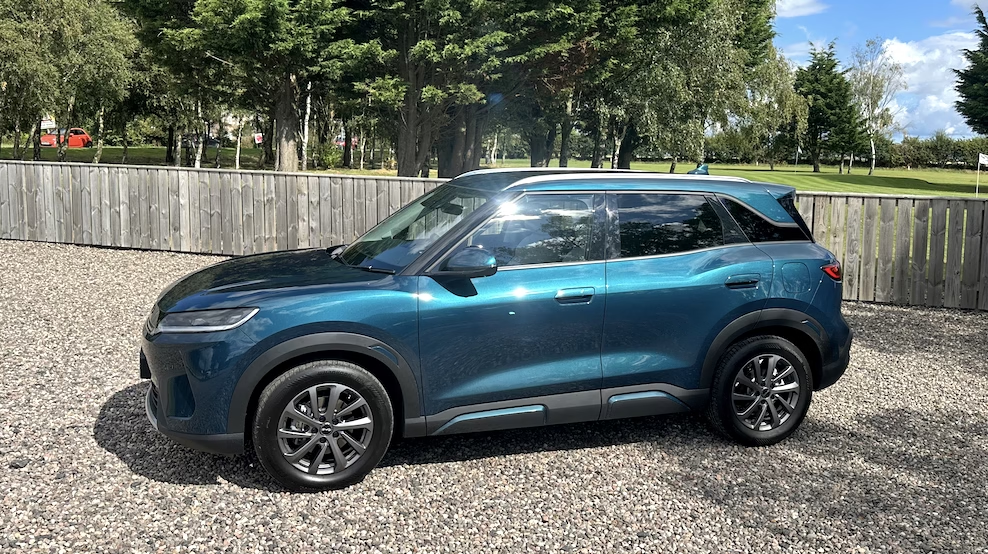
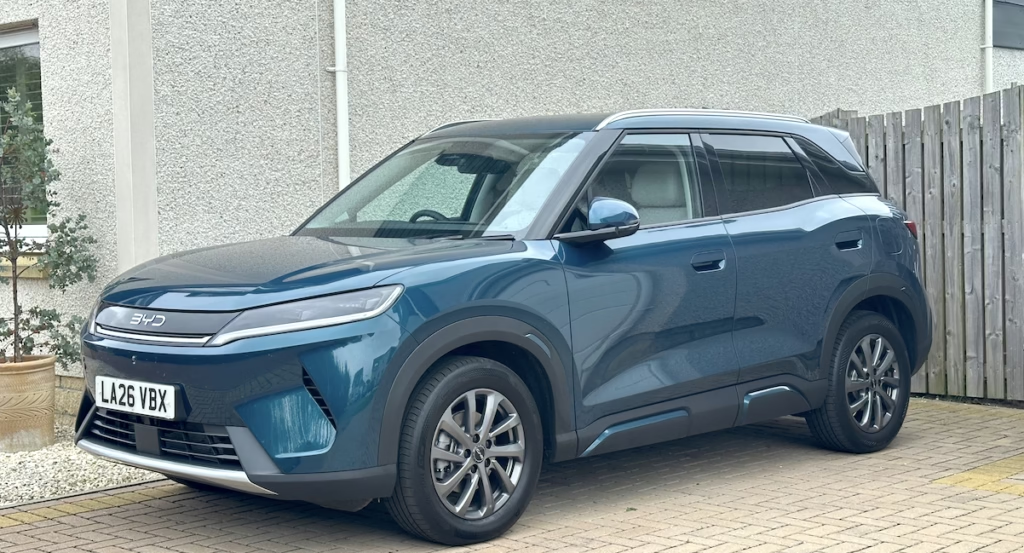
My test car was the range-topping Boost model, finished in Midnight Blue, with an on-the-road price starting from £29,995. For that money, you’re getting a plug-in hybrid SUV with a good-quality interior, plenty of passenger space, generous equipment and a hybrid system that works remarkably unobtrusively.
It’s also more composed than I was expecting. I’ve driven several Chinese SUVs recently that have impressed enormously on paper, only for their suspension and damping to feel less convincing when faced with the undulating, twisty roads that make up so much of the UK driving experience.
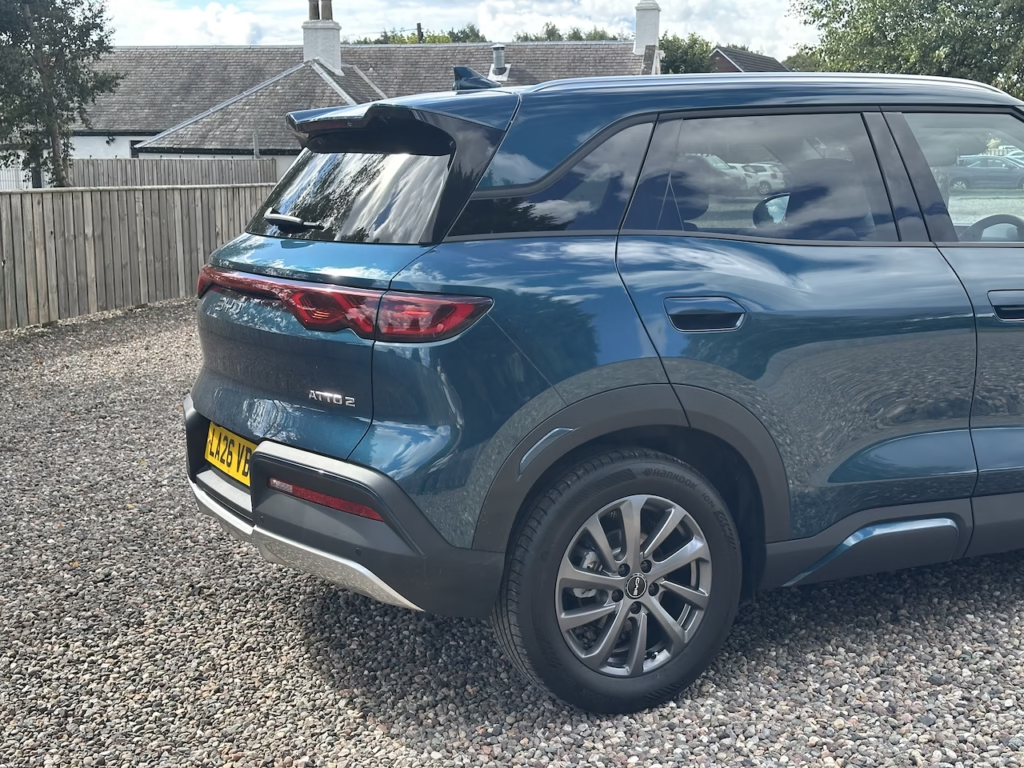
The Atto 2 DM-i isn’t a sports SUV, but it feels considerably more settled – Perhaps the fact that it’s a plug-in hybrid, with a petrol engine up front alongside the electric powertrain, has something to do with that.
Overview
The Atto 2 DM-i brings BYD’s DM-i plug-in hybrid technology into the company’s compact SUV range.
It’s a particularly interesting proposition in the current market because it offers an alternative to both conventional petrol power and the increasingly popular fully electric SUV.

For buyers who can charge at home, the ability to use electric power for shorter journeys makes plenty of sense. For longer trips, there’s the reassurance of a petrol engine without having to plan every journey around charging infrastructure.
The UK range comprises Active and Boost versions, with the Boost having a range of up to 621 miles of combined range, compared to the Active’s 577 miles. It also gets faster on-board charging at 6.6kw (AC) instead of 3.3kw.

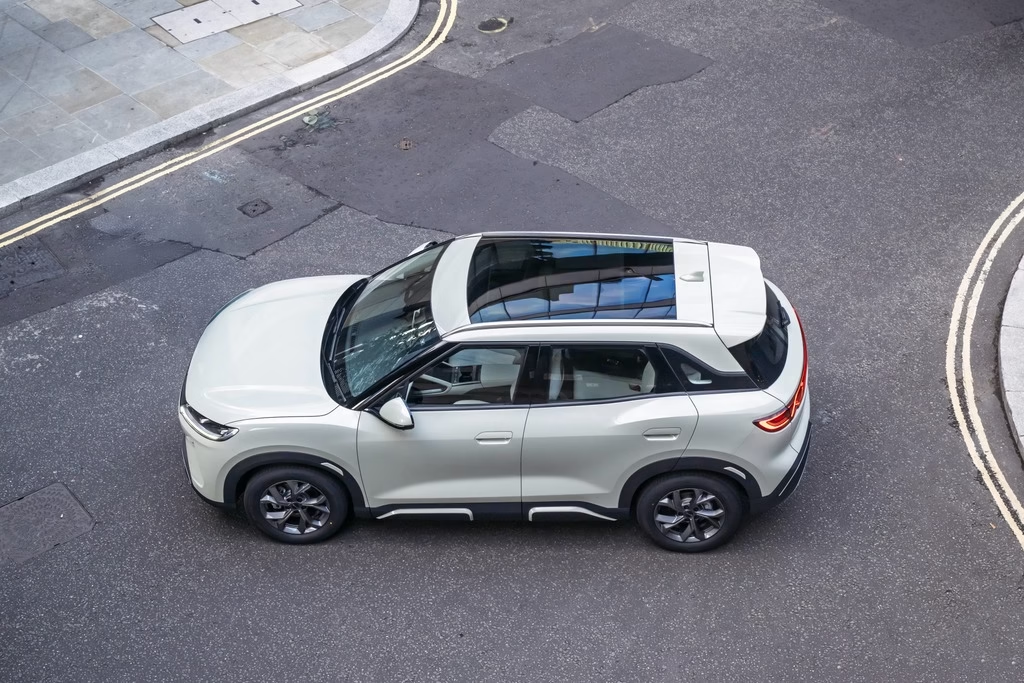
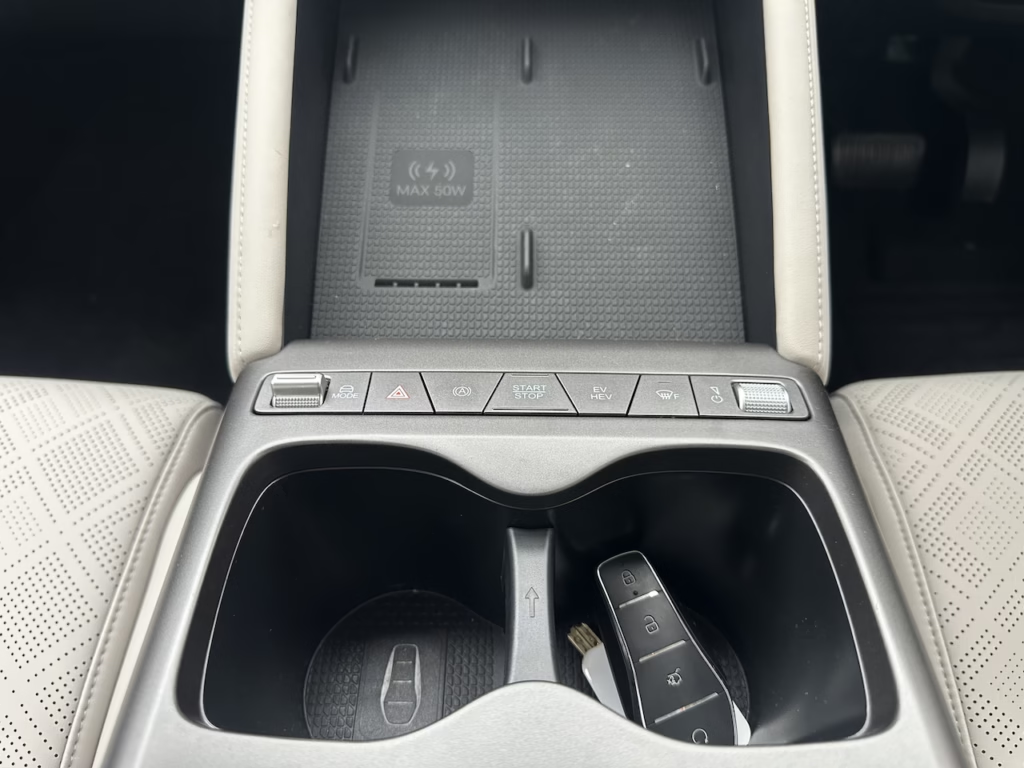
The Boost also comes with features including a panoramic roof, vegan leather upholstery, heated front seats, a heated steering wheel, electrically adjustable driver’s seat, wireless smartphone charging, a 360-degree camera and a comprehensive collection of driver assistance systems.

Design
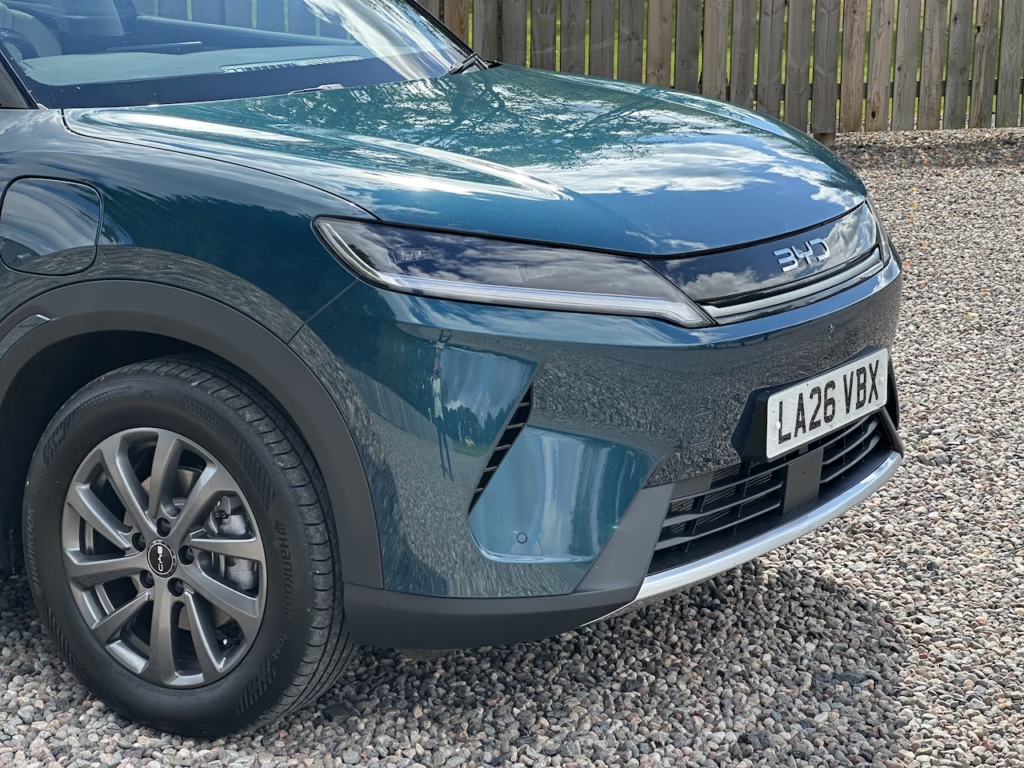
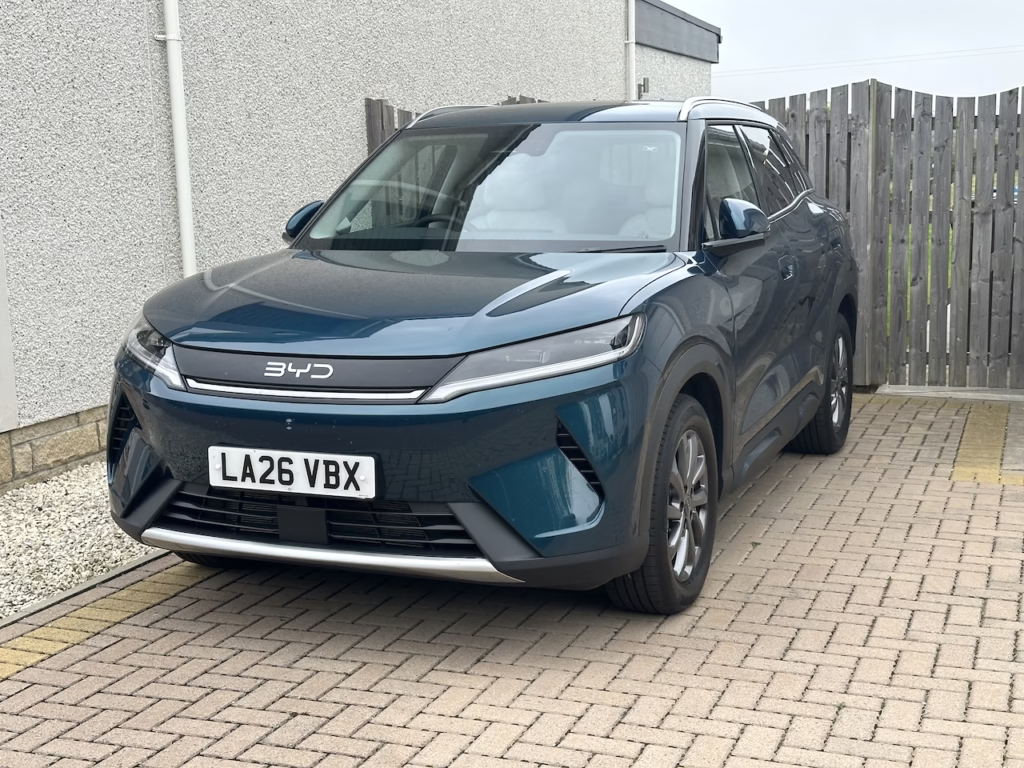
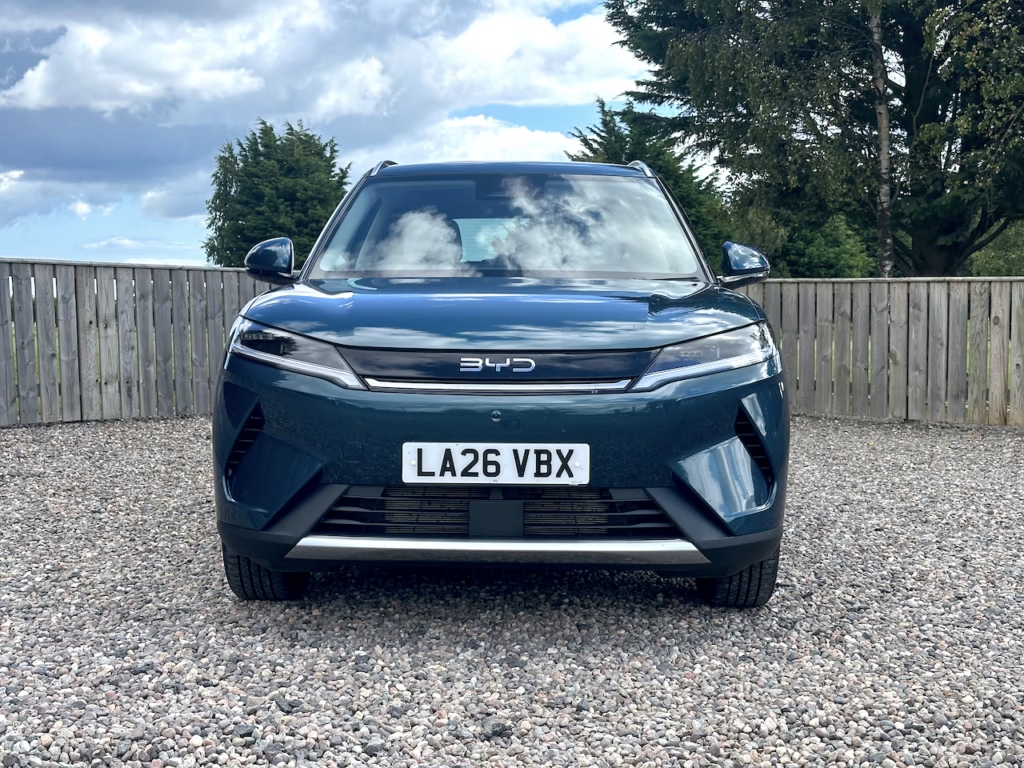
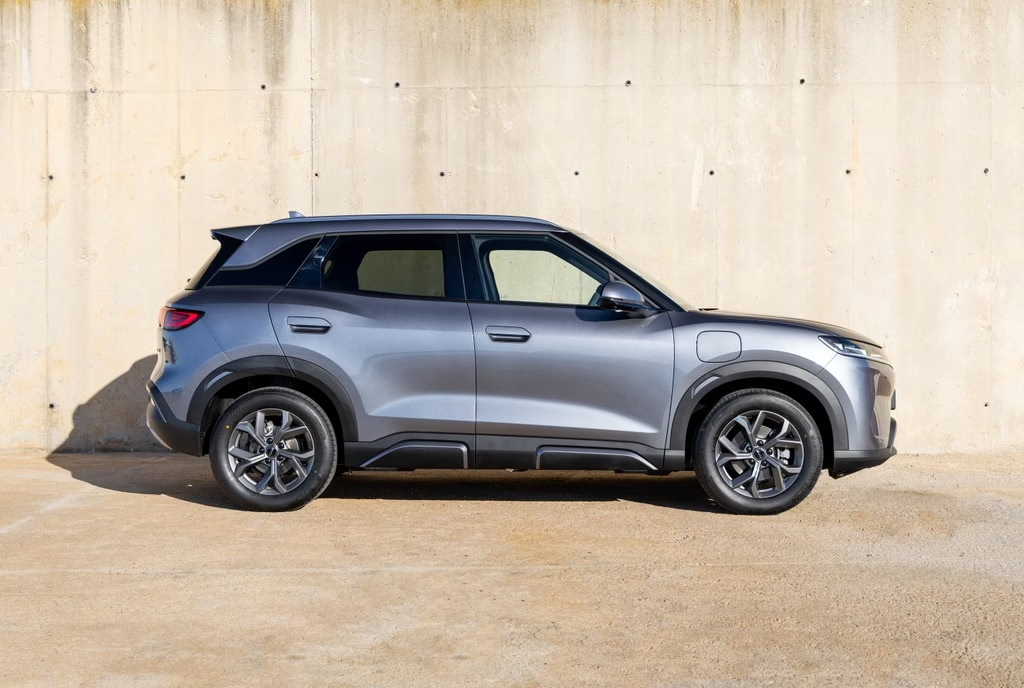
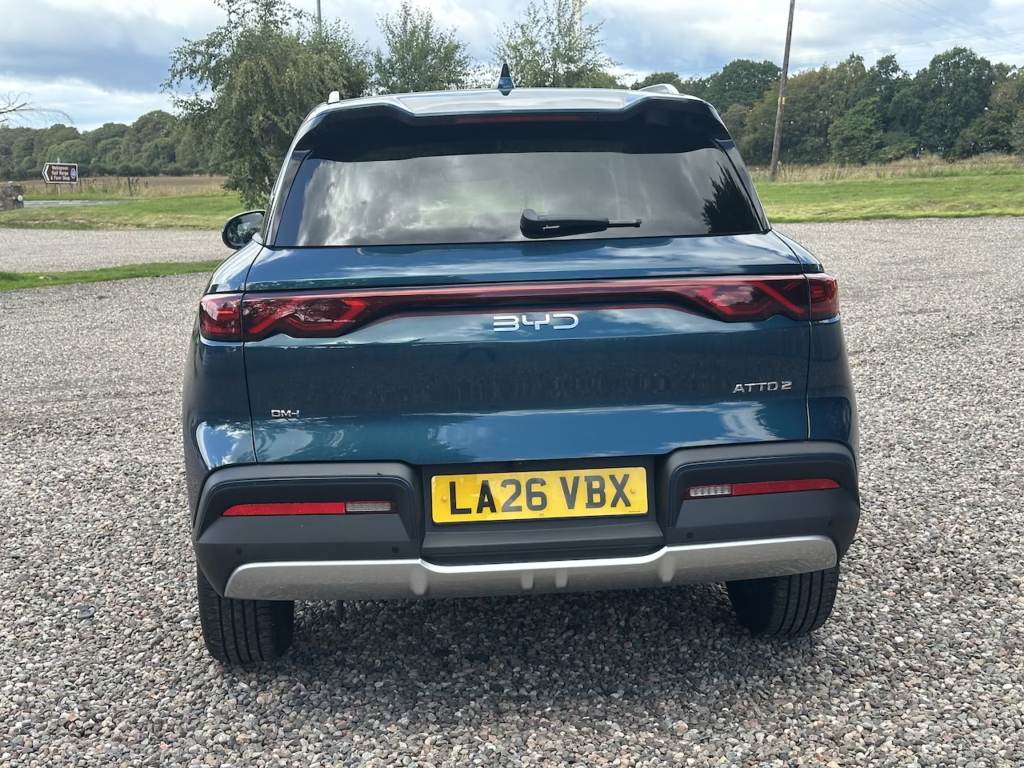
The design of the Atto 2 DM-i is clean and relatively conservative, with the familiar proportions of a compact family SUV and enough distinctive detailing to give it some identity.
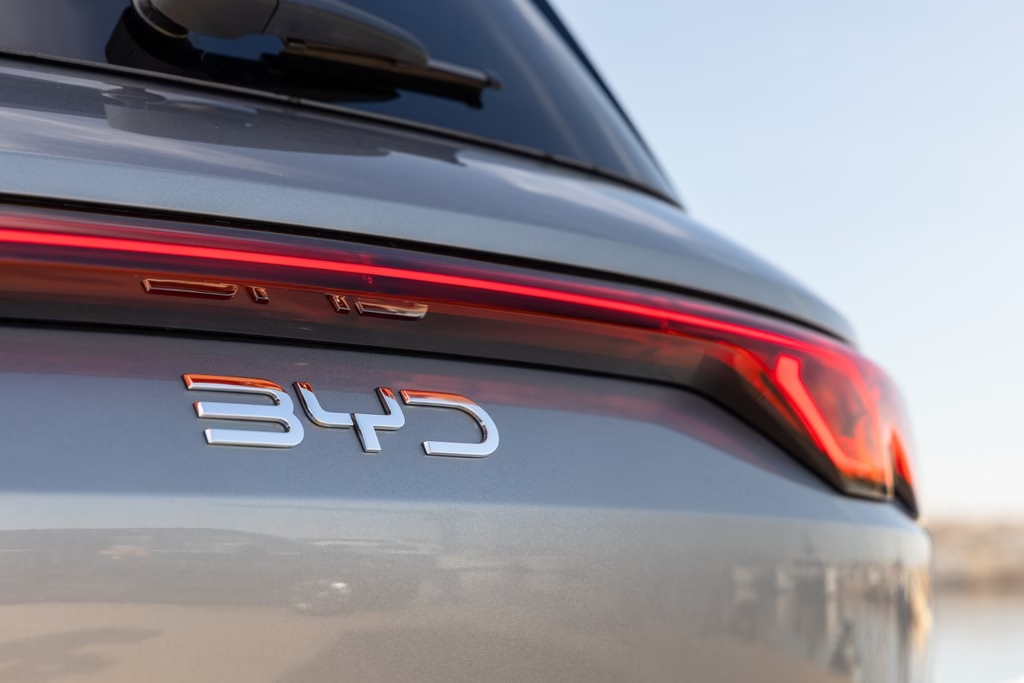
The front end is neat rather than aggressive, while the rear gets BYD’s continuous ‘Möbius strip’ tail-light design, which gives the car a recognisable signature without becoming too theatrical.

There’s also a sensible amount of black detailing around the lower body and roof rails, helping emphasise its SUV character.
There are no fake vents, exaggerated aerodynamic flourishes or unnecessarily complicated body creases, which might not sound particularly exciting, but after seeing some of the increasingly adventurous designs coming from Chinese manufacturers, there’s something reassuring about a car that doesn’t feel desperate to prove how different it is.

Interior
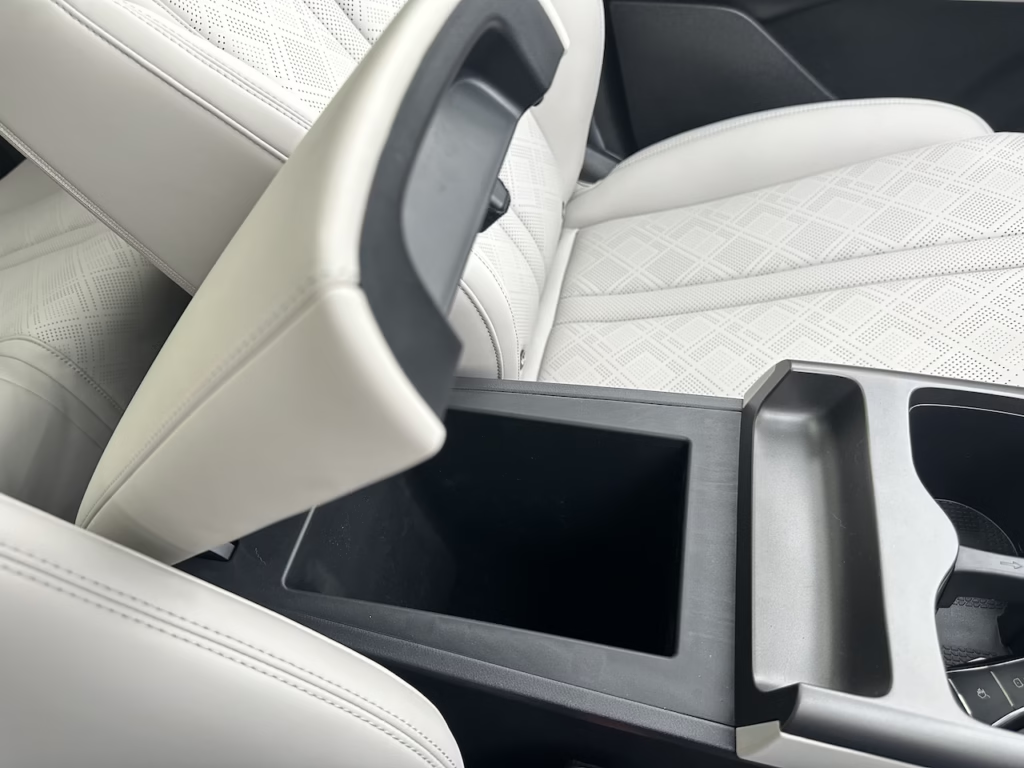
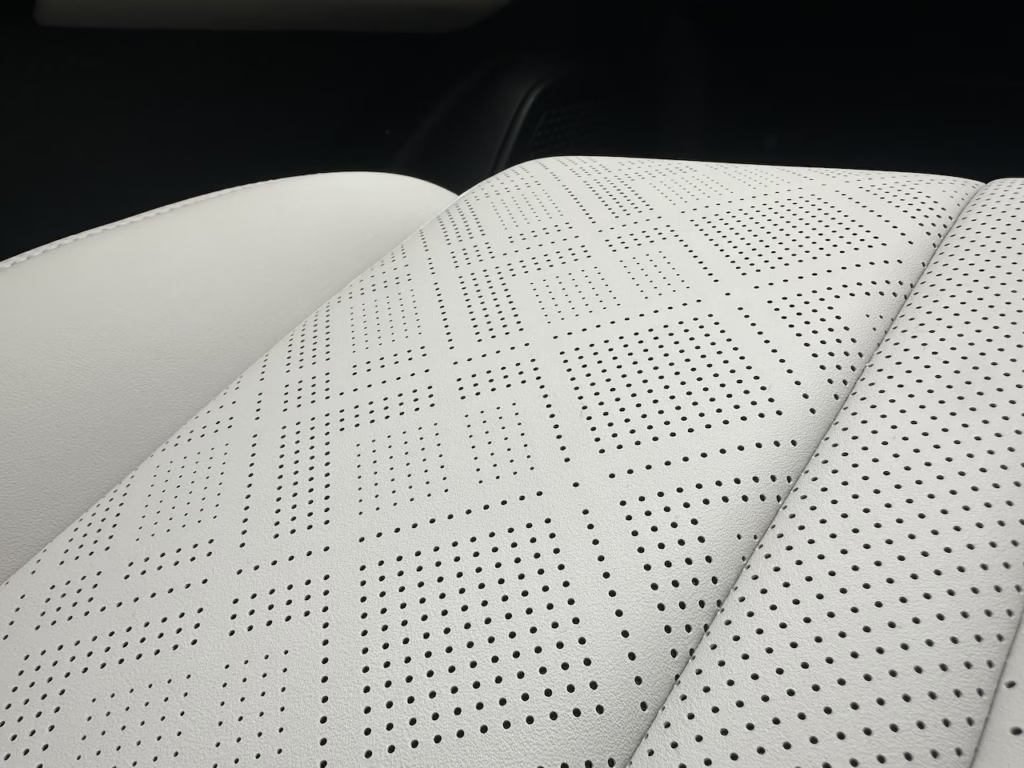
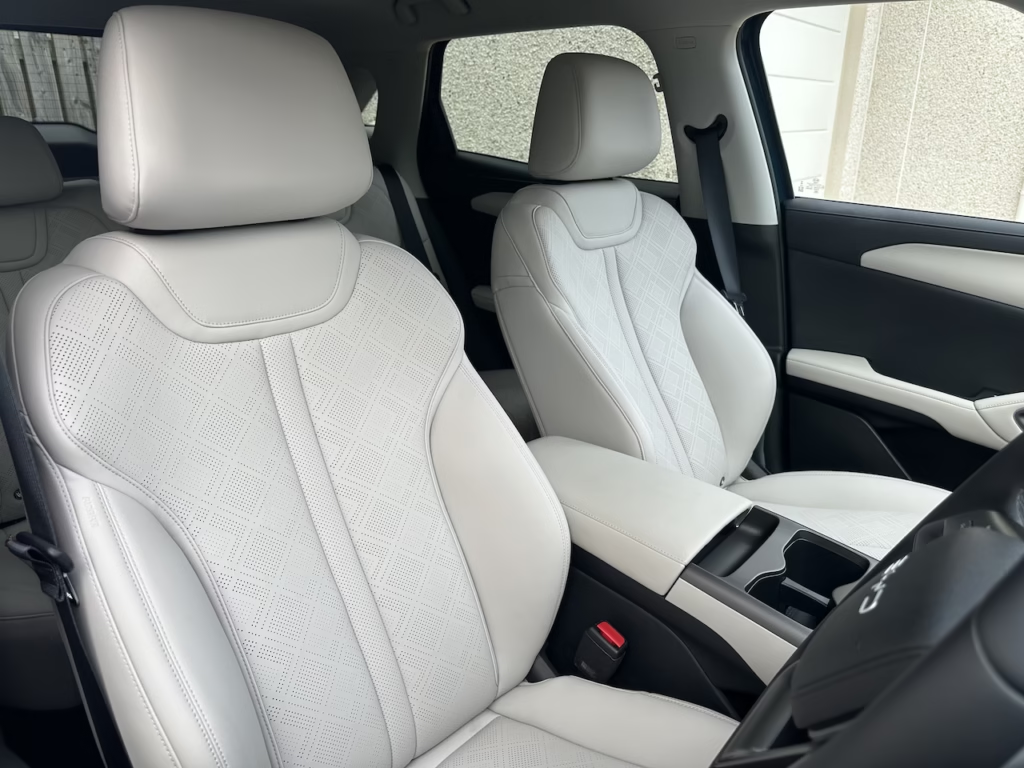
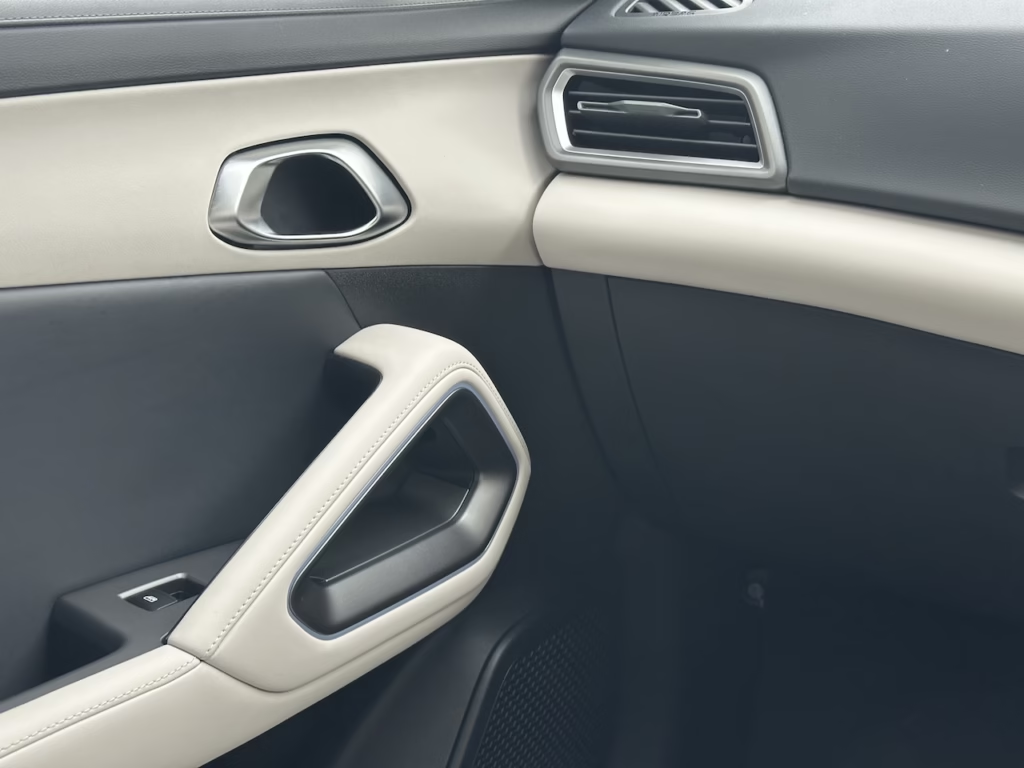
Open the door and the first thing you’ll notice is the amount of light inside the cabin. That’s partly down to the cream-coloured vegan leather interior fitted to my test car. And there’s a particularly important detail here: it’s a no-cost option.

If it were my money, that’s the interior I’d choose – unless you’re particularly paranoid about blue-jean dye transfer. The cream upholstery does a fantastic job of lifting the ambience of the cabin and making the interior feel considerably more expensive than the £29,995 starting price would suggest.
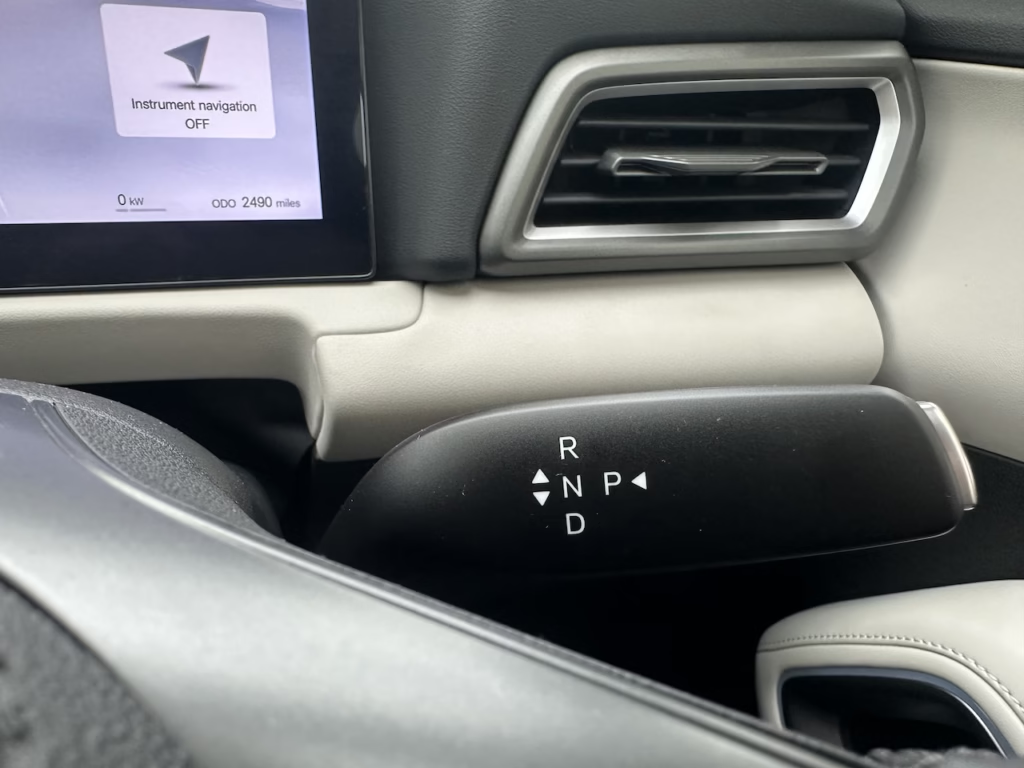
The dashboard itself is surprisingly premium too.
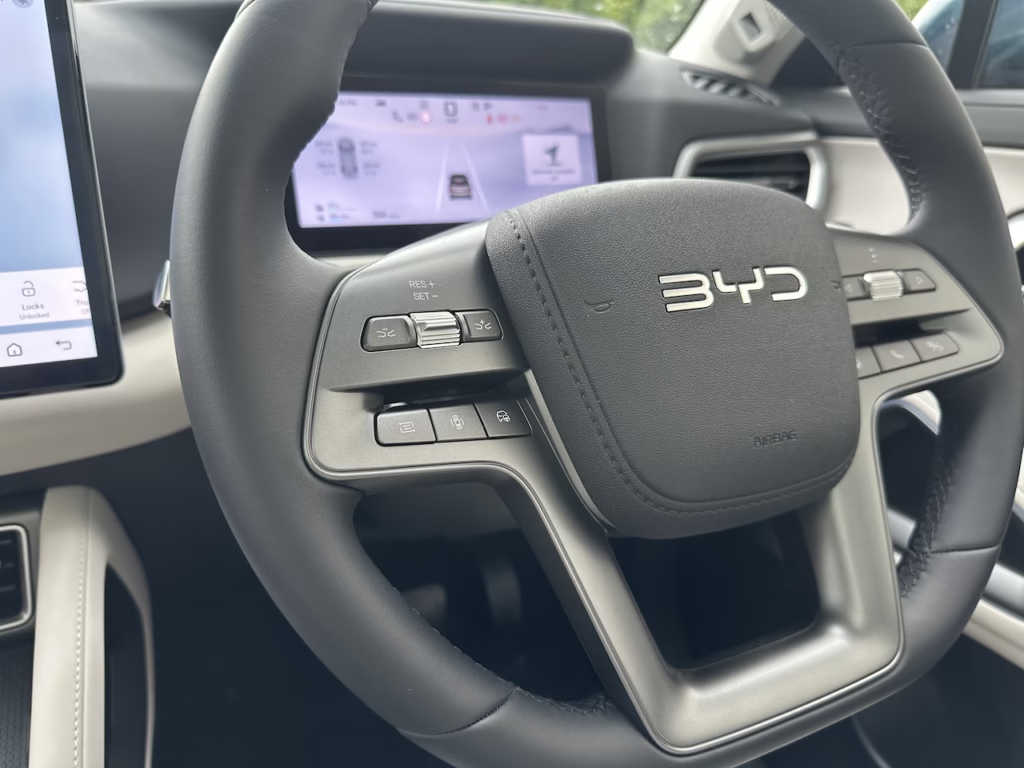
There are soft-touch surfaces running along the dashboard and across the tops of the doors, and even the multifunction steering wheel feels good in your hands.
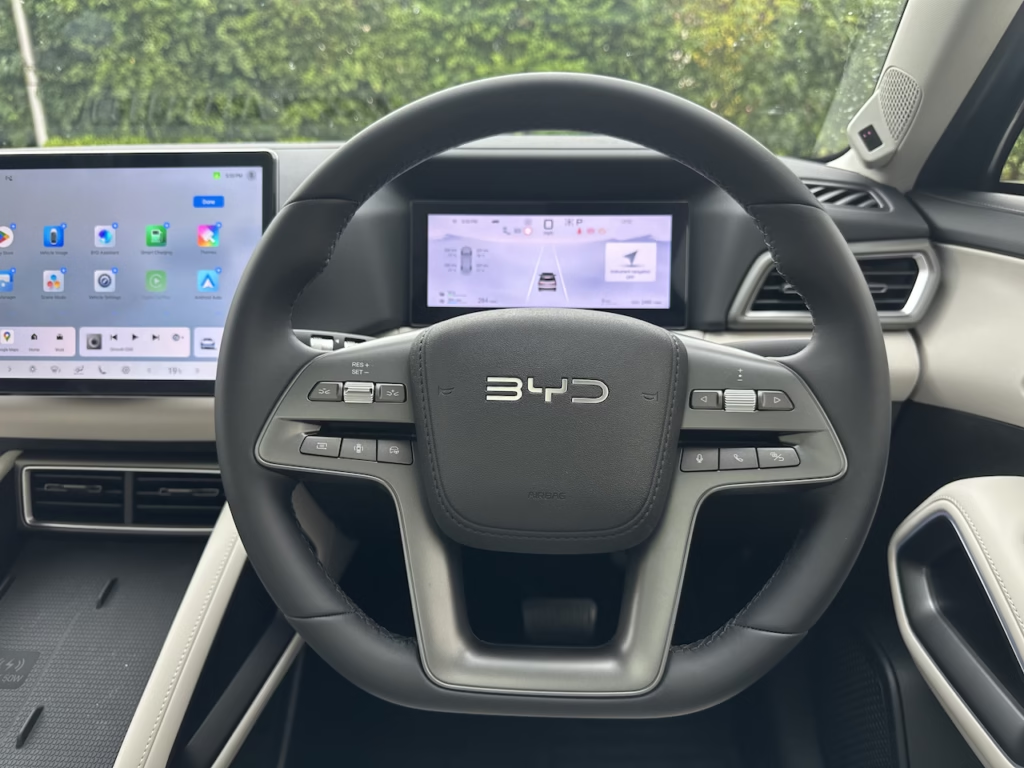
There are some harder plastics lower down, naturally, but that’s hardly unusual at this price point. Besides, everything feels well screwed together and nothing feels flimsy.
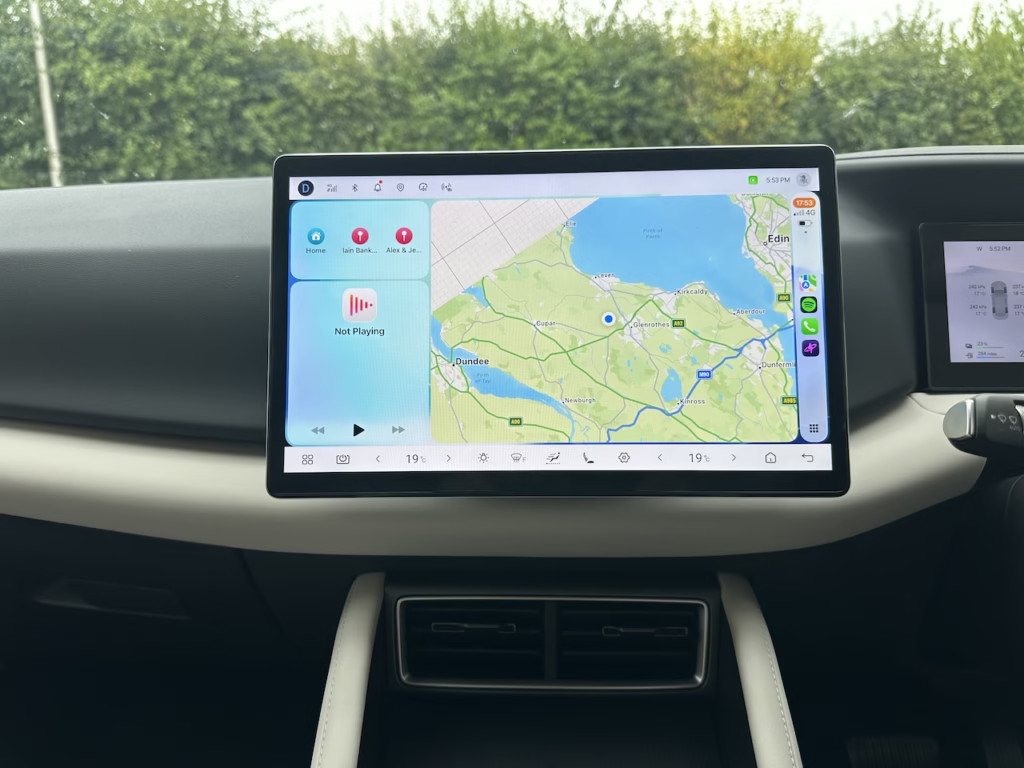
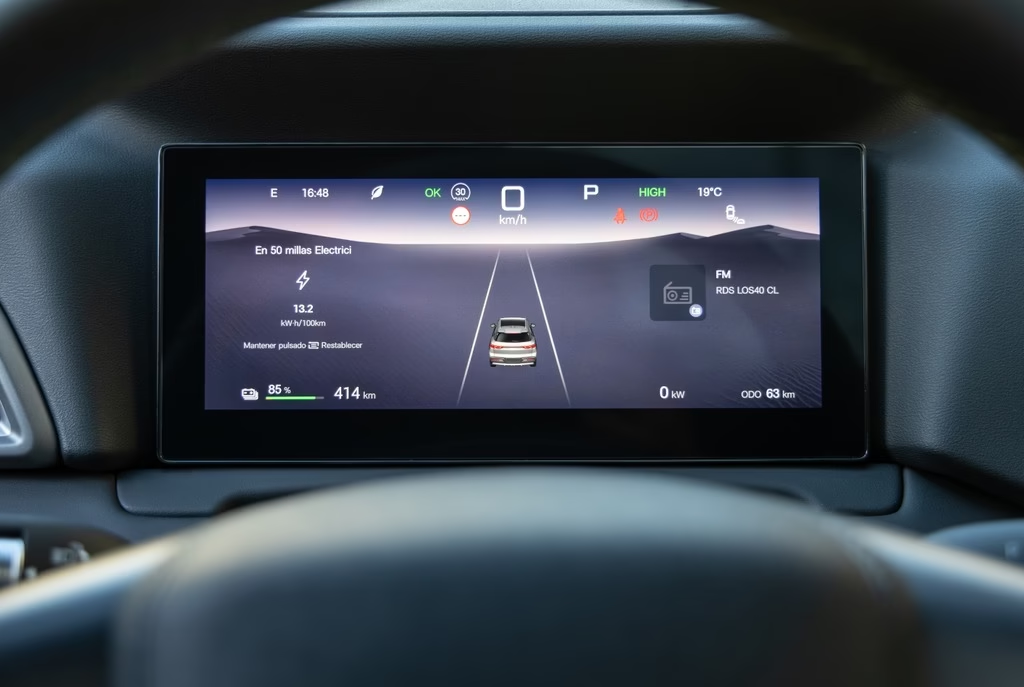
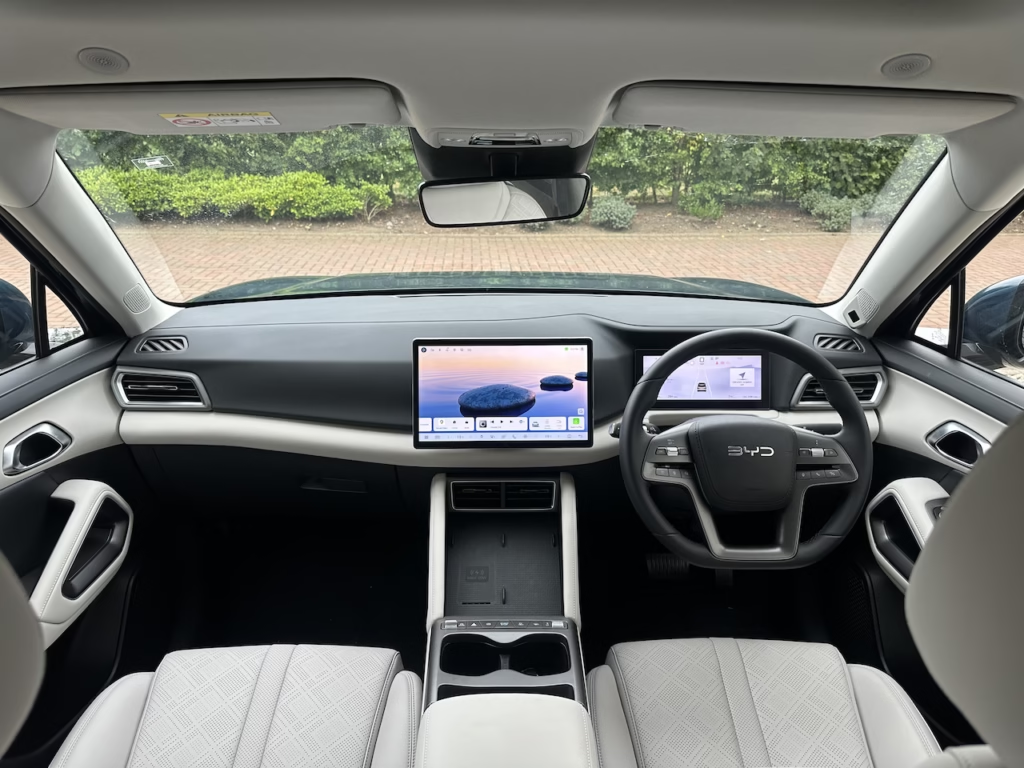
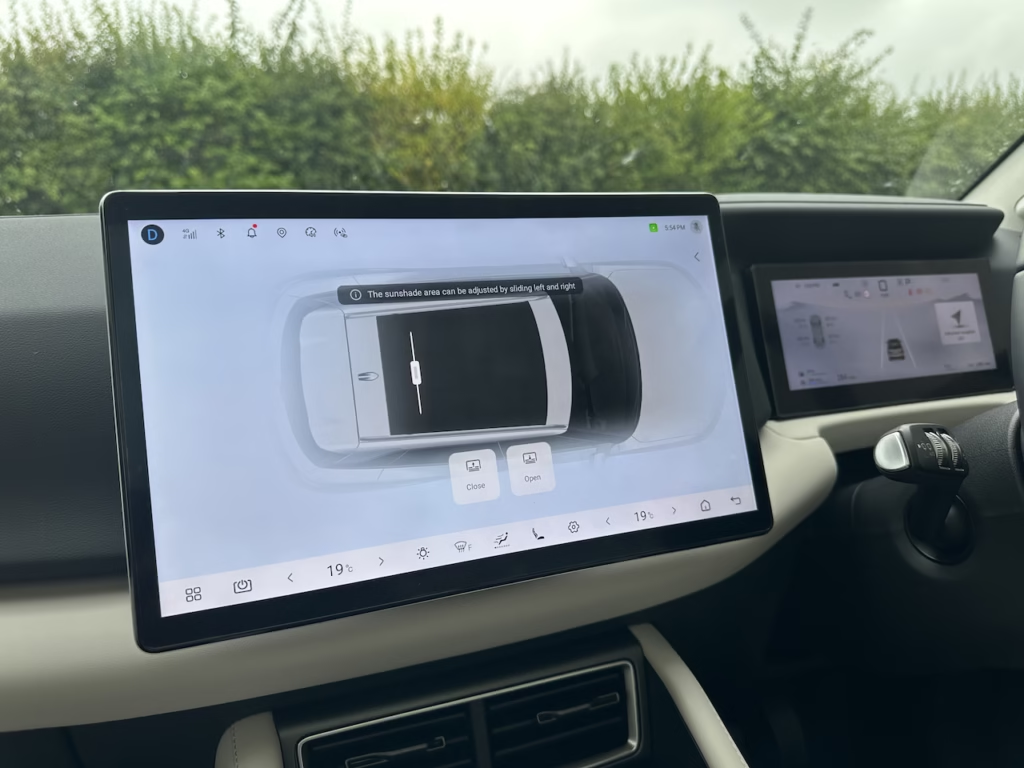
You also get a digital instrument display and large central infotainment touchscreen, with Google built-in, integrated Google Maps, an AI voice assistant and onboard 4G connectivity, while Apple CarPlay and Android Auto are also provided.
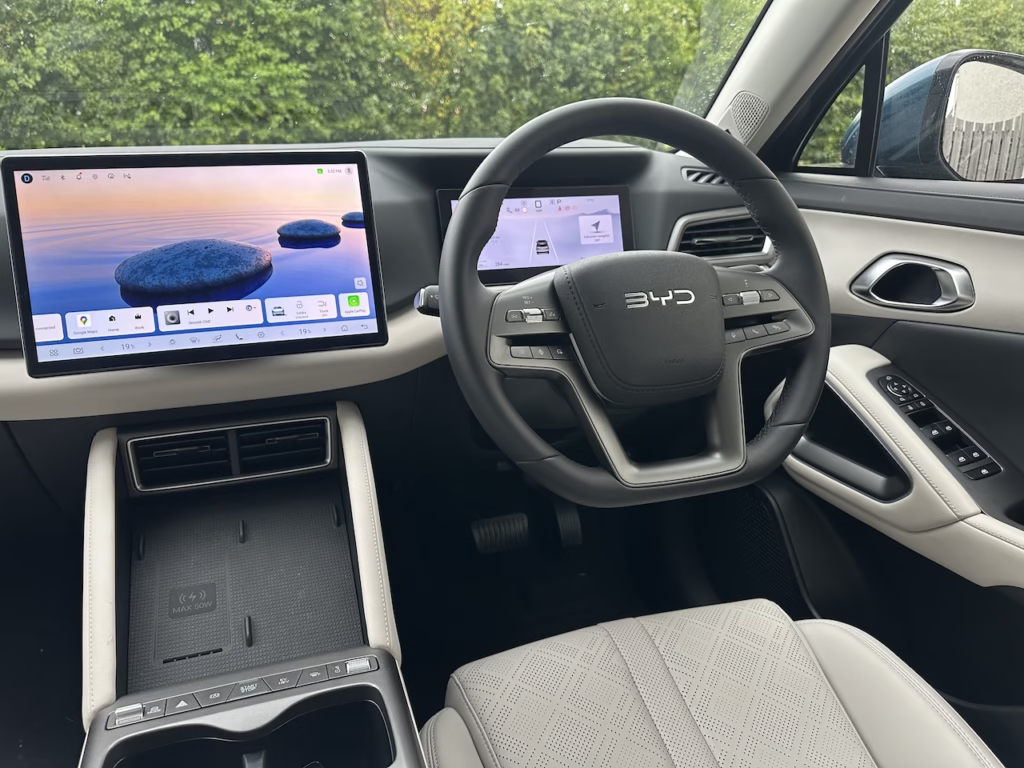
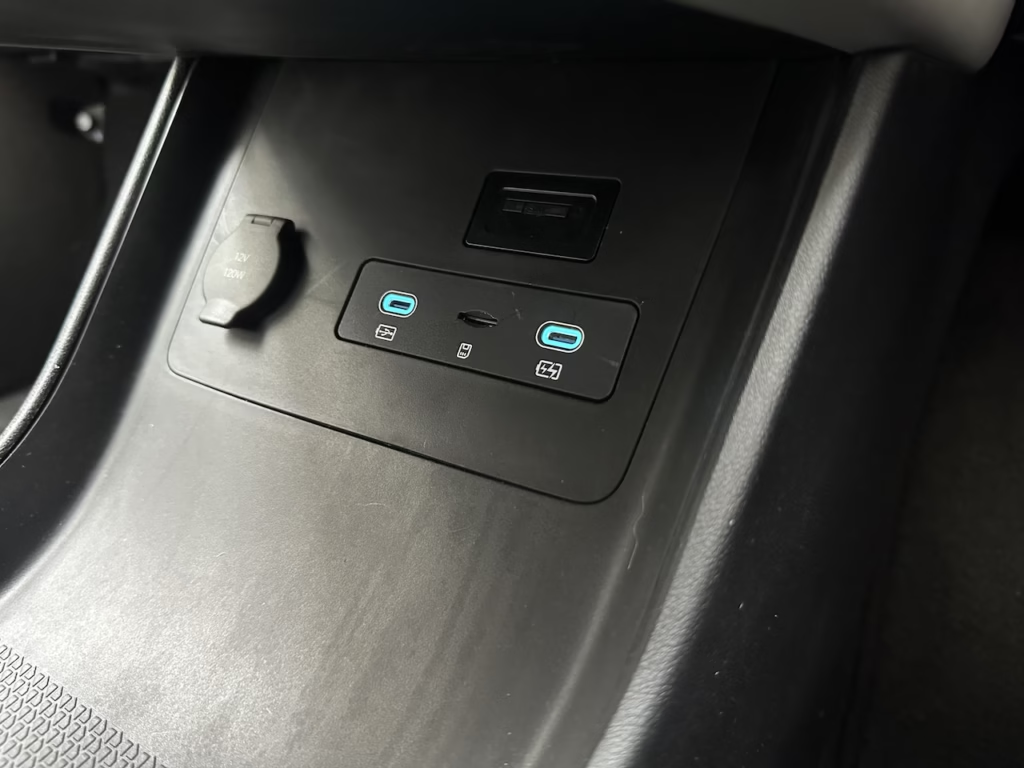
The Boost also gets wireless smartphone charging and rear USB-C connections, making it well suited to family use.

There’s one particularly welcome piece of usability that deserves mentioning as modern cars seem increasingly determined to bombard drivers with warning sounds.
Various bings and bongs that may be designed with the best intentions can become remarkably irritating during normal driving, but in the Atto 2 DM-i, disabling some of these functions is relatively straightforward.
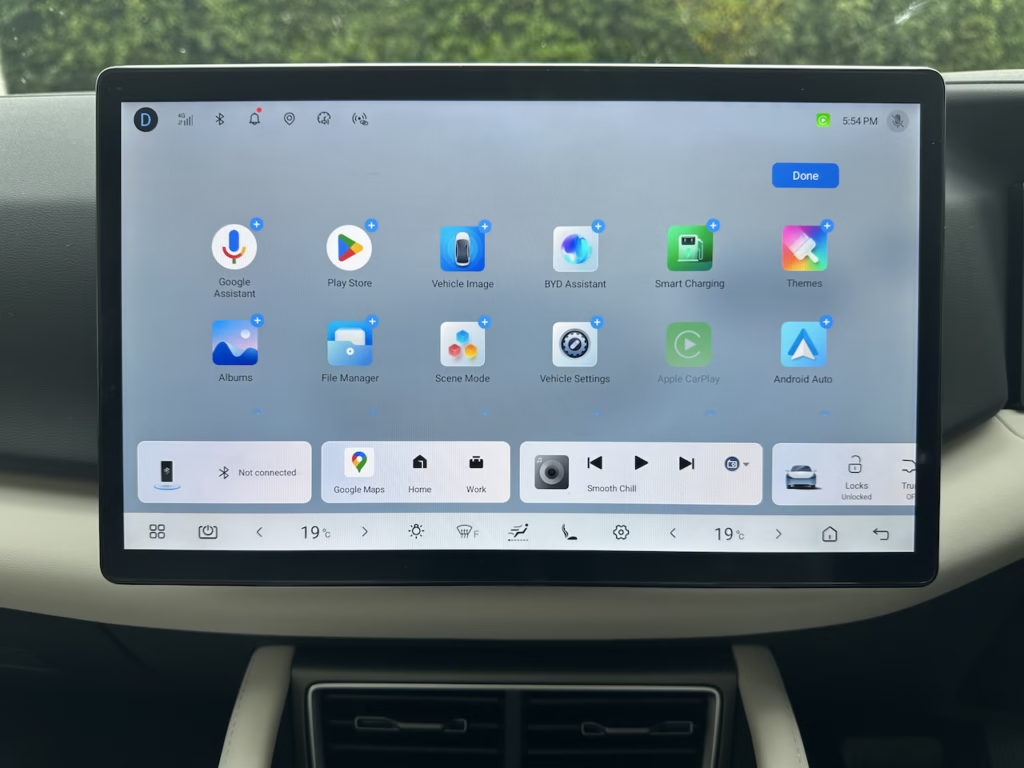
A swipe down from the top of the infotainment screen brings up a set of configurable shortcuts, allowing the relevant functions to be switched off with a tap.
The Driver Monitoring System, in particular, can be extremely persistent if you happen to glance away from straight ahead for more than a moment. Being able to access the relevant settings without navigating through a series of menus makes a significant difference to the day-to-day experience.

Rear Passenger Space and Practicality
The Atto 2 DM-i is also more spacious inside than its relatively compact exterior suggests. Up front, there’s plenty of room, while rear passengers get a decent amount of legroom and headroom.
Even someone around six feet tall should have sufficient headroom in the back, despite the panoramic sunroof fitted as standard to the Boost.

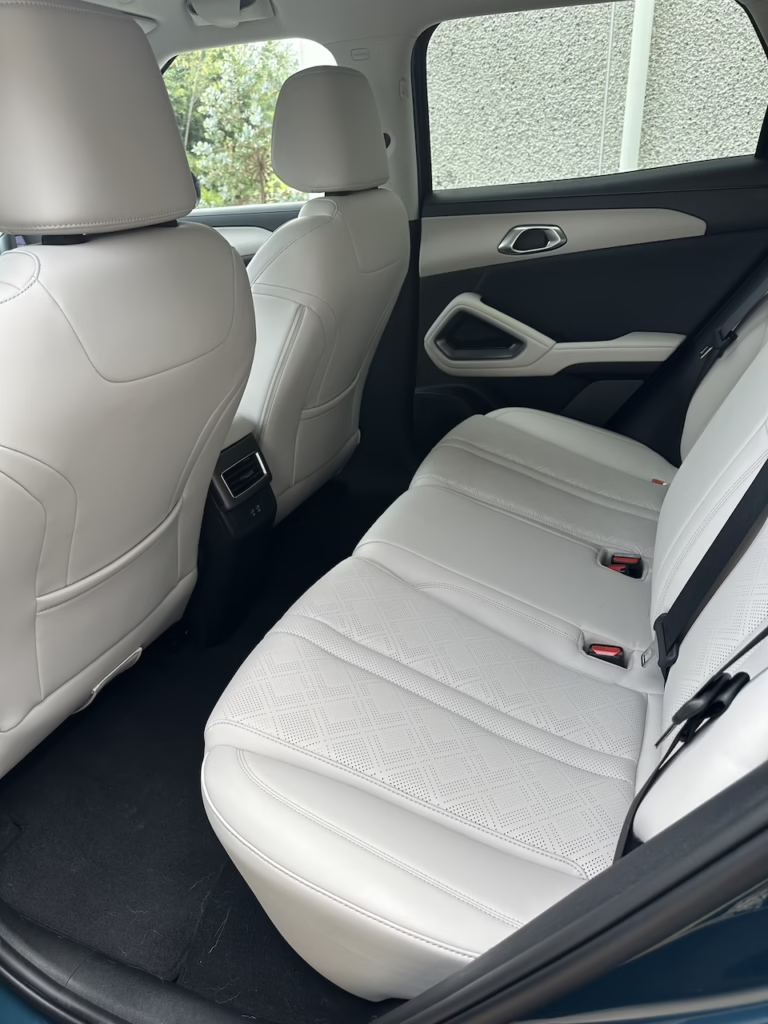
The flat rear floor is particularly welcome. The centre passenger doesn’t have to straddle a transmission tunnel, making the middle seat considerably more useful than it might otherwise be.
However, despite having two USB charging ports for rear passengers, there are no cup holders or centre armrest in the back which I find rather odd in an otherwise thoughtfully equipped family SUV.
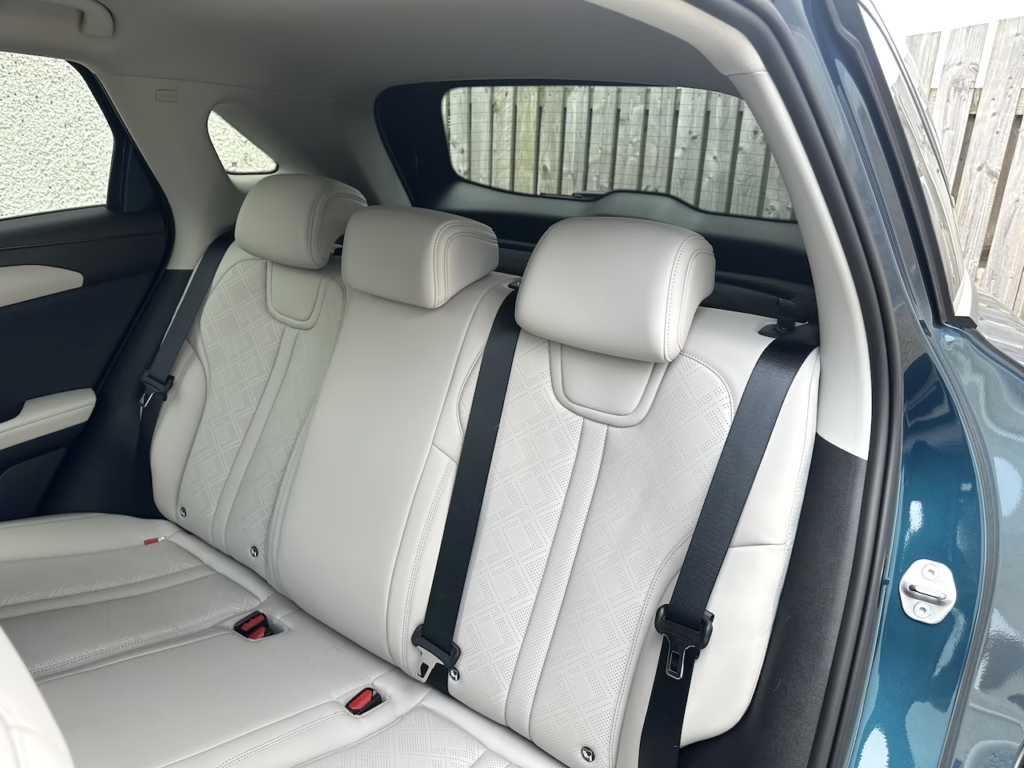
It’s hardly a deal breaker, but you do find yourself wondering why BYD went to the trouble of providing rear charging points but didn’t include somewhere for those passengers to put a drink . . .
Otherwise, the rear cabin is a pleasant place to spend time. There’s good visibility, plenty of light from the panoramic roof and enough space to accommodate adults without making them feel as though they’re sitting in the cheap seats.
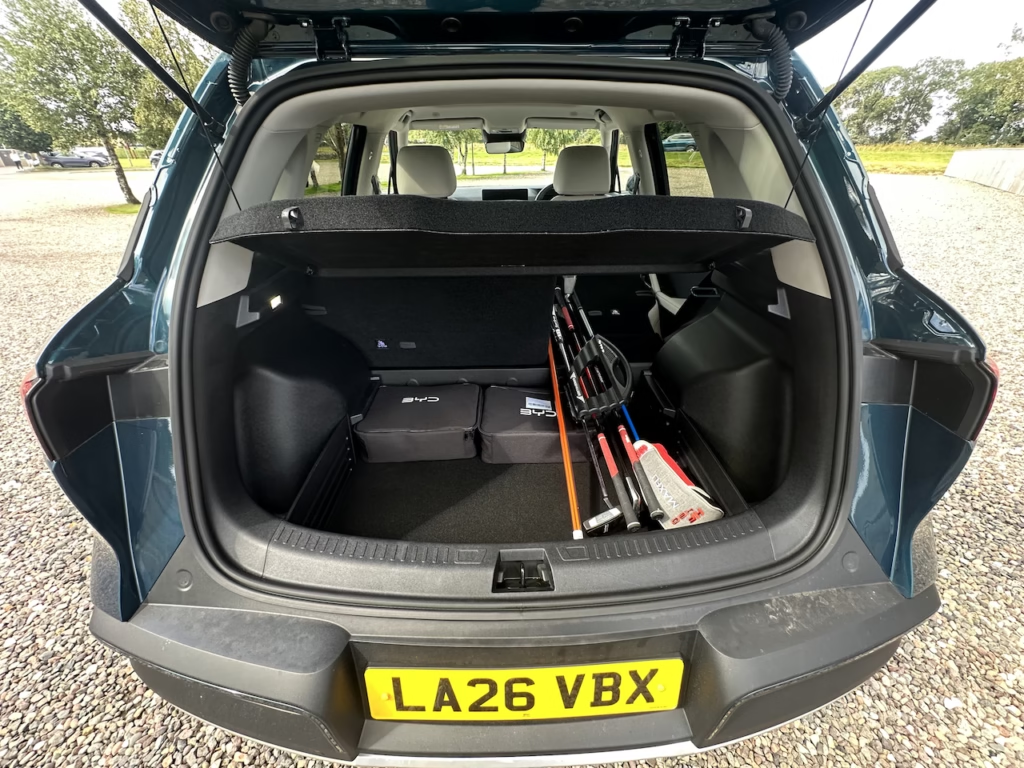
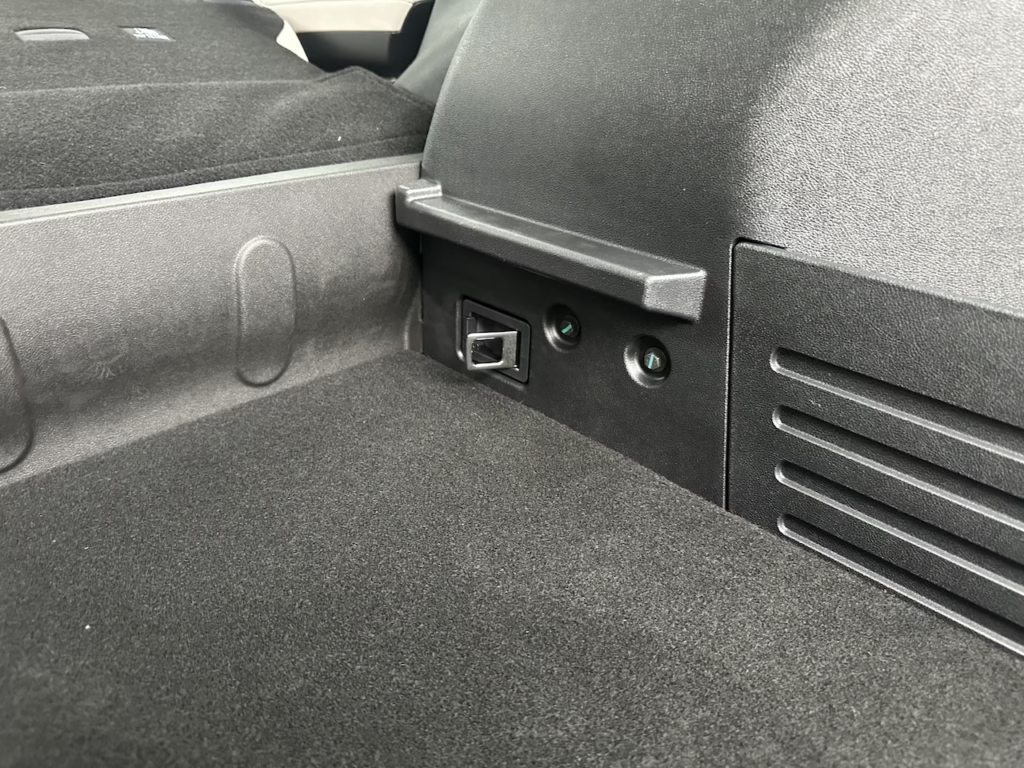
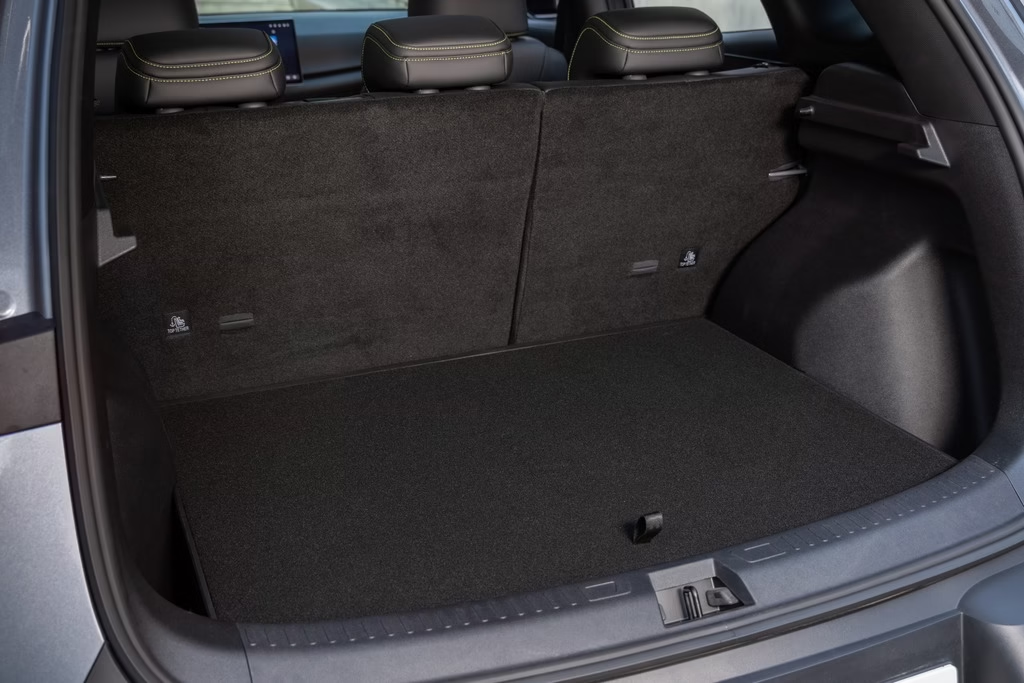
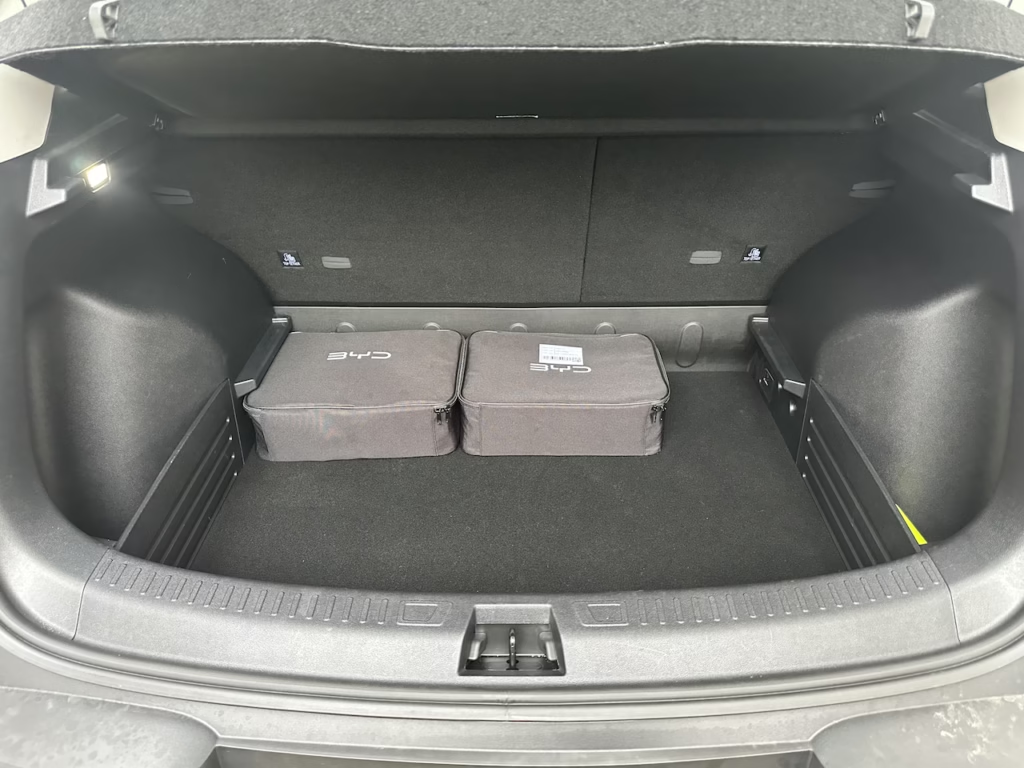
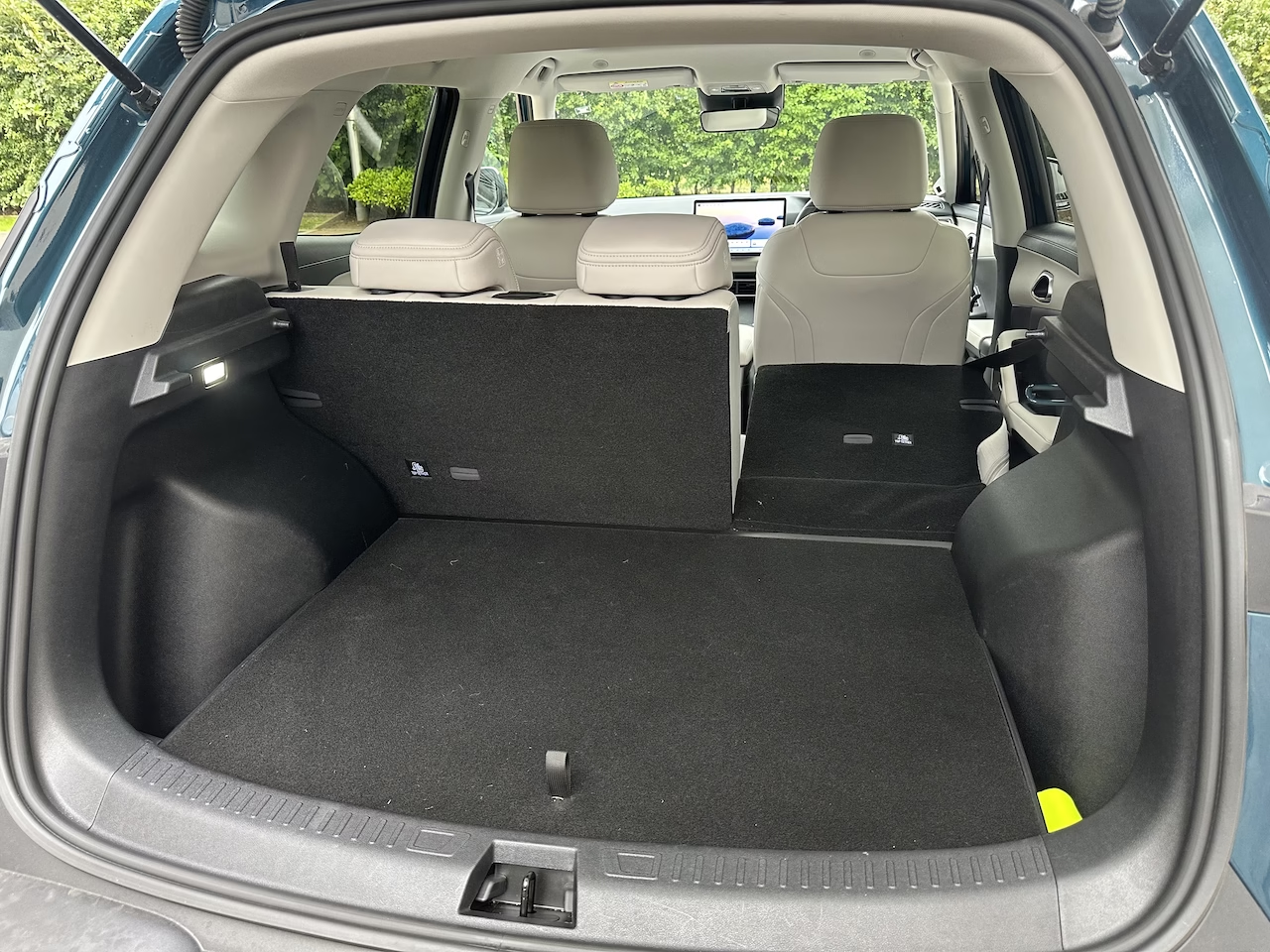
The boot is equally practical, with the rear seats folding to provide additional carrying capacity. There’s also a false floor to the boot space, providing plenty of room to keep those charging cables, or hide valuables out of sight.
Technology and Safety
The Atto 2 DM-i Boost comes with a generous collection of equipment, including a 12.8-inch infotainment touchscreen, 8.8-inch digital driver’s display, Google built-in, integrated Google Maps, AI voice assistance, Wireless Apple CarPlay and Android Auto. There’s also wireless smartphone charging and BYD’s digital key functionality.
The Boost also gets a 360-degree camera, front and rear parking sensors, adaptive cruise control, intelligent speed-limit control, blind-spot detection, rear cross-traffic alert and a comprehensive collection of collision-avoidance and lane-assistance systems.
Driving impressions
The Atto 2 DM-i isn’t going to be mistaken for a sports SUV and nor should it, but I have to admit that I was expecting it to be a little more wallowy than it actually is.
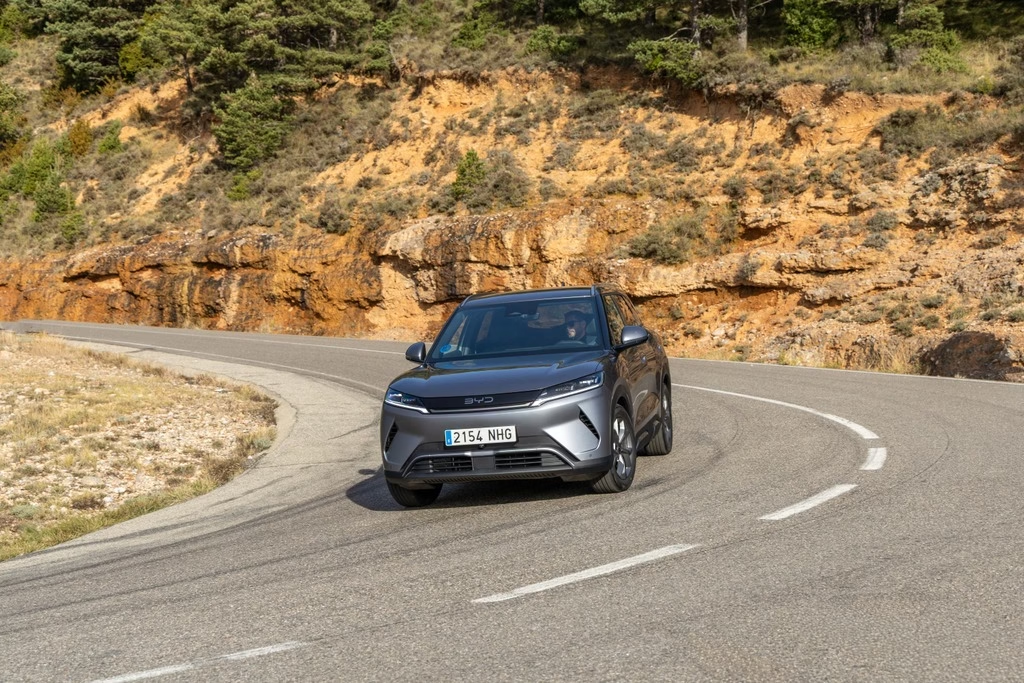
Some of the Chinese SUVs I’ve driven recently have demonstrated just how difficult it can be to get the suspension and damping properly sorted for British roads. They’re often perfectly comfortable on motorways and dual carriageways, but once you head onto an undulating A or B road, things can become less convincing.
The Atto 2 DM-i is different. It’s not dynamically outstanding, but it feels stable, predictable and reasonably well controlled.
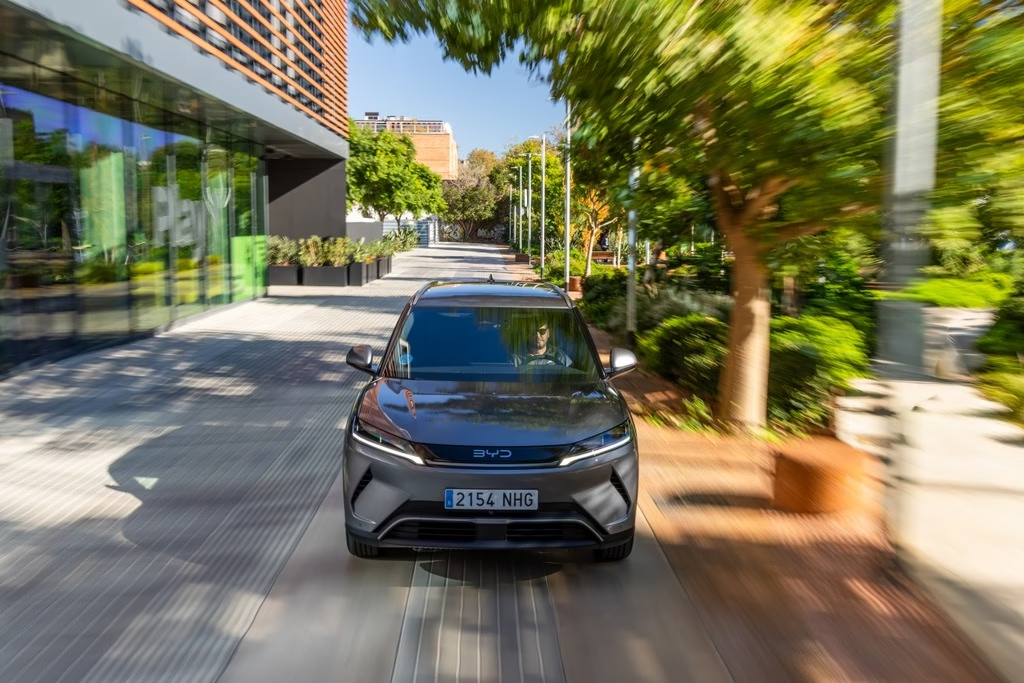
There is some body movement through tighter corners, naturally, but it’s nowhere near as pronounced as I’ve experienced in some rivals. Grip levels are decent too, and the car feels comfortable enough being hustled along a decent country road.
The steering is probably the weakest part of the experience as it’s light and easy to use around town, but there’s very little feedback coming through the wheel. You know where the car is going, but it doesn’t tell you particularly much about what’s happening underneath it.

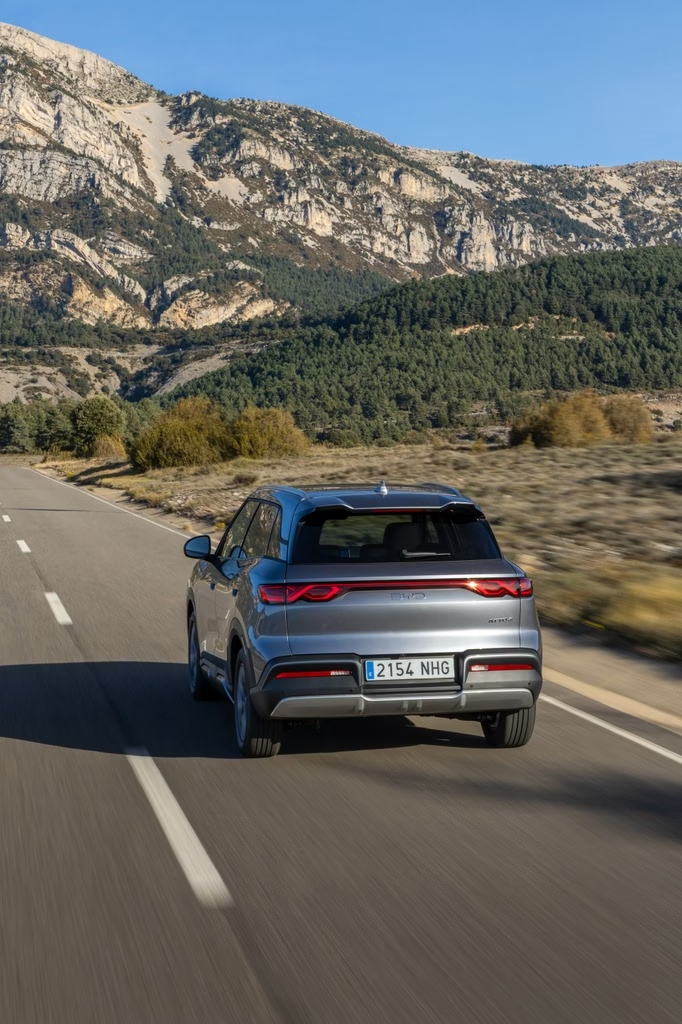
The suspension has enough control to prevent the car becoming unsettled over successive bumps, while there’s sufficient compliance to keep things comfortable.
Again, not a ‘driver’s car’ but dynamically better than expected.
The DM-i system is perhaps the car’s greatest party trick because it largely disappears into the background.
The Atto 2 DM-i combines a petrol engine with electric drive, allowing the system to switch between its different operating modes according to what’s required.
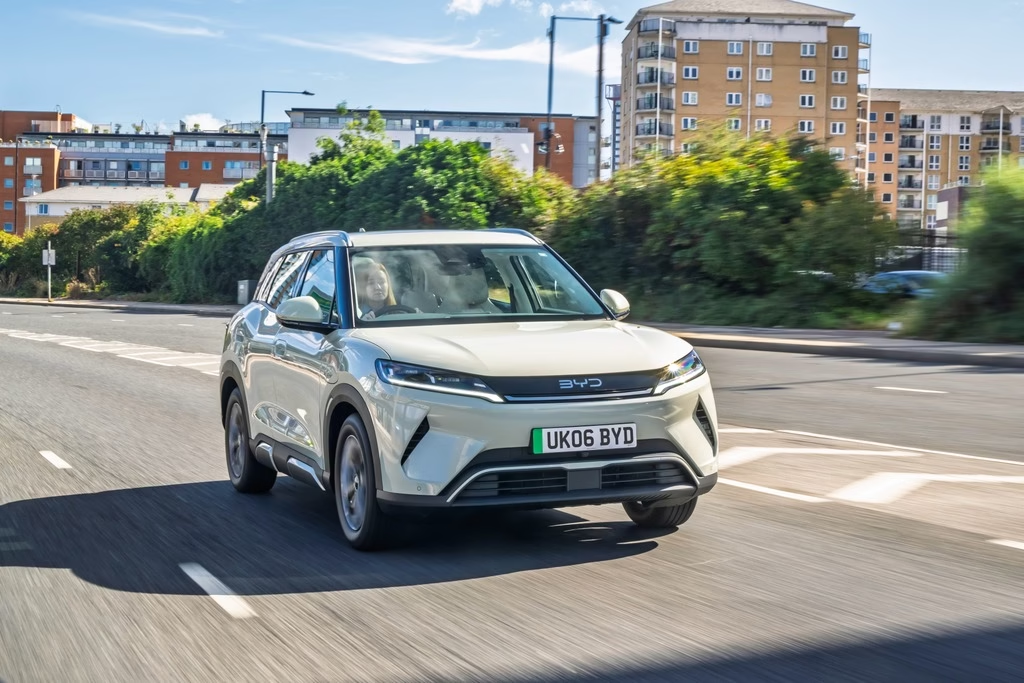
And it does so with remarkably little fuss. Around town and during normal acceleration, the transition between petrol and electric power is so smooth that you often don’t notice which source is doing the work.
Instead, you simply press the accelerator and the car gets on with it. The exception comes when you’re travelling at higher motorway speeds and ask for a significant increase in performance, such as when overtaking.
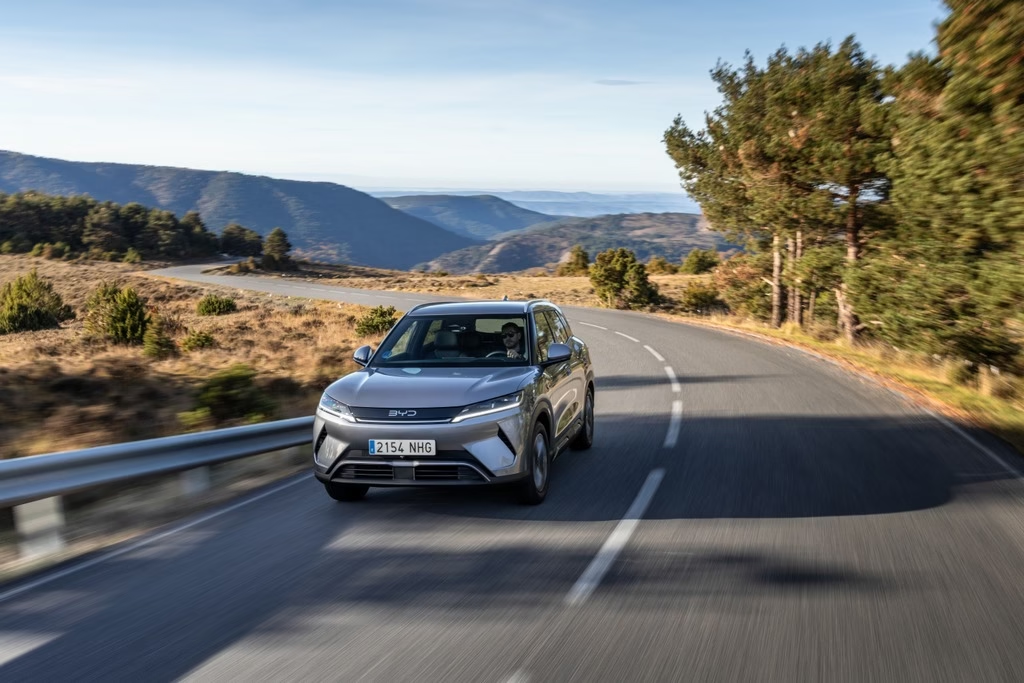
At that point the petrol engine can become noticeably vocal. However, for the vast majority of normal driving, the system remains impressively unobtrusive – And that’s a big part of why I found the Atto 2 DM-i so likeable.
Electric driving and charging
With the battery charged, the Atto 2 can make good use of electric power for shorter journeys, potentially allowing owners who regularly charge at home to complete much of their everyday driving without using the petrol engine. EV-only range is around 56 miles for the Boost model and around 25 miles for the entry-level Active.
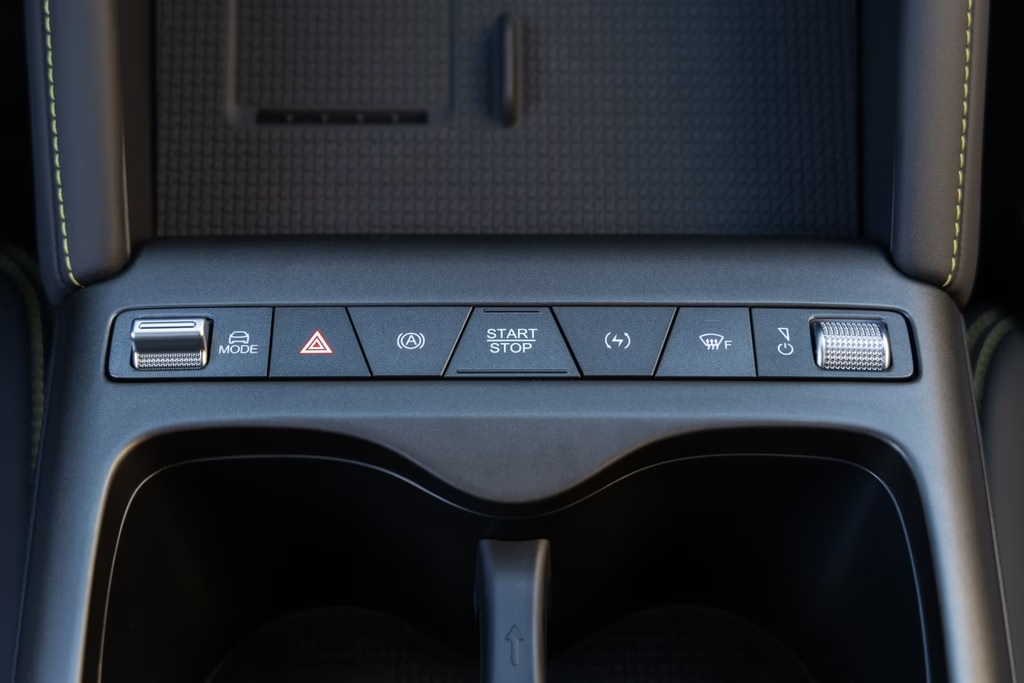
For a PHEV, that’s really the point. You don’t need to treat every journey as an electric-car expedition. Charge when it’s convenient, make use of the electric range when you can, and let the petrol engine take over when the journey demands it.
It gives the Atto 2 DM-i a flexibility that remains attractive to buyers who aren’t quite ready to make the jump to a full EV.
Rivals
The Atto 2 DM-i enters a market where buyers have an increasingly bewildering choice of compact SUVs.
There are conventional hybrids from established manufacturers, plug-in hybrid alternatives and a rapidly expanding selection of electric and electrified SUVs from Chinese brands.
BYD’s most obvious weapon is price.
Starting at £26,995 for the Active model, the Atto 2 DM-i is entering the market at a point where its equipment levels make the proposition difficult to ignore.
And that’s before you start considering the Boost specification.
The competition may offer different approaches to electrification, but BYD has created a car that combines the flexibility of a PHEV with the equipment and interior presentation of something considerably more expensive.

There are still areas where established manufacturers have an advantage, particularly when it comes to the finer points of ride and handling, but the Atto 2 DM-i demonstrates that the gap is narrowing.
Verdict
The BYD Atto 2 DM-i wasn’t a car I expected to like quite as much as I did. Perhaps that’s because its conservative exterior doesn’t prepare you for what lies underneath.
It’s a genuinely pleasant compact SUV. The interior is a particular highlight. The cream vegan leather option costs nothing extra, and I’d choose it without hesitation. It brightens the cabin enormously and gives the Atto 2 a surprisingly upmarket atmosphere.
Passenger space is good too, including enough rear headroom for a six-footer, while the flat rear floor is particularly welcome for anyone sitting in the centre.
There are odd omissions, such as the lack of rear cup holders and a centre armrest despite the provision of rear USB ports, but these are relatively minor frustrations.
More importantly, the Atto 2 DM-i drives better than I expected.
The steering could have more feel, and it’s certainly not a driver’s SUV, but there’s less body roll than I’ve experienced in some competing models and enough grip and suspension control to make a winding road enjoyable.

Add a hybrid system that transitions between petrol and electric power almost unnoticed, a good level of refinement at motorway speeds and a very competitive price, and the BYD becomes a surprisingly convincing proposition.


At a Glance
Model: BYD Atto 2 DM-i Boost
Price: From £29,995 OTR
Power: 212PS
Torque: 300Nm
Battery: BYD Blade Battery, 18.3kWh
Drive: Front-wheel drive
0-62mph: 7.5 seconds
Top Speed: 105mph
Electric Range: Up to 56 miles combined
Charging: Up to 6.6kW AC