THE Ford Puma has been one of the UK’s quiet success stories over the past few years.
Compact, practical and surprisingly enjoyable to drive, it managed to inject a bit of personality into the crowded small SUV segment. It carries the torch for the defunct Fiesta, very well.
Now Ford has taken that formula and applied a fully electric powertrain, creating the Puma Gen-E.
At first glance, not much appears to have changed. The design is familiar, the proportions remain compact, and the focus is still very much on everyday usability. Underneath, however, the shift to electric power represents a significant step for one of Ford’s most popular models.
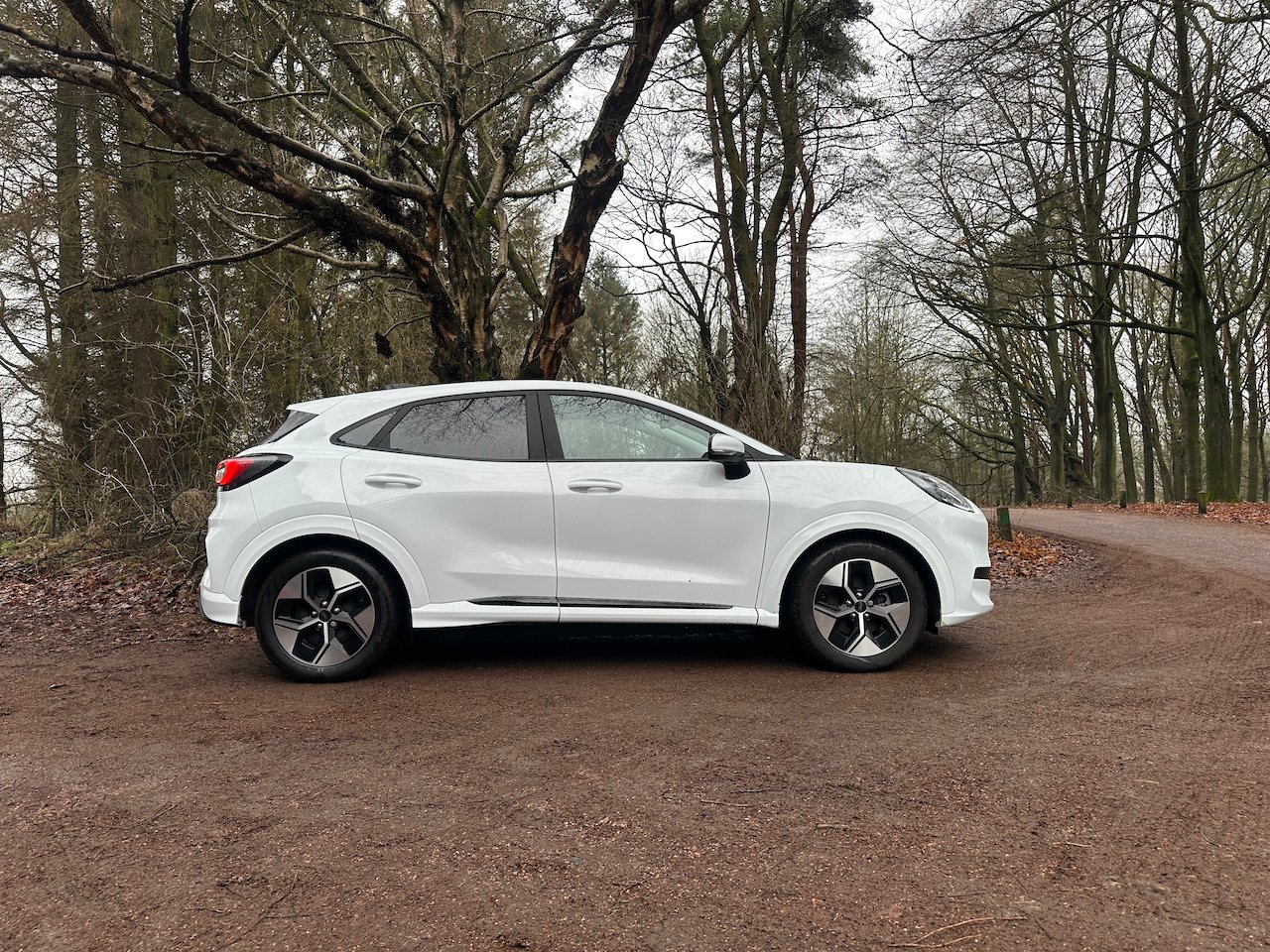
The version tested here is the Puma Gen-E Select, priced at £26,245 on the road after the UK government’s £3,750 electric vehicle grant. That makes it one of the more accessible electric crossovers on the market.
The question is whether the electric Puma retains the charm that made the petrol version so popular.

Overview
The Puma Gen-E is Ford’s latest addition to its expanding electric line-up. It sits beneath the Explorer and Capri EVs in the brand’s range and targets buyers looking for a compact, practical electric car that still offers some driving enjoyment.
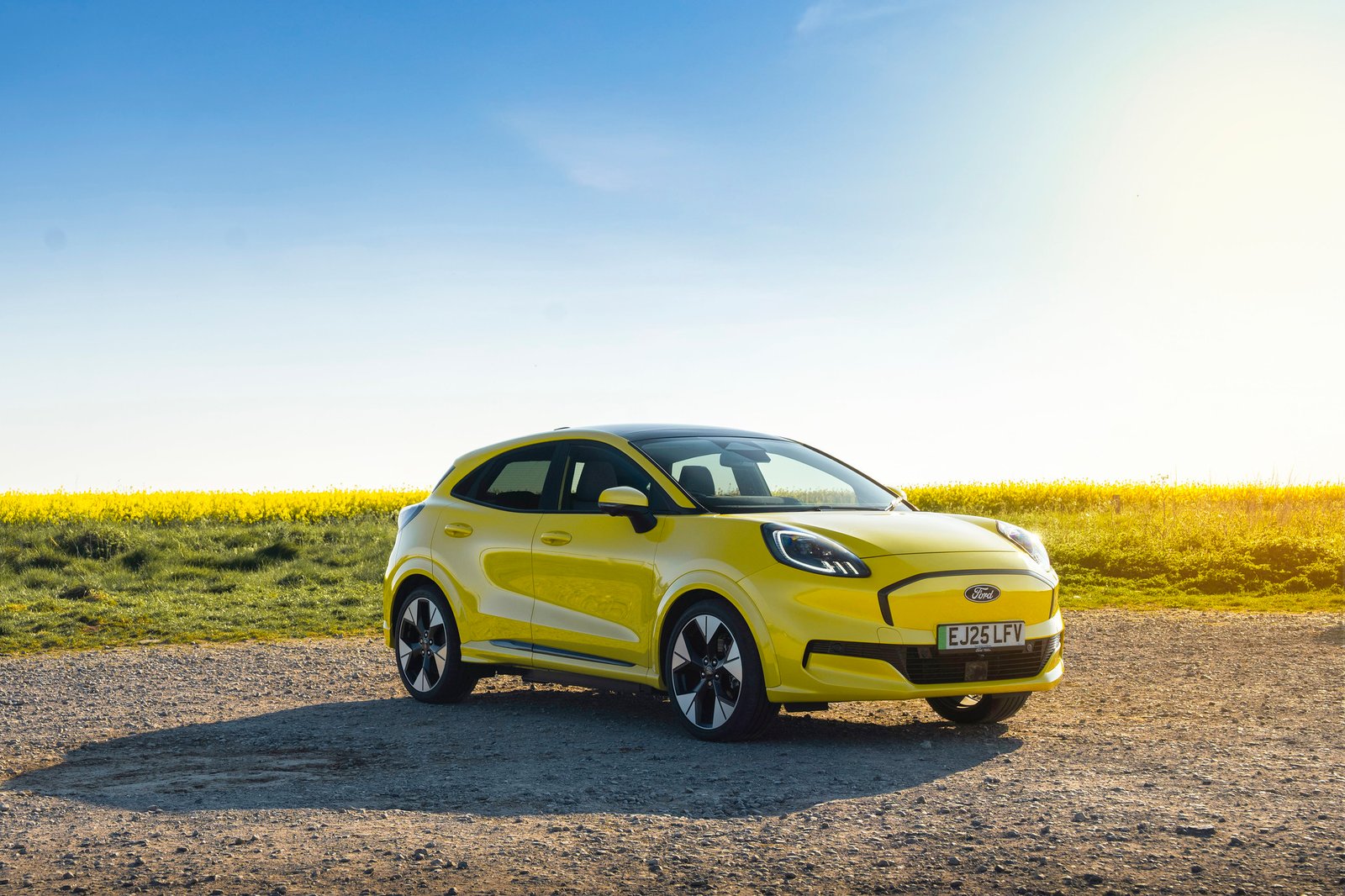
There’s just the one battery size – 43 kWh (usable) – which now provides 259 miles of range and keeps pricing competitive and weight manageable. A good improvement on the 225 mile range, previously available. The more frugal models were introduced in May 2026.
Trim levels broadly mirror the familiar Puma structure, with the entry-level Select offering a generous amount of standard equipment, such as 17in alloys, LED Projector Headlamps, heated front screen and rear privacy glass.
The Premium and BlueCruise Edition predictably offer larger alloys, some unique trim and colours as well as upgraded sound system and 360 degree cameras.
Design
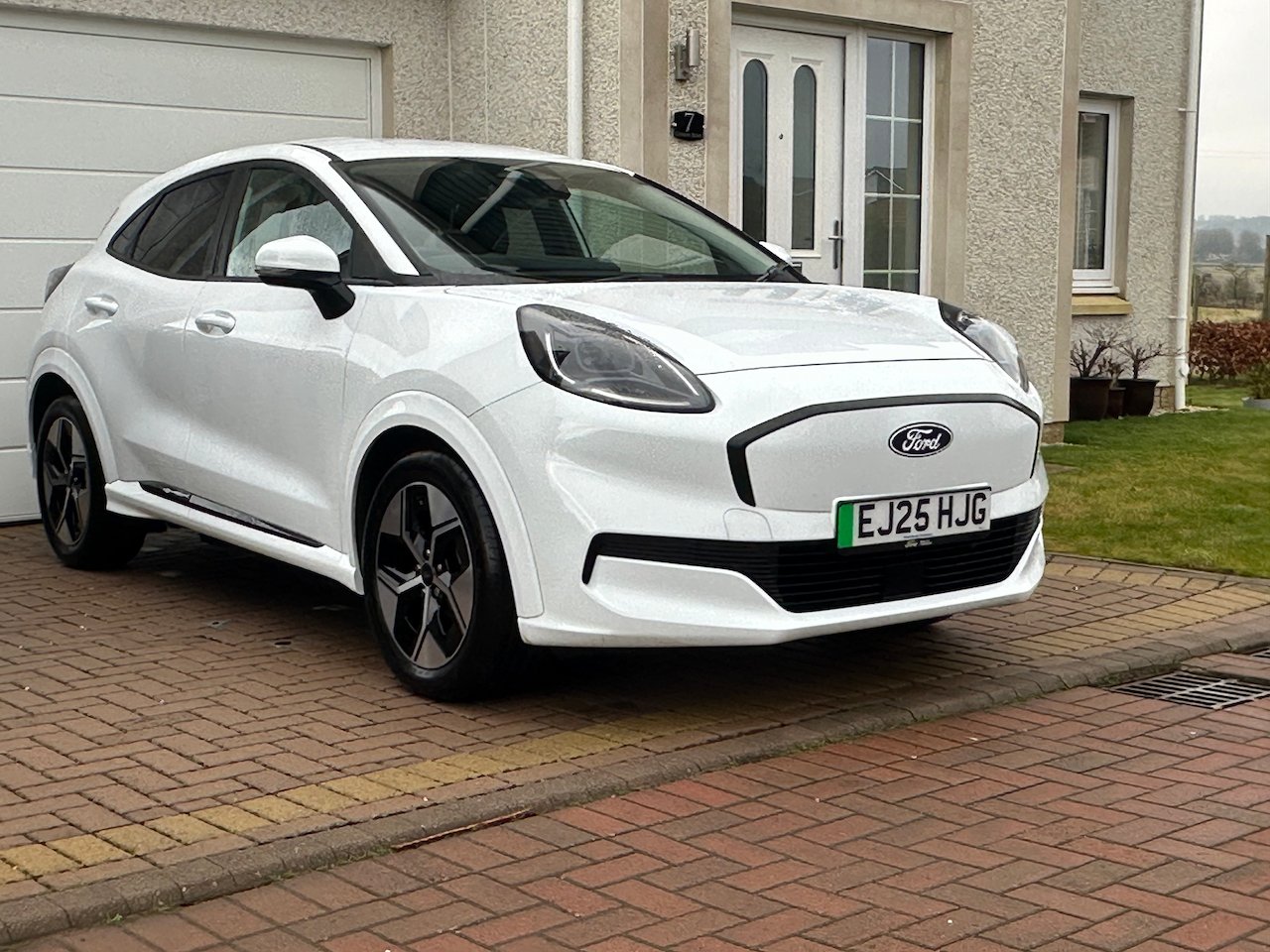
Ford has wisely avoided reinventing the Puma’s appearance.
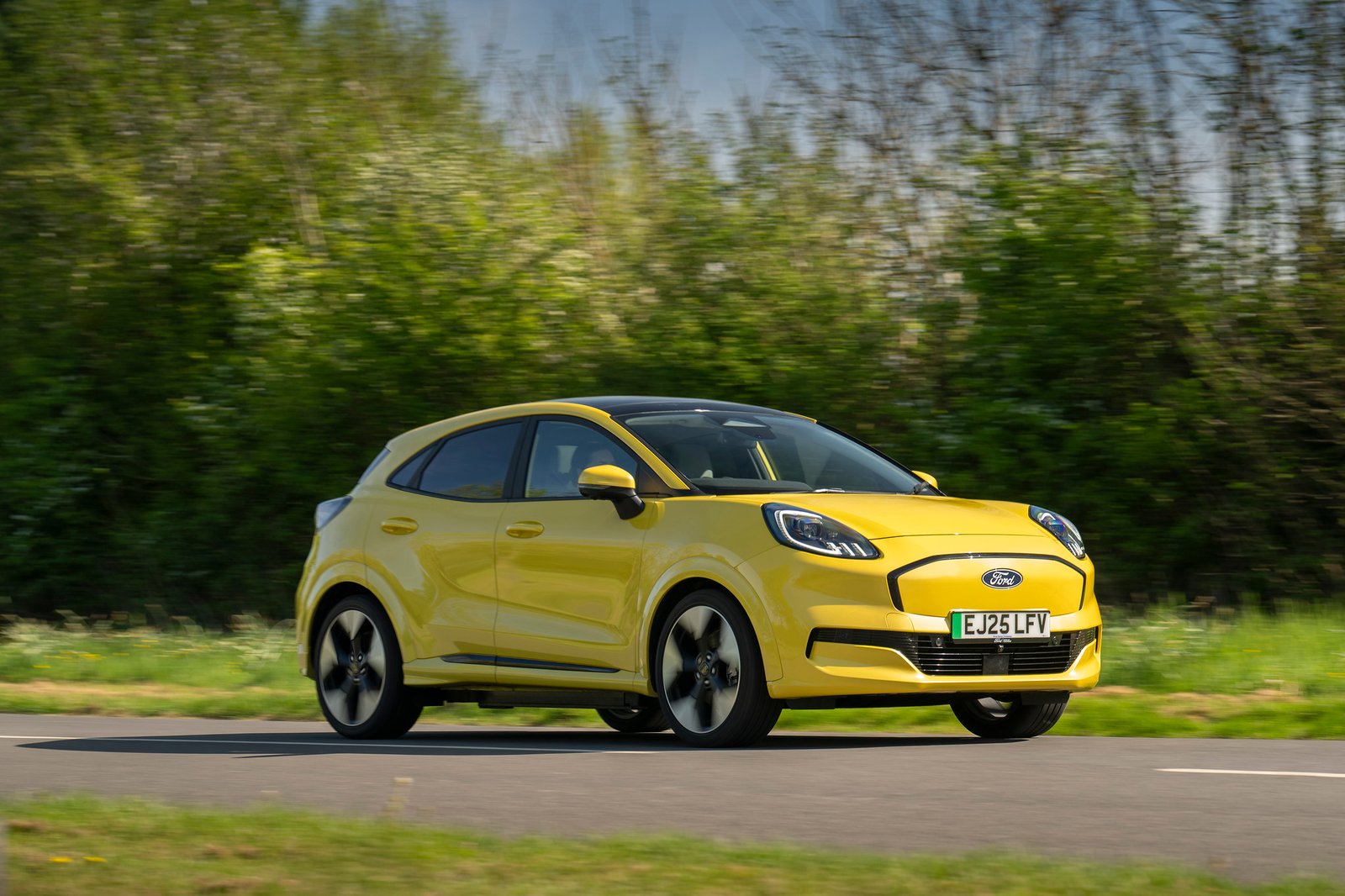
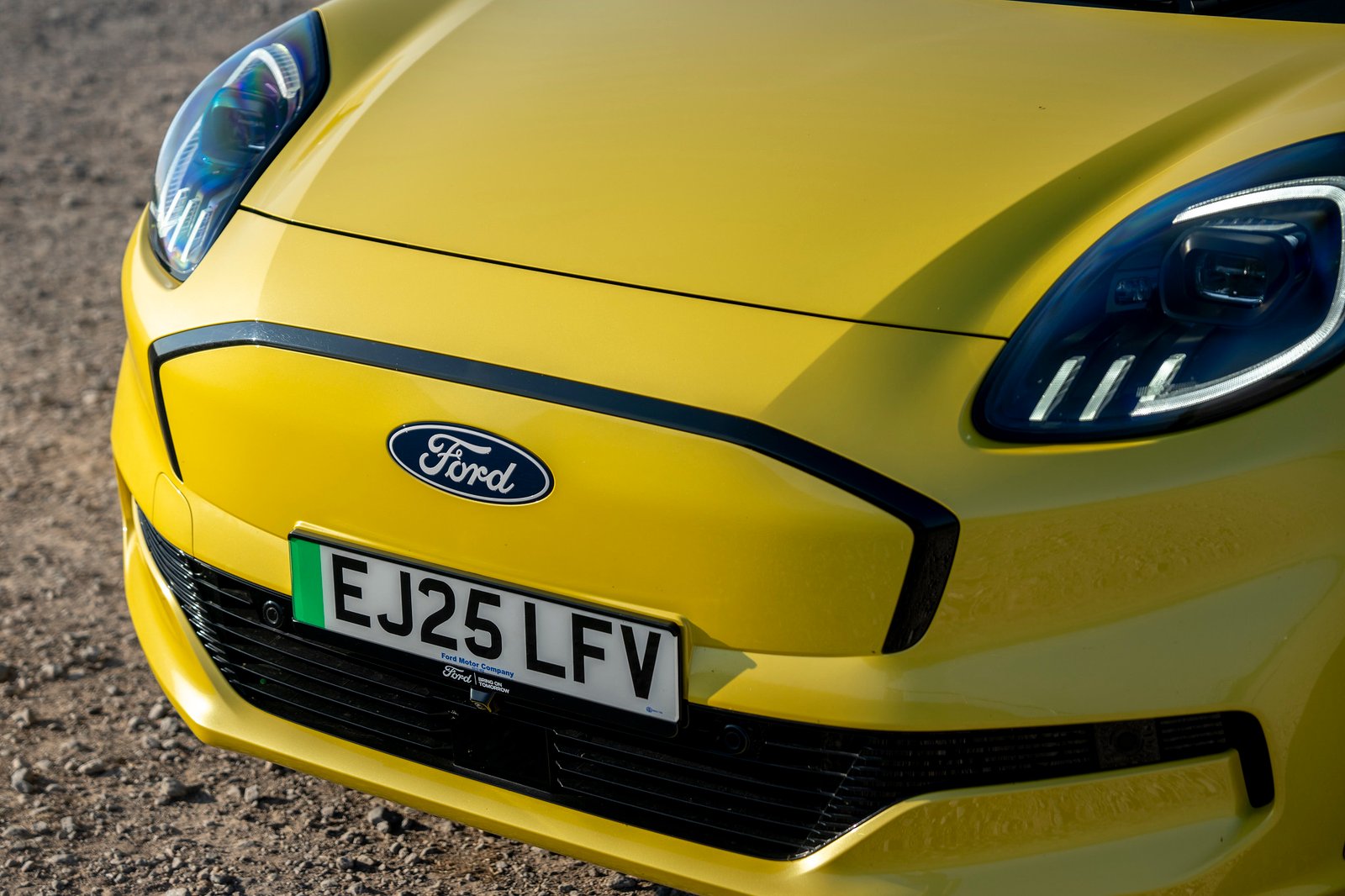
The Gen-E retains the familiar proportions that have made the car popular since its introduction. The rounded headlamp design and sculpted front end remain, although subtle aerodynamic tweaks help improve efficiency.
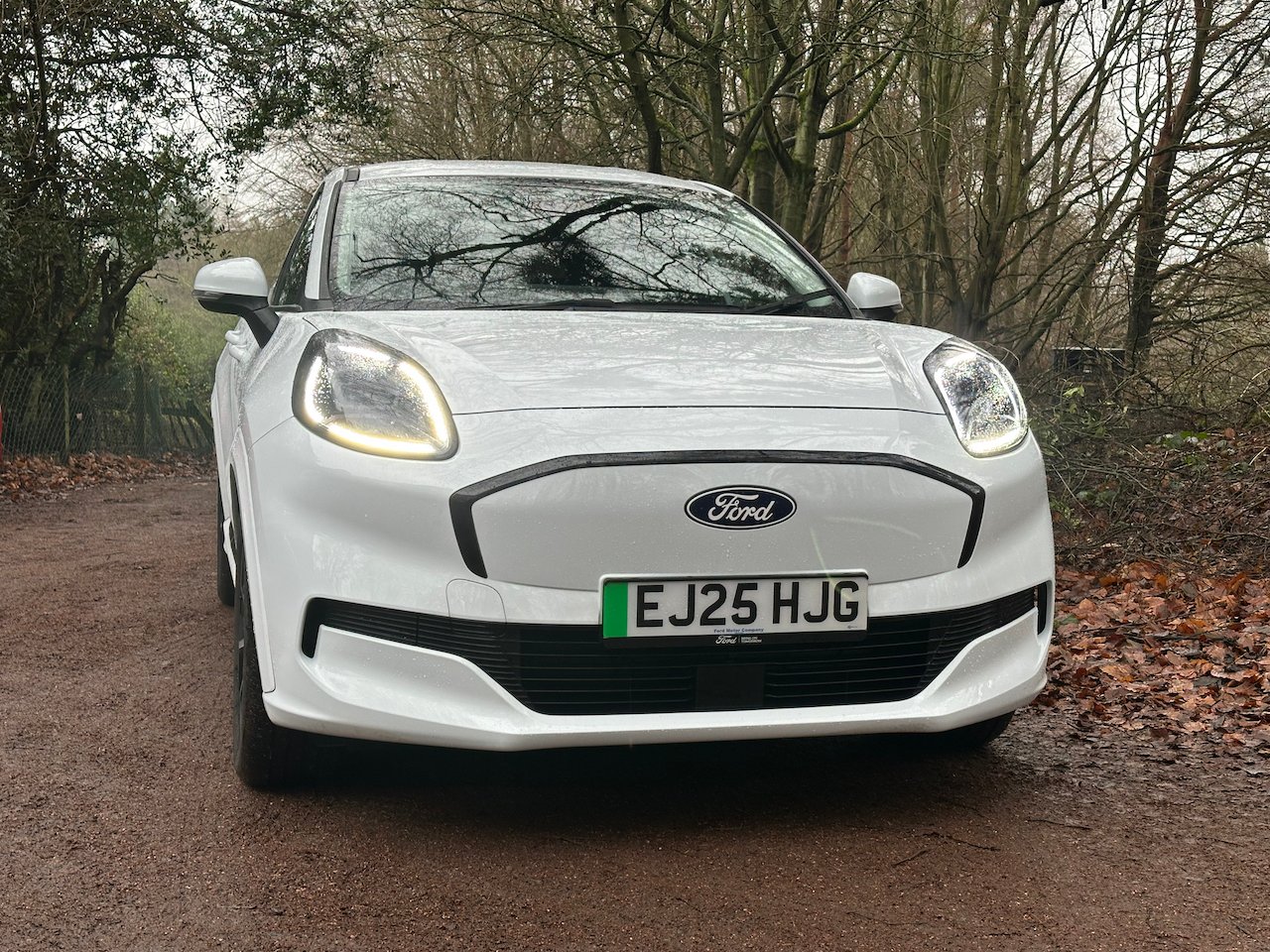
The absence of a traditional grille gives the front a cleaner appearance, while small detailing changes differentiate the electric model from its petrol siblings.
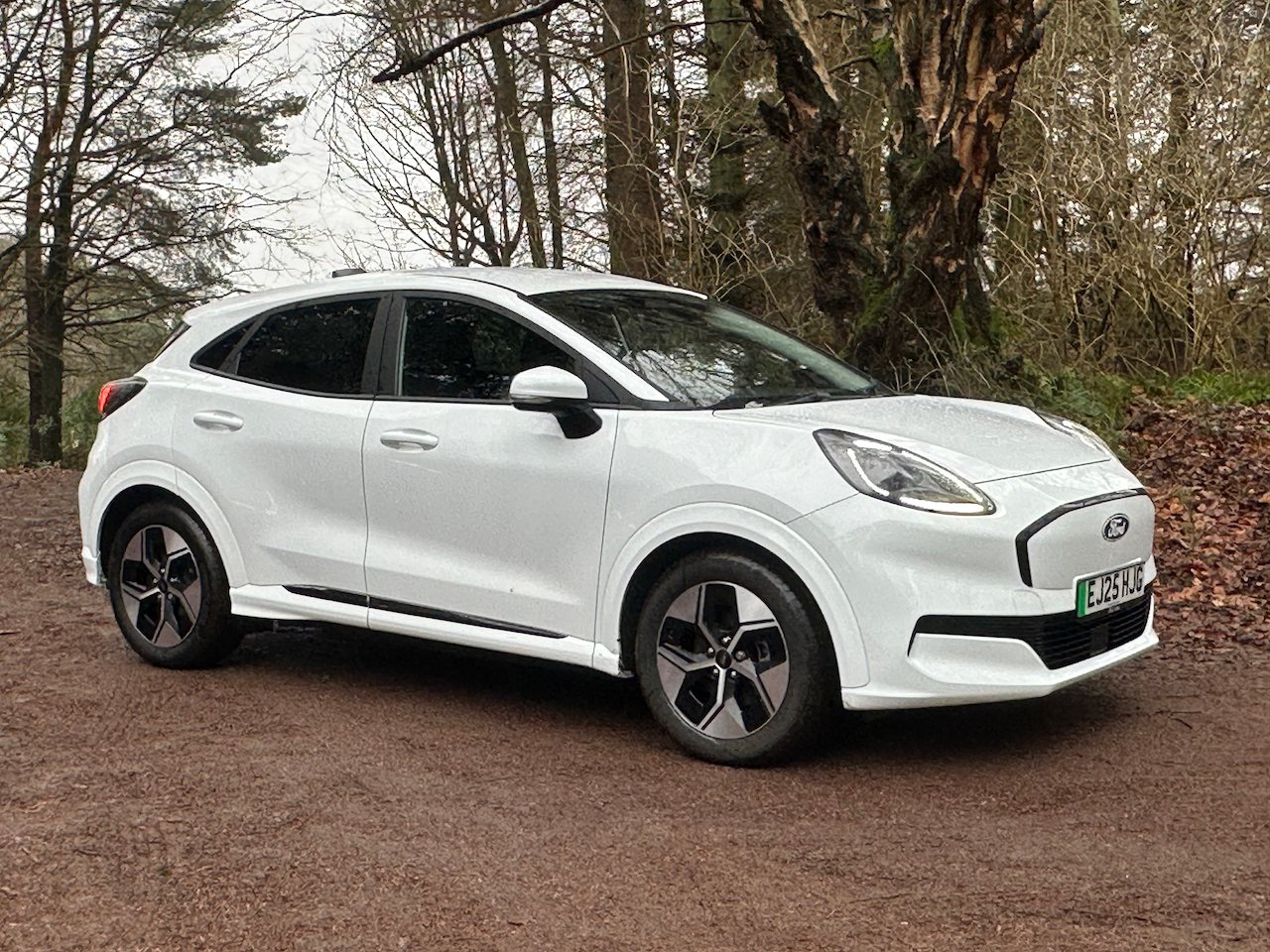
In profile, the Puma still looks compact and athletic. Its slightly raised ride height and strong shoulder line give it the stance of a small crossover rather than a traditional hatchback.
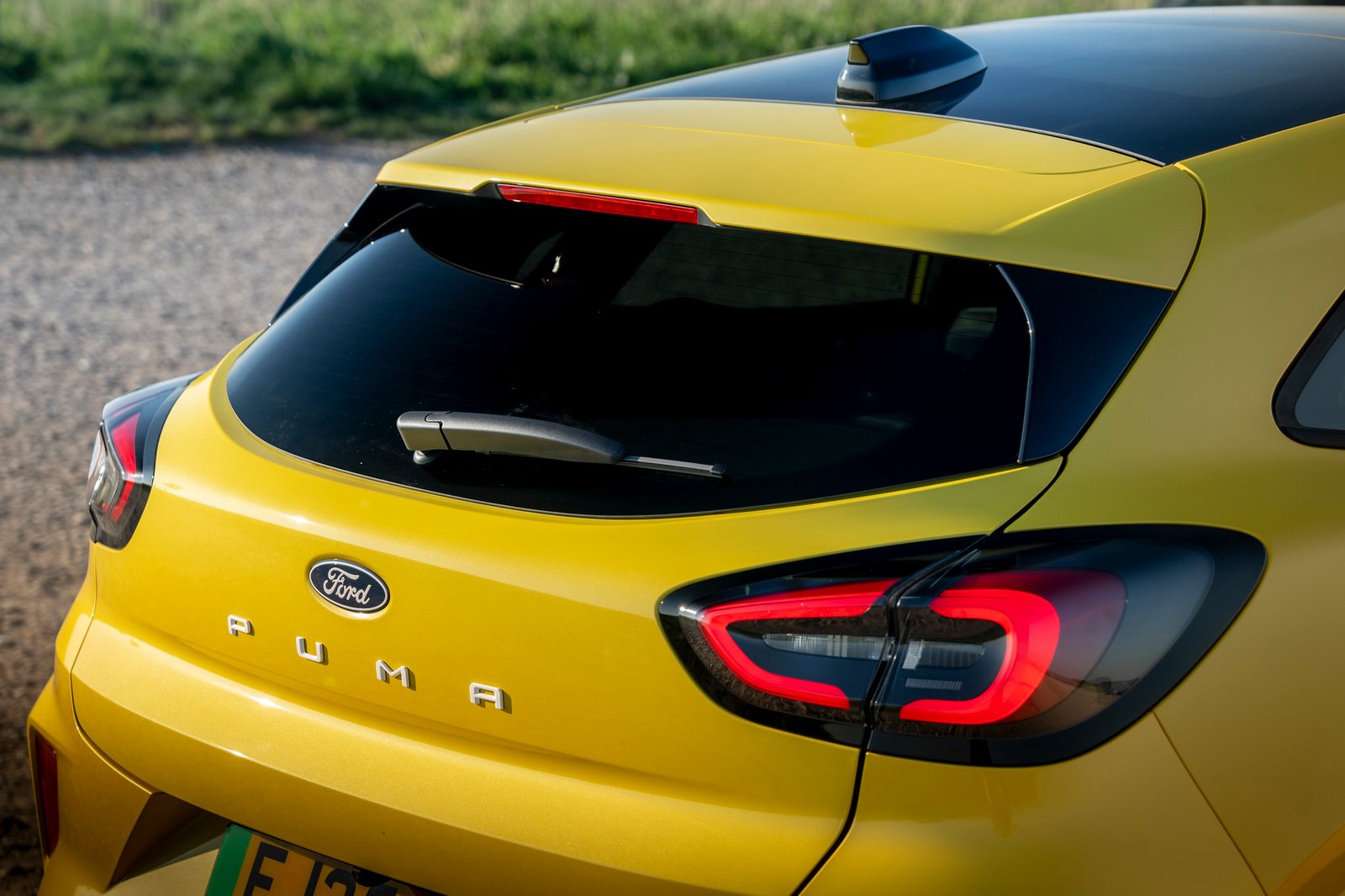
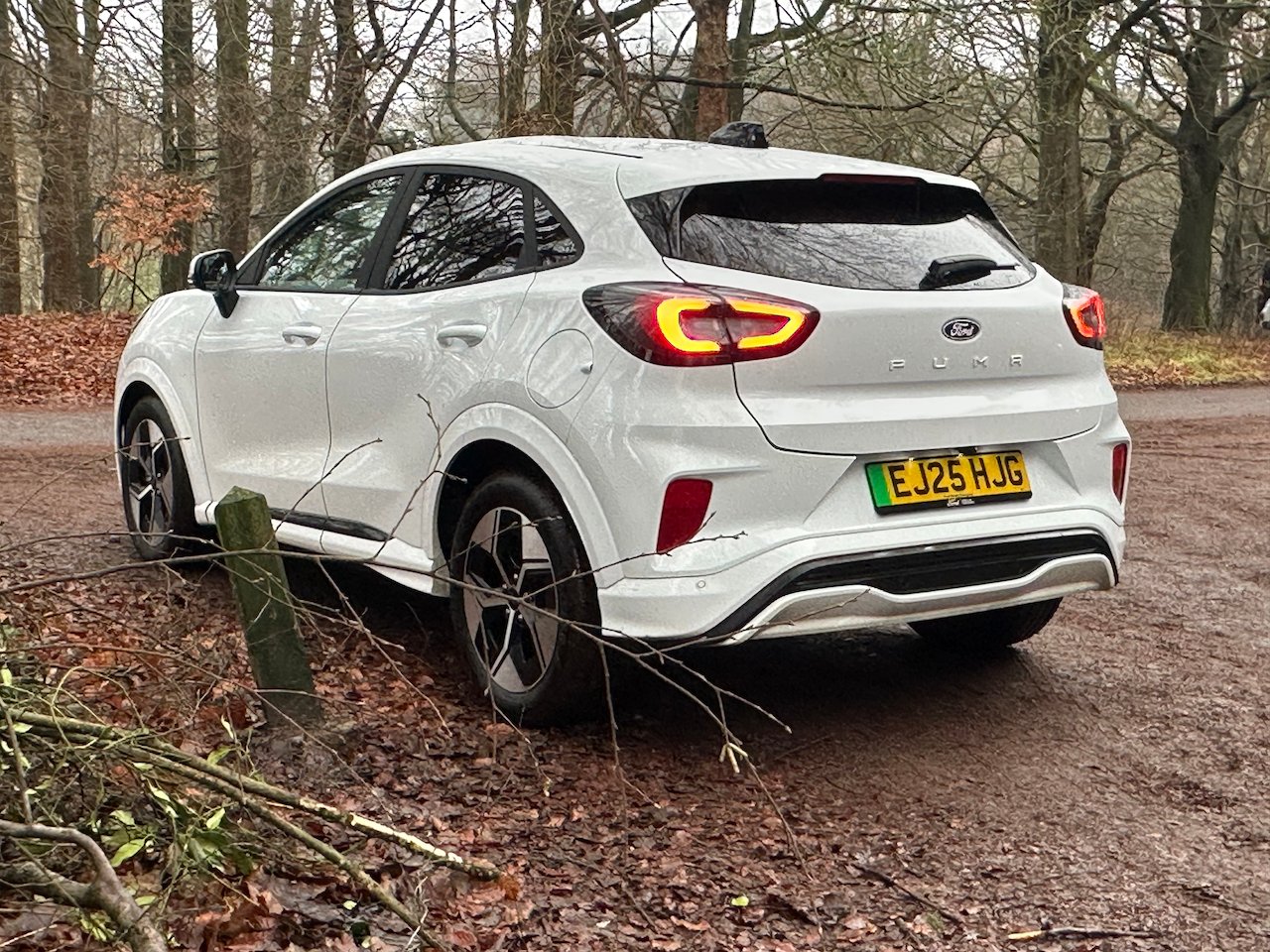
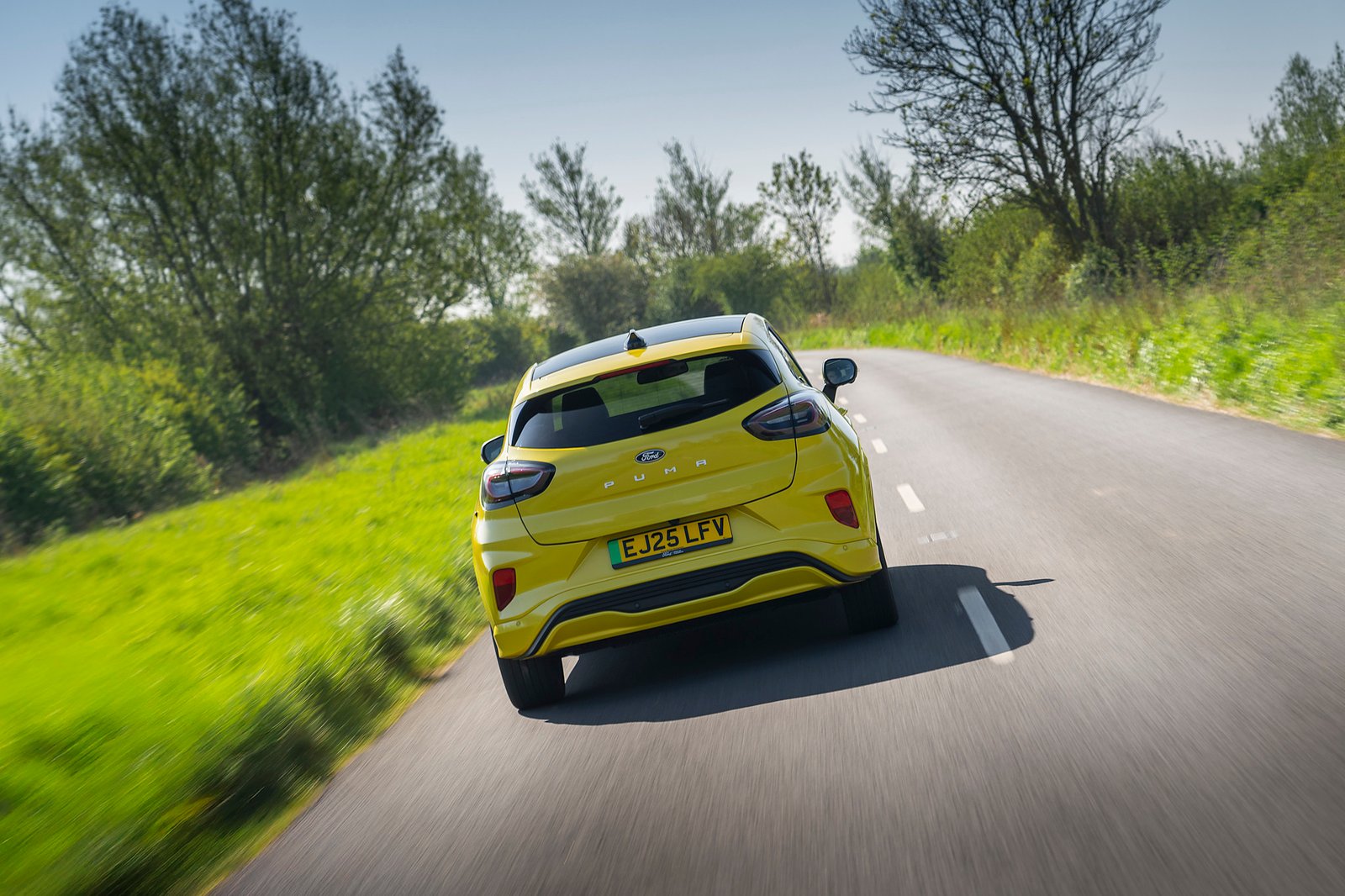
At the rear, the overall design remains largely unchanged, with the Puma’s distinctive taillight signature continuing to provide visual identity.
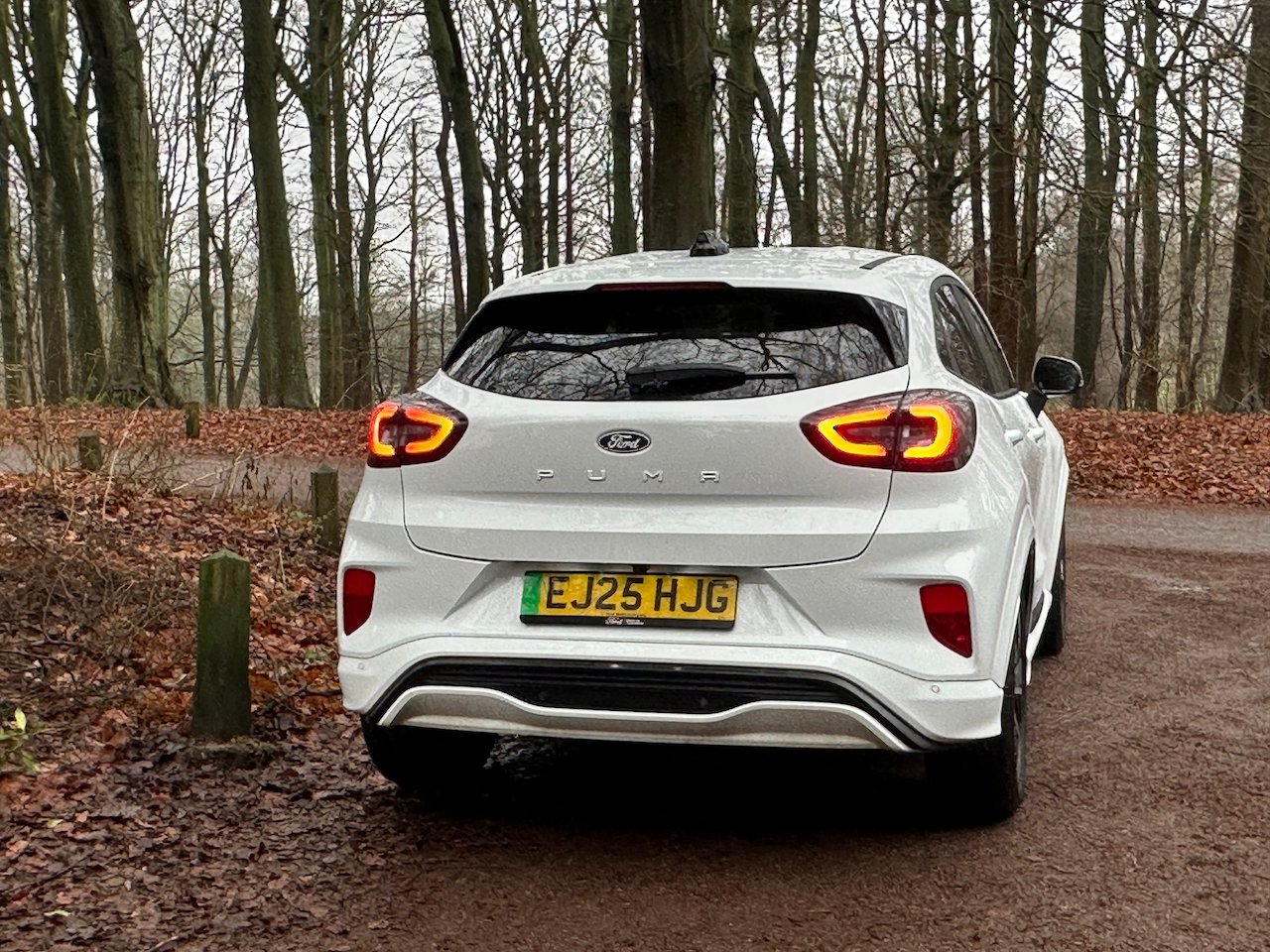
It is not a radical redesign, but it does not need to be. The Puma was already one of the better-looking cars in its class.
Interior
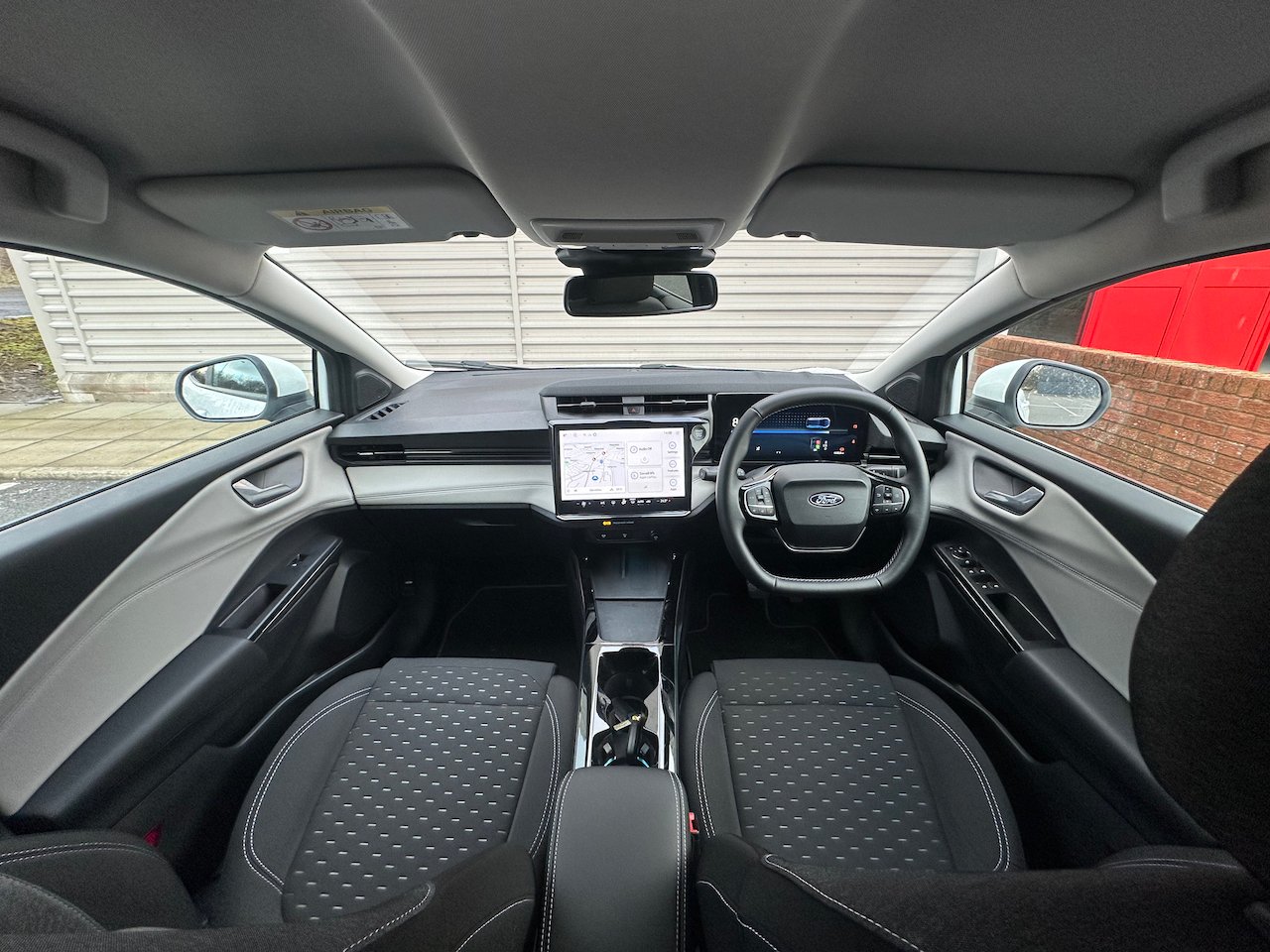
Inside, the Puma Gen-E feels immediately familiar to anyone who has spent time in the petrol-powered version.
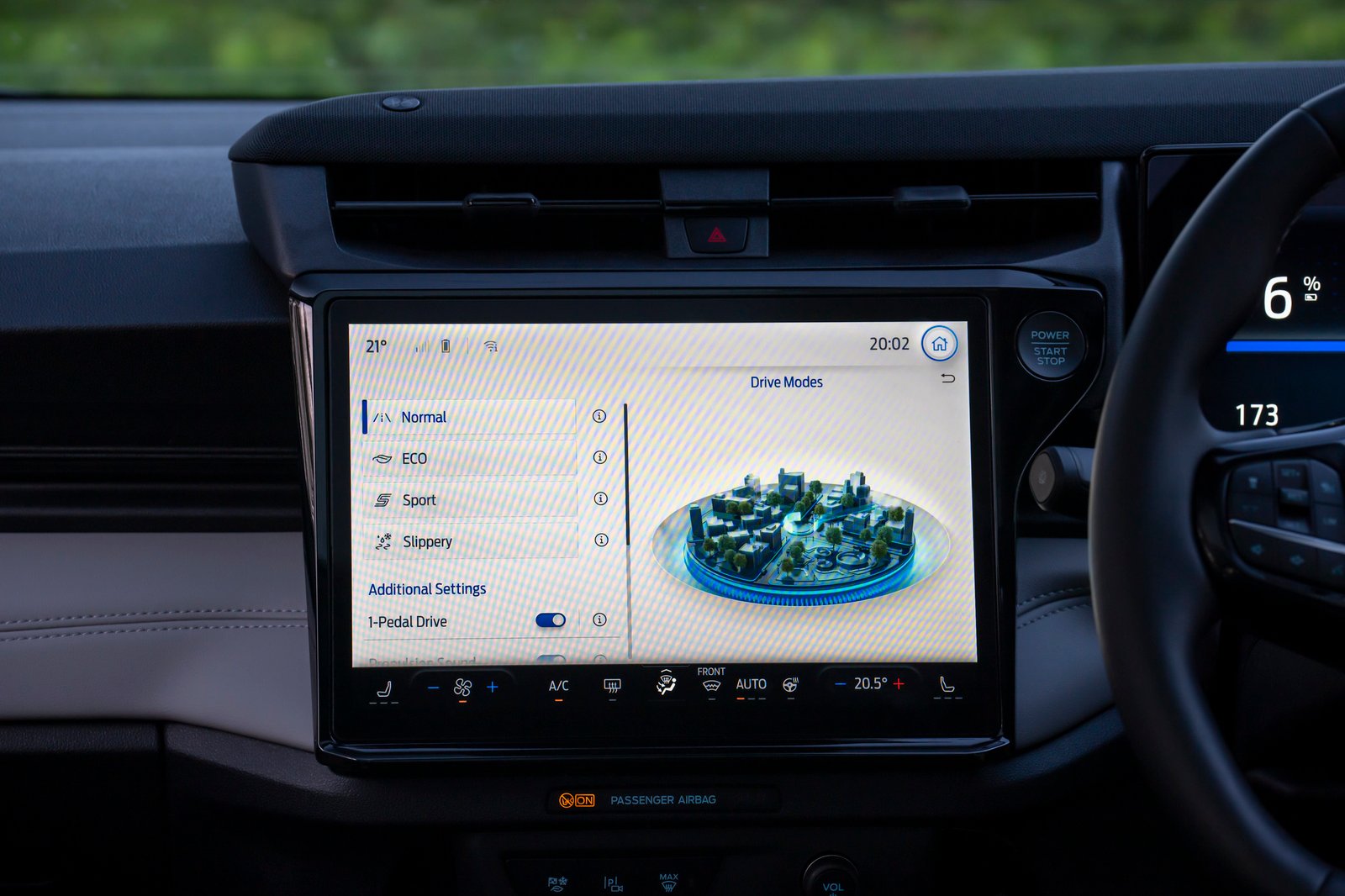
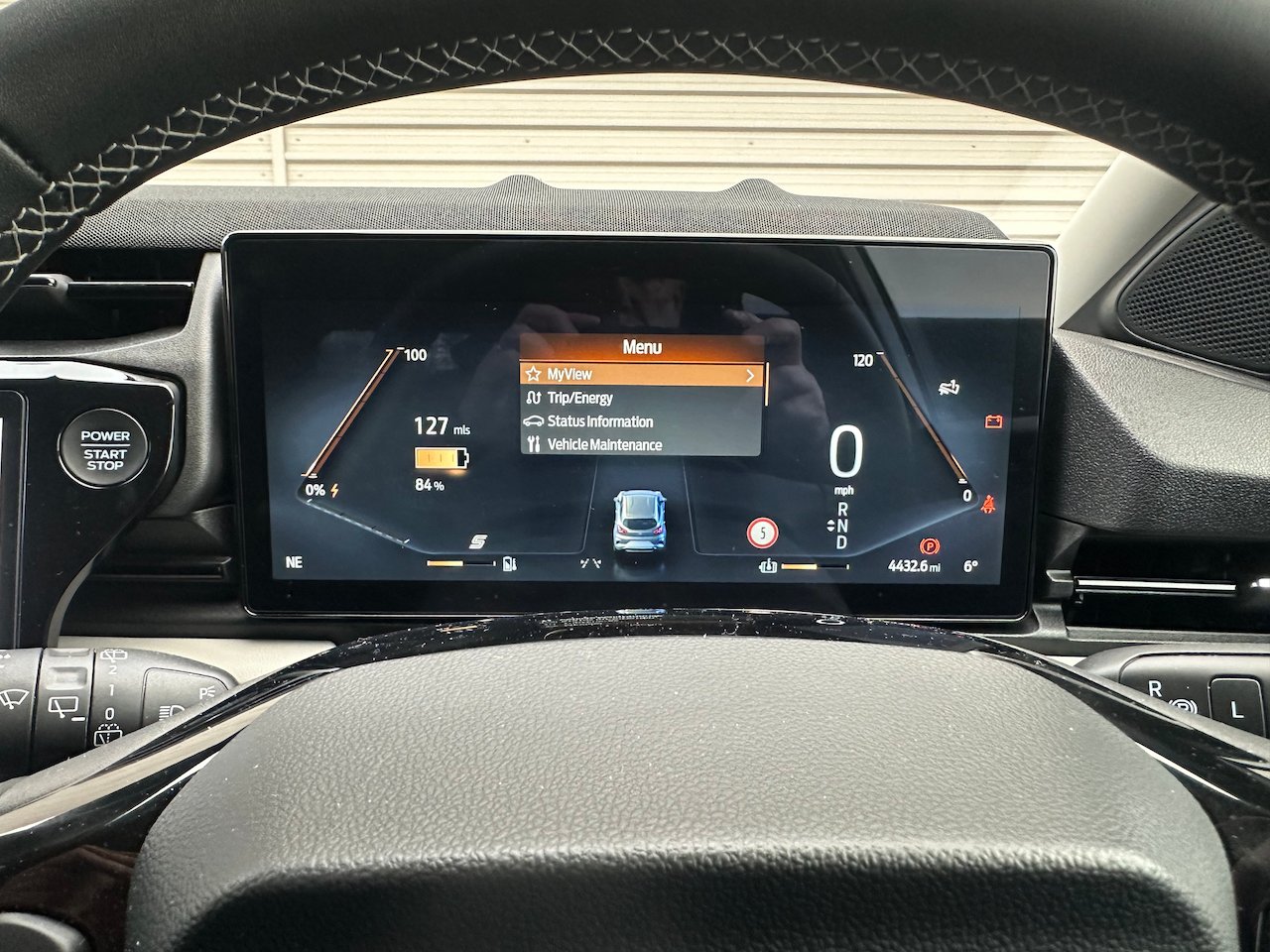
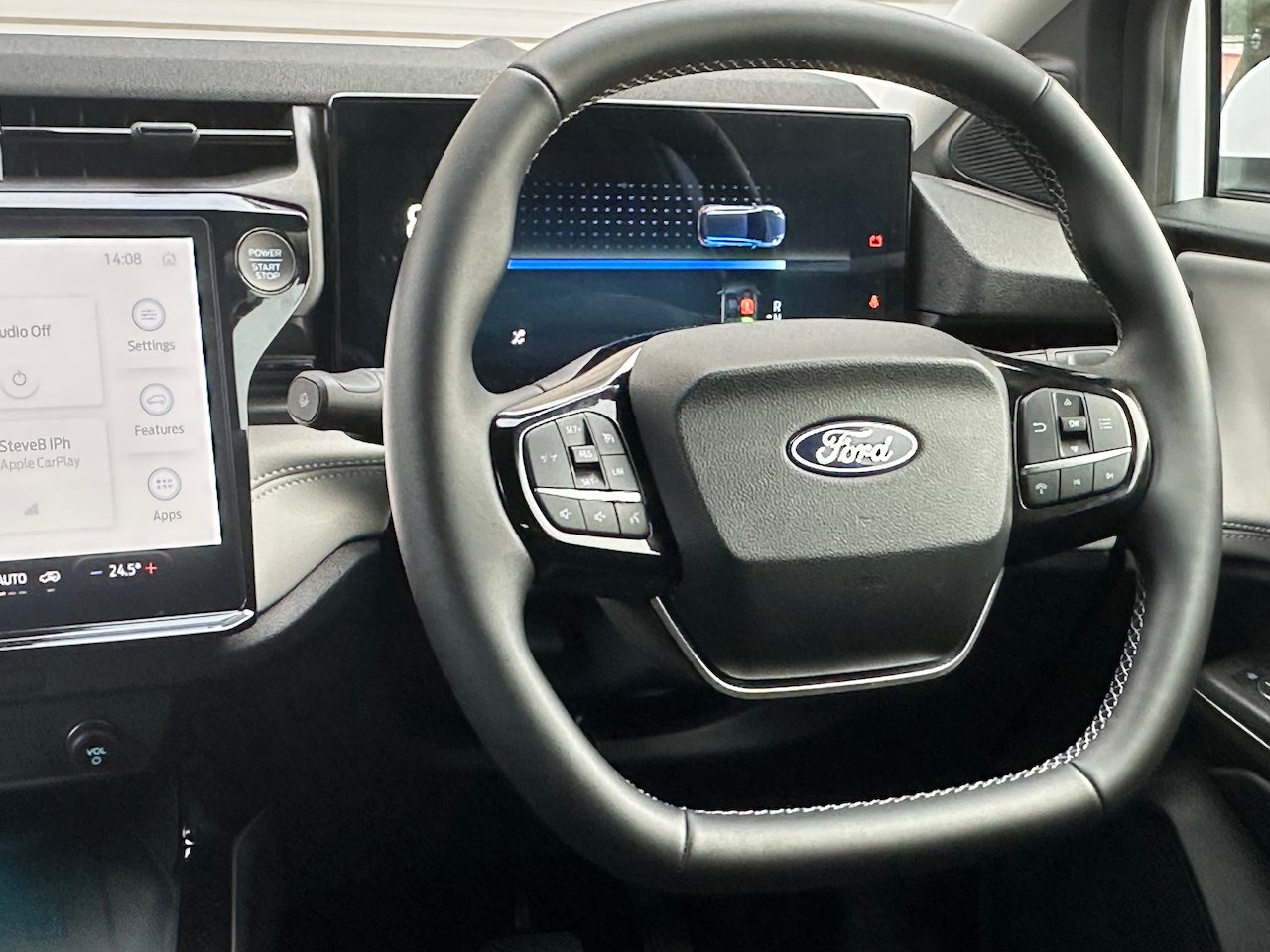
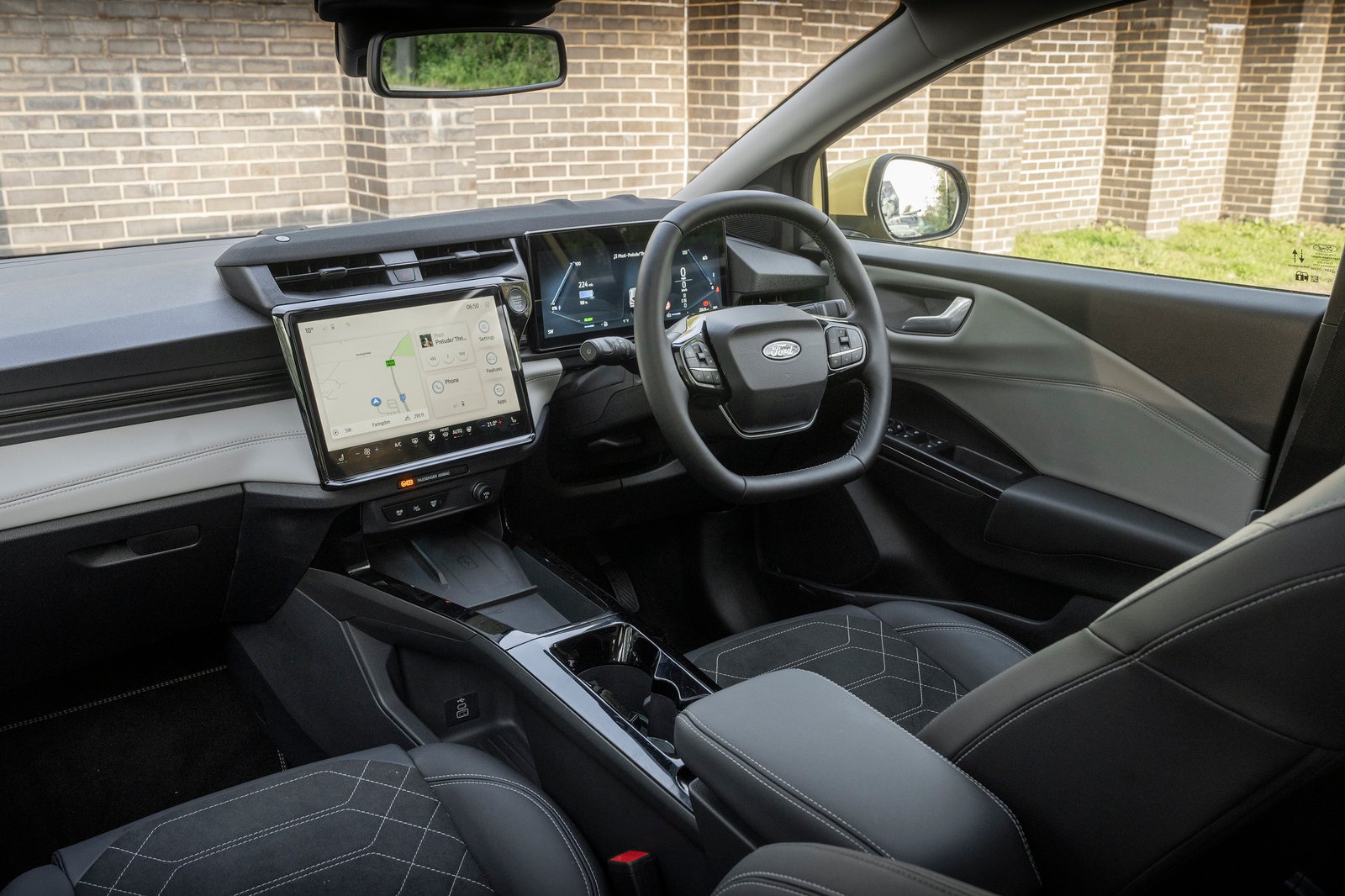
The cabin layout is clean and driver-focused, with a digital instrument cluster sitting behind the steering wheel and a central touchscreen handling infotainment duties.
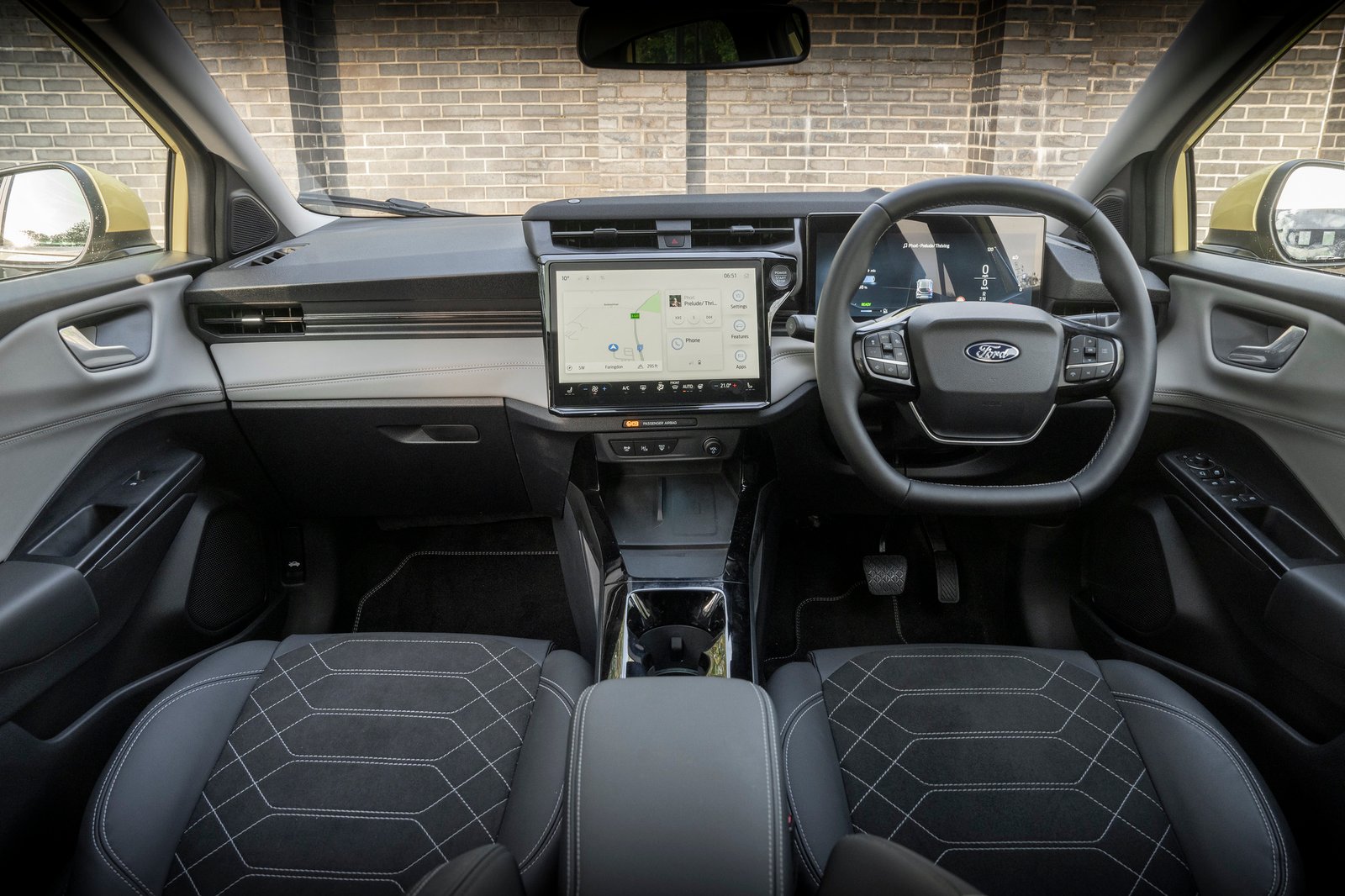
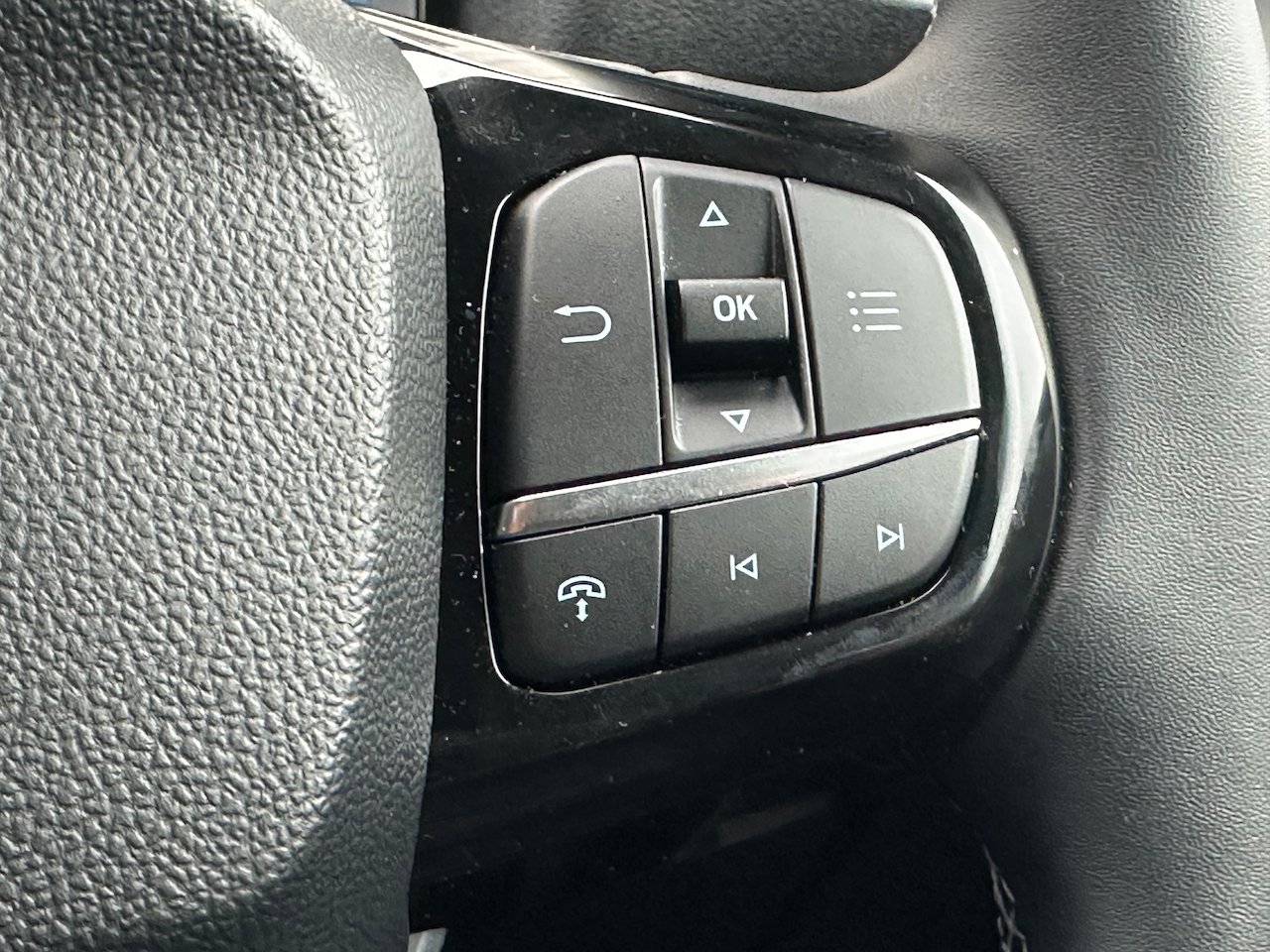
It all looks impressive enough and matches the ICE versions, pretty much everywhere. Yes, there’s a wireless phone charger too and the squarcle steering wheel feels nice in the hands.
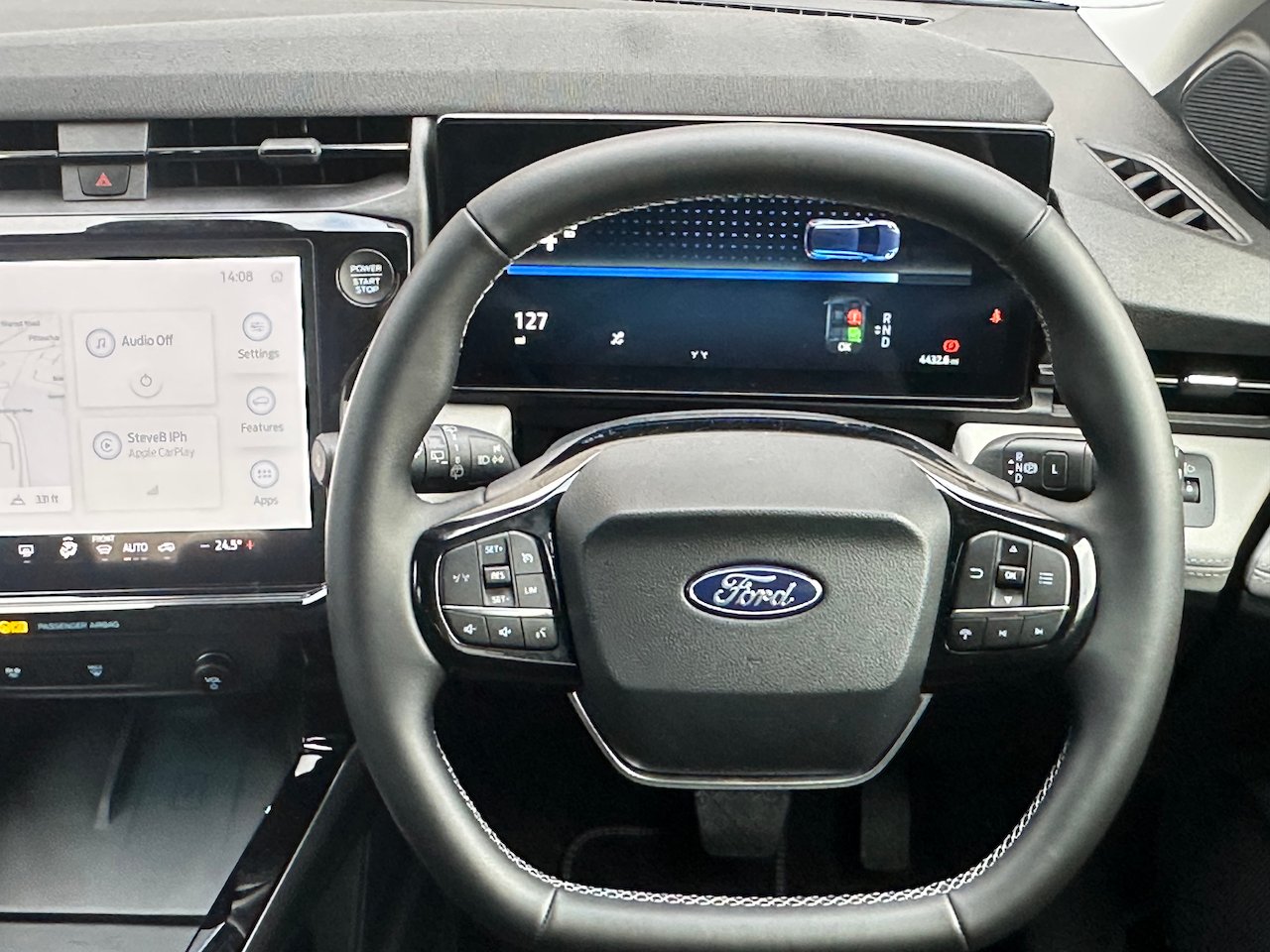
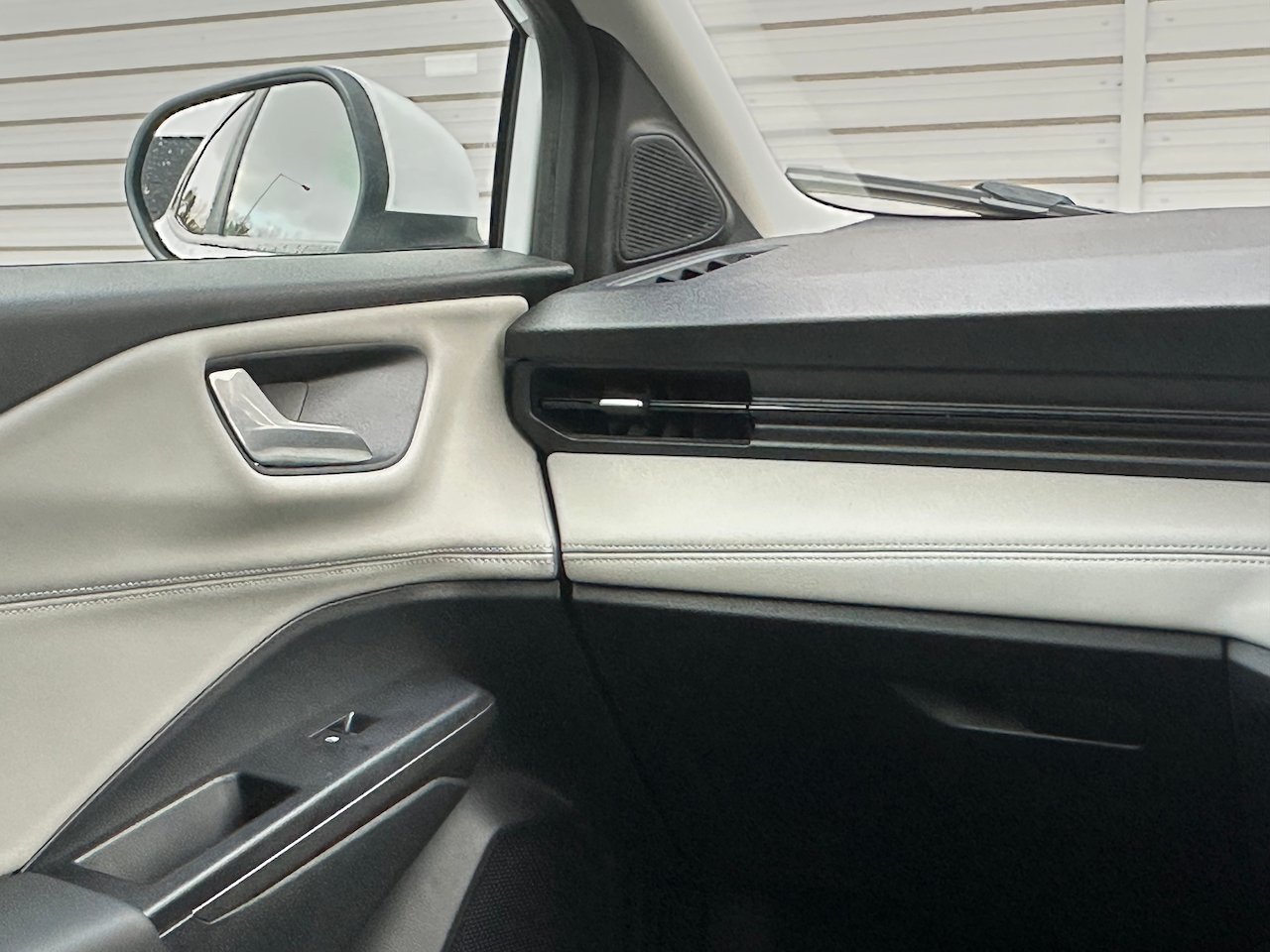
Material quality remains solid for this price range, with soft-touch surfaces where they matter most and durable finishes elsewhere. Ford has clearly prioritised usability over unnecessary flourish, which suits the Puma’s practical nature.
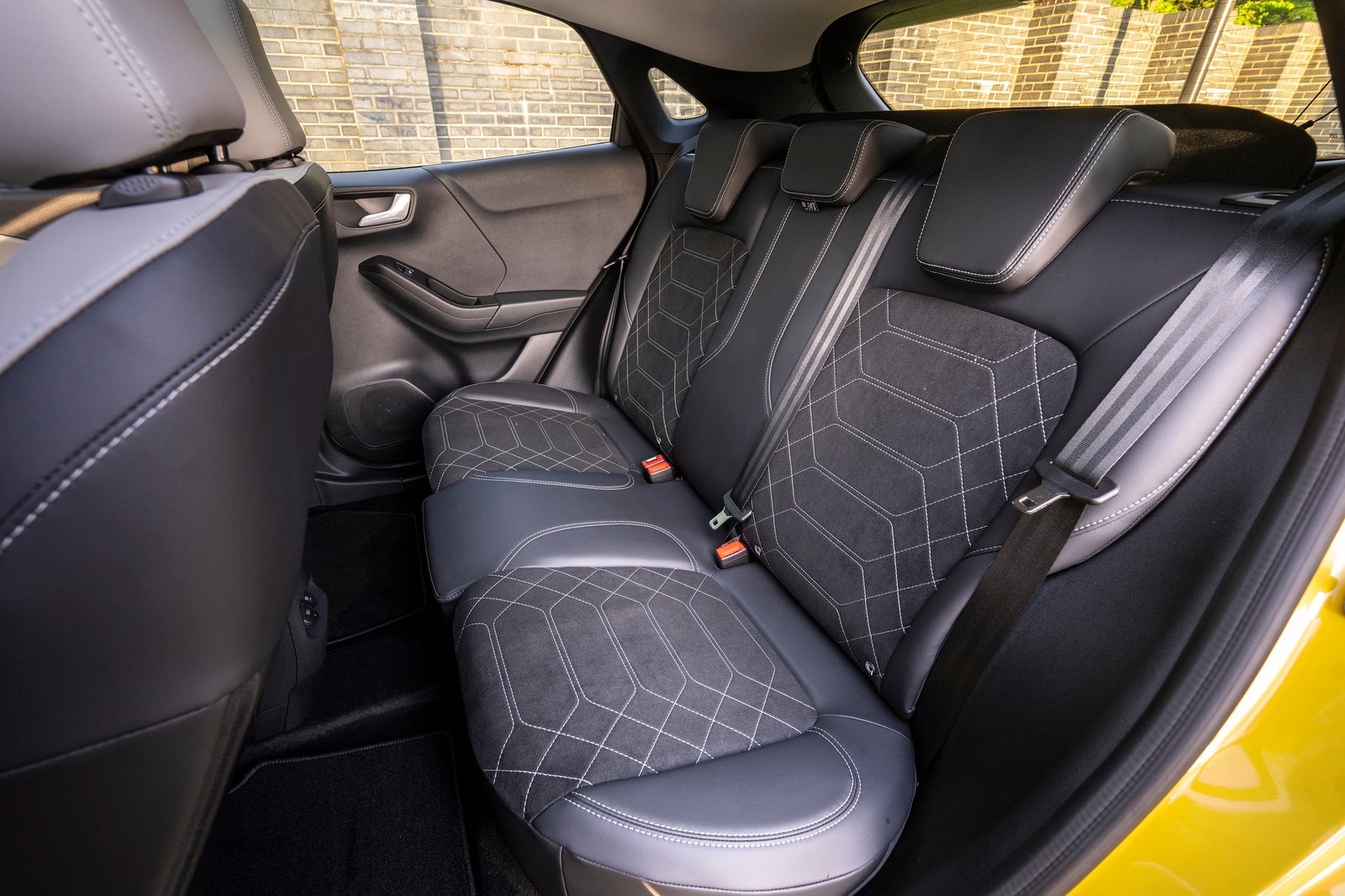
Space is competitive for a car of this size. The rear seats provide okay legroom for adults although, due to the batteries under the floor, there is slightly less leg room than in the ICE version.
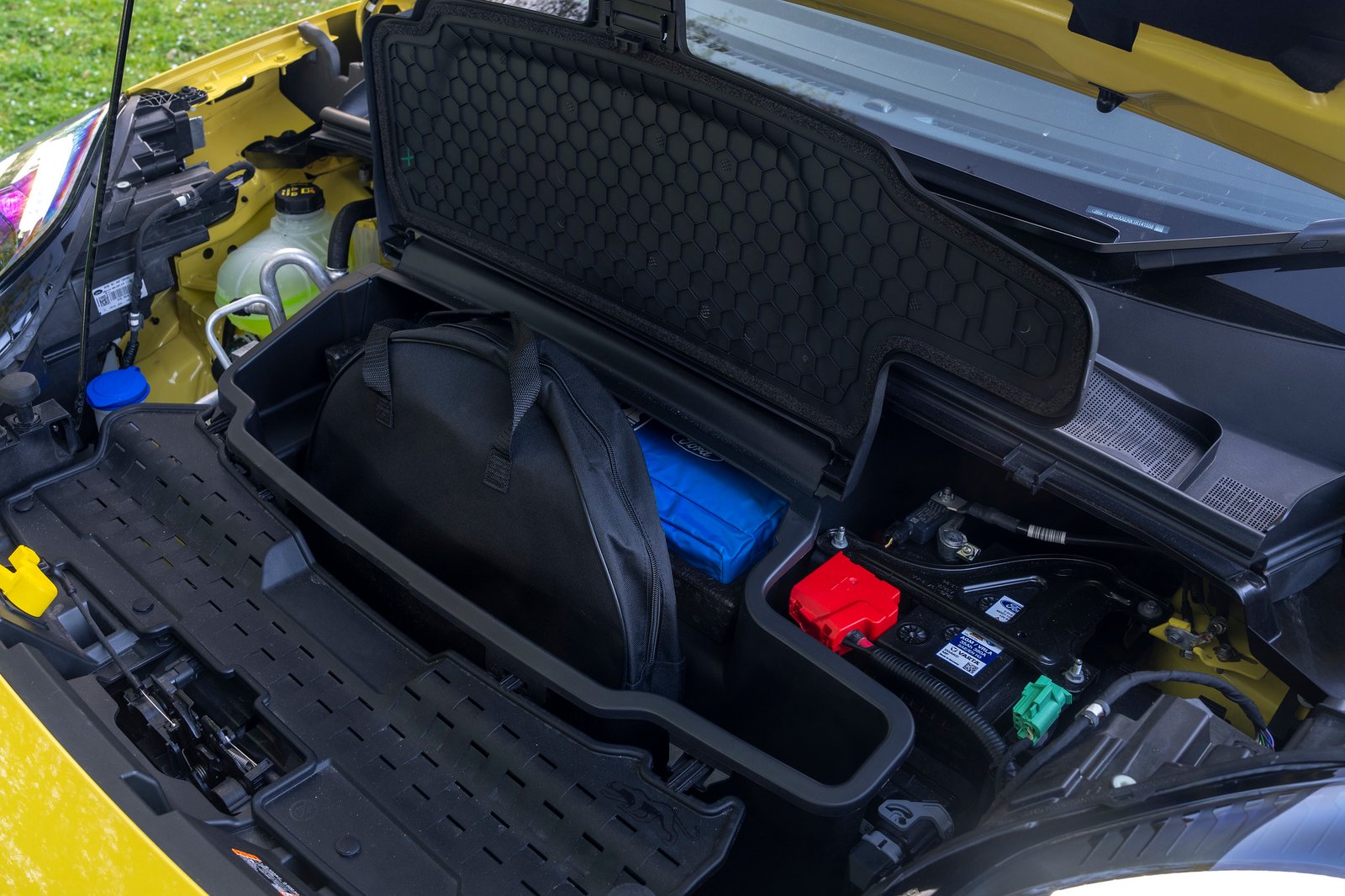
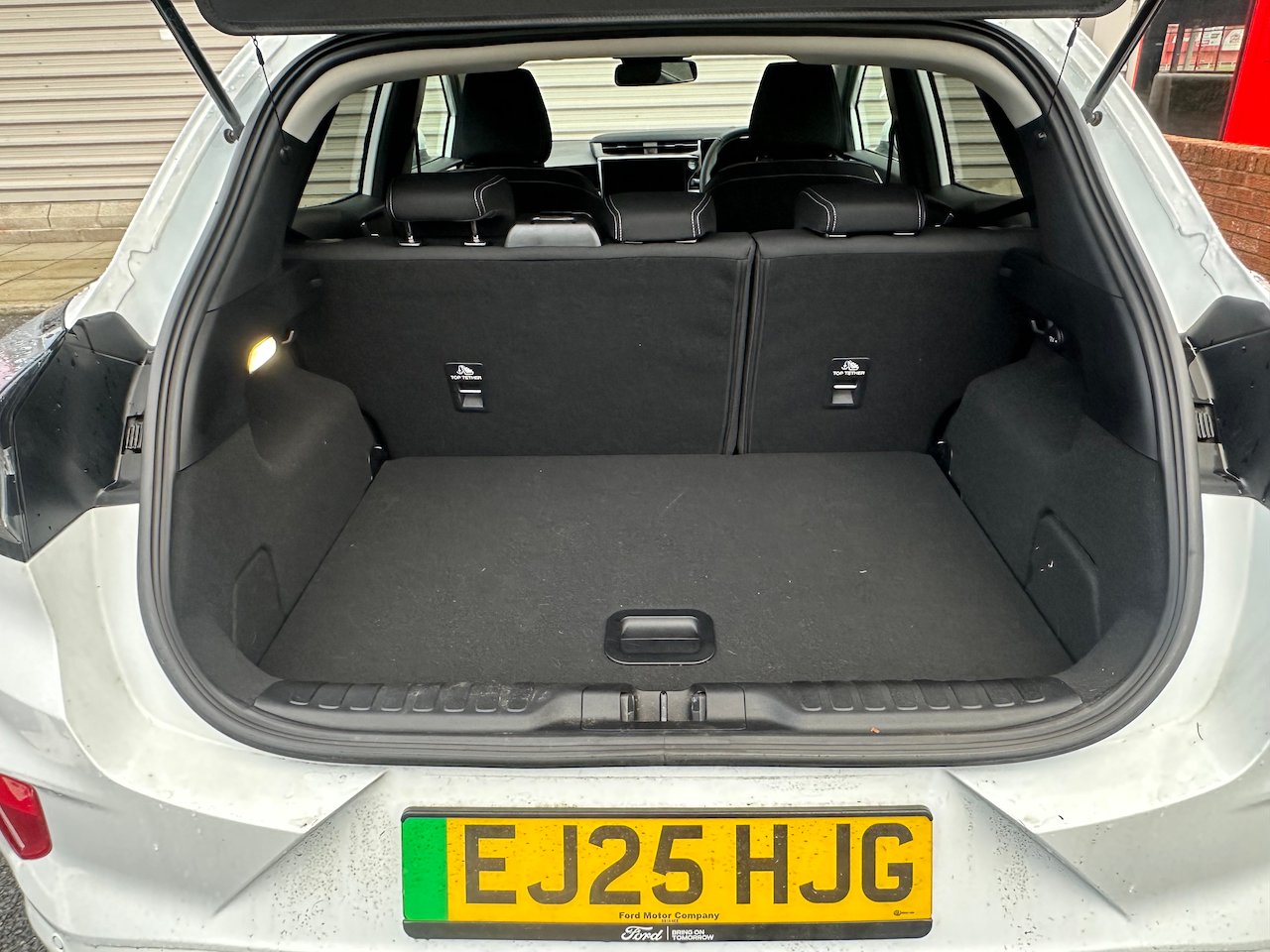
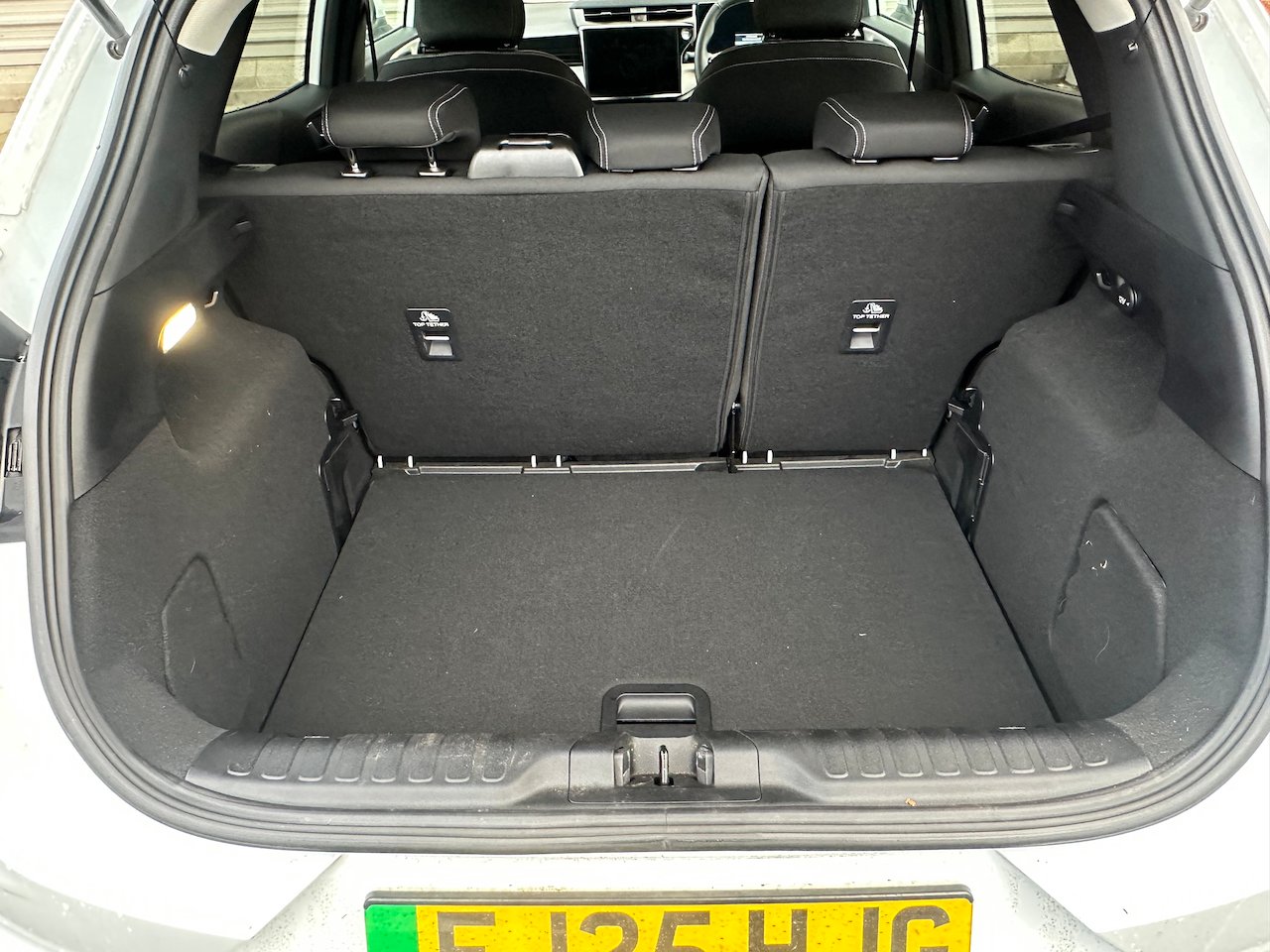
The boot remains one of the Puma’s strongest assets at 535 litres and includes the Gigabox, deep storage area beneath the load surface. There’s also a small ‘frunk’ space, too. So, quite a bit more space than in the petrol Puma.
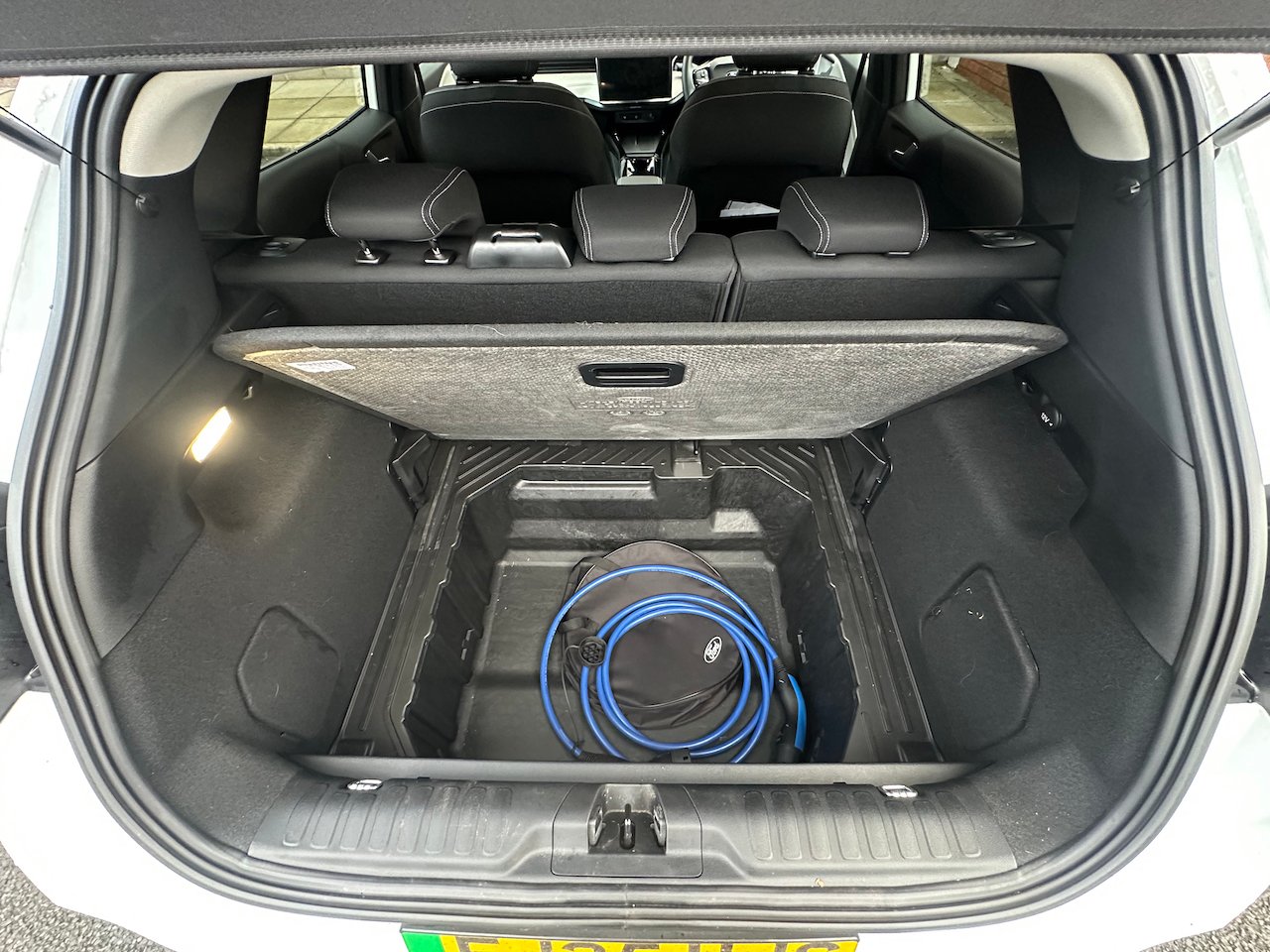
It all offers flexibility that many small SUVs struggle to match.
Technology and Driver Assistance
Technology plays a central role in the Puma Gen-E experience.
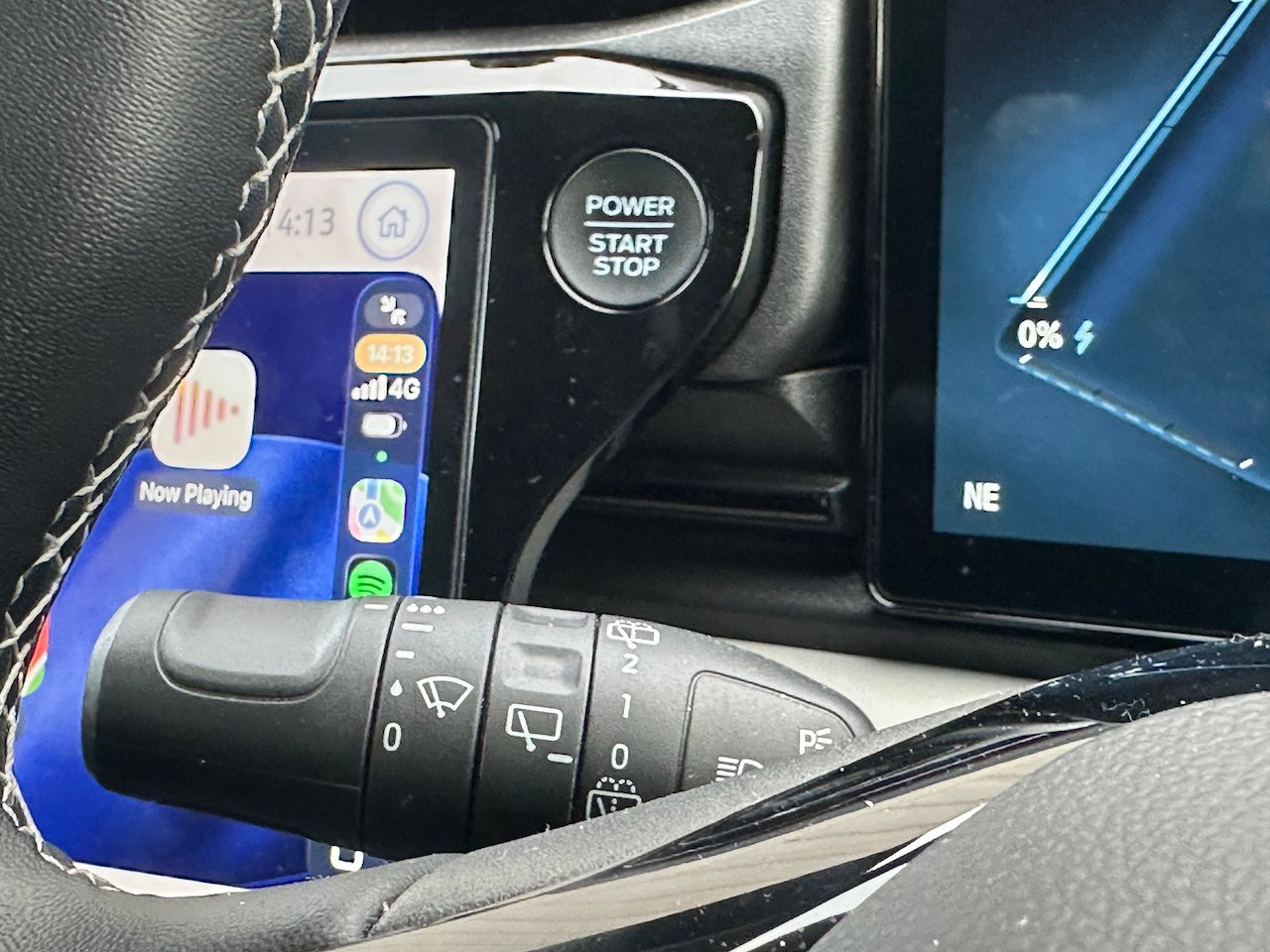
Ford’s infotainment system is clear and responsive, offering smartphone integration with Apple CarPlay and Android Auto being wireless and very welcome, thank you very much.
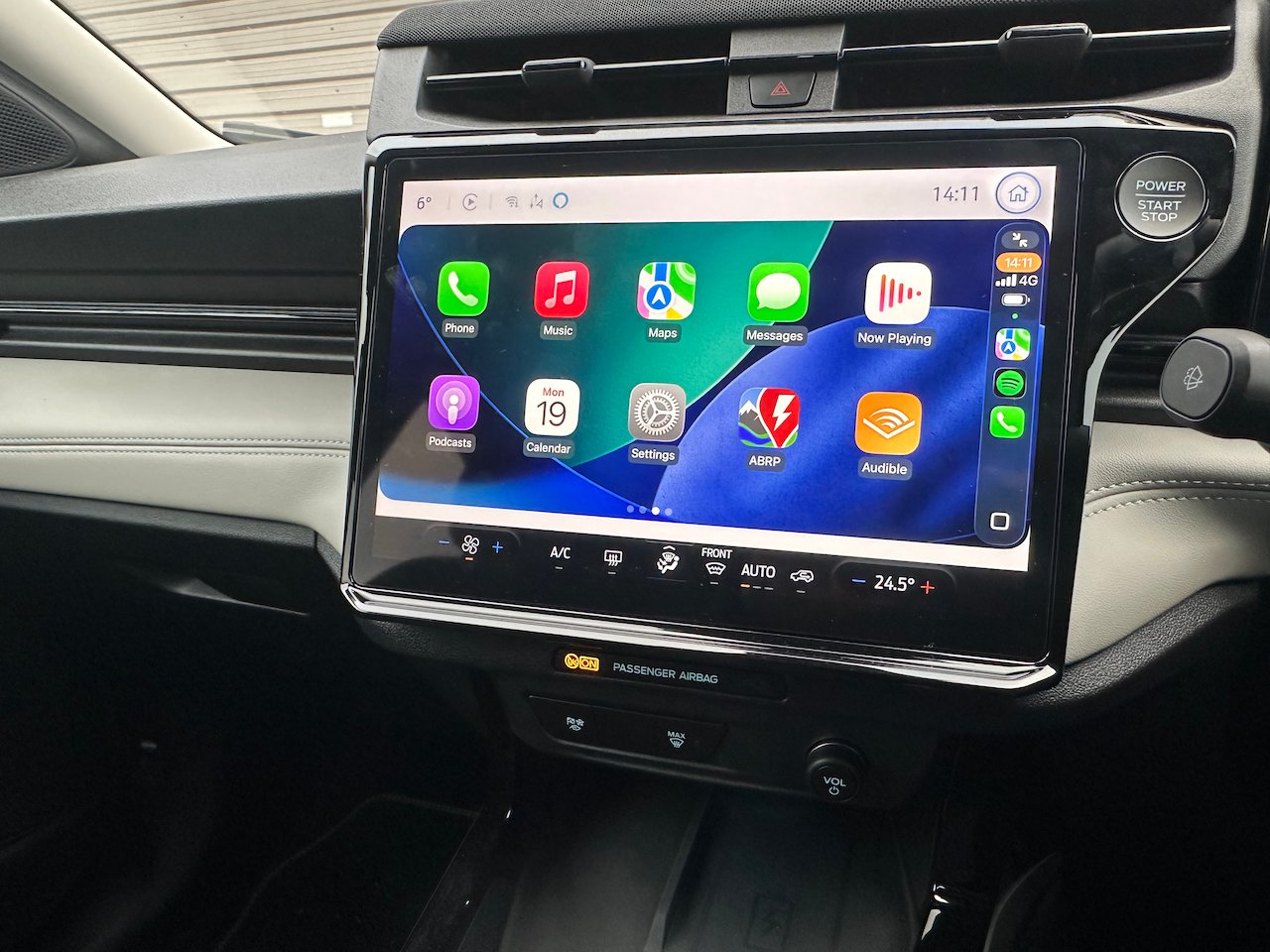
Navigation and connected services are available through a large central touchscreen. The interface is intuitive and avoids the menu-heavy complexity that can plague modern systems.
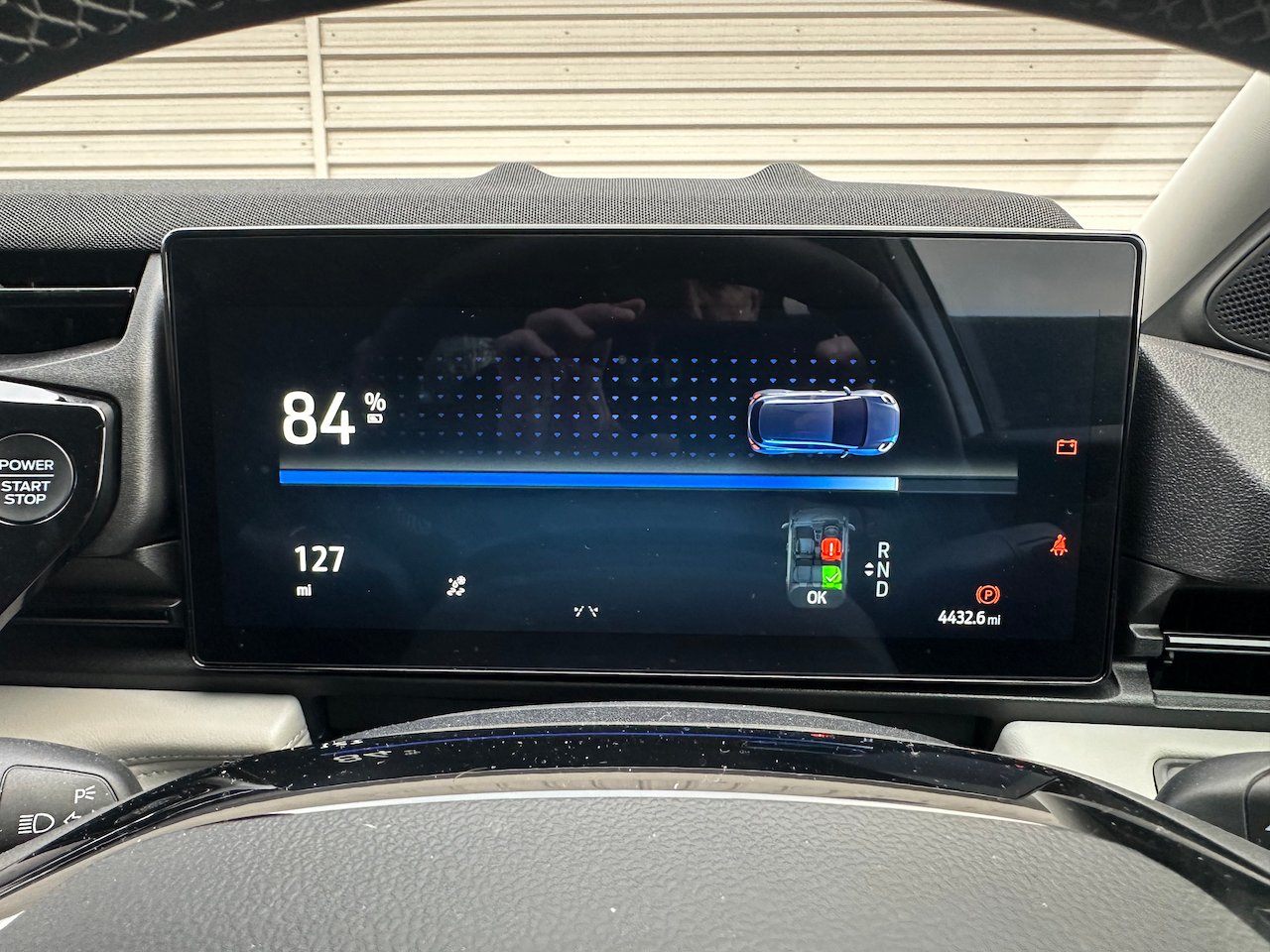
A digital driver display provides key driving information clearly, including battery range, energy usage and navigation prompts.
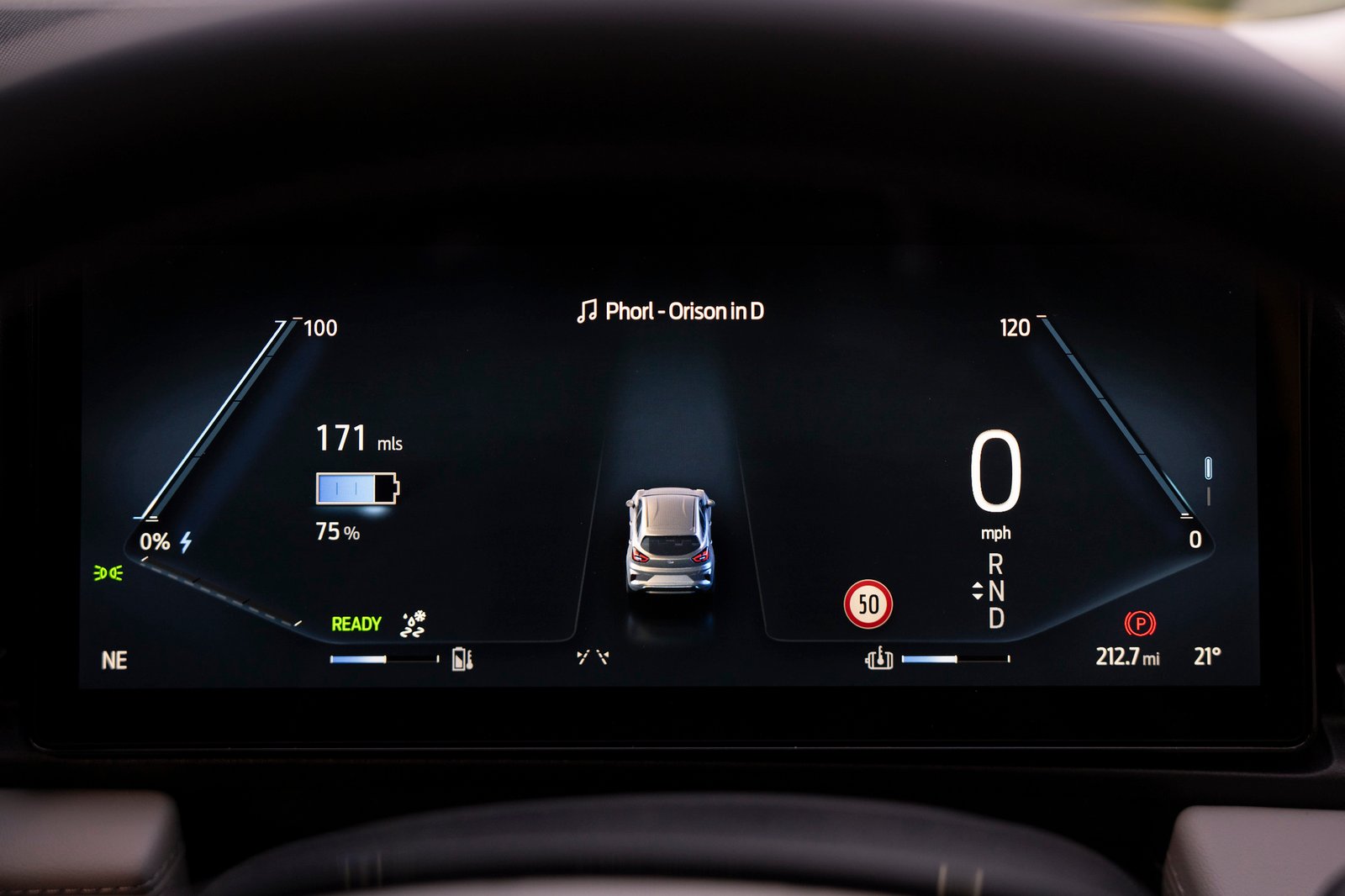
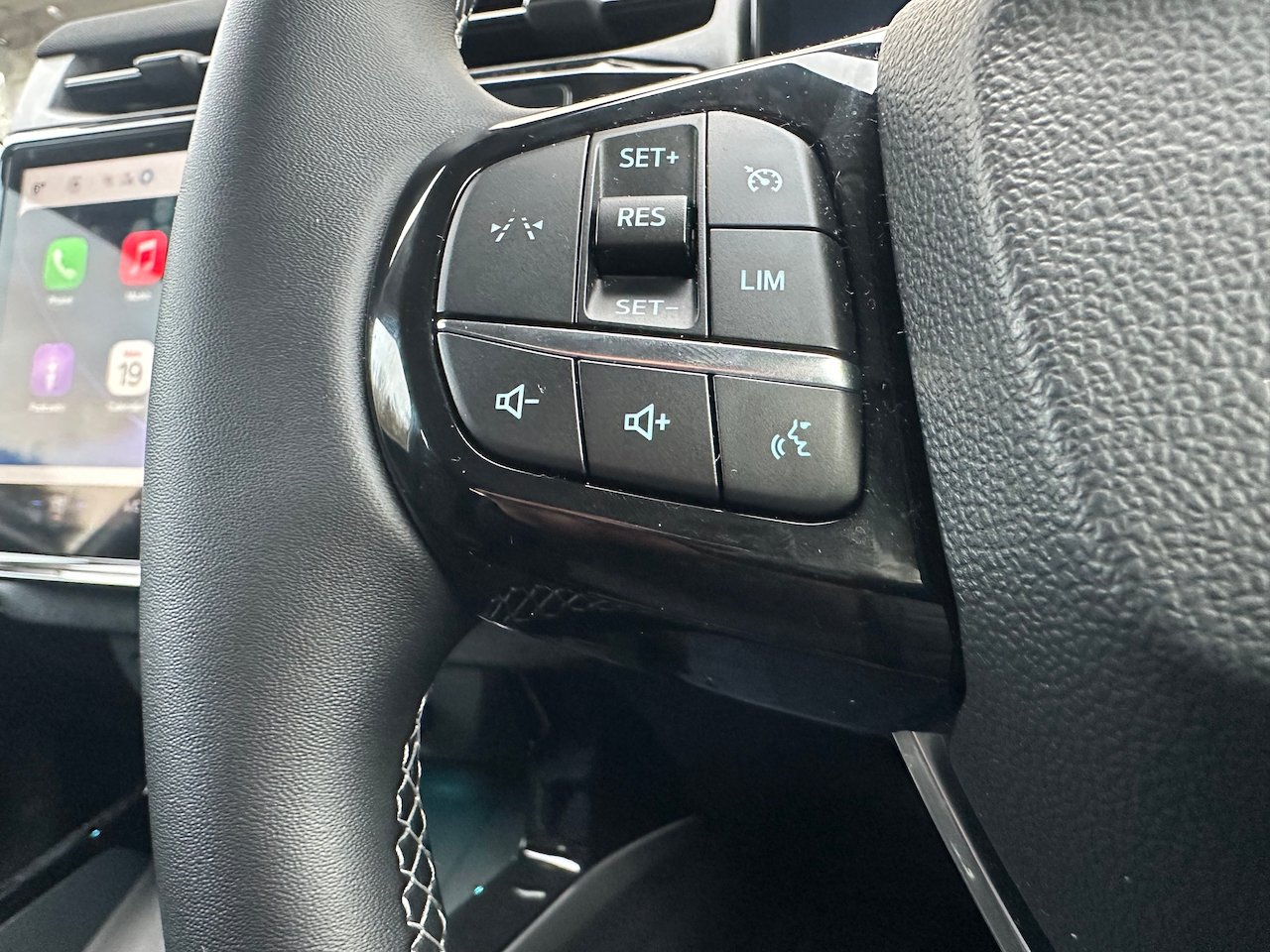
Driver assistance technology is also comprehensive. Adaptive cruise control, lane keeping assistance and collision mitigation systems are all available, helping the Puma meet modern safety expectations.
These systems generally operate smoothly and without excessive intrusion, allowing the driver to retain a sense of control rather than feeling constantly nagged. They’re easy to silence, too.
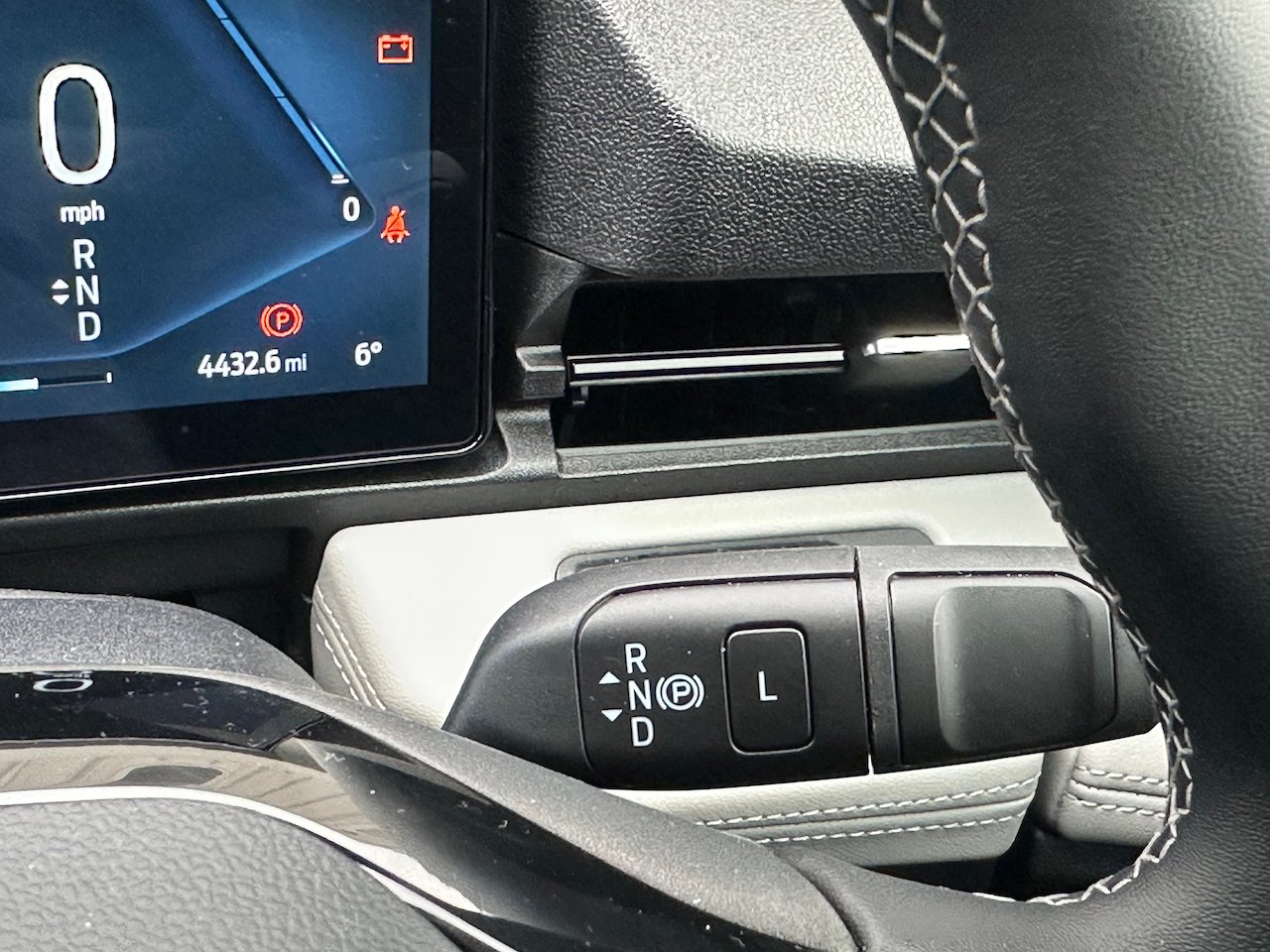
For everyday driving, the technology strikes a sensible balance between assistance and usability. I don’t think anyone would be disappointed with what’s on offer – even in this entry level model.
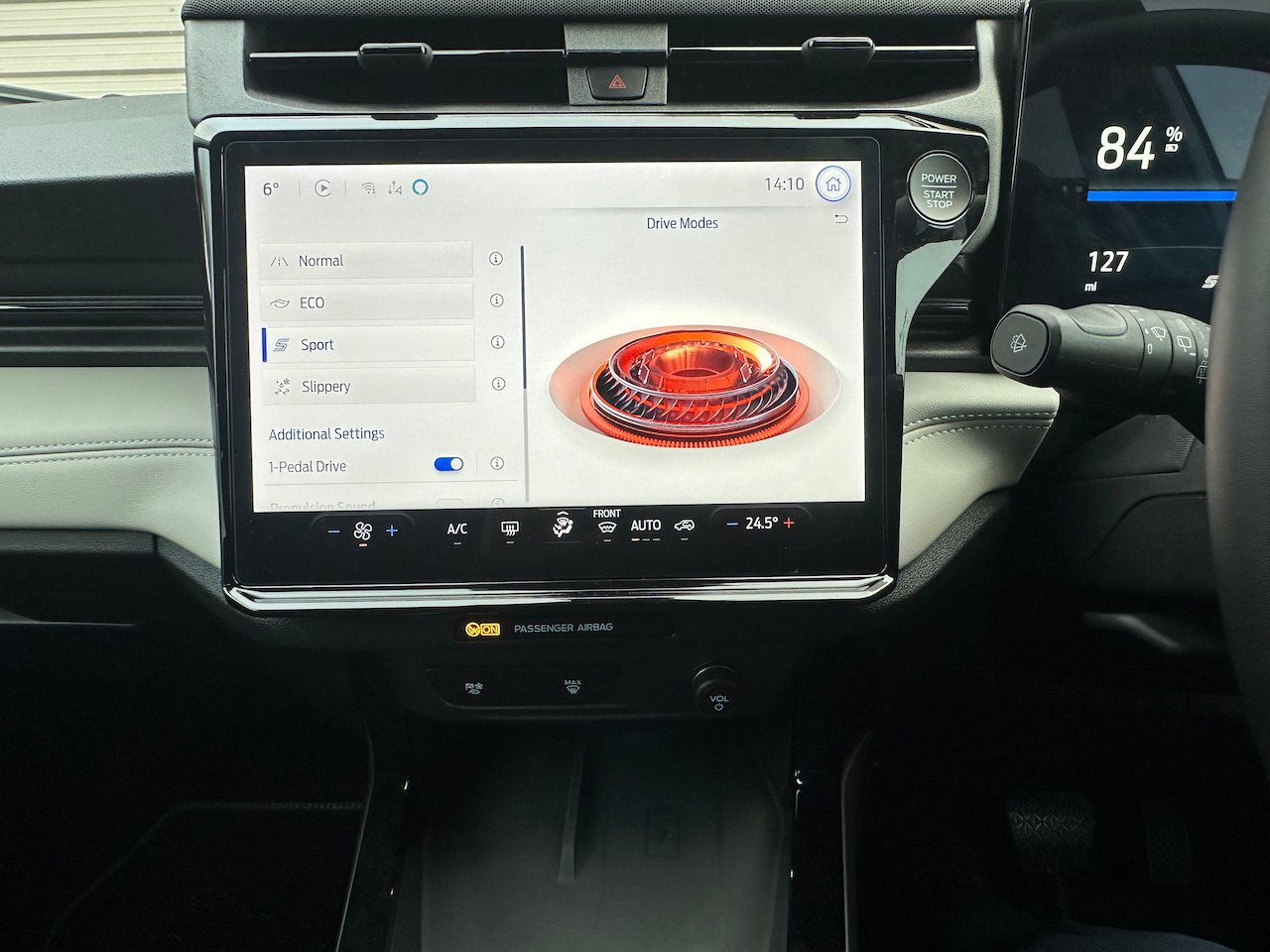
Driving Impressions
If there is one area where the Puma has traditionally excelled, it is driving dynamics.
Ford has a long reputation for producing small cars that are enjoyable to drive, and the electric Puma continues that tradition to a degree.
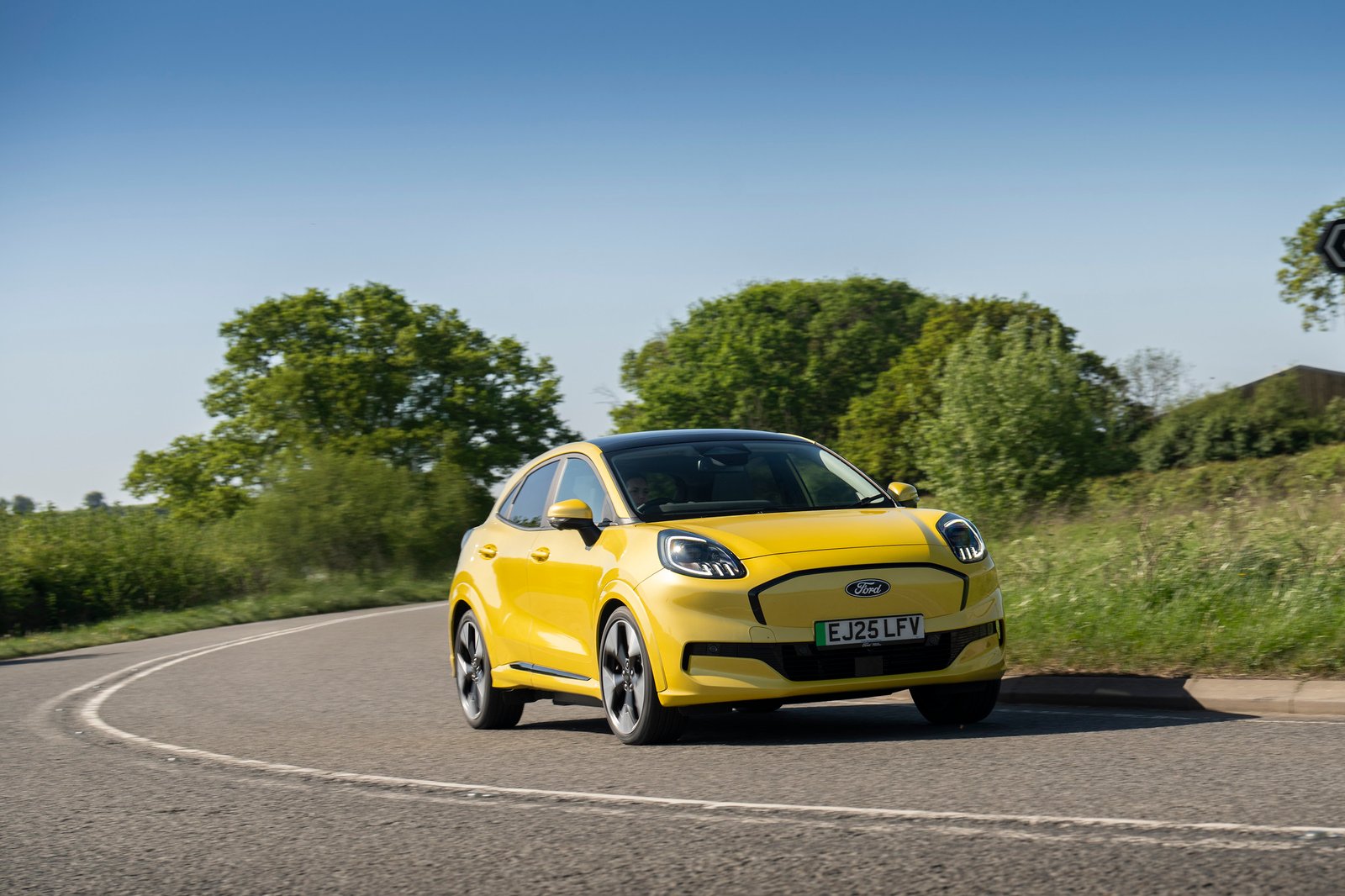
Around town, the Gen-E feels quick off the line thanks to the instant torque provided by the electric motor. Acceleration is smooth and responsive, making urban driving particularly easy.
On more interesting roads, the Puma’s compact dimensions and relatively low centre of gravity give it an agile feel. Steering is direct and predictable, encouraging a bit more enthusiasm than many rivals.
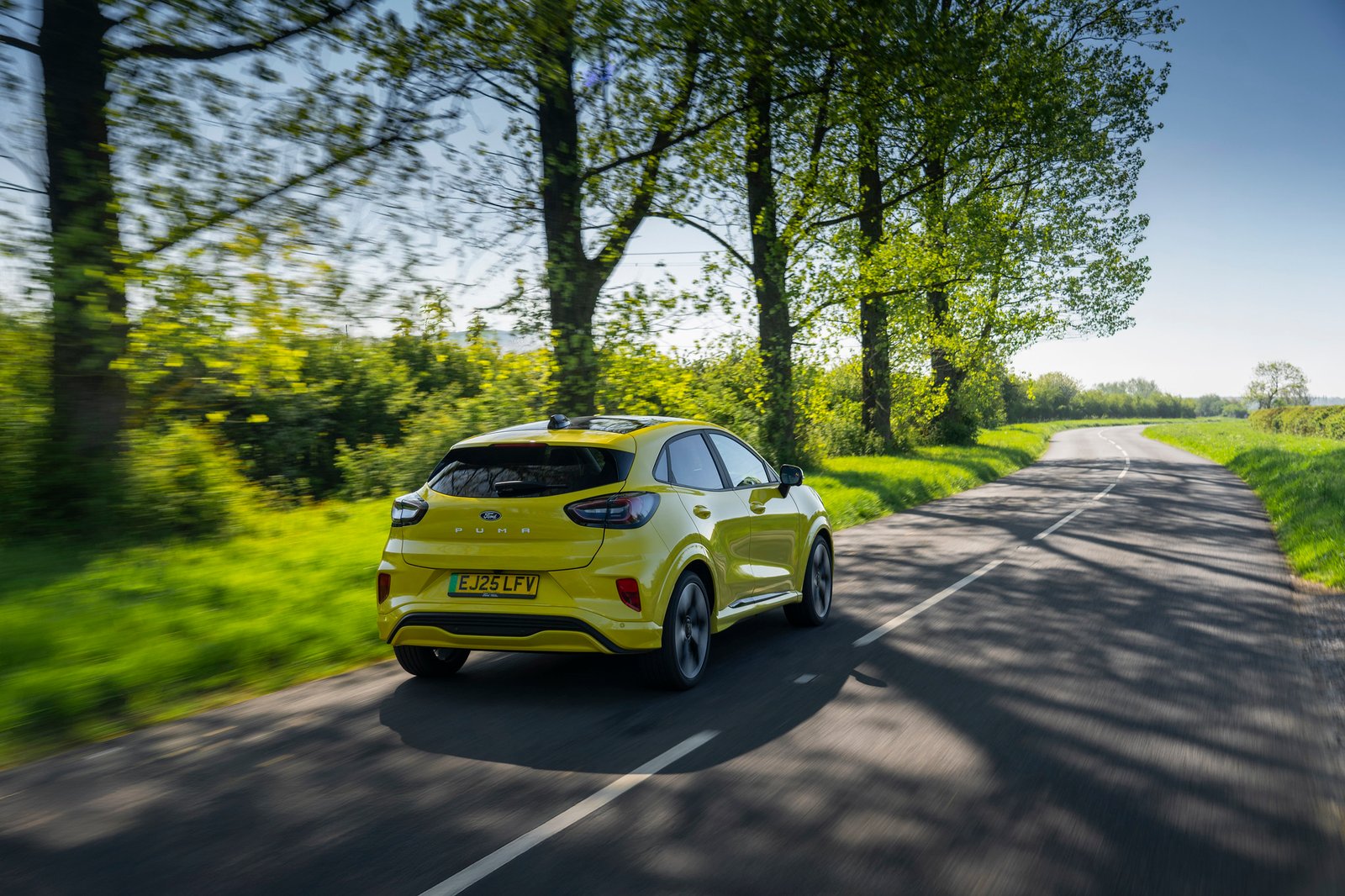
It is not a performance car, but there is a definite sense of playfulness in the way it responds to driver inputs.
Ride comfort is well judged. The suspension absorbs bumps competently while maintaining good body control through corners.
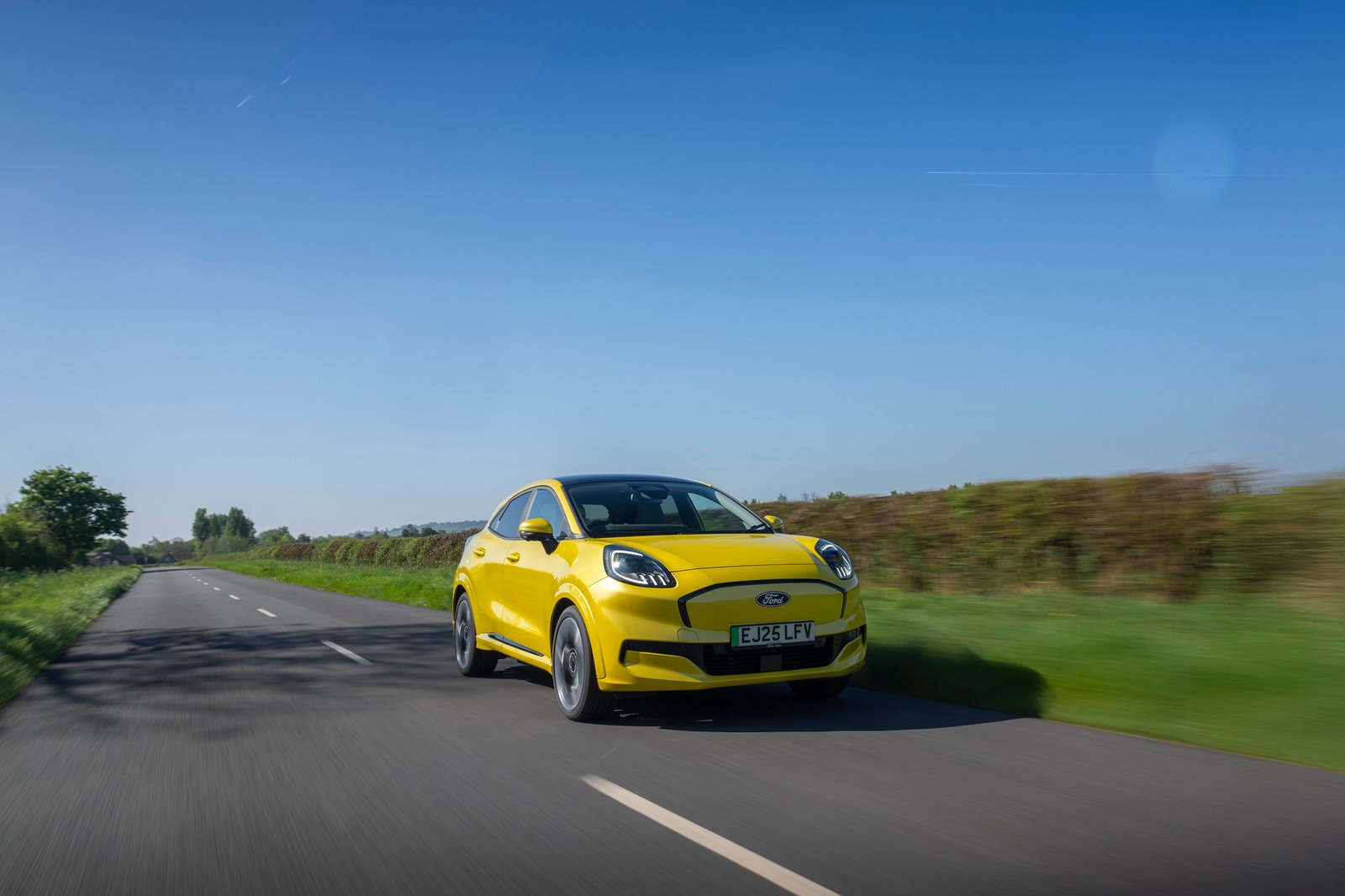
This balance between comfort and handling has always been one of the Puma’s strengths, and it largely carries over to the electric version.
However, range is where the Puma Gen-E model begins to show its limitations. While perfectly adequate for daily commuting, school runs and general local driving, the available range feels a little conservative compared with some newer electric rivals.
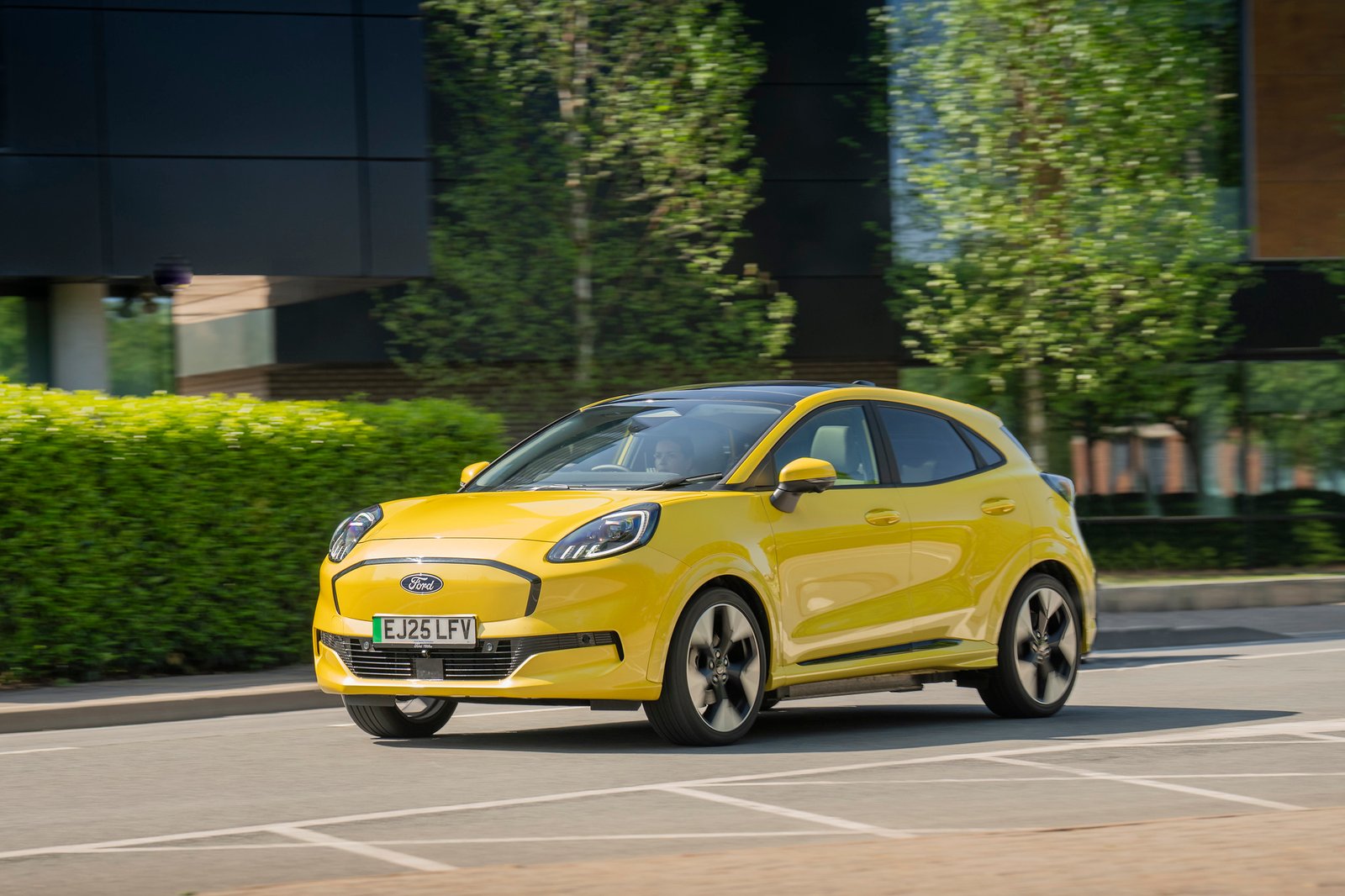
I had the car during a cold winter’s week and the range available consistently fell below the 200 mile mark.
In short, the Puma Gen-E works best as an urban and suburban EV rather than a long-distance tourer.
Range and Charging
The modest battery size keeps pricing competitive but inevitably reduces overall driving distance compared with larger-battery alternatives. The newer 2026 models should prove to have slightly better range, though.
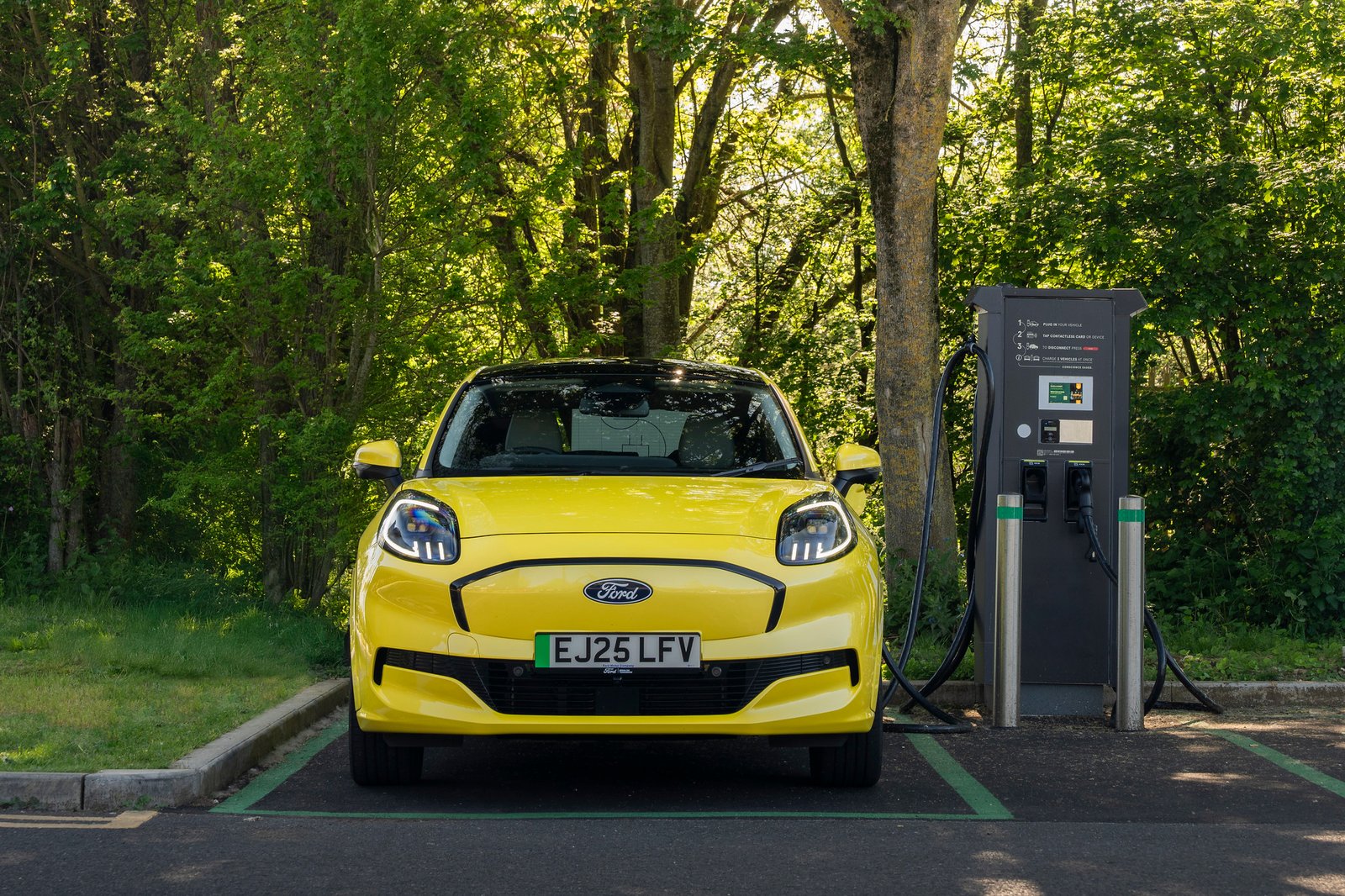
For many households this will not be a problem. Most daily journeys are relatively short, and home charging can easily replenish the battery overnight.
However, buyers comparing the Puma with some rival electric crossovers may notice that others offer slightly longer ranges for similar money.
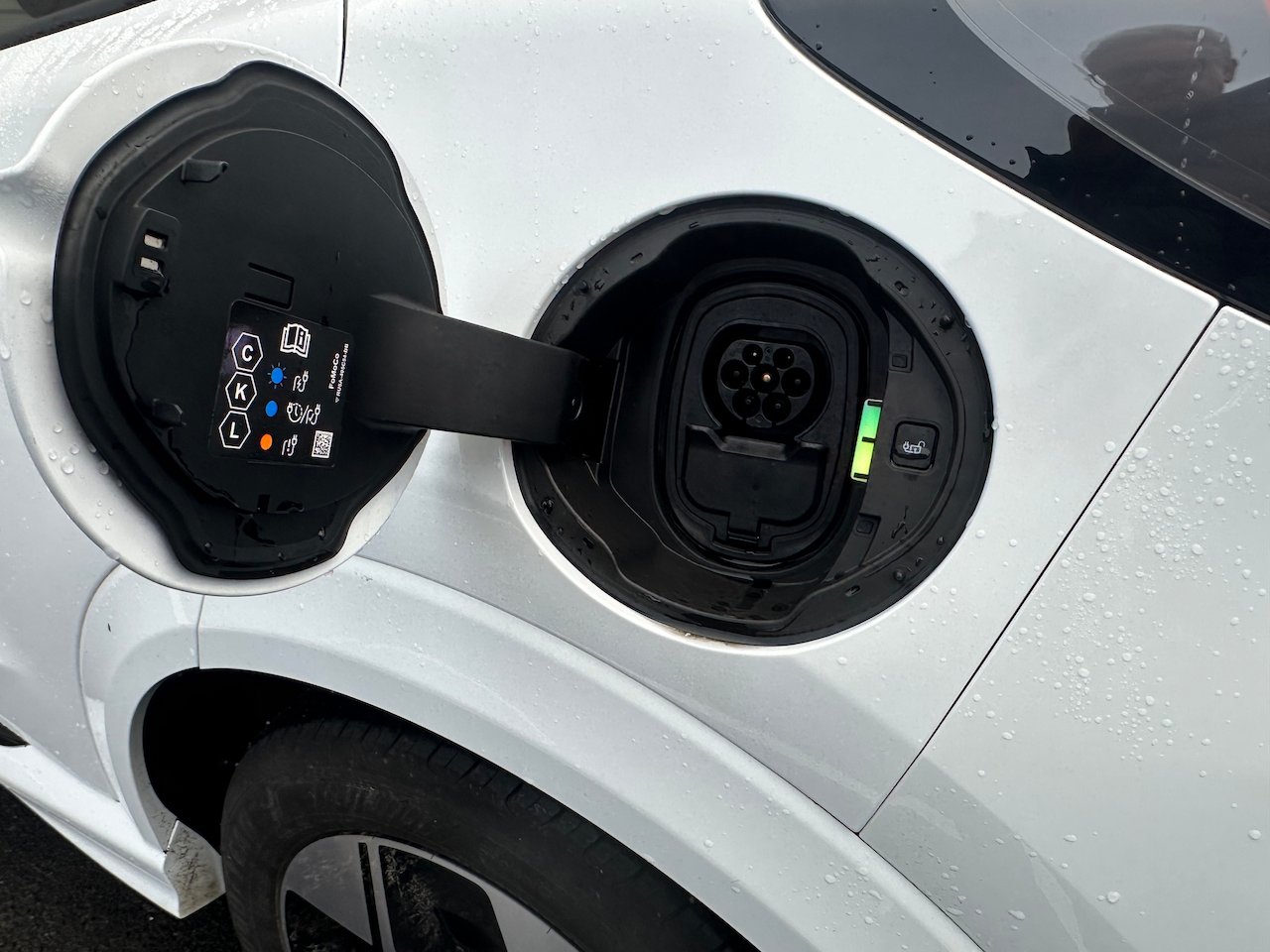
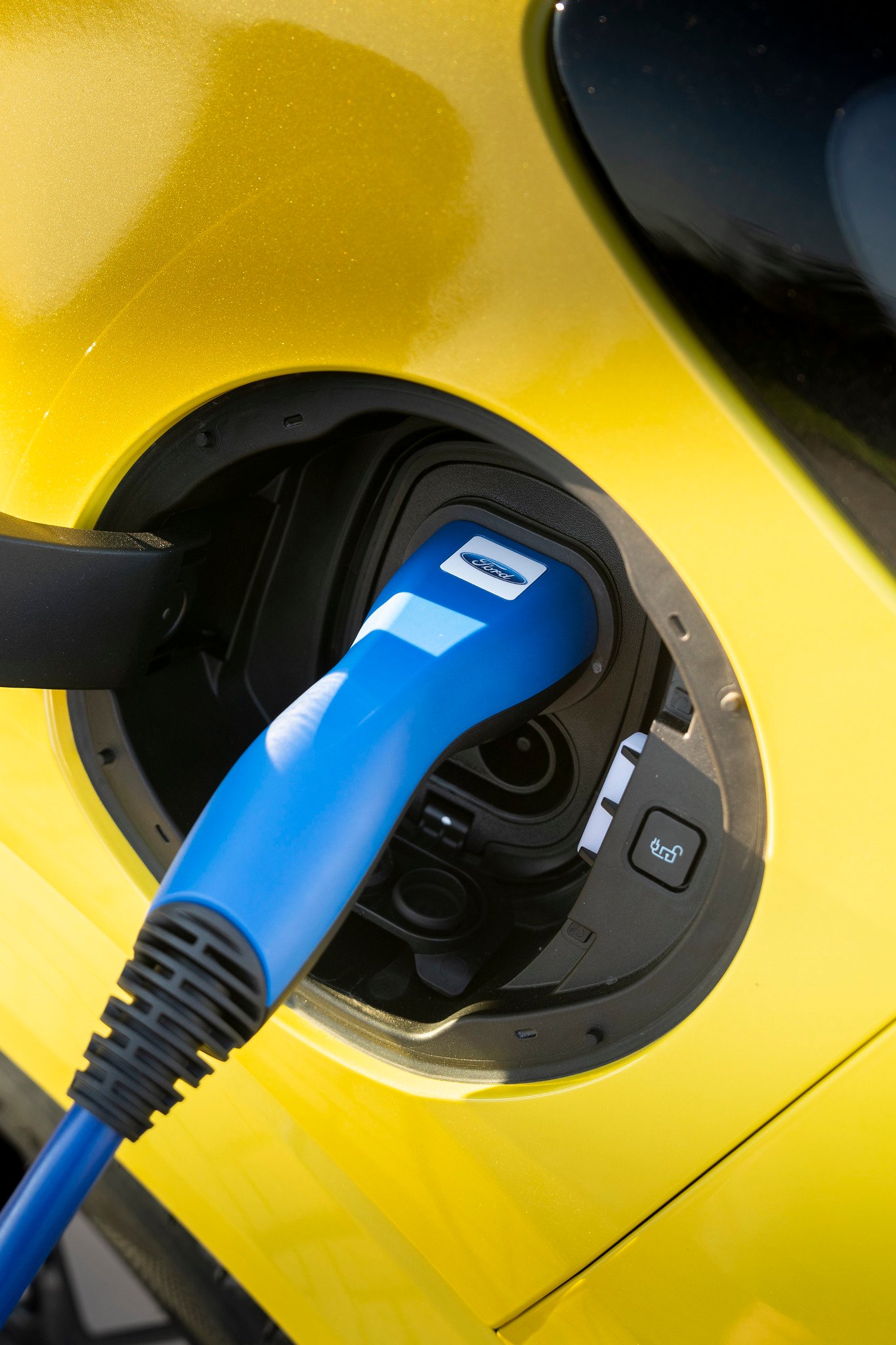
Charging performance remains practical, with rapid charging capability allowing meaningful top-ups during longer journeys.
Rivals
The Puma Gen-E enters a rapidly expanding segment of compact electric crossovers.
Key rivals include the Jeep Avenger Electric, Volvo EX30, Kia EV3 and Peugeot e-2008.
Each brings its own strengths, whether that is range, design or technology. The Puma’s advantage lies in its driving dynamics and familiar practicality.
Few rivals manage to combine small-car agility with SUV-style usability quite as effectively.
Verdict
The Ford Puma Gen-E demonstrates how well an established formula can adapt to electric power.
It retains the character that made the petrol Puma so successful: compact dimensions, useful practicality and a genuinely enjoyable driving experience.
For buyers primarily using their car for commuting, school runs and everyday urban driving, the Puma Gen-E remains a very appealing option.
Those covering longer journeys more regularly may want to look elsewhere.
Either way, the electric Puma proves that small EVs do not have to sacrifice driving enjoyment in the pursuit of efficiency.

At a Glance
- Make & Model: Ford Puma Gen-E Select
- Price (OTR): £26,245 (after £3,750 UK EV grant)
- Powertrain: Single-motor electric drive
- Drive: Front-wheel drive
- Battery Options: 53kWh (43kWh usable)
- WLTP Range: 259 miles (combined, 2026 model)
- Motorway Range: 193 miles (2026 model)
- Realistic, Range – probably around 220 miles