FOR years, reviews of Chinese cars have begun in much the same way: “It’s surprisingly good.” Or “Better than you’d expect.”
The implication has always been the same; that these manufacturers are still learning. Still honing their skills.
Which is a bit of a nonsense of course, as the majority of Chinese manufacturers have been around for decades – longer than some European manufacturers in many cases.
What we really mean is that their cars are new to OUR market and to US they feel new – but not always meeting our expectations when it comes to quality of finish and driving experience. As Europeans, we’ve always held the likes of BMW, Mercedes, Volkswagen and even Ford, as the benchmark of what to expect for any given budget.
However, after spending three days with the Omoda 7 SHS-P, I’m beginning to think that narrative is becoming increasingly outdated.
Because this no longer feels like a car trying to prove Chinese manufacturers can build a competent family SUV. It simply feels like a competent family SUV – but with one, significant exception.
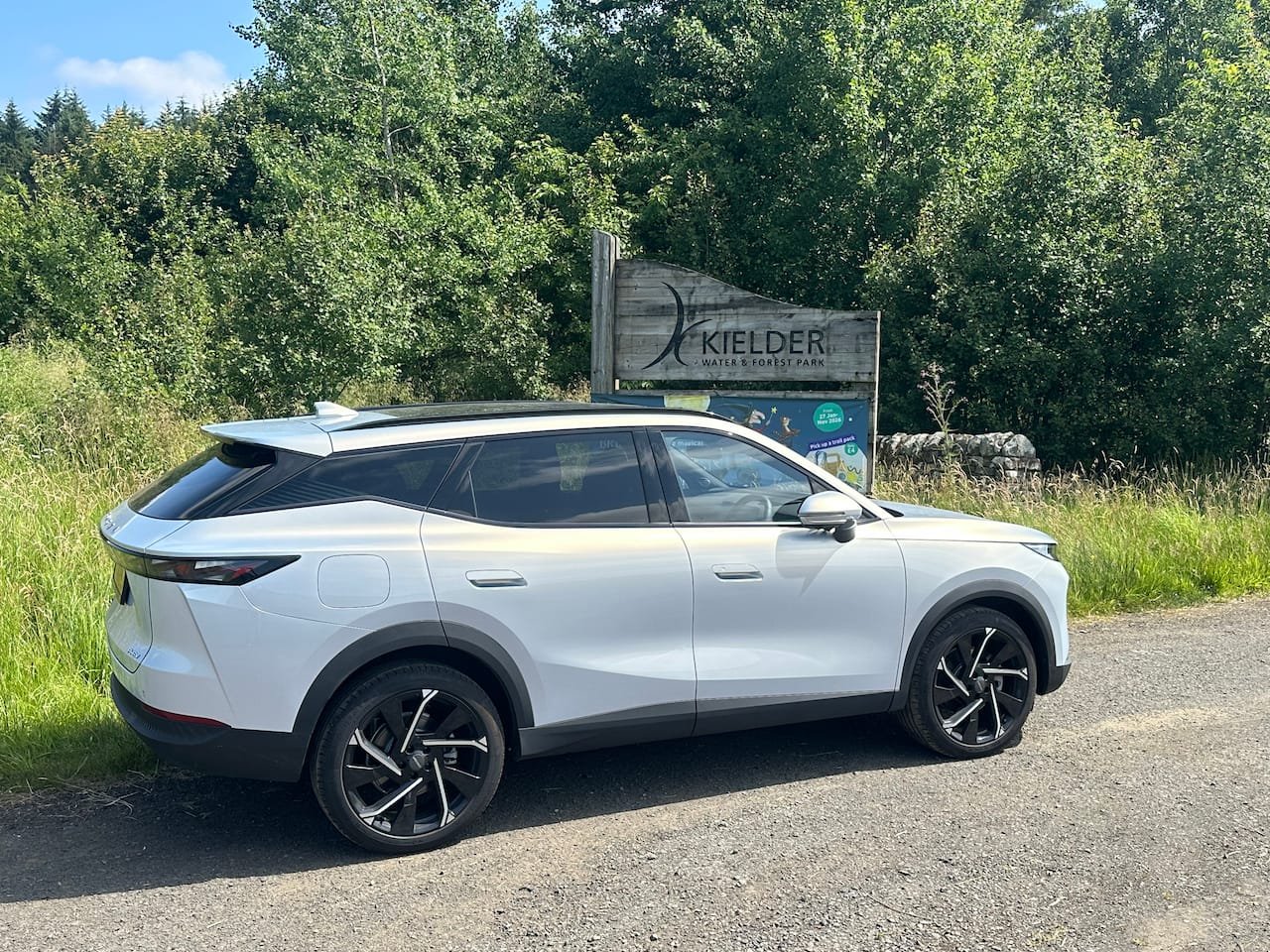
Over three days, the Omoda 7 carried myself and a friend across Northumberland, taking in the spectacular surroundings of Swinburne Castle, an unforgettable evening beneath the stars at Kielder Observatory, the tidal crossing to Holy Island and, finally, Housesteads Roman Fort along Hadrian’s Wall.
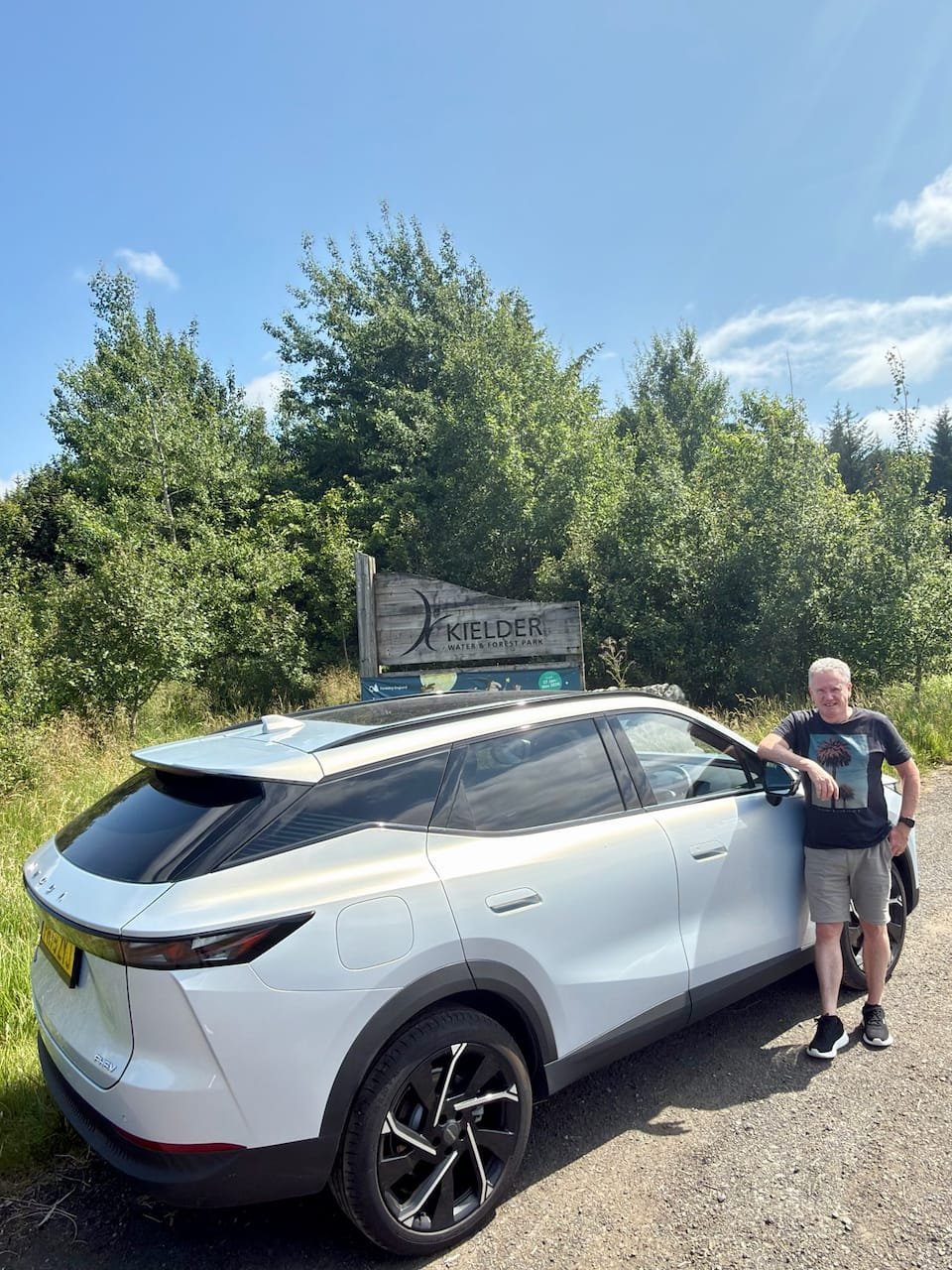
Long motorway runs, sweeping A-roads, twisting B-roads and several days of summer sunshine provided exactly the sort of varied driving that reveals what a car is really like to live with.
Overview
The Omoda 7 occupies an increasingly important place within the rapidly expanding Omoda UK range.
Positioned between the smaller Omoda 5 and the flagship Omoda 9, it’s aimed squarely at buyers looking for a family SUV that combines generous equipment, modern technology and impressive efficiency without stretching into premium-brand pricing. Available with either a conventional petrol engine or Omoda’s fifth-generation Super Hybrid System, it also reflects just how quickly Chinese manufacturers are broadening their appeal.
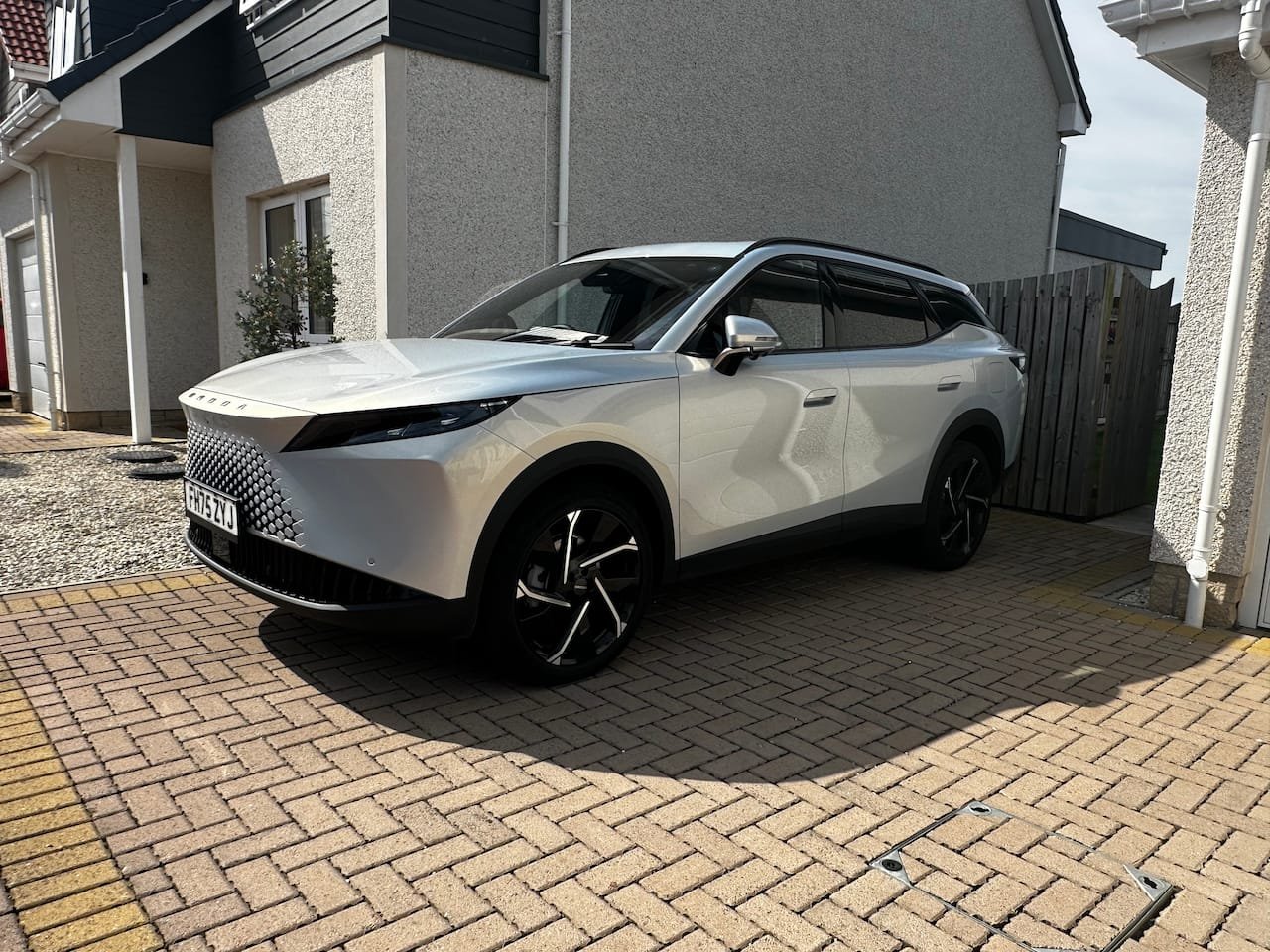
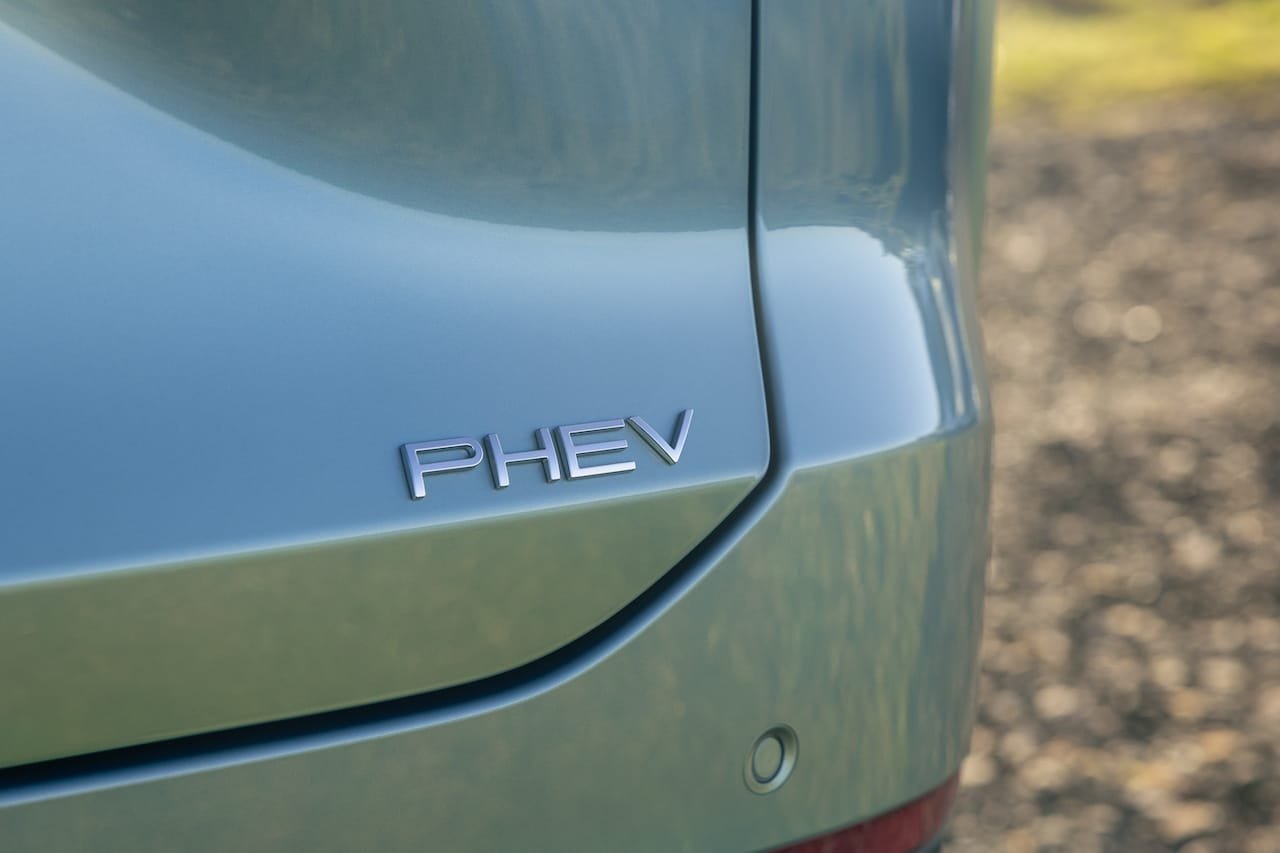
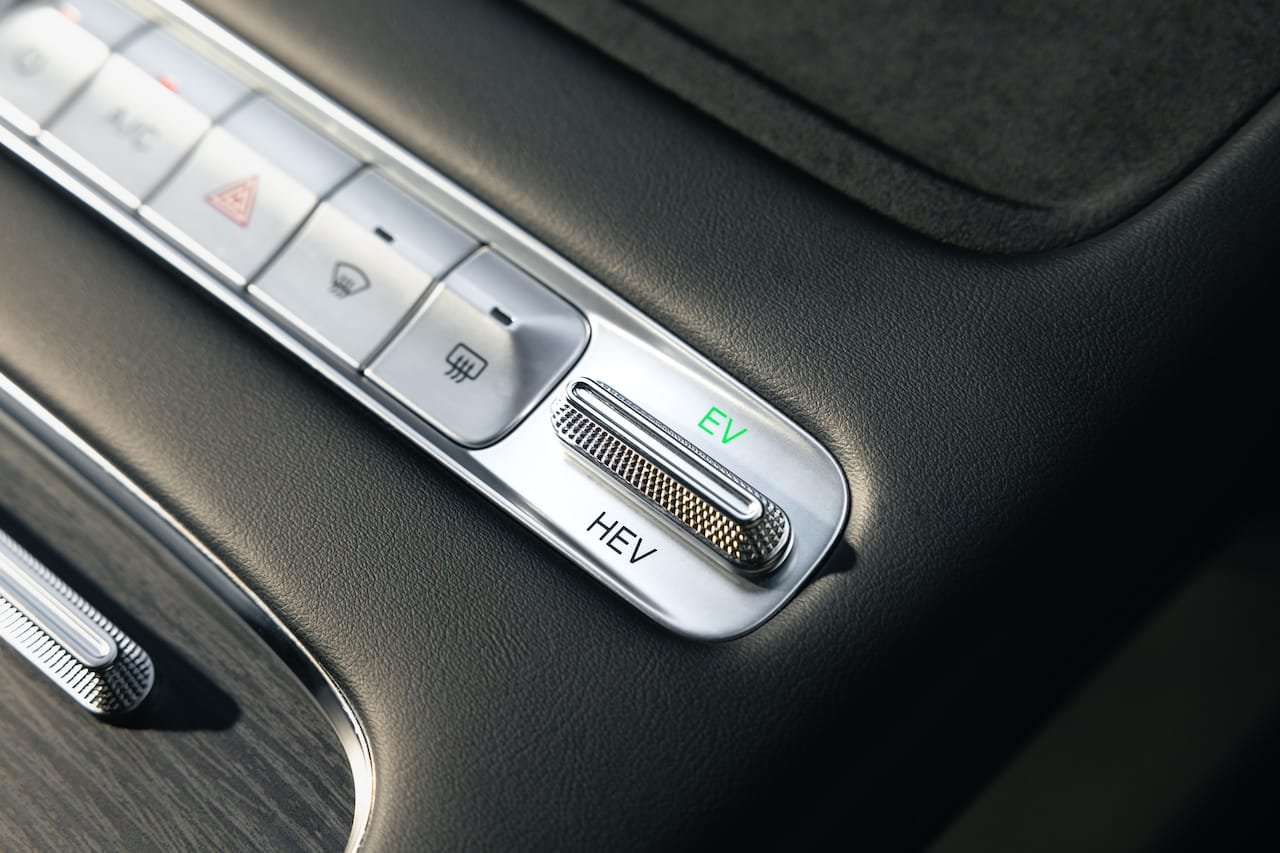
The SHS-P tested here is arguably the most interesting of the range. Its plug-in hybrid system combines a 1.5-litre turbocharged petrol engine with an 18.4kWh battery and dedicated hybrid transmission, producing a combined 204PS and 365Nm of torque. Officially, it can travel up to 56 miles on electric power alone before seamlessly switching to hybrid operation, delivering a claimed combined range of over 700 miles.
Those are impressive numbers, although we were on target to achieve nearer 600 miles over the entire trip – which is still not to be sniffed at considering this was a ‘real’ driving experience with real-world variations.
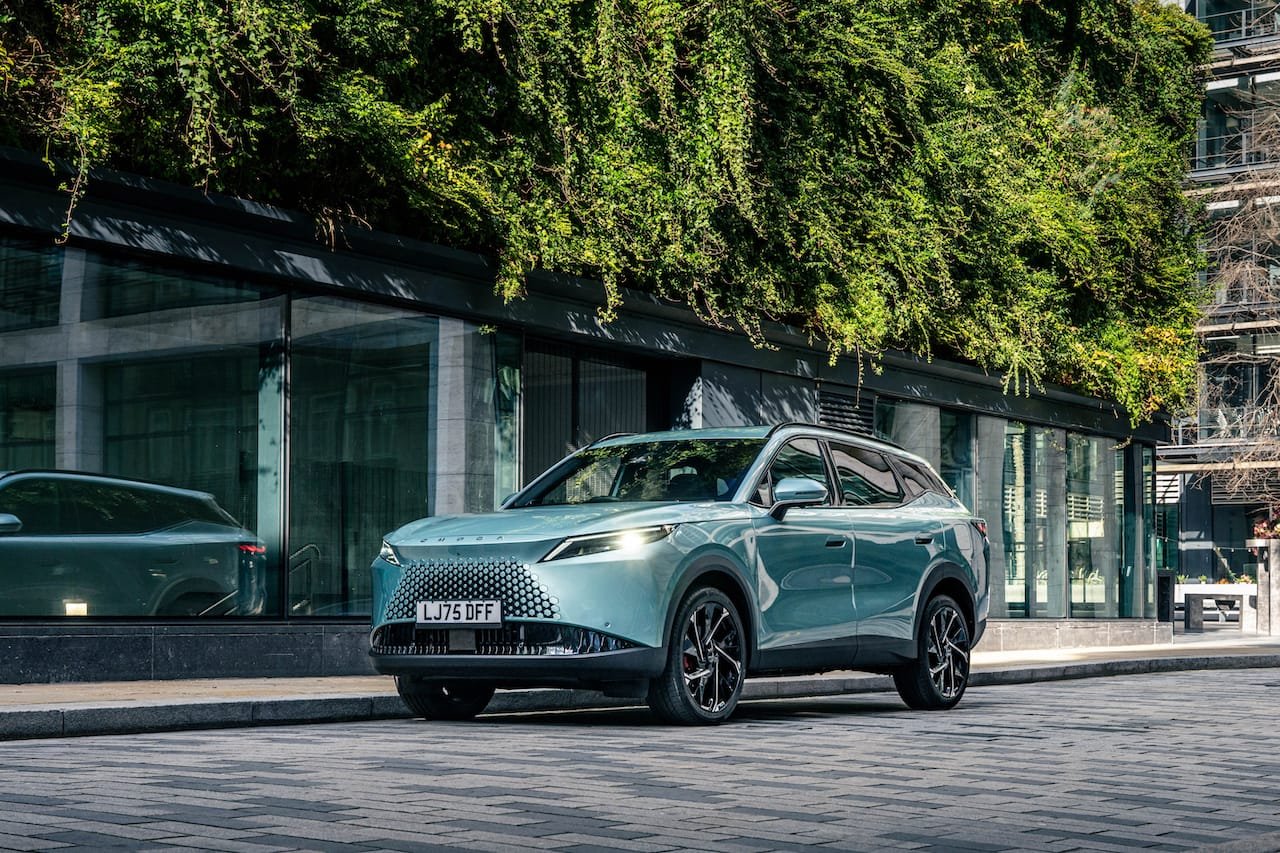
The price, as would be expected, is reasonable, too.
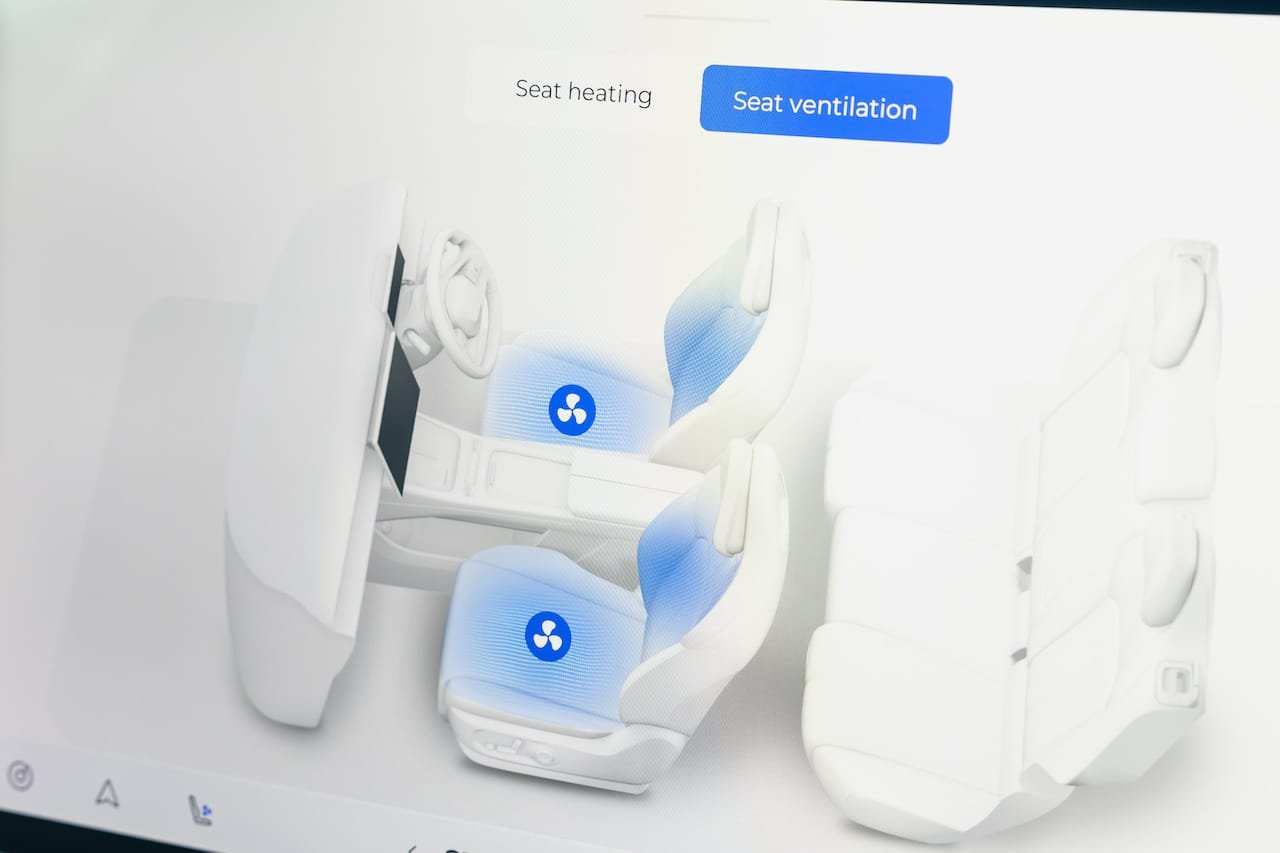
The Noble specification I drove starts from just over £35,000, yet arrives with equipment that would still be optional on many established European rivals. Heated and ventilated front seats, a panoramic sunroof, a 12-speaker Sony audio system, powered tailgate and an extensive suite of driver assistance technologies all come as standard.
That’s exactly why Omoda has attracted so much attention as it challenges long-established ideas about what buyers should expect for their money.
Design
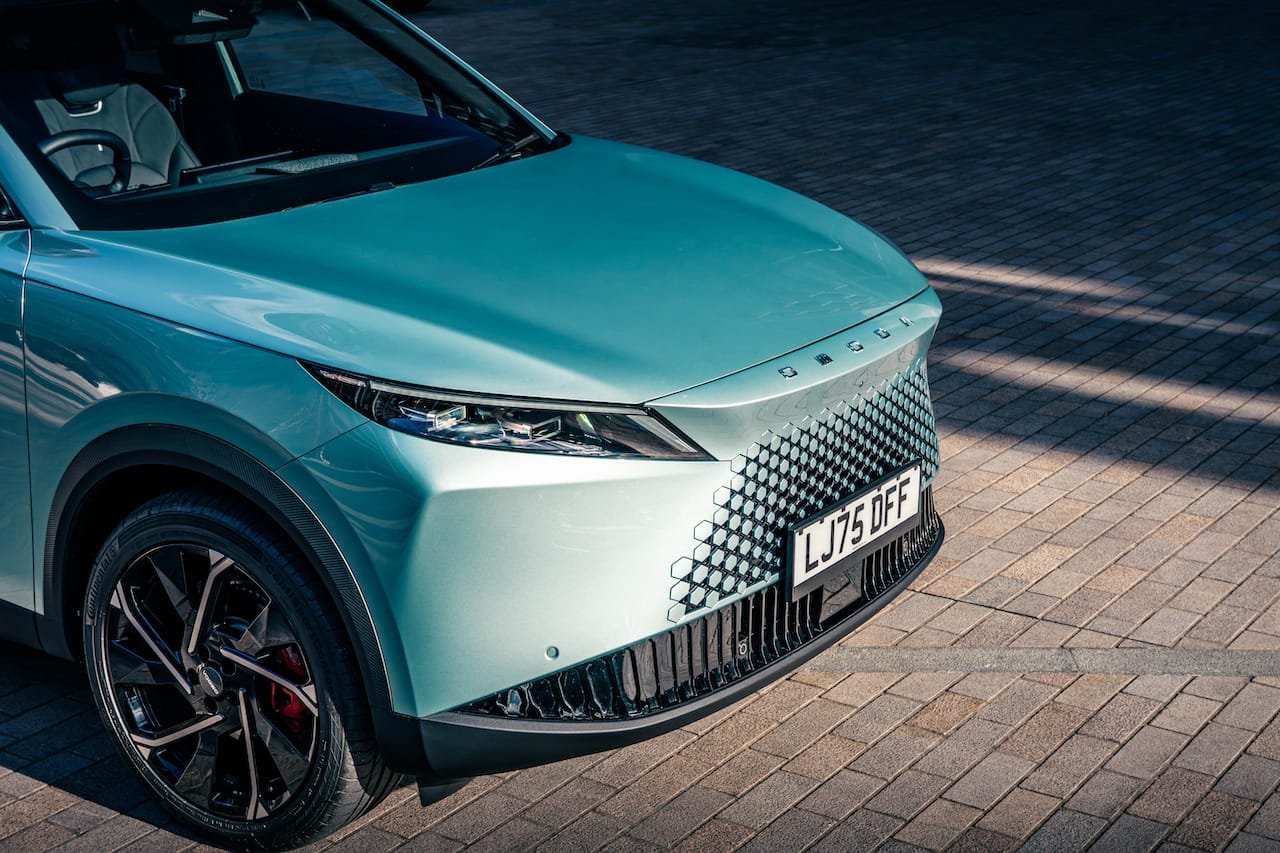
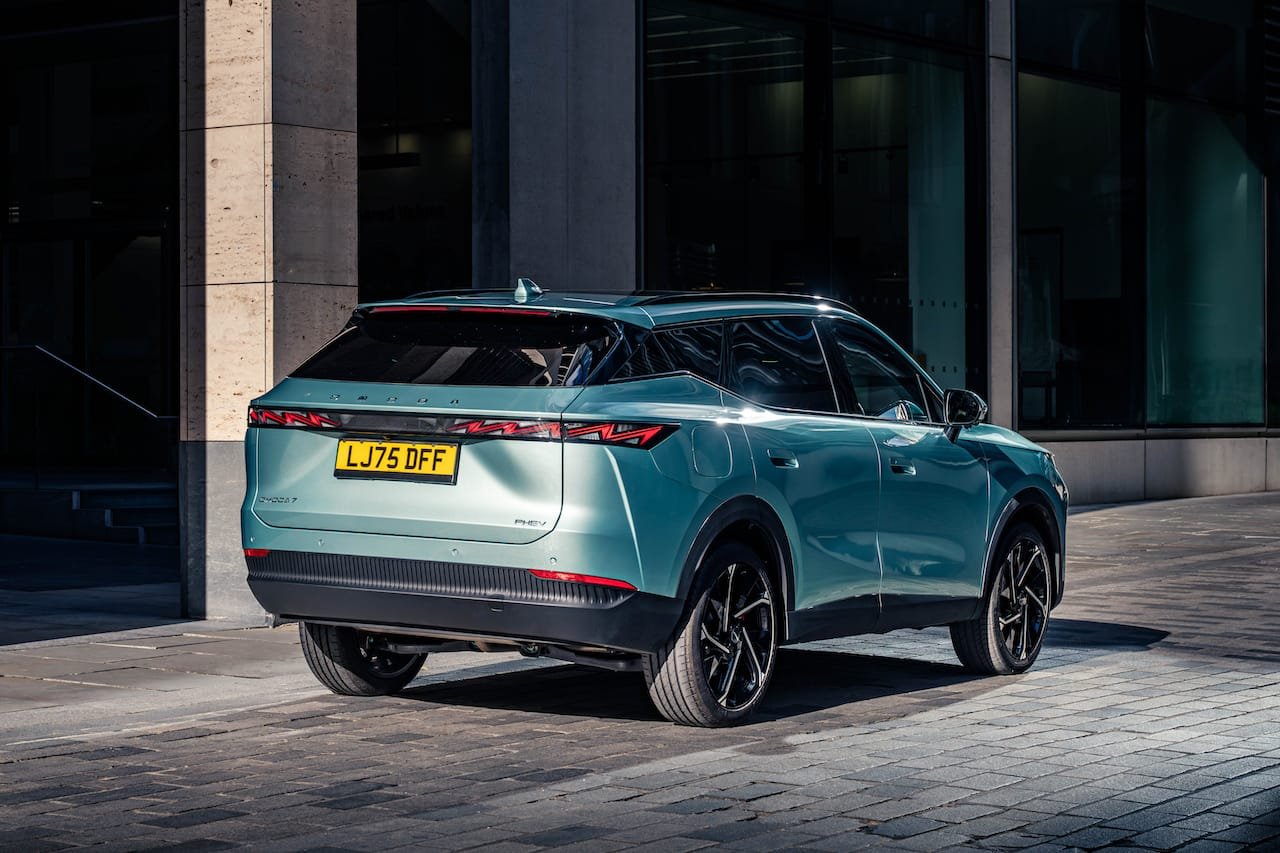
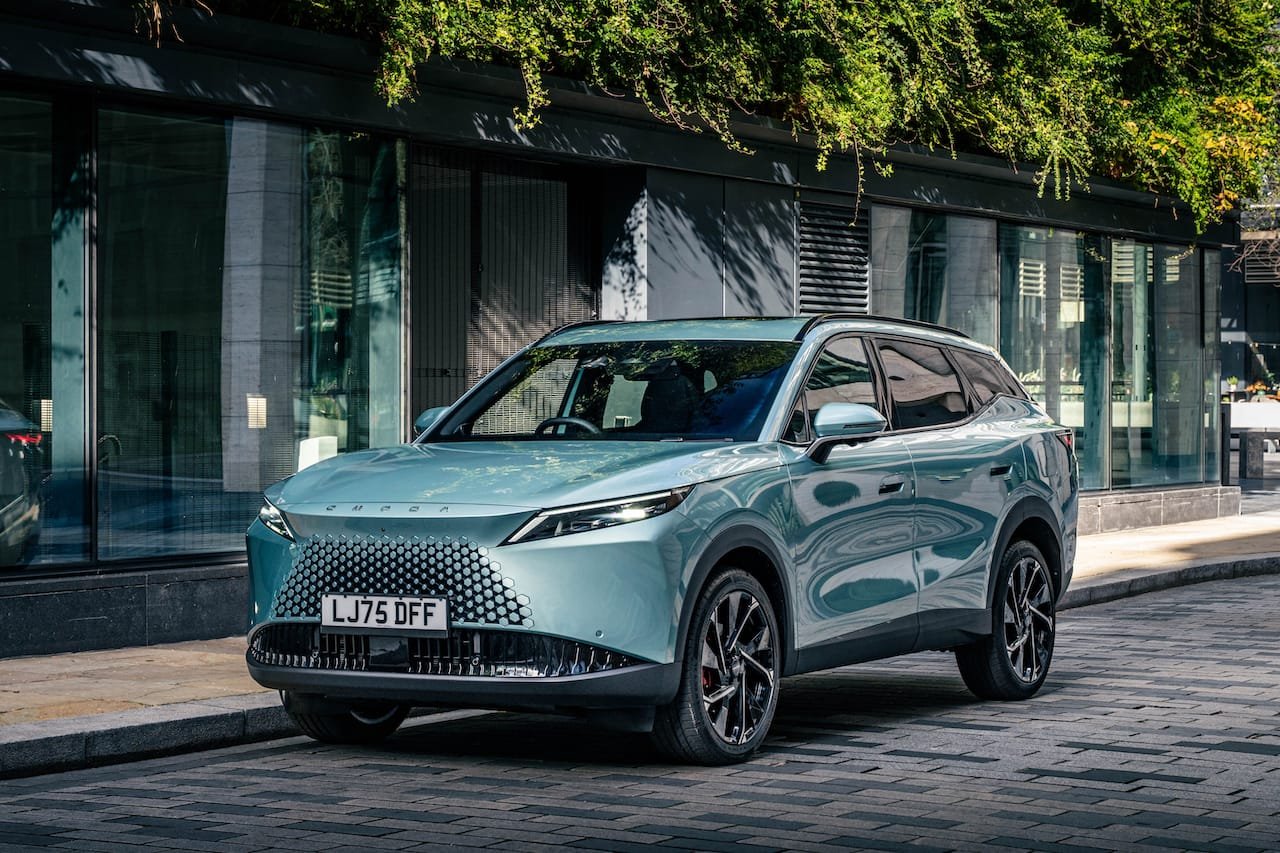
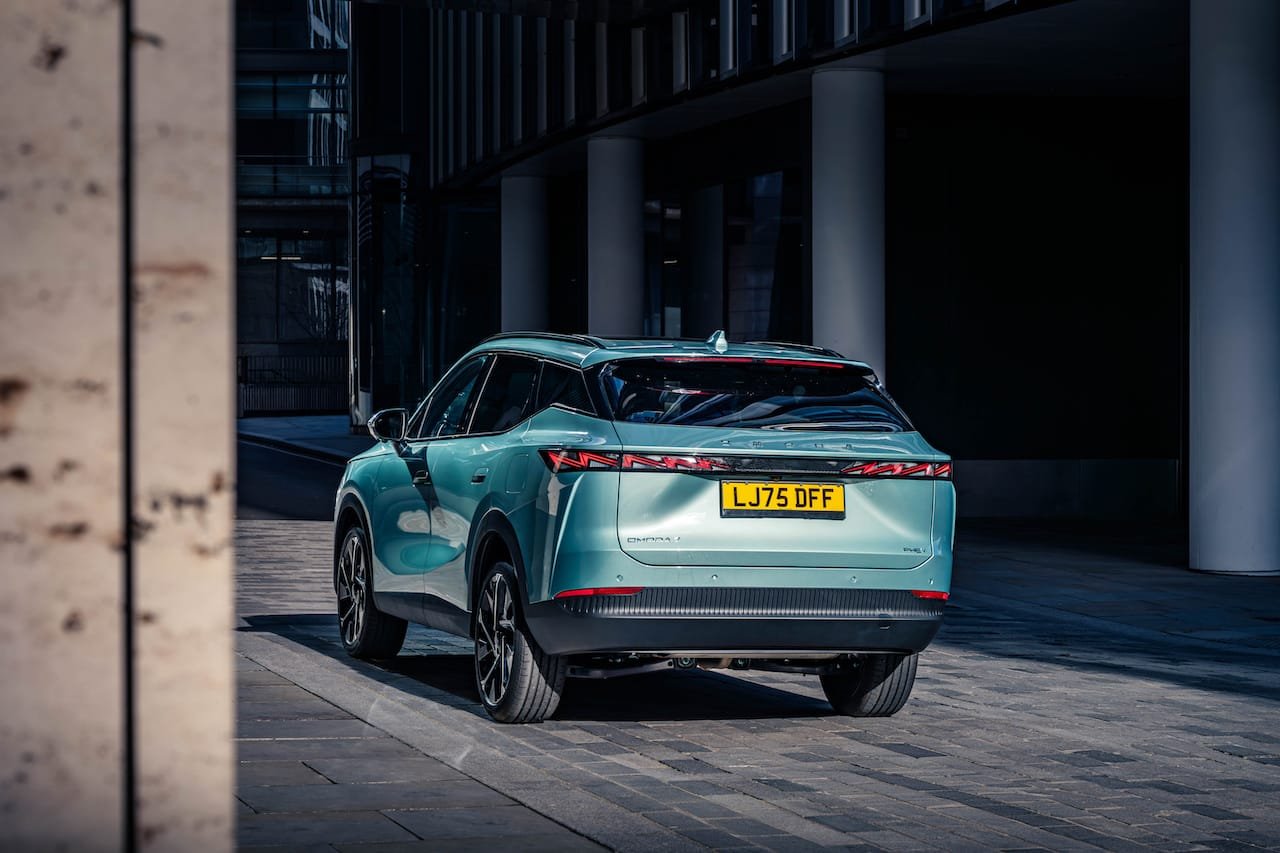
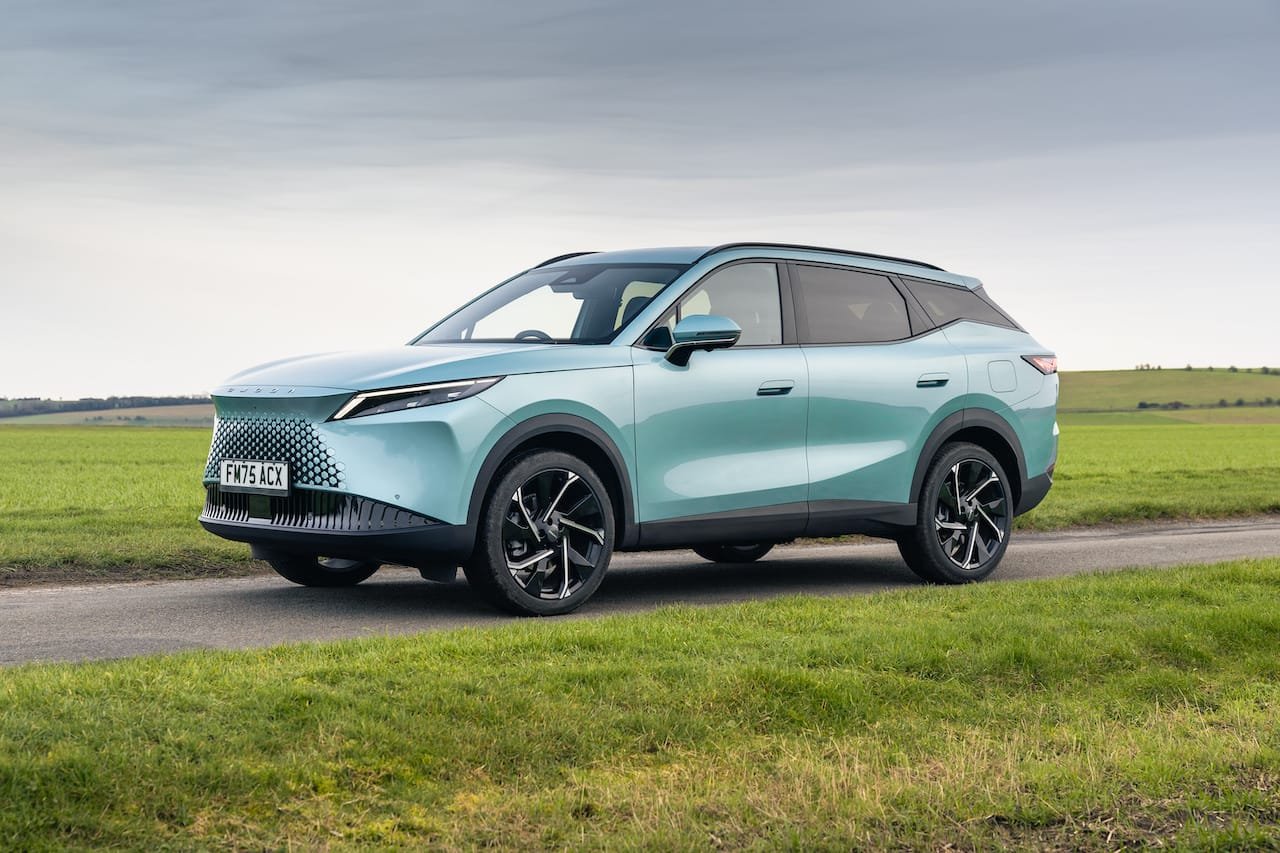
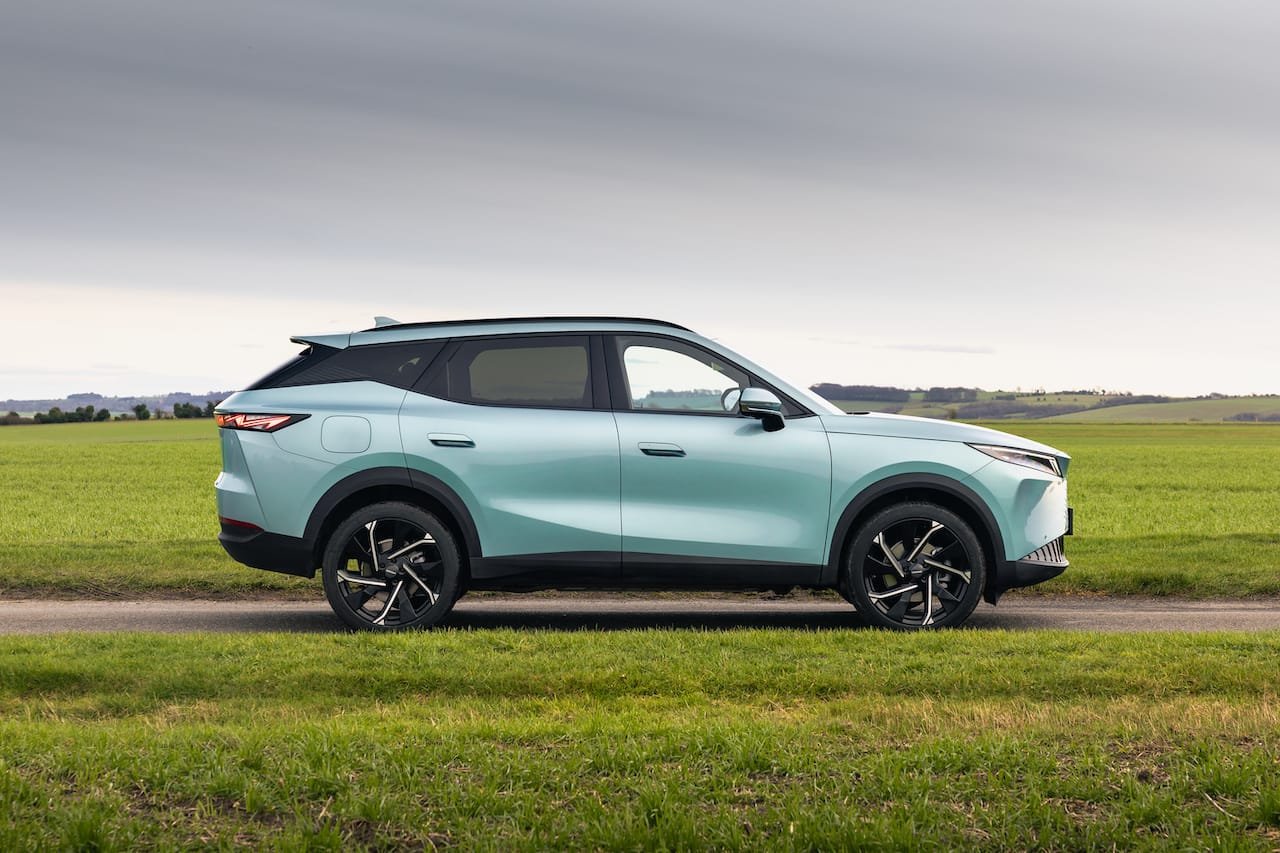
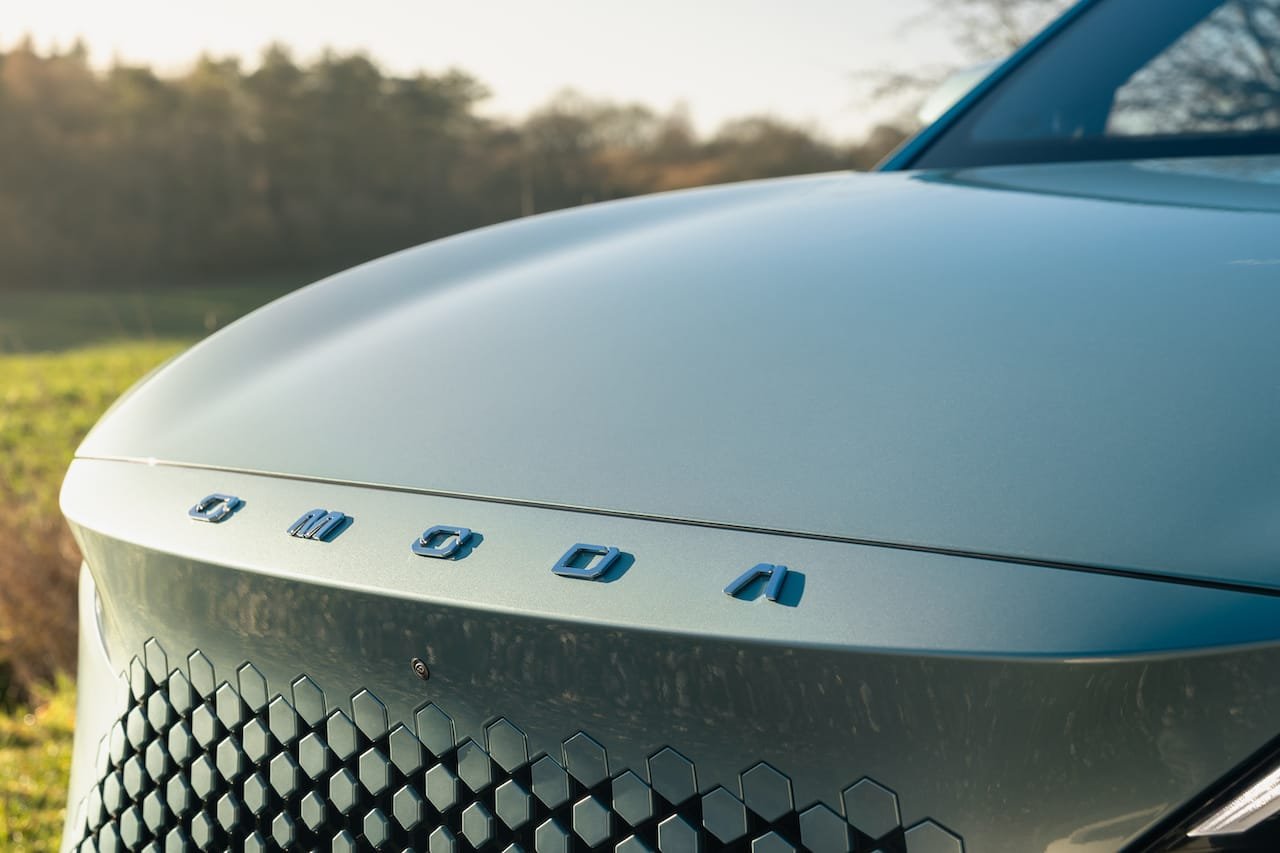
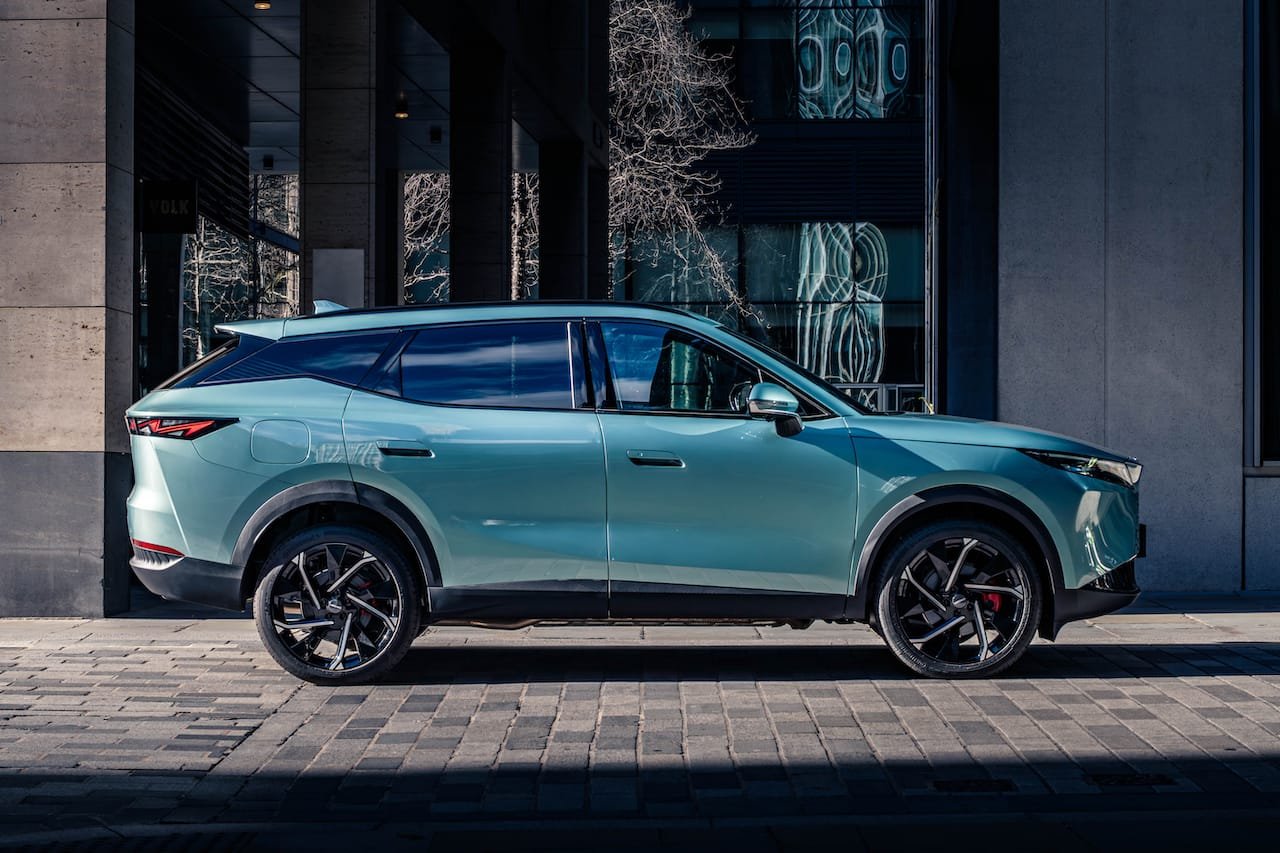
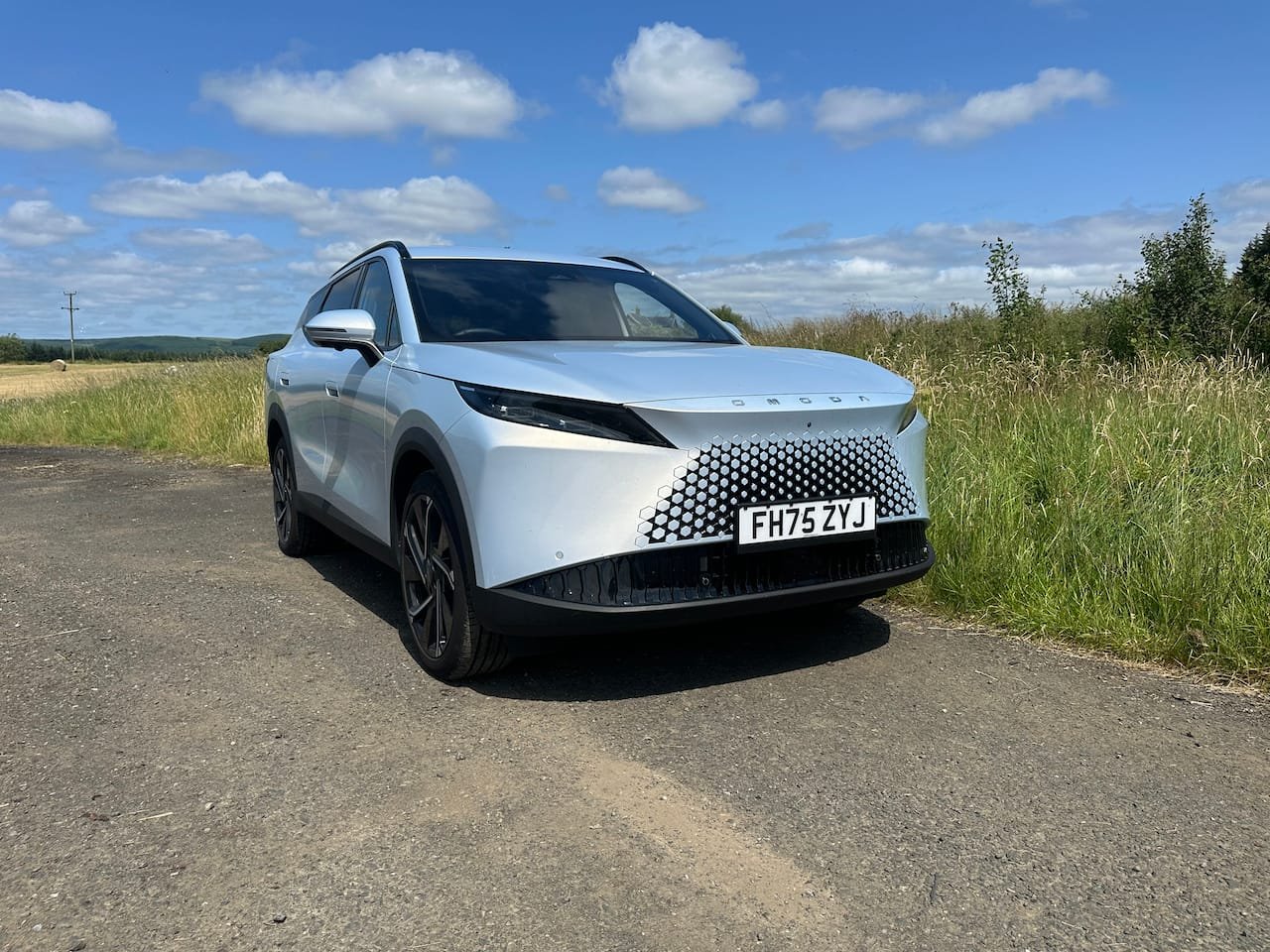
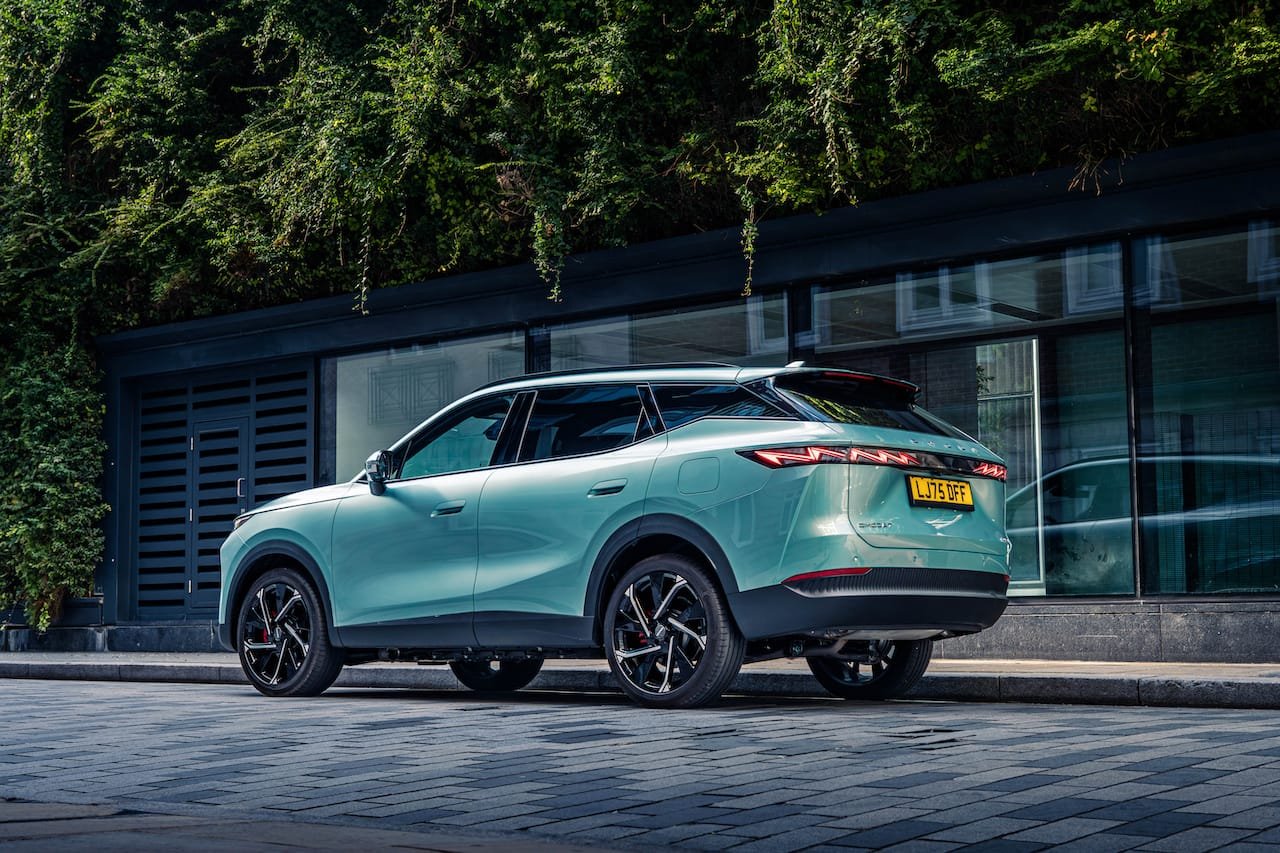
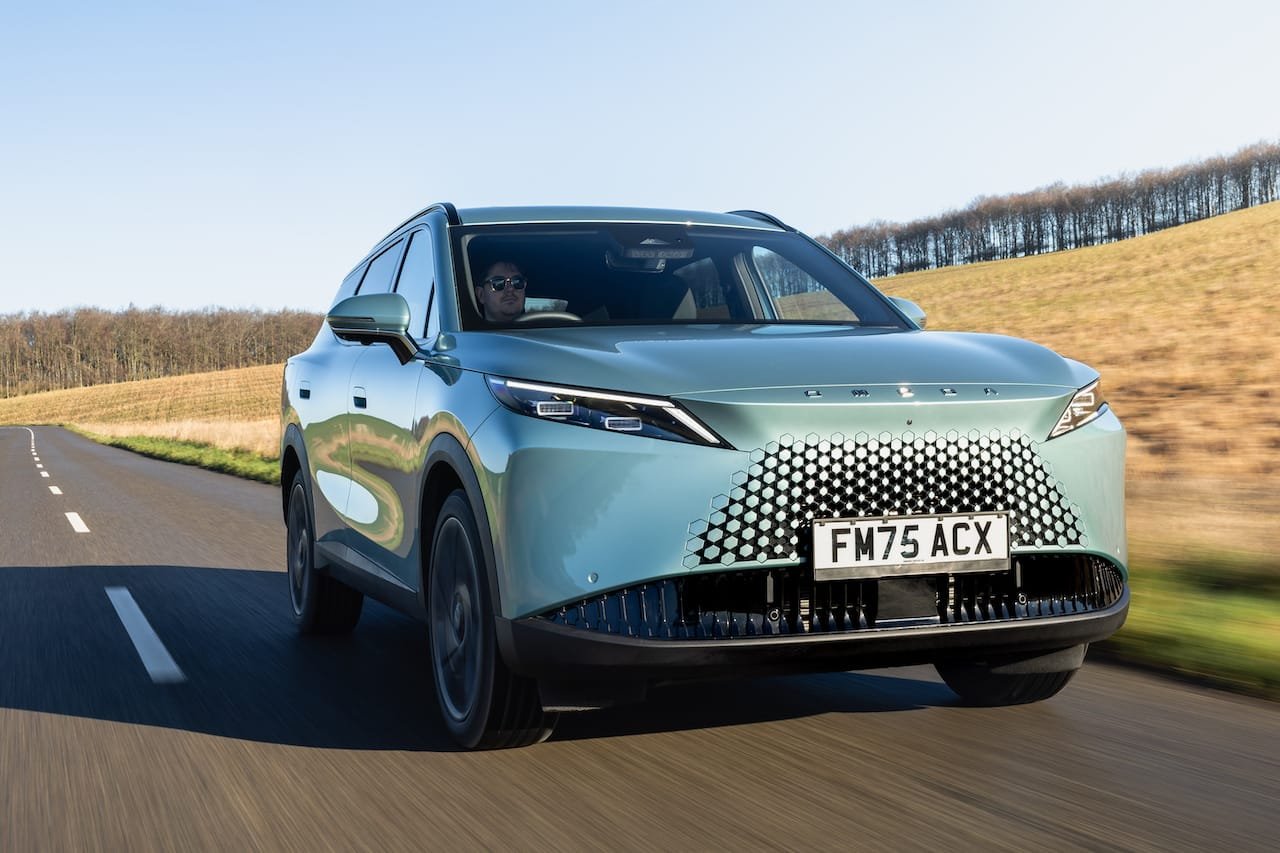
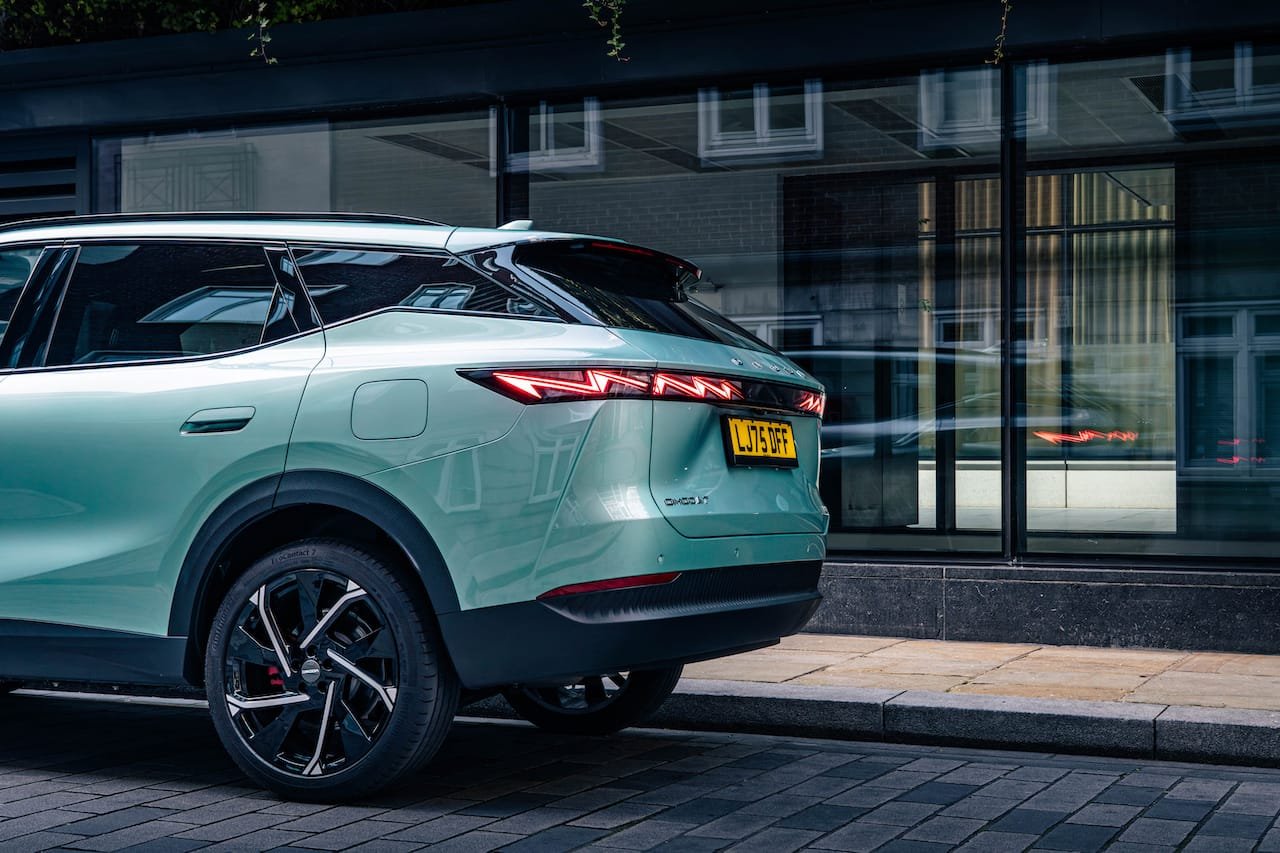
The Omoda 7 is a confident-looking SUV which adopts the brand’s ‘Art in Motion’ design philosophy, but unlike some earlier Chinese cars that seemed almost determined to look futuristic at any cost, the styling here feels much more mature.
The borderless grille, slim LED lighting and clean body surfacing combine to create something that’s distinctive without appearing over-designed.
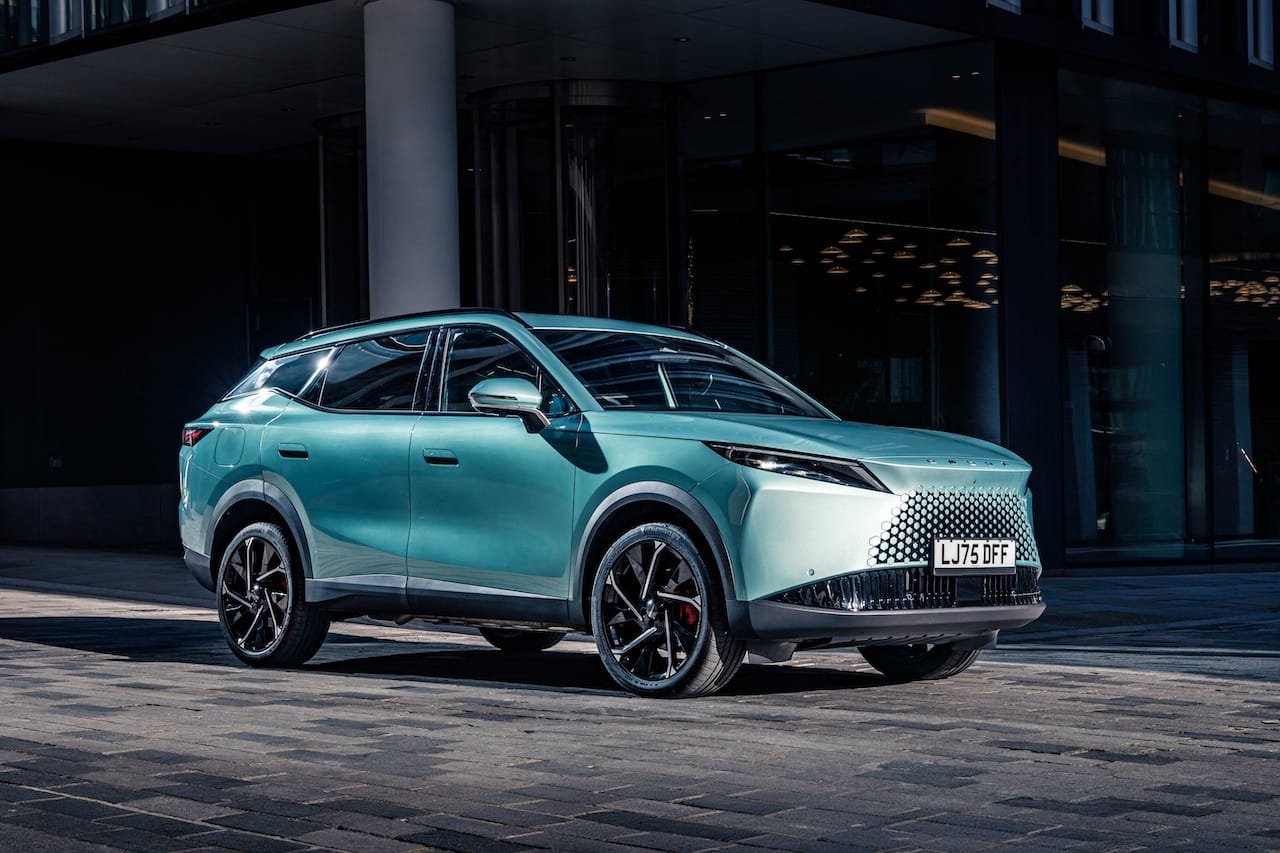
At just under 4.7 metres long, it has genuine road presence, while the flush door handles, subtle rear spoiler and sculpted bodywork give it an upmarket appearance that belies its price tag.
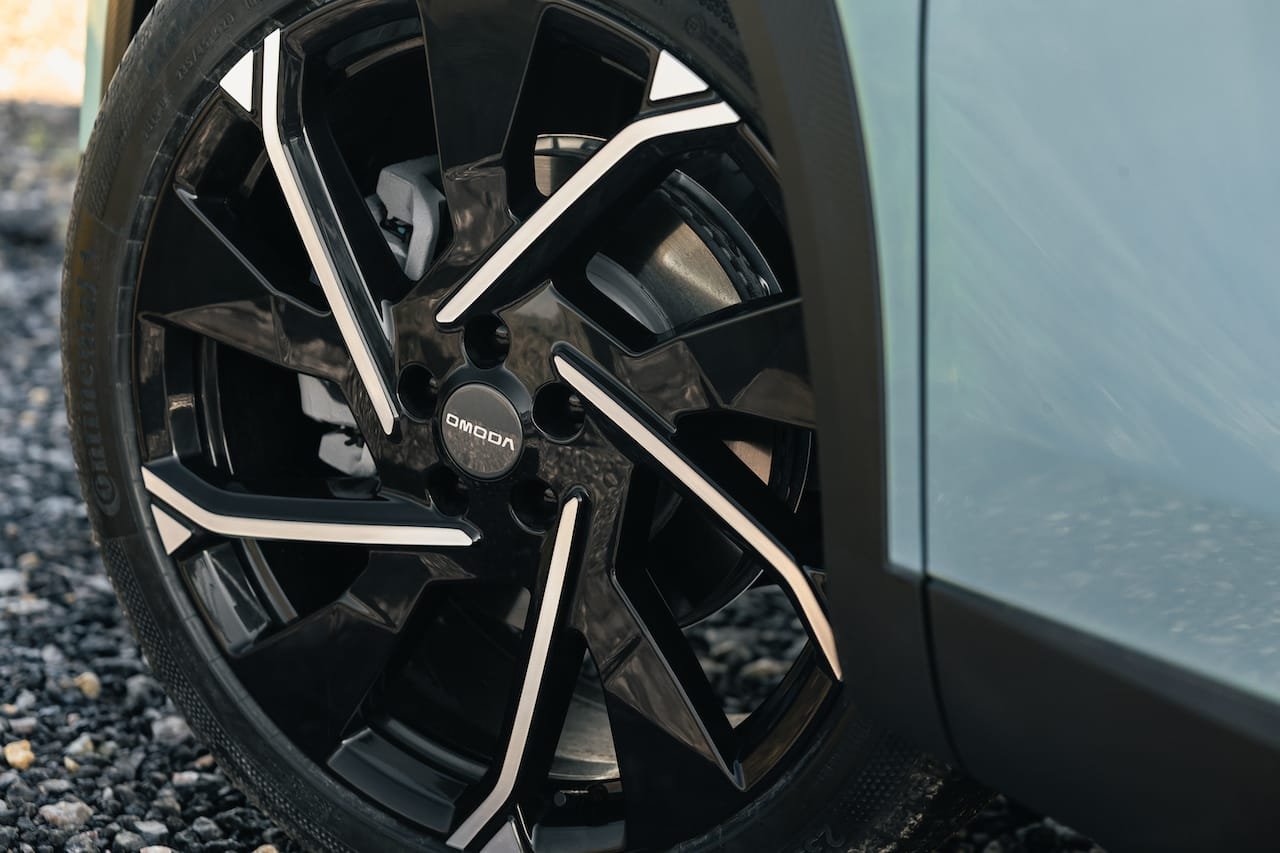
The Noble’s 20-inch alloy wheels complete the look nicely. They’re large enough to provide visual impact without appearing unnecessarily oversized, and combined with the panoramic roof they help the Omoda look more expensive than it actually is.
Perhaps most importantly, it no longer feels like a car that’s trying to imitate established European brands. It has developed its own identity.
Interior
The cabin feels modern, spacious and well equipped.
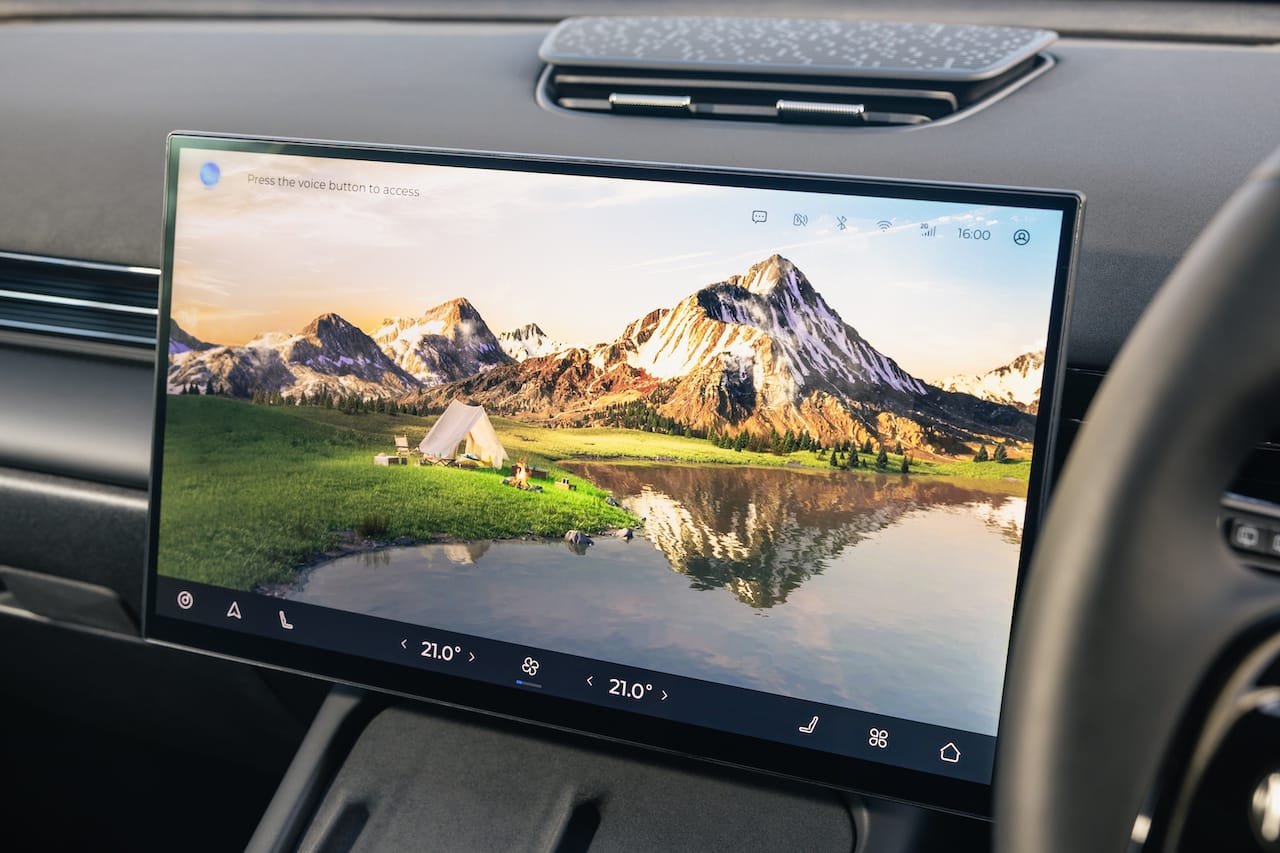
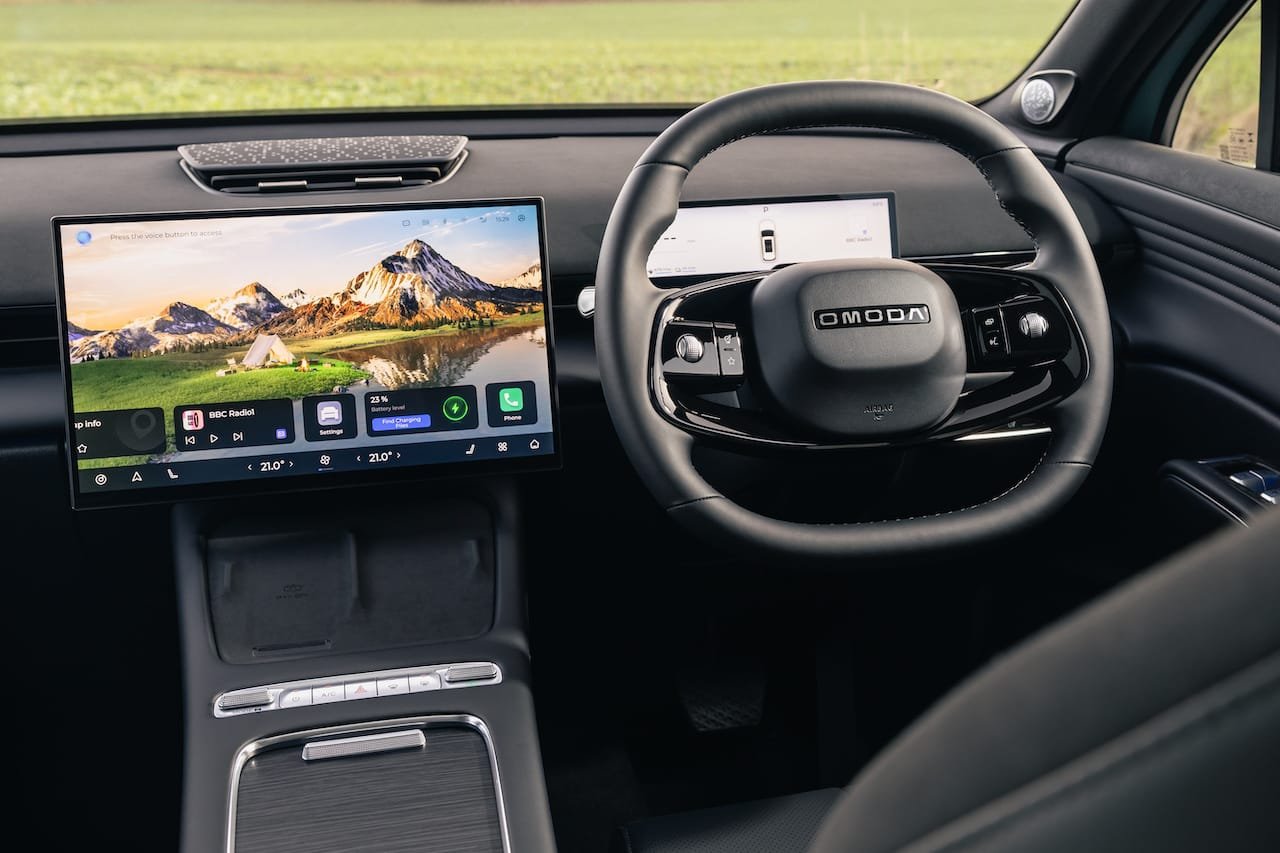
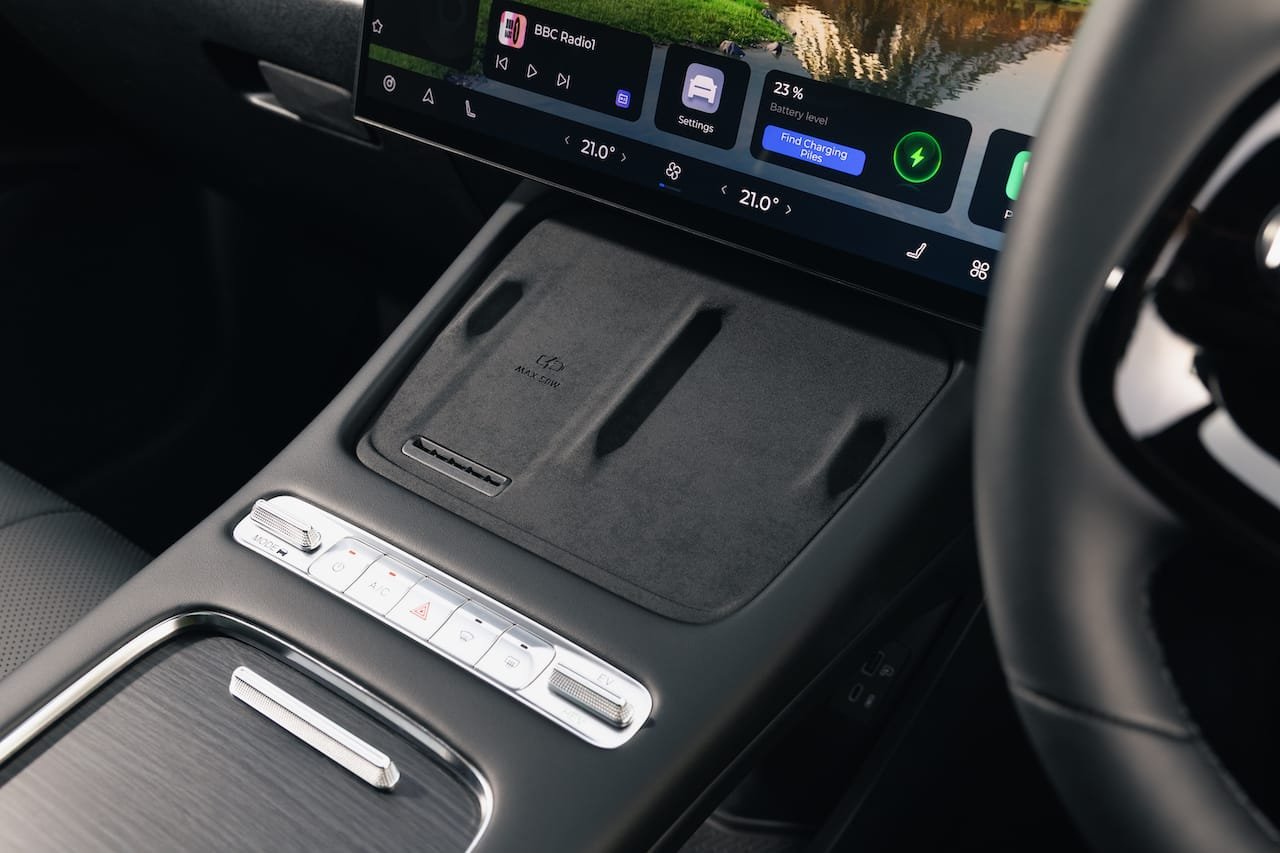
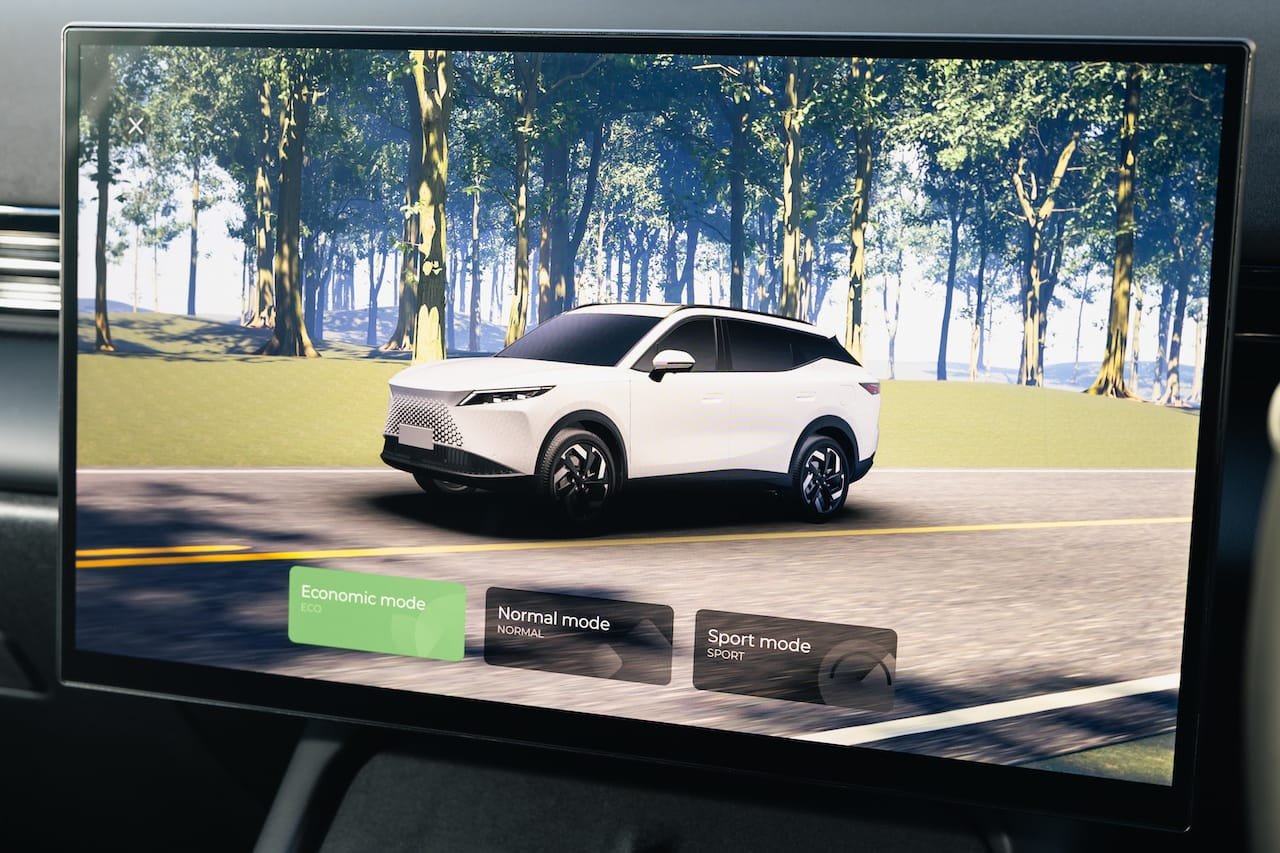
A large 15.6-inch central display dominates the dashboard, supported by an 8.88-inch digital instrument display and powered by Qualcomm’s Snapdragon processor. Wireless Apple CarPlay and Android Auto are fitted as standard, while the infotainment system responds quickly and intuitively to inputs.
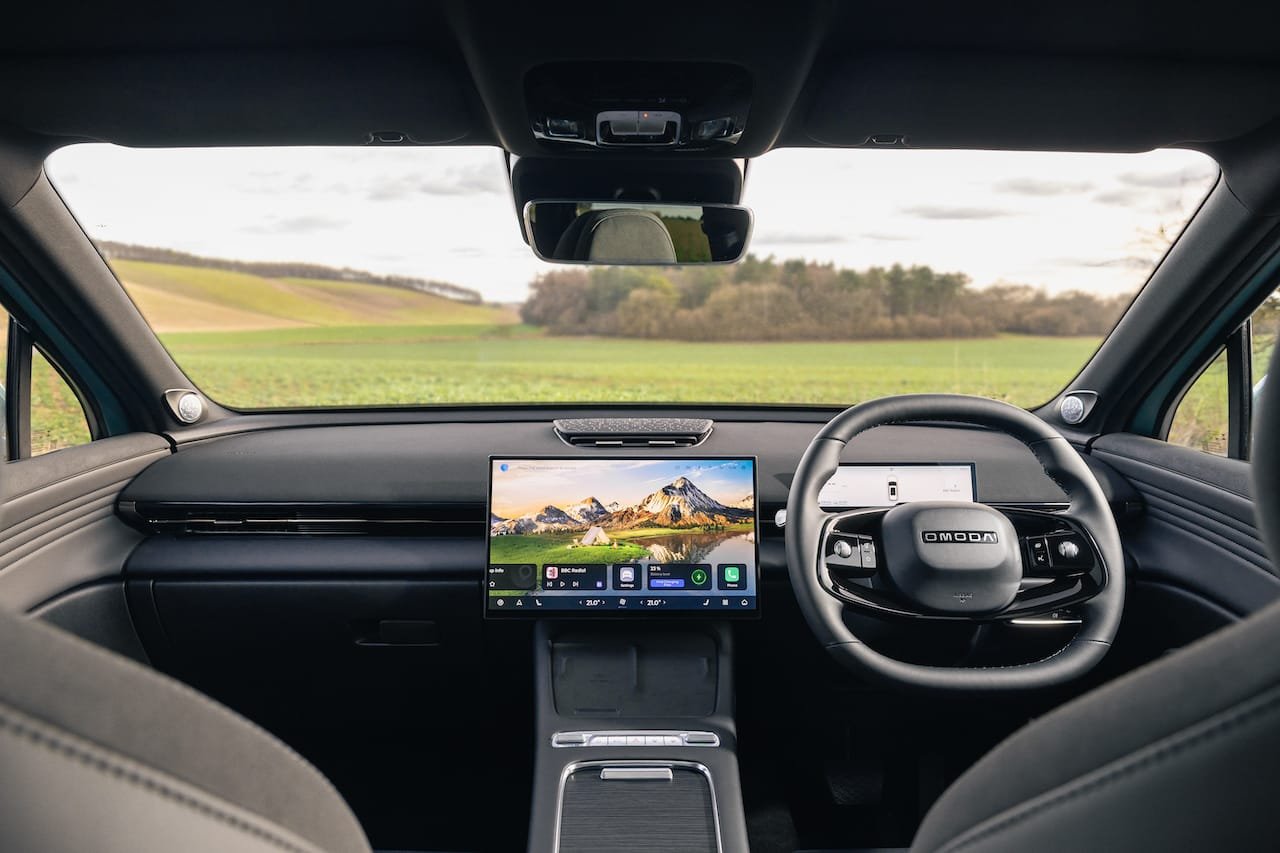
The seats proved excellent over the course of our three-day trip, providing plenty of support without becoming tiring after several hours behind the wheel. More importantly, the Noble’s heated and ventilated front seats came into their own during the unusually warm weather, turning what could have been an uncomfortable drive into a much more tolerable one.
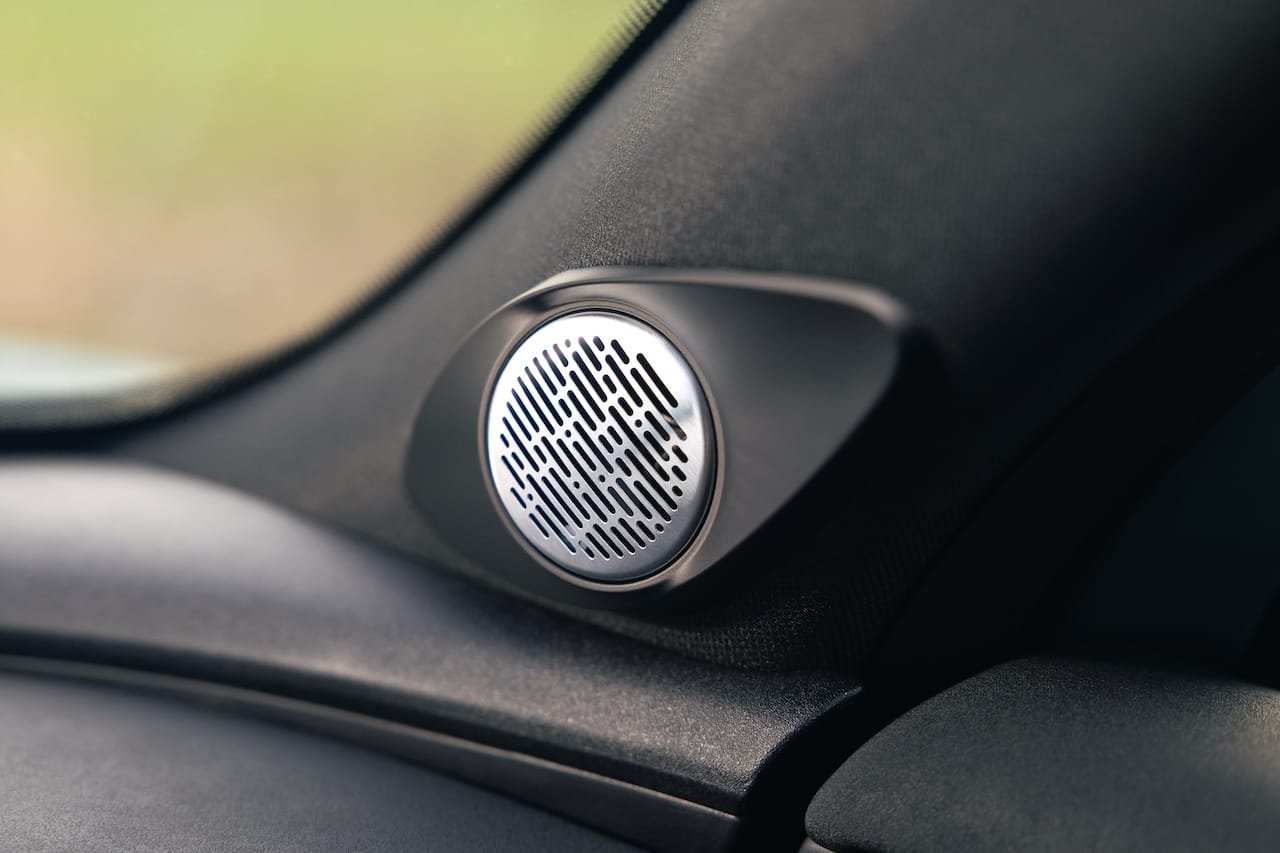
The 12-speaker Sony audio system works well. Not amazingly so, but it does manage to deliver a rich, clear sound that easily fills the cabin.
Panel fit is consistent, the design is clean and uncluttered, and after three days of constant use nothing creaked, rattled or felt poorly assembled.
There’s generous rear legroom thanks to the long wheelbase, while the flat floor and wide-opening rear doors make access straightforward.
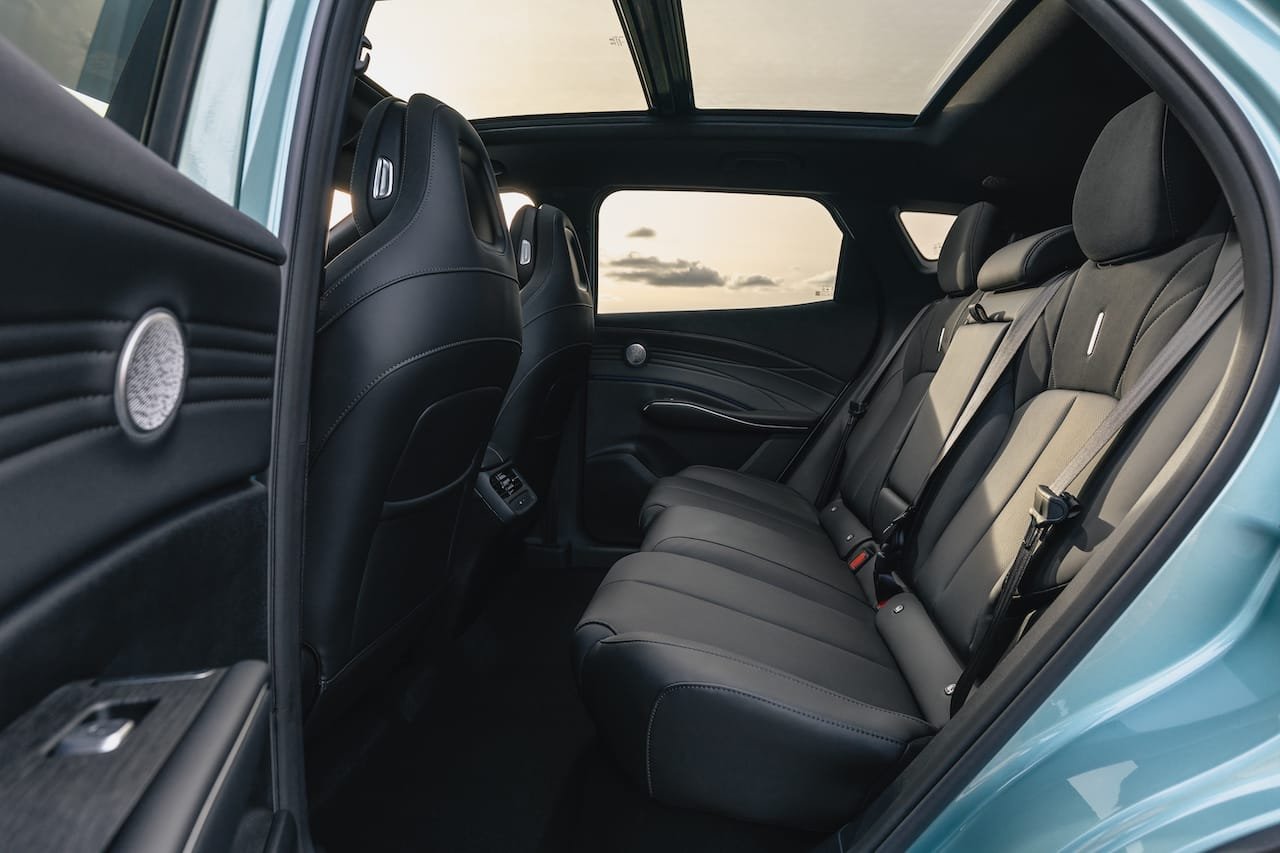
The boot also proved more than capable of swallowing everything we needed for three days away. Officially, it offers 639 litres with the rear seats in place, expanding to 1,417 litres when folded, figures that compare favourably with many established rivals.
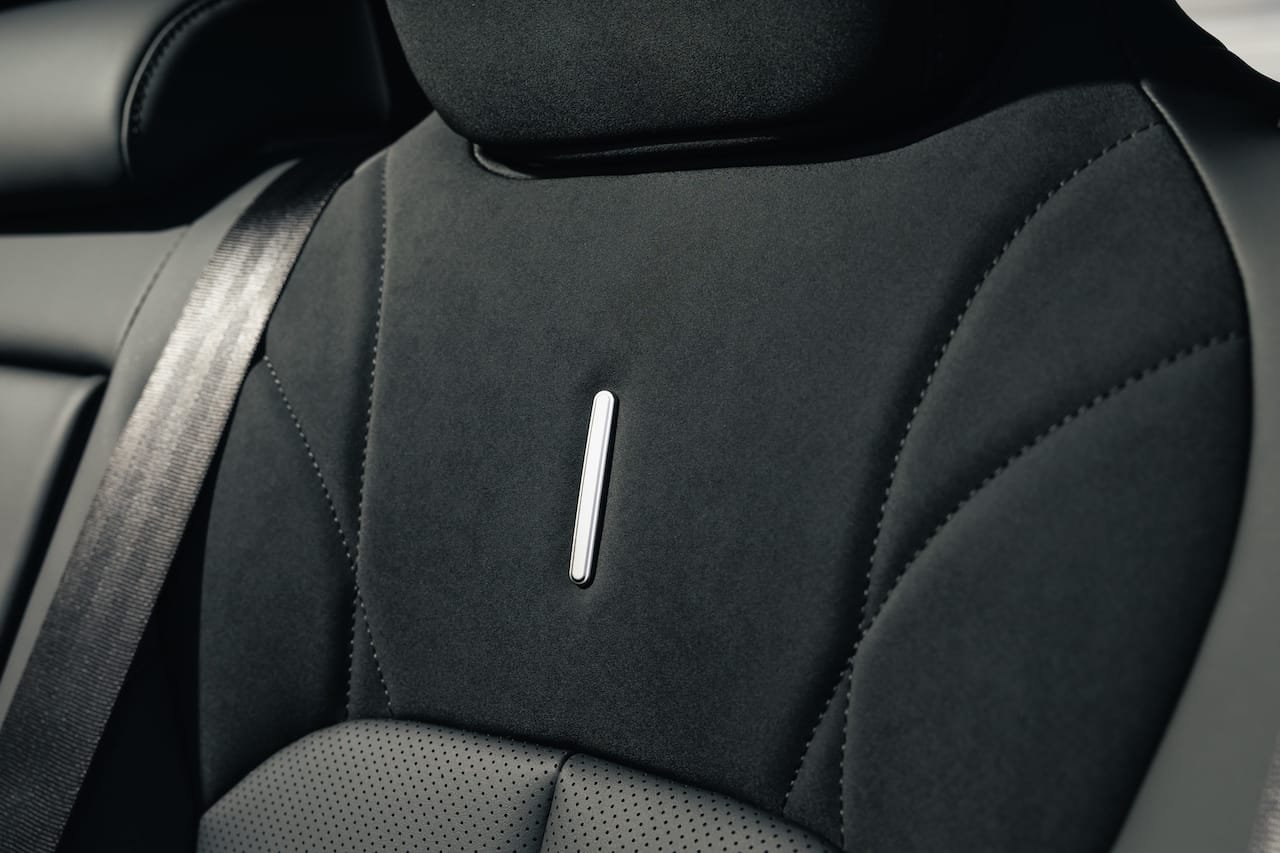
Throughout the cabin there are thoughtful touches too; the cooled wireless phone charger, generous centre console storage and powered tailgate all became features we simply expected after a couple of days.
Technology and safety
Even before you start exploring the infotainment menus, it’s immediately obvious this is a car designed around the expectations of modern buyers.
The large 15.6-inch central display is crisp, responsive and powered by Qualcomm’s Snapdragon 8155 processor, while wireless Apple CarPlay and Android Auto integrate seamlessly with the car’s own systems. Apple CarPlay was used instead of the Omoda offerings, due to familiarity rather than functionality.
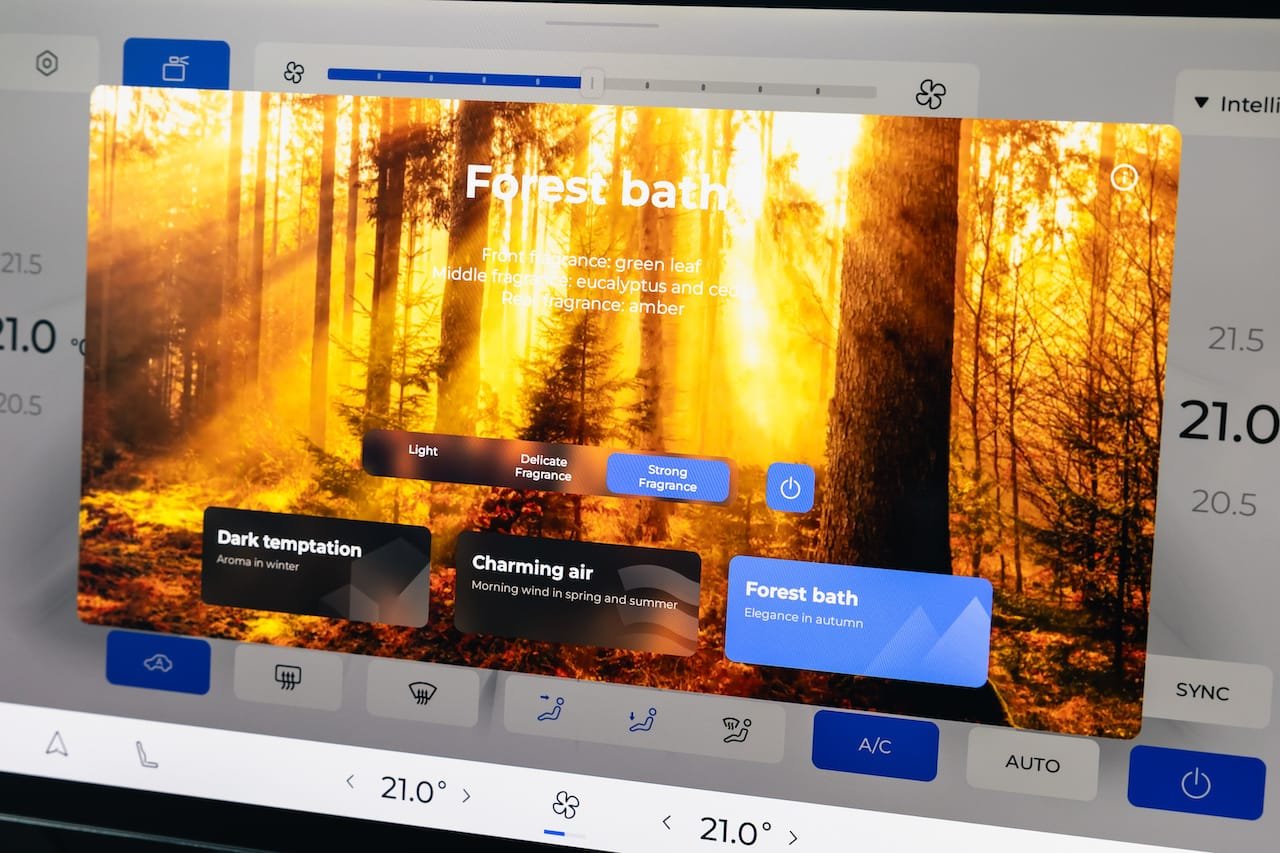
The panoramic sunroof floods the cabin with light, ambient lighting allows you to tailor the atmosphere, and the unusual air fragrance system – offering three selectable scents – is one of those features that initially sounds like a gimmick but somehow feels perfectly at home once you’ve lived with it for a few days and the whiff of ‘Two Old Blokes in a Car’ has become tiresome . . .
Safety equipment is equally comprehensive. Adaptive Cruise Control, Blind Spot Detection, Lane Departure Prevention, Autonomous Emergency Braking, Rear Cross Traffic Alert and a remarkably useful 540-degree panoramic camera all come as standard, creating a package that rivals many premium manufacturers.
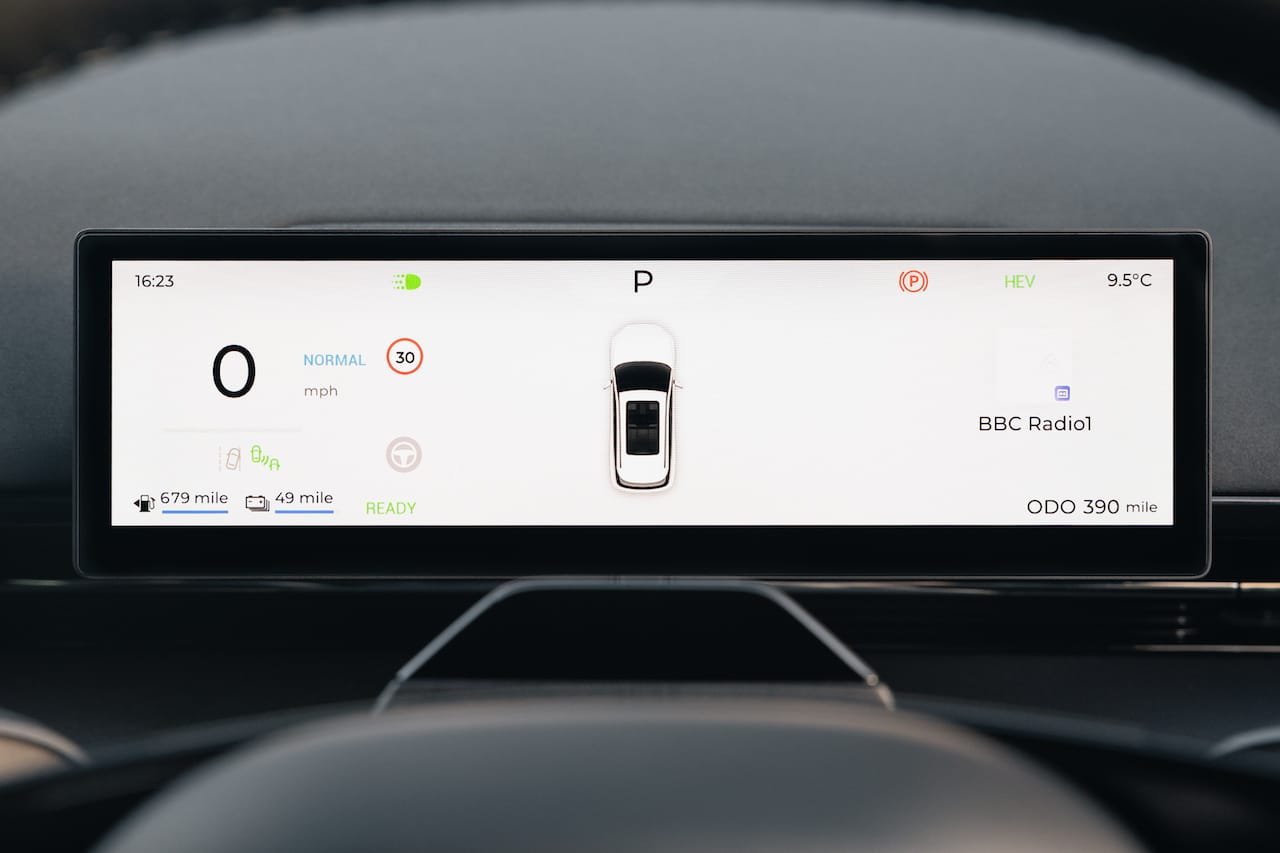
Perhaps the biggest compliment I can pay the technology is that none of it feels intimidating and everything is logically presented – once you’ve familiarised yourself.
Driving Impressions
The real measure of any family SUV isn’t how it performs during a carefully planned launch event. It’s how it copes with several days of real roads.
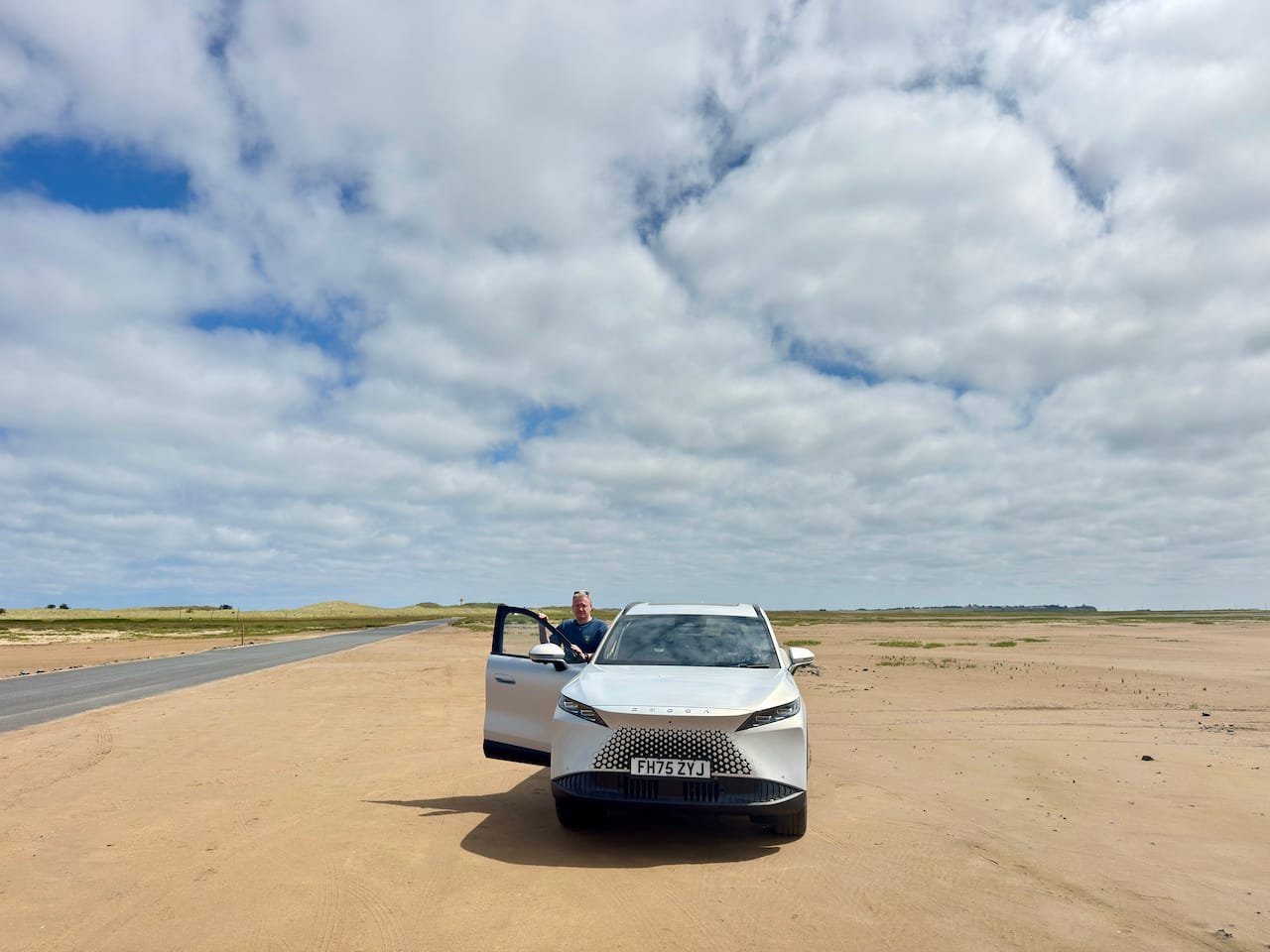
Motorways disappear with very little effort, the hybrid system quietly shuffling between petrol and electric power without drawing attention to itself. Wind and road noise are well suppressed, the seats remain comfortable over several hours, and the whole car settles into an easy-going rhythm that makes covering distance feel remarkably effortless.
For touring, it’s genuinely impressive.
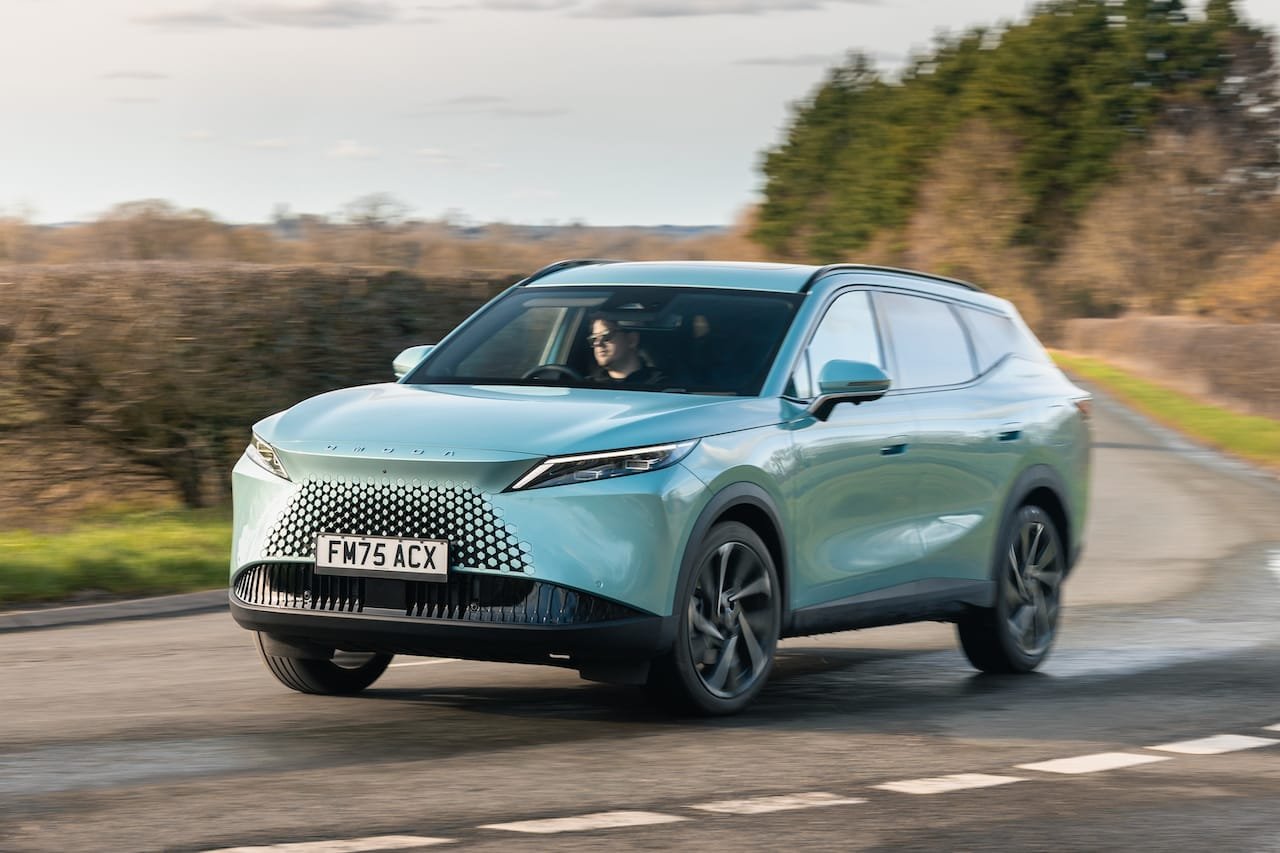
That became particularly obvious during the longer motorway sections between destinations, where the Omoda simply got on with the job. Combined with its excellent fuel economy, it proved exactly the sort of car you’d happily choose for another weekend away.
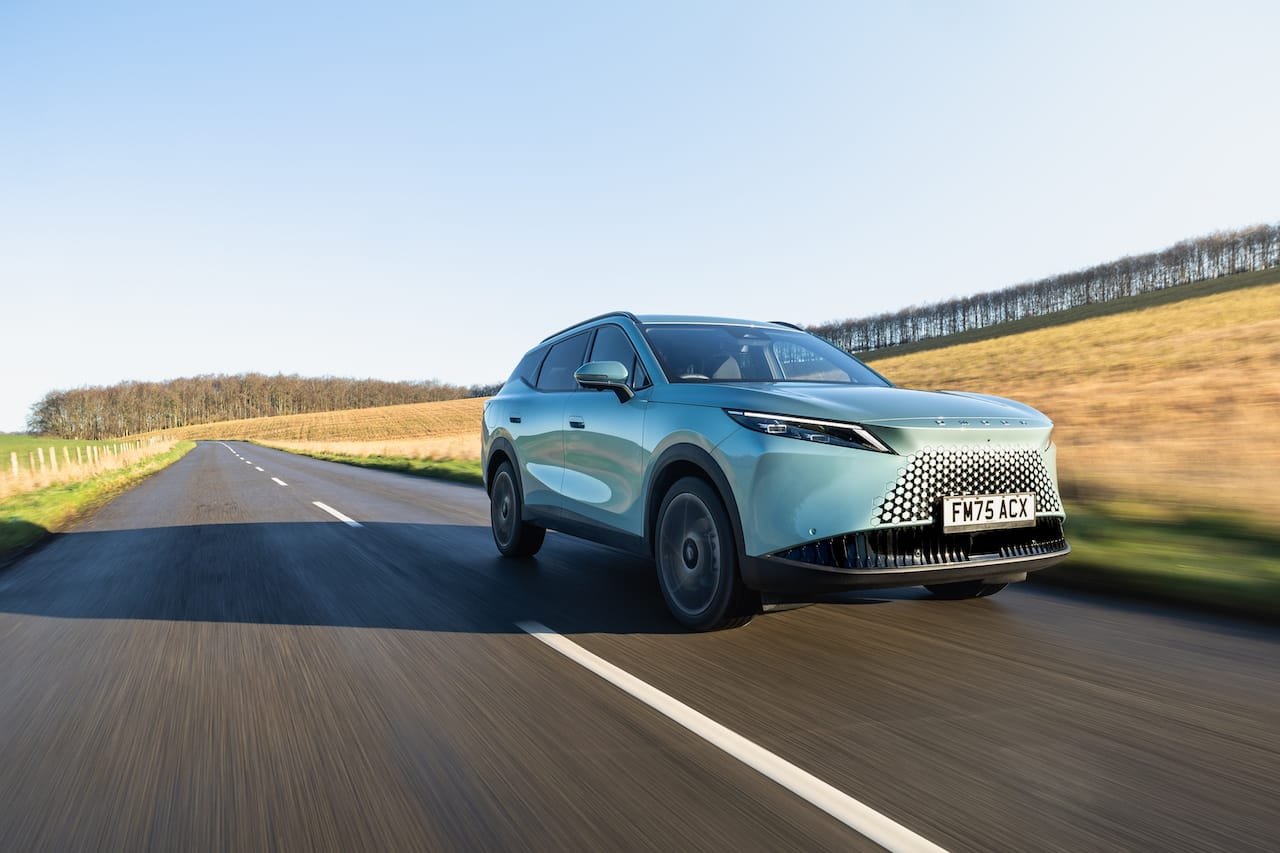
It’s only when the roads become more demanding that the Omoda reveals the one area where I still think the newest generation of Chinese SUVs has ground to make up.
Northumberland is blessed with some of Britain’s finest driving roads. They can also some of the most demanding.
Long, sweeping A-roads rise and fall across the landscape, serpent-like, before tightening unexpectedly into twisting B-roads where suspension tuning is tested far more severely than on any motorway.
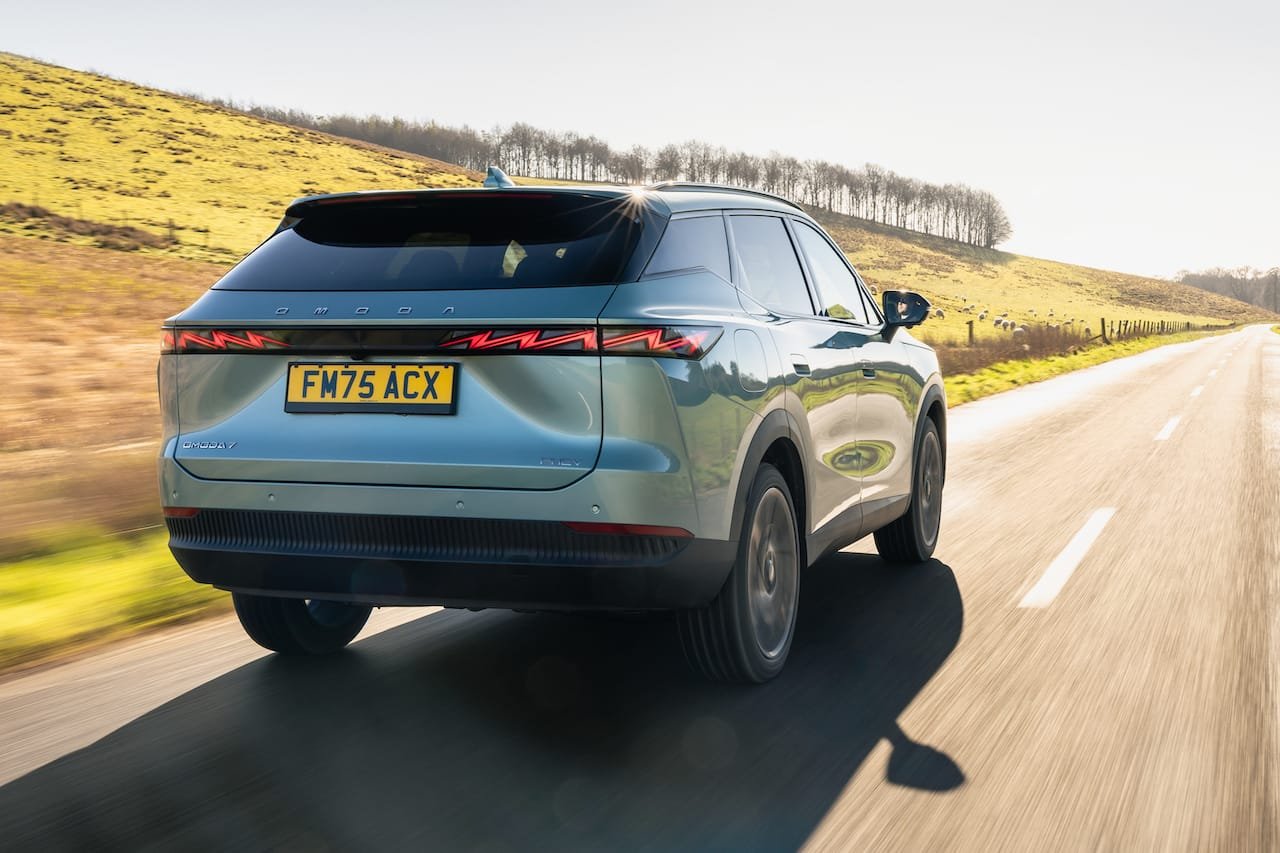
This is where the Omoda’s damping struggled to impress.
Over larger compressions and successive undulations, the body continues moving just a fraction longer than you’d expect before settling again. I noticed it from behind the wheel, but my passenger noticed it even more.
After an hour or two on those roads, he occasionally found the repeated body movement a little (stomach) unsettling – not because the car ever felt unsafe or unpredictable, but because it lacked that final layer of composure that the very best chassis deliver.
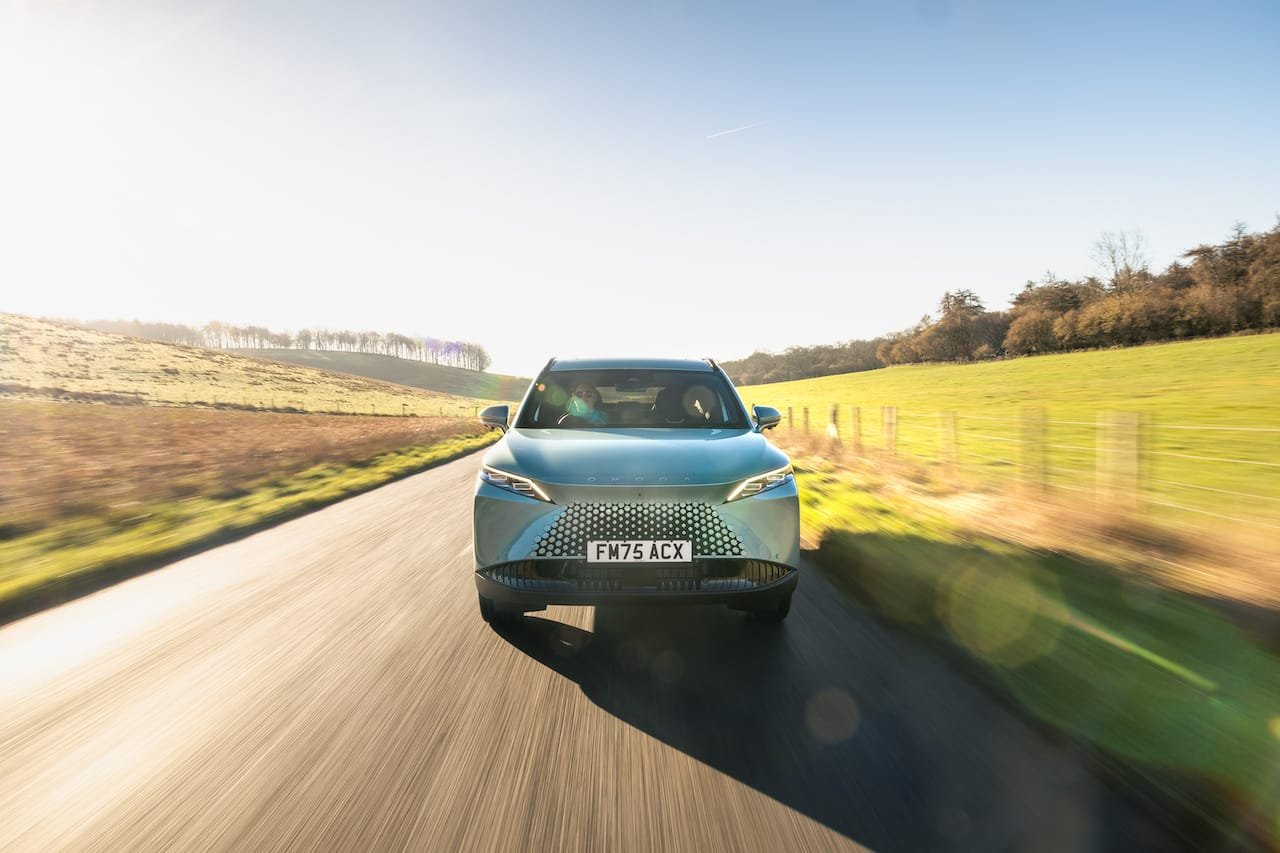
It simply doesn’t quite have the suspension sophistication of the class leaders when the road begins to challenge it. The European offerings will trump it every time in this department.
Interestingly, this isn’t unique to the Omoda. It’s something I’ve observed in several Chinese SUVs. The technology has caught up remarkably quickly. Interior quality has improved enormously. Equipment levels often embarrass much more expensive rivals.
But when it comes to the fine details of ride and damping on Britain’s wonderfully imperfect roads, the established European and Korean manufacturers still hold a slight advantage.
The encouraging part is just how small that gap has become. Because everywhere else, the Omoda feels remarkably complete.
Efficiency & charging
If the suspension tuning is the one area that left me wanting a little more, the hybrid system deserves considerable praise.
Throughout the three-day trip, fuel consumption remained consistently impressive despite a varied route that included motorways, rural roads, steep climbs and plenty of stop-start traffic around popular tourist destinations. It’s exactly what a modern plug-in hybrid should do.
The Super Hybrid System combines a 1.5-litre petrol engine with an 18.4kWh battery to deliver up to 56 miles of electric-only driving and a claimed combined range of more than 700 miles. When charging is available, DC rapid charging replenishes the battery from 30 to 80 per cent in just 20 minutes, making it one of the more convenient plug-in hybrids currently available.
For drivers regularly mixing commuting with longer weekend trips, it’s an impressively versatile setup.
Rivals
The family SUV market has never been more competitive.
Traditional choices such as the Kia Sportage PHEV, Hyundai Tucson Plug-in Hybrid, Volkswagen Tiguan eHybrid and Toyota RAV4 Plug-in all offer strong reputations, polished driving manners and proven reliability.
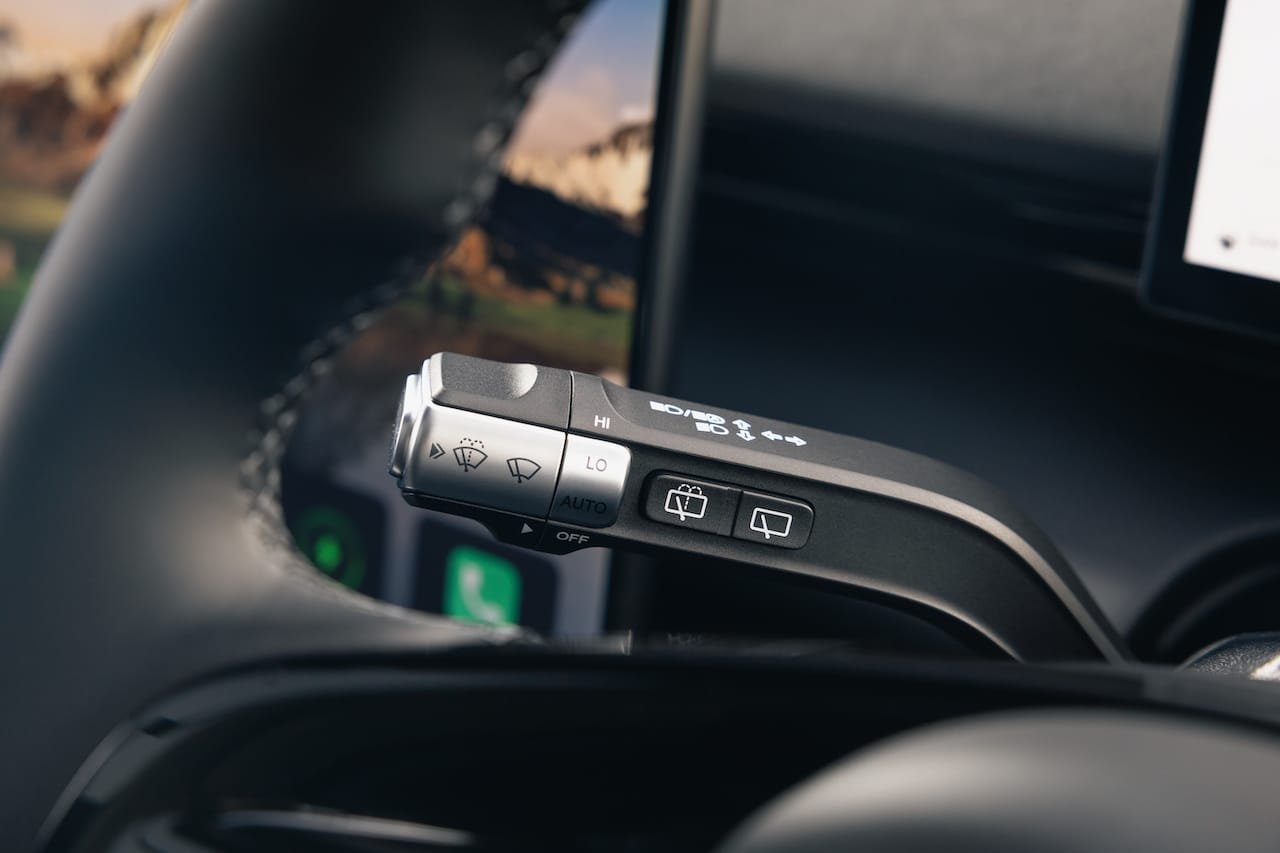
The Omoda doesn’t yet possess quite the same suspension polish as the very best European competitors.
But it also asks for noticeably less money while giving very little away elsewhere.
Verdict
The Omoda 7 SHS-P demonstrates just how quickly Chinese manufacturers have matured.
A few years ago, value was often their strongest selling point. Today, value is almost the least interesting thing about this car.
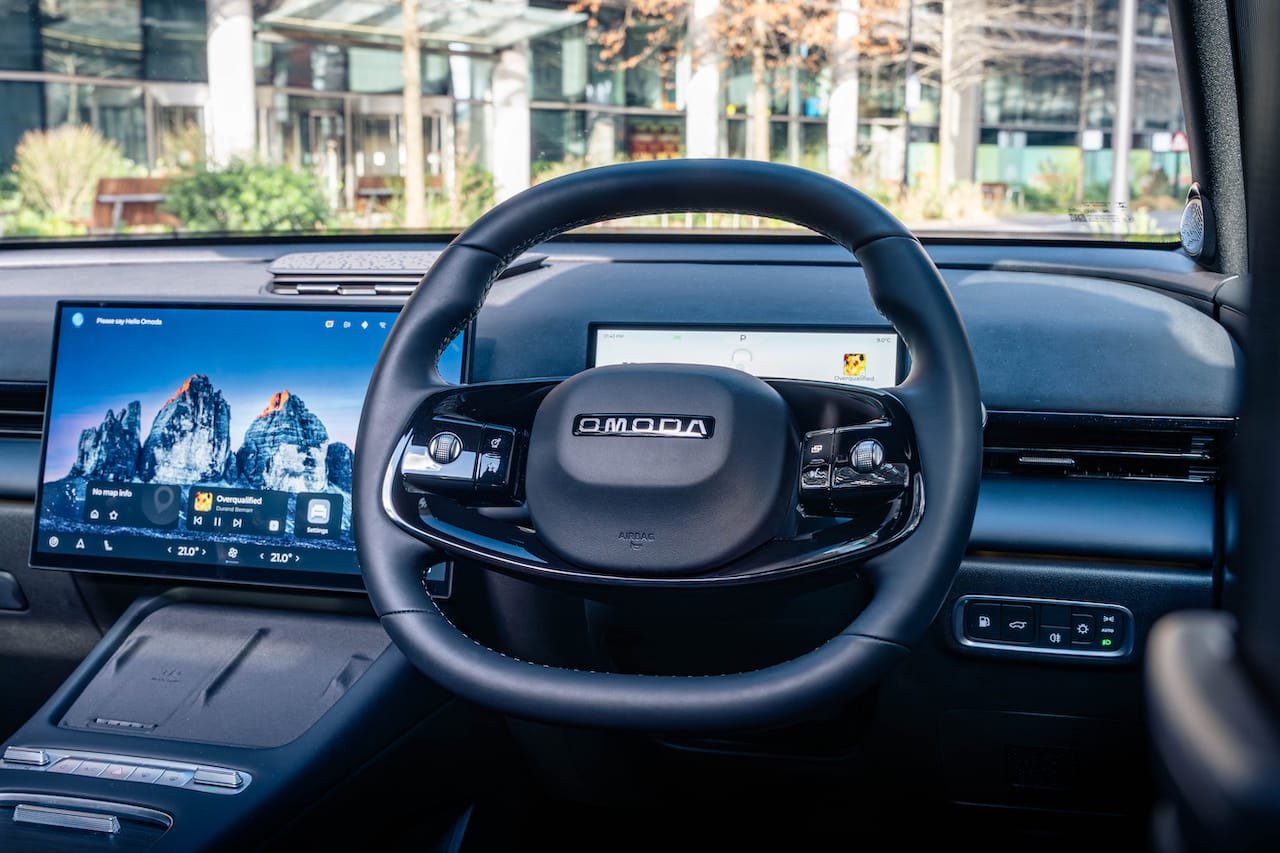
Yes, it’s exceptionally well equipped. Yes, it’s competitively priced. But more importantly, it’s genuinely pleasant to live with.
The cabin is spacious and thoughtfully designed, the hybrid system is smooth and impressively efficient, and features such as the ventilated seats, panoramic roof and Sony audio system make every journey feel that little bit more enjoyable.
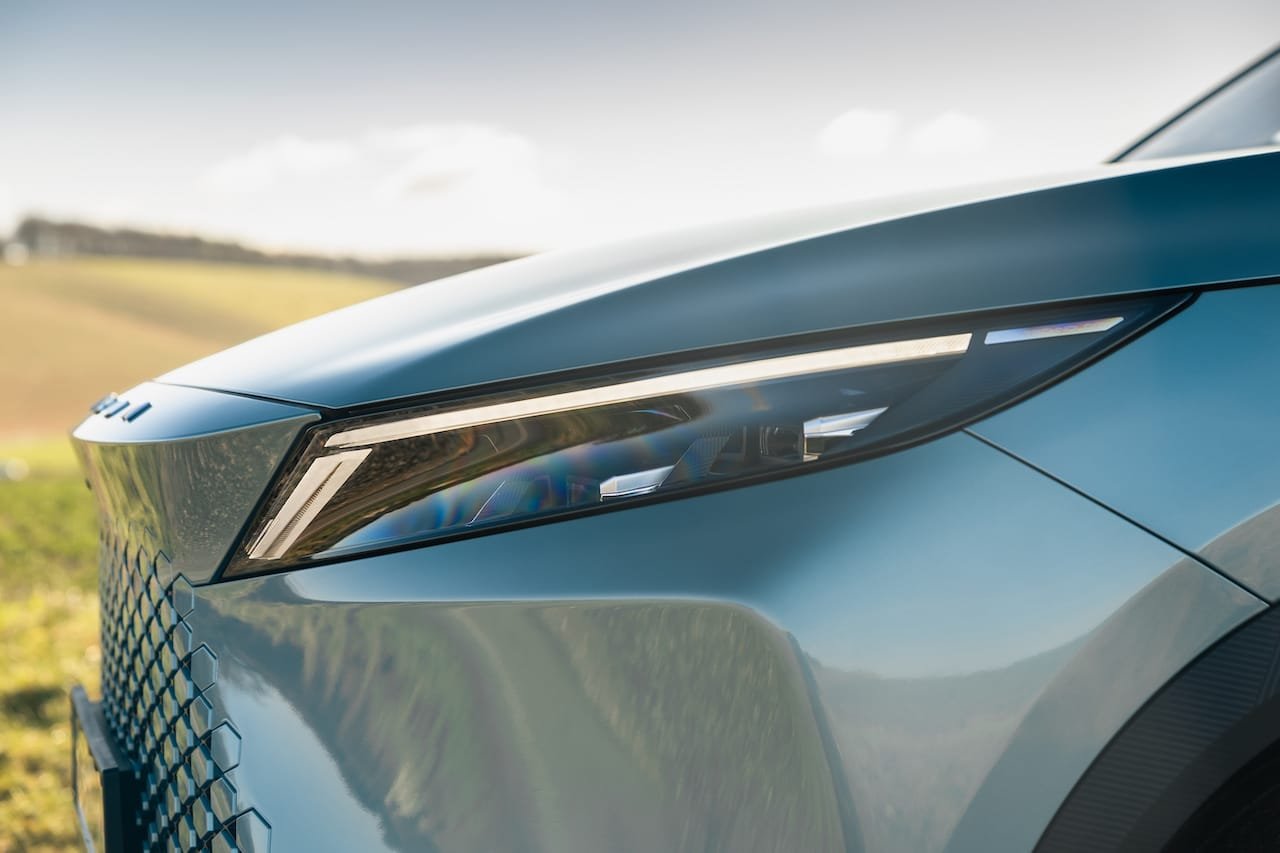
But there is still room for improvement.
The suspension could benefit from greater composure on the sort of challenging A and B roads that define so much of Britain’s best driving. That’s an area where the established manufacturers continue to demonstrate decades of chassis development but where the Chinese have yet to serve up an ace.
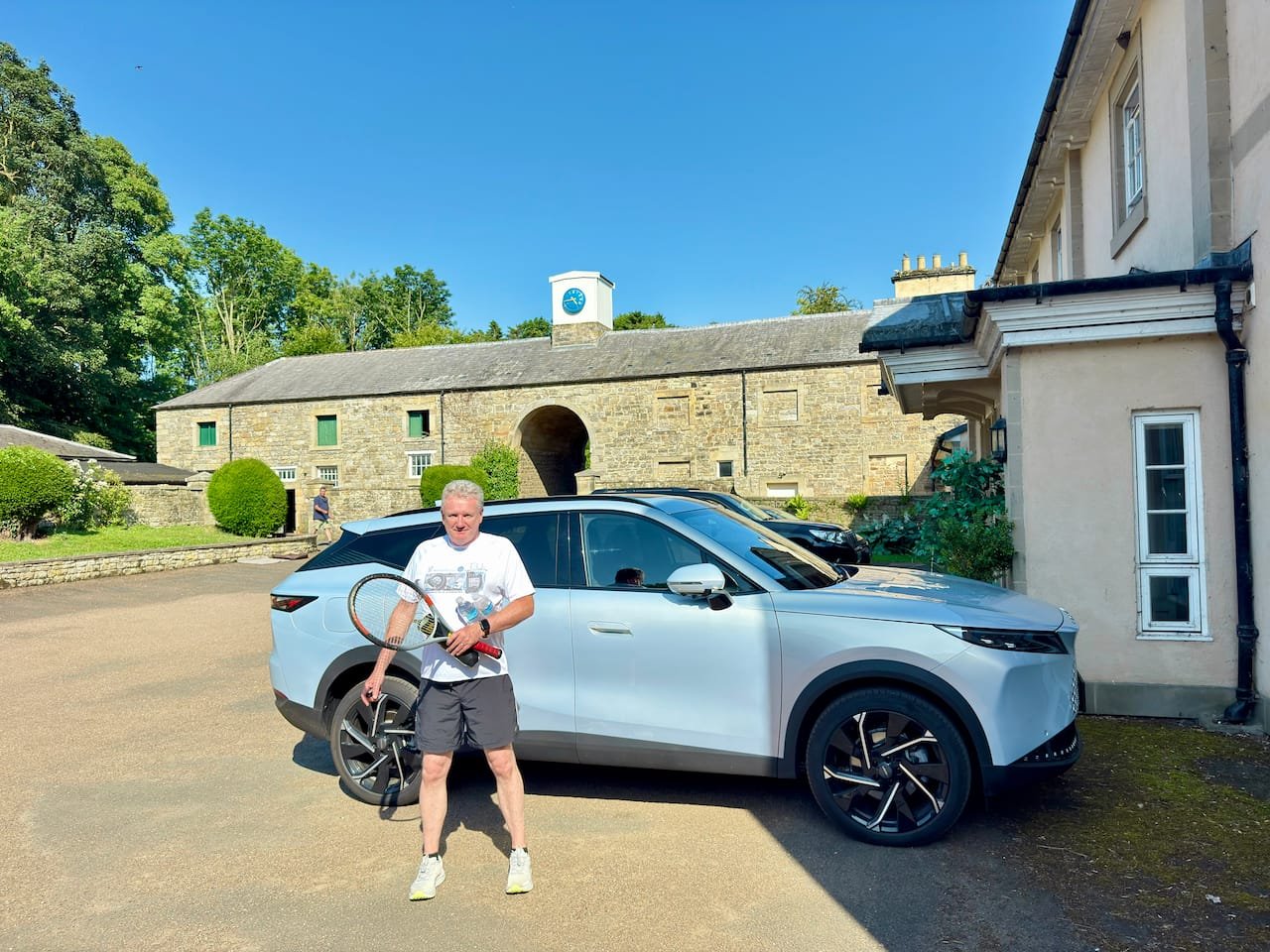
But, overall the Omoda 7 SHS-P doesn’t just prove that Chinese manufacturers can compete with the established names – it proves they’re now forcing those established names to justify why they cost more. Refine the suspension a little further, and there’ll be very few reasons not to put the Omoda at the top of your family SUV shortlist.

At a Glance
Model: Omoda 7 SHS-P Noble
Price: £35,005 OTR
Power: 204PS
Engine: 1.5-litre turbocharged petrol + plug-in hybrid system
Battery: 18.4kWh
Drive: Front-wheel drive
0-62mph: 8.4 seconds
Top Speed: 112mph
EV Range: Up to 56 miles
Total Range: Over 700 miles
Charging: Up to 40kW DC (30–80% in 20 minutes)
CO₂: 23g/km
Warranty: 7 years / 100,000 miles (8-year/100,000-mile battery warranty)