IT’S funny how quickly you can become accustomed to something. After months spent behind the wheel of electric SUVs from both established manufacturers and ambitious newcomers, I’d almost forgotten what a thoroughly sorted chassis feels like.
That’s not to say the latest generation of Chinese family SUVs aren’t impressive. Many are. Their interiors have improved dramatically, equipment levels are often exceptional and, in most cases, they undercut their European rivals by thousands of pounds. It’s easy to see why they’re winning buyers over.
Then you climb into the new Audi Q3 e-hybrid.
Within a few miles, it becomes obvious that there’s still something to be said for decades of suspension tuning on European roads. The steering has genuine weight, the body stays composed over broken surfaces and the dampers do exactly what they’re supposed to do – absorb an imperfection, settle the car and move on.
It sounds like faint praise until you’ve spent several weeks climbing in and out of SUVs that never quite stop moving after every crest and compression.
The new Q3 isn’t trying to reinvent the family SUV. Instead, Audi has concentrated on making a very good one significantly better. The plug-in hybrid model gains a much larger battery, a genuinely useful electric-only range and, unusually for a PHEV, the ability to rapid charge on DC power.
Add Audi’s latest interior technology, improved refinement and a chassis that feels perfectly suited to British roads, and the result is a family SUV that quietly reminds you why premium brands still command a premium price.
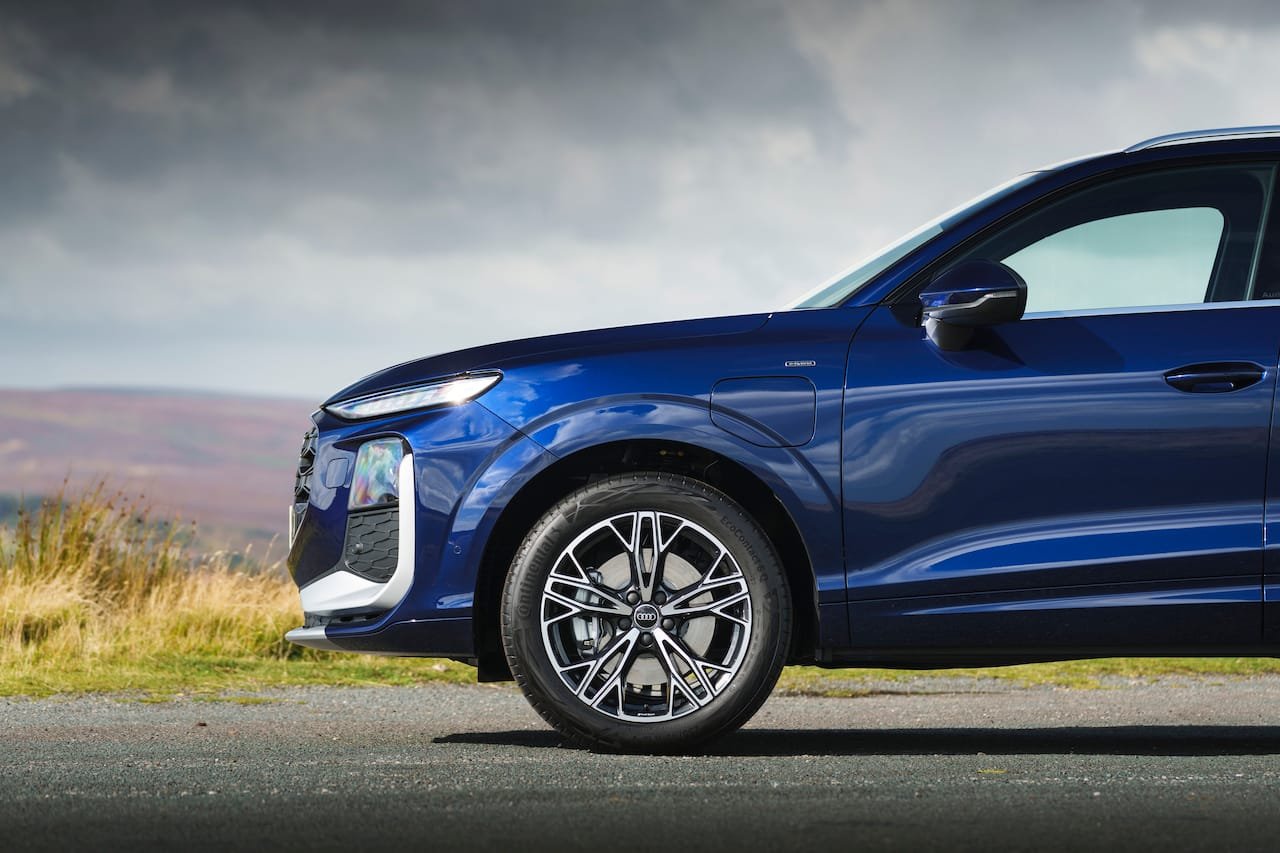
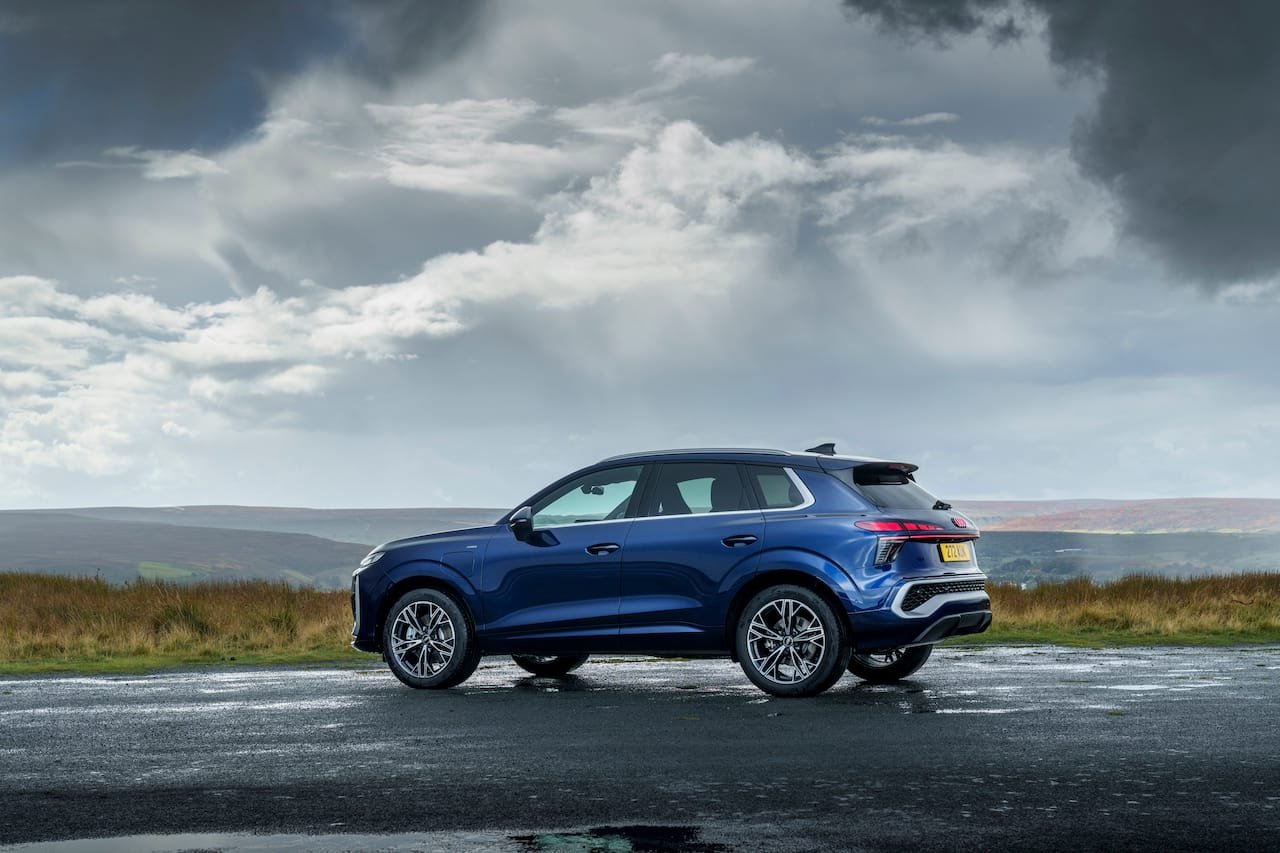
The car tested here was the Audi Q3 e-hybrid S line, producing 272PS, finished in Navarra Blue metallic and equipped with Audi’s latest digital technology suite. It sits comfortably in the middle of the new Q3 range, but arguably represents the pick of the line-up for buyers looking to combine everyday electric driving with the flexibility of a petrol engine.
Overview
The Audi Q3 has been one of the premium compact SUV class’s success stories since it first appeared in 2011.
More than two million examples have found homes around the world, and the third-generation model builds on that success rather than attempting to reinvent it.
The range opens with a 150PS mild-hybrid petrol engine priced from around £38,300, while diesel remains available for high-mileage drivers. Sitting above those is the model reviewed here – the new Q3 e-hybrid, which starts from £45,800 OTR in the UK and is offered in Sport, S line and Edition 1 trims.
Its new plug-in hybrid system is a substantial step forward over the previous generation. A 1.5-litre turbocharged petrol engine is paired with an electric motor integrated into the six-speed S tronic transmission, producing a combined 272PS and 400Nm of torque. Performance is brisk, with 0-62mph dispatched in 6.8 seconds, yet efficiency is where the biggest gains have been made.
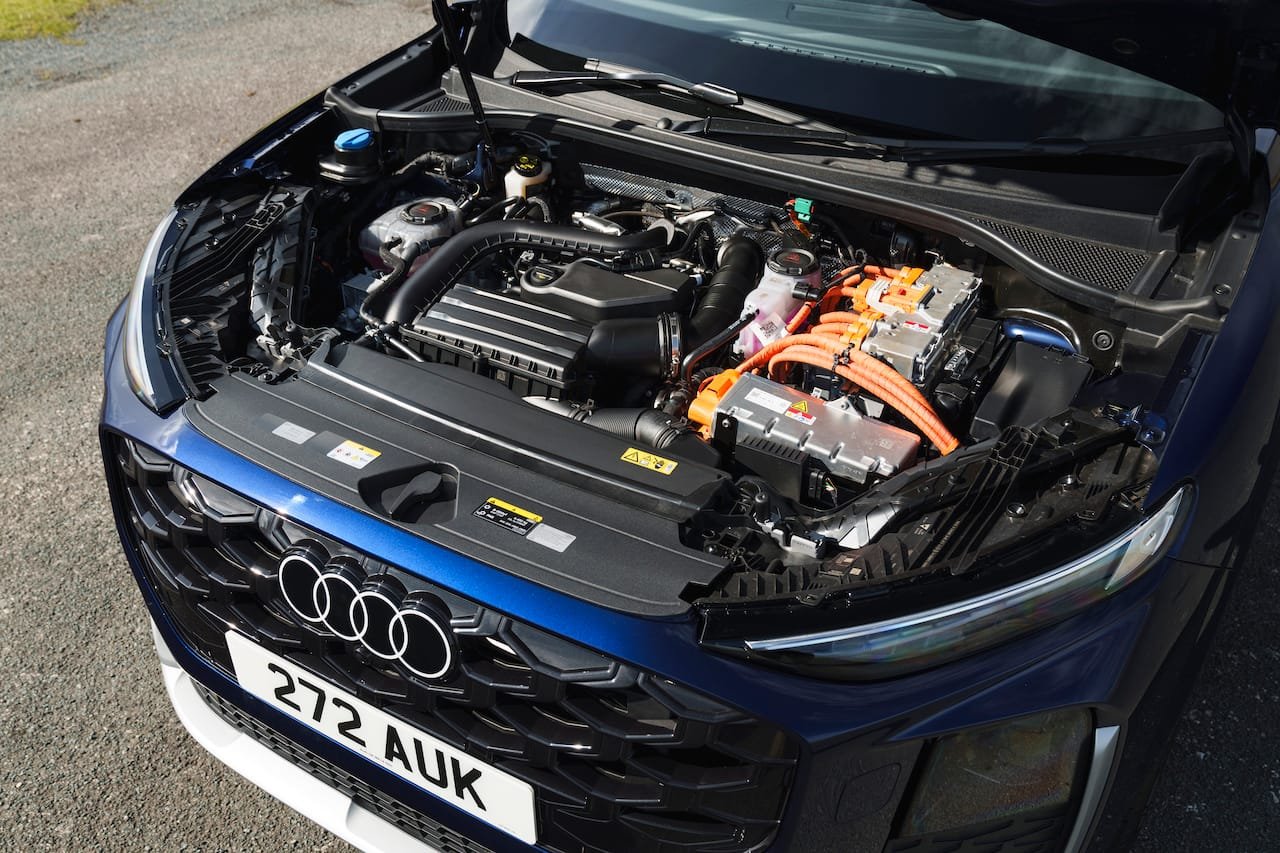
Audi has fitted a significantly larger 25.7kWh battery (19.7kWh usable), allowing the Q3 e-hybrid to travel up to 74 miles on electricity alone, depending on specification. Even the larger-wheeled S line tested here still manages an official 70-mile electric range, enough to cover the daily commute of many UK drivers without using any petrol at all.
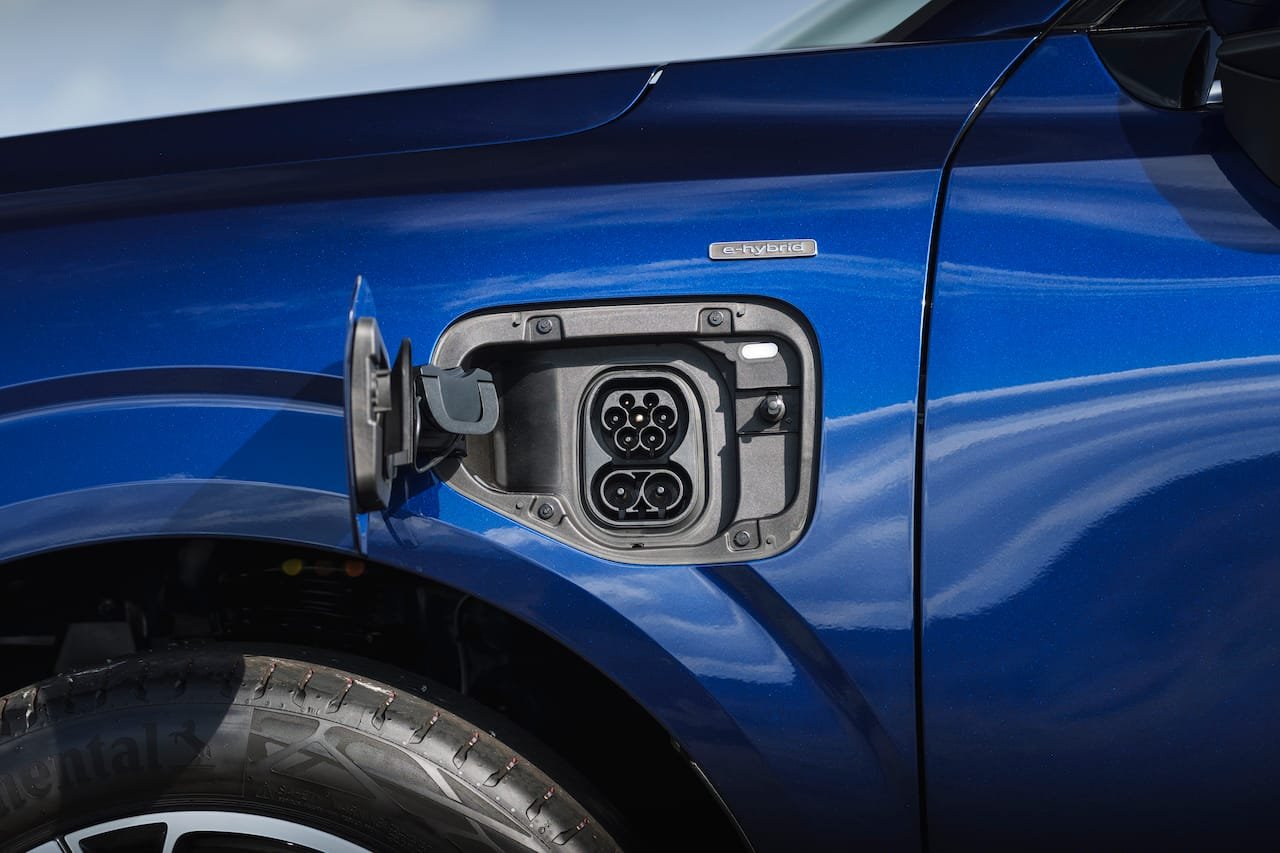
Perhaps more importantly, Audi has made the Q3 one of the few plug-in hybrids capable of 50kW DC rapid charging. That means topping the battery up during a longer journey takes around half an hour rather than several hours, transforming the way a PHEV can be used in everyday life. Home charging has also been improved, with 11kW AC charging reducing a full recharge to around two and a half hours where suitable infrastructure is available.
On paper, then, the Q3 e-hybrid looks like one of the most complete plug-in hybrid family SUVs currently on sale.
Design
Audi has resisted the temptation to dramatically reinvent the Q3’s appearance. That’s probably a wise decision.
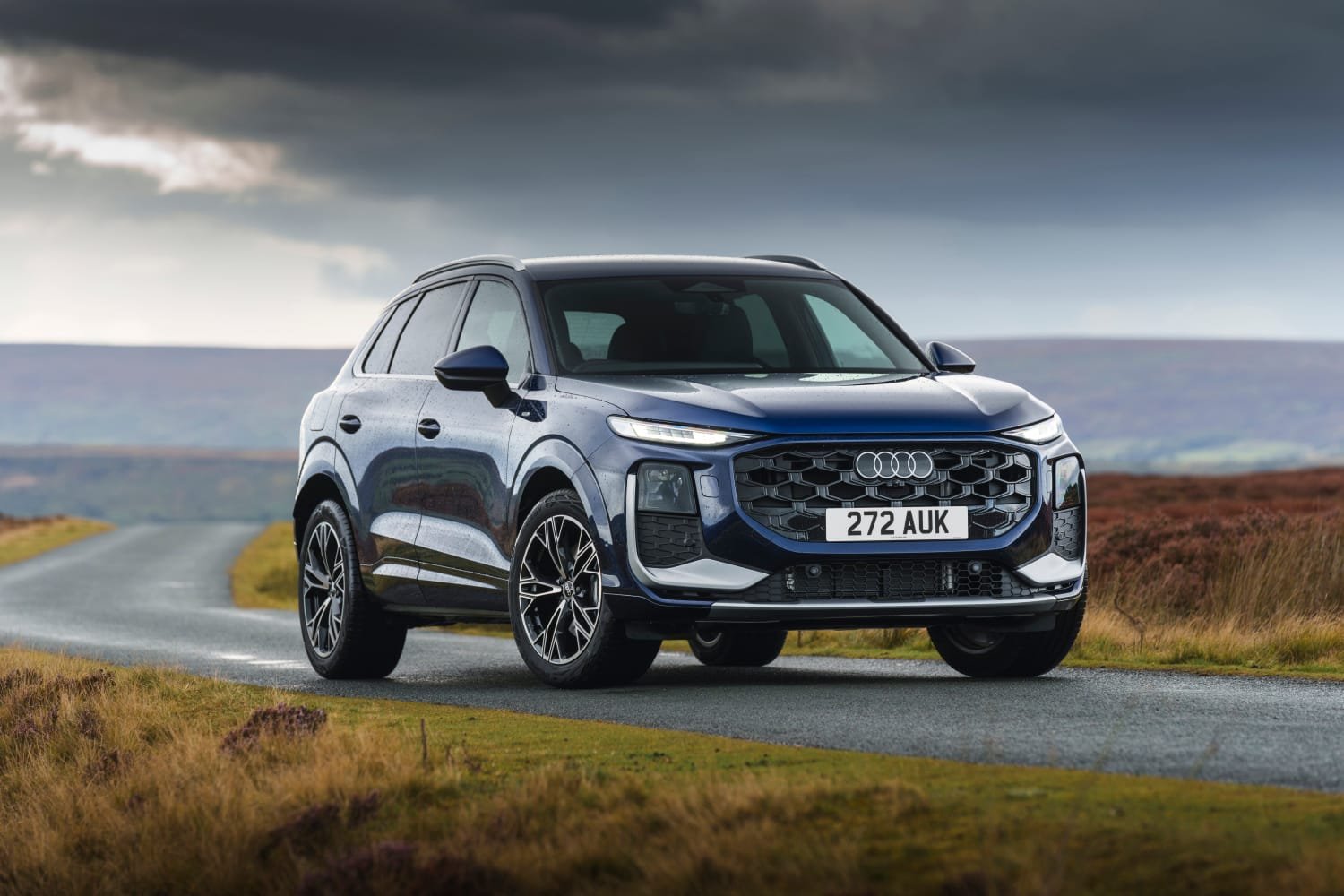
Instead, the new model evolves a familiar formula with sharper detailing, cleaner surfacing and a more assertive stance. It’s recognisably a Q3, but one that’s grown up.
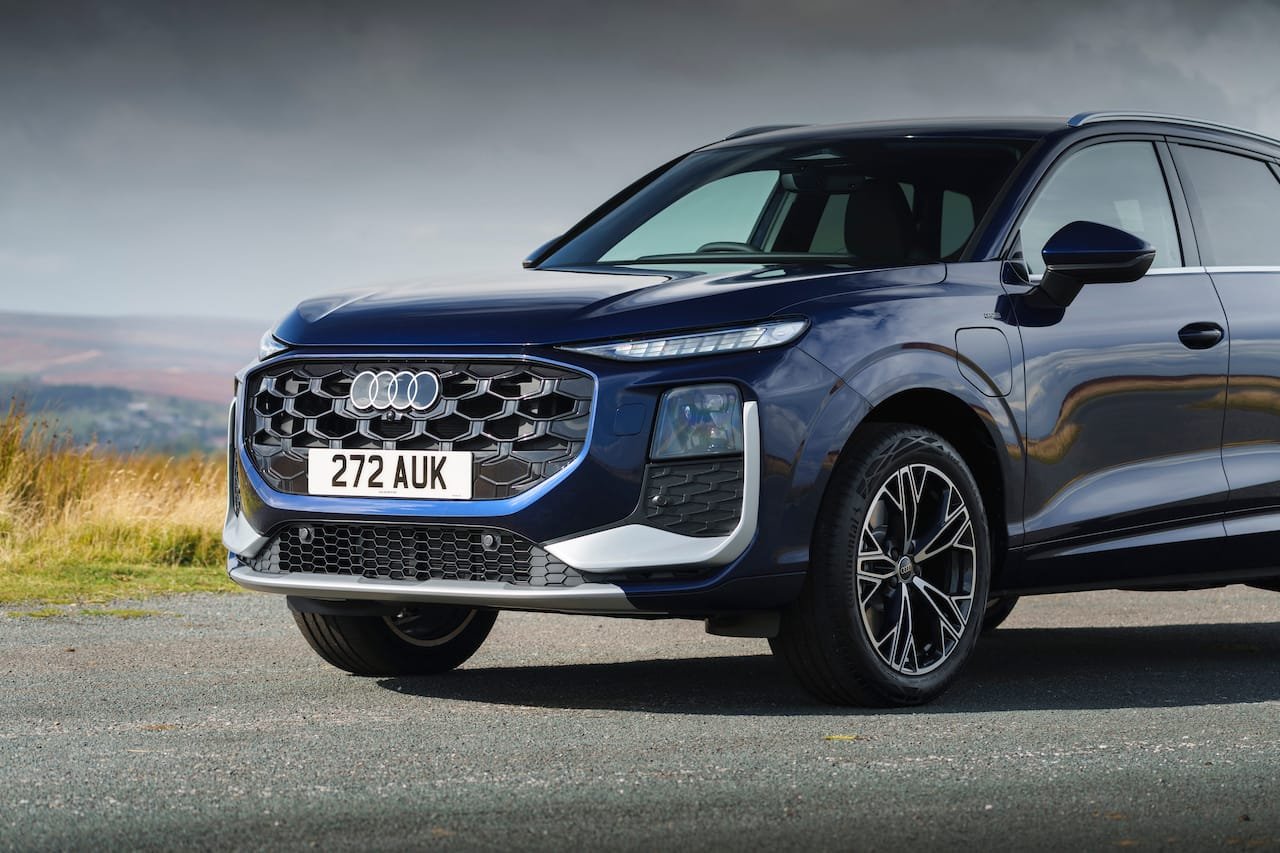
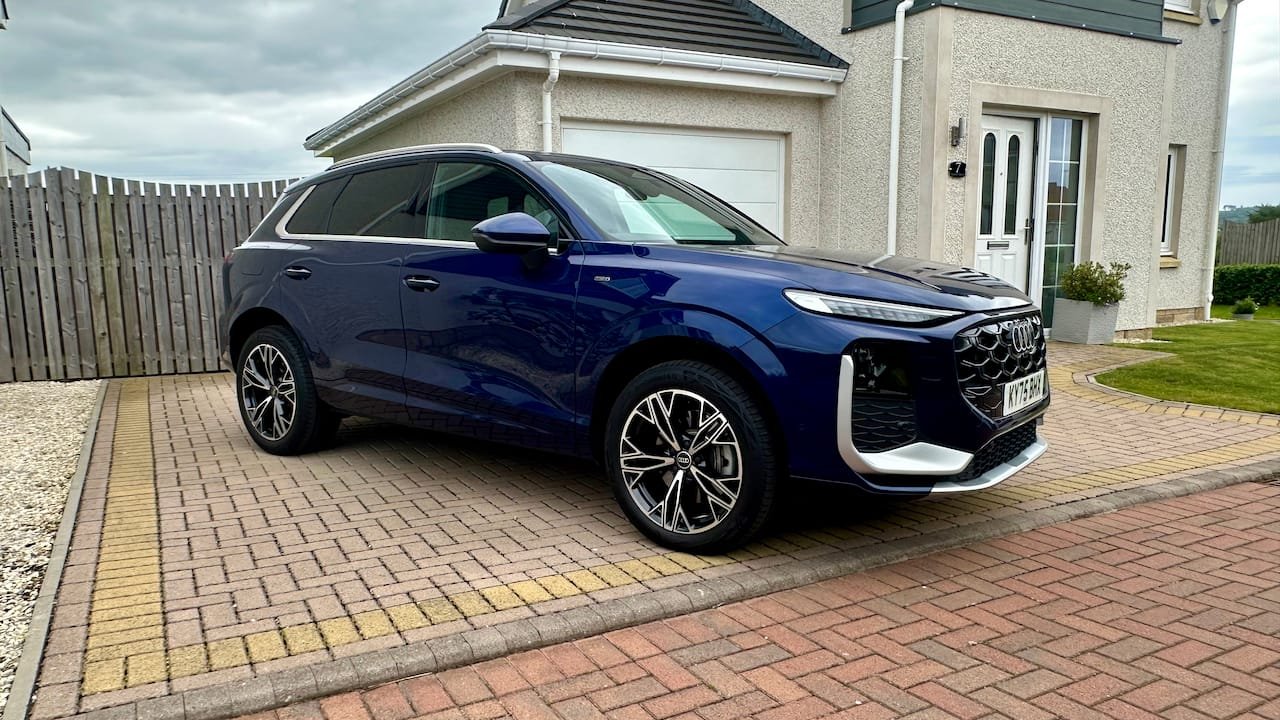
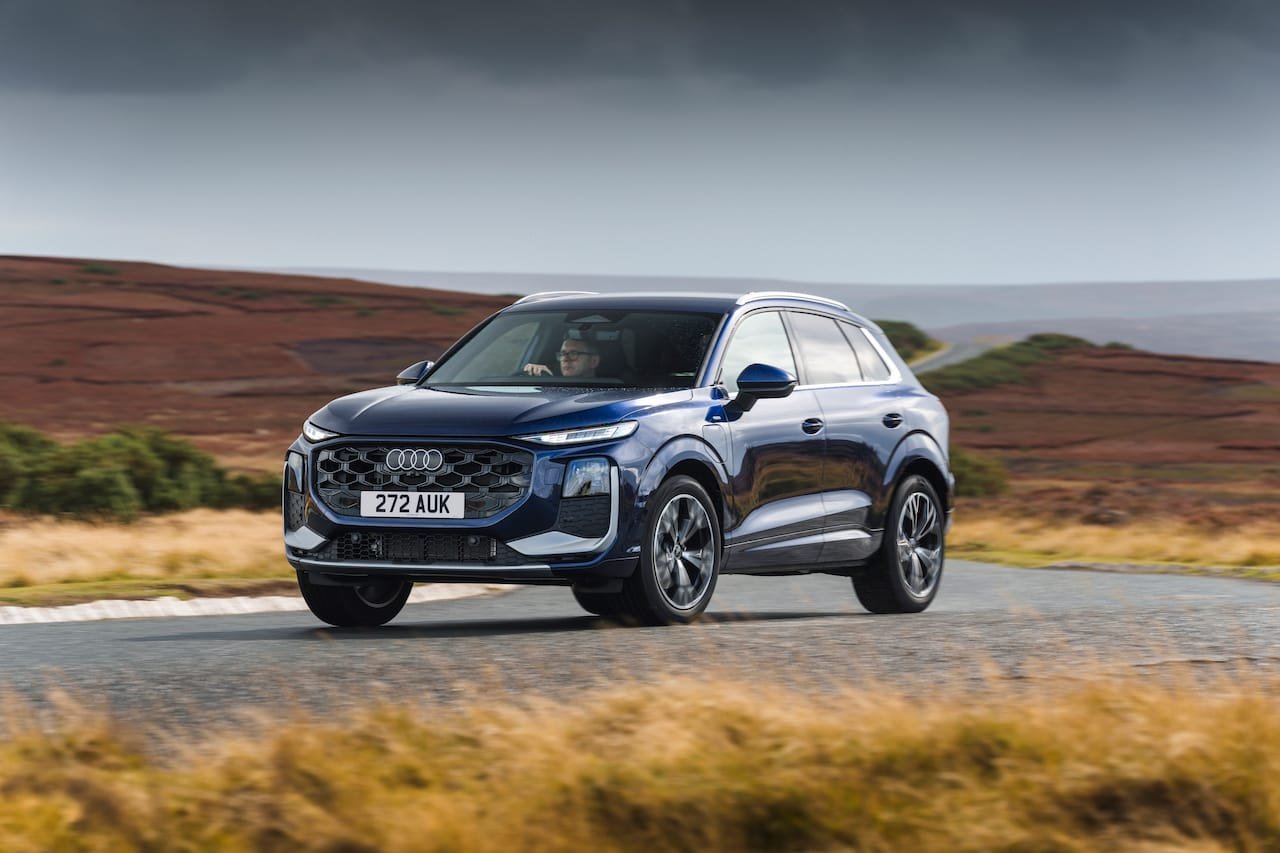
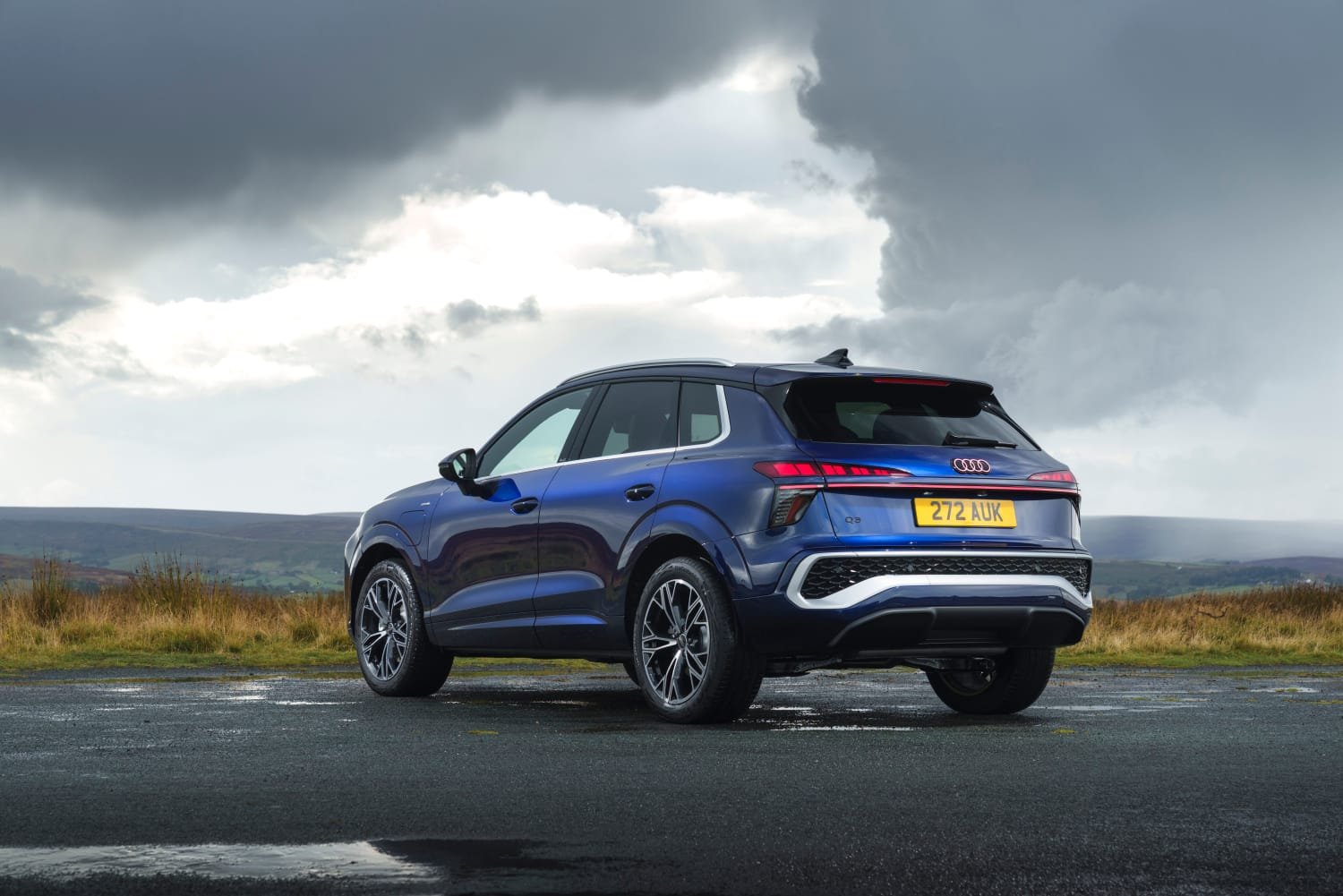
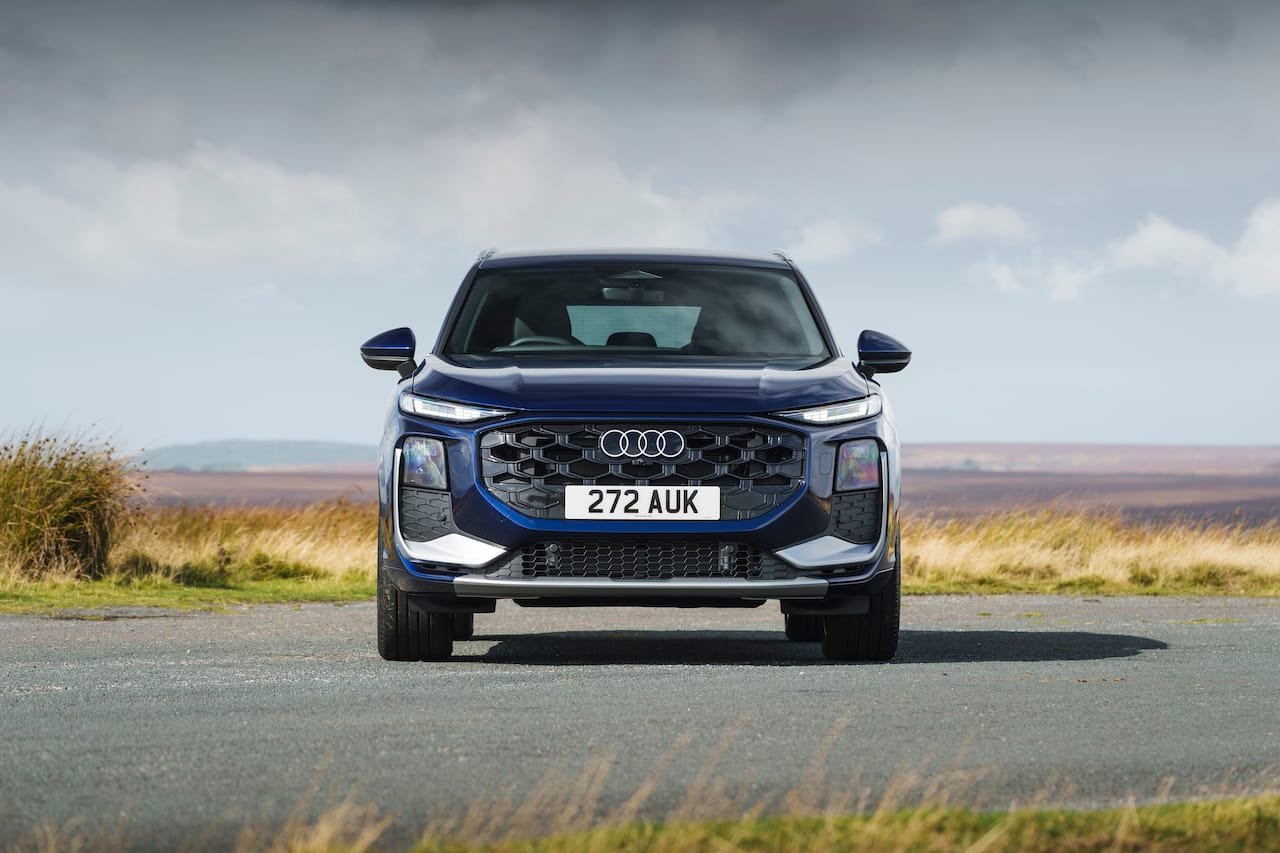
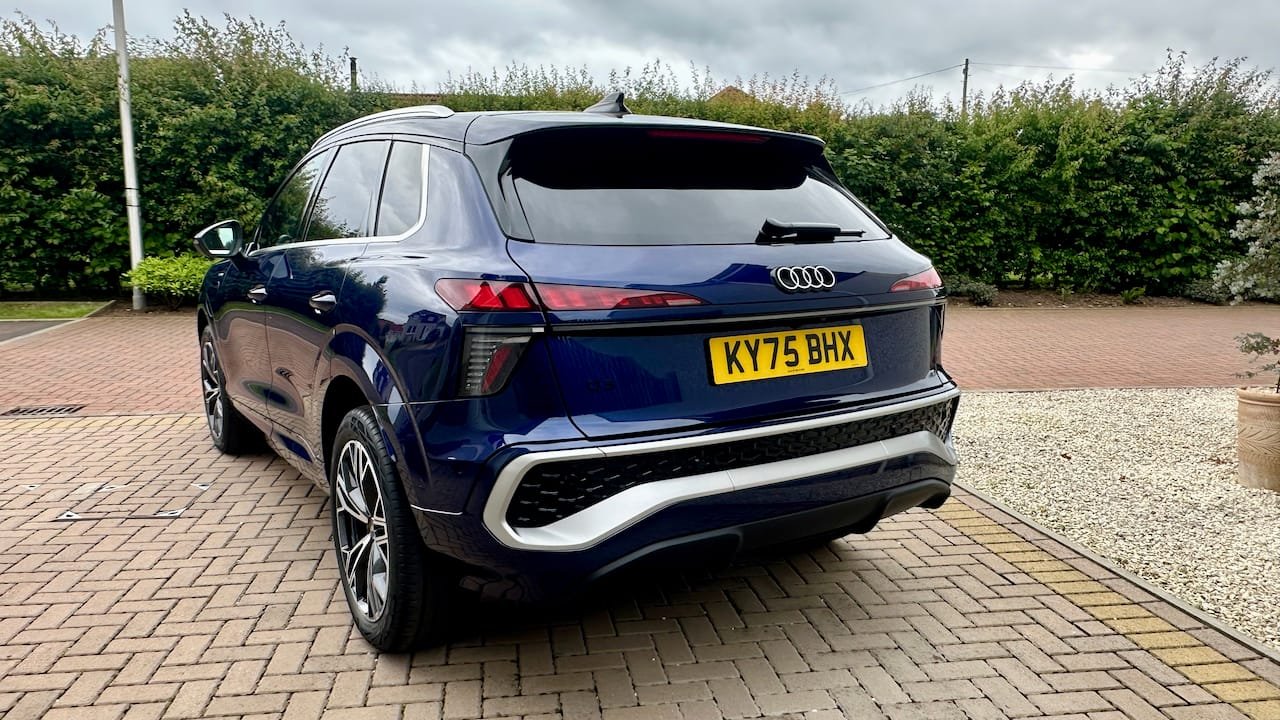
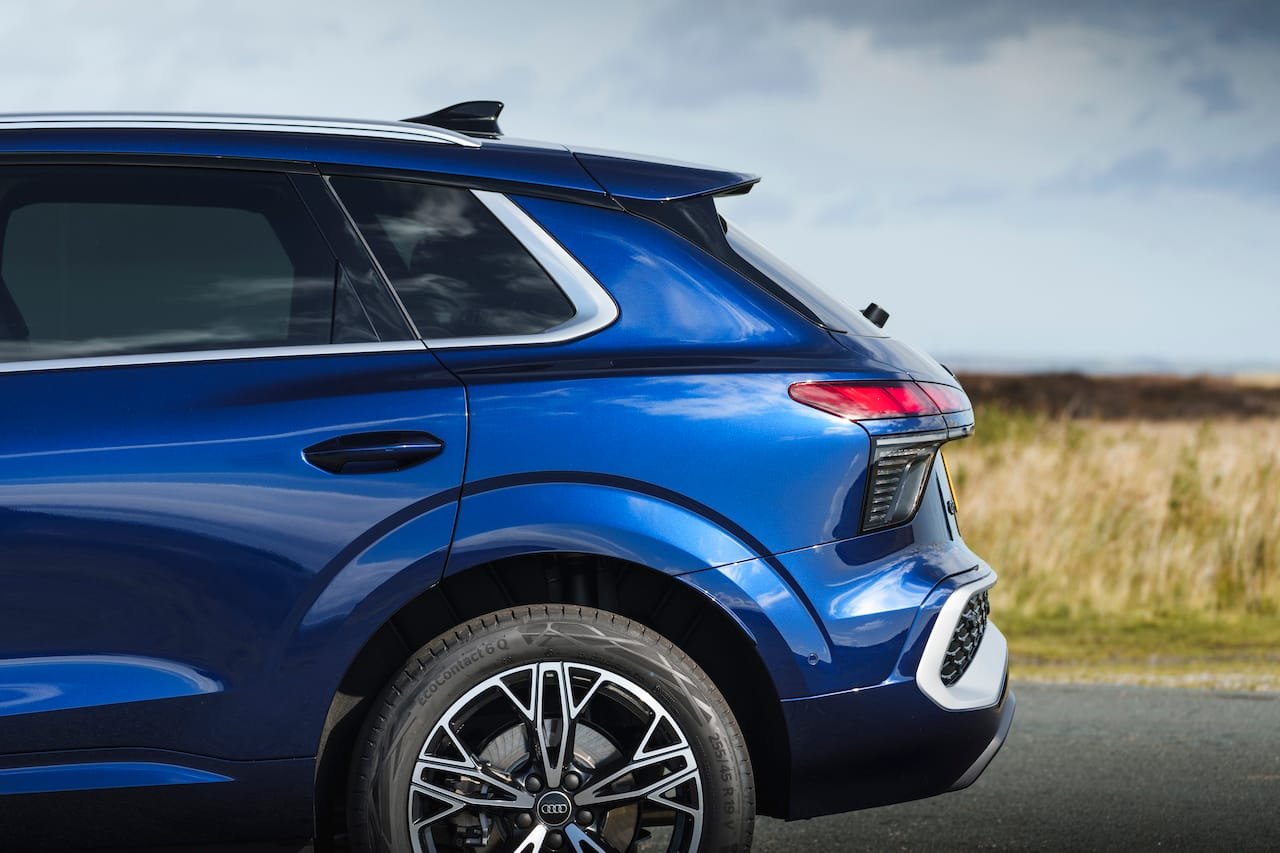
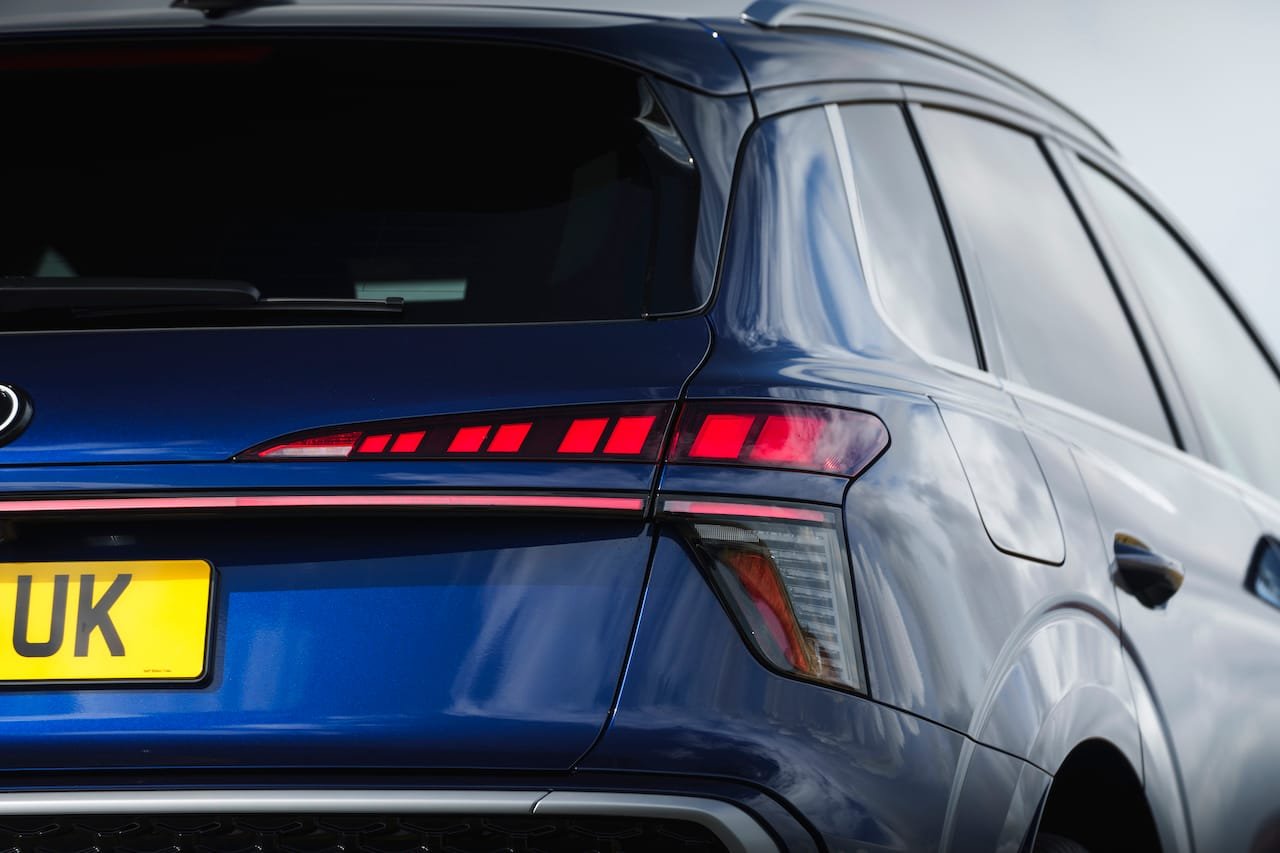
The front end is dominated by a wider interpretation of Audi’s Singleframe grille, flanked by slim Matrix LED headlights with configurable digital light signatures. At the rear, a full-width LED light bar joins illuminated Audi rings for the first time on a Q3, giving the car a more contemporary look after dark.
S line trim brings a sportier appearance with larger alloy wheels, more aggressive bumpers and additional gloss black detailing, but thankfully Audi has avoided overdoing it. The result is an SUV that looks premium rather than ostentatious.
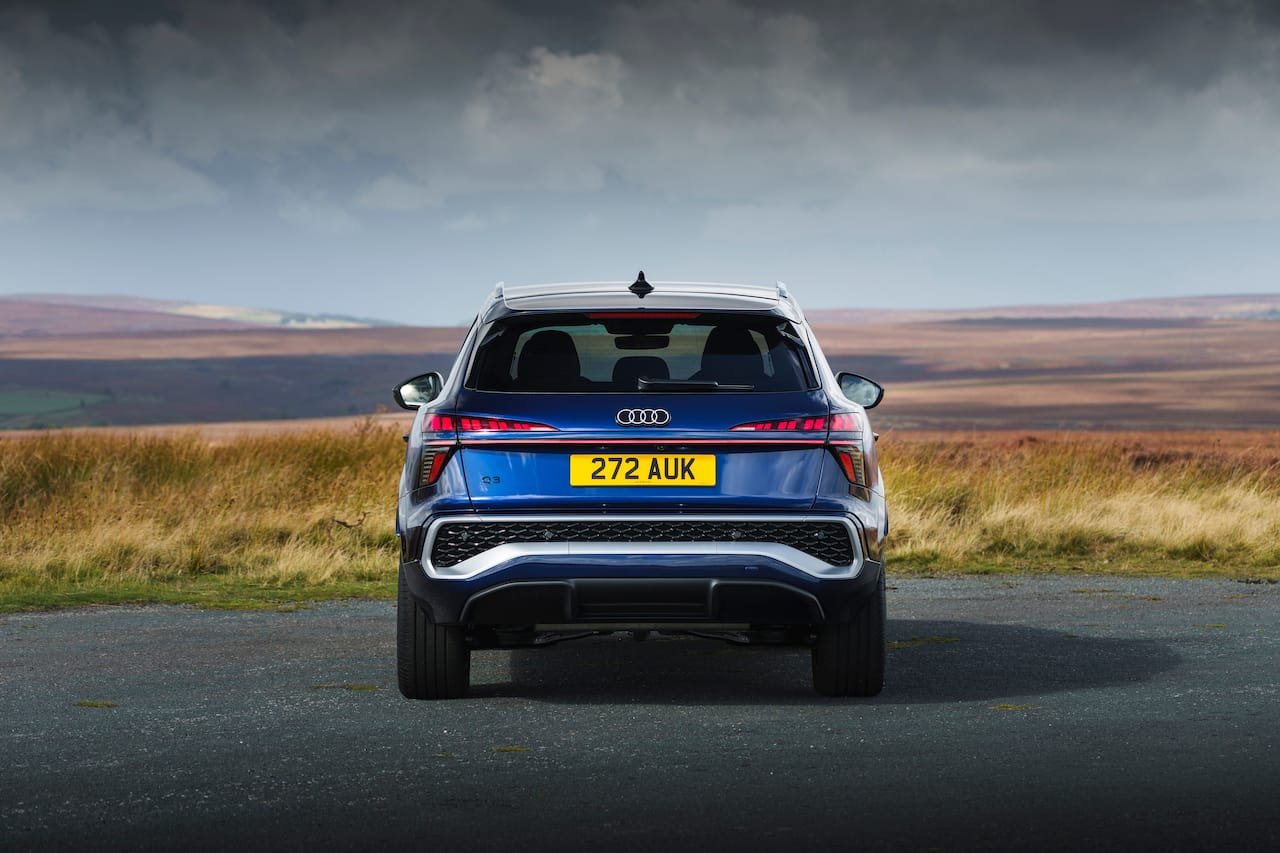
Finished in Navarra Blue metallic, the test car struck a nice balance between sophistication and visual interest. It’s a colour that suits the Q3’s crisp lines. It’s a mature colour rather than a shouty one.
Unlike many newer SUVs, the Q3 also avoids excessive styling flourishes. There are no unnecessary creases, oversized grilles or futuristic gimmicks. It’s simply a well-proportioned, handsome family SUV that should age gracefully.
Interior
If the exterior is evolutionary, the interior represents a much bigger leap forward.
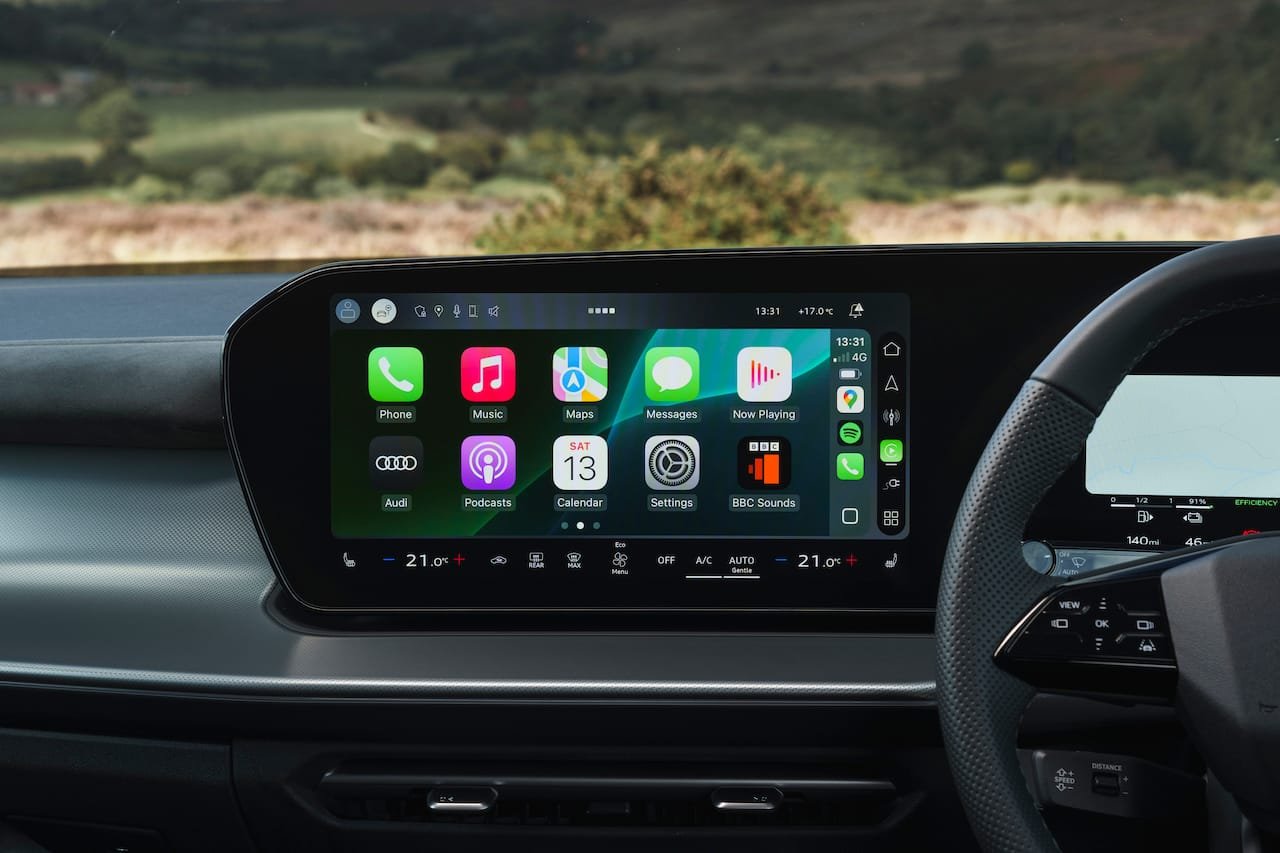
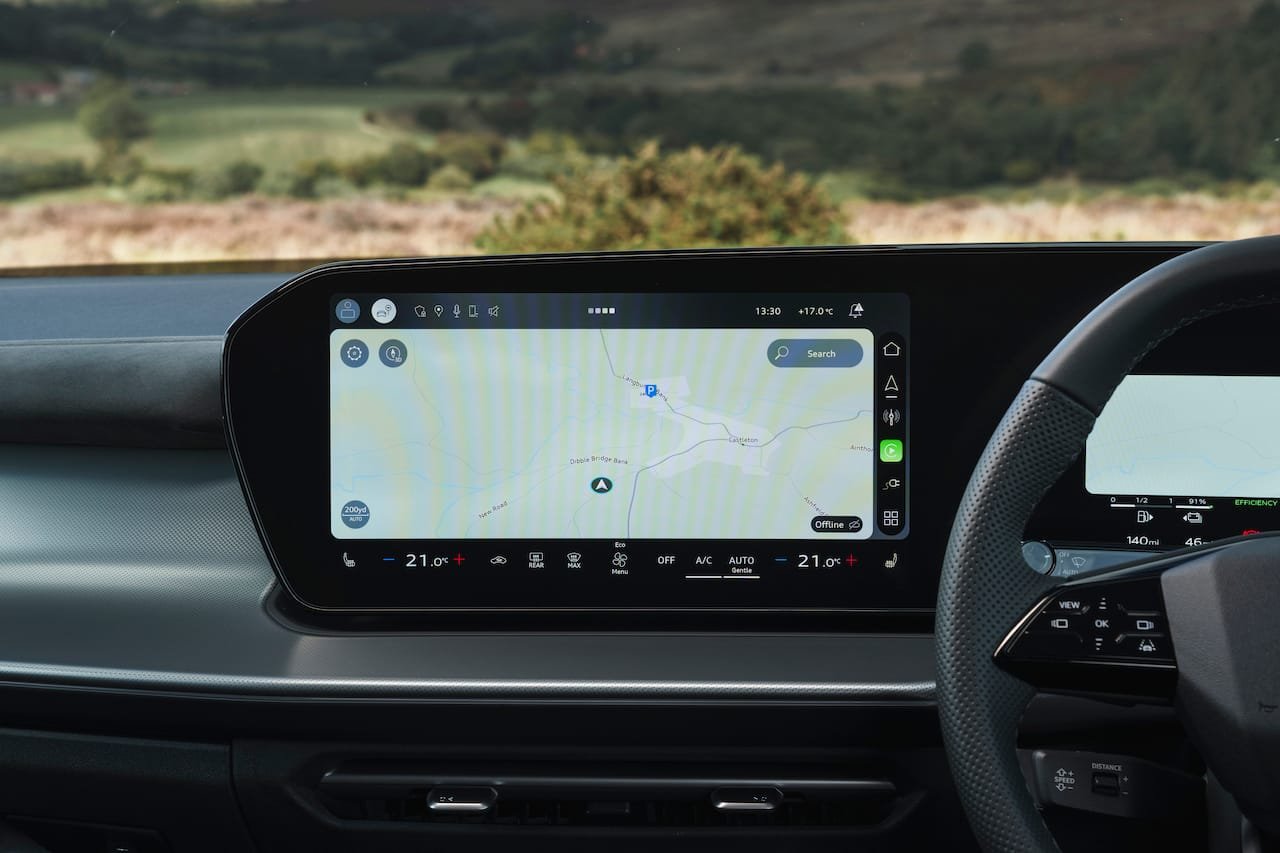
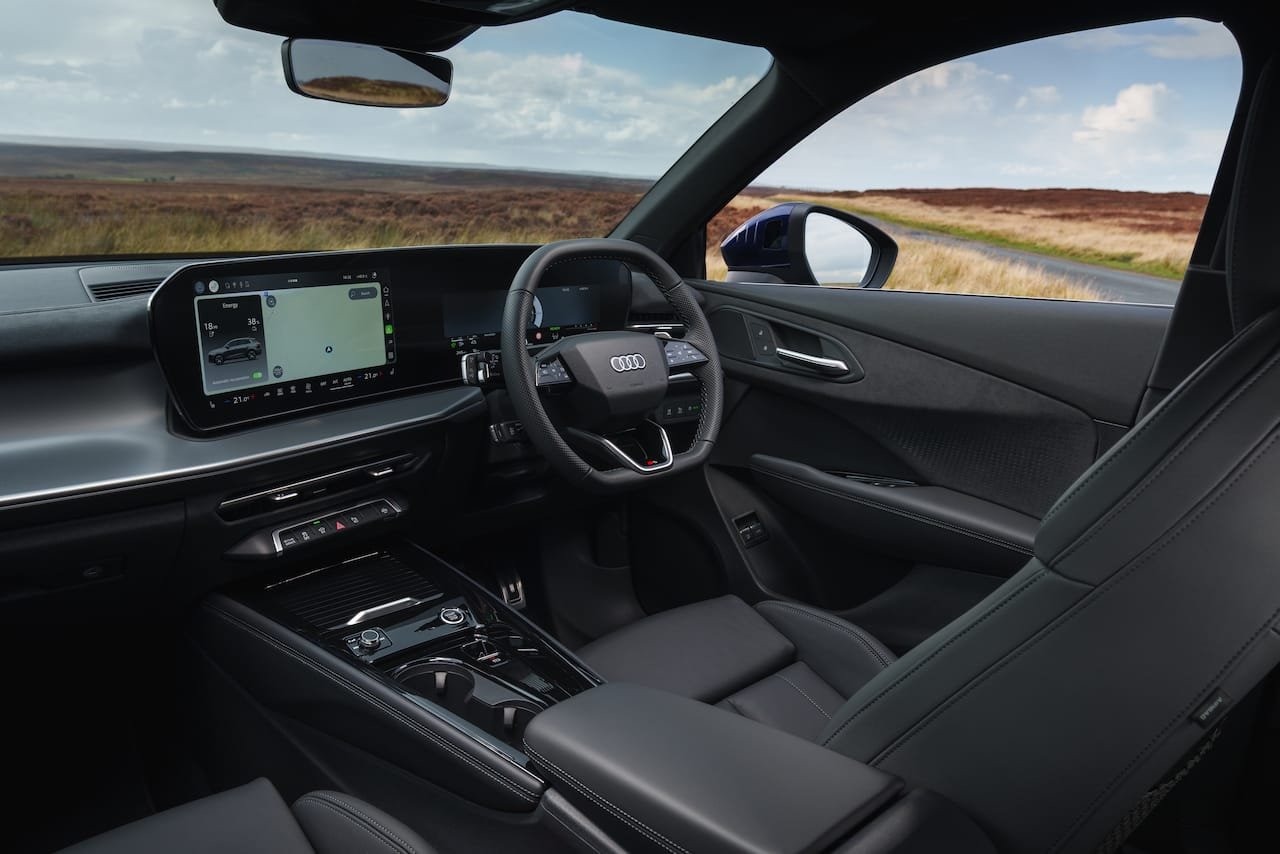
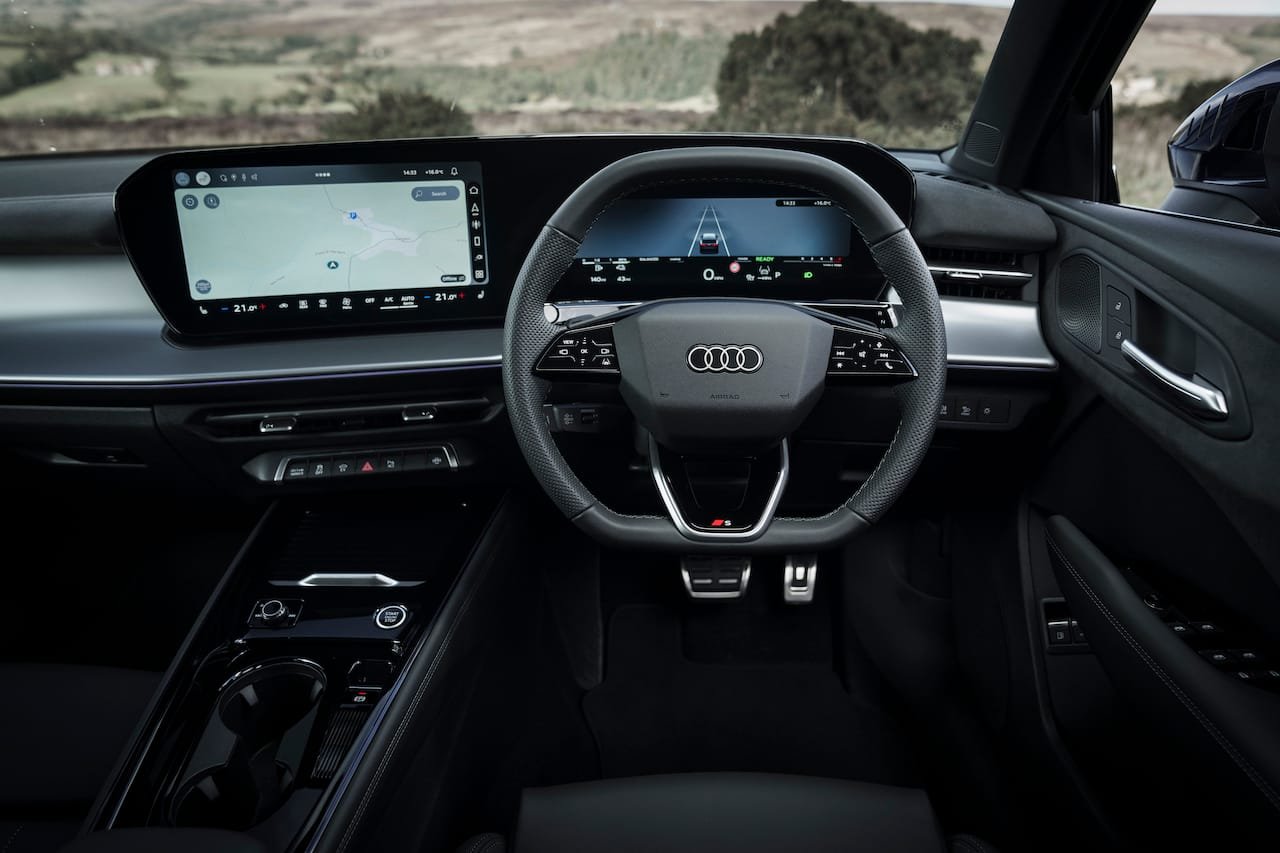
Audi has adopted a cleaner, more minimalist dashboard design centred around an 11.9-inch digital instrument display and a 12.8-inch central touchscreen running the latest Android Automotive operating system.
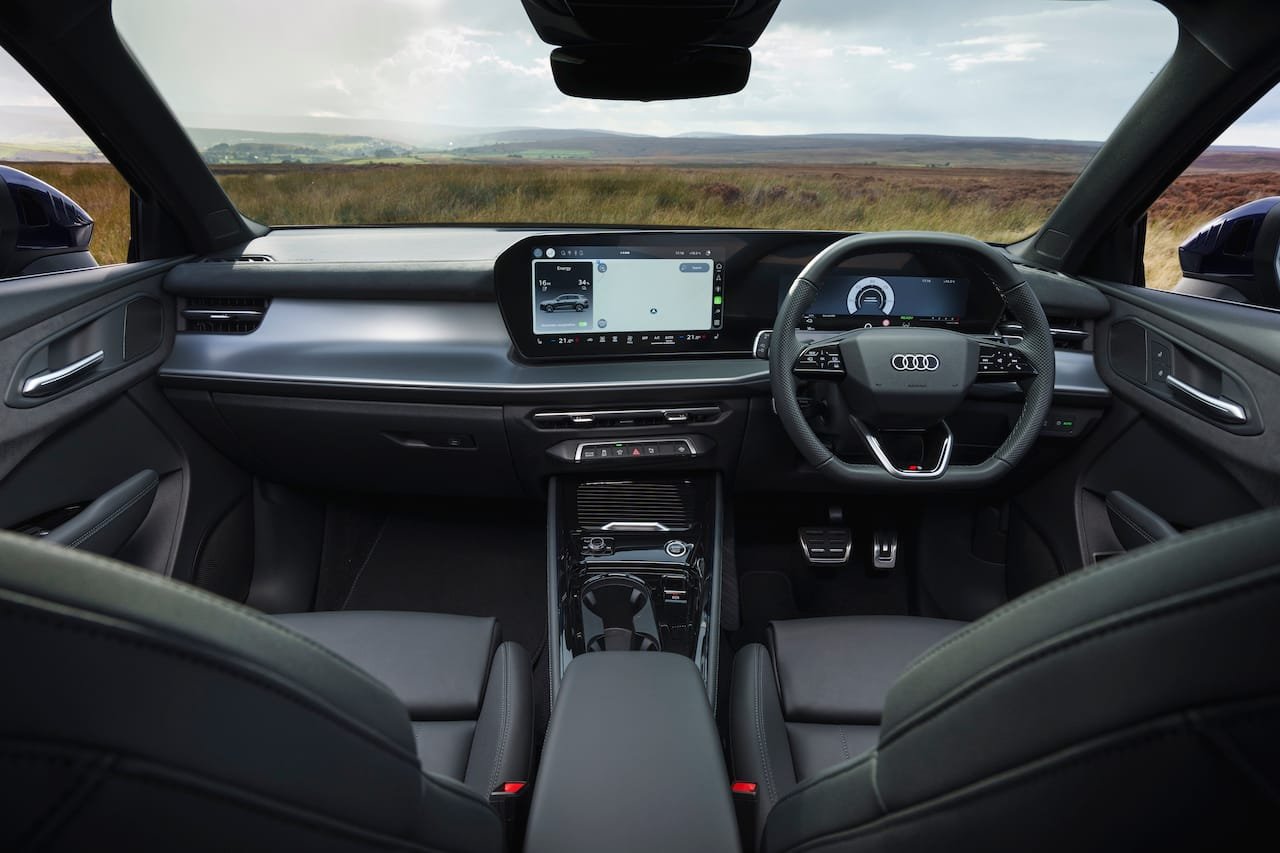
The graphics are sharp, menus are logically arranged and response times are impressively quick. Voice control has also taken a significant step forward thanks to the new AI-powered Audi Assistant, which is capable of understanding more natural language commands than previous systems.
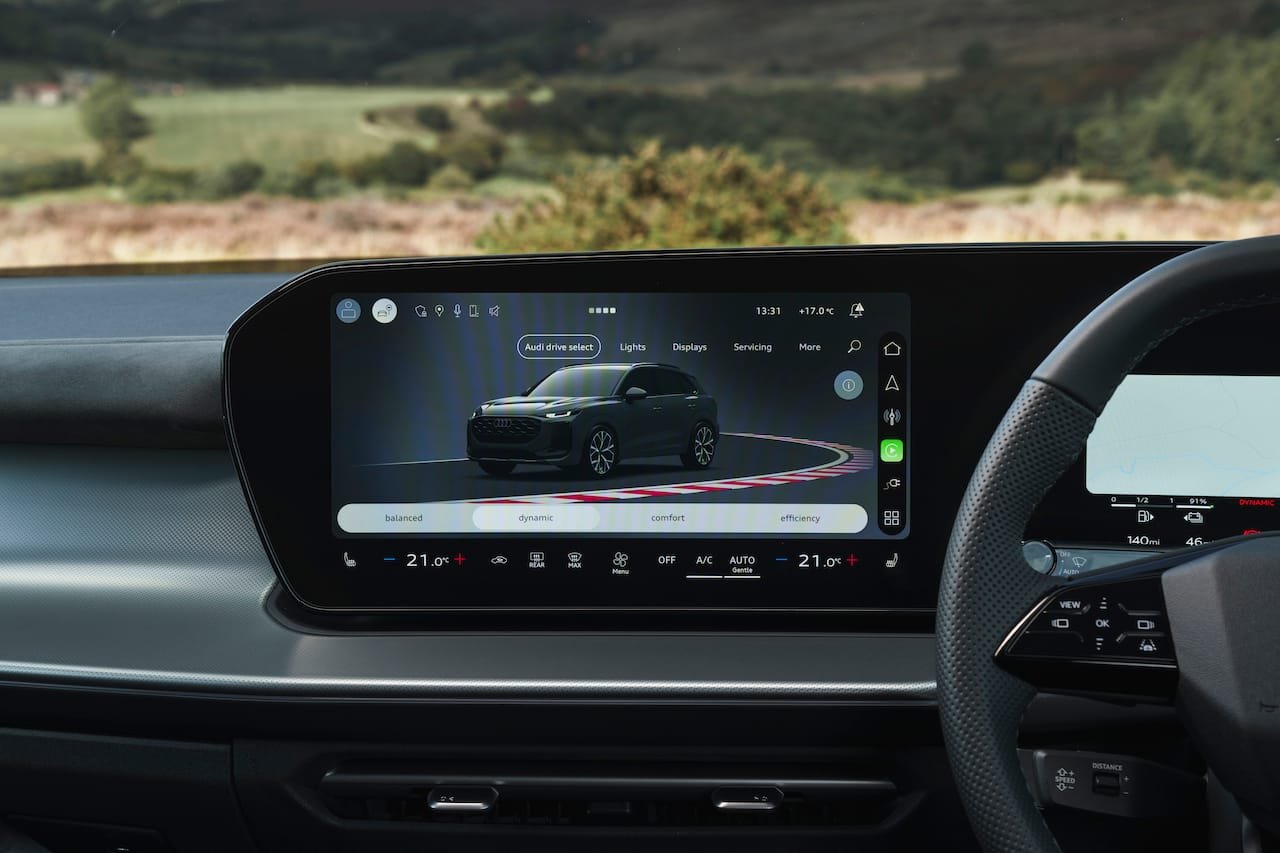
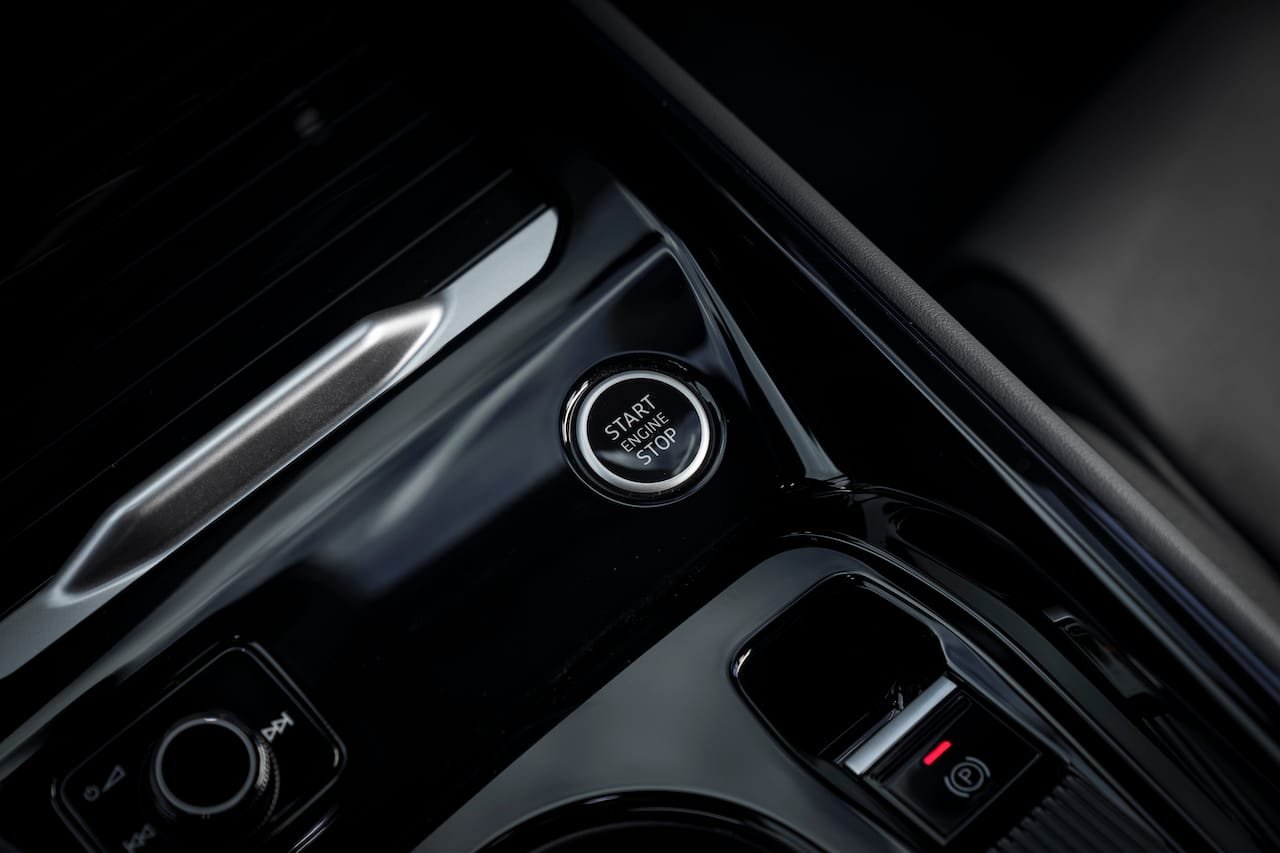
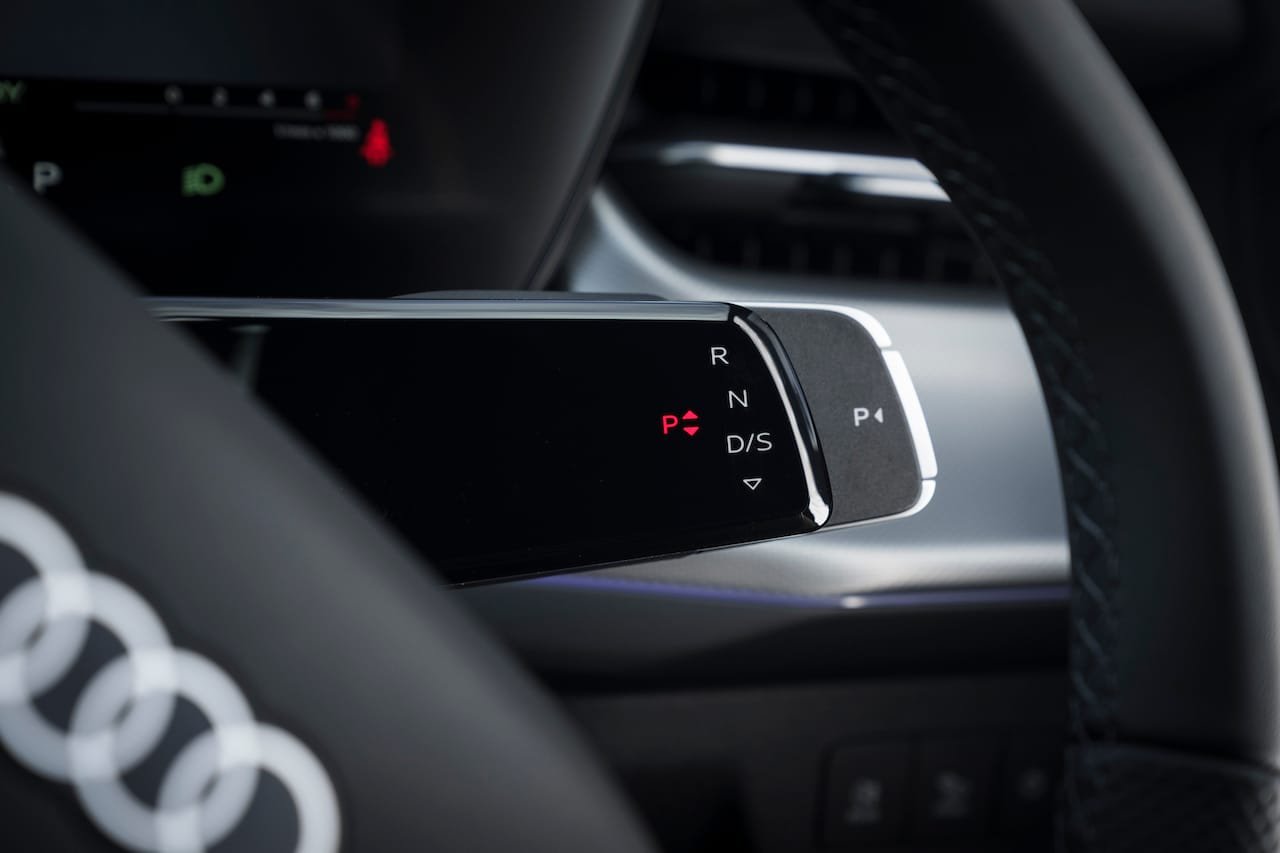
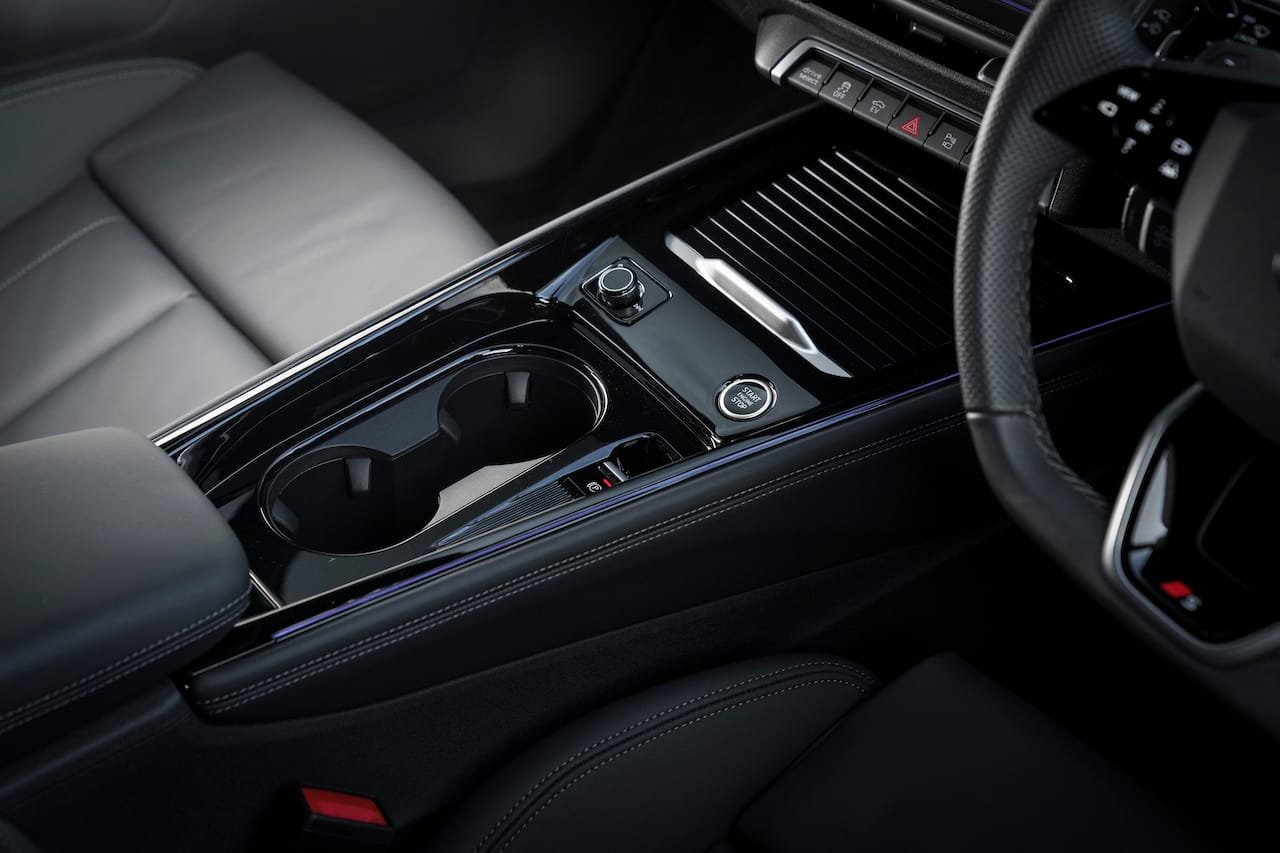
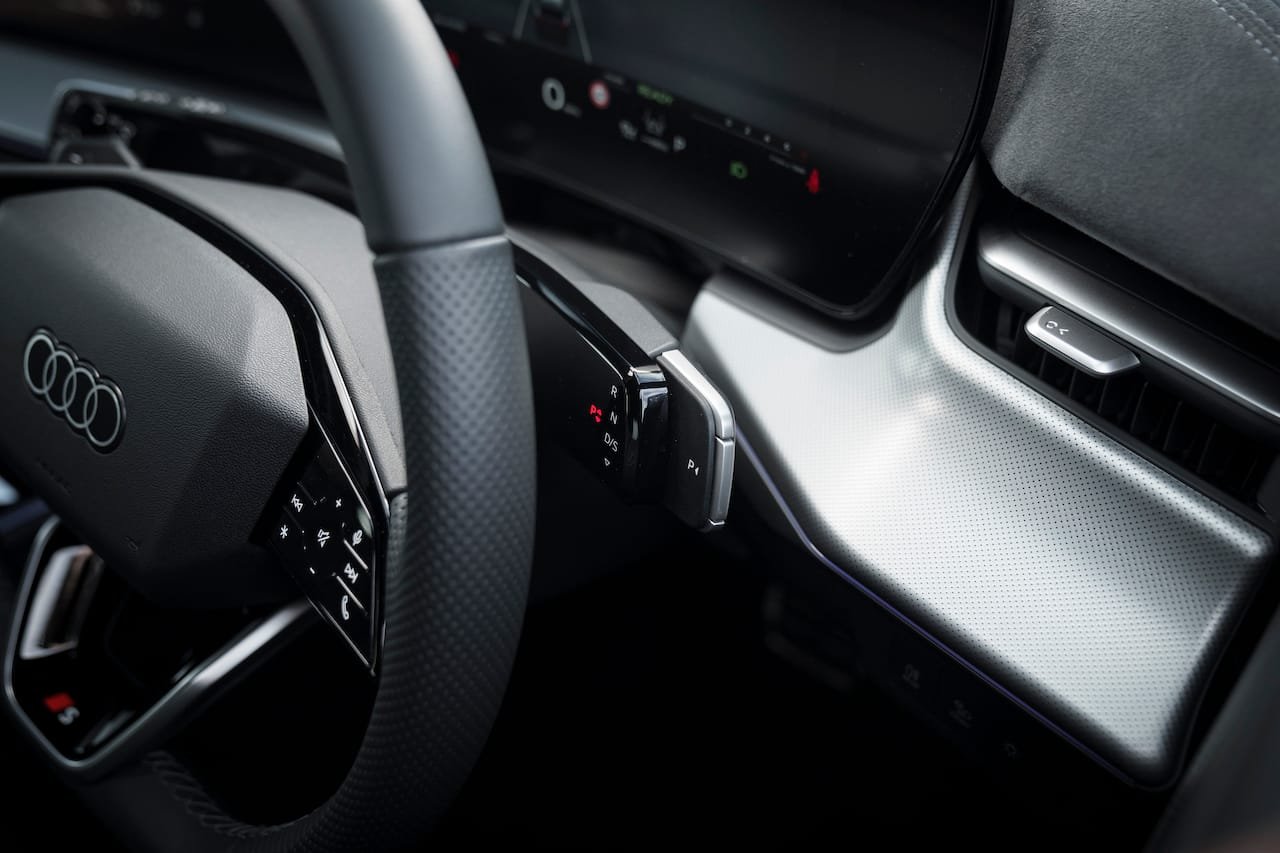
One of the more interesting changes is something you’ll barely notice after a day or two – Audi has moved the gear selector onto the steering column, freeing up valuable space in the centre console for additional storage and wireless phone charging. Initially it feels unfamiliar, but it quickly becomes second nature and makes the cabin feel noticeably less cluttered.
Material quality is exactly what you’d expect from Audi. Soft-touch surfaces dominate the dashboard and upper door trims, switchgear feels reassuringly precise and everything fits together with the sort of solidity that has long been one of the brand’s strengths.
Unlike some rivals that attempt to wow with huge screens and colourful ambient lighting, the Q3’s cabin impresses through restraint. It feels engineered.
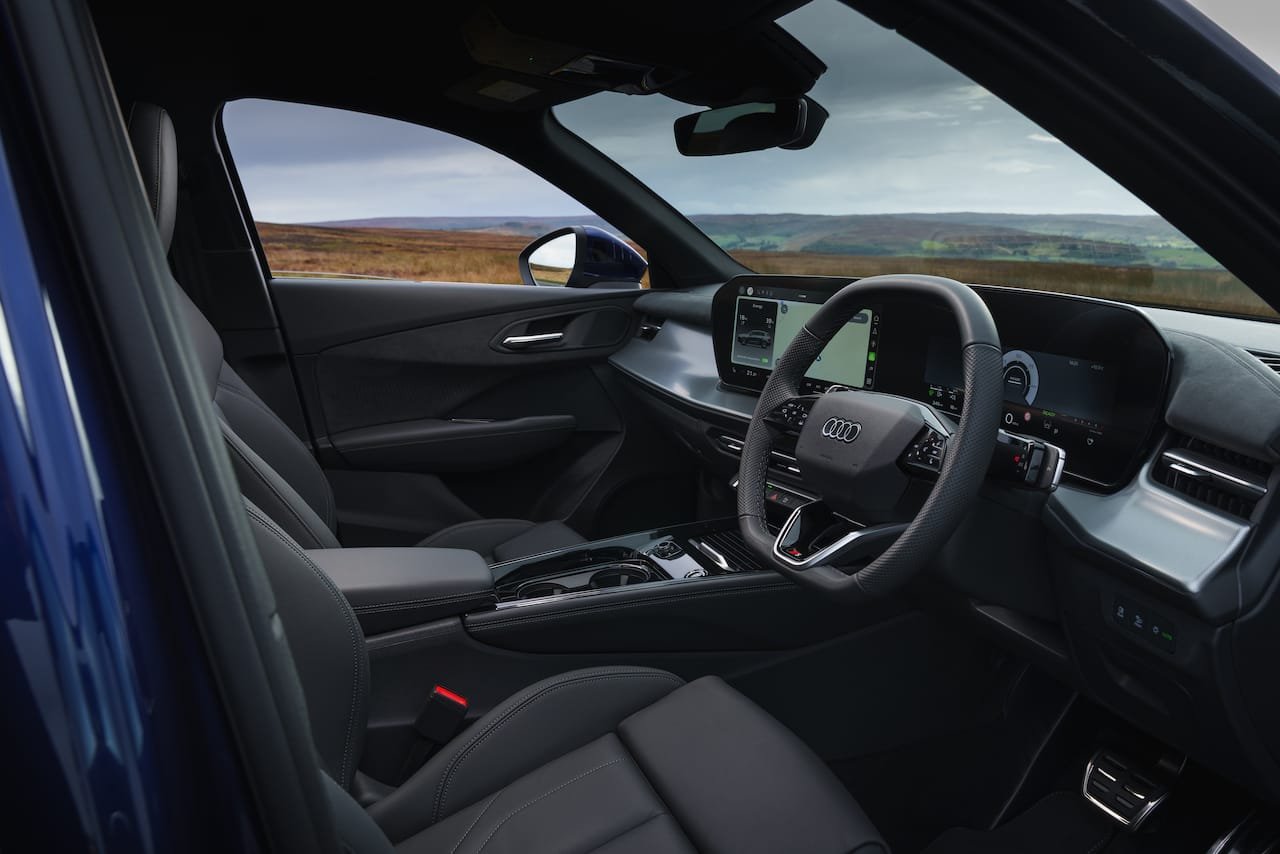
The S line sports seats strike an excellent balance between comfort and support, remaining comfortable over several hours behind the wheel while providing enough lateral support when the road becomes more demanding.
Driving position is another highlight. There’s plenty of adjustment in both the steering wheel and seat, visibility is excellent and the overall ergonomics are difficult to fault.
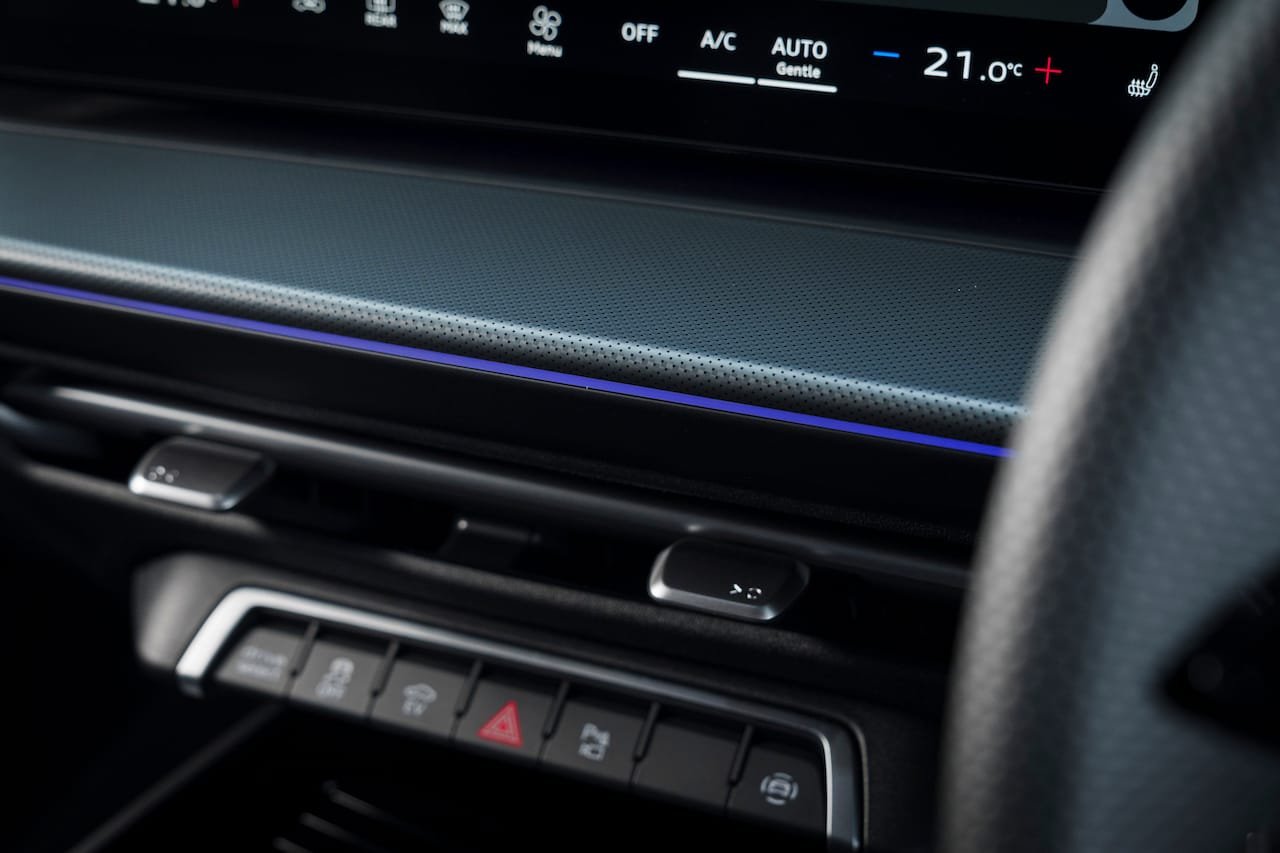
Crucially, Audi has resisted the temptation to remove every physical switch. The climate controls remain intuitive to use, and although the cabin is heavily digitised, it never feels intimidating.
After spending time in several Chinese SUVs where technology occasionally feels like it’s leading the design rather than supporting it, the Audi’s more measured approach is genuinely refreshing.
Rear Passenger Space and Practicality
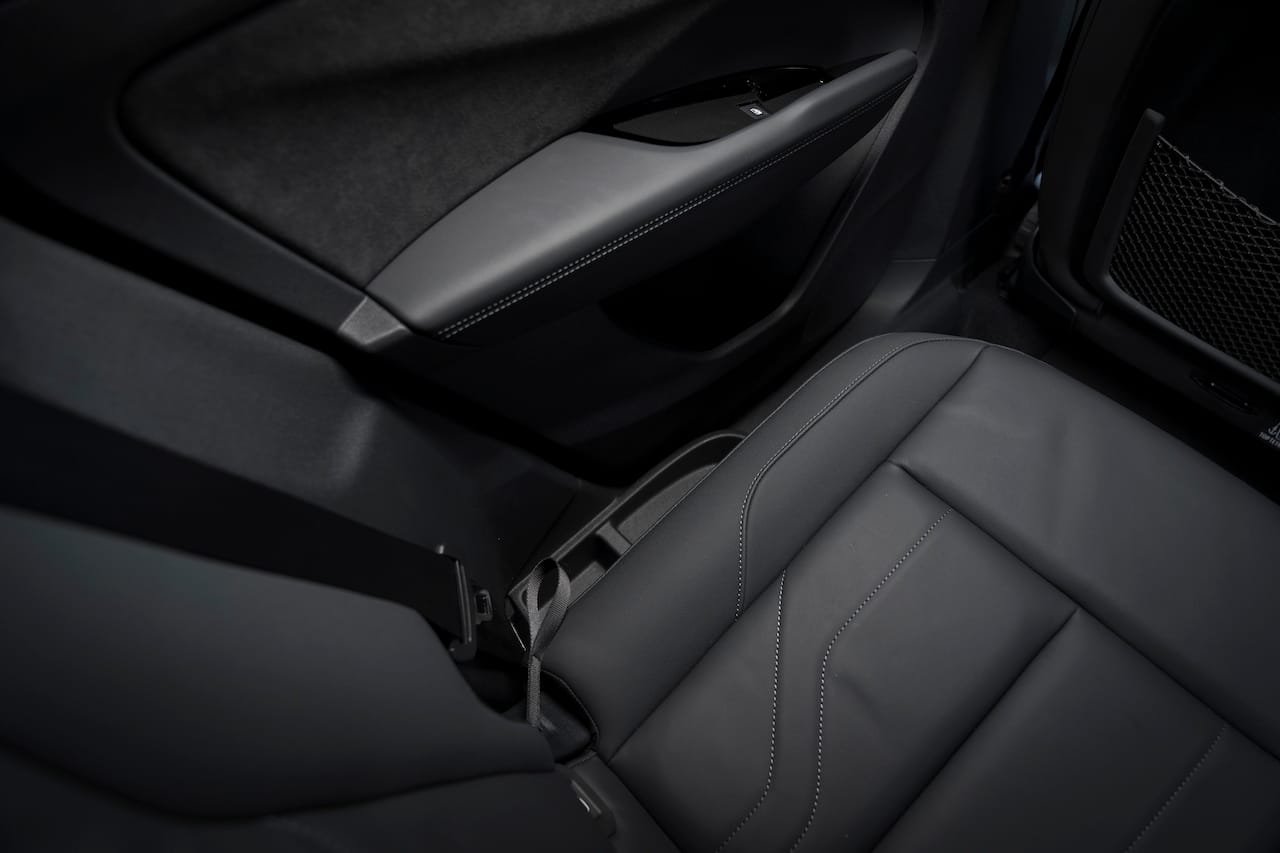
Rear passengers benefit from noticeably improved accommodation thanks to a longer wheelbase and a cleverly packaged cabin. Adults have plenty of knee room, while headroom remains generous despite the subtly more athletic roofline.
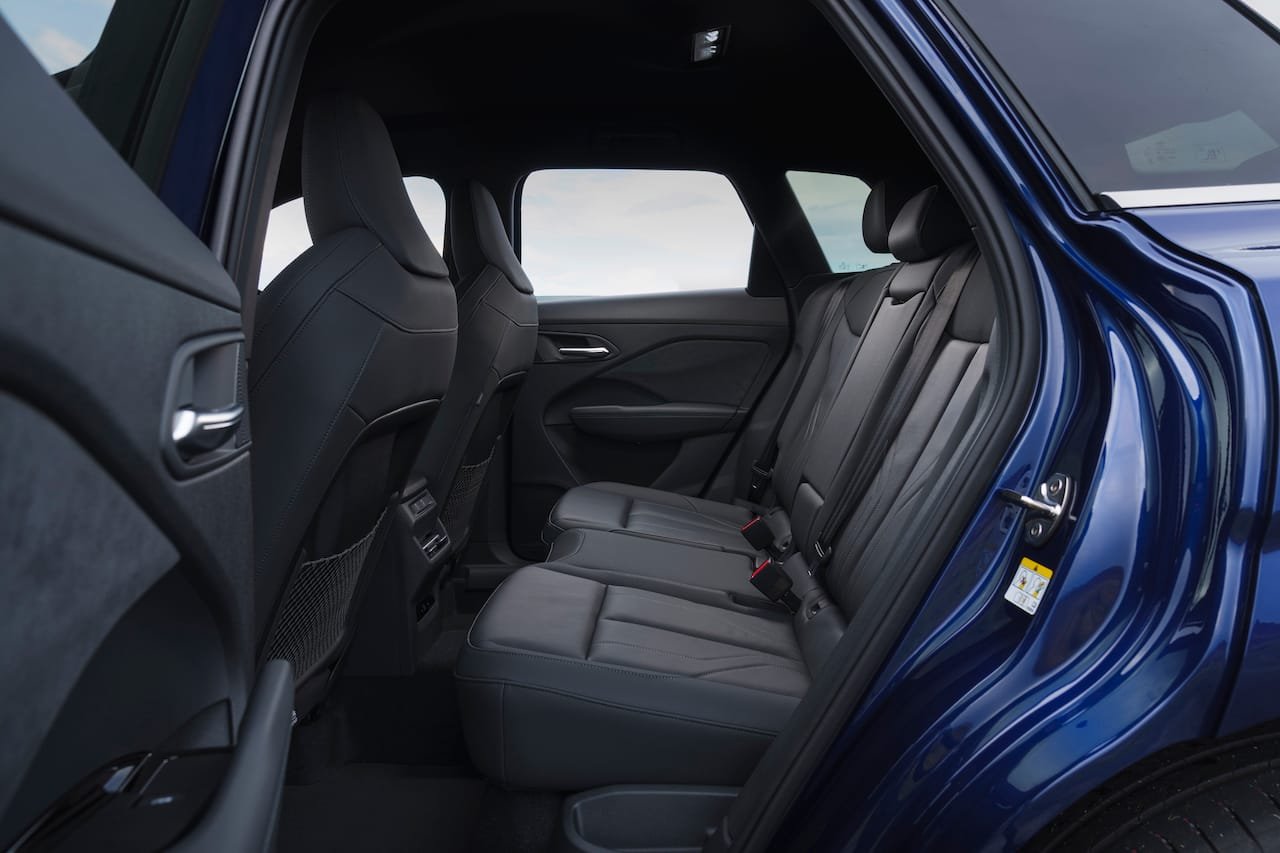
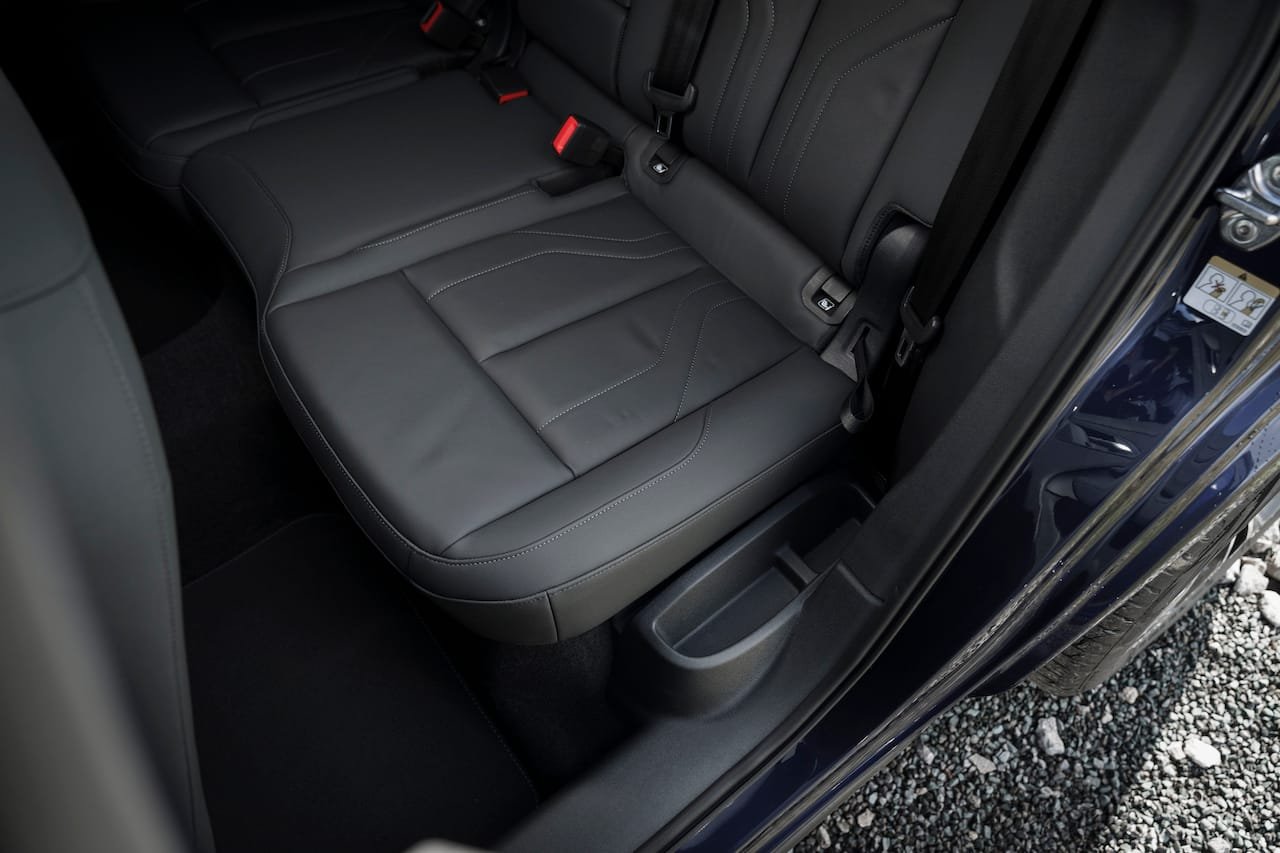
A particular strength is the sliding rear bench, which can move forwards or backwards depending on whether you prioritise passenger comfort or boot capacity. The rear seat backrests also recline, giving passengers a little extra comfort on longer journeys.
The e-hybrid does sacrifice some boot space to accommodate its larger battery pack. Luggage capacity stands at 375 litres, expanding to 1,293 litres with the rear seats folded. While that’s less than the petrol versions, it’s still perfectly usable for everyday family life and remains competitive within the plug-in hybrid class.
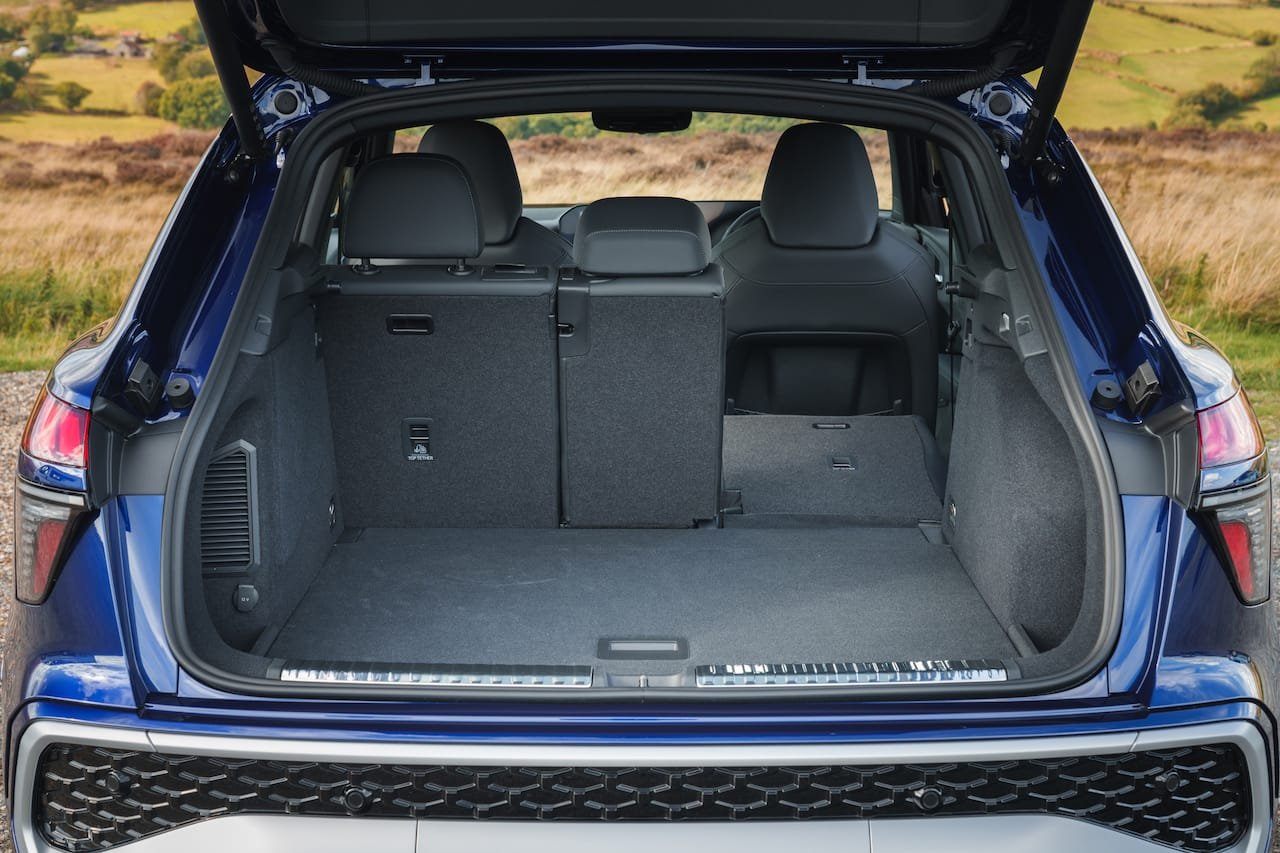
The boot itself is neatly shaped, the loading lip is low enough to make heavier items easy to lift in, and the wide opening means pushchairs, shopping or holiday ‘stuff’ present few problems.
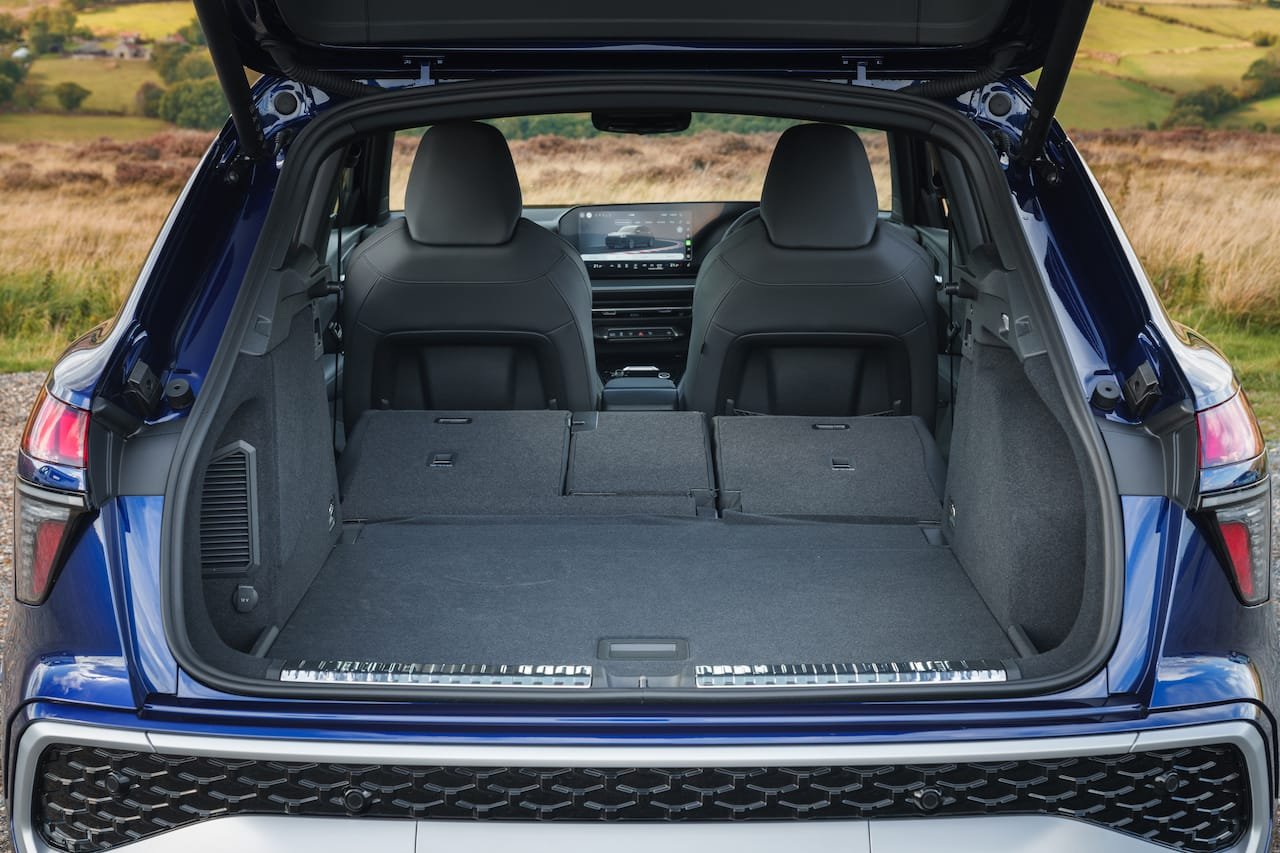
Throughout the cabin there are plenty of thoughtful storage areas, from large door bins to a useful centre console made possible by the relocated gear selector.
Technology and Safety
The new infotainment system is based on Android Automotive and represents a considerable step forward over the previous generation. The 12.8-inch touchscreen is crisp, responsive and logically laid out, while wireless Apple CarPlay and Android Auto are seamlessly integrated. Navigation is quick to calculate routes and the voice assistant has become genuinely useful, understanding more natural language commands than before thanks to AI integration.
One particularly welcome feature is the configurable digital Matrix LED headlights. Not only do they provide superb illumination on unlit roads, but the adaptive high-beam system works with remarkable precision, maintaining maximum visibility without dazzling oncoming traffic.
The optional SONOS premium sound system is equally impressive, delivering rich, well-balanced audio that suits everything from spoken-word podcasts to high-resolution music streaming.
Audi’s latest driver assistance systems also deserve praise. Adaptive cruise assist, lane guidance, traffic sign recognition, emergency braking and cross-traffic alert all operate smoothly and unobtrusively.
There are also some genuinely useful additions. The trained parking function can remember regular parking manoeuvres and repeat them automatically, while the surround-view camera system makes squeezing into tighter spaces far less stressful than it might otherwise be.
Driving
This is where the Audi earns its premium.
A day trip from home down through the Scottish Borders to Jedburgh provided exactly the sort of roads that separate genuinely well-engineered cars from those that merely look good on a specification sheet.
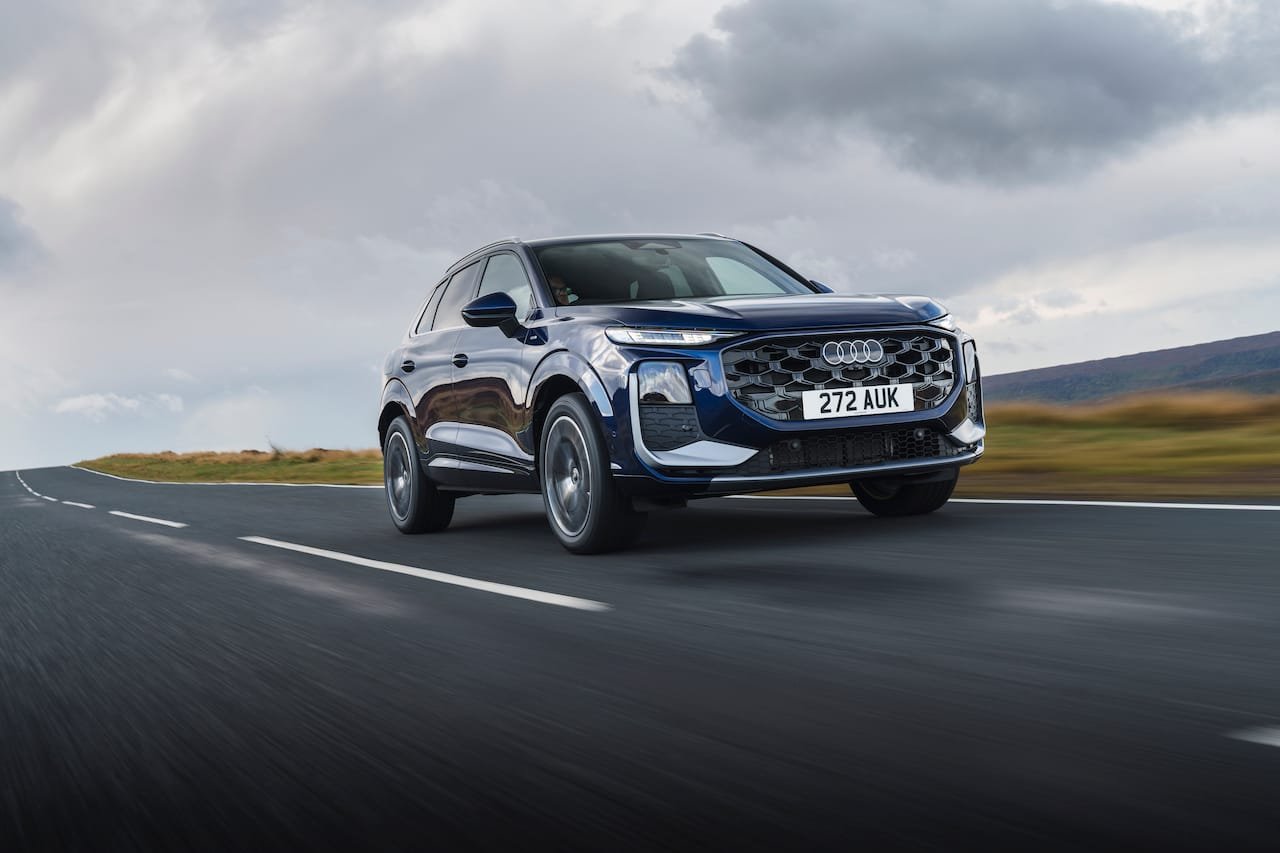
The route combined flowing A-roads with narrower, undulating B-roads that twist and dip across the countryside. These are the roads that expose poor suspension tuning. Successive compressions, broken surfaces and tightening bends quickly reveal whether a chassis has been properly developed or simply tuned to feel soft during a short test drive.
The Q3 simply shrugged it all off. From the first few miles, there’s an underlying sense of composure that’s difficult to quantify but immediately noticeable. The steering is well weighted, offering just enough resistance to inspire confidence without ever feeling artificially heavy. More importantly, it tells you what the front tyres are doing. That’s becoming surprisingly rare.
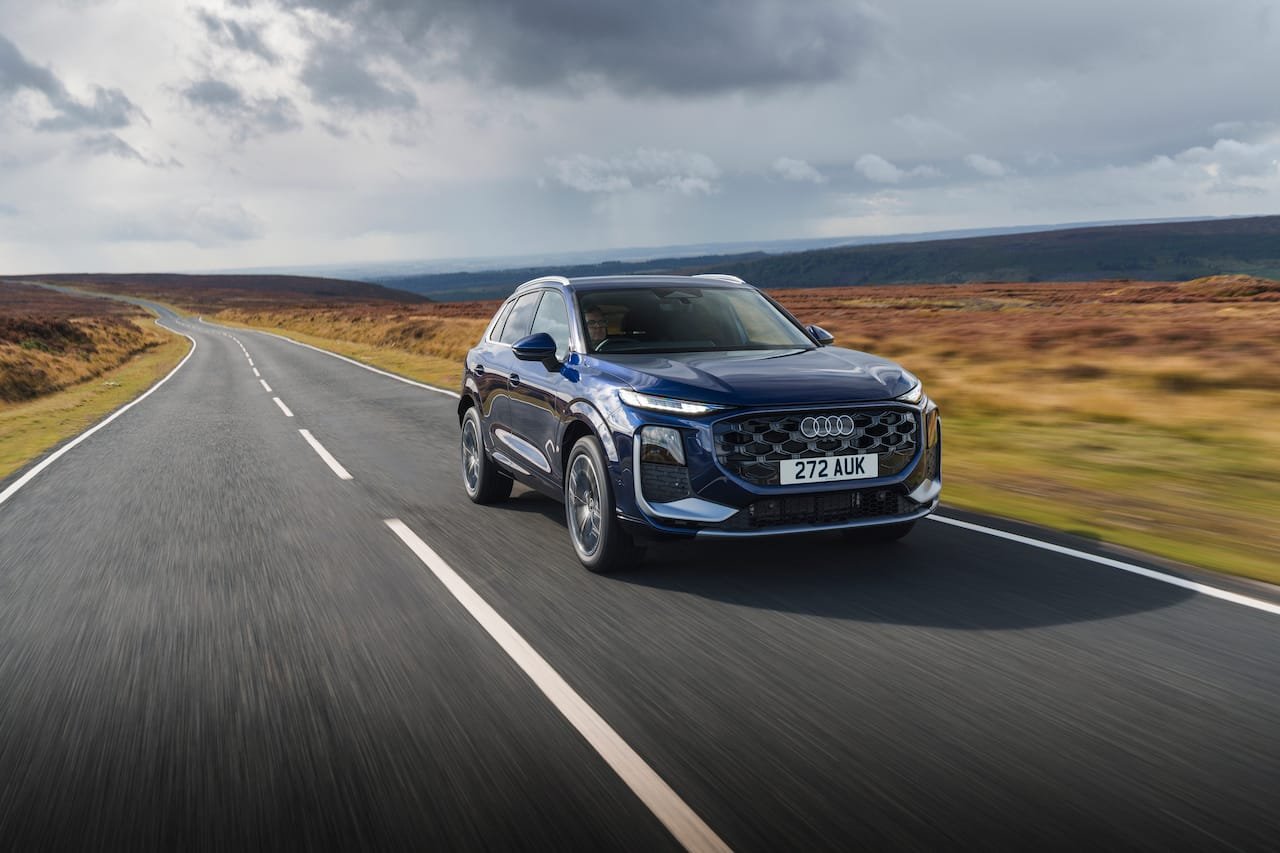
Turn into a corner and the Q3 responds cleanly and predictably. There’s very little unnecessary body movement and the car settles almost immediately after encountering bumps or crests.
The suspension deserves particular praise. Having spent much of the past year driving a succession of Chinese-built SUVs, the contrast couldn’t have been clearer. Many of those cars offer exceptional value and increasingly impressive interiors, but a common theme has been suspension tuning that simply isn’t quite right for Britain’s roads.
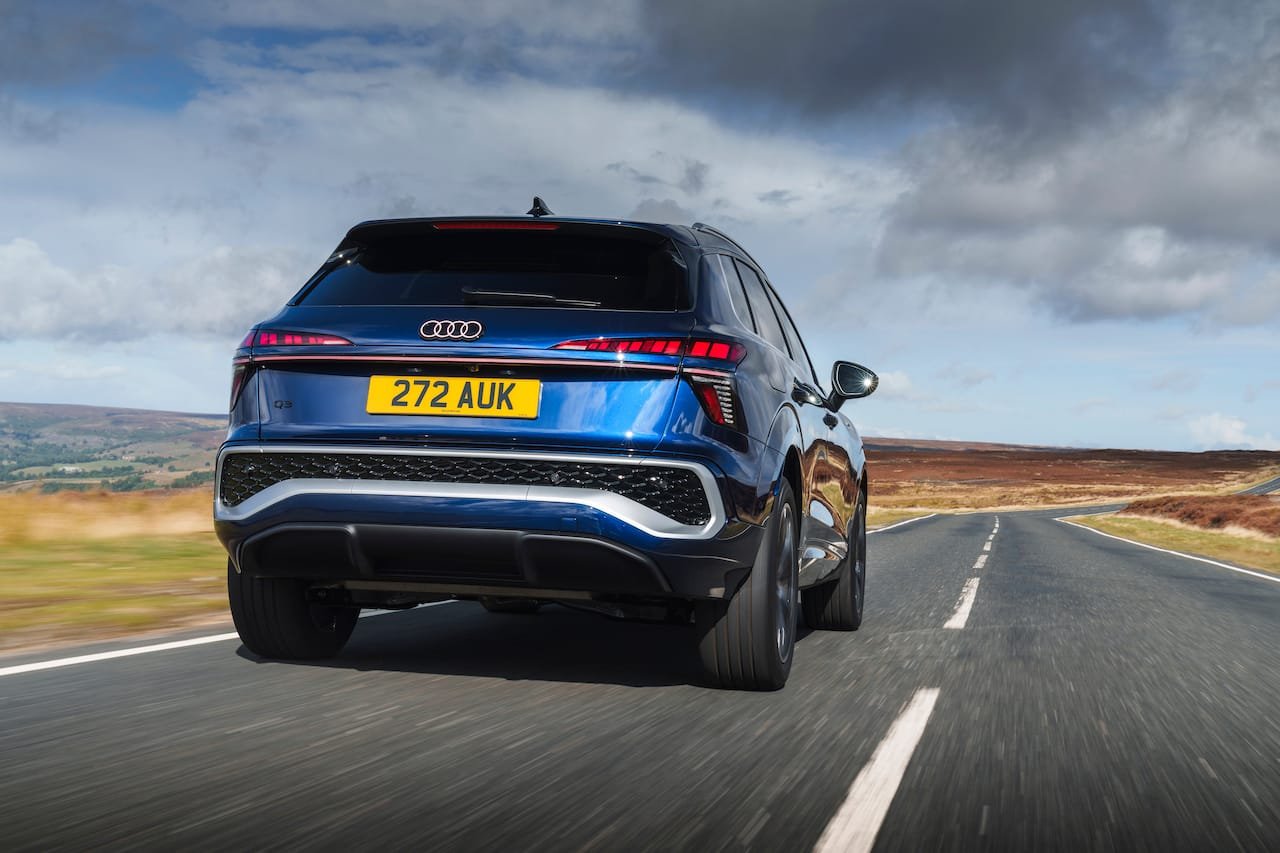
Too often there’s an initial softness that feels comfortable around town but becomes increasingly unsettled on faster A-roads and twisting B-roads. After every compression or crest the body continues to oscillate just that little bit too long, introducing a subtle floatiness that gradually becomes tiring over the course of a longer journey.
The Audi feels entirely different. Its dampers absorb an imperfection, control the movement and then settle the car almost immediately. The result is a chassis that remains composed regardless of what the road throws at it. Passengers remain comfortable, the driver remains confident and the vehicle never feels like it’s working against you.
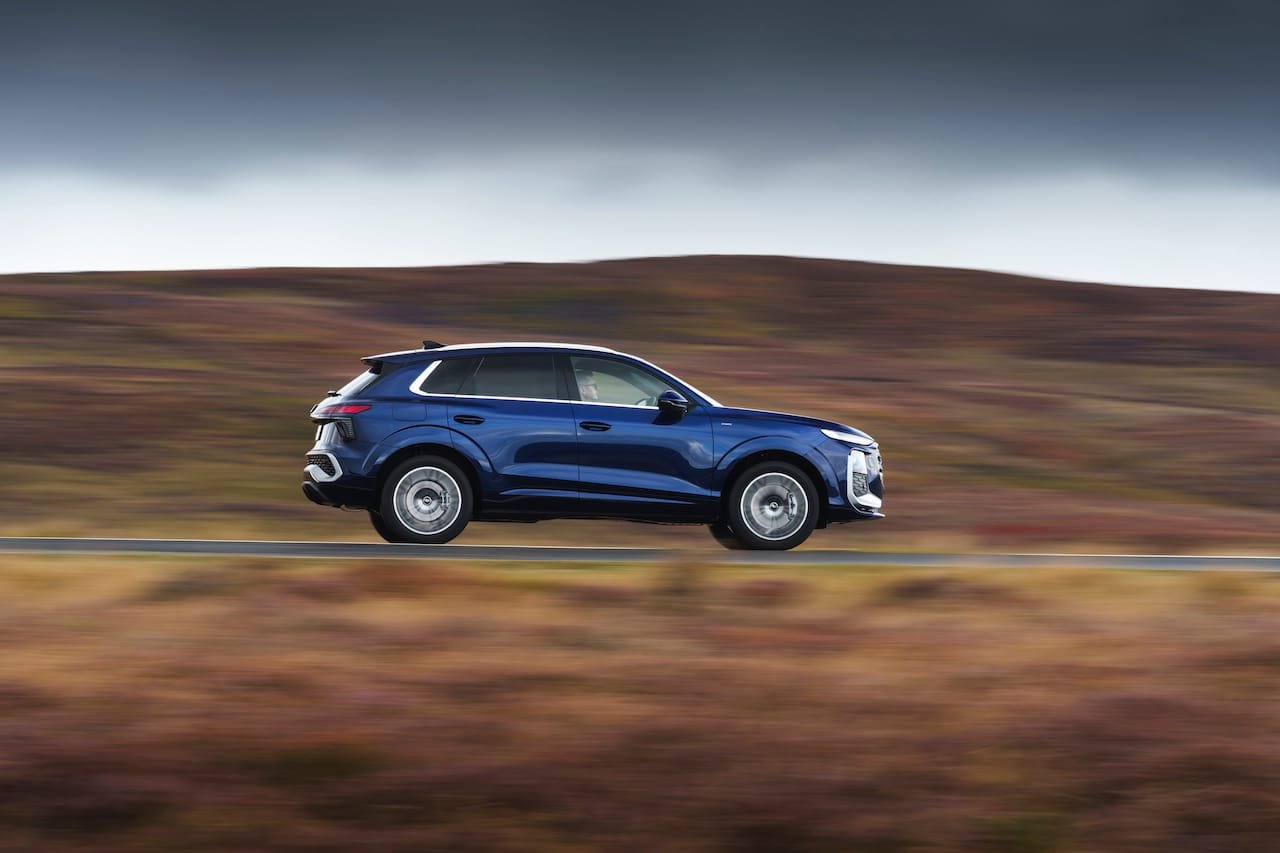
That’s not to suggest the Q3 is firm or sporting. Quite the opposite.
Ride comfort is excellent, even on the larger alloy wheels fitted to the S line. The difference is that comfort comes through control rather than softness. The suspension breathes with the road instead of reacting to it.
The plug-in hybrid system complements that character perfectly. Combined output stands at 272PS with 400Nm of torque, making the Q3 e-hybrid reassuringly brisk rather than outright fast. The transition between electric and petrol power is impressively seamless, and around town the car spends much of its time operating silently on electricity alone.
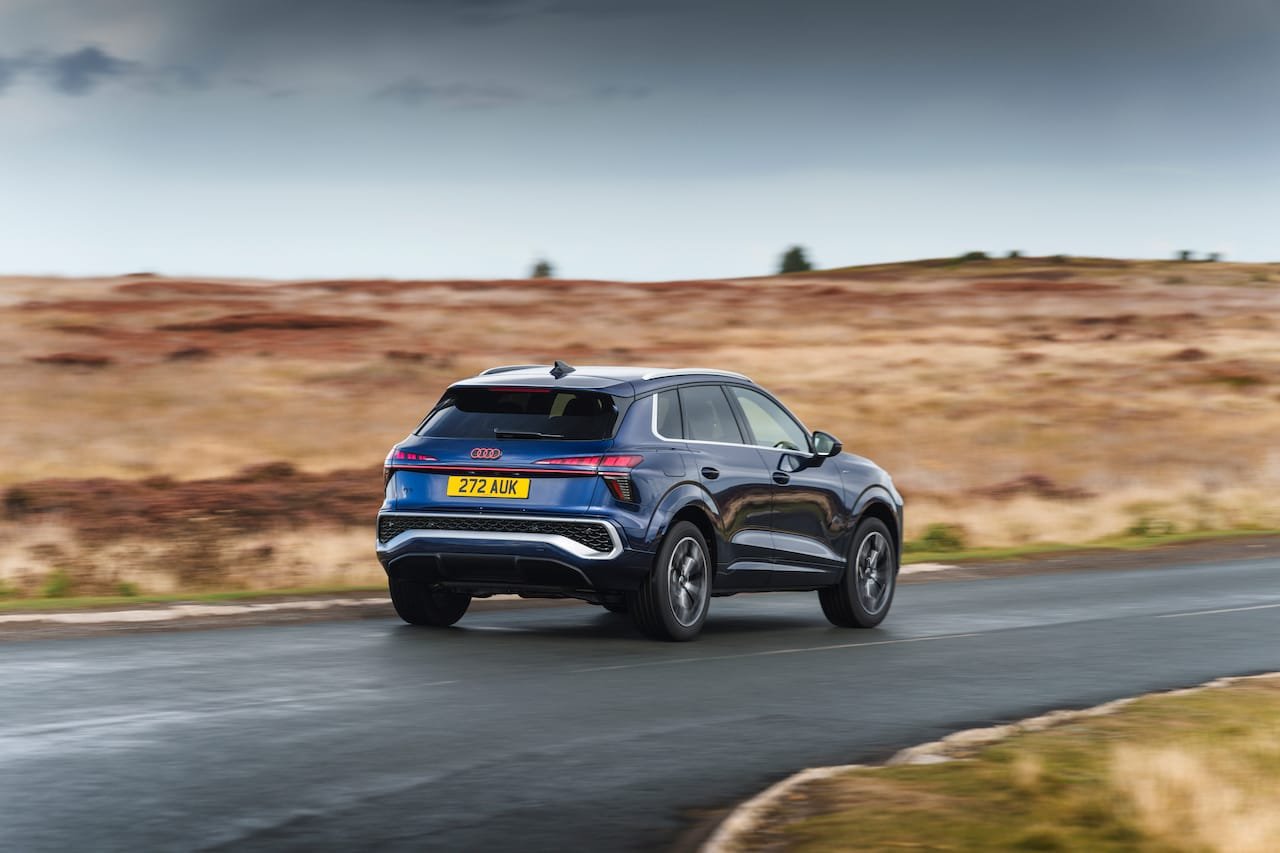
When the petrol engine does join the party it’s refined, unobtrusive and well matched to the six-speed S tronic transmission. Gear changes are smooth and well timed, while the electric motor provides enough instant torque to mask any hesitation. It all adds up to a driving experience that feels thoroughly polished.
Lower monthly payments are understandably attractive, particularly in today’s market, and many newer rivals make a compelling financial case. But after spending a day exploring the Borders in the Q3, I was reminded why some buyers are still prepared to spend a little more.
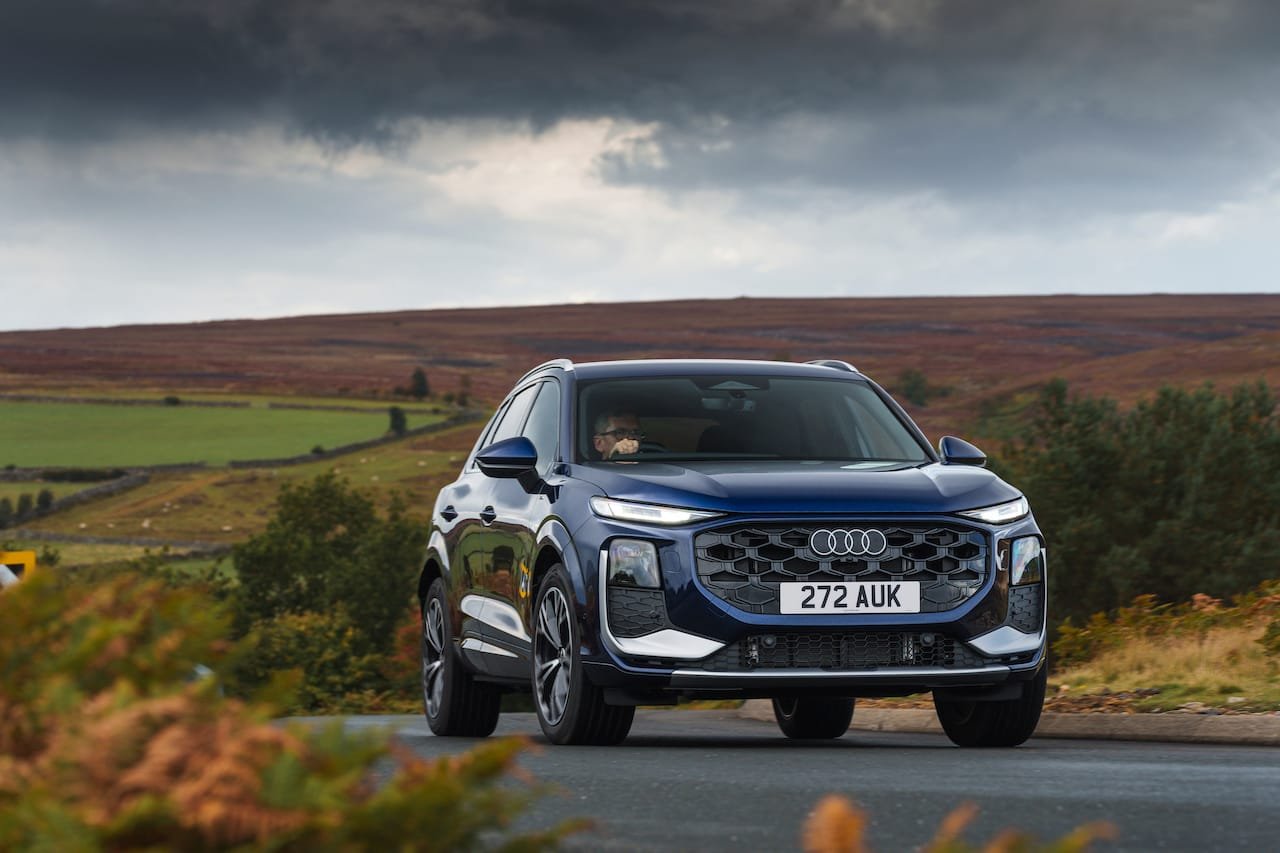
A well-engineered chassis isn’t something you notice once. You notice it almost every single journey. Particularly the longer, more challenging ones.
Efficiency, Range and Charging
The larger battery means the official electric-only range increases to as much as 74 miles, with the S line tested here achieving an official 70 miles. That’s a significant improvement over the outgoing model and enough to cover the daily driving needs of many owners without ever starting the petrol engine.
Unlike many plug-in hybrids, the Q3 also supports 50kW DC rapid charging. It’s a feature that’s easy to overlook until you actually need it. Being able to add a meaningful amount of charge during a coffee stop makes the Q3 feel much more like a genuine electrified vehicle rather than simply a petrol car with a backup battery.
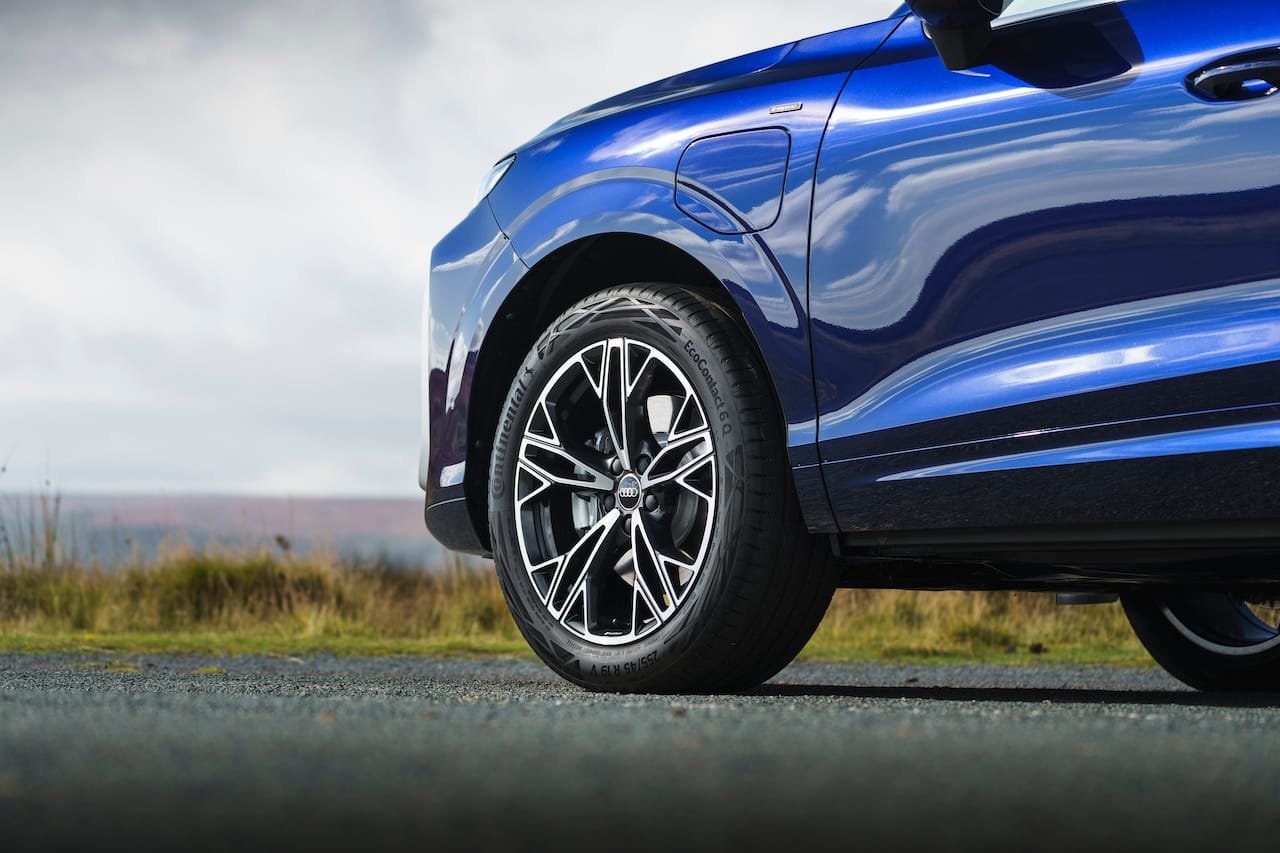
For home charging, the new 11kW AC onboard charger reduces charging times considerably where a compatible 3-phase electric supply is available.
Audi’s energy management software is equally intelligent, automatically balancing battery usage with navigation data and driving conditions to maximise efficiency over longer journeys.
Rivals
The premium compact SUV market has never been more competitive.
BMW’s X1 xDrive30e remains one of the Q3’s closest rivals, offering sharper handling and a similarly capable plug-in hybrid system. Mercedes-Benz counters with the GLA 250e, while Volvo’s XC40 Recharge Plug-in Hybrid continues to appeal through its understated Scandinavian design.
Then there are the increasingly accomplished challengers from China. Cars such as the Omoda 9, Jaecoo 7 SHS and Geely EX5 offer extraordinary levels of equipment for the money and have made remarkable strides in interior quality.
Where the Audi justifies its premium is in the details.
The steering, the suspension tuning, the refinement and the overall cohesiveness of the driving experience combine to create a car that feels engineered rather than merely assembled – and that difference becomes increasingly apparent the longer you spend behind the wheel.
Verdict
The new Audi Q3 e-hybrid doesn’t chase headlines. It won’t win buyers over with enormous, rotating touchscreens or gimmicky features, and it certainly isn’t the cheapest family SUV on the market.
Instead, it succeeds by getting the fundamentals absolutely right.
The plug-in hybrid system is among the best currently available, the new infotainment system is a significant improvement and the cabin continues to demonstrate why Audi remains one of the benchmarks for interior quality.
But it’s the way the Q3 drives that leaves the strongest impression.
After spending time in a growing number of value-focused SUVs from newer (to the UK) manufacturers, the Audi serves as a timely reminder that decades of chassis development still count for something. The steering, damping and body control combine to create a level of composure that many rivals still struggle to match.
Yes, you’ll pay more. Monthly finance payments are likely to be higher too. But if you regularly drive on Britain’s wonderfully imperfect roads, you’ll appreciate where that extra money has gone every single time you get behind the wheel.

At a Glance
- Make & Model: Audi Q3 e-hybrid S line
- Price (OTR): From £45,800
- Powertrain: 1.5-litre turbocharged petrol plug-in hybrid
- Drive: Front-wheel drive
- Power: 272 PS
- Torque: 400 Nm
- Battery: 25.7 kWh (19.7 kWh usable)
- Transmission: 6-speed S tronic
- 0-62 mph: 6.8 seconds
- Top Speed: 134 mph (87 mph electric)
- Electric Range: Up to 74 miles WLTP (70 miles S line)
- Charging: 11 kW AC / 50 kW DC rapid charging